

Disclosure: This article contains affiliate links. We may earn a commission from purchases at no extra cost to you, which helps our travel content.
The first time my camera lens caught the golden light washing over Algoa Bay, I knew Port Elizabeth had stolen a piece of my heart. This often-overlooked gem on South Africa's Eastern Cape offers a photographer's playground where rugged coastlines meet urban charm and wildlife roams just beyond city limits. After spending a week chasing light and wildlife through PE (as the locals affectionately call it), I'm sharing my complete guide to capturing the soul of this diverse coastal paradise.

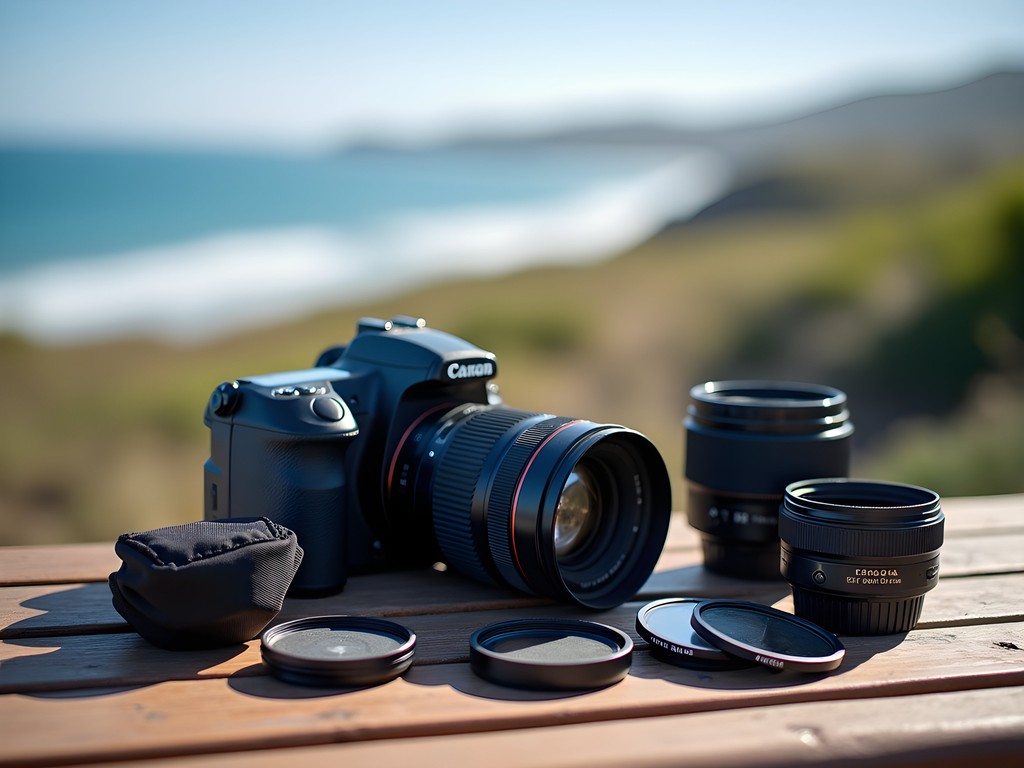
Essential Gear for Wildlife Coast Photography
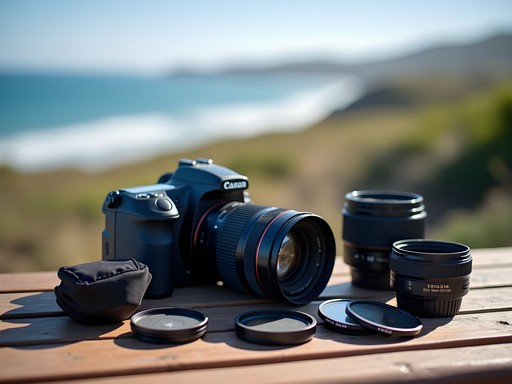
Before diving into locations, let's talk gear. Port Elizabeth's diverse landscape demands versatility from your photography equipment. The wildlife opportunities here are incredible, but they often require some reach. I relied heavily on my telephoto zoom lens (70-300mm) for capturing distant marine life and animals at the reserves. For those breathtaking coastal landscapes, a wide-angle lens is non-negotiable – the dramatic meeting of land and sea demands it.
The Eastern Cape sun can be intense, making a quality polarizing filter essential for cutting glare off the ocean and enhancing those rich blues. I never leave my accommodation without my camera rain cover as afternoon showers can appear without warning, especially during summer. And don't underestimate the wind! My camera strap saved my equipment countless times when sudden gusts hit along the coastline.
For those planning sunrise shoots at Sardinia Bay (an absolute must), bring a headlamp for navigating the dunes in pre-dawn darkness. The rechargeable battery lasted my entire trip, and the slim profile meant I could pack it anywhere.
💡 Pro Tips
- Bring lens cleaning supplies – salt spray from the ocean is constant
- Pack extra memory cards – wildlife shooting fills them quickly
- A lens with weather sealing is worth the investment for coastal conditions
Addo Elephant National Park: Wildlife Photography Paradise
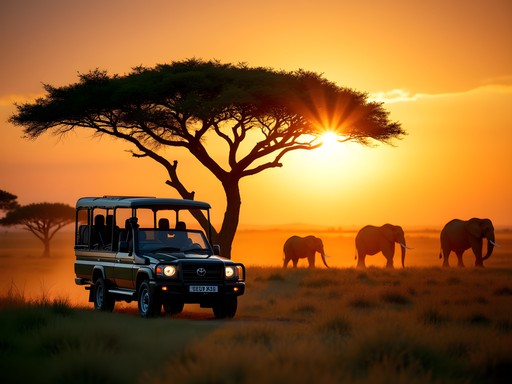
Just an hour's drive from Port Elizabeth lies Addo Elephant National Park – a place that had me questioning if I'd packed enough memory cards within the first hour. Home to over 600 elephants, this park offers the most accessible wildlife photography you could hope for. The key to success here? Patience and early mornings.
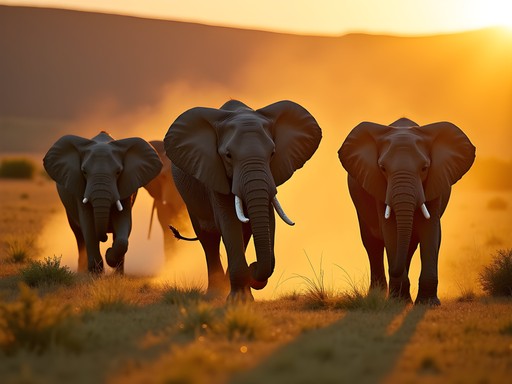
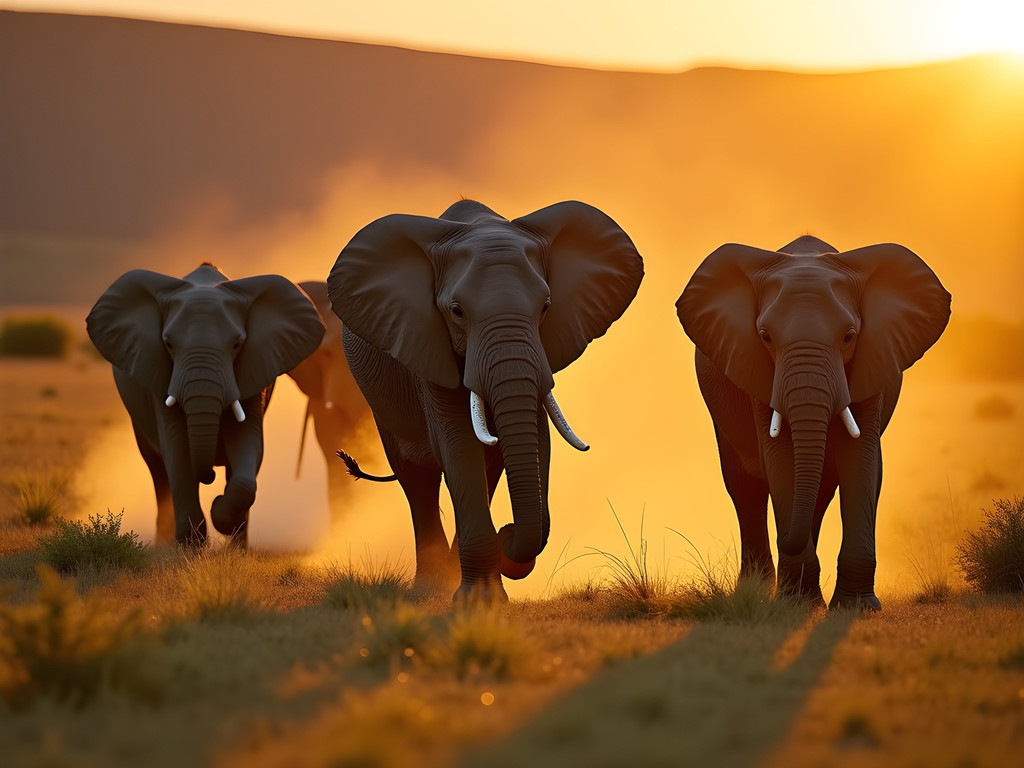
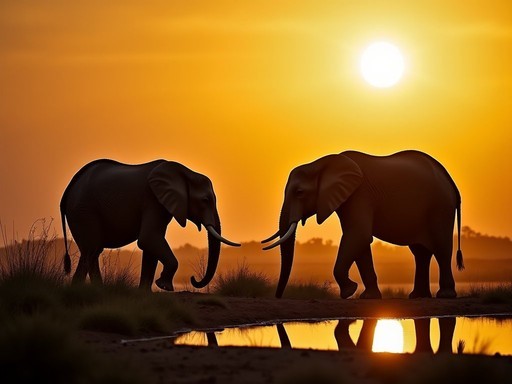
I arrived at the gates when they opened at 7am and was rewarded with magical golden hour light streaming through dust kicked up by elephant herds heading to watering holes. The contrast between their textured gray skin and the warm orange light created images that no filter could replicate.
While elephants are the stars, don't overlook the incredible bird photography opportunities. The park's diverse ecosystems support over 400 bird species, from the striking lilac-breasted roller to majestic fish eagles. I found the Domkrag Dam and Hapoor waterhole viewpoints particularly productive for capturing wildlife interactions.
Since wildlife photography often means long waits in your vehicle, comfort is essential. My car seat cushion saved my back during those extended sessions waiting for the perfect elephant family moment. For keeping camera batteries charged between lodge stays, my car power inverter proved invaluable – especially when I couldn't resist staying out from sunrise to sunset.
💡 Pro Tips
- Visit midweek if possible – fewer vehicles means better positioning for shots
- The Main Camp waterhole has excellent afternoon light for elephants
- Bring a beanbag camera rest for vehicle window stability
Coastal Magic: Sardinia Bay to Cape Recife
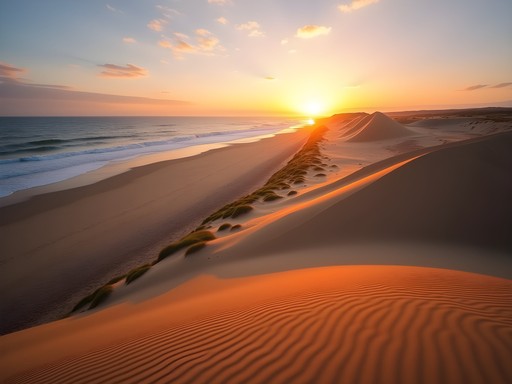
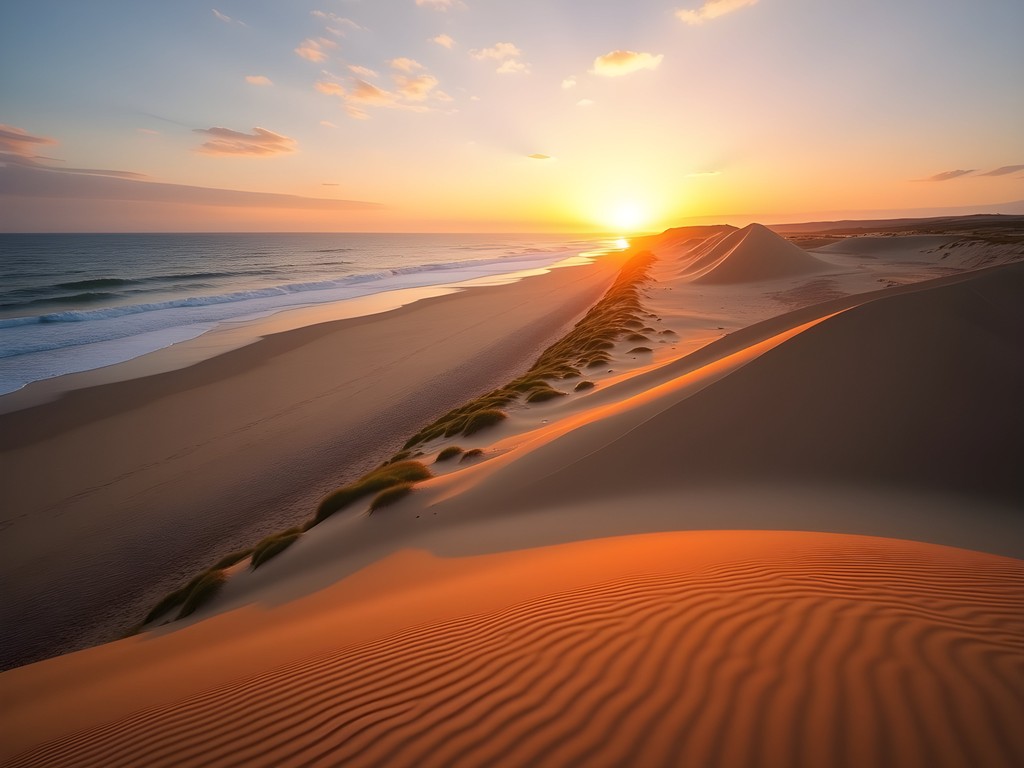
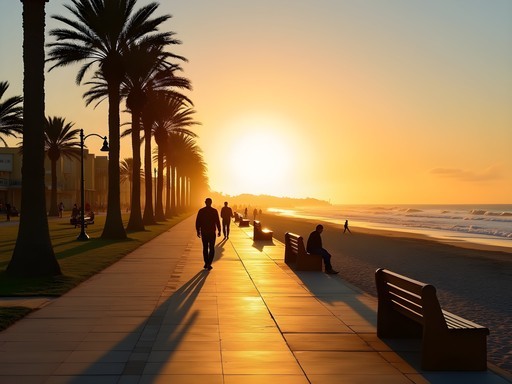
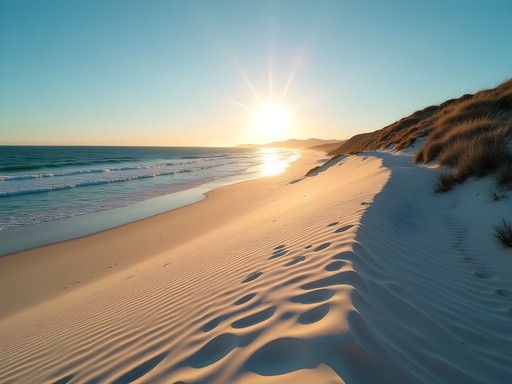
Port Elizabeth's coastline offers a dramatic contrast to the bushveld, with pristine beaches, rugged cliffs, and moody seascapes that had me shooting until my memory cards cried for mercy. Sardinia Bay became my sunrise ritual – arriving 45 minutes before daybreak to catch the first light painting the massive dunes in soft pastels.
The beach stretches for miles, but I found the northern end most photogenic where massive dunes meet the shoreline. For safety, I never ventured there alone during early morning shoots – my personal alarm came everywhere with me as a precaution, though I never needed to use it.
Cape Recife Nature Reserve offers my favorite coastal compositions, especially around the lighthouse. The rocky outcrops create natural leading lines, and if you time your visit with low tide (I used the tide tracking app to plan), you'll discover stunning tide pools that create perfect reflections of the lighthouse.
The coastal wind here is no joke – it nearly knocked me over several times! My camera stabilizer earned its keep, especially for those long-exposure shots of waves crashing against the lighthouse rocks. Pro tip: bring a microfiber cloth to wipe sea spray from your lens – you'll use it constantly.
💡 Pro Tips
- Use graduated ND filters for balancing bright skies with darker foregrounds
- The best seascapes happen during stormy weather – be prepared to shoot in challenging conditions
- Visit Cape Recife lighthouse at sunset for dramatic silhouettes

Urban Wildlife: Kragga Kamma & Seaview Predator Park
One of Port Elizabeth's unique photography opportunities is the proximity of wildlife experiences to the city center. Kragga Kamma Game Park, just 15 minutes from downtown, offers intimate wildlife encounters without the long drive to bigger reserves. I spent a magical afternoon photographing white rhinos grazing against the backdrop of Port Elizabeth's distant skyline – a juxtaposition that tells South Africa's conservation story in a single frame.
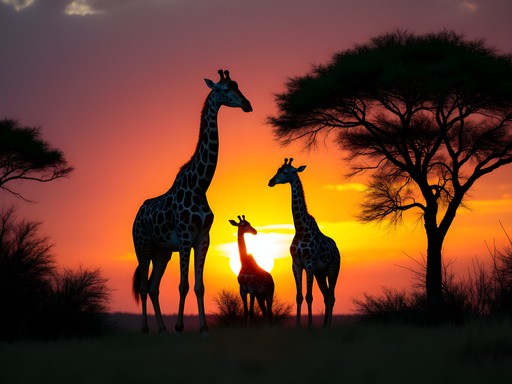
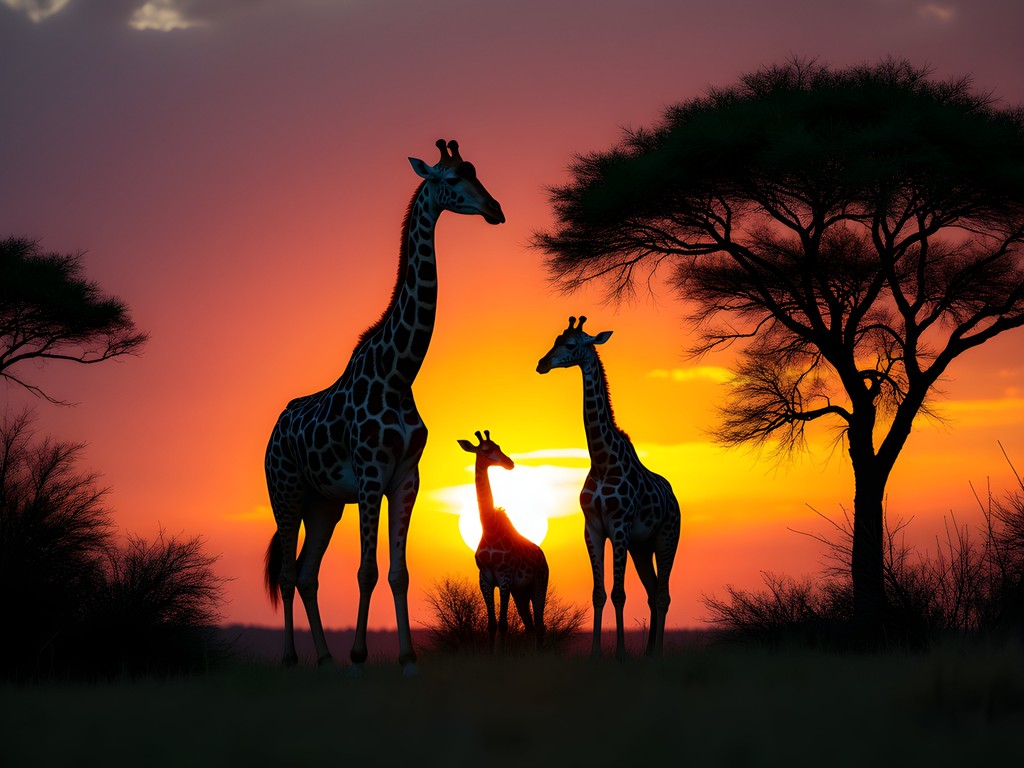
The park's giraffe population proved especially photogenic, particularly in late afternoon when they gathered around the acacia trees. For these tall subjects, I relied on my monopod to stabilize my telephoto lens while maintaining mobility.
For big cat photography, Seaview Predator Park provides ethical opportunities to photograph lions, tigers, and cheetahs in spacious enclosures. While I generally prefer truly wild settings, their conservation work is commendable, and the photography opportunities are exceptional. Their early morning photography passes (book at least two days ahead) allow access before regular visitors, providing cleaner backgrounds and better light.
While shooting at Seaview, my lens pen became my most-used accessory – the dusty environment meant constantly cleaning my gear. The brush end removed dust while the carbon tip handled fingerprints and smudges without damaging my expensive glass.
💡 Pro Tips
- Shoot through the fence at Seaview using a wide aperture (f/2.8 or wider) to make barriers disappear
- Visit Kragga Kamma on weekdays for fewer vehicles in your backgrounds
- Bring a longer lens than you think you need – the animals often keep their distance
Marine Photography: Boat Tours & Penguin Colony
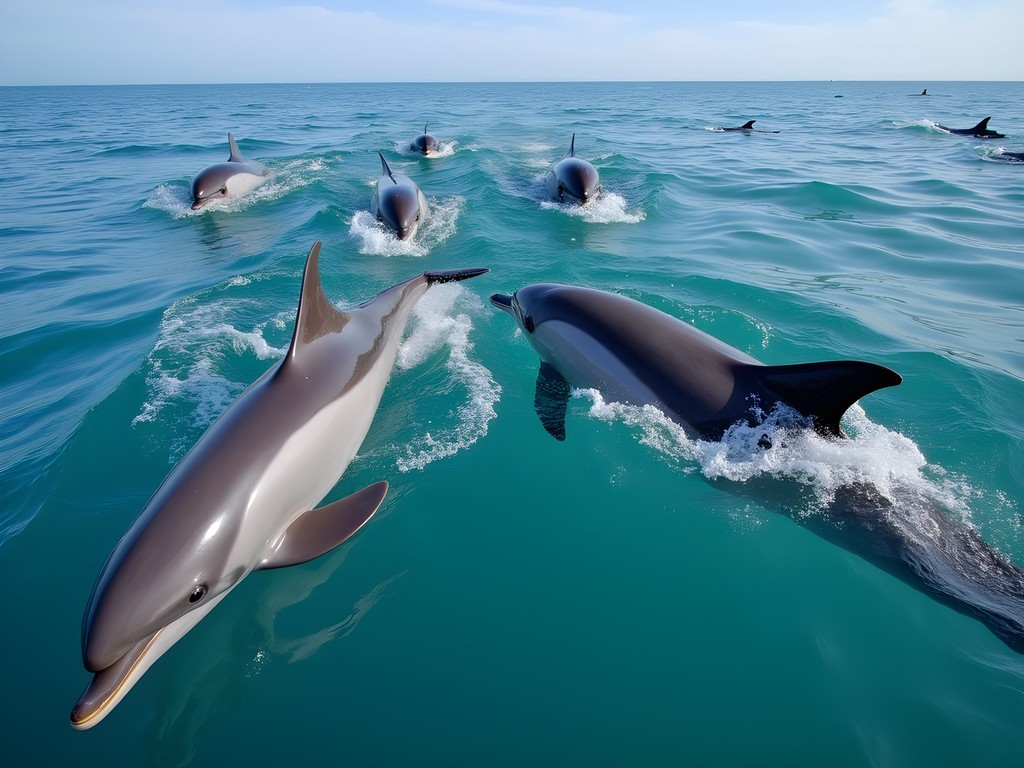
No photography guide to Port Elizabeth would be complete without mentioning the incredible marine life opportunities. Raggy Charters offers specialized photography-focused boat tours that transformed my portfolio with images of bottlenose dolphins, southern right whales (in season from June to November), and even the occasional orca.
The key to successful marine photography here is preparation. Seasickness can ruin your shooting day, so I started taking motion sickness tablets the night before my boat tour. These non-drowsy tablets kept me steady without affecting my concentration – crucial when tracking fast-moving dolphins!
For protecting my gear on the boat, my waterproof camera bag provided peace of mind against spray and unexpected waves. I could quickly access my equipment while keeping it protected between shooting opportunities.
The African penguin colony at St. Croix Island offers another unique photography opportunity. The boat tours approach respectfully, allowing for intimate portraits of these endangered birds. When photographing the penguins, I found my 70-300mm lens perfect for close-ups without disturbing their natural behavior.
My abuela always told me stories about respecting wildlife while observing it – advice that guided my approach here. I kept my distance and let the animals' natural behaviors dictate my shots rather than trying to force interactions. The resulting images captured authentic moments that no staged wildlife park could provide.
💡 Pro Tips
- Set your camera to continuous shooting mode for breaching whales and dolphins
- Use a polarizing filter to cut glare and see deeper into the water
- Increase your shutter speed to at least 1/1000 for sharp images of moving marine life
Final Thoughts
As I packed away my gear on my final evening in Port Elizabeth, scrolling through thousands of images captured over just one week, I realized this underrated South African city had given me some of my most treasured wildlife and landscape photographs to date. From the gentle giants of Addo to the playful dolphins of Algoa Bay, from dramatic lighthouse seascapes to urban wildlife juxtapositions – PE offers a diversity that few destinations can match.
What makes Port Elizabeth truly special for photographers is the accessibility of these diverse environments. In a single day, you can capture sunrise over pristine dunes, spend midday with elephants and rhinos, and finish with a sunset marine shoot – all without exhausting travel between locations.
Whether you're an experienced wildlife photographer or just beginning your journey behind the lens, Port Elizabeth deserves a place on your photography bucket list. Pack your gear, charge your batteries, and prepare to be humbled by the raw beauty of South Africa's Wildlife Coast. And when you go, remember what my abuela always said: 'The best photographs happen when you stop trying to take pictures and start seeing with your heart.' Port Elizabeth makes that easy.
✨ Key Takeaways
- Port Elizabeth offers incredible diversity for photographers: wildlife, marine life, landscapes and urban scenes all in close proximity
- The shoulder seasons (April-May and September-October) provide the best combination of wildlife activity and favorable weather conditions
- Early morning and late afternoon golden hours are essential for the most dramatic wildlife and landscape images
- Proper preparation with specialized gear for coastal conditions will protect your equipment and enhance your results
- Respecting wildlife and maintaining appropriate distances results in more authentic and compelling images
📋 Practical Information
Best Time to Visit
October-April (summer), with whale season June-November
Budget Estimate
$1,200-$1,800 for one week (mid-range accommodations, car rental, park fees, boat tours)
Recommended Duration
5-7 days minimum
Difficulty Level
Moderate


Comments
starlife
Planning a trip to PE next January - what's the best time of day to visit Addo for photography? And did you need any special permits for professional camera equipment in the parks?
Ingrid Rivera
Early morning (6-8am) or late afternoon (4-6pm) are magic at Addo! The animals are most active and the light is gorgeous. No special permits needed for standard camera gear, but if you're bringing professional video equipment or drones, you'll need to check with park authorities first. Enjoy your trip!
Frank Garcia
I'd second Ingrid's advice on timing. January will be hot, so animals tend to be more active very early. The waterholes near Hapoor Dam were particularly good for me - worth spending extra time there!
starlife
Thanks both! Setting my alarm for those early mornings then. Can't wait!
Frank Garcia
Brilliant post, Ingrid! I backpacked through South Africa last summer and Port Elizabeth was an unexpected highlight. For anyone planning a trip, I'd add that the 70-300mm lens recommendation is spot on for Addo - I actually found my telephoto zoom essential for those distant elephant herds. One tip I'd add: the boardwalk at Cape Recife offers stunning compositions with the lighthouse, especially if you can catch it during stormy weather. The contrast between rough seas and the white structure is photographic gold. Did you get a chance to photograph any marine life during your stay?
Ingrid Rivera
Thanks Frank! Great point about Cape Recife during stormy weather - I was lucky to catch one dramatic sunset there. For marine life, I did a boat tour from the harbor and got some decent shots of bottlenose dolphins, but nothing frame-worthy. Next time I'm bringing a better stabilizer for the boat!
springexplorer
Wow, this brings back memories! I visited Port Elizabeth last year and Addo Elephant Park was absolutely incredible. Got some amazing shots of elephants at the watering hole during golden hour. Didn't make it to Kragga Kamma though - definitely adding that to my list for next time! Your coastal shots are stunning, Ingrid!
Ingrid Rivera
Thanks so much! The golden hour at Addo is magical, isn't it? Definitely check out Kragga Kamma next time - the cheetahs there make for incredible subjects if you're patient!
springexplorer
Will do! Did you have any issues with lighting in the more forested areas? My shots came out a bit dark there.
sunsetwanderer
How many days would you recommend staying in PE to cover all these photography spots properly?
Ingrid Rivera
I'd say minimum 5 days - you'll want at least a full day at Addo, another for the coastal areas, and time to explore the city spots. If you can stretch to a week, even better!
sunsetwanderer
Perfect, thanks! Just booked for 6 days in January.
George Hayes
We took our kids to Port Elizabeth last summer and it was phenomenal for family wildlife photography. My 8-year-old got her first proper wildlife shots at Kragga Kamma - the giraffe feeding platform there is perfect for kids to get eye-level photos. Addo was the highlight though. We saw a massive elephant herd crossing right in front of our car. My daughter was clicking away with her little camera while my son recorded video on the tablet. It's one of those destinations that works for serious photographers AND families just wanting to experience wildlife together. The accommodations near Addo were reasonably priced too, which helped with our family budget.
starwanderer
Port Elizabeth completely surprised me too! I was just passing through on my way to Garden Route but ended up staying an extra 5 days. The marine life at Cape Recife is next level - saw dolphins, seals, and even whales breaching in the distance. Pro tip: bring a longer lens than you think you need. My 200mm wasn't quite enough for some of the wildlife shots. Also the wind at the coast is NO JOKE, definitely need a sturdy tripod.
George Hayes
The wind!! Yes! We learned that the hard way with our cheap tripod nearly blowing over.
sunnybackpacker
This is amazing!! Adding PE to my bucket list right now. Never even heard of it before but those elephant pics are stunning!
oceanseeker
Port Elizabeth is seriously underrated!! I've been to SA four times and PE was my favorite coastal spot. Kragga Kamma is fantastic for beginners to wildlife photography because the animals are more habituated and you can get closer shots. Pro tip: bring extra batteries because you'll be shooting WAY more than you think, especially at Addo. The landscapes alone are worth it even without the animals. Also the seafood restaurants along the beachfront are amazing after a long day of shooting. Thanks for this guide Ingrid, really comprehensive!
happydiver
Good to know about the extra batteries! Adding that to my packing list
Ahmed Palmer
Excellent comprehensive guide, Ingrid. I visited PE three years ago and found the diversity quite remarkable - from macro opportunities with coastal invertebrates to large mammal photography at Addo. One aspect worth mentioning: the weather can shift dramatically. I experienced four distinct conditions in a single afternoon at Cape Recife. Having weather-sealed equipment proved invaluable. The Seaview Predator Park offers controlled conditions for those wanting guaranteed big cat shots, though I personally prefer the unpredictability of true wildlife encounters.
summerway1663
What's the best time of year to visit for wildlife photography? Planning a trip for later this year and want to get the timing right.
Ahmed Palmer
Winter months (June-August) are optimal. Animals congregate around water sources making them easier to spot and photograph. The vegetation is also less dense. However, you'll deal with colder temperatures at dawn.
Venture X
Premium card with 2X miles, $300 travel credit, Priority Pass