

Disclosure: This article contains affiliate links. We may earn a commission from purchases at no extra cost to you, which helps our travel content.
The moment I stepped off the train at Ogden's historic Union Station, I knew I had discovered a photographer's secret paradise. Nestled where the Wasatch Mountains meet the Great Salt Lake, this former railroad hub offers a visual feast that few American destinations can match. As someone who's photographed coastlines from Paraty to Kyoto, I was stunned by how Ogden's autumn palette transformed familiar landscapes into something extraordinary—where industrial heritage, mountain wilderness, and vibrant street life converge in perfect harmony.

Mountain Magic: Capturing Ogden's Alpine Canvas
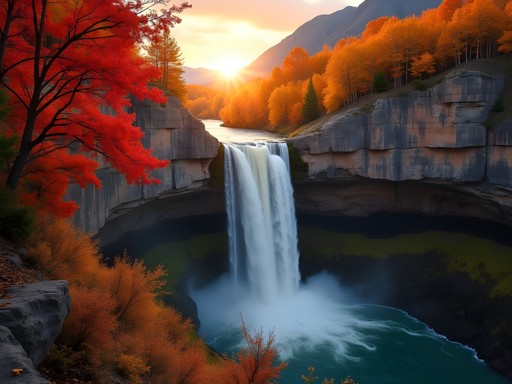
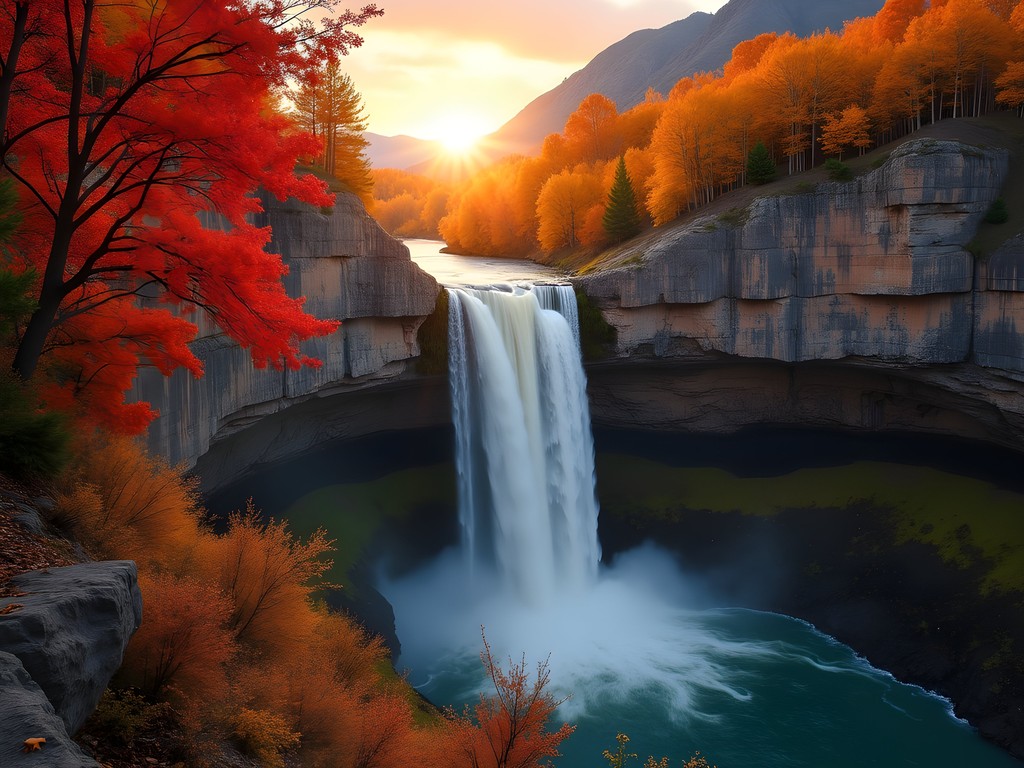
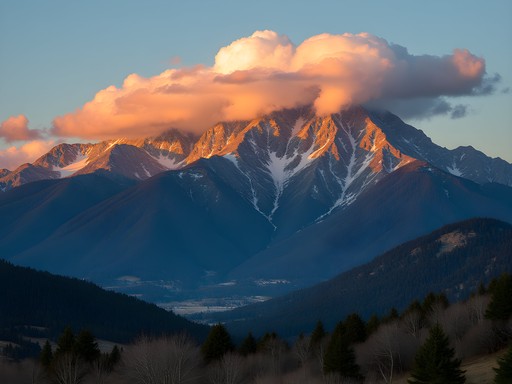
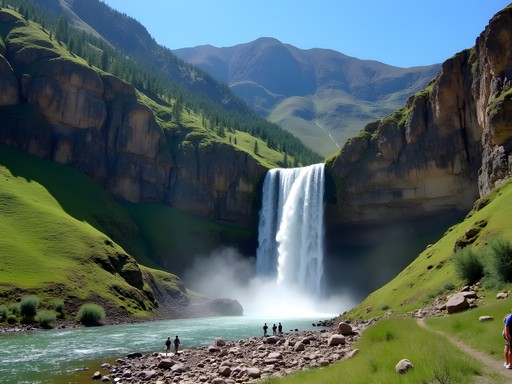
The Wasatch Range isn't just a backdrop for Ogden—it's the city's defining character. During fall, these mountains transform into a patchwork quilt of crimson, amber, and gold that would make even the most seasoned photographer catch their breath. I spent my first morning hiking the Waterfall Canyon Trail, arriving before sunrise with my carbon fiber tripod to catch the first light painting the valley.
The trail offers multiple vantage points, each revealing a different composition of mountains, valley, and sky. What struck me most was how the light constantly shifted, creating new scenes every fifteen minutes. By mid-morning, I found myself at the 200-foot waterfall, where I switched to my variable ND filter to capture the silky flow of water against the autumn foliage.
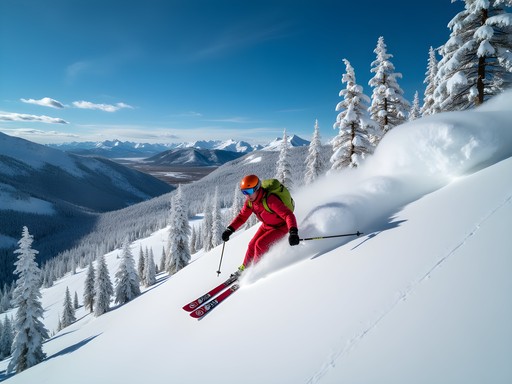
Later that afternoon, I took the Needles Gondola at Snowbasin Resort—a photographer's shortcut to alpine views that would otherwise require hours of hiking. From the summit, the Great Salt Lake shimmered in the distance while the mountains rolled out like waves frozen in time. Incrível doesn't begin to describe it.
💡 Pro Tips
- Arrive at Waterfall Canyon trailhead 30 minutes before sunrise for the best light on the mountains
- Use a polarizing filter to enhance the fall colors and reduce glare from foliage
- Pack microfiber cloths to protect your gear from unexpected mountain mist
Historic 25th Street: Where Time Stands Still
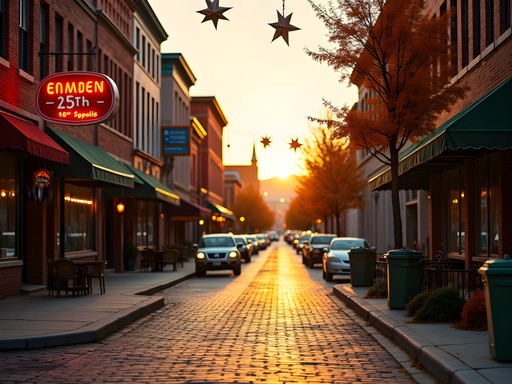
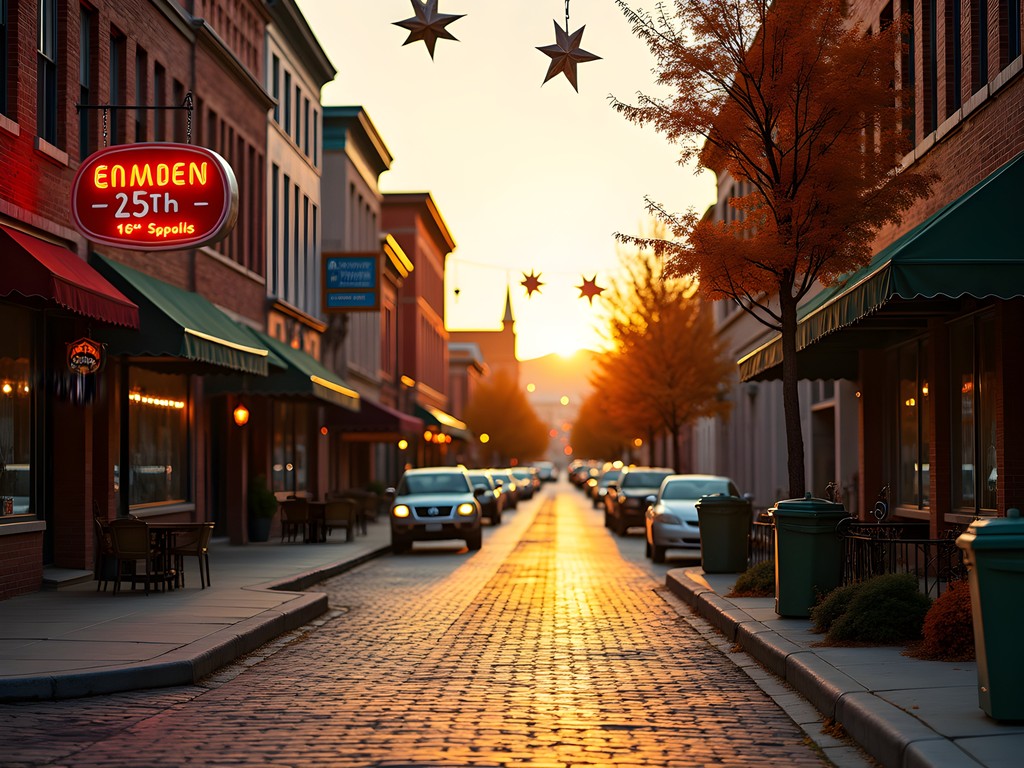
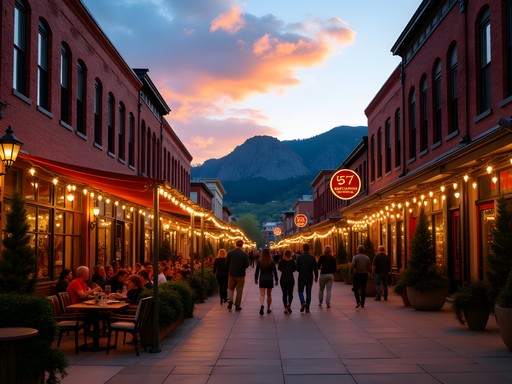
If Ogden's mountains speak to nature photographers, then Historic 25th Street whispers to those who seek stories in architecture and street photography. This three-block stretch once notorious for its rough railroad reputation now houses galleries, restaurants, and boutiques in beautifully preserved brick buildings.
I found the best light for architectural photography in the golden hour, when the late afternoon sun cast long shadows across the brick facades and illuminated the vintage neon signs. The contrast between shadow and light created natural frames that highlighted the street's character. I spent hours with my prime lens, which proved perfect for both architectural details and environmental portraits.
What fascinated me was how this district reminded me of certain neighborhoods in São Paulo—places where history and modernity dance together in visual harmony. I found myself chatting with local shopkeepers in a mix of English and my native Portuguese (which earned me confused but friendly smiles). Each storefront tells its own story, from the Union Station museum with its vintage trains to Grounds for Coffee, where I captured steam rising from my cup against the morning light streaming through century-old windows.
💡 Pro Tips
- Visit 25th Street during both morning and evening golden hours for dramatically different moods and lighting
- Look for reflections in the historic storefront windows for creative composition opportunities
- Ask permission before photographing inside local businesses—most owners are happy to share their space's history
Wildlife Encounters: Patience and Preparation
My week in Ogden coincided with the annual migration patterns of various bird species around the Great Salt Lake wetlands, creating unexpected wildlife photography opportunities. The Ogden Bay Waterfowl Management Area just west of the city became my sunrise and sunset destination for three consecutive days.
Preparing for wildlife photography in this environment required specific gear adaptations. My telephoto lens proved invaluable, though I quickly realized I needed better support than my travel tripod. A local photography store provided a rental gimbal head that transformed my experience, allowing smooth tracking of birds in flight.
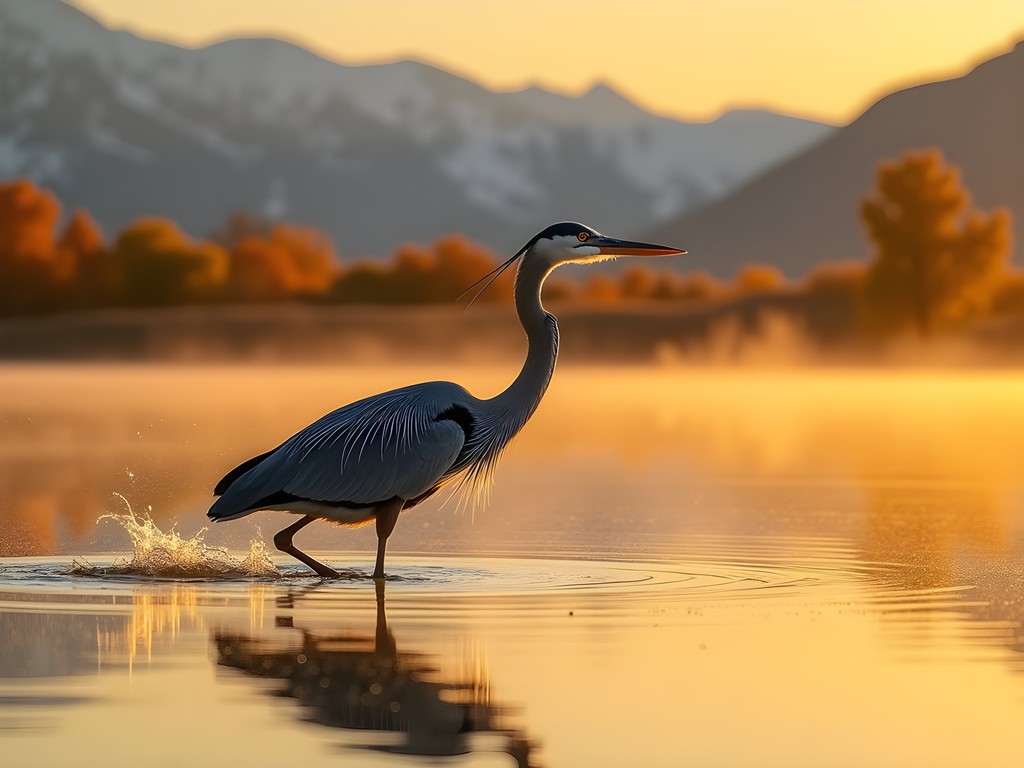
The marshlands reminded me of certain coastal areas near Santos in Brazil, though with entirely different species. I spent hours waiting in a portable photography blind I'd packed specifically for this trip. The patience paid off when I captured a great blue heron striking at fish in perfect morning light, its reflection mirrored in the still water.
Yeh drishya kitna sundar hai—this scene is so beautiful—I whispered to myself in my father's Hindi as a flock of white-faced ibis took flight against the backdrop of the mountains. These moments of connection between wildlife and landscape photography exemplify why Ogden deserves more attention from serious photographers.
💡 Pro Tips
- Visit Ogden Bay early morning (first light) or evening (last hour before sunset) for optimal wildlife activity
- Wear earth-toned clothing and move slowly to avoid startling wildlife
- Bring a thermos of hot tea or coffee—wildlife photography involves long periods of waiting in potentially cold conditions

Cultural Corners: Finding Art in Unexpected Places
Between mountain hikes and wildlife excursions, I discovered Ogden's surprising cultural depth. The First Friday Art Stroll transformed downtown into an open gallery, with local artists displaying works that captured the region's natural beauty and industrial heritage.
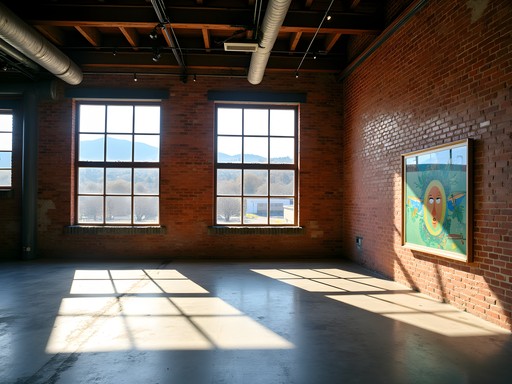
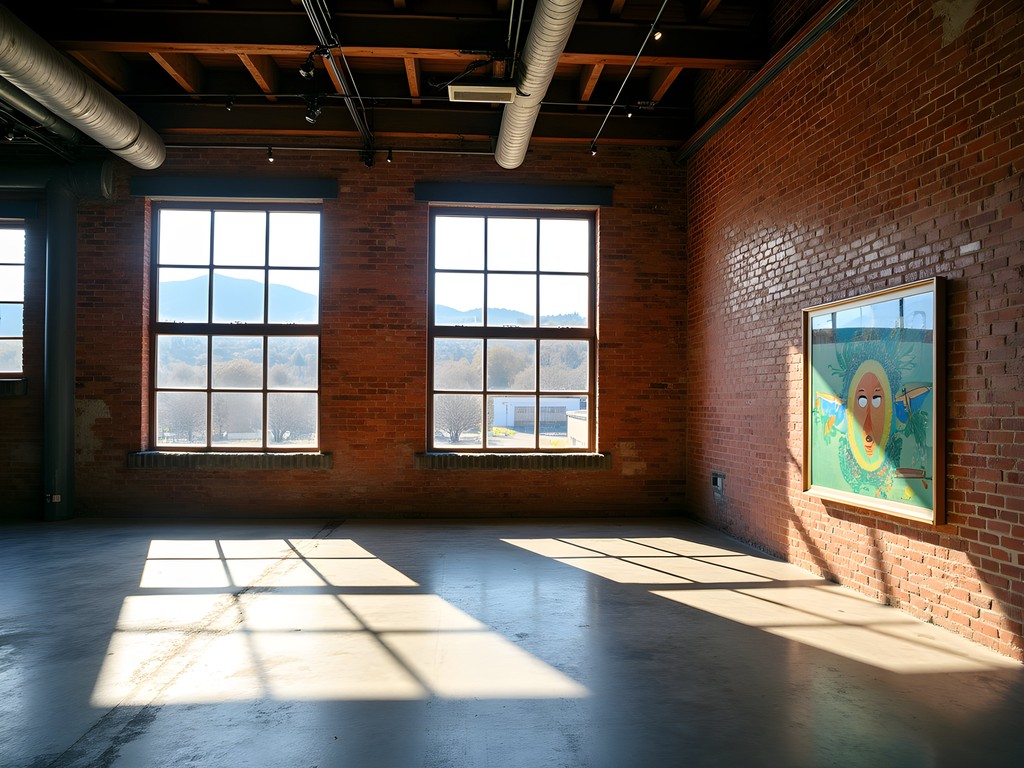
As someone who seeks out artistic expressions wherever I travel, from Tokyo's digital art installations to Salvador's street murals, I was pleasantly surprised by Ogden's creative energy. The Monarch, a repurposed industrial building turned creative space, became my favorite indoor photography location. The contrast of modern art against century-old architecture created compelling visual narratives.
I found myself drawn to the Junction, where former railroad facilities have been transformed into modern gathering spaces. Here, I experimented with my light painting tools during blue hour, creating long exposures that blended historic architecture with contemporary light patterns.
What struck me most was how Ogden's art scene reflects its multicultural history—a railroad town where East met West, where cultures blended much like my own Brazilian-Indian heritage. I captured this convergence in a series of diptychs pairing natural landscapes with urban art installations, using my color calibration tool to ensure consistent color representation across varied lighting conditions.
💡 Pro Tips
- Visit The Monarch on weekday afternoons when fewer people are present for cleaner architectural shots
- Plan your visit around the First Friday Art Stroll for vibrant street photography opportunities
- Look for juxtapositions between Ogden's industrial past and artistic present for compelling visual stories
Technical Challenges: Light and Weather in Mountain Environments
Photographing Ogden presented unique technical challenges that tested my experience from previous mountain locations in Japan and coastal Brazil. The dramatic elevation changes create rapid weather shifts and lighting conditions that can transform in minutes.
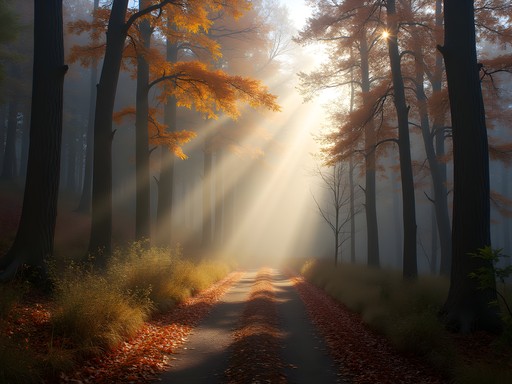
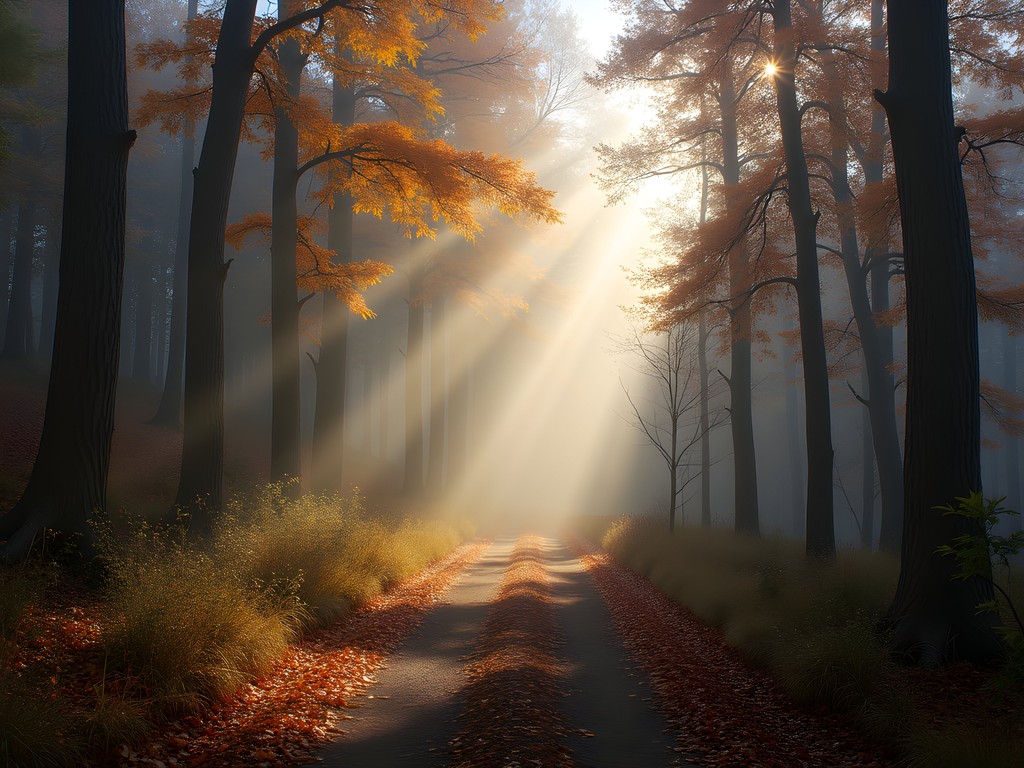
One morning, I hiked to the Bonneville Shoreline Trail overlook for sunrise, only to encounter a temperature inversion that filled the valley with fog. Rather than packing up, I waited with my weather-resistant camera backpack protecting my gear. When the fog began lifting, it created ethereal light beams through the trees that became some of my favorite images from the trip.
The mountain air's clarity creates another challenge—extreme contrast between shadows and highlights, particularly in autumn when bright yellow aspens stand against dark evergreens. I found myself relying heavily on my graduated ND filters to balance exposure between bright skies and shadowed valleys.
The rapidly changing weather also meant constant lens changes, increasing the risk of sensor dust. My sensor cleaning kit became essential daily equipment, especially after windy shooting conditions on mountain trails.
Como dizemos no Brasil, quem não arrisca, não petisca—as we say in Brazil, nothing ventured, nothing gained. The technical challenges of photographing Ogden's diverse environments ultimately pushed my skills further and resulted in images with depth and character I couldn't have achieved in more predictable conditions.
💡 Pro Tips
- Pack silica gel packets in your camera bag to combat the humidity changes between mountain elevations
- Use exposure bracketing in high-contrast mountain scenes, especially during mid-day
- Create a lens-changing workflow that minimizes the time your sensor is exposed to the elements
Final Thoughts
As my week in Ogden drew to a close, I found myself scrolling through thousands of images that told stories of mountains and marshlands, historic streets and modern art—all existing in remarkable harmony. This former frontier railroad town has evolved into a photographer's sanctuary where diverse visual elements converge much like the cultures that shaped my own identity.
What makes Ogden truly special isn't just the individual locations but how they interconnect. In a single day, you can capture alpine landscapes at dawn, wildlife at the wetlands by mid-morning, historic architecture in afternoon light, and cultural spaces by evening—each offering distinct photographic challenges and rewards.
As I packed my gear for the journey back to Osaka, I realized Ogden had earned its place alongside my favorite photography destinations. It offers that rare combination of accessibility and authenticity, where natural beauty and human history create visual narratives waiting to be discovered by those willing to look beyond the obvious frames.
Até a próxima, Ogden—until next time—when perhaps I'll return with my daughter to show her how photography connects us to places and stories across continents and cultures.
✨ Key Takeaways
- Ogden offers exceptional diversity for photographers with mountains, wildlife, and historic architecture in close proximity
- Fall transforms Ogden with dramatic color that enhances nearly every composition
- The contrast between natural landscapes and industrial heritage creates unique visual storytelling opportunities
- Weather conditions change rapidly, requiring technical adaptability but rewarding patience with extraordinary light
📋 Practical Information
Best Time to Visit
Mid-September to late October for peak fall colors
Budget Estimate
$150-200 per day including accommodations, food, and local transportation
Recommended Duration
5-7 days minimum to explore all photographic environments
Difficulty Level
Moderate - Some Mountain Trails Require Decent Fitness And Elevation Adjustment

Comments
Megan Martin
Marco, your guide is perfectly timed as I'm organizing a photography workshop in Ogden this summer. The diversity of shooting locations you've highlighted is exactly what makes this area special. For anyone visiting Historic 25th Street, I'd recommend going very early morning (around 6am) when the light creates beautiful long shadows across the historic facades and before any crowds appear. The Union Station museum staff are also incredibly accommodating to photographers if you reach out in advance. For wildlife photography at Antelope Island, I've found the bison are most active and photogenic about an hour after sunrise. Excellent guide!
mountainace
Been photographing in Ogden for years and you've managed to capture some angles I've never thought of! That shot of Union Station at dusk with the mountains in the background is masterful. For anyone heading there, I'd add that spring runoff makes the waterfalls extra dramatic around May. Also, the light pollution is minimal if you head up into the mountains, making for great Milky Way shots in summer. Did you get a chance to photograph any of the train exhibits?
Marco Sharma
Thanks mountainace! I did spend an afternoon with the train exhibits - fascinating stuff. Your tip about May waterfalls is spot on - I need to return to catch that!
dreamblogger
OMG those historic building shots on 25th Street are STUNNING! The lighting and composition are perfect! 😍📸
bluegal
Great post! What lens did you use for those wildlife shots near the Great Salt Lake? I'm heading there in December and hoping to catch some of the winter bird migrations.
Marco Sharma
I used a 100-400mm telephoto for most wildlife shots. Winter migrations are amazing there - bring your lens warmer if you're shooting in the cold for extended periods!
bluegal
Perfect, thanks for the tip! I've been looking for a good lens warmer actually.
Hunter Thompson
Marco, mate! Absolutely brilliant guide! I backpacked through Utah last summer but completely missed Ogden - what a mistake that was! Your shots of the Wasatch Mountains at dawn are giving me serious wanderlust. Did you hike up to Waterfall Canyon? I've heard the light there around golden hour is magical for photographers. Definitely adding Ogden to my return trip itinerary for next year. That historic 25th Street seems like it has so much character too!
Marco Sharma
Thanks Hunter! Yes, I did catch Waterfall Canyon at golden hour - absolutely worth the hike! The way the light plays off the water is a photographer's dream.
Hunter Thompson
Brilliant! Adding it to my must-shoot list. Did you need any special permits for the wildlife areas?
Marco Sharma
No special permits needed for the general areas, but if you're planning to photograph in Ogden Bay Waterfowl Management Area, just respect the boundaries and go during open hours!
redzone
Those mountain shots are incredible! Makes me want to book a trip to Ogden right now.
exploreexplorer
Did you see any bison at Antelope Island? Worth the trip?
Marco Sharma
Absolutely worth it! Saw several bison herds, especially early morning. The contrast of wildlife against the Great Salt Lake backdrop is stunning. Just keep your distance - I used a 200mm lens minimum.
sunsethero
Great post! I photographed Ogden last winter and the snow-capped mountains against that historic downtown is a whole different vibe. If you're into night photography, 25th Street with all the neon signs is incredible after dark. The reflections on wet pavement after a light snow are pure magic. Just bring gloves with touchscreen fingertips - learned that one the hard way!
Marco Sharma
That sounds incredible! I'll have to make a winter trip next time. Did you need special permits for tripod setup downtown at night?
sunsethero
Nope, no permits needed when I was there! The police drove by a couple times but just waved. Super photographer-friendly city.
Leah Clark
Marco, your post brought back wonderful memories! I visited Ogden last fall and was equally captivated by the juxtaposition of historic architecture and natural beauty. For anyone planning a visit, I'd add that the light on 25th Street around 4pm in autumn creates this magical glow that makes the brick buildings look like they're from another era entirely. I spent three days just photographing the doorways and architectural details! The locals were incredibly friendly too - an elderly gentleman at Union Station shared stories about the railroad days that added so much depth to my photos of the trains. Did you get a chance to visit during any of their festivals? The arts festival transforms those streets into something even more special.
exploreexplorer
When's the arts festival usually held? Sounds awesome!
Leah Clark
It's usually mid-June! Perfect weather and the whole downtown comes alive with art installations and music. Great for street photography!
summervibes
Those historic buildings look amazing! Putting Ogden on my list!
Venture X
Premium card with 2X miles, $300 travel credit, Priority Pass