

Disclosure: This article contains affiliate links. We may earn a commission from purchases at no extra cost to you, which helps our travel content.
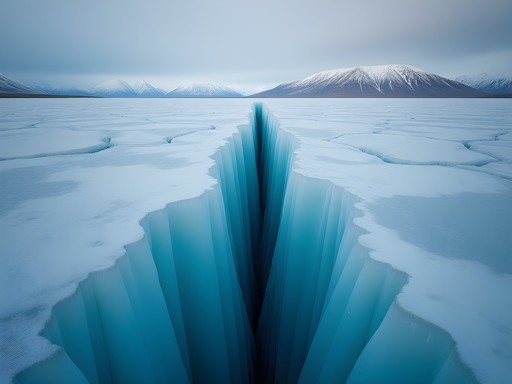
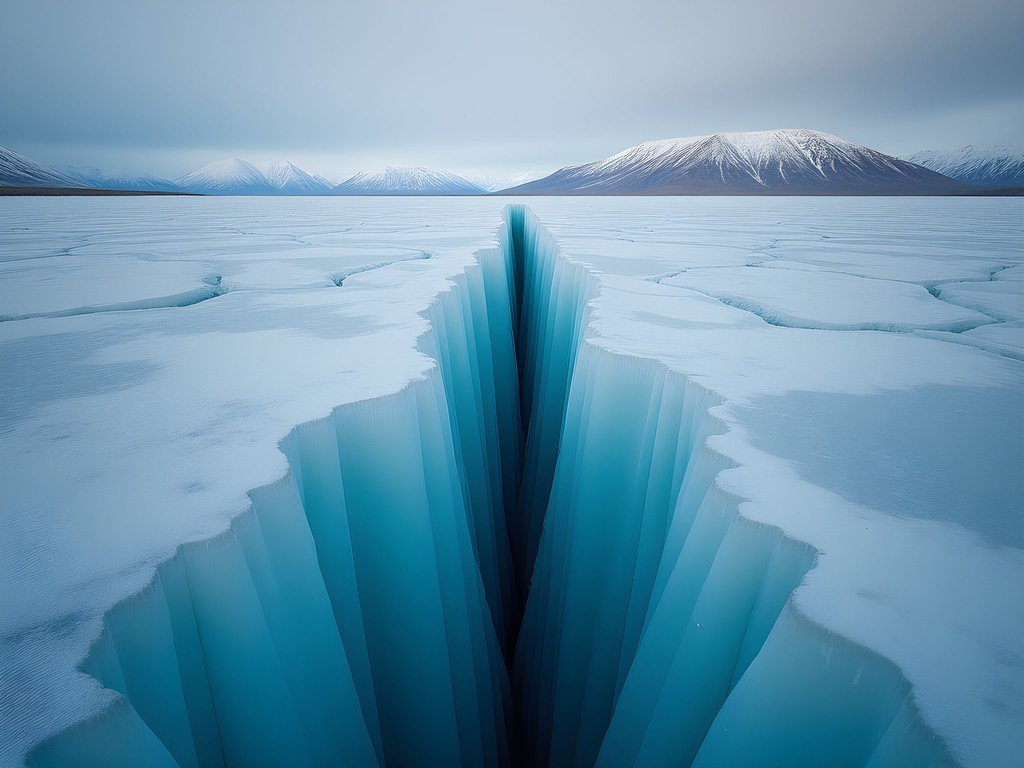
There's something primordial about standing on nearly a meter of transparent ice, gazing into the crystalline depths of the world's deepest lake. Che meraviglia! The first time I stepped onto Lake Baikal's frozen surface, I felt like I'd landed on another planet—one made of sapphire glass and diamond sculptures. As someone who's photographed across five continents, I can say with certainty: winter at Lake Baikal offers photographers one of the most extraordinary landscapes on Earth. The Siberian pearl transforms into a vast canvas of natural ice art—methane bubbles suspended like cosmic nebulae, turquoise cracks extending like lightning across the transparent surface, and shorelines decorated with ice grottoes that would make Michelangelo weep. This guide distills my experiences from two winter expeditions to this remote Siberian wonder, where temperatures plummet to -30°C (-22°F) and the photographic rewards are as vast as the lake itself.

Preparing for Siberia's Frozen Heart
When I tell friends I'm heading to Siberia in winter, they look at me as if I've announced plans to vacation on Mars. But with proper preparation, photographing Lake Baikal becomes an adventure rather than an endurance test.
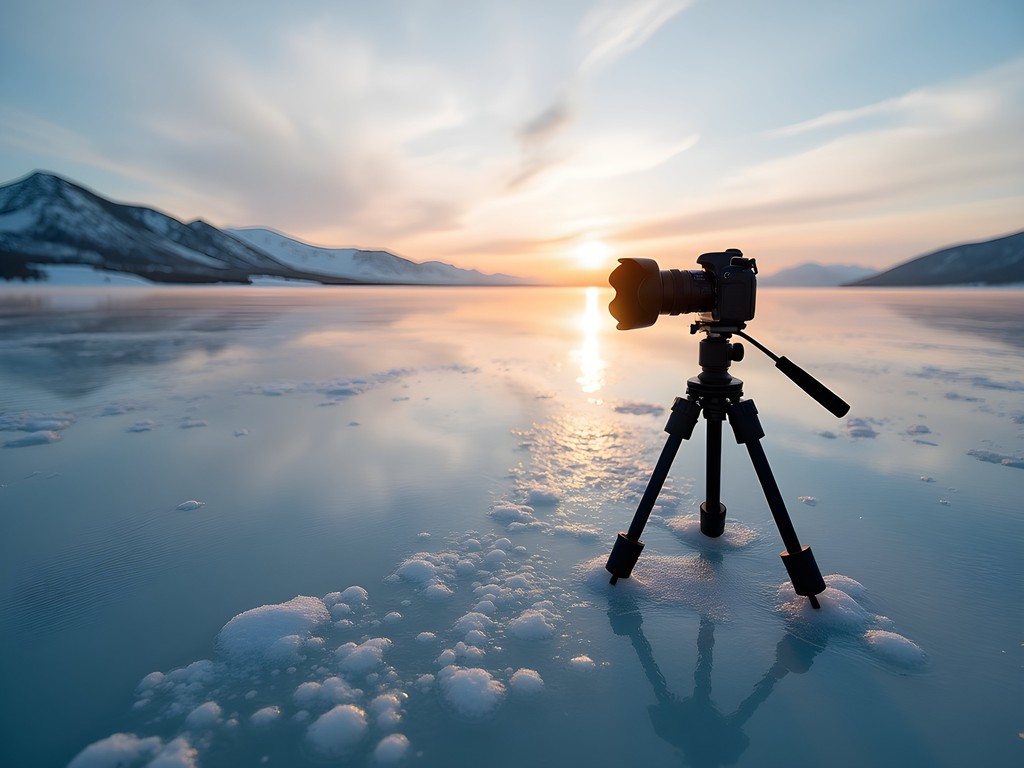
First, let's talk gear protection. Your camera equipment will face extreme conditions that most manufacturers never fully test for. I learned this lesson the hard way during my first visit when my backup camera seized after just 20 minutes outside. Now I never travel to extreme cold destinations without my camera parka. This insulated cover has saved countless shoots by keeping my gear operational in temperatures that would otherwise kill batteries and freeze mechanisms.
Speaking of batteries—they're your most vulnerable resource. The cold drains them at alarming speeds, sometimes reducing life by 70%. I carry at least six fully-charged spares and keep them in interior pockets close to my body heat. Even with precautions, I've had fully-charged batteries show as empty when first inserted into my camera in -25°C weather, only to recover once warmed.
For your personal comfort, layering is non-negotiable. My system includes merino wool base layers, a down mid-layer, and an expedition-grade outer shell. Don't underestimate the importance of protecting extremities—frostbite can end your photography adventure quickly. I wear thin liner gloves under photographer-specific heat gloves that allow dexterity for camera controls while maintaining warmth.
Finally, consider your transportation carefully. Lake Baikal is enormous—636km long. Most photographers base themselves in either Listvyanka (accessible from Irkutsk) or on Olkhon Island. I've done both and recommend splitting your time between locations to capture the lake's diverse ice formations.
💡 Pro Tips
- Store camera batteries in inside pockets close to body heat
- Bring silica gel packets to combat condensation when moving between cold exteriors and warm interiors
- Pack chemical hand warmers to revive frozen batteries in emergencies
The Dance of Light on Ice
If there's one thing that separates amateur Baikal photos from breathtaking ones, it's understanding the unique interaction between light and ice. The lake's famous transparency creates photographic opportunities you'll find nowhere else on Earth.
During my second expedition, I dedicated three days solely to studying how sunlight transforms the ice at different times. What I discovered changed my approach entirely. Early morning (7-9 AM in winter) produces a soft blue luminescence as light penetrates the ice at low angles, illuminating methane bubbles and cracks from within. This ethereal glow disappears as the sun rises higher.
Midday presents different challenges and opportunities. The high sun can create harsh conditions, but it's ideal for photographing ice hummocks (torosy) along shorelines, as their crystalline structures catch and fracture light like natural prisms. I often use a polarizing filter during these hours to manage reflections and reveal deeper ice structures.
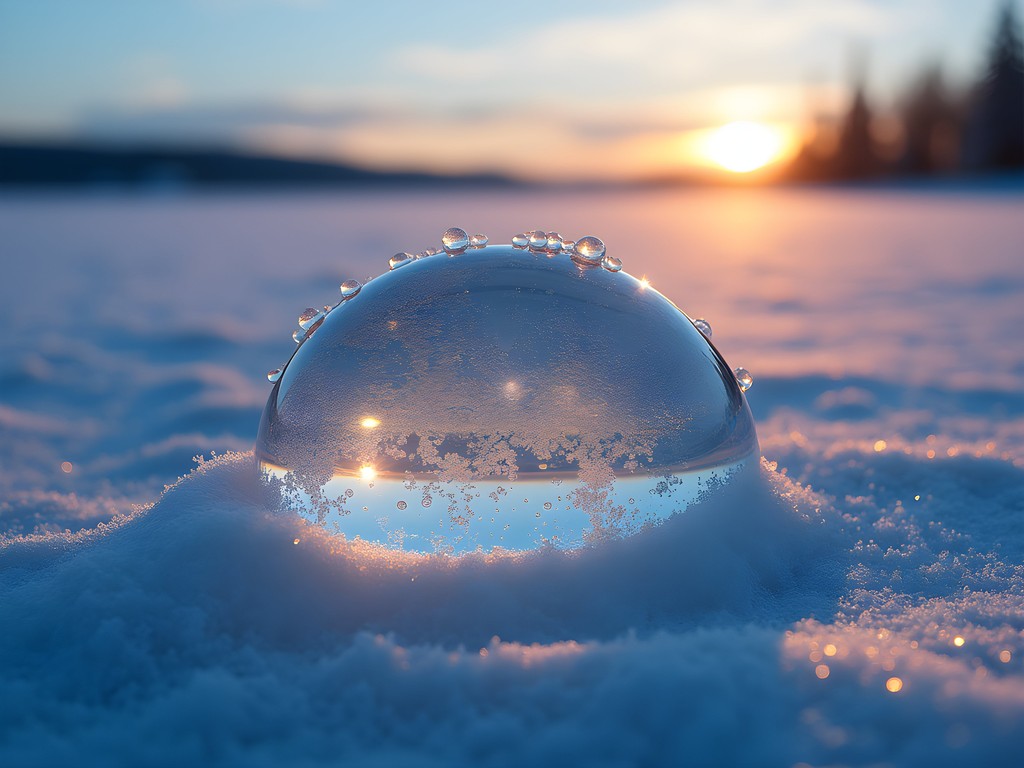
But the true magic happens during the golden hour, which lasts unusually long at these northern latitudes. The low-angled light turns the ice formations into sculptures of amber and gold, while the mountains on the eastern shore catch alpenglow. This is when I deploy my graduated ND filters to balance the bright sky with the ice foreground.
Night photography at Baikal deserves special mention. With minimal light pollution, the stars shine with remarkable clarity. On clear nights, I've captured the Milky Way reflecting in polished ice surfaces—an otherworldly mirror effect. For these shots, a sturdy tripod is essential, as is a remote shutter release to prevent vibration during long exposures.
Remember that Baikal's weather changes rapidly. I've experienced perfectly clear conditions transform into swirling snowstorms within an hour. This volatility can produce dramatic atmospheric effects worth capturing—just be prepared to protect your gear quickly.
💡 Pro Tips
- Use a polarizing filter to control reflections and see deeper into the ice
- Plan shoots around the extended golden hour for warm light on ice formations
- Schedule at least one pre-dawn shoot to capture the unique blue hour illumination of ice bubbles
Prime Photography Locations Around the Lake
Lake Baikal's immensity means you'll need to make strategic choices about where to focus your photographic efforts. After two winter expeditions totaling nearly four weeks, I've identified several locations that consistently deliver spectacular images.
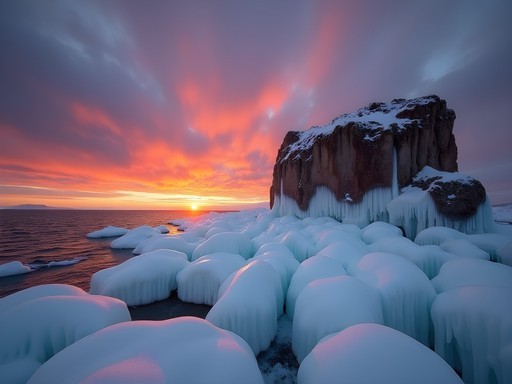
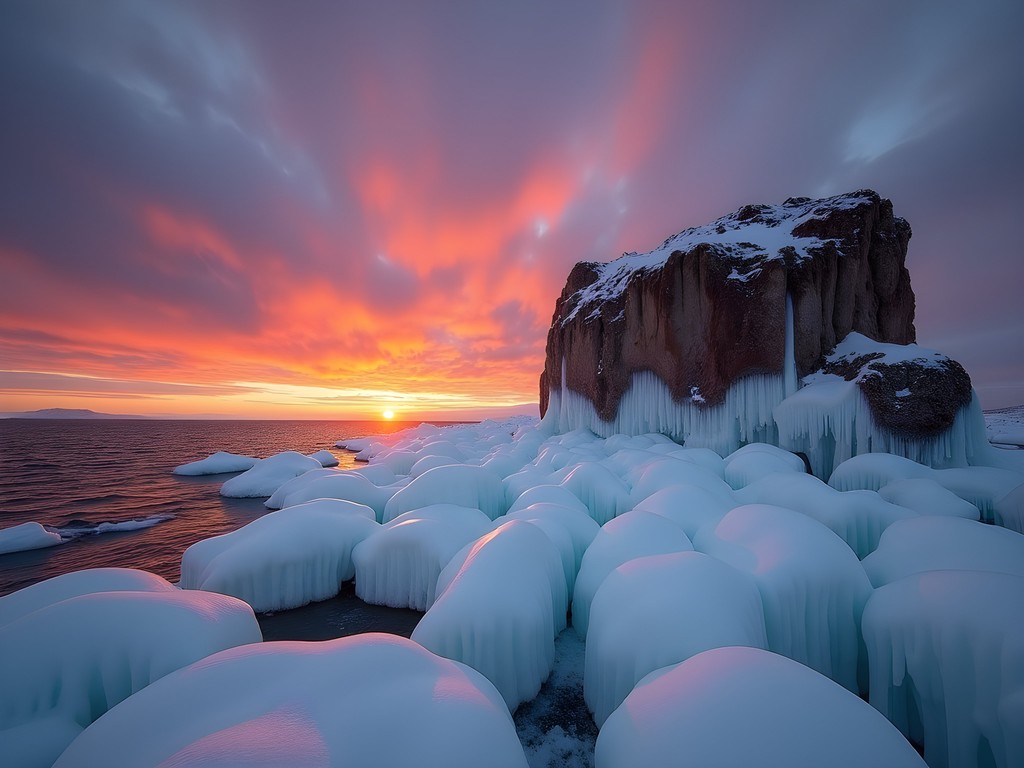
Olkhon Island serves as my favorite base of operations. The island's western coast features the iconic Shamanka Rock (Cape Burkhan)—a spiritual site for local Buryat people and possibly the most photographed location on Baikal. While beautiful, I encourage you to explore beyond this popular spot. The northern cape of Khoboy offers dramatic ice formations where lake ice collides with the shore, creating sculptural formations locals call sokui.
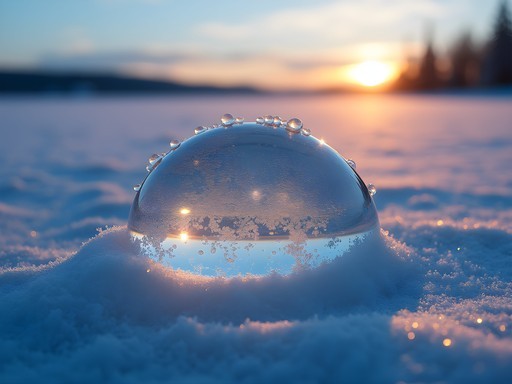
For capturing the lake's famous transparent ice with methane bubbles, the area between Khuzhir village and Uzury on Olkhon's eastern shore provides excellent opportunities. Here, the ice often forms with minimal snow cover, revealing the lake's crystal-clear depths. I spent three unforgettable mornings lying prone on the ice, my camera positioned to capture the constellation of bubbles beneath.
On the mainland, Listvyanka makes an accessible starting point, but the ice is often less photogenic due to higher tourist traffic. Instead, I recommend traveling north to the Severobaikalsk area, where the shoreline ice caves and grottoes create otherworldly foregrounds against the backdrop of snow-covered mountains.
The Circumbaikal Railway area south of Listvyanka offers a compelling juxtaposition of historic human engineering against natural ice formations. The old tunnels and bridges provide interesting framing elements for landscape compositions.
Don't overlook the small Tazheran steppes region, where limestone cliffs meet the lake. During my last visit, I captured some of my most dramatic images here—ice formations in the foreground with the golden grasslands and rocky outcroppings creating distinct middle-ground interest.
For serious landscape photographers, I highly recommend investing in a good travel tripod. The carbon fiber version saved me countless times on Baikal's ice, where stability is crucial yet weight is a concern when trekking across frozen expanses.
💡 Pro Tips
- Hire a local guide with ice knowledge—they understand safe passage areas and hidden photographic gems
- Visit Olkhon Island's eastern shore for the clearest ice with minimal snow cover
- Explore ice caves near Kharantsy village on Olkhon for dramatic interior light play

Technical Challenges of Ice Photography
Photographing Lake Baikal's ice presents unique technical challenges I hadn't encountered anywhere else in my travels. Mastering these challenges elevates your images from simple documentation to compelling art.
The first major challenge is exposure metering. Baikal's ice creates highly reflective surfaces that confuse camera meters. I typically underexpose by 2/3 to 1 full stop from what my camera suggests when shooting bright ice scenes. For critical shots, I bracket exposures or use my handheld light meter for precision.
Focus stacking becomes essential when photographing ice formations. When capturing methane bubbles or cracks, you'll often want both the immediate foreground ice and distant shoreline in focus. During my second trip, I routinely took 3-5 images at different focus points to combine later in post-processing. This technique requires absolute stability—even the slightest tripod movement between shots ruins the stack.
White balance settings deserve special attention on Baikal. Auto white balance often renders the ice too blue or too yellow, missing the subtle color nuances that make these formations special. I typically use a custom white balance with a reference card or shoot in RAW and fine-tune later. The ice at dawn often has a natural blue cast that's worth preserving rather than neutralizing.
The extreme dynamic range between bright ice and dark water beneath creates another technical hurdle. I've found graduated neutral density filters helpful, but for the most challenging scenes, I create manual blends from multiple exposures. The key is capturing one exposure for the bright ice surface and another for the darker elements beneath or in the distance.
Finally, condensation management requires constant vigilance. Moving between the frigid lakeside and warm accommodations can coat your equipment in moisture that freezes once outside again. I use airtight camera bags with desiccants and allow my equipment to acclimate slowly in the hotel lobby or vestibule before bringing it fully indoors. When returning outside, I keep lens caps on until the gear has fully cooled to prevent frost formation on glass elements.
💡 Pro Tips
- Underexpose ice scenes by 2/3 to 1 stop to preserve highlight detail
- Use manual focus when shooting through ice to precisely capture subsurface details
- Pack microfiber cloths in ziplock bags to keep them dry for lens cleaning
Cultural Connections Through Your Lens
Beyond its natural splendor, Lake Baikal offers rich cultural dimensions that can elevate your photographic narrative. As someone with mixed cultural heritage myself, I'm always drawn to the human stories behind extraordinary landscapes.
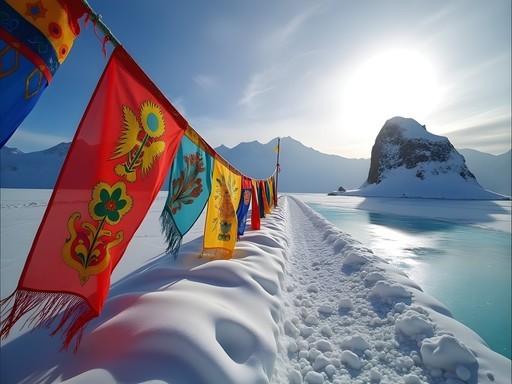
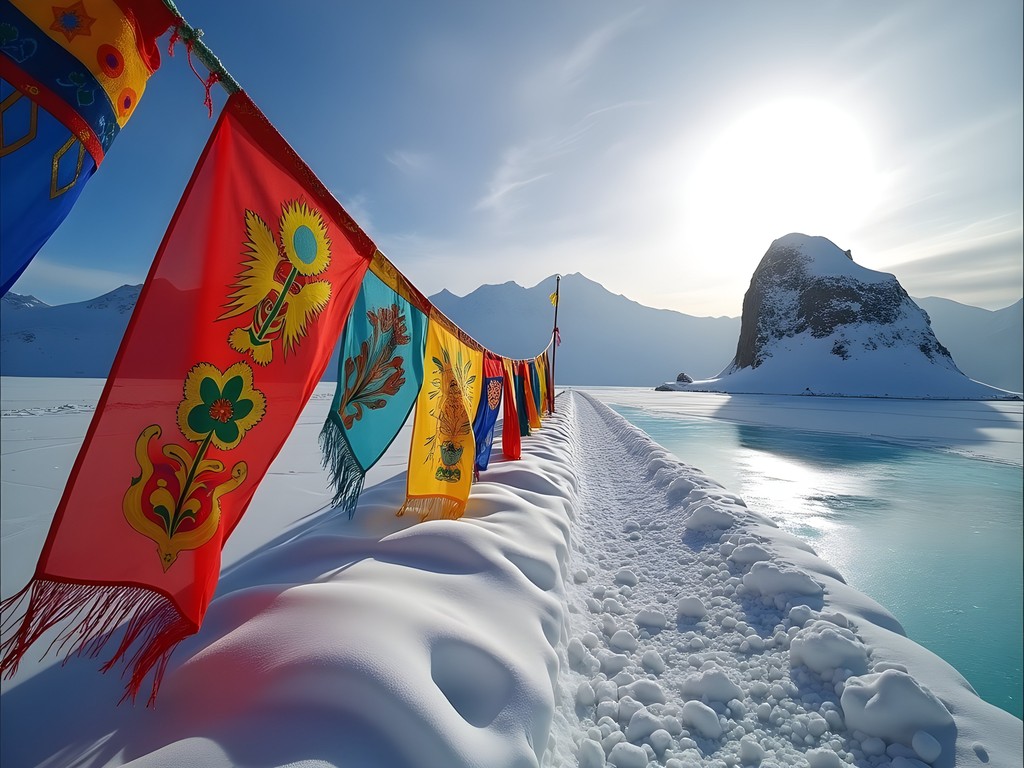
The indigenous Buryat people have revered Baikal for centuries, considering it a sacred place filled with spiritual power. During my time on Olkhon Island, I was fortunate to be invited to a small ceremony near Shamanka Rock, where colorful prayer flags (called khadags) fluttered against the stark white landscape. These cultural elements can add powerful context to your ice photography—just approach with appropriate respect and always ask permission before photographing ceremonies or individuals.
The Russian communities around Baikal have their own unique relationship with the lake. In Listvyanka, I photographed local ice fishermen sitting patiently by small holes for hours in temperatures that had me retreating to warmth after just thirty minutes. Their weathered faces and traditional methods tell a story of resilience and adaptation to this extreme environment.
One of my most memorable experiences was documenting the local tradition of ice road driving. During peak winter, the lake becomes a highway connecting otherwise isolated communities. I arranged to photograph from a local UAZ (Russian off-road vehicle) as we crossed from the mainland to Olkhon Island. The driver's confidence on what looked to me like just another patch of ice was both terrifying and fascinating.
For those interested in cultural photography, I recommend a versatile zoom lens that allows you to capture both environmental portraits and closer details without constantly changing lenses in the cold. My Tamron has weathered Baikal's conditions admirably while providing the versatility needed for cultural documentation.
In the evenings, local homestays (gostinitsas) offer opportunities to photograph traditional Siberian architecture and customs. The contrast of warm, wooden interiors against the frozen landscape outside creates compelling visual stories about human adaptation to extreme environments.
💡 Pro Tips
- Learn basic Russian phrases to connect with locals—even simple efforts are deeply appreciated
- Visit the Baikal Museum in Listvyanka to understand the lake's cultural significance before photographing
- Bring small prints from your home country as gifts for people who allow you to photograph them
Final Thoughts
As I sit writing this from my apartment in Albuquerque, surrounded by desert heat, my mind still drifts to those crystalline mornings on Baikal's ice—where each breath hung visible in the air and the lake sang its strange music as ice expanded and contracted. This frozen giant offers photographers a rare gift: landscapes that appear both alien and primordial, challenging our technical skills while rewarding our persistence with images few will ever capture firsthand. La bellezza selvaggia—wild beauty—as my mother would say. If you make this journey, go with respect for both the environment and cultures you encounter. Move slowly and deliberately across the ice, both literally and figuratively. Listen to local knowledge about safe passage. And most importantly, leave time for the unexpected moments when the lake reveals its character in ways no photography guide can predict. The images you'll create on Baikal's frozen surface will likely stand among your most treasured work—I know mine do.
✨ Key Takeaways
- Proper cold-weather preparation for both yourself and your gear is essential for successful Lake Baikal photography
- Understanding the unique light interaction with ice at different times of day dramatically improves image quality
- Specialized techniques like focus stacking and careful exposure compensation are necessary for capturing Baikal's ice formations
- Incorporating cultural elements adds depth and context to your portfolio of this remarkable landscape
📋 Practical Information
Best Time to Visit
Mid-February to early March
Budget Estimate
$2,500-4,000 USD for a 2-week trip including flights from Western Europe/US
Recommended Duration
10-14 days minimum
Difficulty Level
Challenging


Comments
sunnymate3896
This looks amazing but I've never done winter photography before. Is this too advanced for a beginner or can you learn as you go?
tripperson
Not the author but I'd say practice somewhere closer to home first. The conditions are pretty extreme and gear is expensive to risk. Maybe try some winter shooting locally first?
Megan Martin
Excellent guide, Kevin! I visited Baikal two winters ago and your technical tips are spot-on. For anyone planning a trip, I'd strongly recommend hiring a local guide for ice safety - the ice can be deceptively unstable in certain areas even when it looks solid. The guides know exactly where it's safe to walk and drive. Also, the Trans-Siberian Railway journey to get there is an experience in itself. Worth building in a few extra days for the train ride if you have the time.
sunnymate3896
How much does a guide usually cost? And do you need to book way in advance?
Megan Martin
I paid around $80-100 USD per day for a guide with transportation. Booking a month ahead should be fine for most times, but peak season (late February/early March) book earlier.
tripperson
Was there last March and totally agree about the light quality - it's unreal. One thing I'd add is don't skip the smaller villages on the eastern shore. Way fewer tourists and the ice formations near Ust-Barguzin were incredible. Also the homestays are much cheaper than Irkutsk hotels and the hosts were amazing. Did you make it over to Olkhon Island?
Kevin White
Yes! Olkhon was definitely a highlight. Spent 4 days there. You're right about the eastern shore - wish I'd had more time for that side.
happyhero
Stunning photos! Added to my bucket list
adventurenomad495
How did your camera batteries hold up in that cold? Planning a trip for Feb and worried about gear failing.
Kevin White
Great question! Keep spare batteries in your inside jacket pockets close to your body. I went through batteries 3x faster than normal. Also, let your camera acclimate slowly when going back inside or you'll get condensation issues.
adventurenomad495
Thanks! That's super helpful
dreamrider
That sunset shot through the ice is unreal 🔥
Savannah Walker
Kevin, your technical section resonated so much! I did a winter expedition there last year and completely destroyed my first camera battery in about 20 minutes because I didn't keep it warm enough. Lesson learned! I started keeping spare batteries in my inner jacket pocket against my body heat and it made all the difference. Also, that tip about lens condensation when going back indoors - SO important. I ruined some shots by not being patient enough. The ice bubbles you captured near Bolshiye Koty are stunning. That's one area I missed and now I'm kicking myself. The adventure travel community needs more detailed winter photography guides like this. The light conditions on Baikal are unlike anywhere else I've shot.
dreamrider
Good tip about the batteries! Didn't think about that
vacationpro
This is EXACTLY what I needed! Been planning this trip for ages and your gear recommendations are super helpful. Quick question - did you rent a car or use local guides to get around the lake? I'm trying to figure out logistics.
summerninja
Going in March - is that too late for the ice?
Savannah Walker
March is actually perfect! Ice is still super thick and the weather is slightly warmer than Jan/Feb. You'll love it!
Brian Torres
Kevin, this brings back memories! We took our kids to Baikal two winters ago and it was honestly one of the most magical family trips we've ever done. The ice caves near Olkhon Island were absolutely stunning. One tip for families - we stayed in Listvyanka which was perfect because it's close to Irkutsk and has good facilities. My 8-year-old was nervous about walking on the ice at first, but once she saw how thick it was, she loved it. The local guides were incredibly patient with the kids too. Your section on camera settings in extreme cold was spot on - I learned the hard way about battery life!
backpackguy
How cold did it actually get? I'm a total cold weather wimp lol
Brian Torres
We had days around -20C to -25C. Honestly with the right layers it's totally manageable! The air is super dry so it doesn't feel as brutal as you'd think.
Venture X
Premium card with 2X miles, $300 travel credit, Priority Pass