


Disclosure: This article contains affiliate links. We may earn a commission from purchases at no extra cost to you, which helps our travel content.
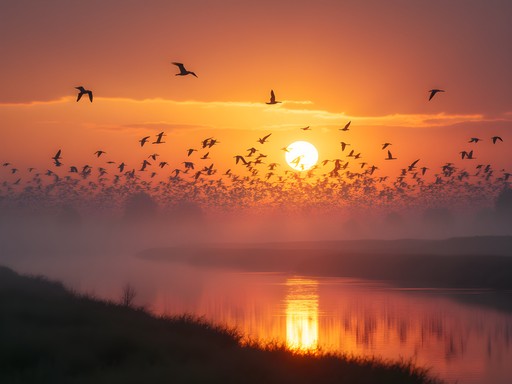
The first time I witnessed 600,000 sandhill cranes converging on Nebraska's Platte River Valley, I stood in stunned silence as the sunset painted the sky in gradient hues that would make any Instagram filter jealous. Incrível! The ancient calls of these magnificent birds—a sound that's remained unchanged for millions of years—resonated deep within my chest. As a photographer who's documented everything from Tokyo's neon landscapes to Kerala's emerald backwaters, I can honestly say that Kearney's crane migration ranks among nature's most captivating spectacles. Join me for a weekend immersion into this remarkable photographic opportunity that too few international photographers have on their radar.

Understanding the Migration: Timing is Everything
As any fotógrafo knows, perfect timing can transform a good photo into a masterpiece. The sandhill crane migration through central Nebraska follows a predictable yet weather-dependent pattern, typically peaking in late March.
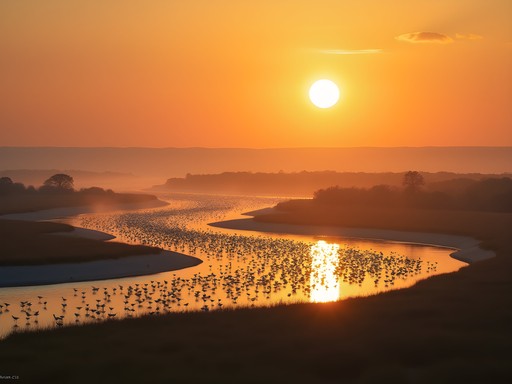
These magnificent birds journey from wintering grounds in Mexico and the southern United States to breeding territories as far north as Siberia. The shallow braided channels of the Platte River provide safe roosting sites, while surrounding cornfields offer abundant food—a perfect staging area for their 7,000+ kilometer journey.
My engineering background appreciates the mathematical precision of it all: approximately 80% of the world's sandhill crane population—over half a million birds—converge on this 80-mile stretch of river. The density peaks around March 15-25, though climate change has been subtly shifting these patterns. I recommend checking the Crane Trust or Rowe Sanctuary websites for migration forecasts before booking your trip.
During my visit last spring, I relied on my weather station to monitor conditions. The portable device helped me anticipate fog formation over the river—crucial for those ethereal morning shots where cranes emerge from the mist.

💡 Pro Tips
- Book photography blinds at least 3-4 months in advance—they sell out quickly
- Track migration patterns via the Crane Trust website before finalizing dates
- Mid-week visits mean fewer photographers competing for prime positions
Essential Gear for Crane Photography
When packing for Kearney, I approached my gear selection with the same methodical precision I apply to coding projects. The technical requirements for crane photography demand thoughtful preparation.
First, let's talk lenses. While I brought my entire kit, I primarily used my telephoto zoom (150-600mm) for close-up detail and a 70-200mm for wider contextual shots. The cranes maintain a respectful distance from humans, making that reach essential. My teleconverter proved invaluable for those intimate portraits of preening and dancing behaviors.
Stability becomes critical during dawn and dusk shoots when light is limited. My carbon fiber tripod with a gimbal head provided smooth panning for tracking birds in flight. This specialized head distributes the weight of heavy telephoto setups perfectly—worth every yen I spent on it.
The Nebraska spring brought unpredictable weather swings. My rain cover protected my gear during an unexpected morning shower, while hand warmers kept my spare batteries performing optimally during frosty mornings. Bata-bata (fluttering) wings wait for no photographer with dead batteries!
Finally, don't underestimate the value of quality binoculars for spotting potential compositions before setting up your shot. I found myself constantly scanning the landscape for interesting crane behaviors or perfect alignments against the landscape.

💡 Pro Tips
- Pack extra memory cards—you'll shoot more than you expect
- Bring a headlamp with red light mode for pre-dawn navigation without disturbing wildlife
- Use silent shutter mode when possible to avoid startling the birds
Mastering the Light: Technical Approaches
The Platte River Valley offers a photographer's dream: golden light filtering through morning mist, dramatic silhouettes against painted skies, and intimate behavioral moments in soft midday diffusion. Each scenario demands different technical approaches.
For morning riverside shoots (5:30-7:30 AM), I found myself pushing ISO higher than comfortable—often 1600-3200—to maintain sufficient shutter speed as the cranes awakened. My noise reduction workflow in post-processing became essential. I relied heavily on my lens stabilization when shooting handheld in these challenging conditions.
The afternoon golden hour (around 6:30-8:00 PM) presents different challenges. As thousands of cranes return to the river, you'll want to capture both majestic flock movements and intimate pairings. I frequently switched between aperture priority (for depth control in behavioral shots) and shutter priority (maintaining 1/1000s or faster for crisp flight captures).
Exposure compensation became my closest ally during sunset silhouette work. Dialing down -1.0 to -1.7 EV preserved the vibrant sky colors while rendering the cranes in dramatic dark outlines. É como pintar com luz—it's like painting with light.
One technical challenge I hadn't anticipated: the extreme dynamic range between bright sky and shadowed birds. My graduated ND filter helped balance exposures in-camera, reducing post-processing time and preserving more natural results.

💡 Pro Tips
- Bracket exposures during dramatic sunrise/sunset scenes to ensure optimal processing options later
- Use burst mode during dance sequences to capture the perfect wing position
- Consider focus stacking for large crane groups to ensure sharpness throughout

Beyond the Viewfinder: Cultural Immersion
As someone raised between Brazilian and Indian traditions, I've learned that truly powerful wildlife photography comes not just from technical mastery but from deeper understanding. The sandhill crane migration isn't merely a visual spectacle—it's a cultural and ecological phenomenon that has shaped this region for millennia.
Between morning and evening shoots, I recommend immersing yourself in the crane culture of central Nebraska. The Crane Trust Nature & Visitor Center offers excellent educational exhibits that helped me understand the birds' behaviors I was witnessing. This context transformed my approach from simply documenting to storytelling.
The small town of Kearney embraces its identity as the "Sandhill Crane Capital of the World" with surprising enthusiasm. Local art galleries feature crane-inspired works, and even the craft breweries offer migration-themed selections. I spent a delightful afternoon at the Museum of Nebraska Art exploring how these birds have influenced regional artistic expression for generations.
Most memorable was my conversation with a fourth-generation farmer whose family has adapted their agricultural practices to support crane habitat. His perspective on sustainable farming alongside wildlife conservation reminded me of similar conversations with rice farmers in Japan's Hokkaido region—different cultures united by respectful coexistence with migratory birds.
This cultural context enriched my photography immeasurably. Instead of simply capturing pretty pictures, I found myself documenting a complex relationship between landscape, wildlife, and human community that has evolved over centuries.

💡 Pro Tips
- Attend a presentation by crane researchers to understand behaviors you'll photograph
- Speak with local farmers about their relationship with the annual migration
- Visit the Archway Monument to place the migration in historical context
Crafting Your Narrative: Beyond Single Shots
The greatest mistake photographers make when documenting the crane migration is focusing solely on individual dramatic moments. While those sunset mass ascensions are undeniably spectacular, the complete story of the migration emerges through diverse imagery and thoughtful sequencing.
I approached my weekend in Kearney with a documentary mindset, seeking to capture a visual narrative that conveyed both the grand spectacle and intimate moments. This meant diversifying my portfolio beyond the classic silhouette shots to include:
- Behavioral details: Courtship dances, feeding interactions, and familial bonds
- Landscape context: The Platte River ecosystem that makes this migration possible
- Human dimensions: Conservation efforts and community connections to the cranes
- Abstract interpretations: Motion blurs and artistic renderings of patterns and movements
To organize this narrative, I relied on my photo storage solution to download and review images between shooting sessions. This immediate review process helped me identify gaps in my storytelling and adjust my approach for subsequent shoots.
For those motion blur shots that convey the kinetic energy of thousands of birds in flight, I found my variable ND filter essential for achieving 1/15s exposures even in bright conditions. The dreamy, impressionistic quality these slow shutter speeds produced offered a perfect counterpoint to my tack-sharp behavioral documentation.
Minha mãe always said good stories need both excitement and quiet moments. The same applies to photographic narratives of the crane migration.

💡 Pro Tips
- Plan a shot list that includes both grand spectacle and intimate details
- Experiment with abstract techniques like intentional camera movement during at least one session
- Create diptychs and triptychs that tell a more complete story when viewed together
Final Thoughts
As I packed away my gear on that final frosty morning in Nebraska, the haunting calls of departing cranes still resonating in the air, I reflected on how this experience had transformed my perception of America's heartland. These ancient birds—following the same migratory paths their ancestors traced for millions of years—offer photographers not just stunning imagery but a profound connection to natural rhythms that transcend our digital age.
My engineering mind appreciates the technical challenges of capturing these magnificent creatures, but it's the cultural and spiritual dimensions that will bring me back. There's something deeply moving about standing alongside farmers, conservationists, and fellow photographers from around the world, all drawn together by this spectacular natural phenomenon.
Whether you're an experienced wildlife photographer seeking to add depth to your portfolio or simply someone who appreciates the intersection of natural wonder and visual storytelling, Kearney's crane migration deserves a place on your photographic journey. Just remember to look up from your viewfinder occasionally and simply absorb the moment. Às vezes, a melhor fotografia é aquela gravada apenas na memória—Sometimes, the best photograph is the one recorded only in memory.
Until next migration season, sayōnara from this Brazilian-Indian photographer finding beauty in unexpected corners of the world.
✨ Key Takeaways
- Book photography blinds months in advance for optimal positioning
- Diversify your approach beyond classic silhouettes to include behavioral and abstract interpretations
- Engage with local conservation efforts to deepen your understanding and enrich your visual storytelling
📋 Practical Information
Best Time to Visit
Mid-March to early April, with peak typically around March 15-25
Budget Estimate
$800-1200 for a weekend (including photography blind rentals, accommodation, and car rental)
Recommended Duration
3-4 days minimum, ideally including weekdays
Difficulty Level
Moderate (Early Mornings, Variable Weather Conditions, Some Hiking Required)


Comments
oceanstar
We went last year and stayed at a little B&B just outside Kearney. Totally agree about the early mornings being essential - we set alarms for 5am every day and it was rough but SO worth it. The light at dawn when they take off is unreal. Also pro tip: bring hand warmers because it gets freezing out there in March. The Fort Kearny State Recreation Area has good viewing spots if you can't get into the sanctuaries. Thanks for the gear tips, definitely saving this for our return trip!
wanderguide
hand warmers YES! i froze my butt off lol
journeybuddy
what lens did you use for the flight shots?
wanderguide
not marco but i brought my 100-400mm and it was perfect for both close and distant shots
journeybuddy
thanks!
Douglas Bradley
Marco, excellent breakdown of the timing windows. I visited in late March 2024 and found the peak period recommendations spot-on. One thing I'd add for photographers: the Audubon's Rowe Sanctuary blinds require advance booking (sometimes months ahead), but they're absolutely worth it for intimate shots. The cultural context you provided about the crane's significance to indigenous communities adds important depth that most photography guides skip. Did you find the crowds manageable during peak season, or would you recommend specific times of day to avoid tour groups?
oceanstar
Good to know about booking ahead! Going in March and hadn't thought about that.
wanderguide
OMG those sunrise shots are incredible!! 😍
wanderlustlover
Is late March too late to see them? Planning a road trip and trying to figure out timing.
waveguide9661
Late March is actually peak time! Mid-March to early April is when the most birds are there. You should be good.
Fatima Sims
Marco, this brings back so many memories! I did this trip three years ago and it completely changed how I approach wildlife photography. The section about cultural immersion really resonates - I spent an afternoon at the Crane Trust and learned so much about conservation efforts. One thing I'd add: don't just focus on the cranes themselves. Some of my favorite shots were of the landscape at dawn, the frost on the grass, and the way the light hits the Platte River. The whole ecosystem is worth documenting. Also, Kearney has some surprisingly good local diners for warming up after those freezing morning shoots!
roammate
What focal length do you recommend? I've got a 70-200mm but wondering if I need something longer for this?
Fatima Sims
I'd definitely go longer if you can! 400mm or more is ideal for really capturing the details. You can rent lenses if buying isn't in the budget.
waveguide9661
Went last March and it was honestly one of the coolest wildlife experiences I've had in the US. The sheer number of birds is insane - you can hear them from miles away. Pro tip: book your blind spot EARLY, like months in advance. We showed up thinking we could wing it and everything was booked solid. Ended up watching from the road pullouts which was still amazing but not the same. Also bring way more memory cards than you think you need lol.
wanderlustlover
How early did you have to wake up to get good shots?
waveguide9661
We were out there by 5:30am most days. Sunrise is when they leave the river and it's absolutely worth the early alarm!
journeylover
Those photos are incredible! Adding this to my bucket list.
escapeclimber
Can't stop looking at that sunset shot with the silhouetted cranes against the orange sky. Absolute perfection!
Venture X
Premium card with 2X miles, $300 travel credit, Priority Pass