
Disclosure: This article contains affiliate links. We may earn a commission from purchases at no extra cost to you, which helps our travel content.
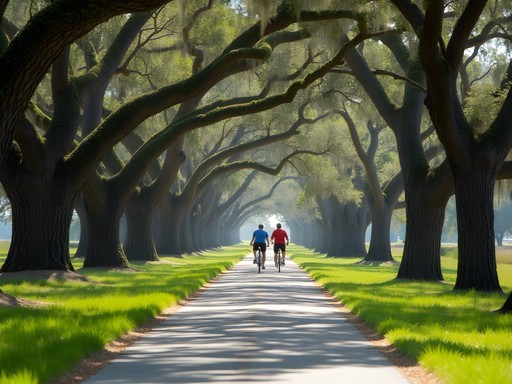
There's something about the golden light filtering through Spanish moss that makes Hilton Head Island a photographer's paradise each spring. Having spent countless weekends exploring this coastal gem, I've discovered that beyond the manicured golf courses lies a natural wonderland waiting to be captured through your lens. From dawn walks along pristine beaches to twilight marshes teeming with wildlife, this Low Country treasure offers endless opportunities for both novice and experienced photographers. ¡Vamos amigos! Let's explore how to capture the island's magic in ways most visitors never see.

The Golden Hours: Dawn Patrol on Hilton Head Beaches
My relationship with Hilton Head's beaches began years ago during a spring break trip with my Spanish students, and I've been returning ever since to document the changing coastline. The island's east-facing beaches offer spectacular sunrise opportunities that reward early risers.
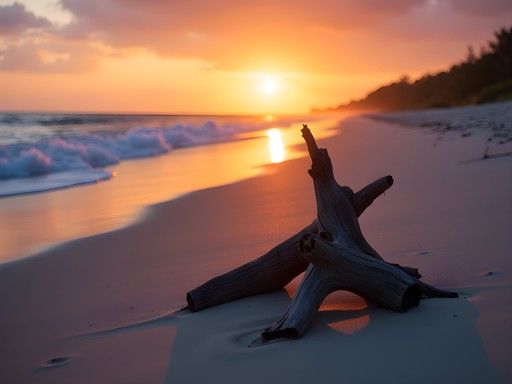
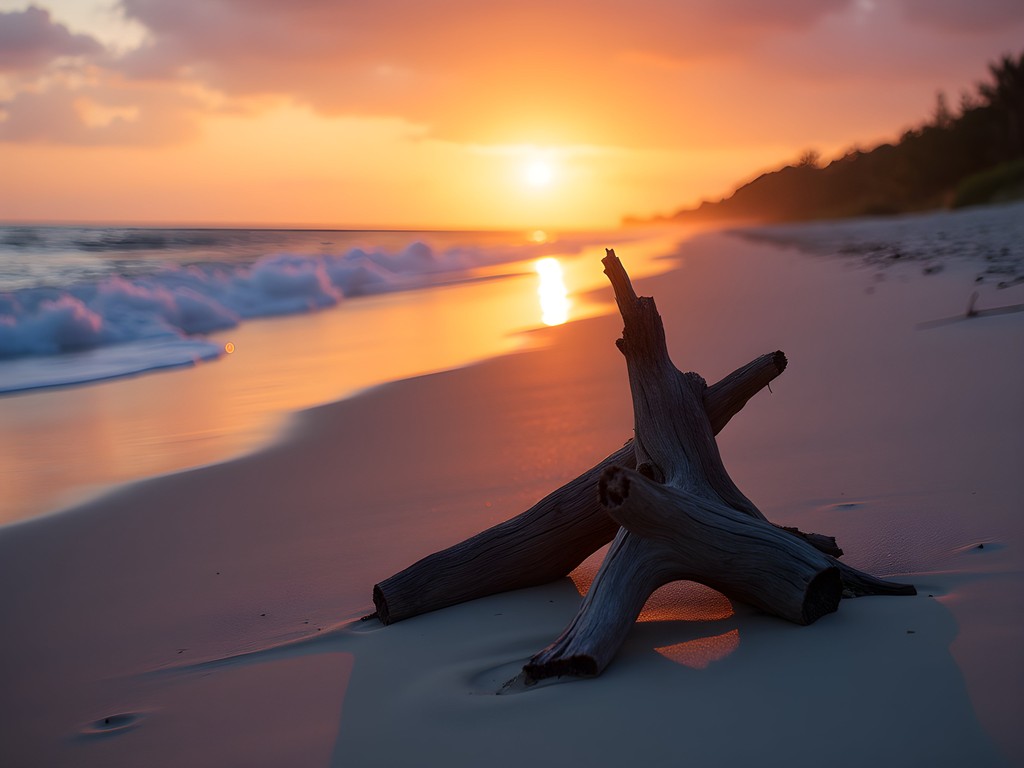
My favorite morning ritual starts at Folly Field Beach, where fewer crowds mean pristine sand patterns and uninterrupted compositions. Arrive 30 minutes before sunrise to catch the blue hour – that magical time when the sky transitions from deep blue to the warm glow of dawn. The weathered driftwood scattered along this stretch creates perfect foreground elements that lead the eye toward the horizon.
For stability during these low-light conditions, I've found my travel tripod essential, particularly when capturing long exposures of waves washing around shell clusters. To create those silky-smooth water effects, I recommend using a neutral density filter that allows you to extend your exposure time even as daylight increases.
💡 Pro Tips
- Park at Folly Field Beach Access ($10 daily pass) before 6:30am for the best sunrise spots
- Look for natural leading lines created by tide patterns in the sand
- Bring a microfiber cloth to protect gear from morning dew and salt spray
Wildlife Photography in the Coastal Marshes
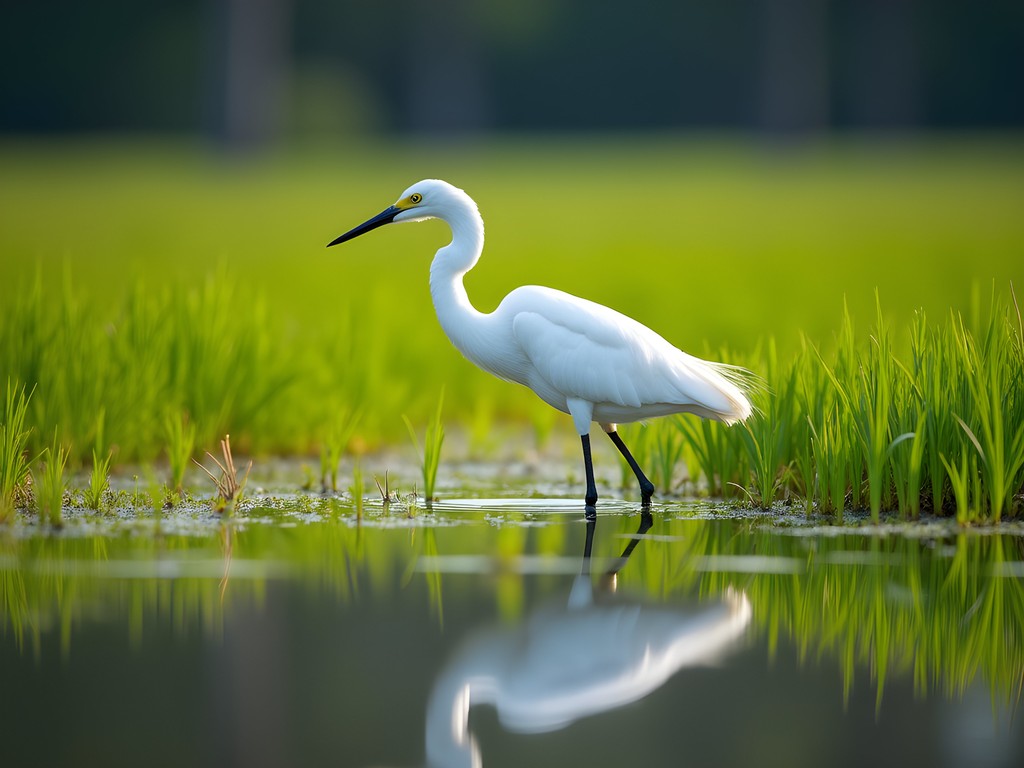
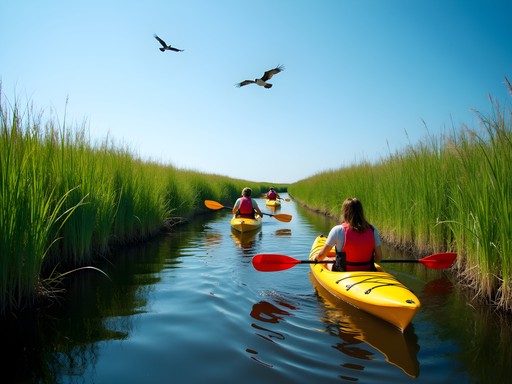
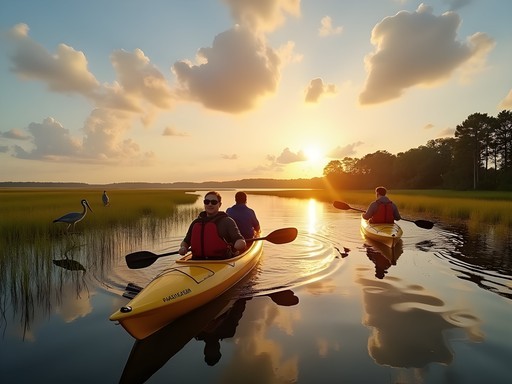
The salt marshes of Hilton Head remind me of the wetlands near Oaxaca where I first learned to document biodiversity. These tidal ecosystems are the true photographic treasures of the Low Country, especially in spring when migratory birds return and the marsh grasses turn vibrant green.
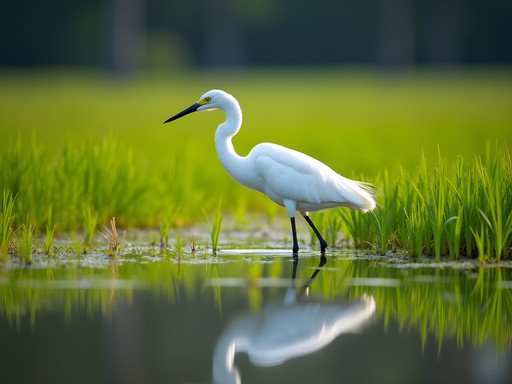
Pinckney Island National Wildlife Refuge, just before you cross onto Hilton Head, offers unparalleled access to these environments. The 4.5-mile loop trail provides multiple photography blinds and overlooks. I've spent entire mornings watching great blue herons stalk prey or white ibis gather in spectacular numbers.
For wildlife photography here, you'll want a lens with decent reach – I typically carry my 70-300mm, though serious bird photographers might prefer something longer. To capture those perfect moments of birds in flight or feeding, I've found the Insta360 Flow 2 Pro Magnetic Combo invaluable when shooting video with my phone. The gimbal stabilization lets me track moving subjects smoothly, and the magnetic attachments make switching between tripod and handheld modes effortless.
For protection in the sometimes muddy conditions, I recommend waterproof hiking sandals that can handle both trail walking and the occasional wade into shallow water for the perfect angle.
💡 Pro Tips
- Visit marshes during low tide when wading birds are most active feeding
- Wear neutral colors to avoid startling wildlife
- Bring insect repellent – the no-see-ums can be relentless in the marshes
Capturing Low Country Culture & Architecture
Beyond natural landscapes, Hilton Head and its surrounding areas offer rich cultural photography opportunities that remind me of documenting traditional crafts in Mexico. The Gullah Geechee culture – descendants of enslaved Africans who maintained many of their ancestral traditions – has shaped the island's cultural identity in profound ways.
Start at the Coastal Discovery Museum at Honey Horn, where you can photograph the stunning 500-year-old Angel Oak and historic buildings. Time your visit for a sweetgrass basket weaving demonstration – these intricate coiled baskets represent one of America's oldest handicraft traditions, with techniques passed down through generations of Gullah families.
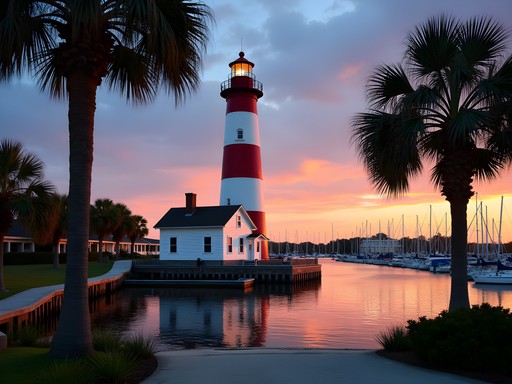
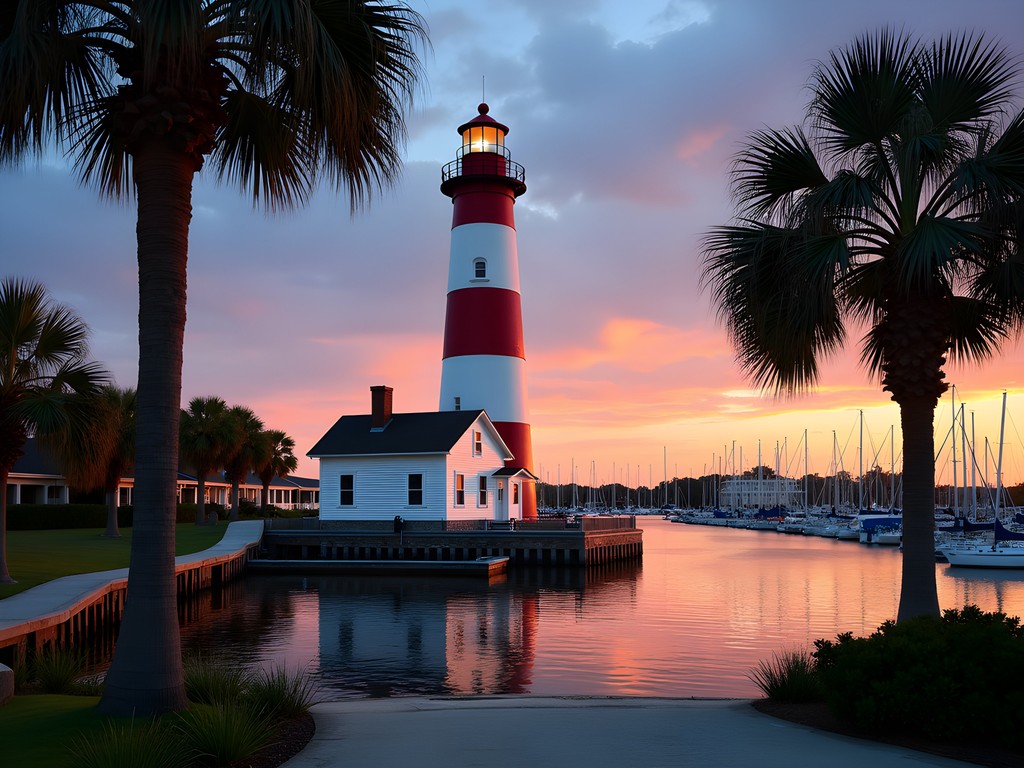
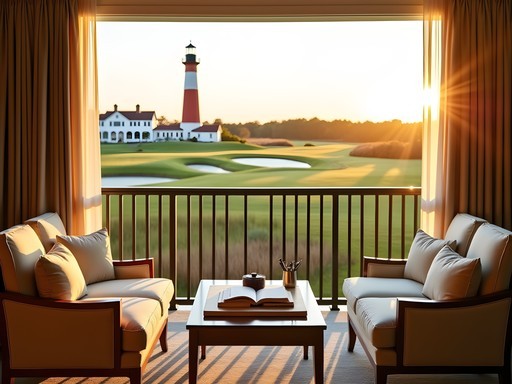
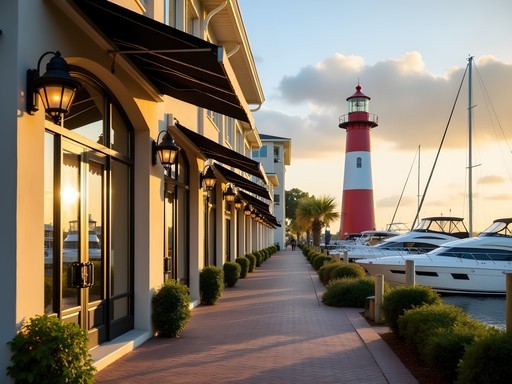
For architecture enthusiasts, the colorful harbors at Shelter Cove and Harbour Town provide excellent opportunities to capture the island's distinctive coastal style. The red-and-white striped Harbour Town Lighthouse is particularly photogenic at sunset when the fading light warms its iconic stripes.
To protect your gear while exploring in spring's occasionally unpredictable weather, I recommend a waterproof camera bag that can withstand sudden coastal showers. And for those interested in capturing the vibrant colors of the harbors, a polarizing filter will reduce glare and enhance the blues of sky and water.
💡 Pro Tips
- Ask permission before photographing Gullah artisans or their work
- Visit Harbour Town lighthouse area on weekdays to avoid weekend crowds
- Look for unique architectural details like the decorative shutters and gas lanterns

Sea Island Scenic Drives & Hidden Spots
Some of my most memorable Hilton Head photographs have come from explorations beyond the main island. The Sea Islands surrounding Hilton Head offer spectacular drives reminiscent of my favorite routes through rural Mexico – where unexpected vistas appear around every bend.
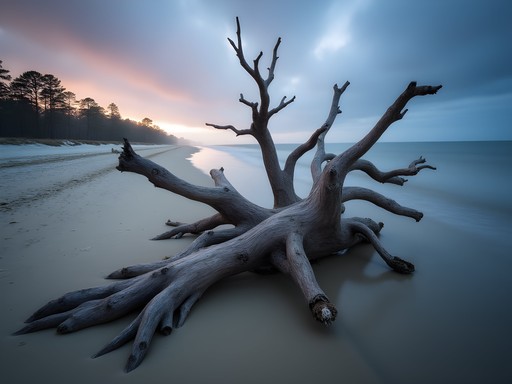
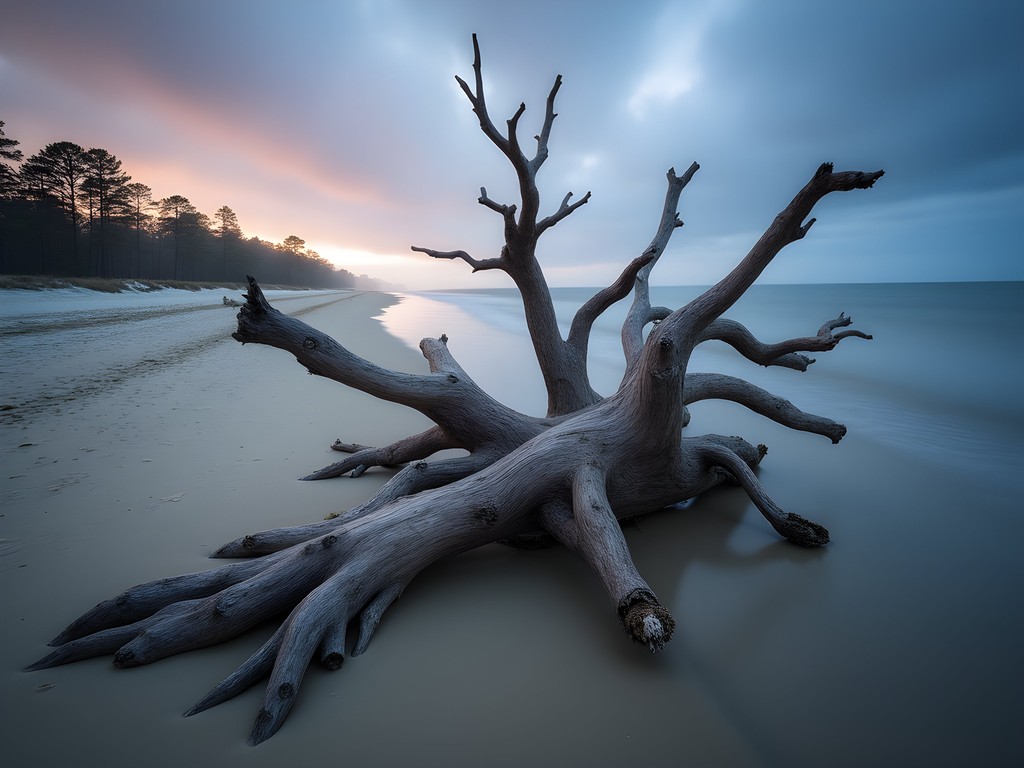
The drive to Hunting Island State Park (about an hour from Hilton Head) rewards photographers with a hauntingly beautiful beach boneyard where the Atlantic has reclaimed the forest, creating an otherworldly landscape of weathered, bleached tree skeletons. The morning fog that often shrouds these skeletal trees creates ethereal images unlike anywhere else in the region.
Closer to Hilton Head, the Old Sheldon Church ruins near Beaufort offer a glimpse into the area's complex history. These brick columns, remnants of a church burned during both the Revolutionary and Civil Wars, stand draped in Spanish moss – particularly stunning in early morning or late afternoon light.
For these day trips, I always pack my collapsible water bottle to stay hydrated without bulk, and a portable power bank to keep my devices charged during long days of shooting. When capturing time-lapses of changing light on the church ruins or beach boneyards, having reliable power is essential.
💡 Pro Tips
- Visit Hunting Island early on weekdays to avoid crowds and catch morning mist
- Bring graduated neutral density filters for balancing bright skies with darker foregrounds
- Check tide charts before visiting beach boneyards – some areas are only accessible at low tide
Final Thoughts
As I pack away my gear after another productive spring weekend on Hilton Head, I'm reminded why this island continues to draw me back year after year. Beyond the postcard-perfect beaches lie stories waiting to be told through our lenses – the ancient rhythms of the Gullah culture, the delicate dance of herons in the marsh, the resilience of live oaks that have weathered centuries of coastal storms.
Like the master weaver in Oaxaca who first taught me to see the world through different eyes, Hilton Head has become one of my greatest teachers of patience and observation. The island rewards those who slow down, who wait for perfect light, who seek beyond the obvious.
The next time you visit, I encourage you to rise before the sun, to wander beyond the resort boundaries, to speak with locals about their favorite hidden spots. Your camera will thank you, and you'll return home with images that capture not just the beauty of Hilton Head Island, but its soul. ¡Buena suerte y buenas fotos, amigos!
✨ Key Takeaways
- Spring offers ideal photography conditions with fewer crowds and dramatic lighting
- Wildlife opportunities abound in marshes and nature preserves, especially at dawn and dusk
- Cultural photography of Gullah traditions adds depth to a Hilton Head portfolio
- Exploring beyond the main island reveals unique photographic opportunities
📋 Practical Information
Best Time to Visit
Mid-March to early May for ideal photography conditions
Budget Estimate
$150-250 per day including mid-range accommodations and car rental
Recommended Duration
3-4 days minimum, weekend possible for focused shooting
Difficulty Level
Moderate (Requires Early Mornings And Some Hiking For Best Shots)


Comments
Frank Garcia
Solid guide, Luis. I'd add that the Pinckney Island Wildlife Refuge is massively underrated for photography - hardly any tourists compared to the main beaches, and the ibis flocks at sunset are spectacular. The trail system is flat and easy to navigate with gear. I spent three days there last spring and barely saw another photographer. One thing I noticed is that the tidal patterns really affect wildlife activity in the marshes, so checking tide charts before heading out can make or break your shoot. Low tide exposes mudflats where the wading birds congregate. Also worth noting: the no-see-ums are brutal in spring, especially around dawn. Bug spray is essential.
greenhero5085
Pinckney Island YES! Such a hidden gem
winterbuddy
Going there next month, any other tips?
wanderphotographer
Hey Luis, what lens did you use for the wildlife shots in the marshes? I'm heading there in March and trying to decide if I need to rent a telephoto or if my 70-200mm will be enough for the birds and gators. Also, any specific spots you'd recommend for sunrise? Really appreciate the guide!
Frank Garcia
Not Luis but I was there last year - you'll definitely want something longer than 200mm for wildlife. The herons and egrets let you get closer than you'd think, but gators you want distance. I rented a 150-600mm and it was worth every penny.
wanderphotographer
Thanks! That's what I was afraid of lol. Rental it is
greenhero5085
Those marsh photos are incredible! The lighting is just perfect.
wanderphotographer
Right?? I'm trying to figure out what time he shot those
shutterbug_jane
If anyone's heading to Hilton Head soon, the boardwalk at Sea Pines Forest Preserve is amazing for morning mist photos. Just get there right at opening time (8am) before other visitors arrive. The reflection on the water is perfect when it's still.
Luis Cunningham
Great tip! The alligators are often more visible in the morning too - from a safe distance, of course!
Stephanie Romano
Luis, your guide is spot-on! We visited Hilton Head in April and I'd add one more tip for photographers with families: the Coastal Discovery Museum has amazing oak trees with Spanish moss that photograph beautifully, plus there's enough activities to keep the kids busy while you shoot. I found early weekday mornings were perfect for empty beach shots at Burkes Beach. Also, the boardwalk at Fish Haul Creek Park offered some unique marsh perspectives without the crowds of some other spots. Looking forward to your next photography guide!
mountaingal
Thanks for mentioning Fish Haul Creek Park - adding it to my list for October!
island_hopper
Just got back from HHI and wish I'd seen this before my trip! Your marsh shots are incredible.
beachcomber22
Love these photos! Is it worth bringing a telephoto lens for wildlife, or would a good all-purpose zoom be enough?
Luis Cunningham
I'd definitely bring a telephoto if you have one! The birds in the marshes often keep their distance, and you'll want that reach for dolphin spotting from shore.
springwalker
Just got back from Hilton Head and tried your tip about Mitchelville Beach for sunrise shots. You weren't kidding about the driftwood making great foreground elements! Way less crowded than Coligny too. The Sea Pines area was beautiful but they wanted $9 just to enter - worth it for the photos but good for others to know about the fee. Spotted dolphins from the shore at Folly Field Beach which was amazing!
Luis Cunningham
So glad you enjoyed Mitchelville! It's my little secret spot. And yes, the Sea Pines fee is a bit steep but keeps the crowds down for better photo ops.
Riley Griffin
Luis, you've captured the essence of Hilton Head perfectly! I took my family there last spring after reading your previous posts, and the photography opportunities were endless. My kids still talk about our sunrise excursion to Folly Field Beach - we saw dolphins just offshore while the light was painting everything gold. I found that getting up before dawn was absolutely worth it, even with grumpy teenagers! The Spanish moss against the morning light created some of my best family portraits ever. We also loved photographing the lighthouse at Harbour Town during sunset. Did you find any good spots for night photography on the island? I tried a few star shots but the light pollution was tricky in some areas.
Luis Cunningham
Thanks for sharing your experience, Riley! For night photography, I've had luck at the northern end of the island near Port Royal Sound. Much less light pollution there. A good tripod is essential though - those sea breezes can ruin long exposures!
Riley Griffin
Perfect tip! Will try Port Royal Sound next time. And yes, a sturdy tripod is absolutely critical - learned that the hard way when my first few shots came out blurry!
Venture X
Premium card with 2X miles, $300 travel credit, Priority Pass