

Disclosure: This article contains affiliate links. We may earn a commission from purchases at no extra cost to you, which helps our travel content.
Much like a complex Barolo that reveals its character as the night progresses, Milan transforms after sunset into a playground of sensory delights that few tourists truly understand. Having spent countless evenings exploring this fashion capital's nightlife scene during my sommelier training pilgrimages, I've developed an intimate relationship with Milan's after-dark personality. The aperitivo ritual here isn't simply pre-dinner drinks—it's a cultural institution that bridges day and night with the same reverence Milanese give to their espresso. And when the dinner plates are cleared, the city reveals another layer entirely: nightclubs where fashion industry insiders, international creatives, and locals converge in spaces ranging from repurposed industrial warehouses to sleek design-forward venues. Join me as I uncork Milan's nightlife secrets, from the canals of Navigli to the cosmopolitan Brera district, where the true spirit of this northern Italian powerhouse flows as freely as the Negronis.

Understanding Milan's Aperitivo Culture
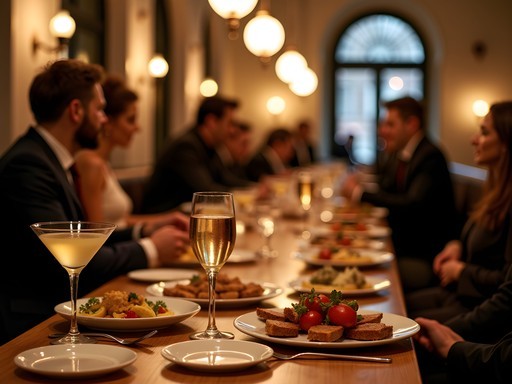
When I first encountered Milan's aperitivo scene years ago, I approached it with a sommelier's analytical mindset—only to discover it requires the heart of a poet to truly appreciate. Aperitivo in Milan transcends the simple act of having pre-dinner drinks; it's a sophisticated ritual that typically begins around 6:30pm and stretches languorously into the evening hours.
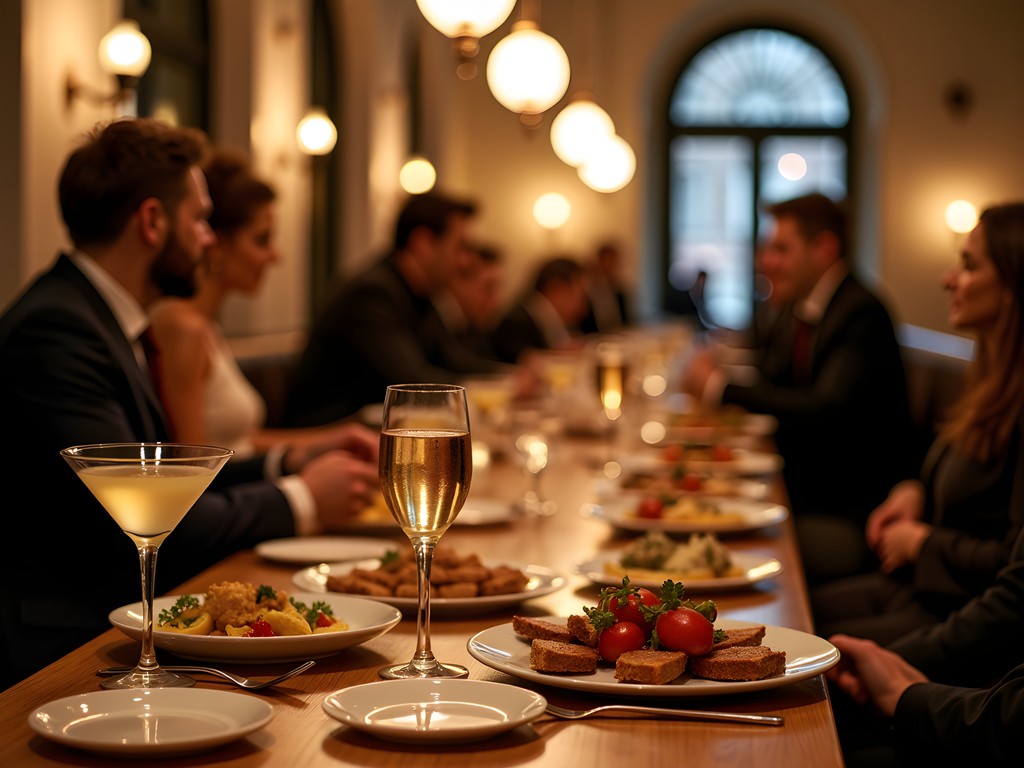
The concept is brilliantly straightforward: you purchase a drink (typically €10-15) and gain access to a buffet ranging from simple chips and olives to elaborate spreads that could easily substitute for dinner. But the essence goes deeper—it's about the transition between work and pleasure, a collective exhale as the city shifts gears.
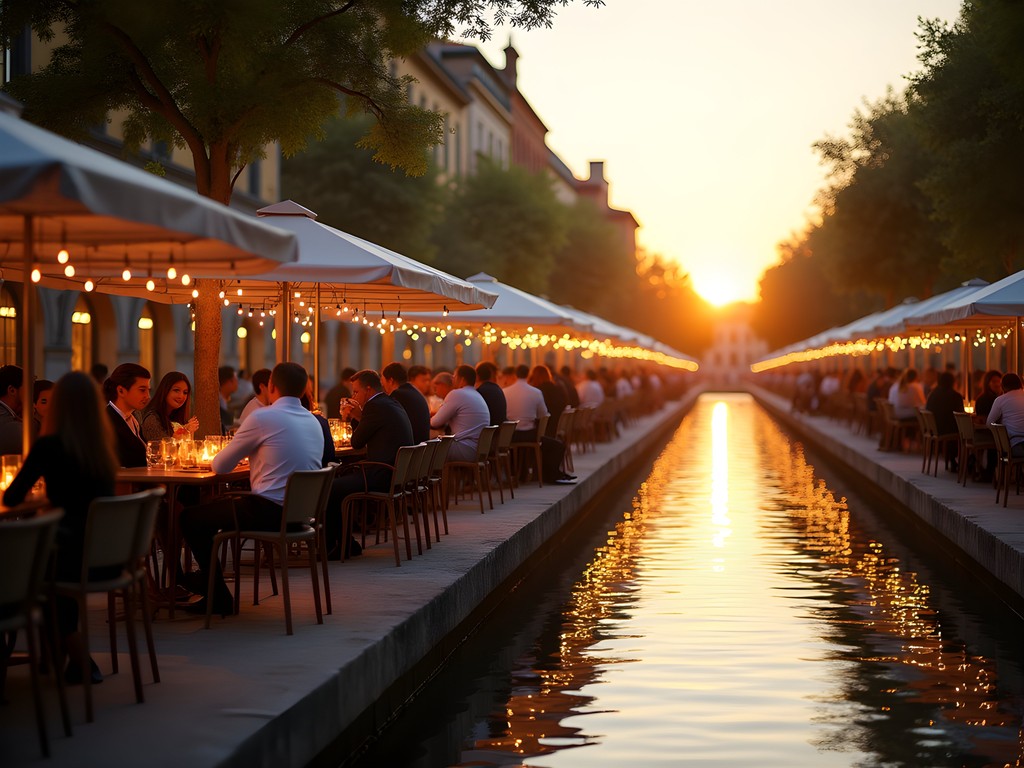
In the canal-lined Navigli district, traditional spots like Mag Café serve meticulously crafted cocktails alongside carefully curated small plates. Their Negroni variations deserve particular attention—the barrel-aged version reveals new dimensions of this classic cocktail, much like revisiting a familiar wine region through a different vintage.
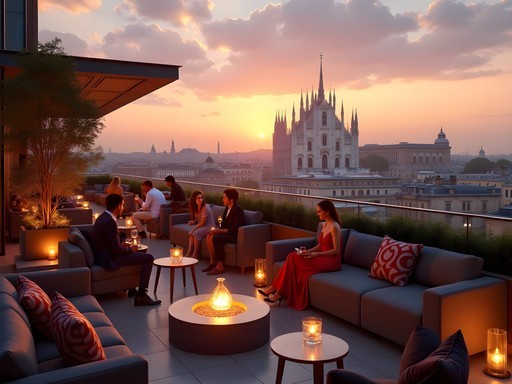
For a more elevated experience, Terrazza Aperol near the Duomo offers spectacular cathedral views alongside their perfectly balanced Aperol Spritz. Yes, it's slightly touristy, but the panorama justifies the premium. I've spent many evenings here with visiting friends from Adelaide, watching their expressions as they take in both the iconic orange cocktail and the gothic spires simultaneously.
In the more bohemian Isola district, Frida offers an aperitivo spread that draws inspiration from across the Mediterranean, paired with natural wines that would impress even the most discerning palates. Their courtyard, hidden from street view, feels like discovering a secret garden in the urban landscape.
💡 Pro Tips
- Arrive early (6:30-7:00pm) to secure good seating, especially at popular venues
- Don't overindulge at the buffet if you're planning dinner afterward—aperitivo is meant to open the appetite, not satisfy it completely
- Most quality venues require reservations, especially for groups larger than four
The Art of Navigating Milan's Aperitivo Districts
Milan's aperitivo landscape is as varied as a wine region with distinct terroirs—each neighborhood imparts its own character to the experience. Understanding these subtle differences is essential for finding your perfect match.
Brera: The artistic heart of Milan offers a more refined aperitivo scene. Venues like Bulgari Hotel Garden and N'Ombra de Vin (housed in a 16th-century former monastery) cater to a sophisticated crowd. Here, you'll find expertly curated wine lists featuring rare Italian varietals alongside artisanal cocktails. The aperitivo spreads tend toward the gourmet, with high-quality cheeses, charcuterie, and inventive small plates. Dress smartly—Milanese in this district take their appearance seriously.
Navigli: Built around Milan's historic canals, this district offers the city's most atmospheric aperitivo setting. The crowd skews younger and more diverse, with a mix of students, creatives, and young professionals. Venues like Rita and Manhattan offer excellent cocktail programs, while the canal-side tables at places like Spritz Navigli provide prime people-watching. The food ranges from traditional Lombard specialties to international fusion. This is where I first fell in love with Milan's nightlife, watching the sunset paint the canal waters in amber hues while sipping a perfectly balanced Campari soda.
Porta Venezia: This up-and-coming district offers Milan's most eclectic aperitivo scene. With a significant East African community, you'll find fascinating fusion interpretations of the aperitivo tradition. Ghe Sem combines Eritrean influences with Italian classics, creating one of the most interesting food and drink pairings I've encountered anywhere in Italy. The crowd here is diverse and progressive, making it ideal for solo travelers looking to connect with locals.
For capturing these moments, I've found my compact camera invaluable—its low-light capabilities allow me to document Milan's golden hour without disrupting the ambiance with flash photography.
💡 Pro Tips
- Follow the locals—if a venue is filled with Italians speaking the local dialect, you've found an authentic spot
- Most quality aperitivo runs from €10-15 for a drink with food access; anything significantly cheaper may indicate lower quality
- Look beyond the canals in Navigli—some of the best spots are tucked away on side streets
From Aperitivo to Nightclub: Milan's Transition Hours
The space between aperitivo and proper nightlife represents a fascinating cultural limbo in Milan—one that visitors often miss entirely. As a sommelier, I've always been drawn to these transition periods, much like the moment when a wine's bouquet begins to fully express itself after breathing.
Around 10:30pm, Milan begins its metamorphosis. The aperitivo crowds thin as locals either move to dinner reservations (Milanese typically dine later than other Italians) or begin their progression toward nightlife venues. This creates a golden opportunity for visitors to experience what I call Milan's 'middle hours'—venues that bridge the gap between early evening and late night.
Bar Basso stands as the quintessential transition spot, famous for inventing the Negroni Sbagliato (where prosecco replaces gin). The vintage interior has barely changed since the 1950s, and you'll find an intriguing mix of fashion industry veterans, designers, and in-the-know travelers. During Milan Design Week, this becomes the unofficial industry headquarters—I once found myself discussing Australian wine regions with a leading Italian furniture designer until well past midnight.
Dry Milano represents the modern interpretation of this transition space—part cocktail bar, part gourmet pizzeria, part pre-club destination. Their cocktail program rivals any in Europe, with house-made ingredients and scientific precision applied to classic recipes. The Jungleland (their take on a gin sour with forest botanicals) pairs remarkably well with their sourdough pizzas.
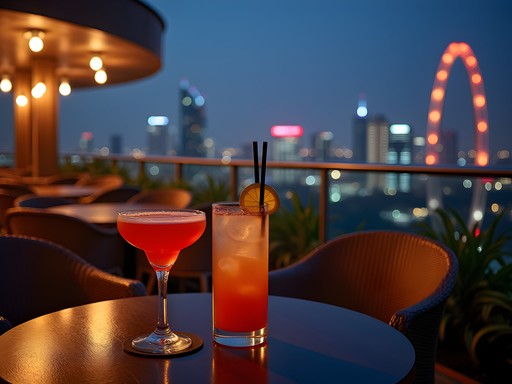
For those seeking something truly special, Ceresio 7 offers rooftop pools and panoramic city views alongside cocktails created by some of Milan's most innovative mixologists. Owned by the fashion brand DSQUARED2, it attracts a glamorous crowd without feeling pretentious. Watching the city lights emerge as day fades to night from this vantage point remains one of my favorite Milan experiences.
During summer months, I always pack my lightweight blazer for these transition venues—Milanese appreciate attention to detail in dress, and this versatile piece works perfectly from aperitivo through late night.

💡 Pro Tips
- Reservations become increasingly important during transition hours—many venues fill quickly with locals who have standing arrangements
- Most venues in this category expect a certain level of dress—smart casual at minimum, with many Milanese using this time to showcase their style
- Pace your consumption—Milanese rarely show visible intoxication, and maintaining composure is considered essential

Milan's Elite Nightclub Scene
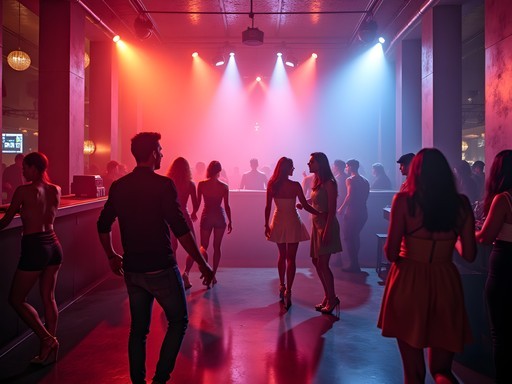
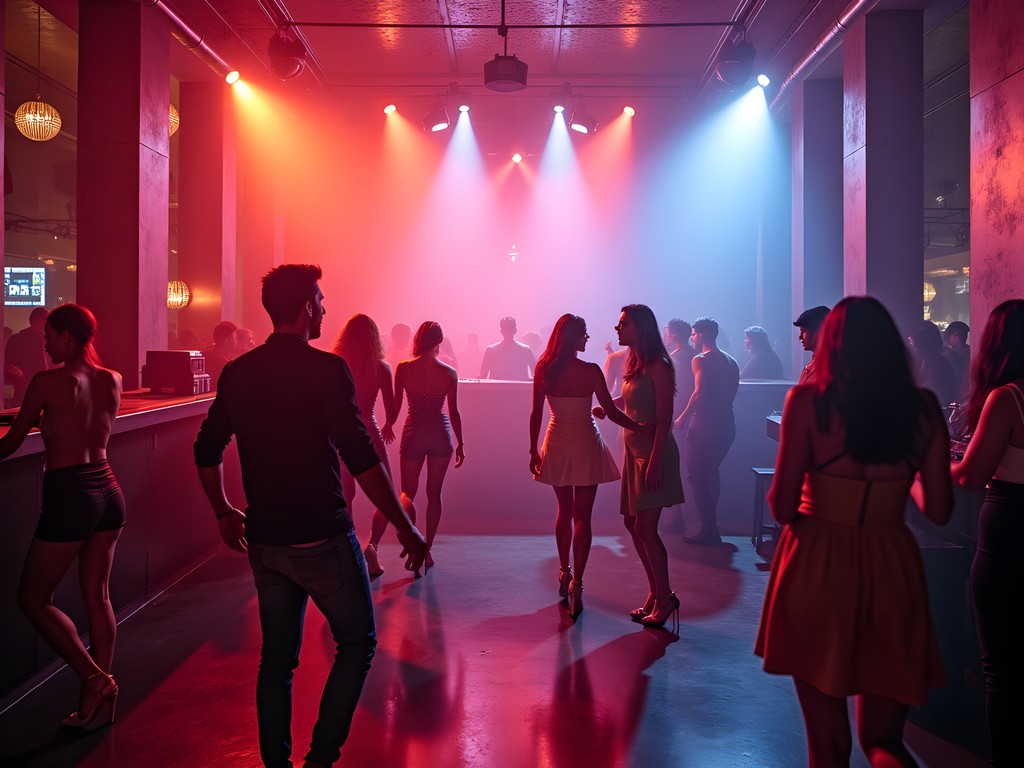
When midnight approaches, Milan reveals its most exclusive layer—a nightclub scene that rivals Paris or Berlin, yet maintains a distinctly Italian character. As someone who has explored nightlife across four continents, I find Milan's clubs uniquely sophisticated, blending fashion, design, and music in spaces that feel both contemporary and timeless.
The Fashion Set Favorites
Plastic has maintained its position as a cornerstone of Milan's club culture for decades. Don't let the unassuming entrance fool you—inside lies a world where fashion industry insiders, models, and creative directors dance alongside students and in-the-know travelers. The music programming leans heavily toward house and disco, with occasional forays into more experimental territory. During Fashion Week, this becomes nearly impossible to enter without connections—I once waited over an hour despite having my name on the list, as designers and their entourages received priority.
Armani Privé represents the luxury end of Milan's nightlife spectrum. Attached to the Armani Hotel, this venue embodies Giorgio Armani's aesthetic vision—understated elegance, perfect proportions, and meticulous attention to detail. The crowd is international, wealthy, and impeccably dressed. The club's signature cocktails are works of art, particularly their Privé Sour, which balances Japanese whisky with unexpected Mediterranean elements.
Underground and Alternative
For those seeking something less polished but equally authentic, Tunnel Club occupies a former railway tunnel with raw concrete walls and industrial elements. The sound system rivals any in Europe, attracting serious electronic music enthusiasts and international DJs. The atmosphere here feels more Berlin than Milan, with less emphasis on appearance and more on musical appreciation.
Apollo Club bridges the gap between exclusive and underground, housed in a former cinema with striking architectural elements. Their booking policy favors cutting-edge electronic music alongside occasional live performances. The crowd represents Milan's creative class—fashion photographers, designers, architects, and artists—making it an ideal spot to experience the city's creative energy.
For club nights, I always bring my compact wallet rather than my regular one—its minimalist design fits comfortably in front pockets, crucial in crowded venues where pickpocketing can occur.
💡 Pro Tips
- Most clubs don't really get going until after 1:00am, with peak hours between 2:00-4:00am
- Door policies can be strict and somewhat unpredictable—mixed groups, appropriate attire, and confident (but not arrogant) demeanor increase your chances
- Reserving a table with bottle service virtually guarantees entry but comes at a premium (€300+ minimum spend typically)
The After-Hours Experience: Milan Until Dawn
For the truly dedicated night explorers, Milan offers a fascinating after-hours scene that continues long after most clubs have closed their doors. This is the city's most hidden layer—one that took me several visits to discover and appreciate fully.
As a sommelier, I often compare this experience to discovering the lingering finish of an exceptional wine—that moment when most have stopped paying attention, but the most interesting notes are just revealing themselves.
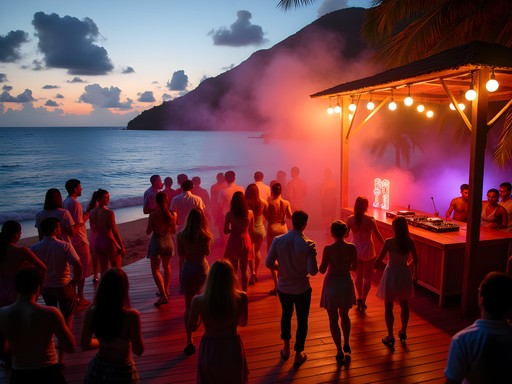
Rocket Club stands as Milan's premier after-hours institution, typically opening around 4:00am when other venues begin to close. Located in a nondescript building near Porta Romana, its minimal exterior gives no indication of the sensory experience within. The sound system delivers pristine audio even at substantial volume, showcasing primarily techno and minimal house. The crowd here represents a true cross-section of Milan's nocturnal community—fashion industry insiders coming from private parties, club kids, international DJs playing elsewhere earlier in the night, and dedicated music enthusiasts.
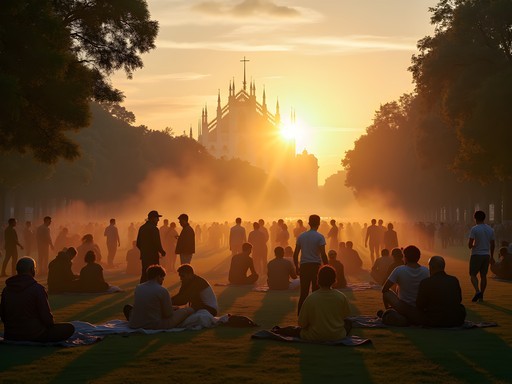
For something completely different, the sunrise gatherings at Parco Sempione offer a gentler conclusion to a night out. During summer months, informal groups gather with portable speakers, light refreshments, and yoga mats to welcome the morning sun. These organic gatherings represent Milan's holistic side—the recognition that after intense nightlife experiences, reconnection with nature provides necessary balance.
Perhaps most intriguing are the invitation-only after-parties that occur in private lofts, studios, and repurposed industrial spaces throughout the city. These events typically have no fixed address or regular schedule—access comes only through personal connections. During my last visit, a fashion photographer I'd befriended at Ceresio 7 invited me to one such gathering in a former textile factory in Zona Tortona. The space featured installations by emerging artists, impromptu DJ sets, and a crowd that included some of Italy's most influential creative directors and designers, all interacting with a refreshing absence of pretense.
For these extended adventures, my portable phone charger has proven invaluable—Milan's after-hours scene requires coordination and communication that can quickly drain a phone battery.

💡 Pro Tips
- Transportation becomes challenging after 3:00am—either arrange a private driver through your hotel or be prepared to use ride-sharing apps at premium rates
- Milan's after-hours venues often have strict door policies that favor regulars—going with local friends significantly increases your chances of entry
- Stay hydrated—the best venues offer water service, but it's wise to be proactive about hydration during extended nights
Final Thoughts
Milan after dark reveals itself like a fine wine—in stages, with patience, and most rewardingly to those willing to look beyond the obvious. From the sophisticated ritual of aperitivo that initiates the evening to the sunrise gatherings that gently conclude it, this fashion capital offers nightlife experiences that satisfy both cultural curiosity and hedonistic impulse. The city's nocturnal character—elegant yet unpretentious, traditional yet innovative—mirrors the complex identity of Milan itself. Whether you're sipping a perfectly crafted Negroni by the canals of Navigli or dancing alongside fashion industry insiders until dawn, Milan's after-dark experiences provide something rarely found elsewhere: nightlife with both substance and style. As you plan your own Milanese adventure, remember that the most memorable nights often begin with a simple aperitivo and an open mind—let the city guide you through its layers, revealing its secrets at its own perfect pace.
✨ Key Takeaways
- Milan's nightlife follows a distinct progression from aperitivo through late clubs—understanding this rhythm enhances your experience
- Each district offers a different nightlife character—choose based on your preferences rather than trying to see everything
- Door policies can be strict at premier venues—dress appropriately and consider reservations for guaranteed entry
- The most authentic experiences often happen in transition spaces between aperitivo and clubs
📋 Practical Information
Best Time to Visit
Late May through July, September
Budget Estimate
€80-150 per night for drinks, cover charges and transportation
Recommended Duration
Minimum 2-3 nights to experience different districts
Difficulty Level
Beginner
Comments
Taylor Moreau
As someone who frequently visits Milan for business, I appreciate Frank's nuanced take on the aperitivo-to-nightclub progression. One aspect worth emphasizing for business travelers: many key business relationships in Milan are cultivated during these evening social rituals. If you're in town for work, don't underestimate the importance of joining colleagues for aperitivo. The formal business day often extends into these more relaxed settings where real connections are made. For first-timers navigating this scene, I recommend Bulgari Hotel's garden bar for a sophisticated aperitivo that impresses without feeling ostentatious. For those concerned about navigating dress codes, Milan's nightlife generally favors smart, understated elegance over flashy attire - quality over conspicuousness is the Milanese way.
Douglas Bradley
Excellent point about business relationships, Taylor. I've noticed that same pattern. The aperitivo hour seems to function as an important social lubricant for professional connections. Would you say the same applies in more creative industries, or is it primarily financial/corporate sectors?
Taylor Moreau
Douglas, absolutely applies to creative sectors too - perhaps even more so. Fashion, design, and media professionals in Milan practically conduct business through these social rituals. The venues might differ (more cutting-edge spots in Tortona for the creative crowd), but the function remains the same.
happyadventurer
The transition hours tip is gold! We always wondered why places emptied out around 9:30. Now we know where everyone was going!
bluerider
Just got back from Milan and followed some of these recommendations. The aperitivo scene is no joke - I was surprised how substantial the food spreads were! We hit up Terrazza Aperol (touristy but worth it once) and then found this tiny place called Cantine Isola in Chinatown that was packed with locals. One tip: bring a good portable charger if you're club-hopping. My phone died halfway through the night and I missed some amazing photo ops at Plastic Club. I used my compact charger on later nights and it was a lifesaver.
summerwalker
How late did the aperitivo spots stay open? And was it easy to get around at night?
bluerider
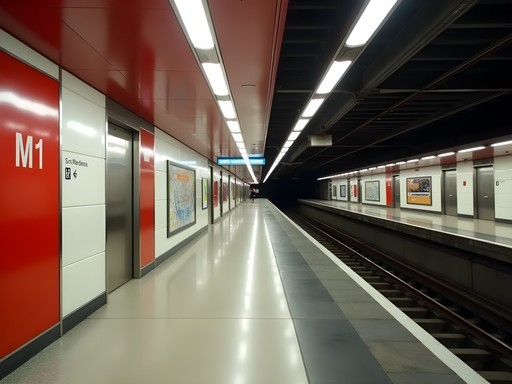
Most aperitivo runs from about 6-9pm, but some places keep it going until 10. We used the metro until midnight (super clean and efficient!) and then just grabbed taxis for late night moves. Felt very safe overall.
Douglas Bradley
Frank's analysis of the aperitivo progression through different neighborhoods is spot on. I'd add that the Navigli district, while mentioned briefly, deserves special attention for those seeking a more bohemian vibe. The canal-side bars offer a distinctly different energy from the polished Brera spots. I found that starting around 7pm at Rita in Navigli, then migrating to Ceresio 7 in Porta Volta around 9pm created the perfect evening arc. The contrast between these areas reveals Milan's multifaceted nightlife personality in ways that even frequent visitors might miss. Also worth noting that dress codes become increasingly important as you move from aperitivo to proper nightclubs - the Milanese take their evening attire seriously.
happyadventurer
Ceresio 7 is amazing! Those rooftop pools with the city view... worth dressing up for!
springmaster
Any recommendations for aperitivo spots that aren't too touristy? Going to Milan for the first time in December.
Frank Ali
Try Bar Basso or N'Ombra de Vin in Brera for a more authentic experience. Both are popular with locals but still welcoming to visitors who appreciate good drinks and atmosphere!
springmaster
Thanks Frank! Adding these to my list right away.
summerwalker
This guide is exactly what I needed for my trip next month! The aperitivo culture sounds amazing.
Nicole Russell
Frank, this guide is spot on! I was in Milan last fall and totally fell in love with the aperitivo culture in Navigli. The whole vibe of watching the sunset over the canals with a spritz in hand is just magical. One tip I'd add - don't sleep on the Isola neighborhood! It's got a younger, more local crowd and the aperitivo spreads are INSANE for the price. Also loved how you explained the transition hours - that's something I wish I'd understood better on my first visit. Would you say Plastic is still the best spot for electronic music, or has anything new opened up?
adventureseeker
Ooh adding Isola to my list! Thanks!
adventureseeker
This sounds amazing! Quick question - what's the dress code like for the nightclubs you mentioned? Going in April and don't want to pack wrong lol
Nicole Russell
Great question! Milan nightclubs are pretty fashion-forward. Think smart casual at minimum - nice jeans with a blazer for guys, dresses or stylish separates for women. Definitely avoid sneakers unless they're designer! The aperitivo scene is more relaxed though.
adventureseeker
Thanks so much! That's super helpful
Bryce Diaz
The wine comparison at the beginning really resonates. I remember my first night in Milan, I followed a group of locals from aperitivo in Brera to this tiny jazz club, then eventually to a warehouse party in Lambrate around 2am. Each transition felt like peeling back another layer of the city. One thing I'd add - learn a few Italian phrases. Even basic attempts at the language opened doors (literally) that would've stayed closed otherwise. The Milanese appreciate the effort, especially in the nightlife scene where tourists often just expect English everywhere.
wavehero8486
Love this! Saving for my trip in September
Venture X
Premium card with 2X miles, $300 travel credit, Priority Pass