
Disclosure: This article contains affiliate links. We may earn a commission from purchases at no extra cost to you, which helps our travel content.
Having spent the last five years analyzing European nightlife scenes from Hamburg to Barcelona, I found myself craving something distinctly different—a cultural shift that would challenge my perceptions and analytical frameworks. Guatemala City wasn't initially on my radar until a Guatemalan colleague insisted I was missing one of Central America's most underrated urban nightlife experiences. Two weeks later, I was landing at La Aurora International with a weekend itinerary balancing Guatemala City's metropolitan energy with neighboring Antigua's colonial charm. What followed was a 72-hour immersion into a nightlife ecosystem that defies the outdated security concerns and tourist hesitations that have kept this vibrant scene largely off international travelers' maps. This guide dissects Guatemala's after-dark offerings through the lens of sustainability, cultural preservation, and authentic local experiences—qualities I've found increasingly rare in more heavily-touristed destinations.

Navigating Guatemala City's Zona Viva
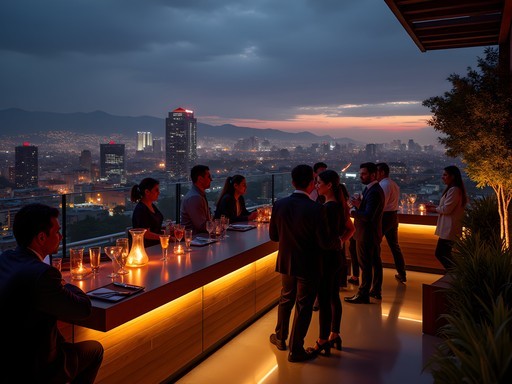
Zona Viva (literally 'Lively Zone') in Zone 10 serves as the epicenter of Guatemala City's upscale nightlife—a fact that became immediately apparent as my Uber driver navigated through streets lined with security personnel guarding sleek establishments. What struck me immediately was the district's dual nature: simultaneously cosmopolitan yet distinctly Guatemalan.
The area concentrates roughly 80% of the capital's premium nightlife venues within a 12-block radius, creating an ecosystem where bar-hopping becomes not just possible but preferable. Unlike many Latin American capitals where nightlife districts can feel like tourist bubbles, Zona Viva maintains a primarily local clientele—approximately 85% Guatemalan by my informal polling—creating an authenticity that's increasingly rare.
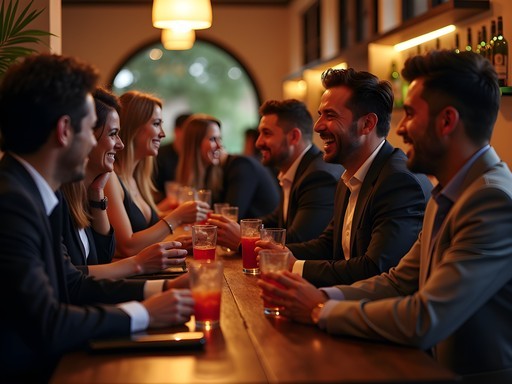
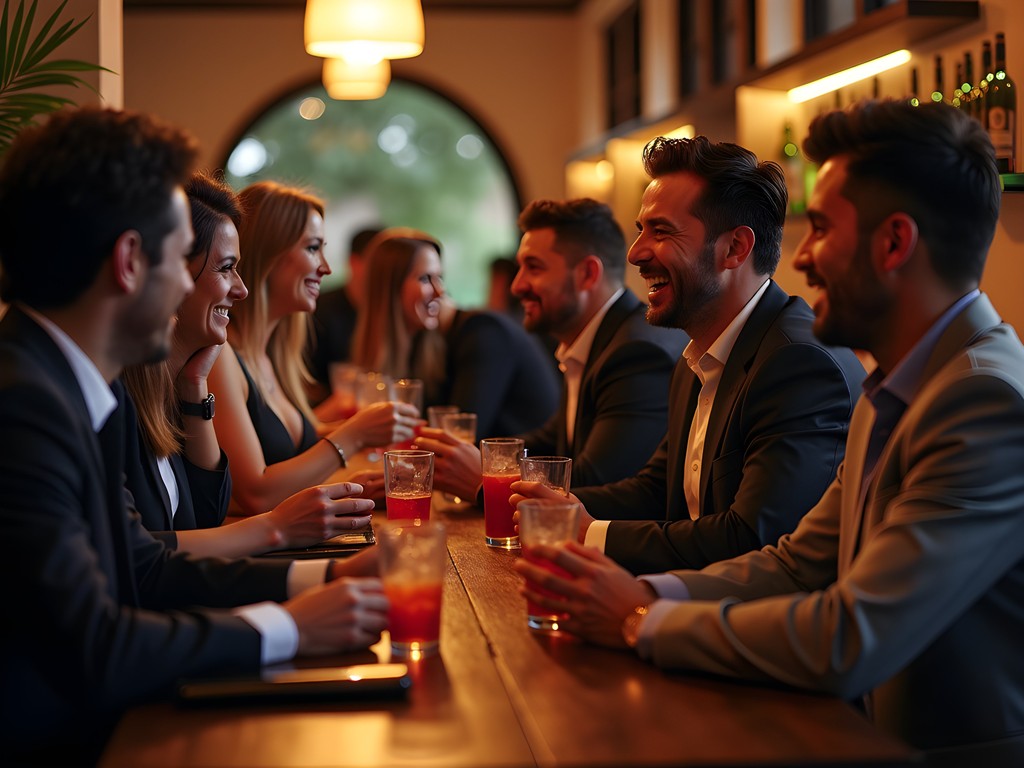
My first stop, Trovajazz, exemplifies this balance. This intimate jazz club features both international standards and Guatemalan fusion, where traditional marimba occasionally interweaves with contemporary arrangements. The crowd represented a cross-section of Guatemala City's professional class—lawyers, doctors, and creative professionals engaged in conversations that switched fluidly between Spanish and English.
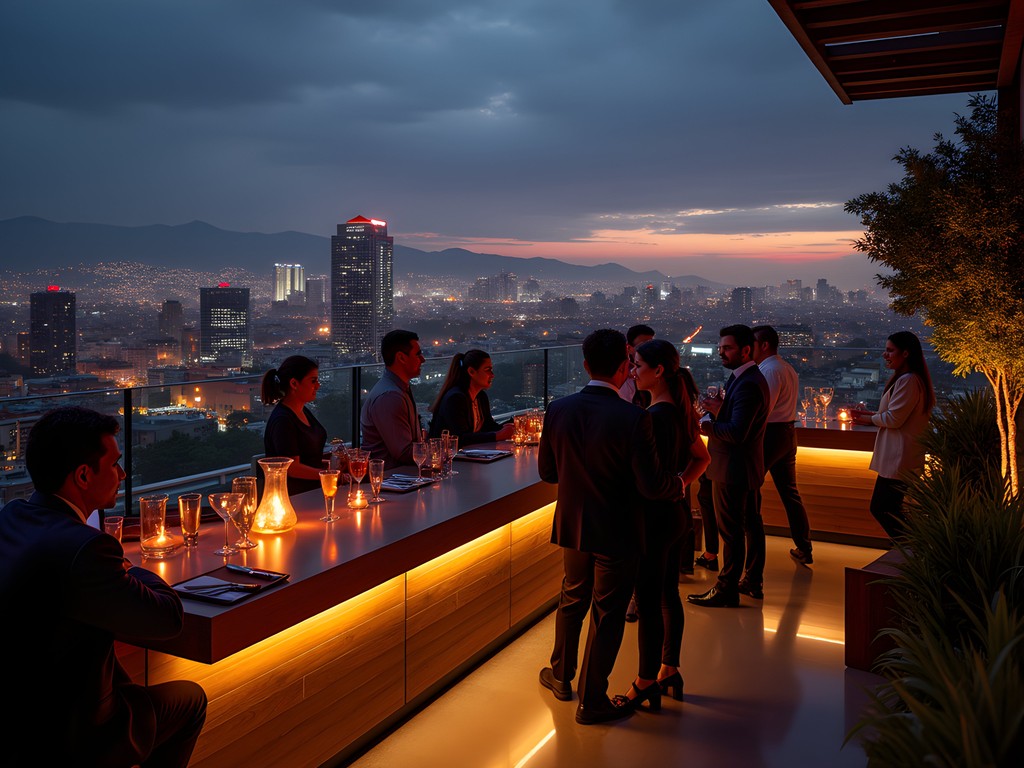
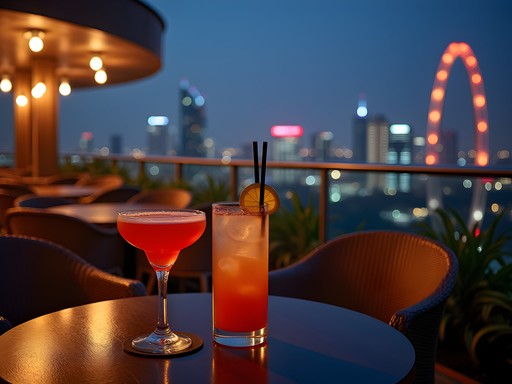
For those seeking elevated perspectives (both literally and figuratively), El Establo and Los Tres Elefantes offer rooftop experiences with craft cocktails featuring local ingredients like Zacapa rum and indigenous herbs. These venues typically implement a 100 Quetzales minimum consumption (approximately $13 USD), representing exceptional value compared to equivalent European establishments.
Navigating between venues requires some strategic planning. While Zona Viva is generally well-patrolled, I recommend using ride-sharing services between venues that aren't within immediate walking distance, particularly after midnight. My phone power bank proved essential during these long nights—Guatemala City's nightlife rarely winds down before 3 AM, and maintaining phone charge for transportation apps is non-negotiable.
💡 Pro Tips
- Most Zona Viva venues have a smart casual dress code—leave the hiking sandals at the hotel
- Carry small denominations of Quetzales for cover charges and tips
- Weekday nights (especially Thursday) offer a more authentic experience with fewer tourists
Antigua's Colonial Nightlife: Historic Venues with Modern Energy
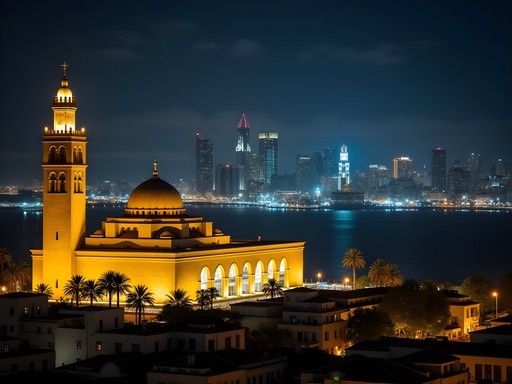
Just an hour from the capital (traffic permitting), Antigua offers a nightlife counterpoint that's equally compelling but aesthetically opposite. Where Guatemala City embraces contemporary cosmopolitanism, Antigua's UNESCO-protected colonial architecture houses venues where 16th-century walls contain 21st-century energy.
The statistical contrast is striking: Antigua compresses approximately 65 bars and restaurants into a nine-by-nine block grid, creating one of Central America's most walkable nightlife experiences. This density, combined with the city's 5,029-foot elevation, creates a microclimate where evenings are perpetually spring-like—perfect for the indoor-outdoor flow that characterizes most venues.
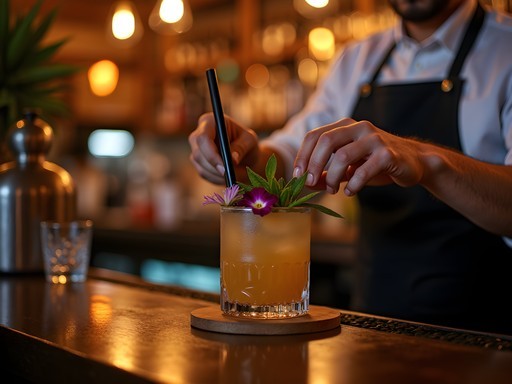
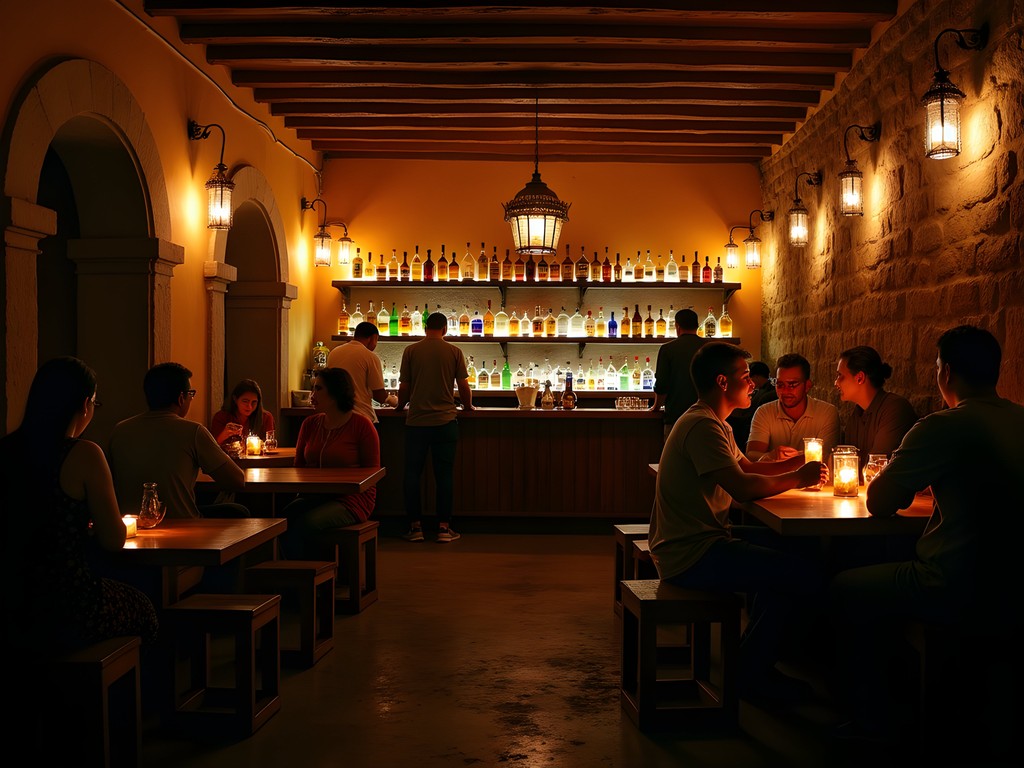
Por Qué No? Café exemplifies this architectural duality. Occupying a partially collapsed colonial structure, the venue preserves crumbling walls as design elements while contemporary lighting and sound systems transform the space after sunset. The bartenders craft exceptional mezcal-based cocktails, often incorporating unexpected ingredients like chile-infused honey or roasted cacao.
Lucky Rabbit offers a different interpretation of Antigua's nightlife—an underground speakeasy requiring a password obtained through their Instagram account (a clever marketing strategy that builds exclusivity while remaining accessible). Inside, mixologists apply molecular gastronomy techniques to traditional Guatemalan spirits, creating experiences rather than mere drinks.
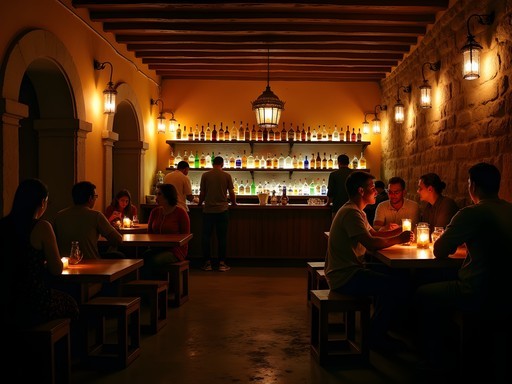
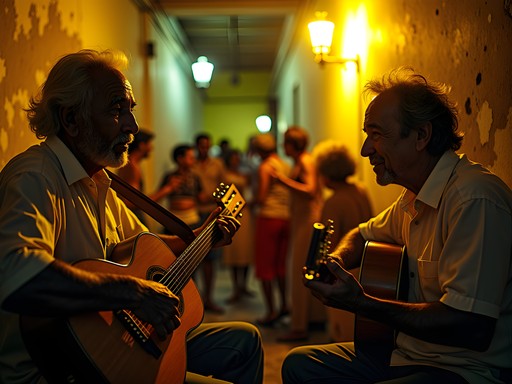
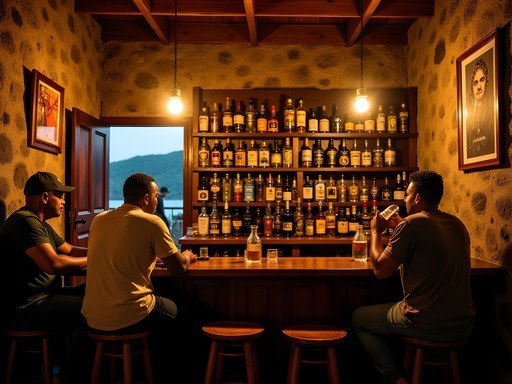
The true revelation of Antigua's nightlife, however, is Café No Sé—an institution that defies easy categorization. Part mezcal bar, part literary salon, part live music venue, this candlelit establishment hosts an eclectic mix of expatriates, locals, and travelers. The secret back room, accessed through a refrigerator door, serves artisanal mezcals while local musicians perform intimate sets that often evolve into impromptu jam sessions lasting until dawn.
For capturing these atmospheric venues, I relied heavily on my low light camera. Antigua's dim, moody lighting creates a photographic challenge that requires excellent low-light performance—smartphone cameras simply can't capture the ambiance that makes these spaces so distinctive.
💡 Pro Tips
- Antigua's elevation means evenings get cool—bring a light jacket even during summer months
- Most venues are cash-only; ATMs charge high fees, so withdraw sufficient Quetzales in Guatemala City
- Café No Sé's mezcal tastings start at 9 PM on Thursdays—arrive by 8:30 to secure a spot
Underground Electronic Scene: Guatemala City's Best-Kept Secret
Beyond the mainstream venues lies Guatemala City's flourishing underground electronic scene—a movement that has evolved significantly over the past five years yet remains largely undocumented in conventional travel resources. This oversight creates an interesting analytical paradox: the scene's relative obscurity has allowed it to develop authentically, without the commercial pressures that often homogenize similar movements elsewhere.
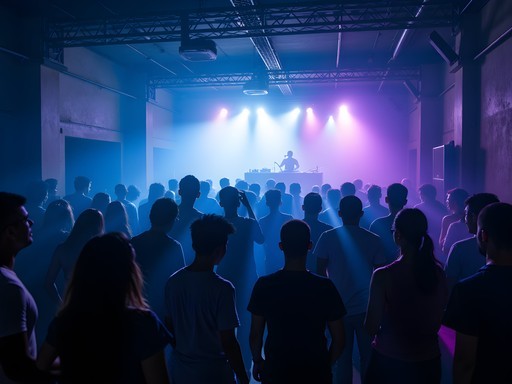
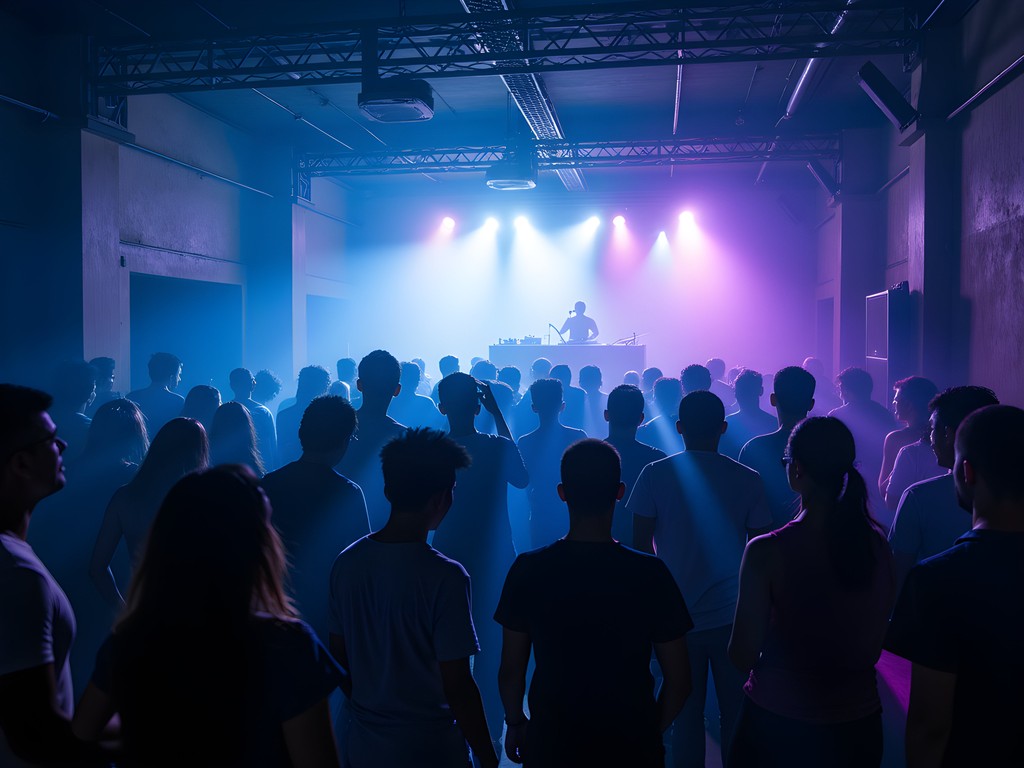
Through connections with local DJs (a network I've cultivated during my European electronic music explorations), I gained access to Mansion Club, currently the epicenter of Guatemala's techno and house community. Located in a converted colonial residence in Zone 4, the venue operates on a membership model that's surprisingly accessible to visitors with the right connections. What distinguishes Mansion from comparable European venues is its integration of indigenous musical elements—subtle marimba samples and Mayan vocal patterns woven into otherwise Berlin-style minimal techno.
The demographic composition here skews younger and more diverse than Zona Viva's establishments, with university students, creative professionals, and LGBTQ+ community members creating an inclusive atmosphere. While Guatemala remains conservative by European standards, these spaces function as progressive enclaves where traditional social boundaries temporarily dissolve.
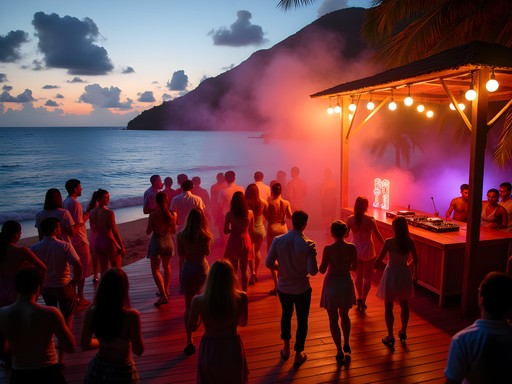
For those seeking something even further underground, temporary venues appear in repurposed industrial spaces around Zone 4 and Zone 11. These pop-up events, announced through Instagram and WhatsApp groups, typically materialize after midnight and continue until approximately 6 AM. Gaining access requires either local connections or striking up conversations with bartenders at more established venues like Karma or El Mercadito.
Navigating this scene requires appropriate attire that balances style with practicality. My crossbody bag proved invaluable—secure enough to protect essentials while maintaining the mobility needed for crowded dance floors. The anti-theft features provided peace of mind in unfamiliar venues, allowing me to focus on the experience rather than monitoring my belongings.
💡 Pro Tips
- Follow @GuateUnderground on Instagram for last-minute event announcements
- Transportation after 2 AM becomes scarce—arrange a trusted driver in advance
- Bring earplugs; sound systems are powerful but venues rarely provide hearing protection

Sustainable Nightlife: Eco-Conscious After Dark
Perhaps the most surprising aspect of Guatemala's evolving nightlife is its growing emphasis on sustainability—a value that resonates deeply with my own environmental priorities. This movement manifests most visibly in Antigua, where venues like Once Once (pronounced on-say on-say) have pioneered zero-waste bar programs that eliminate single-use plastics and prioritize locally-sourced ingredients.
The statistics here tell an encouraging story: approximately 40% of Antigua's bars now implement some form of sustainability program, compared to just 15% three years ago according to local industry association data. This shift reflects both environmental consciousness and practical economics—importing products into Guatemala carries significant costs that local sourcing can mitigate.
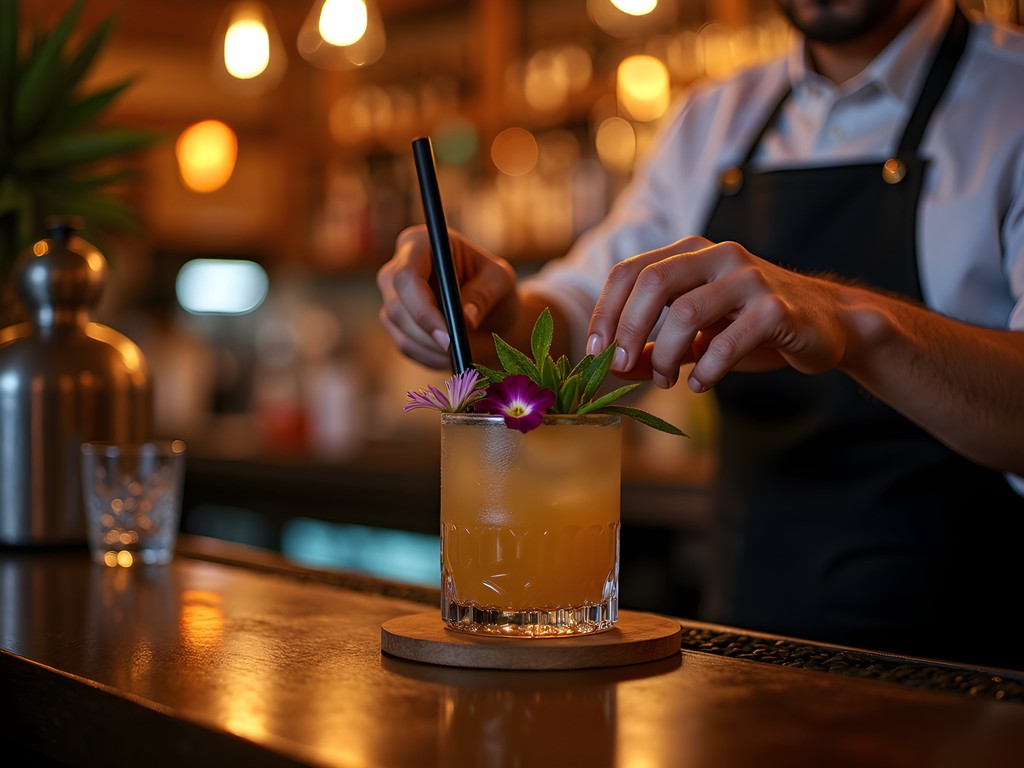
At Ulew Cocktail Bar, bartenders craft exceptional drinks using exclusively Guatemalan spirits and ingredients sourced from within 50 kilometers. Their signature cocktail, the Antigua Sunset, combines local rum with hibiscus tea harvested from the slopes of nearby Volcán de Agua and honey produced by an indigenous cooperative. The resulting beverage not only minimizes carbon footprint but also economically supports regional producers.
In Guatemala City, sustainability takes different forms. El Injerto Cocktail Bar (an offshoot of Guatemala's premier coffee producer) has implemented a comprehensive composting program for all organic bar waste, which then fertilizes their coffee plantations in Huehuetenango. This closed-loop system demonstrates how urban nightlife can support rural agricultural sustainability.
For travelers seeking to minimize their environmental impact while enjoying Guatemala's nightlife, transportation becomes a key consideration. Antigua's compact layout makes walking the optimal choice, while Guatemala City's sprawl necessitates vehicular transport. I found that portable water filter substantially reduced my plastic waste throughout the trip—Guatemala's tap water isn't consistently potable, but this filter allowed me to safely refill rather than purchasing bottled water between venues.
💡 Pro Tips
- Request 'no straw' when ordering drinks—many venues still provide them automatically
- Support venues displaying the 'Guatemala Sostenible' certification mark
- Consider carbon offsetting your nightlife transportation through Guatemala's reforestation programs
Cultural Context: Understanding Guatemala's Nightlife Etiquette
Successful navigation of Guatemala's nightlife requires understanding cultural nuances that rarely appear in conventional travel guides. As an analyst by profession and a cultural observer by nature, these patterns became increasingly apparent throughout my weekend immersion.
First, timing differs significantly from European norms. While Hamburg's venues might peak at 1 AM, Guatemala's premium nightlife rarely accelerates before midnight, with optimal energy between 1-3 AM. This reflects Guatemala's traditional late dinner culture, where evening meals often begin after 9 PM, particularly on weekends.
Social dynamics also follow distinct patterns. Unlike the individualistic approach common in Northern European nightlife, Guatemala's scene emphasizes group experiences. Solo travelers should expect questions about their companions—not out of suspicion but genuine curiosity, as solo nightlife participation remains relatively uncommon. This presented an initial challenge for me as someone accustomed to Hamburg's more independent social structure.
Language expectations vary by venue type. In Zona Viva's international establishments, English proficiency is widespread, with approximately 70% of staff demonstrating conversational fluency. However, in Antigua's more traditional venues and Guatemala City's underground scene, Spanish becomes essential for meaningful interaction. My intermediate Spanish proved adequate, though I often relied on my pocket translator for specialized vocabulary related to spirits and music genres.
Dress codes warrant particular attention. Guatemala maintains more formal nightlife standards than many European destinations. Even in seemingly casual venues, locals typically arrive well-dressed—collared shirts for men and smart-casual attire for women. Athletic wear, while increasingly acceptable in European nightlife, remains inappropriate in Guatemala's premium venues.
Perhaps most importantly, safety protocols differ from European expectations. While Guatemala's nightlife districts maintain good security, standard precautions include keeping phones concealed when not in use, avoiding ostentatious jewelry display, and using venue-affiliated taxi services rather than hailing street cabs—practices that reflect pragmatic risk management rather than paranoia.
💡 Pro Tips
- Learn basic cocktail-ordering Spanish phrases—bartenders appreciate the effort even if your pronunciation isn't perfect
- Tipping culture: 10% is standard, with cash preferred even when paying by card
- Bring physical ID—many upscale venues require identification regardless of your apparent age
Final Thoughts
Guatemala's after-dark ecosystem represents a fascinating case study in nightlife development—one that balances global influences with fierce cultural preservation. What distinguishes these scenes from more established destinations is precisely their evolutionary state: still authentic enough to avoid commodification yet developed enough to offer world-class experiences. As Guatemala continues navigating post-pandemic tourism recovery (currently at 78% of 2019 levels), this nightlife landscape will inevitably transform. The analytical question becomes whether it can maintain its cultural integrity while accommodating growing international interest. For travelers seeking nightlife experiences that transcend the ordinary—where sustainability meets tradition, where global trends acquire local character—Guatemala offers a compelling proposition. The window for experiencing this particular developmental stage may be limited; five years from now, the scene will likely look markedly different. The time to experience Guatemala's nightlife authenticity is unquestionably now.
✨ Key Takeaways
- Guatemala's nightlife offers exceptional value compared to European or North American equivalents
- The scene balances cosmopolitan influences with authentic cultural elements
- Sustainability initiatives are transforming Guatemala's bar culture
- Understanding local social customs significantly enhances the experience
📋 Practical Information
Best Time to Visit
Year-round, with November-April offering optimal weather
Budget Estimate
$50-100 USD per night including transportation and drinks
Recommended Duration
3-4 nights minimum (split between Guatemala City and Antigua)
Difficulty Level
Intermediate - Requires Basic Spanish And Cultural Awareness

Comments
Oliver Duncan
Spent three weeks in Guatemala City last year working remotely during the day and exploring at night. Your point about the cultural balance is spot-on. What surprised me most was how welcoming locals were - ended up making friends who took me to places I never would've found on my own. Budget tip: happy hours are REAL there. Found spots with 2-for-1 cocktails until 9pm. Also the street food vendors outside clubs at 2am... life changing. Spent maybe $15-20 total on a full night out including cover, drinks, and late night eats. Compare that to Barcelona or London!
oceanadventurer
been traveling central america for 3 months and guatemala city nightlife is underrated af. everyone goes to antigua but guate has way more variety. the contrast between the upscale zona viva spots and the underground scene is wild. also the food at 3am is incredible lol. pro tip: download the local apps for finding events, way better than just showing up randomly
Oliver Duncan
Which apps do you recommend? Always looking for local insider stuff
sunsetmood
Love the photos! Adding this to my list
George Hayes
Great write-up Alex! Took my wife there for our anniversary (kids stayed with grandma) and we were blown away. We're not huge party people anymore but the rooftop bars in Zona Viva had this incredible energy without being overwhelming. We hit up Trovajazz one night - live music, great cocktails, and met locals who gave us tips for the rest of our trip. The sustainable nightlife angle you mentioned is real - saw several venues with solar panels and composting programs. Would love to bring the whole family back to Guatemala, though maybe stick to daytime activities with the kids!
islandway
is this suitable for solo female travelers?
moonbackpacker
went to guatemala city last month and honestly wasn't expecting much but the nightlife was amazing! the electronic scene is no joke. found this warehouse party in zona 4 that went until 6am. cover was only like 50Q ($6) and drinks were cheap. way better than the touristy spots in antigua imo
oceanadventurer
which venue was that?? i'm there in august
moonbackpacker
can't remember the exact name but it was near the industrial area. ask locals about the warehouse parties - they know
freestar
how safe is zona viva at night? heading there in june
Oliver Duncan
Stayed in Zona Viva last year on a tight budget. Stick to the main streets and you'll be fine. Uber is super cheap there - like $2-3 between venues. Just avoid wandering into side streets late at night.
freestar
thanks! that helps a lot
Haley Hamilton
Alex, you've captured the essence of Guatemala's nightlife perfectly! I backpacked through Central America last year and spent two weeks in Guatemala. The contrast between Antigua's colonial charm and Guatemala City's urban energy is fascinating. I was particularly impressed by the eco-conscious clubs you mentioned - I visited Samsara and loved how they use solar power and have banned single-use plastics. The underground electronic scene reminded me of Berlin's early days but with this unique Guatemalan twist. For anyone heading there, I'd recommend connecting with locals through Couchsurfing meetups - that's how I found some truly hidden gems that weren't on any tourist radar. Also, the late-night street food outside the clubs is incredible - those chuchitos at 2am are life-changing!
summerphotographer
Those night shots of Antigua with the volcano in the background are STUNNING! What camera settings did you use?
coffeeguide
Great post! Did you notice any coffee shops that turn into bars at night? That's a trend I've been following around Latin America.
Alex Holmes
Yes! Paradigma Café in Zone 4 transforms after 7pm - they serve excellent local craft beers and often have acoustic sets on weekends. Definitely worth checking out!
Venture X
Premium card with 2X miles, $300 travel credit, Priority Pass