Disclosure: This article contains affiliate links. We may earn a commission from purchases at no extra cost to you, which helps our travel content.
The first time a kora's haunting melody floated through the humid Gambian air, I knew I'd found something special. Brikama isn't in most tourist guidebooks, and that's precisely why it deserves your attention. This cultural hub, just 35km from the coastal resorts, pulses with a musical energy that feels both ancient and utterly alive. As someone who typically hunts for underground wonders (quite literally – cave explorer here!), discovering Brikama's nocturnal symphony felt like stumbling upon a different kind of hidden treasure – one that reverberates through your soul long after you've returned home.

Finding Your Rhythm in Brikama
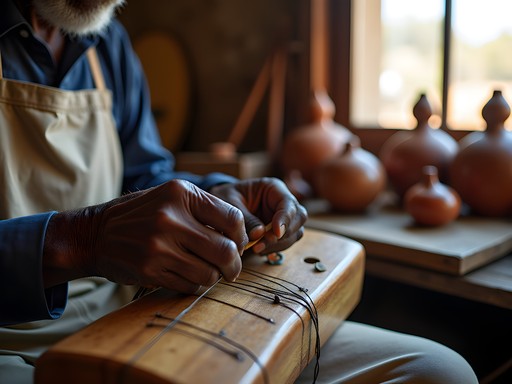
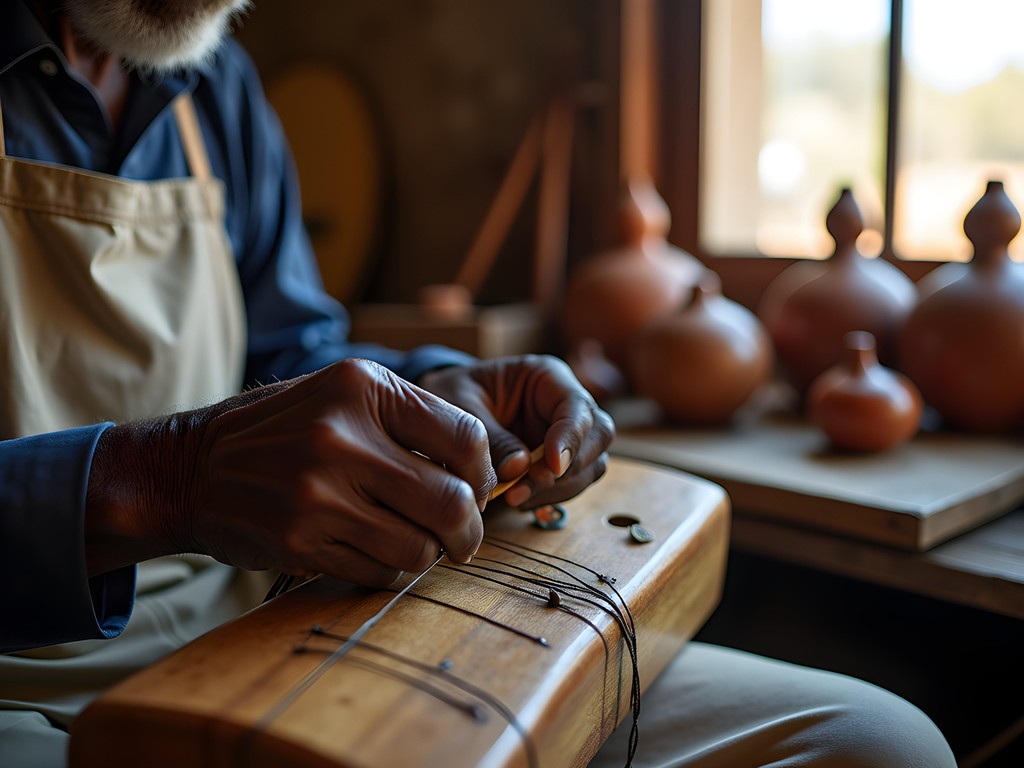
Brikama doesn't announce its musical prowess with neon signs or tourist-packed venues. Instead, its artistic soul reveals itself through whispered recommendations and local connections. My journey began at the Brikama Craft Market, where artisans craft the very instruments that later come alive after sunset. Here, master kora makers like Alieu Suso (third-generation griot) showed me how these 21-stringed instruments are painstakingly constructed from calabash gourds, cow skin, and fishing line.
By afternoon, I'd purchased my own travel percussion instrument – small enough to fit in my daypack but perfect for joining impromptu jam sessions. This turned out to be my golden ticket into Brikama's music circles. While you might feel hesitant to jump in, musicians here appreciate genuine interest, and having even a simple instrument signals your desire to participate rather than just observe.
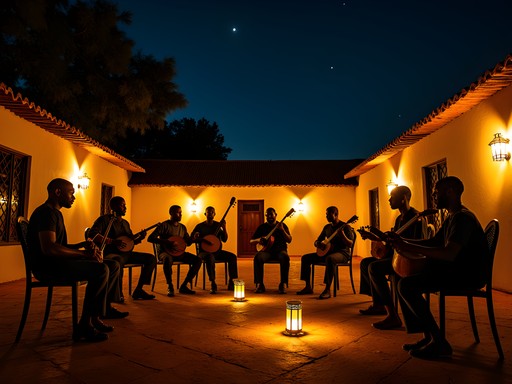
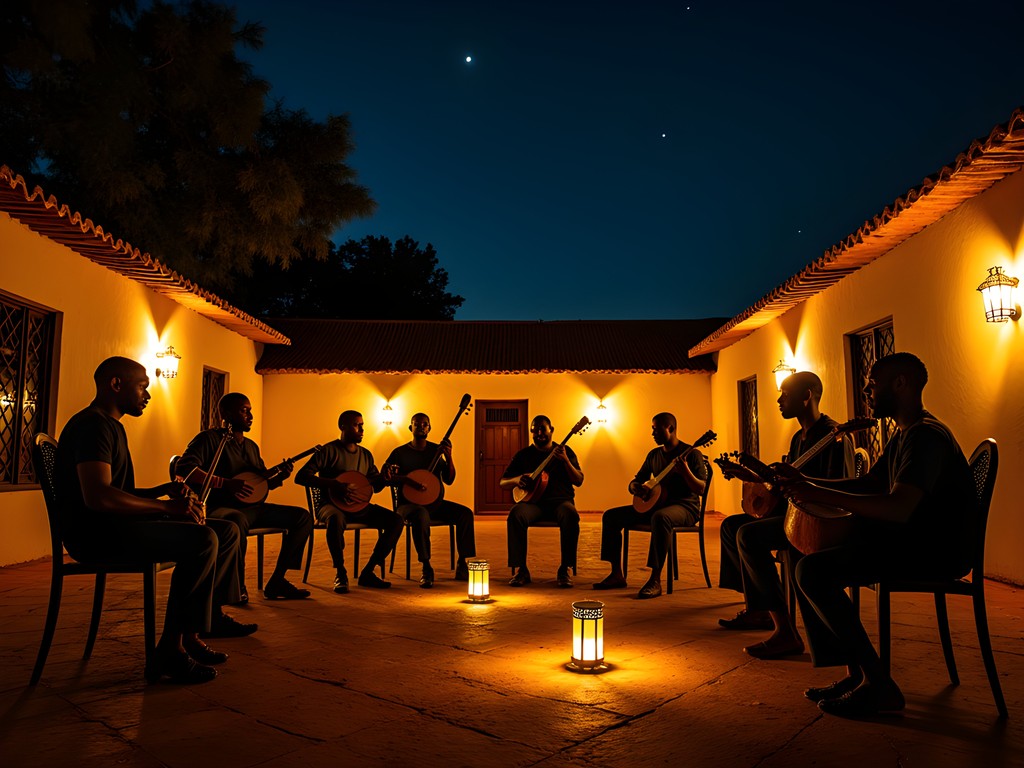
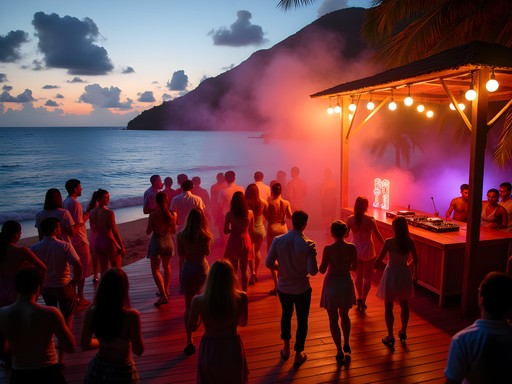
As darkness falls, follow the sounds. Unlike structured nightlife in Western cities, Brikama's musical gatherings often happen organically – in courtyards, small cafes, or simply under the stars. Ask your accommodation host where locals are playing tonight, and don't be surprised if they offer to take you themselves.
💡 Pro Tips
- Learn a few Mandinka greetings – 'I bi kumandi?' (How are you?) goes a long way with local musicians
- Bring small denominations of Dalasi for spontaneous shows or to support musicians
- Don't rush – sessions often don't reach their peak until after 10pm
The Kora Houses: Brikama's Musical Heartbeat
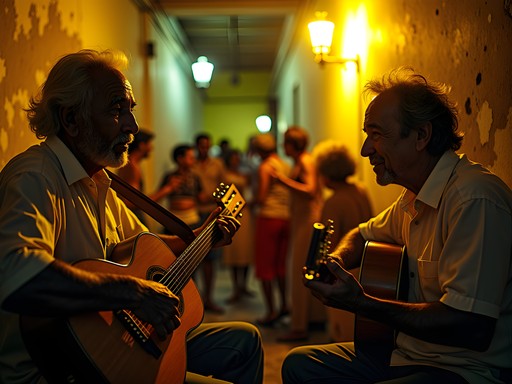
What Vegas has in casinos, Brikama has in kora houses – except these cultural institutions won't empty your wallet. These compound-style family homes belong to griot families (West African storytellers and musicians) who have preserved musical traditions for centuries. My most memorable night in Gambia happened at the Jobarteh Kunda compound, where I was welcomed like a distant relative returning home rather than a tourist.
Armed with my portable recording device, I captured snippets of music that now serve as my most precious souvenirs. If you're serious about experiencing authentic kora music, this small investment lets you bring the sounds home while being less intrusive than constantly pulling out your phone to record.
At these compounds, music isn't a performance but a conversation. Songs shift and evolve based on who's present, creating an unrepeatable experience. One evening, a young kora player noticed my fascination with a particular melody and spent an hour showing me the basic patterns, our language barrier dissolved by the universal syntax of music. By midnight, three generations of musicians had gathered, the eldest sharing songs about Gambian independence while youngsters fused traditional rhythms with hints of global influences.
💡 Pro Tips
- Bring a small gift when visiting family compounds – kola nuts are traditionally appropriate
- Ask permission before recording or photographing in these private spaces
- Be prepared to stay late – the best music often happens after midnight
Beyond Kora: Brikama's Diverse Soundscape
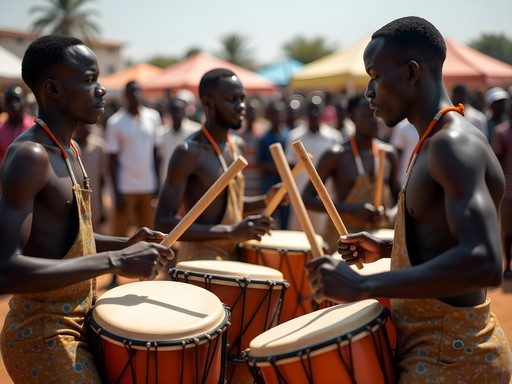
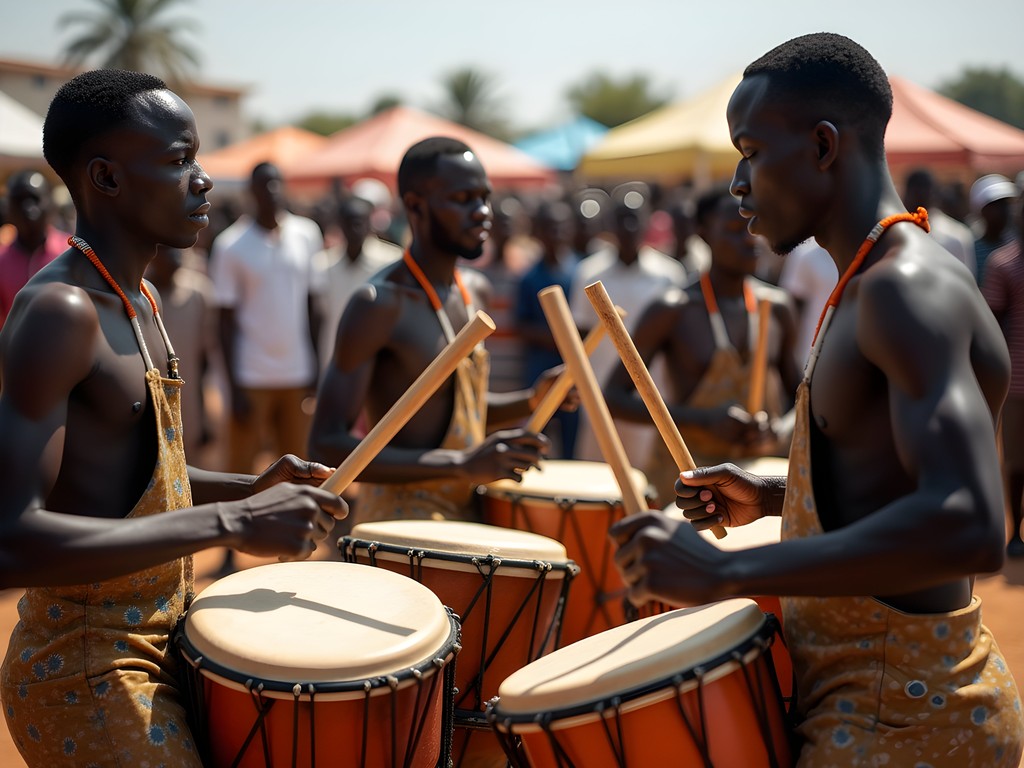
While the kora rightfully claims celebrity status in Brikama, limiting yourself to this instrument would be like visiting Paris and only seeing the Eiffel Tower. The town's musical landscape is wonderfully diverse. Near the main market, I discovered weekend gatherings where sabar drums create rhythmic thunderstorms that seem to physically move through your body. These high-energy sessions often attract younger crowds, with dance circles forming spontaneously.
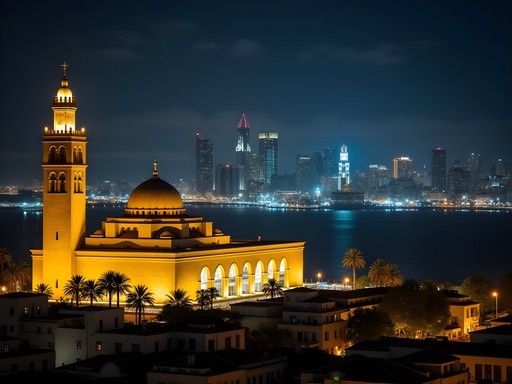
For couples seeking a more intimate musical experience, I recommend the small café near Brikama's central mosque (locally known as 'Blue Place' for its indigo-painted walls). Here, solo balafon (xylophone) players create meditative soundscapes perfect for quiet conversation while sipping traditional attaya tea. I spent an entire evening here with a couple from New Zealand, all of us mesmerized by the player's ability to create such complex melodies on what looks deceptively simple.
To stay comfortable during these often lengthy sessions, I relied heavily on my foldable travel cushion. Most traditional music venues involve sitting on mats or low stools, and having your own cushion means you can focus on the music rather than your increasingly numb legs. It compresses small enough to fit in my daypack but provides enough support for hours of sitting on hard surfaces.
💡 Pro Tips
- Try attaya tea when offered – the ritual of preparation is as important as the drink itself
- Learn basic rhythm patterns to clap along appropriately during performances
- Visit the local radio station GRTS Brikama – they often know where special performances are happening

Connecting Through Cultural Exchange
My most profound experiences in Brikama happened when music transcended entertainment and became genuine cultural exchange. At a small community center near the outskirts of town, I participated in a weekly gathering where locals and visitors share songs from their respective cultures. Armed with nothing but memories of camp songs and half-remembered folk tunes, I felt woefully unprepared next to Gambian musical virtuosos.
Yet something magical happens when you make yourself vulnerable through music. My shaky rendition of an Appalachian folk song was met with genuine appreciation, followed by musicians incorporating elements of it into their traditional pieces – cultural fusion happening in real time. For couples especially, these exchanges create shared memories that strengthen bonds far more than passive tourism experiences.
To navigate these cross-cultural moments with respect, I relied on my Gambian phrasebook. Beyond basic greetings, understanding concepts like 'silafando' (the gift given to travelers to help them on their journey) helped me grasp the deeper cultural significance behind musical traditions.
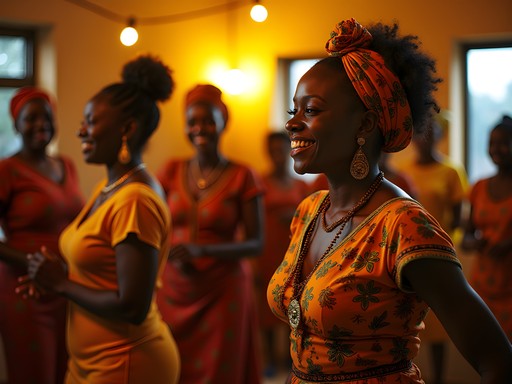
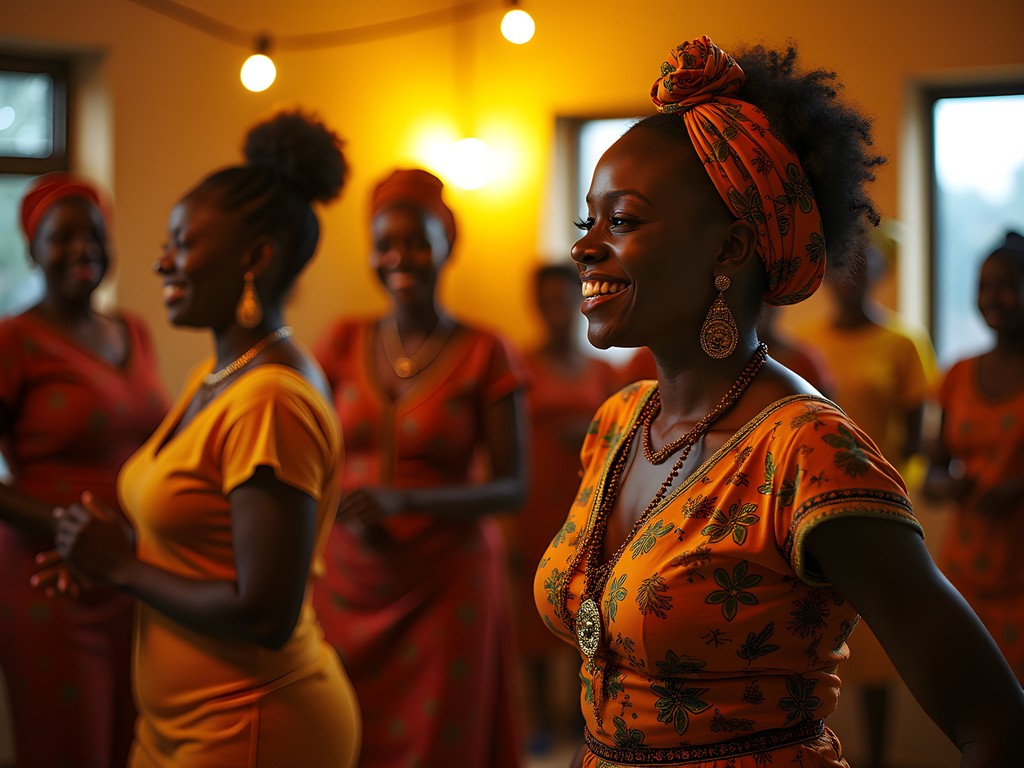
Many evenings ended with impromptu dance lessons, where local women patiently taught me movements that tell stories as eloquently as any instrument. My moisture-wicking scarf became unexpectedly versatile here – serving as a traditional head wrap during dance sessions and later absorbing perspiration in the humid night air.
💡 Pro Tips
- Prepare a song from your own culture to share – it doesn't need to be perfect
- Ask about the meaning behind songs – many contain historical or moral lessons
- Respect when certain ceremonies or songs are not open to visitors
Final Thoughts
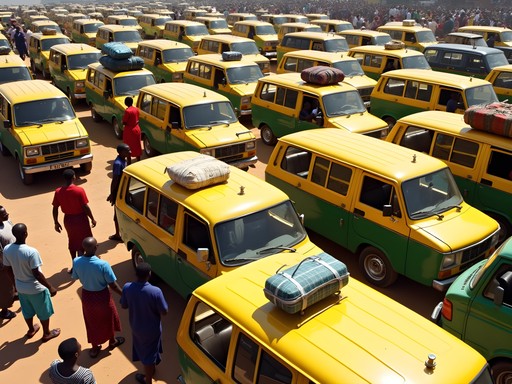
As I reluctantly boarded the shared taxi back to the coast, the rhythms of Brikama continued to pulse through my veins. This unassuming town offers something increasingly rare in our hyperconnected world – genuine musical traditions that haven't been packaged for tourist consumption. The magic of Brikama isn't just in hearing extraordinary music; it's in the moments of connection that happen when we allow ourselves to participate rather than observe.
For couples seeking experiences that deepen not only their understanding of Gambian culture but also their connection to each other, Brikama's nocturnal symphony provides the perfect backdrop. There's something profoundly intimate about sitting shoulder-to-shoulder in a dimly lit compound, letting ancient melodies wash over you both, creating memories that can't be captured in souvenirs or Instagram posts.
I came to Gambia hunting for experiences that would challenge my perspective, and Brikama delivered in harmonious abundance. The kora's strings continue to resonate long after the music stops – a reminder that sometimes the most meaningful explorations happen not in physical spaces, but in the invisible landscapes where cultures connect.
✨ Key Takeaways
- Brikama offers authentic musical experiences that haven't been commercialized for tourism
- The kora houses and family compounds provide the most intimate access to traditional Gambian music
- Cultural exchange through music creates deeper connections than passive observation
- Winter months (November-February) offer the most comfortable climate for night explorations
📋 Practical Information
Best Time to Visit
November through February (dry season)
Budget Estimate
$30-50/day including accommodation, food and musical experiences
Recommended Duration
2-3 days minimum
Difficulty Level
Easy
Comments
Ahmed Palmer
Excellent documentation of Brikama's music scene, Aubrey. I spent a week there in 2023 and found the authenticity refreshing compared to more commercialized music tourism elsewhere in West Africa. What struck me most was the intergenerational transmission of musical knowledge - watching young apprentices learn from master kora players was profound. For solo travelers, I'd add that showing genuine interest in the craft rather than just the performance creates much deeper connections. Several musicians invited me to daytime workshops where I learned about kora construction and the historical griot tradition. Those daytime interactions made the evening performances infinitely richer.
hikingninja1670
Great photos! Really captures the atmosphere
journeyking
Fantastic write-up! Brikama is one of those gems that reminds me why I fell in love with West African travel in the first place. For anyone planning to visit, I'd strongly recommend learning a few phrases in Mandinka before you go - even just basic greetings. The response you'll get from locals is incredible and doors open much faster. Also, if you're serious about the music, try to visit during the dry season (November-April) when outdoor performances are more common. I recorded some sessions there on my portable recorder and the sound quality of those intimate kora performances still gives me goosebumps!
happyseeker
How much should you expect to pay for a night of music? Want to be respectful but also traveling on a budget. Also do they expect tips on top of entry fees?
journeyking
From my experience in West Africa, it's usually very affordable - maybe 200-500 dalasi depending on the venue. Tipping musicians directly is appreciated but not required. Bring small bills!
Claire Hawkins
What a beautiful piece, Aubrey! Your description of that first kora melody gave me chills. I visited Gambia with my family two years ago but we stuck to the coastal resorts - now I'm kicking myself for missing this. The way you describe the cultural exchange and genuine connection with local musicians is exactly what I try to seek out in my travels. It's refreshing to read about places that aren't overrun with tourists yet still welcome visitors warmly. Did you find it easy to bring the kids along to evening performances, or is it more of an adult scene?
nomadone8941
YES!! I was in Brikama last year and it completely changed my perspective on Gambia! The kora music is absolutely haunting in the best way possible. I spent three nights there and each one was better than the last. The musicians are so welcoming and happy to explain their craft. One guy even let me try playing his kora (I was terrible lol). Aubrey you captured the vibe perfectly. Can't wait to go back!
summermate
Did you stay in Brikama or commute from the coast?
nomadone8941
I stayed in a small guesthouse right in town. Super basic but the owner's family were musicians so that was perfect!
explorewalker
Wow this is exactly what I'm looking for!! I'm planning my first trip to West Africa and this sounds SO much better than the typical tourist spots. How easy is it to get to Brikama from the main tourist areas? And is it safe to walk around at night? I'm a little nervous traveling solo but this looks incredible!!!
hikingninja1670
Shared taxis from Serekunda are easy. Just go with someone from your hostel first time.
Ahmed Palmer
I've done solo travel throughout West Africa and found Gambia quite welcoming. The key is arriving before dark and connecting with locals early in the evening. Ask your accommodation to arrange introductions to reputable music venues. Most kora houses are family-run and very safe.
summermate
This sounds amazing! Never heard of Brikama before
Marco Flores
Aubrey, this brings back memories! I spent three weeks in Mali a couple years ago and fell in love with the kora. There's something about those West African string instruments that just gets under your skin, you know? The way you describe the cultural exchange is spot on - it's not about being a tourist watching a performance, it's about being invited into something real. Did you get a chance to try playing yourself? I found a teacher in Bamako and even those few clumsy attempts gave me so much more appreciation for the skill involved. Brikama is definitely going on my list now.
Aubrey Carpenter
Marco! Yes, I tried and was absolutely terrible haha. The finger coordination is insane. Mali must have been incredible - I'd love to hear more about that experience. The Gambia feels like the perfect introduction to this musical world.
backpackninja
This sounds amazing! How easy is it to find the kora houses? Do you just show up or need to arrange something?
Aubrey Carpenter
You can definitely just show up! Most are pretty welcoming, especially in the late afternoon. I'd recommend asking locals to point you in the right direction - everyone knows where the music is. Just be respectful and maybe bring a small tip for the musicians.
backpackninja
Perfect, thanks!
Venture X
Premium card with 2X miles, $300 travel credit, Priority Pass