
Disclosure: This article contains affiliate links. We may earn a commission from purchases at no extra cost to you, which helps our travel content.
There's something magical about Seattle that few cities can claim—the seamless dance between urban sophistication and raw wilderness. As someone who has traversed the Himalayan ridges and scaled Andean peaks, I've developed a particular affinity for cities that serve as gateways to mountain realms. Seattle sits like a jewel between two magnificent mountain ranges: the Olympics to the west and the Cascades to the east, with the majestic Mount Rainier standing sentinel to the south. Having spent a week here capturing the interplay of light between skyscrapers and snowcaps, I've discovered that some of the most breathtaking alpine experiences in North America are just a day trip away from Seattle's coffee shops and tech campuses. These accessible mountain escapes offer couples a perfect weekend retreat—a chance to breathe crisp mountain air, reconnect with each other, and witness nature's grand architecture without extensive planning or equipment.

Mount Rainier: The Iconic Sentinel
Mount Rainier isn't just a mountain; it's a presence that follows you throughout Seattle, appearing and disappearing through clouds like a shy deity reluctant to reveal its full glory. At 14,411 feet (4,392 meters), this stratovolcano commands attention and deserves at least a full day of exploration.
The drive from Seattle to Paradise (aptly named area in Mount Rainier National Park) takes about 2.5 hours, winding through forests that gradually surrender to subalpine meadows. I recommend leaving the city by 7 AM to maximize your day and secure parking, which fills surprisingly quickly in summer months.
For couples seeking a moderate adventure, the Skyline Trail from Paradise offers the quintessential Rainier experience. This 5.5-mile loop climbs through wildflower meadows (peaking in late July and early August) to panoramic views of the Tatoosh Range and, on clear days, Mount Adams, Mount St. Helens, and Mount Hood in the distance. The trail ascends to Panorama Point at 6,800 feet, where the vast Nisqually Glacier unfolds below you like a frozen river.
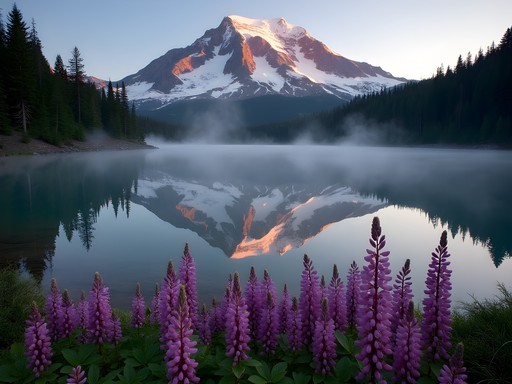
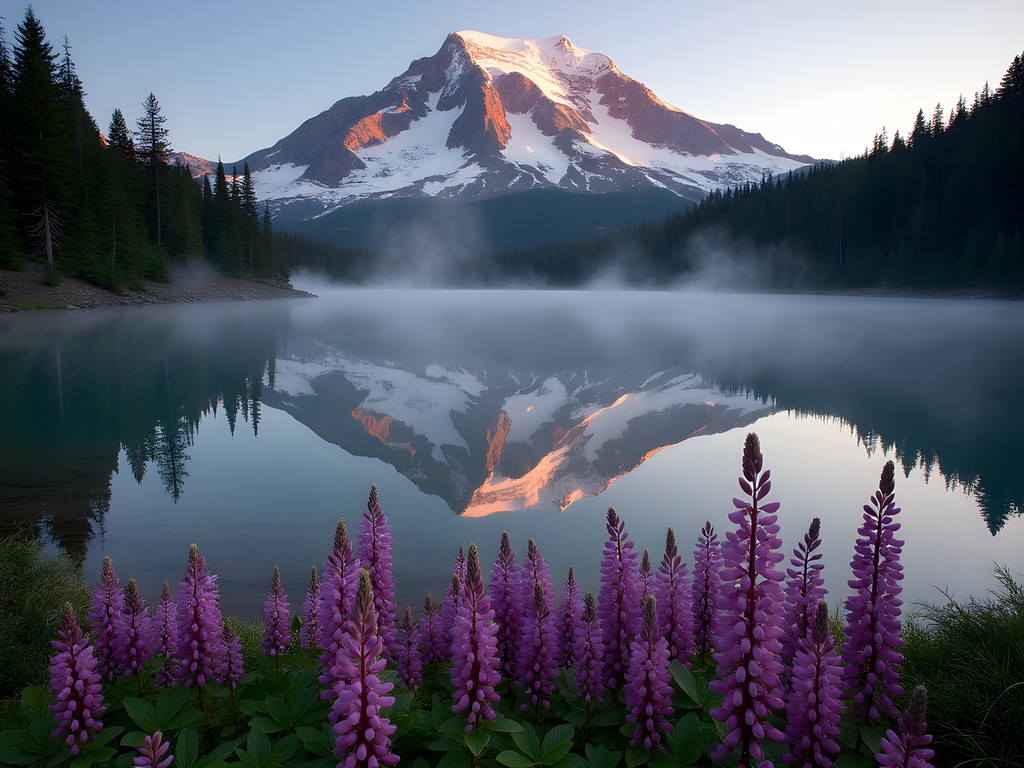
During my visit last August, I spent hours at Reflection Lakes capturing the mountain's perfect mirror image in still waters at sunrise. The moment when alpenglow painted Rainier's glaciers in rose-gold light while mist rose from the lake's surface remains etched in my memory—a reminder of why we seek these places.
For photography enthusiasts, I recommend bringing a tripod. The compact design makes it easy to carry on trails, and the stability is essential for those sublime reflection shots or capturing the subtle shifts of light on the mountain face.
💡 Pro Tips
- Arrive by 8 AM to secure parking at Paradise during summer weekends
- The Visitor Center at Paradise has excellent exhibits and trail information
- Pack microspikes if hiking before July as snow often lingers on higher trails
North Cascades Highway: The Alpine Wilderness
If the Alps and the Himalayas had a North American child, it would be the North Cascades. Often called the 'American Alps,' this mountain range offers the most rugged and dramatic scenery within day-trip distance of Seattle, though it requires an early start—about 2.5 hours to the heart of the range.
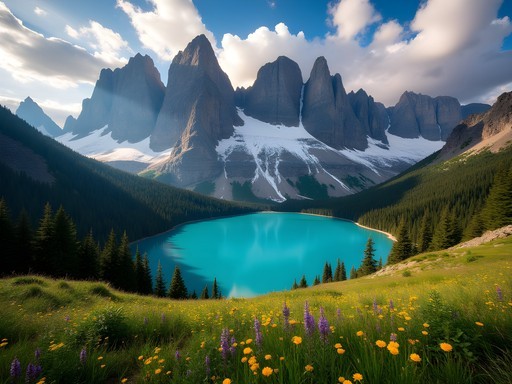
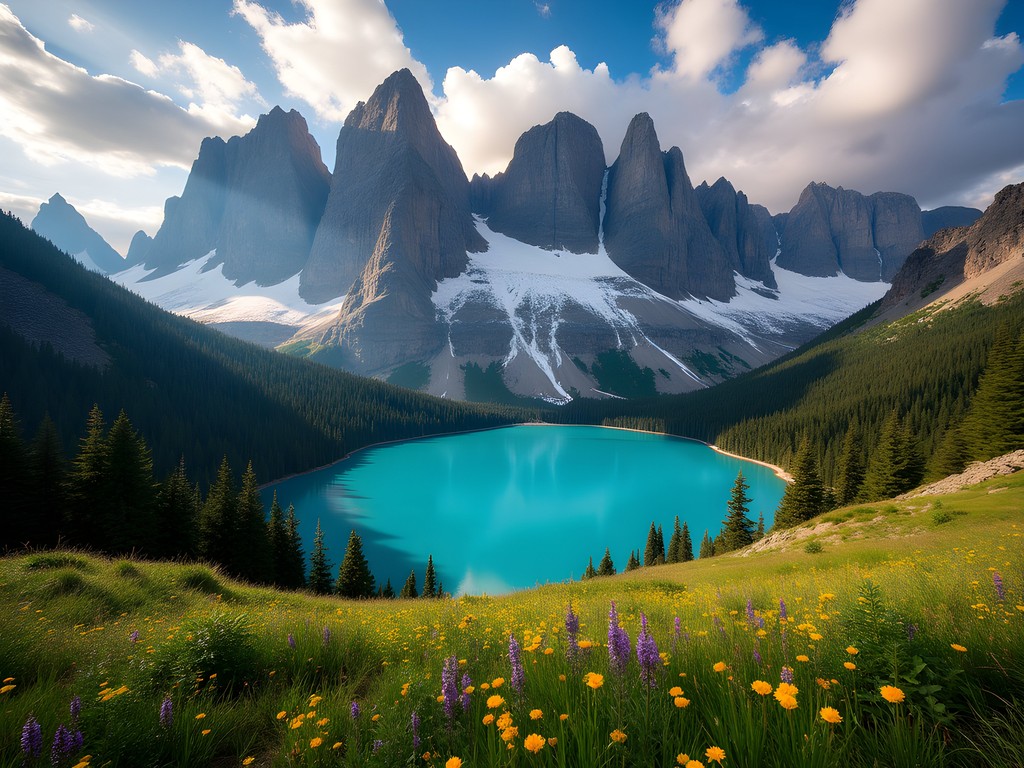
The North Cascades Highway (State Route 20) is an experience unto itself, winding through valleys before climbing to Washington Pass, where the full grandeur of the range reveals itself. This is the landscape that forever changed how I think about American wilderness—jagged spires, glaciated peaks, and alpine lakes so vibrantly turquoise they appear surreal.
For couples seeking a moderate day hike with maximum scenic payoff, I recommend the Cascade Pass Trail. The 7-mile round trip journey begins with switchbacks through forest before opening to a high mountain pass surrounded by peaks and glaciers. The moment you emerge from the trees and see the amphitheater of mountains is nothing short of transcendent.
During my visit, we spotted a black bear foraging for berries on distant slopes—a reminder that we were guests in a true wilderness. My partner and I shared a quiet picnic at the pass, watching clouds cast moving shadows across the valleys below while mountain goats navigated seemingly impossible cliff faces.
For wildlife viewing and distant details, I never travel mountain country without my compact binoculars. They're lightweight enough for day hikes yet powerful enough to bring distant wildlife into focus—essential for appreciating the scale and life of these landscapes.
The light in the North Cascades has a particular quality I've only found in the highest mountain ranges—crystalline and sharp, defining each ridge and glacier with remarkable clarity. Photographers will find endless compositions, particularly in the golden hours when the peaks catch fire with alpenglow.
💡 Pro Tips
- Check road conditions before departing as SR-20 closes seasonally
- Fill your gas tank before entering the park as services are limited
- The Cascade Pass trailhead has limited parking, arrive early
Olympic Mountains: Where Alpine Meets Ocean
The Olympic Peninsula offers something I've rarely encountered in my global travels—the chance to stand in alpine meadows while gazing at the Pacific Ocean. This juxtaposition creates a unique mountain experience that combines the best elements of coastal and alpine environments.
Reaching the Olympic Mountains requires more commitment than other day trips, involving a ferry ride from Seattle to Bainbridge Island followed by a scenic drive. While Hurricane Ridge is the most accessible mountain destination (about 2.5 hours from Seattle including the ferry), I recommend making this an overnight trip if possible to fully appreciate the diversity of landscapes.
Hurricane Ridge offers several trails suitable for different abilities. The Hurricane Hill Trail (3.2 miles round trip) rewards hikers with 360-degree views encompassing the Strait of Juan de Fuca, Vancouver Island, and the interior Olympic Mountains with their distinctive blue-gray ridges fading into distance.
What makes the Olympics truly special is the ecological diversity. In a single day, you can hike through alpine meadows carpeted with wildflowers, descend into the Hoh Rainforest's moss-draped ancient trees, and end with sunset on a driftwood-strewn Pacific beach.
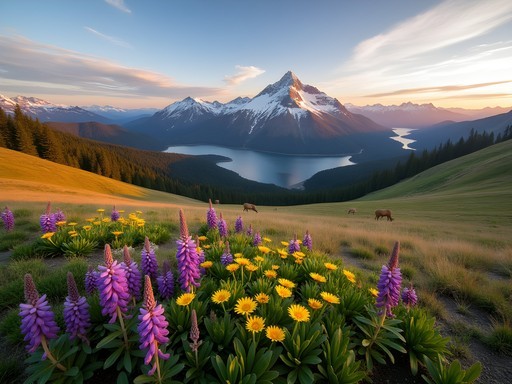
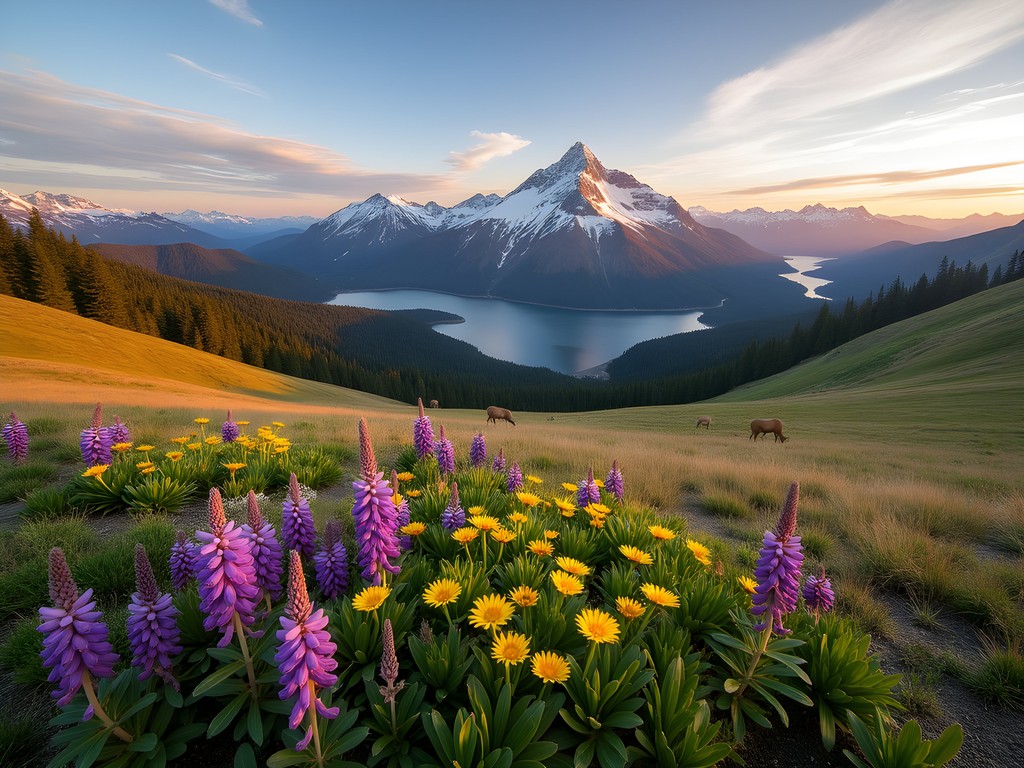
During our visit last summer, my partner and I witnessed a black-tailed deer and her fawn grazing peacefully among lupines, seemingly unconcerned with our presence. These intimate wildlife encounters are common in the Olympics, where animals have grown accustomed to respectful human visitors.
For capturing both sweeping landscapes and wildlife moments, I rely on my versatile zoom lens. The range allows me to frame both wide mountain vistas and zoom in on wildlife without changing lenses—crucial when that perfect moment presents itself unexpectedly.
The Olympics hold a special place in my heart for their remarkable ability to combine ecosystems. Where else can you photograph snow-capped peaks in one direction and the vast Pacific in another? This convergence of landscapes creates light conditions and atmospheric effects I've rarely seen elsewhere—misty mountains emerging from sea fog, alpine ridges floating above cloud inversions, and the golden light of sunset simultaneously illuminating peaks and ocean.
💡 Pro Tips
- Reserve ferry tickets in advance during summer months to avoid long waits
- Weather can differ dramatically between Seattle and the Olympics—check mountain forecasts
- Carry layers as temperatures can vary significantly between sun and shade at higher elevations

Mount Si: The Classic Seattle Training Ground
Not every mountain adventure requires a full day commitment. For those seeking a challenging hike with spectacular rewards just 45 minutes from downtown Seattle, Mount Si stands as the quintessential local training ground. This 4-mile (one way) trail with 3,150 feet of elevation gain offers a perfect half-day escape for couples looking to test their fitness while enjoying stunning views.
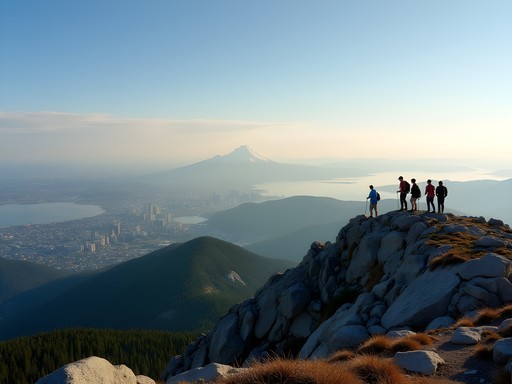
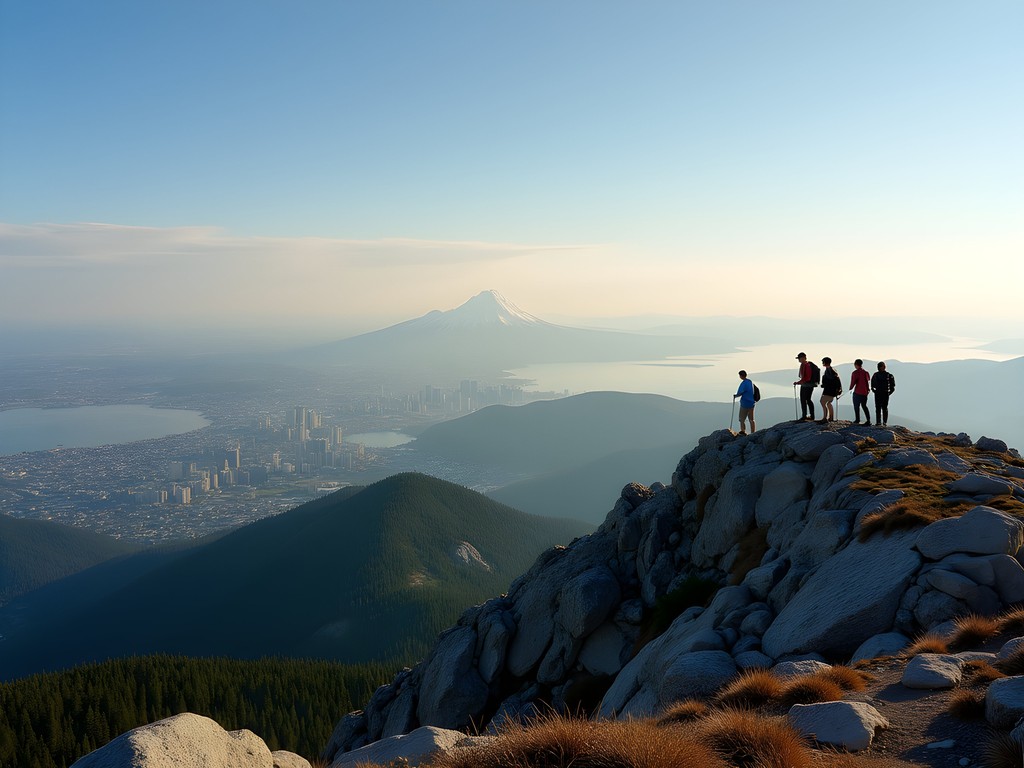
Having climbed mountains across five continents, I appreciate the accessibility of Mount Si—it's the perfect balance between serious effort and manageable logistics. The trail begins in lush forest before steadily climbing through changing vegetation zones, eventually emerging to panoramic views of the Snoqualmie Valley, Seattle skyline, and on clear days, Mount Rainier dominating the southern horizon.
What makes Mount Si particularly special for couples is its versatility. You can challenge yourselves with a brisk ascent (local trail runners complete the round trip in under two hours), or take a leisurely pace with a picnic at the summit, spending hours identifying distant peaks and watching paragliders launch from nearby Tiger Mountain.
During my most recent ascent with friends visiting from Australia, we started early to avoid crowds and heat, reaching the summit by 9 AM. We spent an hour at the top watching the morning light transform the landscape below, the changing perspective revealing how the mountains, forests, and waters of the Puget Sound region interlock like a living puzzle.
For day hikes like Mount Si, I always carry my hiking daypack which provides perfect organization for essentials while maintaining excellent ventilation—crucial on steep ascents where you quickly generate heat.
The final scramble to the true summit (known as the Haystack) adds an optional challenge for those comfortable with some exposure and basic rock scrambling. From this highest point, the 360-degree views create a natural map of the region's geography, helping you orient yourself to the major landmarks and mountain ranges surrounding Seattle.
💡 Pro Tips
- Start early to avoid crowds and afternoon heat in summer months
- Northwest Forest Pass required for parking (available at trailhead)
- Bring trekking poles for the descent to reduce impact on knees
Snoqualmie Pass: Year-Round Alpine Accessibility
Just an hour east of Seattle along I-90, Snoqualmie Pass offers the most accessible alpine environment for time-constrained city dwellers. This mountain pass, famous for winter skiing at The Summit and Alpental, transforms into a hiking paradise during summer months with trails suitable for all abilities.
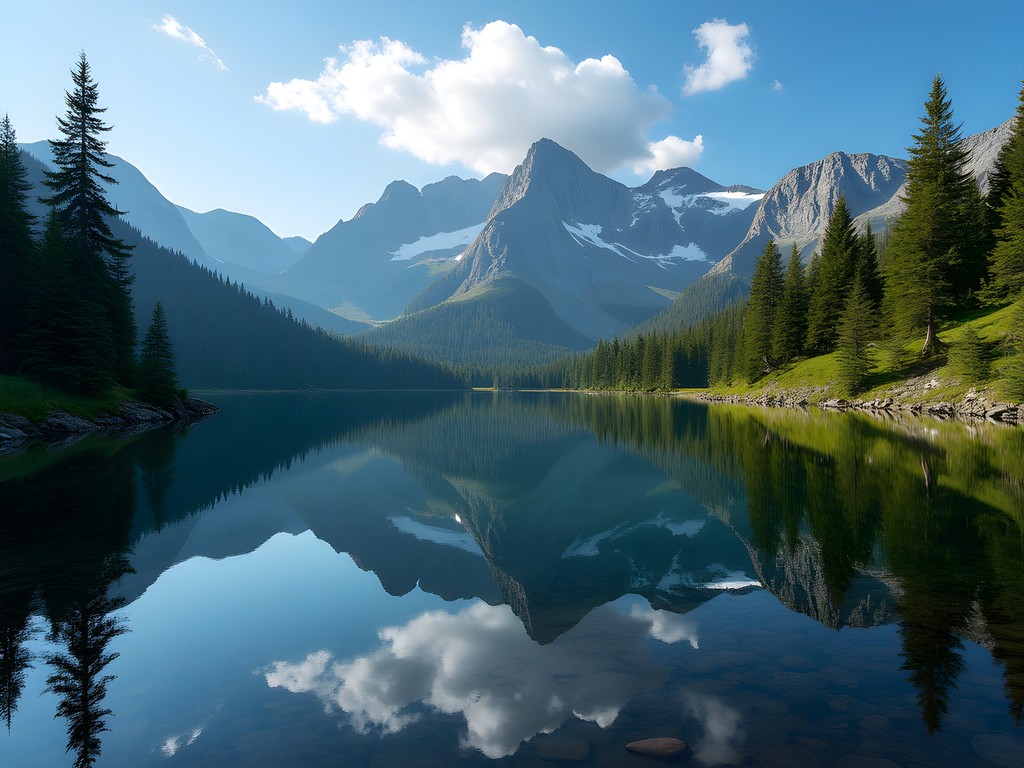
For couples seeking a taste of alpine beauty without committing to a strenuous hike, Snow Lake Trail provides the perfect introduction. The 7.2-mile round trip journey climbs moderately through forest before revealing a stunning alpine lake nestled beneath craggy peaks. The first time I visited Snow Lake, I was struck by how quickly one transitions from highway to wilderness—within an hour of hiking, the sounds of civilization fade completely, replaced by wind through subalpine firs and the occasional marmot whistle.
More adventurous hikers should consider the Kendall Katwalk section of the Pacific Crest Trail. This dramatic trail segment traverses a narrow ledge blasted from a cliff face, offering vertigo-inducing views and the thrill of walking a path that seems to float between earth and sky.
What I appreciate most about Snoqualmie Pass is its seasonal transformations. I've snowshoed these same trails in winter, when the lakes freeze and mountains wear their snow mantles, creating an entirely different landscape. This accessibility throughout the year makes it ideal for couples to experience the full cycle of alpine environments.
During wildflower season (typically July), the meadows near Granite Mountain and Gold Creek Pond explode with color—paintbrush, lupine, and avalanche lilies create natural gardens that rival any I've seen in the European Alps.
For navigating these trails in changing mountain weather, I always carry my packable rain jacket. It weighs almost nothing in my pack but provides essential protection when afternoon thunderstorms roll through—something that happens with surprising frequency in the Cascades during summer months.
💡 Pro Tips
- Northwest Forest Pass required for most trailheads in the area
- Check trail conditions as snow can linger on higher trails through June
- Visit Gold Creek Pond for an accessible paved trail with stunning mountain reflections
Final Thoughts
Seattle's surrounding mountains offer a rare gift—the ability to weave wilderness immersion into everyday urban life. As someone who has sought mountain solitude across continents, I find something uniquely precious in this accessibility. These alpine escapes aren't merely scenic diversions; they're portals to a different way of experiencing time and space, where couples can reconnect with each other while disconnecting from digital demands. Whether you have just half a day for Mount Si or can dedicate a full weekend to exploring the Olympic Peninsula, Seattle's mountains provide the perfect canvas for creating shared memories against a backdrop of natural grandeur. I encourage you to make these journeys together—to stand side by side watching alpenglow paint Rainier's glaciers, to share silent wonder at North Cascades' jagged spires, or to simply sit beside an alpine lake holding hands as clouds cast moving shadows across turquoise waters. The mountains are waiting, just beyond the city lights.
✨ Key Takeaways
- Plan early departures to maximize mountain time and secure parking at popular trailheads
- Each mountain area offers unique characteristics—from Rainier's glaciers to Olympics' ecosystem diversity
- Even with limited time, accessible options like Mount Si provide authentic alpine experiences
- Seattle's mountains offer year-round adventures with dramatically different seasonal experiences
📋 Practical Information
Best Time to Visit
July-September for snow-free trails and wildflowers
Budget Estimate
$100-200 per day trip (transportation, park fees, meals)
Recommended Duration
Full day (8-12 hours) for most destinations
Difficulty Level
Moderate





Comments
mountainbuddy
When does the North Cascades Highway usually open? I heard it closes in winter but planning a trip for May and hoping it'll be open by then. Also any specific stops you'd recommend along the way?
journeybuddy
Usually opens late April or early May depending on snow. Check the WSDOT website before you go!
Jennifer Rodriguez
Great overview of the options! One budget tip I'd add: the National Parks Pass ($80 annually) pays for itself quickly if you're planning multiple Rainier visits, plus it covers Olympic and North Cascades. Also, the free ranger-led walks at Paradise are incredibly informative and often overlooked by day-trippers. For those watching costs, packing your own lunch saves $15-20 per person versus the Paradise Inn cafeteria, and the picnic areas have million-dollar views anyway.
blueguy
Just did the Skyline Trail at Paradise last weekend and wow. The wildflowers were insane even though there was still some snow. Started at like 9am and it was already getting busy so definitely recommend going early. Took about 5 hours with lots of photo stops. The marmots are so cute but don't feed them obviously! Weather changed super fast so bring layers.
mountaingal
Love the photos! Rainier is on my bucket list
globeblogger
Do you need a car for all of these or are any accessible by public transit?
Jennifer Rodriguez
Mount Si is actually accessible via the Trailhead Direct shuttle service that runs on weekends during hiking season - it's only $5 round trip from Seattle. Much cheaper than renting a car or paying for parking. Rainier requires a vehicle though, and honestly the flexibility of having your own transportation makes a huge difference for these day trips.
Nova Rice
Amit, this brought back such wonderful memories! I spent a weekend at Salish Lodge near Snoqualmie Falls last fall and did Mount Si as a morning hike before checking in. The juxtaposition of rugged trail hiking followed by spa treatments and wine tasting was absolutely divine. Seattle really does offer that rare combination of wilderness and luxury. The views from Paradise at Rainier reminded me of my time in the Swiss Alps, but with that distinctly Pacific Northwest mystique. Have you explored any of the lesser-known trails around Stevens Pass?
escapevibes
Salish Lodge looks amazing! Adding to my list
journeybuddy
North Cascades Highway is incredible. Best drive I've done.
escapevibes
OMG this is exactly what I needed!! Moving to Seattle next month and I've been SO excited about the mountains. I'm not super experienced with hiking but Mount Si sounds perfect to start with. How hard is it really? I do yoga and walk a lot but never done real mountain hiking. Also is it crowded on weekends?? I hate crowds lol
mountaingal
Mount Si gets PACKED on weekends! Go super early like 6am or try a weekday if you can
mountainbuddy
It's definitely doable for beginners but don't underestimate it! Took me about 3 hours up and my legs were jello the next day. Bring way more water than you think you need and maybe some trekking poles helped me a lot on the way down.
hikingwanderer
Planning to visit Seattle in October - would Rainier still be accessible then or should I stick to lower elevation hikes? I've heard the weather can change really quickly in fall.
winterace
October can be hit or miss. Paradise area is usually still accessible but bring layers and check road conditions before heading out. Snow is definitely possible by then!
escapequeen
We went last October and lucked out with gorgeous weather, but definitely have backup plans. Mount Si or Tiger Mountain are safer bets that time of year.
Taylor Moreau
Amit, you've captured the essence of what makes Seattle such a unique business travel destination. I often extend my trips by a day just to escape to the mountains. The North Cascades Highway drive is spectacular - I did it between meetings last month and the alpine lakes were stunning. For anyone with limited time, I'd recommend the Snow Lake trail near Snoqualmie Pass. It's accessible year-round and just an hour from downtown. I always keep my hiking boots in my suitcase when visiting Seattle - you never know when you'll have a few hours to slip away to the trails!
hikingwanderer
Snow Lake is gorgeous! Did you make it all the way to Gem Lake? That extra mile is worth it if you have time.
Taylor Moreau
Unfortunately not - had a flight to catch! Adding Gem Lake to my list for next time though.
Venture X
Premium card with 2X miles, $300 travel credit, Priority Pass