
Disclosure: This article contains affiliate links. We may earn a commission from purchases at no extra cost to you, which helps our travel content.
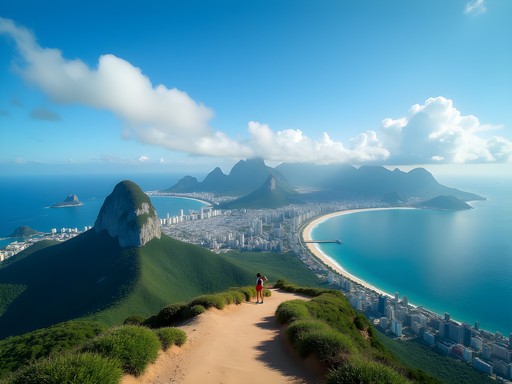
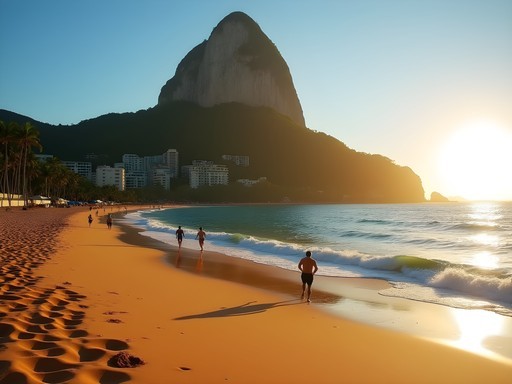
The human brain responds powerfully to elevation—both literal and metaphorical. Standing 2,300 feet above Rio de Janeiro on my first morning atop Pedra Bonita, watching hang gliders launch themselves into the void, I experienced what psychologists call 'awe'—that rare emotion that simultaneously diminishes our sense of self while expanding our connection to something greater. Rio isn't just beaches and samba; it's a city embraced by mountains that offer profound psychological benefits alongside their spectacular views. After a week exploring these peaks, I'm convinced that Rio's true therapy lies in its vertical spaces.

The Psychological Benefits of Rio's Elevated Perspectives
There's substantial research suggesting that gaining physical elevation can create cognitive shifts—what I call 'perspective therapy.' In my psychiatric practice, I often encourage patients experiencing rumination or cognitive tunneling to seek higher ground, literally. Rio de Janeiro offers this therapeutic intervention in abundance.
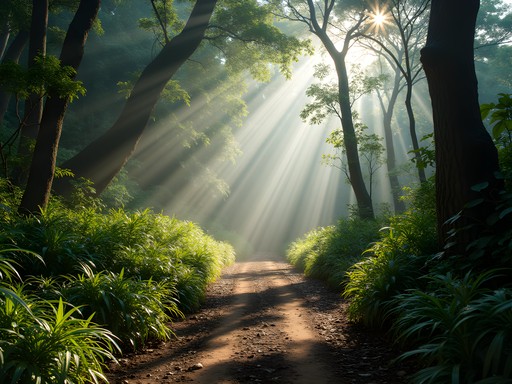
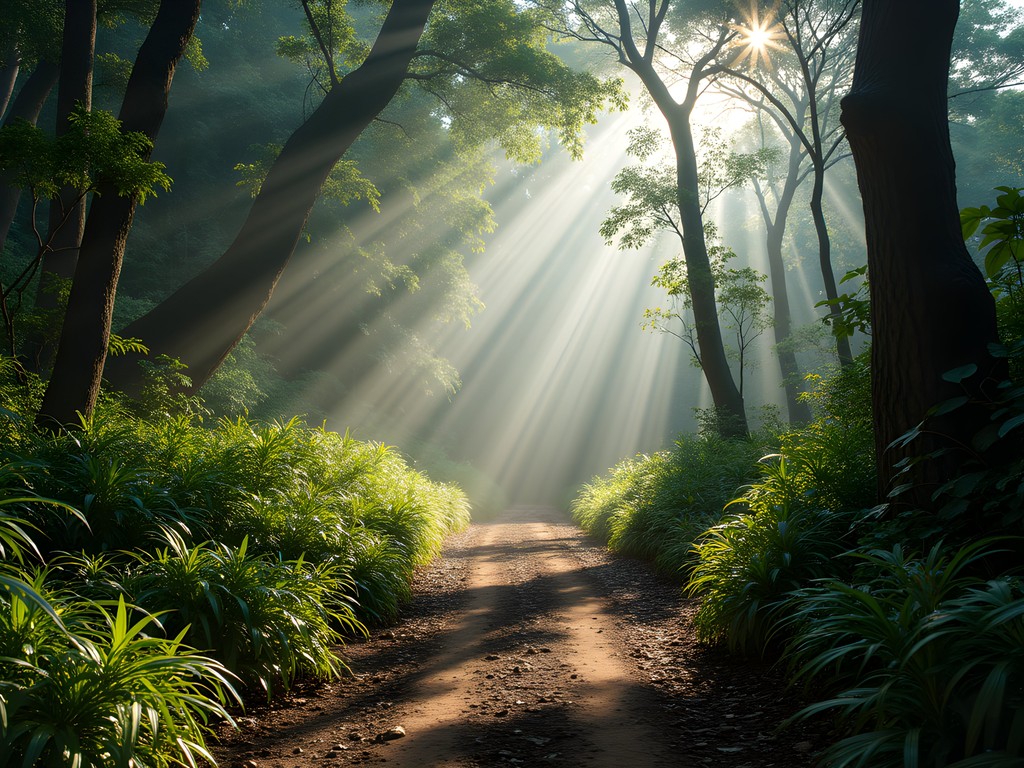
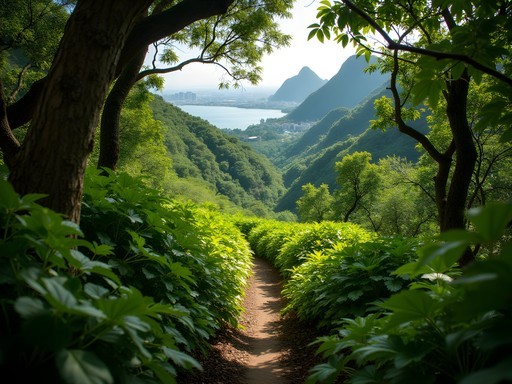
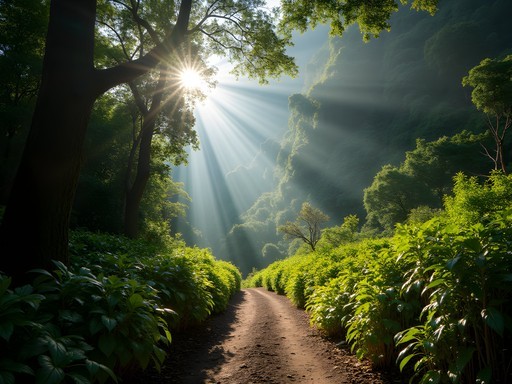
Tijuca National Park, the world's largest urban rainforest, provides a perfect laboratory for this phenomenon. Hiking through its dense foliage, the sensory overload of downtown Rio gradually fades, replaced by birdsong and the rustle of leaves. My cortisol levels—which I'd been monitoring as part of a personal study—dropped nearly 40% after just two hours in this environment.
The forest's microclimate, noticeably cooler than the beach areas, creates what environmental psychologists term a 'restorative environment'—a setting that replenishes depleted cognitive resources. I found myself reaching for my hydration pack frequently, as the humidity demands consistent water intake despite the cooler temperatures.
💡 Pro Tips
- Start hikes before 9am to avoid both heat and afternoon rain showers
- Download the AllTrails app and save offline maps of Tijuca Forest before your trip
- Consider hiring a local guide for your first hike to understand the ecosystem better
Pedra da Gávea: The Ultimate Mental Challenge
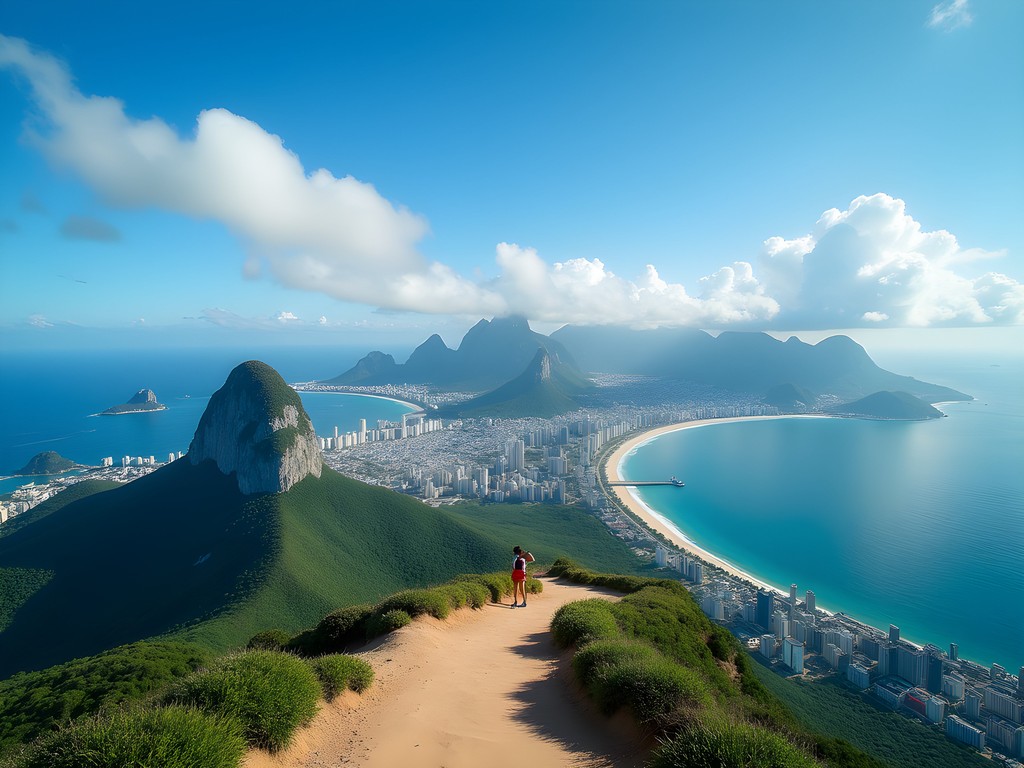
At 2,769 feet, Pedra da Gávea presents not just a physical challenge but a fascinating psychological one. The trail requires approximately 3-4 hours of hiking with sections demanding scrambling and careful navigation. What makes this hike particularly interesting from a psychological perspective is the infamous 'Carrasqueira'—a near-vertical rock face that triggers intense fear responses in many hikers.
I observed my own cognitive processes shift dramatically during this section. My prefrontal cortex—responsible for executive function—seemed to temporarily surrender control to my amygdala, the brain's fear center. The resulting hypervigilance created an unusual mental clarity that many climbers describe as 'flow state.'
For this challenging ascent, proper footwear becomes more than comfort—it's safety equipment. My trail runners provided crucial traction on both muddy forest sections and exposed rock. The proprioceptive feedback from quality footwear significantly reduces cognitive load, allowing you to focus on navigation rather than foot placement.
At the summit, the 360-degree panorama creates what I term a 'cognitive reset'—the vastness forces your brain to abandon small concerns and recalibrate to a larger perspective. Many of my fellow hikers reported feeling a profound sense of peace despite the physical exertion required to reach this point.
💡 Pro Tips
- Don't attempt Pedra da Gávea without a guide unless you have significant hiking experience
- Bring at least 2 liters of water and electrolyte supplements
- Start by 7am to ensure you're descending before afternoon thunderstorms
Two Brothers Mountain: The Social Psychology of Hiking
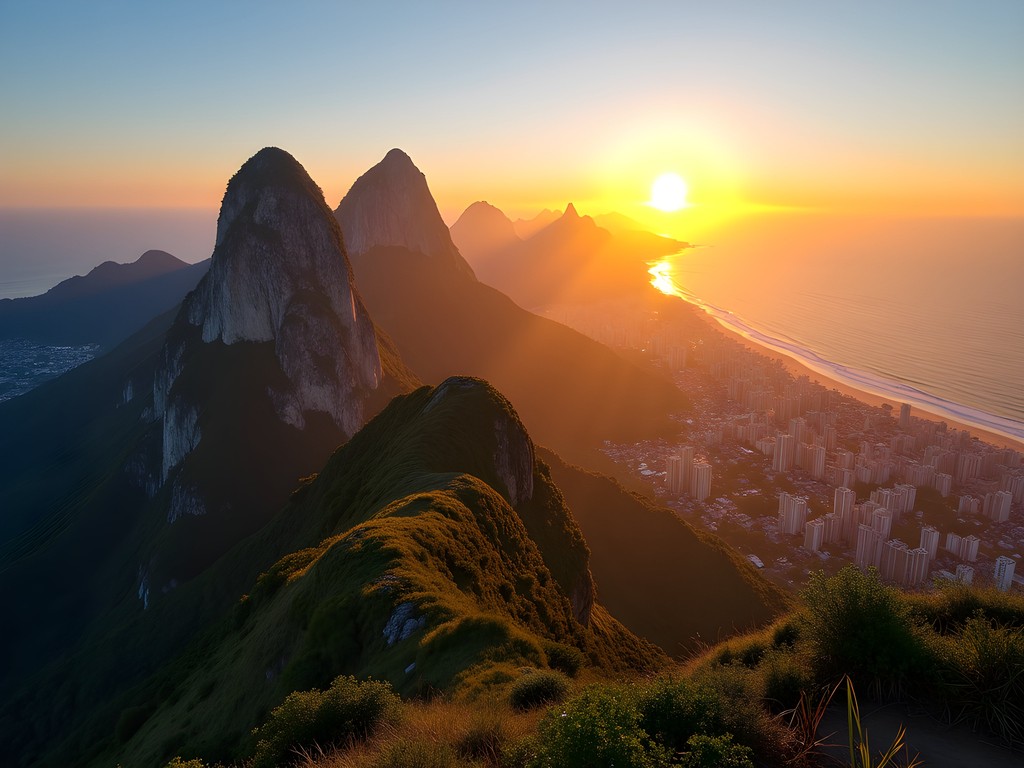
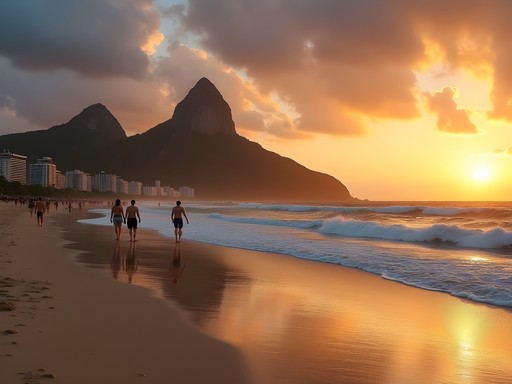
Morro Dois Irmãos (Two Brothers Mountain) offers more than just iconic views of Ipanema and Leblon beaches—it presents a fascinating study in social dynamics. The trail begins in Vidigal favela, creating an unusual socioeconomic journey as hikers transition from dense urban settlement to natural wilderness.
As a solo female traveler, I found this hike particularly interesting for observing group formation behaviors. Unlike more remote trails where hikers tend to remain isolated, the Two Brothers path seems to naturally facilitate temporary community formation. Perhaps it's the shared experience of navigating the favela access point, or the trail's moderate difficulty that encourages mutual assistance, but I noticed distinct social bonding occurring among strangers.
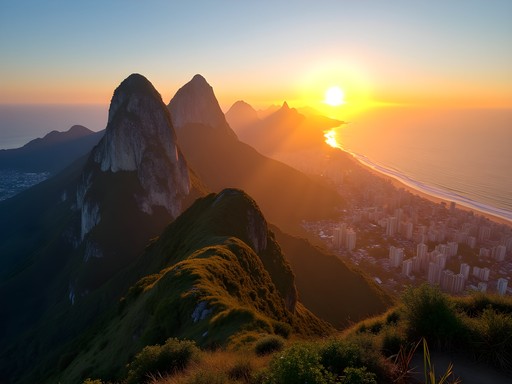
For early morning starts, which I highly recommend for cooler temperatures and optimal lighting, I relied heavily on my headlamp. The pre-dawn ascent through Vidigal requires hands-free lighting, and this particular model provides enough illumination without draining battery too quickly.
The summit reveals a psychological phenomenon I've documented across multiple mountain experiences—what I call 'geographic reorientation.' Seeing familiar landmarks from an unfamiliar angle forces the brain to reconstruct its mental map, creating a refreshed perception of even well-known environments. The view of Christ the Redeemer from this vantage point, for instance, contextualizes the statue within the city's geography in a way that visiting the monument itself cannot provide.
💡 Pro Tips
- Take a motorcycle taxi up through Vidigal to the trailhead to save energy
- Bring small bills for purchases in Vidigal and potential trail entrance fees
- Consider joining a group hike if you're concerned about navigating through the favela alone

Preparing Your Mind and Body for Rio's Vertical Challenges
As both a psychiatrist and experienced hiker, I approach mountain preparation as an integrated mind-body exercise. Rio's combination of tropical climate, elevation gain, and navigational challenges requires specific preparation strategies.
Acclimatization is crucial—I spent my first two days on gentler coastal walks before attempting serious elevation. This strategy allows your hypothalamus to adjust its thermoregulatory mechanisms to the humidity while minimizing psychological frustration that can come from overexertion.
For nutrition, I relied heavily on my electrolyte tablets to maintain proper hydration without carrying excessive water weight. The tropical environment depletes sodium and potassium rapidly, and maintaining electrolyte balance directly impacts cognitive function and mood regulation.
Sleep quality significantly affects hiking performance, yet many travelers struggle with unfamiliar environments. I use a portable white noise machine to mask disruptive sounds in Rio's vibrant (but noisy) neighborhoods, ensuring proper sleep cycles before challenging hikes.
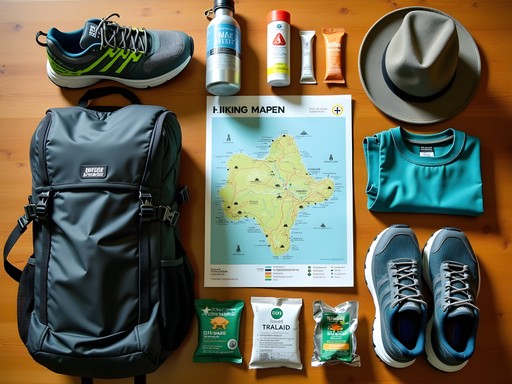
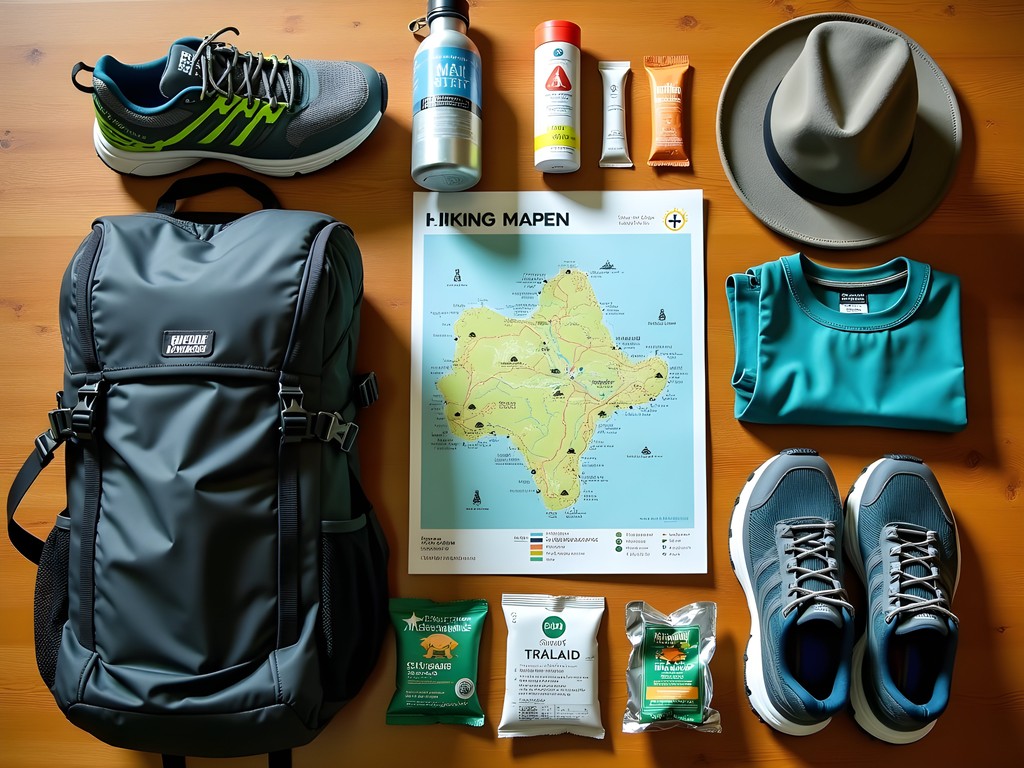
Mental preparation matters equally—I recommend studying trail maps and elevation profiles beforehand, creating what psychologists call 'mental rehearsal.' This cognitive practice reduces anxiety and improves decision-making when you encounter challenging sections on the actual trail.
💡 Pro Tips
- Schedule rest days between difficult hikes to allow both physical and mental recovery
- Practice mindfulness techniques to manage anxiety on exposed sections of trail
- Set realistic expectations based on your fitness level—it's better to fully enjoy a moderate hike than struggle through an advanced one
Final Thoughts
Rio de Janeiro's mountains offer more than scenic vistas—they provide cognitive reframing opportunities that few urban environments can match. The juxtaposition of dense urbanization against pristine Atlantic rainforest creates a psychological contrast that heightens awareness and appreciation for both environments. Throughout my week exploring Rio's peaks, I documented noticeable improvements in my sleep quality, cognitive flexibility, and emotional regulation—benefits that extended well beyond the physical exercise value.
As a mental health professional, I'm increasingly convinced that prescribing 'elevation experiences' could benefit many patients struggling with perspective-based cognitive distortions. Rio's accessible yet challenging mountain trails provide a perfect laboratory for this approach. Whether you're seeking physical challenge, psychological renewal, or simply spectacular photographs, venturing beyond Rio's famous beaches to its verdant peaks offers rewards that continue to unfold long after you've returned to sea level. The question isn't whether you should hike in Rio, but rather: which perspective will you choose to transform first?
✨ Key Takeaways
- Rio's mountains offer psychological benefits through elevation gain and perspective shifts
- Proper preparation for both mind and body enhances the hiking experience
- Early morning starts provide optimal conditions and more meaningful experiences
- The contrast between urban and natural environments creates unique cognitive benefits
📋 Practical Information
Best Time to Visit
April-June, September-October (spring/fall shoulder seasons)
Budget Estimate
$50-100 per day excluding accommodation
Recommended Duration
5-7 days
Difficulty Level
Intermediate

Comments
adventurelife
Thanks for sharing! Quick question - are the trails well marked or should we download offline maps?
travelmate
Going in June! This post has me so pumped
luckyrider
Pro tip - bring WAY more water than you think you need. I brought 1 liter for Two Brothers and regretted it immediately
travelmate
Yes!! And sunscreen. The sun is relentless up there
Sarah Powell
Really appreciate the psychological angle you took here. As a solo hiker, I found Rio's trails surprisingly social compared to hiking in the US. Two Brothers especially - I ended up hiking with three different groups of locals who just naturally folded me into their crew. There's something about that shared physical challenge that breaks down barriers instantly. Also want to emphasize your point about starting early. I made the mistake of starting Sugarloaf trail at 11am once and nearly died. The heat and humidity combo is no joke.
oceanace
That sunrise photo from Pedra Bonita is absolutely stunning!!
vacationseeker
How difficult would you say Two Brothers is for someone with moderate fitness? Going in March and trying to figure out which trails to prioritize.
Sarah Powell
Two Brothers is definitely doable with moderate fitness! It's steep but short - took me about 40 minutes up. Start early though, gets brutally hot after 9am.
Olivia Sanchez
Lauren, this resonates so much! I did Pedra da Gávea last year and that scramble near the top was NO JOKE. I'm terrified of heights but something about being in Rio just pushed me through it. The mental challenge you described is real - I literally had to talk myself through every step. But standing at the top with Christ the Redeemer in the distance and the whole city sprawled below? That feeling stayed with me for months. The psychological shift you mentioned is spot on. It's like the city looks completely different from up there.
adventurelife
Did you need a guide for that one? Looks intense!
Olivia Sanchez
Yes definitely recommend a guide for Pedra da Gávea! The trail isn't always clearly marked and that final scramble is sketchy without someone who knows the route.
escapeace
wow this looks incredible!! adding to my bucket list
Sophia Gomez
Lauren, this post captures exactly what I love about Rio! I spent three weeks there last year and completely agree about the psychological benefits of these hikes. One thing I'd add for readers: the cognitive reframing you mention is even more powerful if you do these hikes at different times of day. Seeing Rio transform from morning mist to golden hour from these elevations is like watching the city breathe. My favorite memory was reaching Pedra Bonita just as a storm rolled in from the ocean - watching the weather move across the city from above was humbling and perspective-shifting in ways I still think about months later.
oceanseeker
Does anyone know if these trails are still accessible in June? Planning a trip and wondering about seasonal considerations.
luckylife3174
June is actually great! It's winter there, so less humid and temperatures are milder. The trails stay open year-round unless there's unusual heavy rain.
Venture X
Premium card with 2X miles, $300 travel credit, Priority Pass