



Disclosure: This article contains affiliate links. We may earn a commission from purchases at no extra cost to you, which helps our travel content.
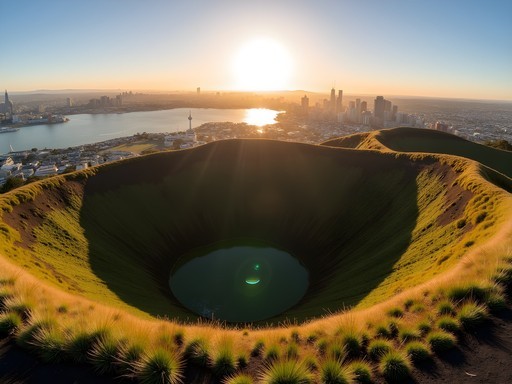
As I gazed across Auckland's skyline from atop Mount Eden last fall, I couldn't help but marvel at how this bustling metropolis is built upon a volcanic field containing over 50 ancient volcanoes. Having squeezed in this hike between business meetings, I was reminded yet again why extending my work trips has become my signature travel strategy. Auckland—often overlooked by mountain enthusiasts in favor of New Zealand's more dramatic South Island—offers accessible volcanic peaks that provide surprising wilderness experiences within city limits. For solo travelers on a budget, these ancient formations deliver a perfect blend of natural wonder, cultural significance, and physical challenge without requiring expensive gear or guided tours. This week-long itinerary emerged from what was originally a three-day business conference, transformed into one of my most memorable mountain experiences of the year.

Planning Your Auckland Volcanic Circuit
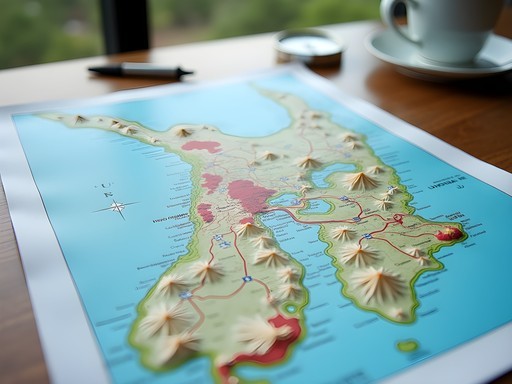
When my manufacturing conference in Auckland extended by two days due to shipping logistics issues, I immediately saw an opportunity to transform a business obligation into a volcanic adventure. The city sits atop the Auckland Volcanic Field, where approximately 53 volcanoes have erupted over the last 250,000 years. What makes this destination particularly appealing for budget-conscious travelers is the accessibility—most volcanic sites are reachable via public transportation, requiring only a loaded Hop card (Auckland's transit pass) and comfortable hiking shoes.
I structured my week to alternate between business commitments and volcanic explorations, creating what I now call my '9-to-5-to-Summit' approach. Early mornings and evenings were dedicated to work calls with Buffalo (the 16-hour time difference actually worked in my favor), while daytime hours were spent exploring Auckland's volcanic treasures.
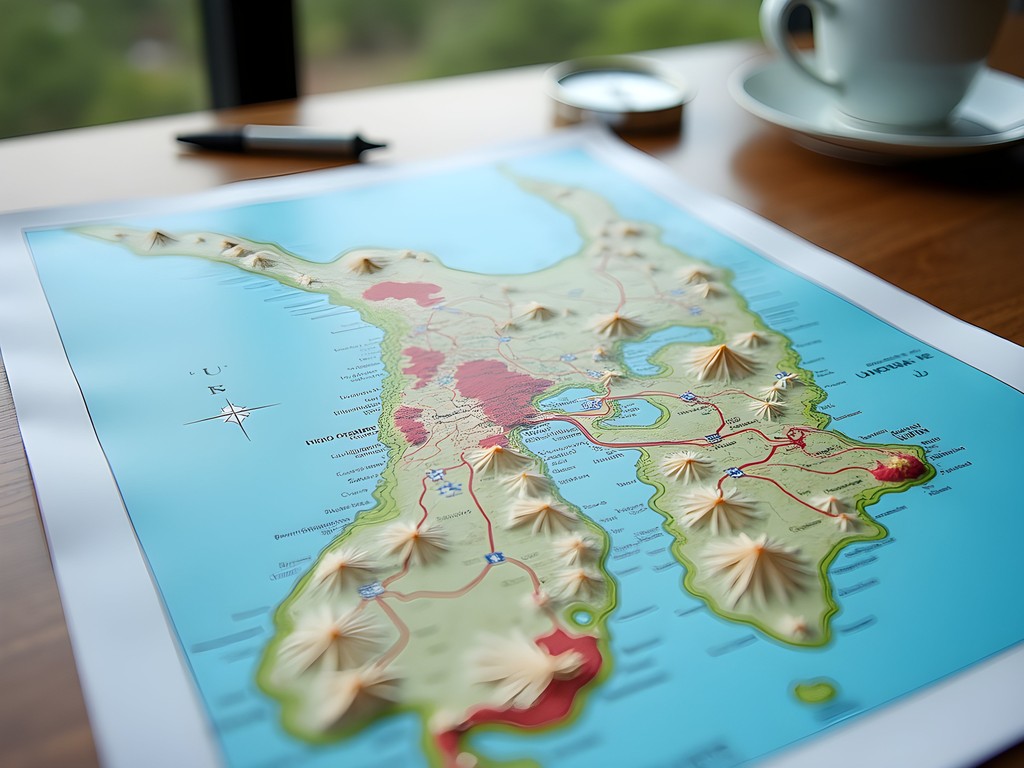
Before arriving, I invested in a comprehensive hiking guidebook which proved invaluable for understanding the geological significance of each site. For tracking my routes, I relied on the AllTrails Pro subscription which allowed me to download offline maps—essential when cellular service became spotty on some of the more remote volcanic cones.
💡 Pro Tips
- Purchase a Hop card immediately upon arrival for seamless public transit access to volcanic sites
- Schedule hikes for weekday mornings to avoid weekend crowds on popular summits like Rangitoto
- Check the Auckland Council website for any trail closures due to conservation work
Mount Eden (Maungawhau): The Perfect Introduction
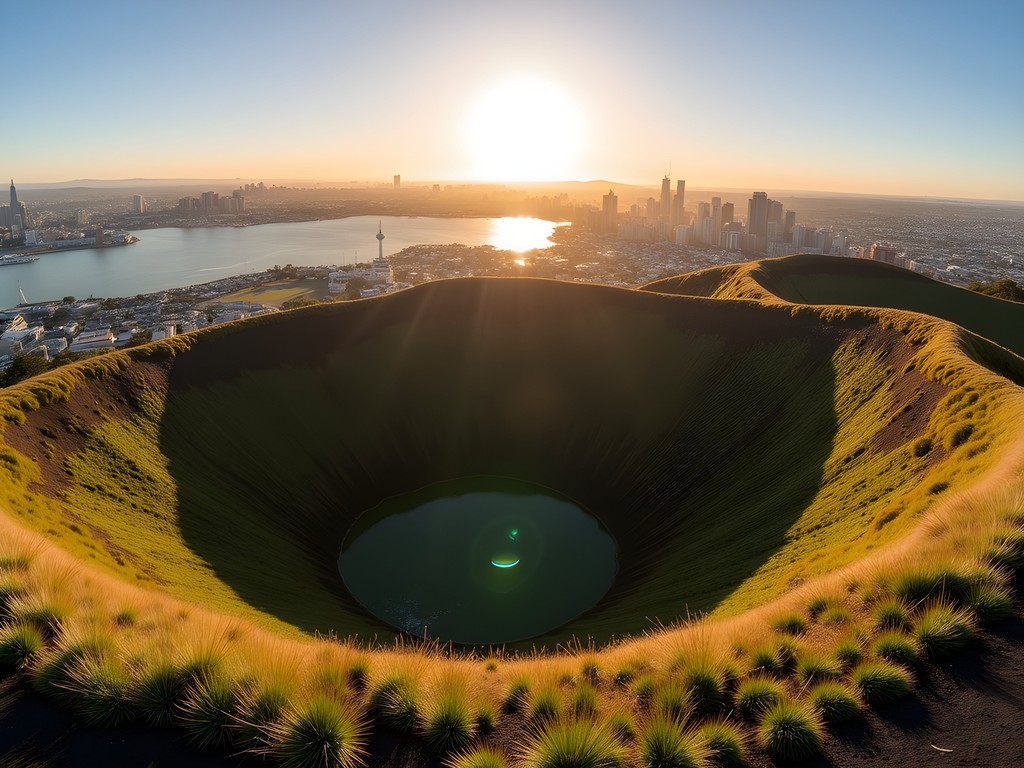
My volcanic circuit began with Mount Eden (Maungawhau)—Auckland's highest natural point and the perfect introduction to the city's volcanic landscape. After wrapping up a morning conference call from my B&B, I hopped on a bus that dropped me just a 10-minute walk from the base. The accessibility of this 643-foot volcanic cone makes it ideal for time-pressed business travelers or those easing into hiking activities.
The 50-minute climb to the summit follows a well-maintained path that spirals upward, revealing increasingly spectacular views with each elevation gain. What struck me most was the perfectly preserved crater at the summit—a 164-foot deep bowl that offers a visceral connection to the geological forces that shaped this landscape. Standing on the rim, I could easily imagine the molten lava that once flowed from this now-dormant volcano.
As a production manager accustomed to efficiency metrics, I appreciated that Mount Eden delivers an exceptional return on investment: minimal time commitment with maximum scenic payoff. The 360-degree panorama from the summit encompasses Auckland's harbors, the city skyline, and distant ranges—perfect for orientation to the region's geography.
The summit area also features Māori terracing and defensive earthworks, evidence of the historical significance this peak held for indigenous inhabitants long before European settlement. Take time to read the interpretive signs that explain the cultural importance of Maungawhau to local iwi (tribes).
💡 Pro Tips
- Visit at sunset for spectacular golden hour photography opportunities across the city
- Bring a light windbreaker as the exposed summit can be significantly cooler and windier than the base
- Follow the full crater rim path for varied perspectives of both the crater and city views
Rangitoto Island: A Day Trip to Auckland's Youngest Volcano
When my Auckland client unexpectedly canceled our Thursday afternoon meeting, I seized the opportunity to tackle what would become the highlight of my volcanic circuit: Rangitoto Island. This distinctive symmetrical cone rising from the Hauraki Gulf is Auckland's youngest and largest volcanic feature, having erupted from the sea just 600 years ago.
The journey begins with a pleasant 25-minute ferry ride from downtown Auckland—a perfect example of how public transportation enhances the Auckland volcanic experience. I booked my ferry ticket online the night before, saving both time and money with an early bird discount. The round-trip fare of NZ$41 (approximately US$25) represented excellent value for a full day's adventure.
Rangitoto offers several hiking options, but I selected the Summit Track—a 2-hour return journey that climbs steadily through the world's largest pohutukawa forest before reaching the remarkable lava fields and crater rim. The black scoria (volcanic rock) underfoot creates an almost otherworldly landscape that contrasts dramatically with the lush green islands visible across the harbor.
What fascinated me most was witnessing ecological succession in action—how plant life has gradually colonized this relatively young landform. As someone who values efficiency, I was impressed by nature's methodical transformation of barren volcanic rock into a thriving ecosystem.
Packing adequate water is essential as there are no facilities on the island. My collapsible water bottle proved invaluable, allowing me to carry sufficient water without the bulk of traditional bottles. For sun protection on the exposed summit, my wide-brimmed hat was a lifesaver during the intense midday sun.

💡 Pro Tips
- Check the ferry schedule carefully as there are limited departures (typically 9:15am and 12:15pm) and missing the last return ferry means an uncomfortable night on the island
- Combine the Summit Track with the short detour to the lava caves for an enhanced geological experience
- Wear sturdy shoes as the volcanic scoria can be sharp and uneven

One Tree Hill and Cornwall Park: Cultural and Volcanic Heritage
Between conference sessions on Tuesday, I dedicated my extended lunch break to exploring One Tree Hill (Maungakiekie) and the surrounding Cornwall Park—a perfect example of how even the busiest business travelers can incorporate meaningful outdoor experiences into tight schedules.
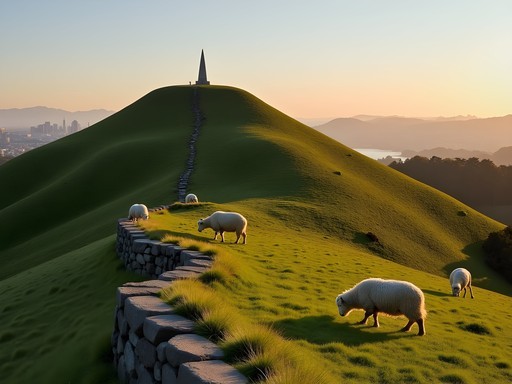
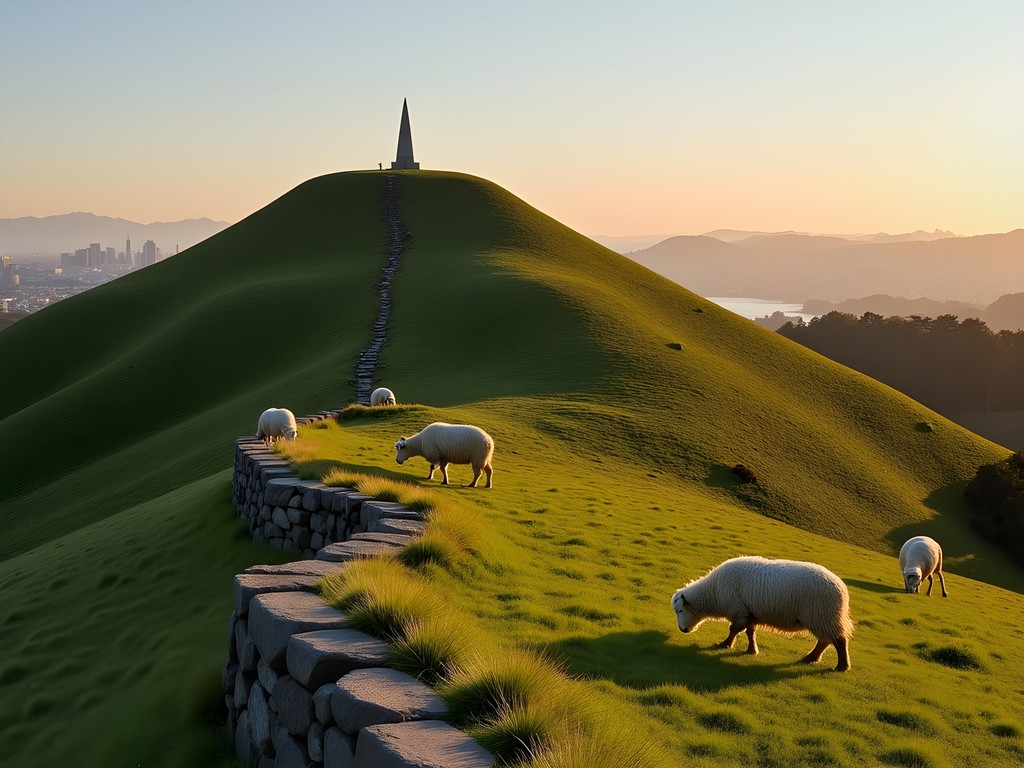
Maungakiekie holds profound cultural significance as one of the largest and most important Māori pā (fortified settlement) sites in New Zealand. The 182-meter volcanic cone is topped by an obelisk monument and offers expansive views across Auckland. What struck me most was the dual heritage story told here—both the indigenous Māori connection to the land and the later European farming history, now preserved within the surrounding parkland.
The volcanic soil here supports lush pastures where sheep graze peacefully—creating the surreal experience of encountering pastoral farm life in the middle of New Zealand's largest city. For this mountain-lover accustomed to remote wilderness, finding this bucolic landscape within urban confines was both surprising and delightful.
The network of walking paths allows for routes of varying lengths, making this an adaptable destination whether you have 30 minutes or three hours. I followed the circular road to the summit, then descended via the eastern path to explore the stone walls and terracing that remain from ancient Māori occupation.
As afternoon rain threatened, I was grateful for my packable rain jacket which compressed small enough to fit in my work tote alongside my laptop and meeting materials. This has become my essential companion for business trips where weather conditions might interfere with outdoor plans.
💡 Pro Tips
- Visit the Cornwall Park Information Centre for excellent free maps and cultural context
- Combine your hike with a visit to the Stardome Observatory located within the park for an astronomical perspective on your volcanic explorations
- The Cornwall Park Café offers excellent coffee and pastries—a perfect pre-hike fuel stop
North Shore Volcanoes: Off the Tourist Trail
When my final day of business meetings concluded early, I seized the opportunity to explore Auckland's North Shore volcanic cones—less frequented by tourists but offering unique perspectives on both the city and its geological history. A short ferry ride from downtown to Devonport opened access to a cluster of volcanic features that could be explored in a single afternoon.
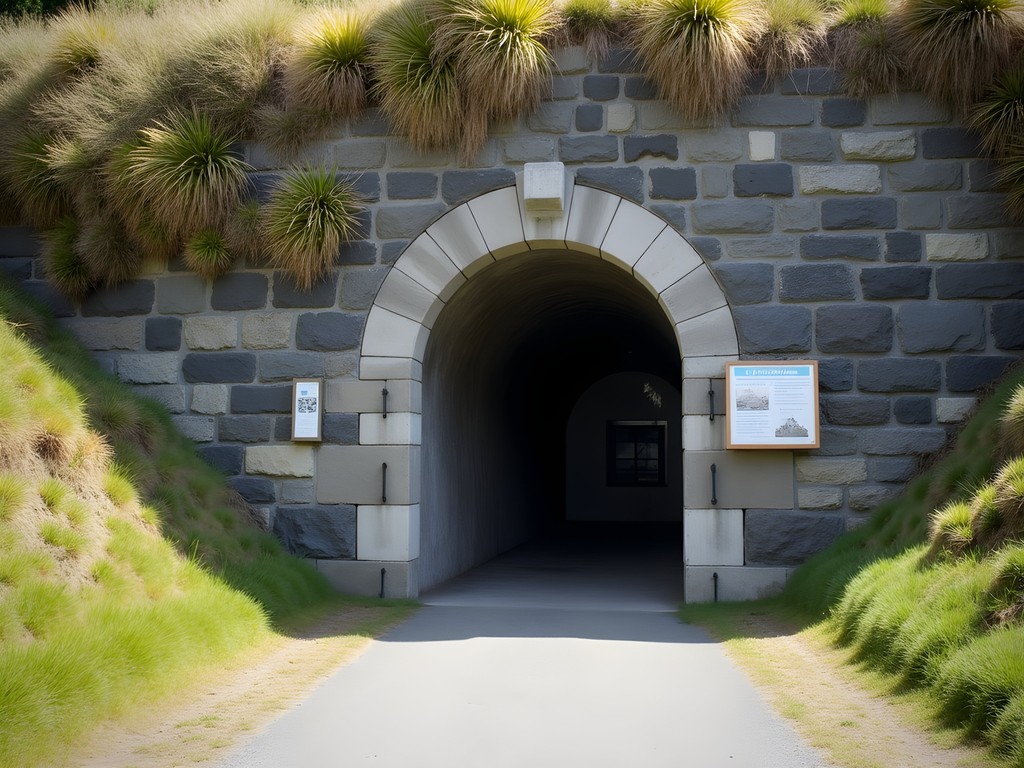
My first stop was North Head (Maungauika), a coastal defensive volcano that later served as a military fortification. The network of tunnels bored into the volcanic cone creates a fascinating intersection of natural and military history. Standing atop the summit, I gained a new perspective on Auckland's harbor approaches and the strategic importance this position held for both Māori defenders and later European settlers.
A short walk along the coast brought me to Mount Victoria (Takarunga), another volcanic cone offering spectacular views across the harbor to the Auckland skyline. What makes this summit unique is the collection of disappearing guns—artillery pieces designed to retract into underground bunkers after firing. These historical features, set against the volcanic landscape, create a compelling narrative about how humans have utilized these natural formations throughout history.
As I often advise fellow business travelers: when time is limited, prioritize viewpoints that offer new perspectives rather than simply checking off the most popular attractions. These North Shore volcanoes perfectly embody this philosophy—they're less crowded than their city-side counterparts while offering equally impressive vistas and more intimate experiences.
For this excursion, my compact binoculars proved invaluable for spotting distant landmarks and appreciating the harbor's maritime activities from these elevated vantage points. Small enough to slip into my daypack yet powerful enough for meaningful observation, they've become essential for my mountain explorations worldwide.
💡 Pro Tips
- Use the Devonport ferry rather than driving—it's faster, offers beautiful views, and eliminates parking challenges
- Download the North Head self-guided tour app for fascinating historical context about the military installations
- Visit on weekdays to have these less-frequented volcanic cones almost entirely to yourself
Connecting with Māori Volcanic Heritage
Throughout my Auckland volcanic circuit, I became increasingly fascinated by the deep cultural connections between these geological features and the Māori people. What began as a purely physical exploration evolved into a meaningful cultural journey as I learned to see these mountains through indigenous perspectives.
I dedicated my final day to understanding this cultural context more deeply, beginning with a visit to Auckland Museum. The excellent Māori cultural exhibitions provided crucial background on how these volcanic cones served as pā (fortified settlements) and held profound spiritual significance. The museum's volcano exhibition also offers an engaging scientific explanation of the Auckland Volcanic Field's formation—completing my understanding of both cultural and geological perspectives.
Armed with this newfound knowledge, I revisited several volcanic sites with enhanced appreciation. At Māngere Mountain, I joined a guided cultural walk led by a local Māori elder who shared traditional stories about the mountain's formation and historical significance. This experience transformed what might have been a simple hike into a profound connection with place and history.
What struck me most was learning how the Māori name for each mountain captures a specific attribute or historical event—these aren't simply geographical features but characters with stories and personalities. As someone who values efficiency in business contexts, I found this reminder about the importance of deeper connections particularly meaningful.
For solo travelers, I highly recommend seeking out these cultural perspectives rather than limiting yourself to purely physical explorations. The Auckland Tourism website lists various Māori-led tours that provide authentic cultural insights while supporting indigenous businesses.

💡 Pro Tips
- Visit the Auckland Museum early in your trip to gain cultural context that will enhance subsequent volcanic hikes
- Learn basic Māori pronunciation before your trip to properly respect place names and cultural terms
- Look for guided cultural walks that incorporate both physical hiking and indigenous perspectives
Final Thoughts
As my flight departed Auckland, I gazed down at the distinctive volcanic cones punctuating the city landscape below—a final reminder of how this unexpected adventure transformed what could have been a routine business trip into a meaningful exploration of natural and cultural heritage. For solo travelers seeking mountain experiences on a budget, Auckland's volcanic circuit offers remarkable value: accessible wilderness within an urban setting, meaningful cultural connections, and diverse geological features that tell Earth's dramatic story. The next time your business takes you to unexpected destinations, I encourage you to look beyond conventional tourist experiences. Sometimes the most remarkable mountains aren't in remote wilderness but hiding in plain sight, waiting for the efficient traveler to discover their stories between meetings and conference calls. Auckland's volcanic field certainly taught this production manager that efficiency and meaningful experience aren't mutually exclusive—sometimes they're perfectly aligned, like the symmetrical cone of Rangitoto rising from the harbor waters.
✨ Key Takeaways
- Auckland's volcanic field offers accessible hiking experiences without requiring expensive transportation or equipment
- Public transportation efficiently connects most volcanic sites, making this an ideal destination for car-free travelers
- The cultural significance of these volcanic features adds meaningful depth to what might otherwise be purely physical explorations
📋 Practical Information
Best Time to Visit
Fall (March-May) for mild temperatures and fewer crowds
Budget Estimate
$75-100 per day including accommodations, transportation and food
Recommended Duration
5-7 days
Difficulty Level
Moderate


Comments
Nicole Russell
LOVED this post! I spent a week in Auckland last year specifically for the volcanic hikes and it was such an underrated experience. Everyone talks about Queenstown and Milford Sound but Auckland's volcanic landscape is so unique! Pro tip: download the Auckland Volcanoes app before you go - it has augmented reality features that show you what the volcanoes looked like during eruptions. So cool! Also Cornwall Park near One Tree Hill is perfect for a picnic after your hike. The whole area has such a peaceful vibe despite being in the middle of the city.
coolnomad
Can you drive to the top of Mount Eden or do you have to walk?
exploreninja
You can drive most of the way up but the road to the very top is closed now. There's parking and then it's a short walk to the summit.
islandking
Are these hikes suitable for kids? Taking my 8 year old
Nicole Russell
Mount Eden and One Tree Hill are totally doable with kids! Rangitoto might be tough for an 8yo - it's longer and the terrain is rough.
Gregory Boyd
Solid write-up, Abigail. I'd add that the Auckland volcanic field is actually still considered active, though the last eruption was Rangitoto about 600 years ago. For anyone doing the circuit, I'd recommend spacing it out over 3-4 days rather than rushing. Mount Wellington (Maungarei) is worth adding to your list too - less touristy than Eden but equally impressive views. The Maori cultural significance of these maunga can't be overstated either, so take time to read the information plaques at each site.
islandking
Wait, they could still erupt?? That's wild
freemate
This looks incredible! Is it safe to hike these alone as a woman? Heading to NZ in April and adding this to my list for sure.
sunnyseeker
Super safe! These are really popular spots with lots of people around, especially Mount Eden and One Tree Hill. Auckland's pretty chill overall.
journeyadventurer
Your photos are gorgeous! Really captures the unique landscape.
starmaster
Rangitoto was definitely my favorite! The black lava fields are so otherworldly. Just be warned the trail is pretty rough - all sharp volcanic rock. I wore my trail runners and they held up okay but some people in our group had regular sneakers and were struggling. The summit views are worth it though, you can see the whole city and out to the islands. Takes about 2 hours return if you're reasonably fit.
sunnyseeker
Just got back from Auckland! Definitely agree about Mount Eden for sunset. Also the Cornwall Park is free and you can drive partway up One Tree Hill which is nice if you're not super fit. The Rangitoto hike is no joke though - bring way more water than you think you need. There's zero shade on that island.
coolstar
Good call on the water! Learned that the hard way lol
Bryce Diaz
Great post, Abigail! I did this circuit solo last winter and it completely changed how I see Auckland. There's something profound about walking through a modern city knowing you're literally standing on sleeping giants. I caught sunrise from Mount Eden - got there around 5:30am and had the whole crater to myself for about 20 minutes. The city waking up below while mist filled the volcanic bowl was pure magic. Pro tip: the bus system makes it super easy to hop between the volcanic sites without needing a rental car. I used my Auckland travel guide to map out the lesser-known cones too.
wandernomad
How long does the Rangitoto ferry take? And do you need to book in advance?
Gregory Boyd
Ferry's about 25 minutes from downtown. I'd recommend booking ahead during summer months (Dec-Feb) as it fills up quickly. Walk-ups are possible but risky on weekends.
wandernomad
Perfect, thanks!
Venture X
Premium card with 2X miles, $300 travel credit, Priority Pass