

Disclosure: This article contains affiliate links. We may earn a commission from purchases at no extra cost to you, which helps our travel content.
The symbiosis between luxury and environmental consciousness has always fascinated me, much like the delicate balance we maintain in the operating room. As an anesthesiologist, I've developed an appreciation for precision and transformation—skills that translate surprisingly well to identifying truly exceptional sustainable travel experiences. During a recent winter escape from my demanding schedule at Anaheim General, I found myself drawn to Tulum's white sands and turquoise waters. What I discovered was far more than a simple beach getaway; it was a masterclass in how luxury hospitality can harmoniously coexist with environmental stewardship. The biochemical processes that preserve the region's delicate ecosystem mirror, in many ways, the fermentation techniques I've documented throughout my travels—both requiring patience, respect for natural systems, and scientific understanding. This journey through Tulum's premier eco-retreats revealed properties that have achieved the seemingly impossible: offering indulgent luxury while maintaining genuine environmental integrity.

The Science of Sustainable Luxury: Understanding Tulum's Eco-Architecture
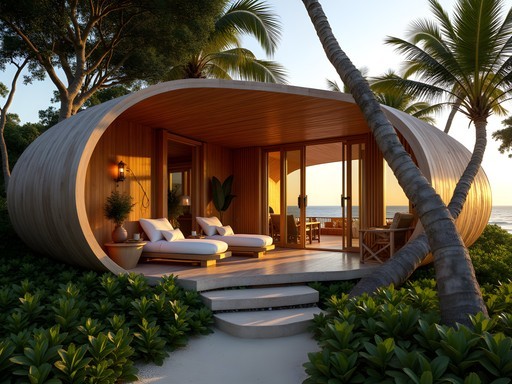
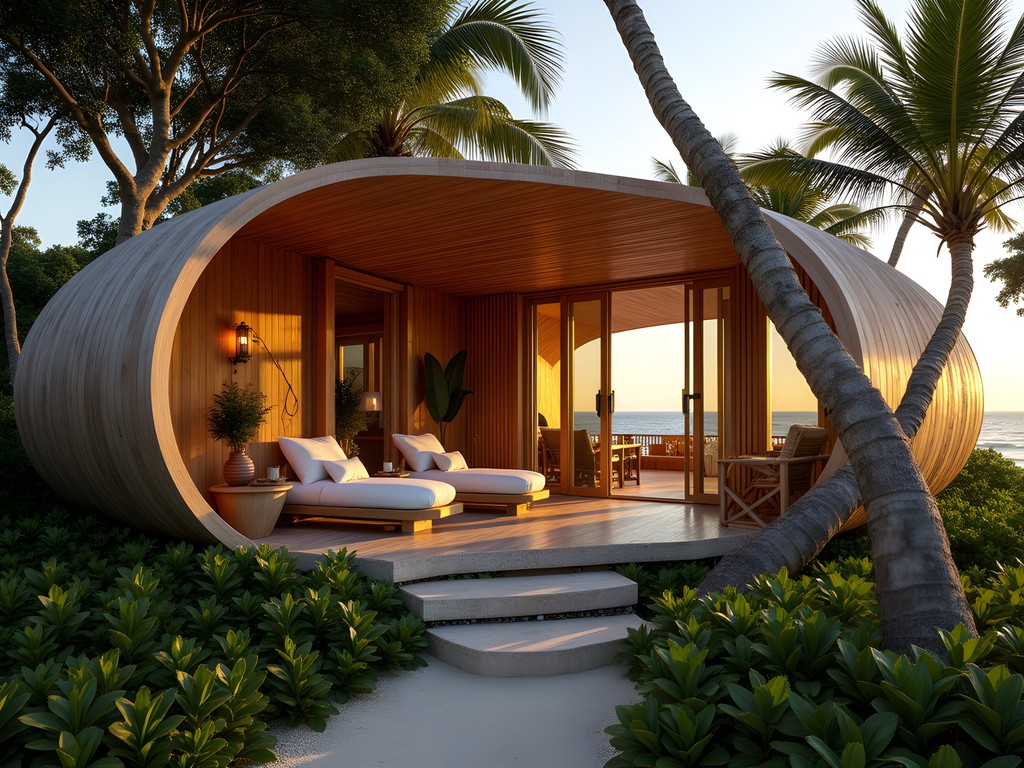
The architectural innovation behind Tulum's leading eco-retreats represents a fascinating case study in biomimicry and environmental engineering. At Azulik, perhaps the most photographed of Tulum's luxury properties, the absence of artificial light and air conditioning isn't a limitation but rather a deliberate design choice that creates a profound sensory experience. The structures work with natural airflow patterns—much like how we carefully modulate gas exchange in medical procedures—to maintain comfortable temperatures without energy-intensive systems.
During my stay at Habitas Tulum, I was particularly struck by their modular construction approach. The elevated platform structures are designed for minimal soil disruption and maximum airflow, creating natural cooling that eliminates the need for air conditioning. This adaptation to the environment rather than domination of it creates a unique luxury experience that engages all senses.
What separates authentic eco-luxury from greenwashing becomes evident when examining water management systems. The most sophisticated properties utilize advanced biological filtration systems that mirror natural processes. At Nômade Tulum, I toured their water reclamation facility, where they employ a multi-stage filtration system reminiscent of the body's own detoxification pathways. Graywater passes through a series of natural filters—plant roots, specialized bacteria, and mineral beds—emerging clean enough to irrigate their lush gardens.
These architectural innovations don't just preserve the environment—they create a distinctly luxurious experience impossible to replicate in conventional hotels. The absence of mechanical noise, the connection to natural rhythms, and the knowledge that your presence isn't harming the ecosystem all contribute to a profound sense of well-being that conventional luxury simply cannot match.
💡 Pro Tips
- Request a tour of your property's sustainability systems—most eco-retreats are proud to showcase their innovations
- Choose accommodations that utilize passive cooling techniques rather than air conditioning for the most authentic experience
- Look for properties with comprehensive water management systems, not just basic conservation measures
The Fermentation Revolution: Tulum's Sustainable Culinary Scene
My professional fascination with fermentation processes found its perfect expression in Tulum's innovative culinary landscape. Here, ancient Mayan fermentation techniques are being revitalized and reimagined by forward-thinking chefs creating distinctly luxurious dining experiences with minimal environmental impact.
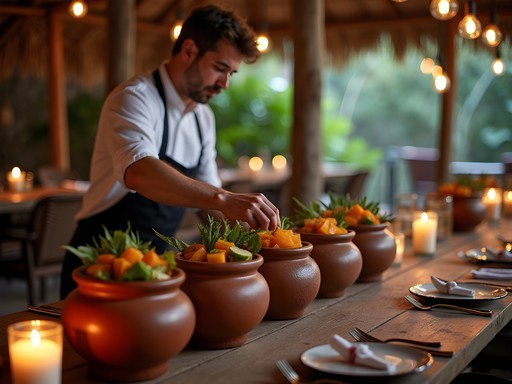
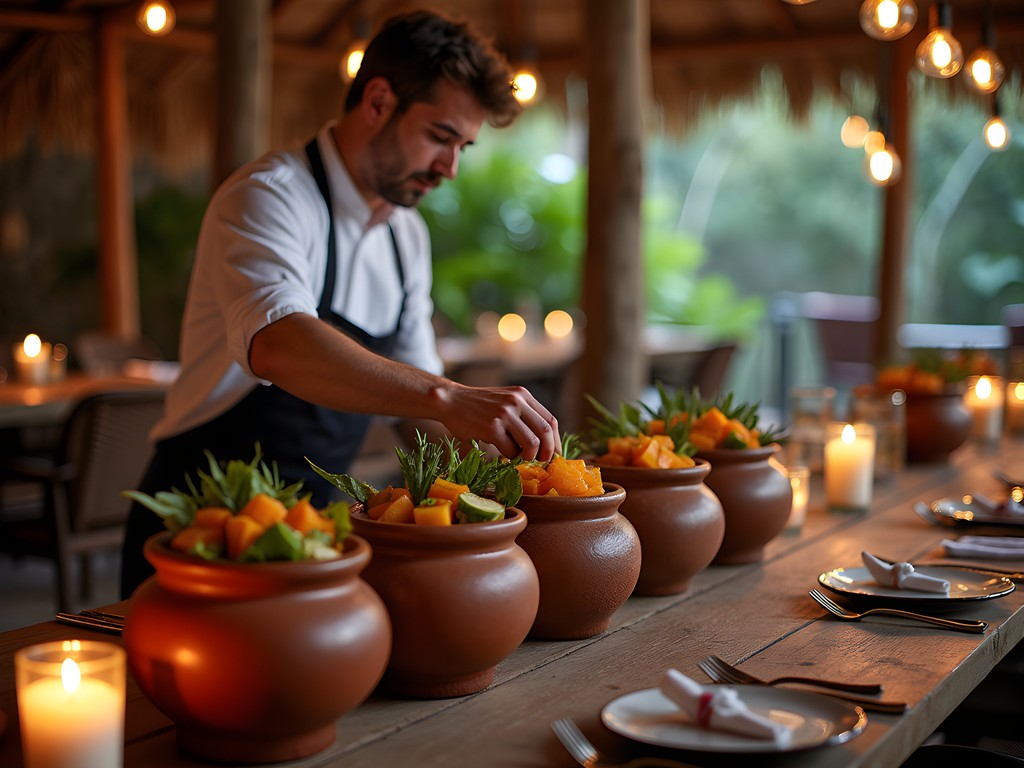
At Hartwood, chef Eric Werner's acclaimed establishment, I witnessed how traditional corn fermentation techniques produce nixtamalized masa with a complexity of flavor impossible to achieve through modern shortcuts. The restaurant's zero-waste approach mirrors the cyclical efficiency of natural fermentation—kitchen scraps become compost for their garden, which in turn produces ingredients for the restaurant. This closed-loop system creates a sustainable luxury that feels both authentic and innovative.
My scientific curiosity led me to Arca, where I spent an afternoon with their fermentation specialist documenting their work with indigenous bacterial cultures. Their house-made vinegars, fermented from local tropical fruits, create flavor profiles impossible to import or replicate industrially. The precision of their approach reminded me of laboratory work, with careful pH monitoring and temperature control, yet the results were pure culinary artistry.
To properly document and photograph these culinary experiments, I relied on my mirrorless camera, which captures exceptional detail in the challenging lighting conditions of restaurant kitchens without disrupting the intimate dining atmosphere.
For those seeking to understand the biochemical foundations of these culinary traditions, I recommend carrying the food science guide, which provides valuable context for appreciating the scientific precision behind these seemingly simple techniques. The book has accompanied me on culinary explorations across four continents and remains my most trusted reference.
💡 Pro Tips
- Reserve restaurants like Hartwood and Arca at least 30 days in advance—their sustainable capacity means limited seating
- Request the chef's fermentation tasting when available for a comprehensive exploration of local techniques
- Visit during harvest seasons (November-January) when tropical fruits are at their peak for fermentation projects
Biodynamic Mixology: Tulum's Hidden Speakeasy Culture
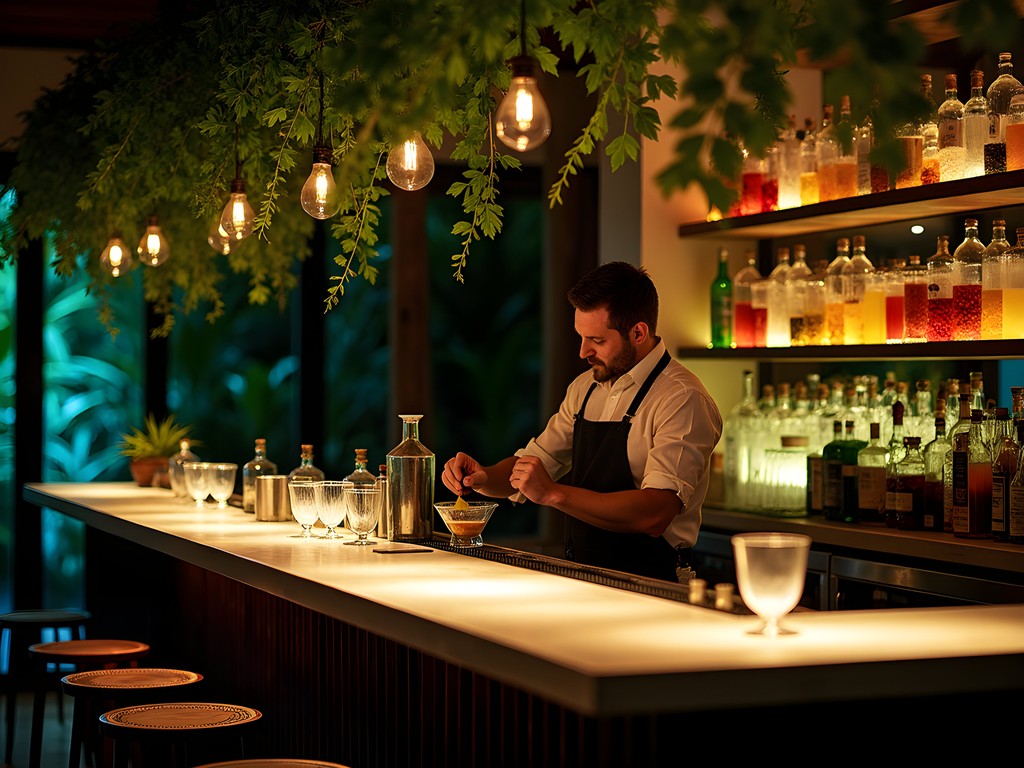
Beyond the well-documented beach clubs lies Tulum's sophisticated speakeasy scene—a natural extension of my ongoing documentation of global craft cocktail culture. What distinguishes Tulum's approach is the integration of sustainability principles with luxury mixology, creating an experience that satisfies both environmental consciousness and refined palates.
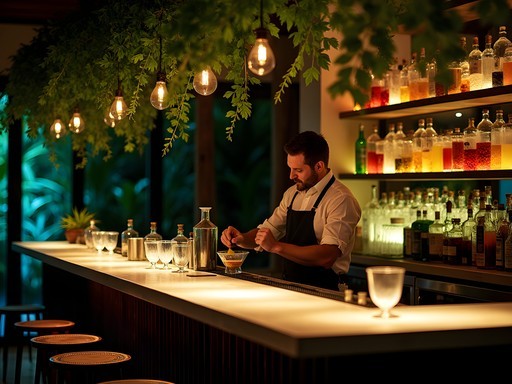
Batey Mojito & Guarapo Bar represents the intersection of agricultural heritage and craft cocktails. Their signature guarapo (fresh-pressed sugarcane juice) is extracted using a vintage press before your eyes, then incorporated into cocktails with house-fermented fruit bases. The microbiological transformation happening in their fermentation room produces complex flavor compounds impossible to replicate with commercial ingredients.
For those seeking a more clandestine experience, Gitano Jungle Room operates with an appointment-only policy that maintains exclusivity while preventing overtourism. Their botanical program sources ingredients exclusively from their own permaculture garden, where I spent a fascinating afternoon documenting their cultivation of rare aromatics used in their signature smoke-infused mezcal cocktails.
The most scientifically intriguing approach I encountered was at Kin Toh's secret bar, where they employ techniques borrowed from molecular gastronomy but applied through a lens of indigenous knowledge. Their clarification methods using locally harvested plant mucilage rather than commercial agents demonstrates how traditional knowledge can be applied to create thoroughly modern luxury experiences.
To fully appreciate these complex botanical flavors, I recommend bringing a proper tasting journal to document the nuanced flavor profiles you'll encounter. The sensory experience of these establishments deserves thoughtful reflection, particularly for those interested in the biochemistry of flavor development.
💡 Pro Tips
- Make reservations for speakeasies through your eco-retreat concierge—many venues operate on private referral systems
- Visit during weekdays when bartenders have more time to explain their sustainable sourcing and fermentation techniques
- Request off-menu cocktails featuring seasonal ingredients currently in their fermentation program

Regenerative Wellness: Beyond Traditional Spa Experiences
The convergence of luxury wellness and environmental regeneration represents perhaps the most fascinating aspect of Tulum's sustainable hospitality evolution. As a medical professional, I approach wellness claims with healthy skepticism, yet found myself genuinely impressed by the scientific rigor behind several properties' approaches.
At Sanará (meaning 'to heal' in Spanish), their wellness program operates from a foundation of evidence-based practices while incorporating indigenous knowledge. Their crystal sound healing sessions, which I initially approached with medical skepticism, demonstrated measurable impacts on heart rate variability—a key indicator of autonomic nervous system function that we monitor closely in anesthesiology.
The most innovative property I encountered was Amansala's Eco-Resort, where their wellness program extends beyond personal health to ecosystem regeneration. Their guest experiences include participation in coral restoration projects in partnership with marine biologists from Universidad Nacional Autónoma de México. The therapeutic value of this work goes beyond simple eco-tourism; research increasingly demonstrates the psychological benefits of contributing to environmental restoration.
For those seeking more traditional wellness experiences, YÄAN Wellness Energy Spa stands apart for their rigorous approach to hydrotherapy. Their contrast therapy protocol follows precise temperature gradients and timing intervals that align with clinical research on circulation improvement and inflammation reduction. The experience combines the sensory pleasure of luxury spa treatments with genuine physiological benefits.
To fully document my wellness journey, I relied on my fitness tracker, which provided valuable data on recovery metrics and sleep quality improvements throughout my stay. The device's waterproof design proved essential for tracking biometrics during hydrotherapy sessions and ocean activities without concern.

💡 Pro Tips
- Schedule wellness treatments during off-peak hours (typically 10am-2pm) for more personalized attention
- Request the scientific background behind signature treatments—the best properties employ staff who can explain the physiological mechanisms
- Combine passive treatments (massage, sound therapy) with active regeneration activities for maximum benefit
Ethical Luxury: Navigating Tulum's Complex Sustainability Landscape
The analytical mindset required in my medical practice proved valuable when assessing the authentic sustainability credentials of Tulum's luxury properties. The region faces legitimate environmental challenges—freshwater scarcity, ecosystem fragility, and rapid development—requiring travelers to exercise discernment when selecting accommodations.
My methodology for evaluating properties borrows from evidence-based assessment in medicine: look beyond marketing claims to measurable outcomes and systemic approaches. Properties like Habitas demonstrate comprehensive sustainability through quantifiable metrics: 99% plastic-free operations, grey-water recycling systems processing 90% of water for reuse, and documented carbon offset programs with local verification.
By contrast, some properties engage in what environmental scientists term 'greenwashing'—superficial sustainability claims without substantive practices. The absence of single-use plastics in guest-facing areas means little if back-of-house operations remain conventional. I recommend requesting specific information about waste management systems, energy sources, and staff training programs.
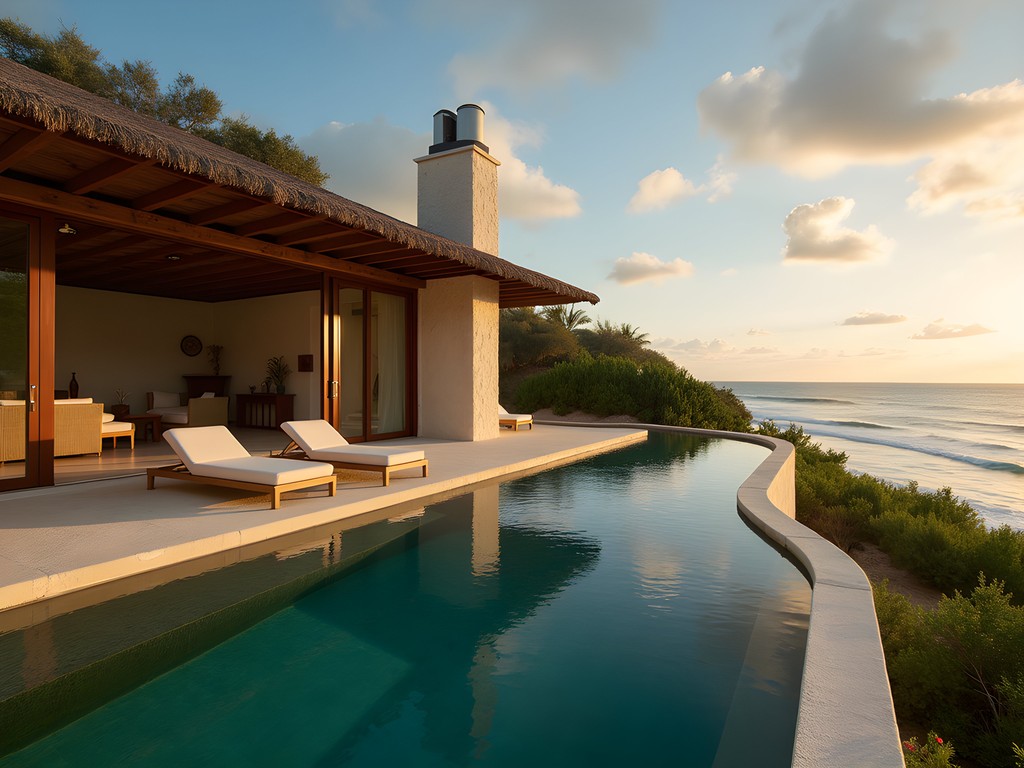
The most sophisticated approach to sustainable luxury I encountered was at Papaya Playa Project, where they've implemented a comprehensive environmental management system with independent certification. Their transparent reporting on resource consumption and community impact represents the gold standard for accountability in luxury hospitality.
For those serious about minimizing their environmental impact while traveling, I recommend packing a filtered water bottle, which eliminates the need for bottled water while ensuring safe drinking water. This single item prevented approximately 35 plastic bottles from entering Tulum's waste stream during my week-long stay—a small but meaningful contribution to preservation efforts.
💡 Pro Tips
- Request sustainability credentials beyond marketing materials—legitimate eco-retreats will have documentation readily available
- Choose properties that quantify their environmental impact and have transparent reporting mechanisms
- Support properties with formalized community benefit programs that extend beyond employment to education and conservation
Final Thoughts
Tulum stands at a critical inflection point—balancing between becoming another casualty of overtourism or pioneering a new paradigm of regenerative luxury travel. As both a medical professional and a documentarian of sustainable hospitality, I find the biochemical parallel compelling: just as fermentation transforms simple ingredients into complex, valuable products, thoughtful eco-luxury transforms travel from mere consumption into regeneration. The properties that truly understand this science—Papaya Playa Project, Habitas, Sanará—aren't merely reducing harm but actively contributing to environmental and cultural restoration. For the discerning traveler seeking both indulgence and integrity, Tulum still offers profound experiences, provided one approaches with both critical thinking and openness to transformation. I invite you to explore this fascinating coastal laboratory of sustainable luxury—and perhaps we'll cross paths at a hidden speakeasy, comparing notes on the latest fermentation experiment or coral restoration project.
✨ Key Takeaways
- Authentic eco-luxury in Tulum requires verification beyond marketing claims—look for quantifiable sustainability metrics
- The most innovative properties extend sustainability from architecture to cuisine, wellness, and community engagement
- Winter offers the ideal combination of perfect weather and peak seasonal ingredients for culinary exploration
- Advance planning and property research is essential as the most legitimate eco-retreats maintain limited capacity
📋 Practical Information
Best Time to Visit
November through March, with December-February offering ideal weather conditions
Budget Estimate
$500-1200 USD per night for genuine eco-luxury accommodations
Recommended Duration
7-10 days to fully experience multiple properties and wellness programs
Difficulty Level
Easy




Comments
coolchamp3047
Just booked my stay at Azulik after reading this! Can't wait to experience those treehouse vibes and the sustainable architecture. I packed my travel journal to document everything about this trip. First time in Tulum!
oceanfan
Love the section on biodynamic mixology! Are there any specific spots you'd recommend for someone who's into craft cocktails but also cares about sustainability?
nomadway
Not Pierre, but I was just in Tulum last month and Gitano has amazing sustainable cocktails using local ingredients! They forage a lot of their botanicals and work with local producers. The jungle setting is magical too!
oceanfan
Thanks for the tip! Adding Gitano to my list for sure.
Douglas Bradley
Fascinating piece, Pierre. I spent three weeks in Tulum last year researching sustainable tourism models, and your observations about the 'critical inflection point' are spot-on. What I found most interesting was the dichotomy between properties genuinely innovating in sustainability (like Azulik's water conservation systems) versus those merely 'greenwashing' their marketing. The fermentation revolution you mentioned is particularly noteworthy - Hartwood's zero-waste approach has influenced restaurants across the region. I'm curious if you noticed the tension between local Maya communities and these high-end developments? That's becoming an increasingly important conversation in sustainable tourism circles.
Pierre Watkins
Absolutely, Douglas. That tension was palpable during my research. I had several conversations with Maya community members who expressed concern about access to beaches and rising costs. Some properties like Nômade are creating better models with community involvement programs and local hiring practices, but it's definitely an evolving situation that needs more attention.
wildseeker7696
This looks amazing! Which eco-retreat would you recommend for someone who wants the sustainability aspect but is on a mid-range budget?
Pierre Watkins
Great question! Try Habitas or Sanará - both have more affordable room categories while maintaining strong sustainability practices. You get the eco-experience without the highest price tags.
wildseeker7696
Thanks so much! Definitely checking those out for my trip next spring.
Nicole Russell
Pierre! This post couldn't have come at a better time! I'm heading to Tulum next week specifically to explore the intersection of luxury and sustainability for my channel. Your section on eco-architecture was particularly fascinating - I had no idea about the passive cooling systems being inspired by Mayan design principles! Question: did you find the staff at these retreats genuinely knowledgeable about their sustainability practices or was it more surface-level greenwashing? I've been disappointed before at places that claim to be eco-friendly but can't explain their actual practices. PS: Your section on regenerative wellness has me BEYOND excited to try the cacao ceremony at Sanará!
Pierre Watkins
Thanks Nicole! The knowledge level varied significantly. At Azulik and Habitas, sustainability is deeply ingrained - staff could explain everything from water recycling systems to material sourcing. A few others seemed more superficial. My suggestion: ask specific questions about their systems during check-in - you'll quickly gauge authenticity. And yes, don't miss that cacao ceremony!
islandstar
Love the photos! Really captures the vibe
Casey Andersson
The parallel you drew between operating room precision and sustainable luxury really resonates. I visited three of Tulum's top eco-retreats last year, and what struck me most was how they've engineered every detail - from rainwater collection systems to solar panels hidden in palm-thatched roofs. The fermented hot sauce at one restaurant literally changed my perspective on Mexican cuisine. One tip: book the temazcal ceremony if you can. It's an ancient Mayan sweat lodge experience that pairs perfectly with the regenerative wellness philosophy. Just be prepared - Tulum's popularity means even 'eco' spots can feel crowded during high season.
citymate
Thanks! Did you need to book the temazcal in advance?
Casey Andersson
Yes definitely, at least 2-3 days ahead. They limit group sizes
travelperson
This is exactly what I've been looking for!! Booking flights tonight
Kimberly Murphy
Pierre, brilliant write-up! I stayed at one of these eco-retreats last summer and the biodynamic cocktails you mentioned absolutely blew my mind. The bartender explained how they ferment their own ingredients and use zero-waste practices. It's incredible how they've managed to create this luxury experience while being genuinely committed to regeneration. The cenote diving nearby was also phenomenal - felt like exploring another planet! Have you tried the cacao ceremonies they offer? Totally transformative experience.
citymate
Which eco-retreat would you recommend for a couple? Budget around $300-400/night?
Casey Andersson
At that price point, check out Azulik or Habitas. Both have incredible sustainability practices and the vibe is unreal. Azulik is more intimate and artistic, Habitas has better social scene if that's your thing.
Venture X
Premium card with 2X miles, $300 travel credit, Priority Pass