Disclosure: This article contains affiliate links. We may earn a commission from purchases at no extra cost to you, which helps our travel content.
There's something undeniably magical about Bavaria that captivates even the most seasoned travelers. Perhaps it's the way morning mist clings to medieval castle turrets, or how the Alps frame picture-perfect villages that seem plucked from storybooks. Having explored over 30 countries, I've developed a particular fondness for journeys that blend architectural wonders with cultural immersion—and nowhere delivers this combination quite like southern Germany. Last summer, I embarked on what I can only describe as the quintessential luxury road trip: two weeks winding through Bavaria's countryside, from the gingerbread-perfect streets of Rothenburg ob der Tauber to the majestic castles that inspired Walt Disney himself. This wasn't just travel; it was time travel wrapped in five-star comfort, where each day delivered both educational discoveries and indulgent pleasures. Join me as I share the definitive guide to experiencing Bavaria's treasures in sophisticated style, complete with hidden gems that most tourists miss and the exclusive experiences that transformed this journey from merely memorable to utterly unforgettable.

Planning Your Bavarian Luxury Escape
When orchestrating a Bavarian road trip that balances historic immersion with modern luxury, timing and transportation become your first crucial decisions. I chose late June for my adventure—a sweet spot before July's tourist crowds but warm enough for convertible driving with endless daylight hours for exploration.
For a journey of this caliber, your vehicle becomes more than transportation; it's part of the experience itself. After considerable research, I arranged a luxury car rental through Sixt's premium collection. The Mercedes E-Class Cabriolet proved perfect for Bavaria's winding country roads—powerful enough for autobahn stretches yet comfortable for full-day drives. The convertible top allowed me to fully immerse in the landscape, feeling the temperature shift as we climbed into Alpine regions and catching the scent of wildflowers along countryside routes.
Rather than the typical Munich starting point, I recommend beginning in Frankfurt, which offers excellent international connections and positions you perfectly for a first stop in Rothenburg. From there, create a clockwise loop through Würzburg, Nuremberg, Regensburg, and down to Berchtesgaden before circling back toward Munich and the famous Romantic Road.
While spontaneity has its charms, Bavaria's most exceptional accommodations require advance planning. I secured reservations three months ahead, which granted access to castle hotels that often book solid six months out. For Michelin-starred restaurants, particularly in smaller towns like Baiersbronn (a culinary mecca hidden in the Black Forest), I made dinner reservations simultaneously with hotel bookings.
My meticulously planned itinerary still allowed for serendipity—I built in two 'floating days' with no fixed plans, which ended up being devoted to an unexpected invitation to a private vineyard tour and an impromptu detour to Lake Constance when weather conditions were exceptionally clear.
💡 Pro Tips
- Book castle hotels at least 4-6 months in advance for summer travel
- Request a printed map from your rental company—GPS occasionally fails in remote castle locations
- Consider the Mercedes-Benz Museum in Stuttgart as your first stop if starting from Frankfurt
Rothenburg ob der Tauber: Medieval Luxury in Germany's Most Preserved Town
Arriving in Rothenburg ob der Tauber feels like stepping directly into a medieval painting. The town's perfectly preserved 13th-century walls encircle a maze of cobblestone streets and half-timbered houses so picturesque they seem almost artificial—yet every weathered stone tells authentic stories spanning seven centuries.
While most visitors experience Rothenburg as day-trippers, the true luxury lies in overnight immersion when tour buses depart. I checked into Hotel Herrnschlösschen, a meticulously restored 11th-century manor house offering just seven unique suites. My Deluxe Garden Suite featured original exposed beams contrasted with heated marble floors and a freestanding copper bathtub positioned perfectly beneath a skylight for stargazing. The hotel's exclusivity means personalized service—the proprietor herself conducted my check-in over house-made elderflower spritzers in the private garden.
Rothenburg reveals its true character after 5pm. I arranged a private twilight tour with historian Dr. Harald Schmidt, who unlocked normally inaccessible tower rooms and shared stories of the town's miraculous survival during World War II. The evening concluded with privileged access to the Night Watchman's Tower, where we sipped local Franconian wine while watching sunset paint the medieval rooftops gold.
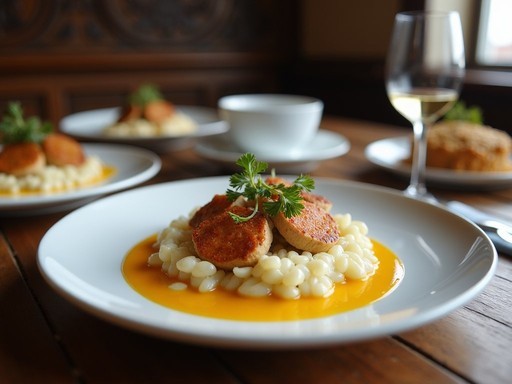
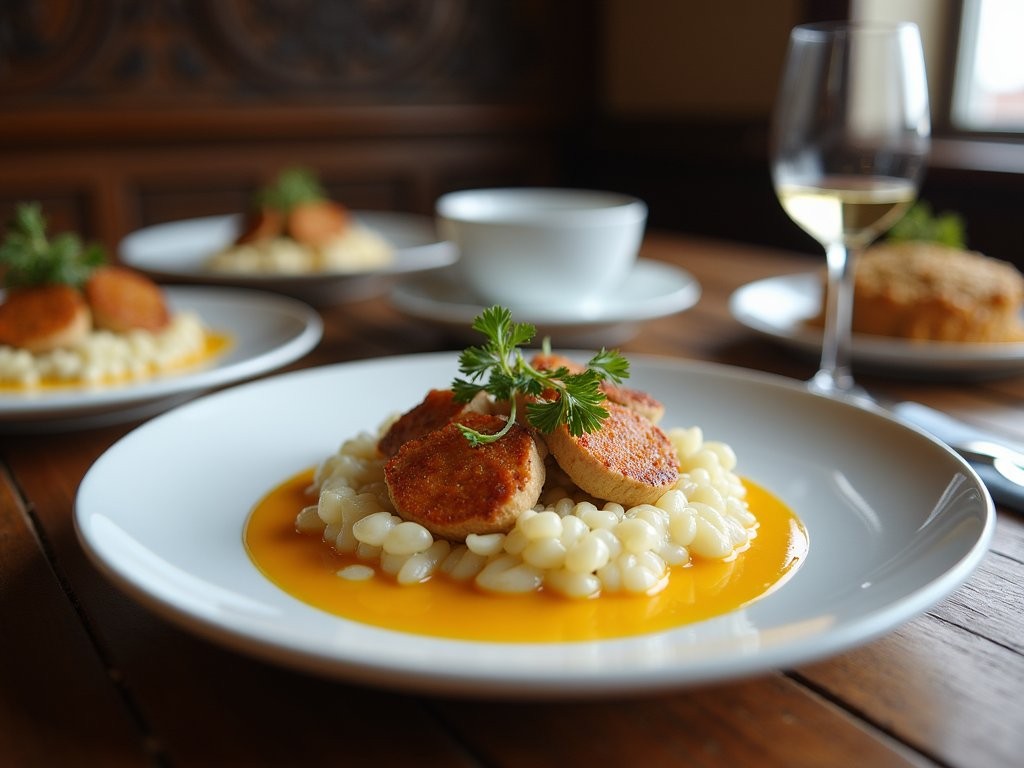
For dining, avoid the tourist-oriented restaurants on Marktplatz. Instead, I discovered culinary excellence at Zur Höll (translated as "To Hell"), housed in the town's oldest building (circa 900 AD). Their seasonal tasting menu showcases modern interpretations of Franconian classics—the wild mushroom spätzle with black truffle was transcendent. Request the corner table in the original stone cellar for the most atmospheric experience.
Morning offers a rare opportunity to experience Rothenburg's empty streets. I rose at dawn for a photography walk along the complete 1.5-mile medieval wall circuit, capturing the town in perfect light without another soul in sight. My camera stabilizer proved invaluable for smooth video while walking the uneven ancient pathways.
Before departing, visit master confectioner Georg Friedel's workshop for a private demonstration of Schneeballen ("snowballs")—Rothenburg's signature pastry dating to the 1400s. Unlike the mass-produced versions in tourist shops, Friedel creates limited batches using techniques passed down seven generations, with flavors like saffron-orange that aren't available elsewhere.
💡 Pro Tips
- Book the Medieval Crime Museum for a private after-hours tour (€150 but worth every penny)
- Request the Käthe Wohlfahrt Christmas store's VIP shopping experience to access their private collection room
- The best photography vantage point is from the Castle Garden at the northern edge of town, especially at sunrise
Castle Hopping: From Neuschwanstein to Hidden Gems
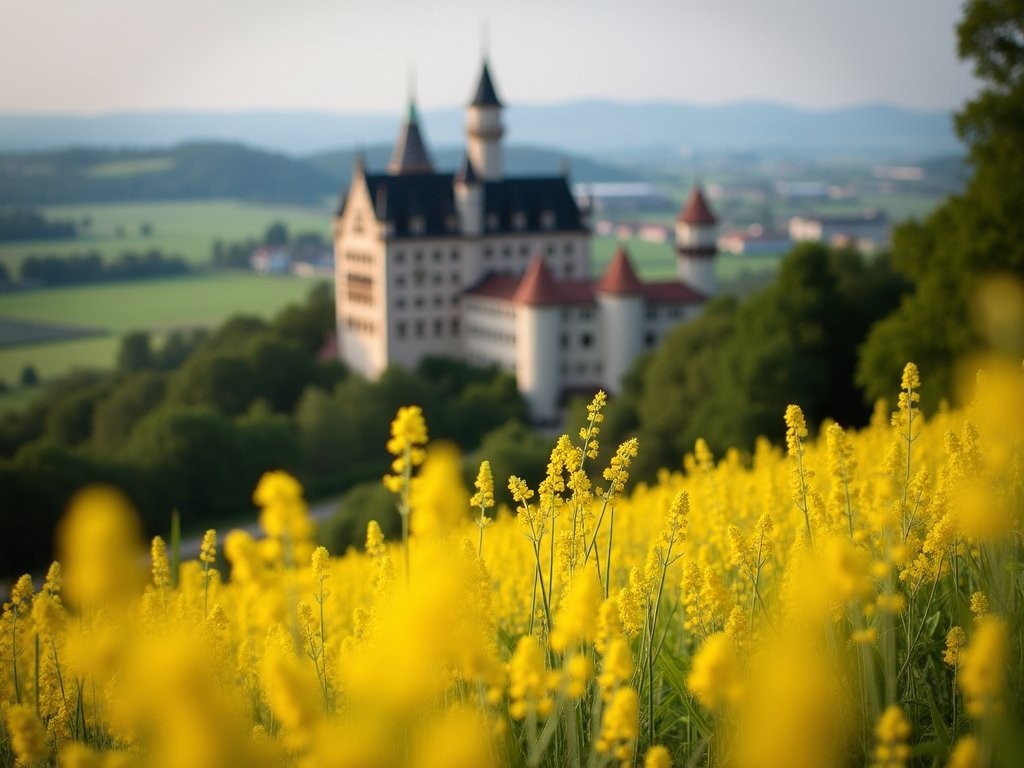
No Bavarian luxury itinerary would be complete without experiencing the region's legendary castles, though the true connoisseur knows that avoiding crowds while accessing exclusive areas requires strategic planning. While Neuschwanstein Castle justifiably tops most travelers' lists, my approach revealed dimensions of these architectural treasures that most visitors never encounter.
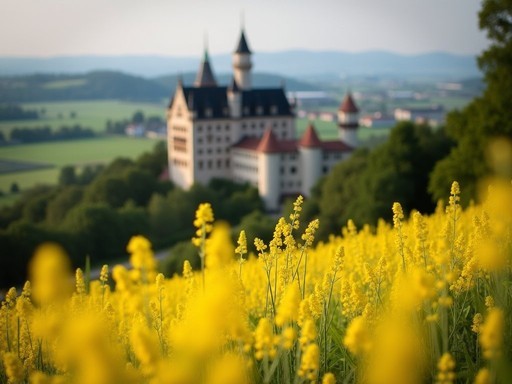
For Neuschwanstein, I bypassed the standard tour by arranging a "King Ludwig II Exclusive" experience through the Bavarian Castle Administration (requiring booking 3+ months ahead). This grants early entry at 7:30am—a full hour before public admission—and includes normally restricted areas like Ludwig's private study and the unfinished Byzantine Throne Room. Our small group of six enjoyed the ethereal morning light filtering through stained glass windows without the echo of other tours. The experience culminated in a private breakfast on the castle terrace overlooking Alpsee Lake—a setting normally inaccessible to visitors.
While Neuschwanstein dazzles with fairy-tale grandeur, I found equal enchantment in lesser-known Bavarian castles. Schloss Linderhof, Ludwig's smallest palace, offers the most intimate glimpse into the king's personality. I arranged a special curator's tour focusing on the technological innovations hidden within its Rococo splendor—including the mechanical rising dining table that allowed Ludwig to dine without servants present. The Venus Grotto, Ludwig's artificial candlelit cave with heated wave machine and rainbow lighting effects, recently reopened after extensive restoration.
For the ultimate castle experience, I spent two nights at Schloss Elmau, a historic castle transformed into a cultural hideaway and luxury spa resort. Nestled in a private Alpine valley near the Austrian border, this property hosted the G7 Summit and offers unparalleled amenities—six separate spa facilities, a concert hall featuring world-class musicians, and a library housing 20,000+ volumes. My Deluxe Junior Suite in the Retreat building featured panoramic mountain views and private balcony hot tubs. The property's six restaurants include the Michelin-starred Luce d'Oro, where Chef Christoph Rainer creates Alpine-Mediterranean fusion that rivals any dining experience in Germany.
My most memorable castle discovery came through a local connection—Schloss Egg, a 12th-century fortress in Lower Bavaria that remains family-owned and largely unknown to international travelers. Count von Deym offers overnight stays in authentically furnished medieval chambers (with discreetly modernized bathrooms) and hosts intimate falconry demonstrations in the castle courtyard. Evening brings candlelit dinners in the knights' hall, featuring game from the castle's hunting grounds paired with wines from their private cellar.
For capturing these majestic structures, my wide angle lens proved essential, particularly for interior architecture shots where standard lenses simply cannot capture the grandeur of ceremonial halls and staircases.
💡 Pro Tips
- Book the first Neuschwanstein tour of the day (7:30am) to photograph the castle without crowds
- Request the Tower Room when staying at Schloss Elmau for the most spectacular mountain views
- Visit Hohenschwangau Castle (adjacent to Neuschwanstein) in late afternoon when most tourists have departed

Culinary Bavaria: Beyond Bratwurst and Beer
Bavaria's gastronomic landscape extends far beyond the stereotypical pretzels and sausages that dominate tourist menus. My culinary exploration revealed a sophisticated regional cuisine undergoing a remarkable renaissance, with talented chefs reinterpreting traditional flavors through modern techniques while maintaining deep connections to local producers.
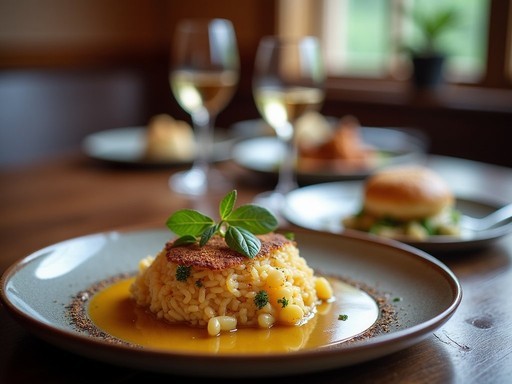
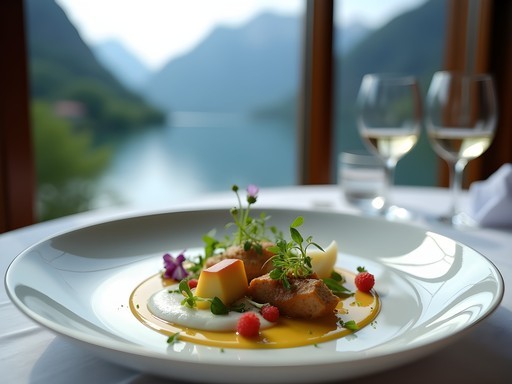
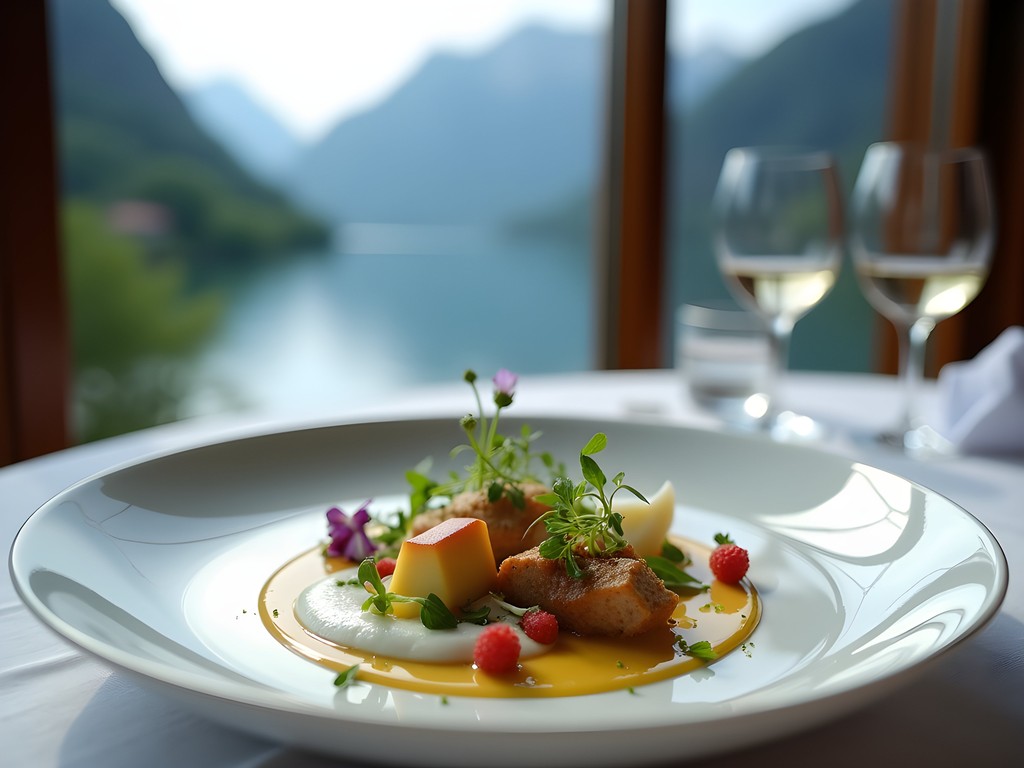
My epicurean journey began at Restaurant Überfahrt in Rottach-Egern on Tegernsee Lake. Chef Christian Jürgens has maintained three Michelin stars by transforming humble Bavarian ingredients into artistic expressions. His signature "Potato Foam, Truffle and Leek" elevates the humble tuber into something transcendent—a dish that pays homage to regional farming traditions while employing cutting-edge culinary science. The restaurant's lakeside setting adds natural drama to the dining experience, with floor-to-ceiling windows framing Alpine reflections on the water's surface.
For those seeking to understand Bavarian cuisine's foundations, I recommend the immersive cooking workshop at Wernberg Castle. This 13th-century fortress houses both a luxury hotel and a culinary academy where I spent a half-day learning traditional techniques from Chef Thomas Kellermann. We foraged wild herbs from the castle grounds, then prepared updated versions of historical dishes like Bayrisch Creme and venison with lingonberry sauce. The experience concluded with a private lunch in the herb garden, pairing our creations with Franconian wines rarely exported beyond Germany.
The vineyards of Franconia (northern Bavaria) remain one of Germany's best-kept wine secrets. I arranged a private tasting at Bürgerspital estate in Würzburg, where eight centuries of winemaking tradition produce exceptional Silvaner and Riesling varieties. Their signature Bocksbeutel bottles—distinctive flat, round flasks—contain some of Germany's most underrated wines. The VIP tasting includes access to their historic cellar housing barrels dating to 1540.
For a truly unforgettable dining experience, I ventured to the tiny Black Forest village of Baiersbronn, which improbably boasts eight Michelin stars within a four-mile radius. At Bareiss Restaurant, Chef Claus-Peter Lumpp creates refined Black Forest cuisine in an elegant dining room where service approaches performance art. The sommelier introduced me to exceptional regional wines through a custom pairing that included rare bottles from their 20,000-bottle cellar.
No culinary exploration would be complete without acknowledging Bavaria's brewing heritage. Rather than tourist-oriented beer halls, I sought authentic experiences like the private brewery tour at Kloster Andechs, a working monastery where monks have brewed beer since 1455 using recipes unchanged for centuries. The brewery's VIP experience includes tasting directly from aging tanks normally inaccessible to visitors.
To capture these culinary masterpieces, I relied on my portable lighting kit which provided perfect illumination for food photography without disturbing other diners—essential for documenting these ephemeral artistic creations.
💡 Pro Tips
- Request the chef's table at Restaurant Überfahrt for an interactive dining experience with direct kitchen access
- Book vineyard tours in Franconia for weekdays when winemakers themselves often conduct tastings
- When dining at Michelin-starred restaurants, request half-portions of more courses rather than full portions to experience greater variety
Hidden Bavaria: Secret Spots Beyond the Tourist Trail
While Bavaria's marquee attractions deserve their fame, my most treasured memories come from discoveries made far from the well-trodden tourist paths. These hidden corners reveal Bavaria's authentic character and offer luxury experiences without crowds—often at surprisingly reasonable prices.
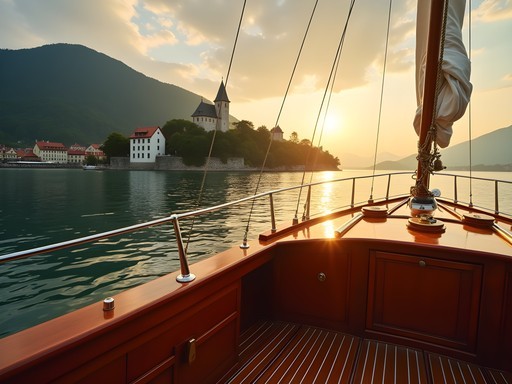
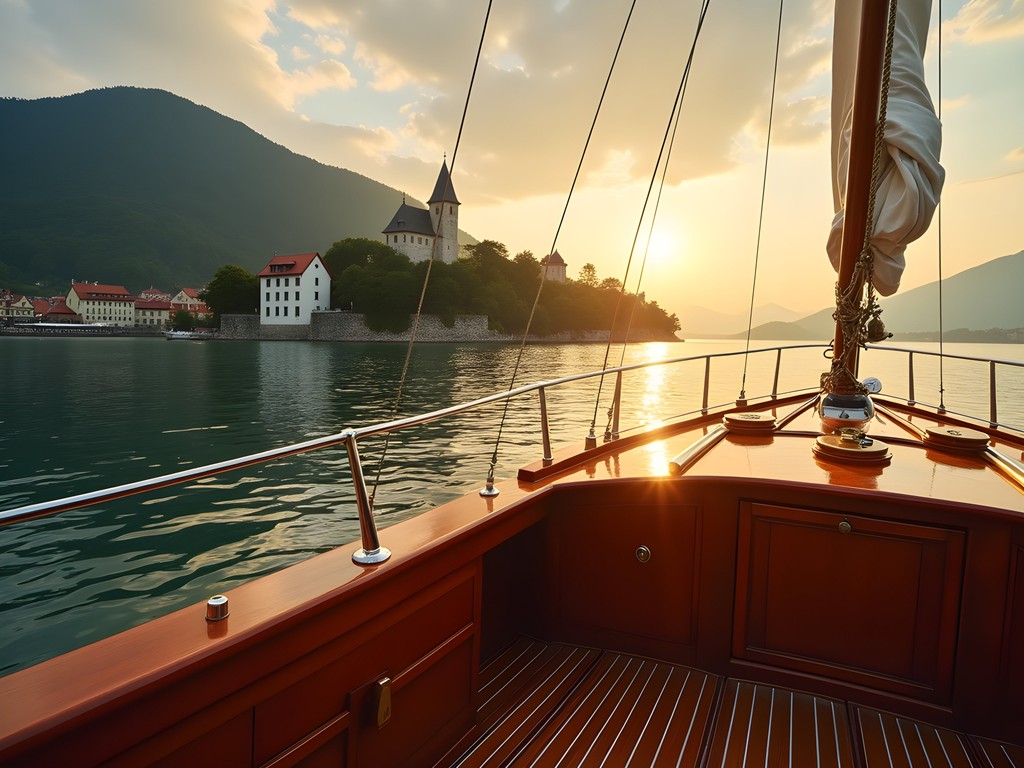
The medieval town of Meersburg on Lake Constance (Bodensee) offers a sophisticated alternative to more frequented lakeside destinations. I stayed at Schlosshotel Meersburg, occupying a 17th-century baroque palace where each room features original architectural elements and lake views. The hotel's private dock allowed for a sunset cruise aboard a restored 1920s wooden yacht, complete with champagne service and a personal guide explaining the region's unique geography where Germany, Austria, and Switzerland converge.
Near the Czech border lies Passau, known as the "City of Three Rivers" where the Danube, Inn, and Ilz converge. While day-trippers visit briefly before river cruises, I discovered the city's true charm by staying at Hotel Residenz Passau, housed in a former prince-bishop's palace. Their concierge arranged early morning access to St. Stephen's Cathedral before public hours, allowing me to experience a short private concert on the world's largest cathedral organ—17,974 pipes filling the baroque space with thunderous sound.
For wellness enthusiasts, bypass the famous Baden-Baden spas for Bad Reichenhall, a historic salt-mining town near Berchtesgaden. The RupertusTherme combines natural alpine salt springs with sophisticated treatments in a modernist glass structure overlooking the Alps. I indulged in their "Bavarian Royal Treatment"—a three-hour experience including a salt peeling using locally mined crystals, alpine herb compress massage, and flotation in a private salt-concentration pool mimicking the Dead Sea.
My most unexpected discovery came in the Altmühltal Nature Park, where limestone cliffs hide Prunn Castle, an 11th-century fortress containing one of Germany's most significant literary treasures. A private tour arranged through the Bavarian Castle Administration revealed the original manuscript of the Nibelungenlied (Germany's equivalent to Beowulf) discovered hidden in the castle walls during renovations. The curator allowed me to view manuscript pages not displayed to general visitors.
For transportation between these hidden gems, I occasionally supplemented my rental car with Bavaria's exceptional rail system. The travel backpack proved perfect for overnight detours, combining sophisticated styling with practical organization for camera gear, electronics, and a change of clothes.
These lesser-known destinations offer what luxury travelers value most—authenticity, exclusivity, and meaningful connection to place. They provide breathing room from Bavaria's more crowded highlights while revealing dimensions of regional culture inaccessible to those following standard itineraries.
💡 Pro Tips
- Request the Tower Suite at Schlosshotel Meersburg for 270-degree lake views and original baroque ceiling frescoes
- Visit Prunn Castle on Thursdays when their manuscript expert provides specialized tours by appointment
- In Bad Reichenhall, the AlpenSole springs are less crowded before 10am and after 6pm
Accommodation Gems: Historic Luxury with Modern Comforts
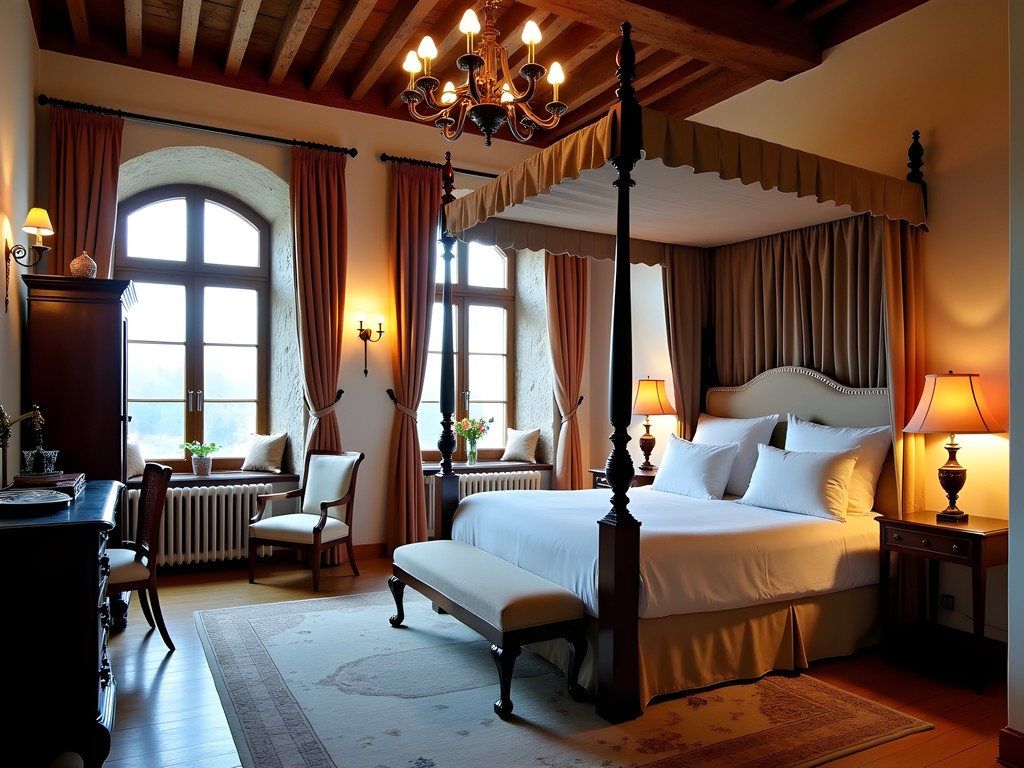
Bavaria excels in transforming historical properties into accommodations that honor architectural heritage while providing contemporary luxury. My carefully curated selection of properties created a narrative thread through different eras of Bavarian history, from medieval fortress to baroque palace to modernist mountain retreat.
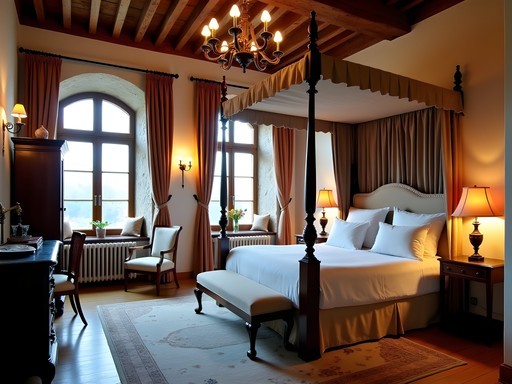
For those seeking authentic castle accommodations, Burg Colmberg delivers a genuine medieval experience without sacrificing comfort. Perched dramatically atop a hill near Rothenburg, this 1000-year-old fortress features original stone spiral staircases, massive wooden beams, and arrow-slit windows—yet rooms include heated bathroom floors and custom-made mattresses. Request the Comtesse Suite in the tower, featuring a canopied bed and panoramic countryside views. The property's intimate restaurant serves game from the castle's hunting grounds and vegetables from their kitchen garden. Most memorably, guests can arrange private access to the castle ramparts after closing hours—I enjoyed a nightcap while watching stars emerge over the Franconian countryside.
For baroque elegance, Hotel Vier Jahreszeiten Kempinski in Munich represents Bavarian luxury at its most refined. This historic grand hotel on Maximilianstrasse balances old-world sophistication with contemporary amenities. My Deluxe Suite featured original stucco ceilings, silk wall coverings, and marble bathrooms with both rainfall showers and soaking tubs. The property's Schwarzreiter Restaurant holds a Michelin star for its "young Bavarian cuisine"—traditional recipes reimagined with modern technique. The true highlight, however, was the hotel's rooftop spa, offering panoramic views across Munich's historic center while enjoying treatments incorporating Bavarian forest botanicals.
In the Alpine region, Schloss Elmau has pioneered a new category of luxury—the cultural hideaway. This sprawling property hosts over 200 concerts and literary events annually in its own concert hall, attracting world-class musicians who often stay for mini-residencies. Accommodations are divided between the historic castle and the newer Retreat building, where my suite featured floor-to-ceiling windows framing mountain vistas and a private terrace with hot tub. With six separate spa facilities and six distinct restaurants, guests could easily spend a week without leaving the property—though the spectacular hiking directly from the grounds makes exploration irresistible.
For those seeking luxury in smaller towns, I discovered Hotel Goldener Hirsch in Rothenburg, where the 15th-century building houses just eight uniquely designed rooms. My accommodations featured original painted wooden ceilings, window seats built into the medieval walls, and bathrooms ingeniously incorporated into the historic structure. The owners—descendants of the family who built the property—provide personalized service impossible at larger establishments.
Navigating Bavaria's historic properties often means adapting to architectural quirks. My travel power strip proved essential in centuries-old buildings where outlets are scarce. The combination of USB-C power delivery and standard plugs kept all my devices charged despite medieval wiring systems never designed for modern travelers' needs.
💡 Pro Tips
- Request rooms facing interior courtyards in historic properties for the quietest experience
- Book castle accommodations for minimum two-night stays—these properties reveal their character slowly
- When staying at Schloss Elmau, reserve spa treatments and restaurant tables simultaneously with your room booking
Final Thoughts
As my Mercedes wound its way back toward Munich on the final day of this Bavarian odyssey, I found myself already mentally planning a return journey. Bavaria's particular magic lies in its seamless blending of past and present—where thousand-year-old castles house world-class spas, and medieval town squares conceal Michelin-starred dining rooms. The luxury here isn't about ostentation but rather privileged access to experiences of exceptional quality and cultural significance.
What makes Bavaria truly special for the discerning traveler is this layered richness: architectural wonders that educate as they awe, culinary traditions that honor heritage while embracing innovation, and landscapes that frame human achievements within natural splendor. Whether you're sipping coffee on a private castle terrace as morning mist rises from the valley below, or savoring a contemporary interpretation of ancient recipes while dining in a vaulted medieval cellar, Bavaria rewards those who seek deeper connection with transformative experiences.
I invite you to create your own Bavarian narrative—one where luxury serves not as an end but as a means to access authentic cultural treasures. The memories you'll cherish longest won't be thread counts or amenities but rather those moments of privileged insight: a curator sharing stories of a painting never mentioned in guidebooks, a winemaker opening bottles reserved for family, or the perfect solitude of ancient ramparts at sunrise.
✨ Key Takeaways
- Bavaria rewards travelers who venture beyond famous destinations to discover authentic experiences in lesser-known towns
- Luxury castle accommodations require booking 4-6 months in advance, especially for summer travel
- Private guided experiences offer access to restricted areas in major attractions, justifying their premium cost
📋 Practical Information
Best Time to Visit
Late May through June or September through early October
Budget Estimate
$10,000-15,000 per person for 2 weeks (luxury accommodations, private guides, fine dining)
Recommended Duration
12-14 days minimum to experience the region properly
Difficulty Level
Moderate - Driving Required With Some Navigation Of Medieval Towns With Cobblestone Streets And Steps


Comments
Claire Hawkins
Nova, this brought back so many memories! We took our twins through Bavaria last year and Rothenburg was their favorite stop - they're still talking about the Medieval Crime Museum. I love how you highlighted the culinary scene beyond the obvious tourist spots. That section about the modern Bavarian restaurants was spot-on. We found this amazing place in Füssen that did a contemporary take on traditional dishes and it was outstanding. The contrast between ultra-modern cuisine and 800-year-old buildings is something special about this region.
Nova Rice
Claire! Yes, the Medieval Crime Museum is surprisingly fascinating isn't it? And I'm so glad you mentioned Füssen - that whole area around Neuschwanstein has really upped its food game in recent years. Would love to hear the name of that restaurant if you remember it!
coffeeperson
How long did you spend in Rothenburg? Going in May and trying to figure out if one day is enough?
Nova Rice
I'd recommend at least one night if you can! The town completely transforms after the day-trippers leave around 5pm. We spent two nights and it was perfect - had time for the Night Watchman tour, leisurely dinners, and morning walks before the crowds arrived. One full day would work if you're pressed for time though.
coffeeperson
perfect thank you!
smartbackpacker
looks amazing but way out of my budget lol. can you do this trip cheaper without the fancy hotels?
Claire Hawkins
Absolutely! Bavaria is stunning on any budget. We did a similar route last spring with the kids staying in family-run guesthouses and it was incredible. The castles are the same price for everyone, and honestly some of the best meals we had were at little village gasthofs for under €15. The scenery doesn't cost anything! You could easily do this trip for a fraction of the luxury price.
smartbackpacker
thanks!! that makes me feel better haha
stardiver
We did Rothenburg last October and it was magical! Stayed at a hotel right on the market square. One thing I'd add - the Night Watchman tour is totally worth it, super entertaining and you learn so much about the town's history. Also the Christmas shop (Käthe Wohlfahrt) is open year-round if you're into that sort of thing. We spent way too much money there lol. The schneeballen pastries are everywhere but honestly pretty average, don't feel like you have to try them.
dreamclimber
quick question - did you rent the car in Munich? trying to figure out logistics for my trip
wanderlustone
Not the author but I rented from Sixt at Munich airport last year and it was super easy!
Adam Nichols
Interesting route choice. I'd argue that focusing exclusively on the touristy castle circuit misses some of Bavaria's more authentic experiences, but I appreciate the luxury angle here. For solo travelers considering this, I'd recommend skipping Neuschwanstein in summer entirely - the crowds are overwhelming and you're herded through in 30 minutes. Instead, Linderhof Palace offers a more intimate experience with equally stunning interiors. Also, the Romantic Road is better driven south to north to avoid tour bus traffic. Just my two cents from doing this route three times now.
stardiver
thanks for the Linderhof tip! going in July so this is super helpful
moonqueen456
Beautiful photos!
Lillian Diaz
Nova, this brought back so many memories! I did a similar route last spring, though definitely on more of a shoestring budget. Stayed in a tiny guesthouse in Rothenburg where the owner's grandmother made homemade apfelstrudel every morning. The town really does feel frozen in time - I walked the wall circuit at sunrise and had it almost entirely to myself. One tip for budget travelers: the regional trains in Bavaria are super affordable and the scenery is just as gorgeous. You don't need a Mercedes to fall in love with this region!
dreamclimber
ooh good to know about the trains! was worried this trip would be out of my budget
Lillian Diaz
Totally doable on a budget! The Bayern Ticket is like 25 euros for unlimited regional train travel for a day. Game changer.
wanderlustone
This looks absolutely incredible!! Adding to my bucket list 😍
Amit Sullivan
Nova, you've captured the essence of Bavaria beautifully! Your Mercedes journey reminds me of my own trip through the region last autumn. I'd add one suggestion for fellow travelers: don't miss Bamberg, about 90 minutes from Rothenburg. It's another medieval gem with a stunning old town hall built on a bridge and some of the best smoked beer you'll ever taste at Schlenkerla brewery. The locals call it 'liquid bacon'! Also, for those doing this route, consider staying at least two nights in Rothenburg - the evening atmosphere after the day-trippers leave is pure magic. The Night Watchman's Tour is worth every euro.
greenway
Smoked beer sounds wild! Adding Bamberg to my list now.
Amit Sullivan
It's definitely an acquired taste, but part of the fun is watching first-timers' reactions! The town itself is gorgeous even if you don't enjoy the beer.
Venture X
Premium card with 2X miles, $300 travel credit, Priority Pass