


Disclosure: This article contains affiliate links. We may earn a commission from purchases at no extra cost to you, which helps our travel content.
There exists a profound healing energy in Africa's untamed landscapes that resonates deep within the human spirit. Having spent decades studying therapeutic environments across the globe, I've found few places that offer the soul-stirring power of East and Southern Africa's wilderness. This summer, I embarked on what can only be described as the pinnacle of safari experiences—a meticulously crafted two-week journey from Tanzania's ancient Ngorongoro Crater to Botswana's labyrinthine Okavango Delta. This wasn't merely a vacation but rather a pilgrimage to understand how these pristine ecosystems function as natural healing sanctuaries, spaces where the boundaries between human experience and the natural world dissolve into something transcendent.

The Ancient Amphitheater: Ngorongoro Crater
Our journey began at Tanzania's Ngorongoro Crater, a collapsed volcanic caldera forming a 100-square-mile natural enclosure that cradles one of Africa's most concentrated wildlife populations. Arriving at &Beyond Ngorongoro Crater Lodge perched dramatically on the rim, I was immediately struck by how the architecture harmonizes with its surroundings—a masterclass in what I call 'contextual design dialogue.' The lodge's stilted suites blend Maasai-inspired exteriors with opulent interiors, creating spaces that feel both grounded in place yet elevated in experience.
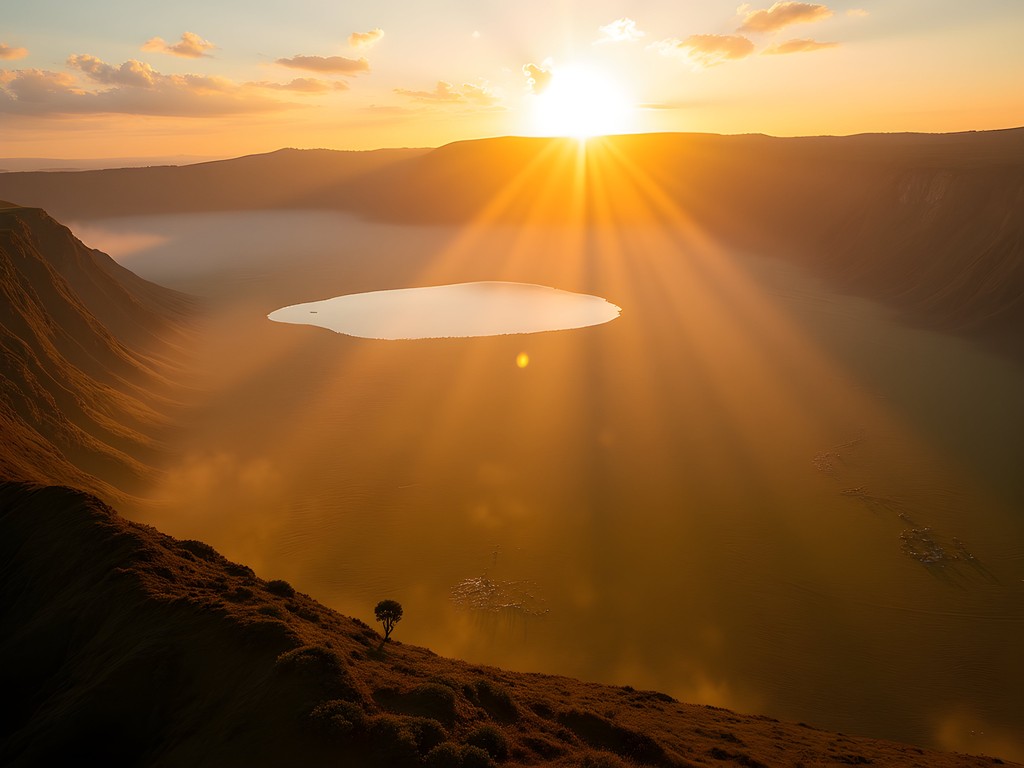
Descending into the crater at dawn, the landscape unfolded before us like a living diorama. The morning light illuminated the caldera walls, casting a golden glow across the grasslands below. Our guide, Joseph, a Maasai elder with encyclopedic knowledge of the ecosystem, explained how this enclosed world functions as a self-sustaining entity—not unlike the healing gardens I design, where each element serves multiple purposes in the overall system.
The crater floor revealed its treasures gradually: a pride of lions lounging in tall grass, massive tusked elephants traversing ancient pathways, and critically endangered black rhinos browsing in the distance. I was particularly fascinated by the alkaline Lake Magadi at the crater's center, where thousands of flamingos created undulating pink patterns against the blue water—nature's own therapeutic art installation.
What struck me most profoundly was the crater's perfect balance. Here was a landscape that had found equilibrium after catastrophic volcanic collapse, transforming destruction into a cradle of life—a powerful metaphor that resonated with my work creating healing spaces for those recovering from illness.
💡 Pro Tips
- Book a private safari vehicle for flexibility in your wildlife viewing schedule
- Request a guide with botanical knowledge if you're interested in the medicinal plants of the region
- Visit the crater floor early morning or late afternoon for optimal wildlife viewing and photography light
Serengeti Sanctuary: Where Land Meets Sky
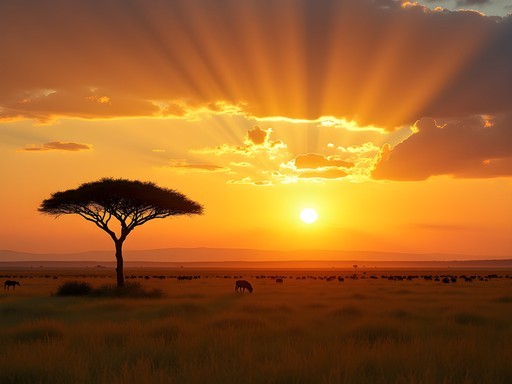
From Ngorongoro, we ventured northwest to the endless plains of the Serengeti, where I spent three transformative nights at Singita Sasakwa Lodge. The transition from the enclosed crater to the boundless savanna creates a psychological shift that's almost palpable—a release from containment to infinite possibility. This spatial transition is something I often incorporate into my therapeutic landscape designs, guiding people from intimate, protected spaces to expansive vistas that encourage mental liberation.
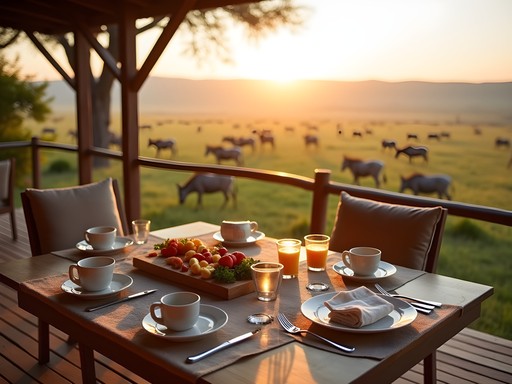
Sasakwa Lodge deserves special mention for its architectural brilliance. Set on a Tanzanian hill with commanding views, it marries colonial elegance with indigenous materials in a way that feels both timeless and authentic. Each morning, I awoke before sunrise, brewing coffee with the portable espresso maker I never travel without, and sat on my private veranda watching the landscape transition from star-studded darkness to painted dawn.
Our days followed the rhythms of the wildlife. We tracked a leopard as she hunted impala through acacia woodlands, witnessed the thunderous crossing of wildebeest at the Mara River, and spent a mesmerizing afternoon observing a cheetah teaching her cubs to stalk prey—nature's master class in patience and precision.
Beyond the expected game drives, I arranged a walking safari with an expert tracker who identified medicinal plants used by local tribes—knowledge that parallels many of the botanical remedies I've documented across cultures. The Maasai guide showed me how certain acacia species produce anti-inflammatory compounds similar to those in Western pharmaceuticals, reinforcing my belief in the universal language of healing plants.

💡 Pro Tips
- Invest in quality binoculars for detailed wildlife observation
- Request a private sundowner experience away from other guests for authentic connection with the landscape
- Learn a few Swahili phrases to connect more deeply with local staff and guides
Transition: From East to Southern Africa
The journey from Tanzania to Botswana offered a day of reflection at Johannesburg's Saxon Hotel—a necessary pause between these two distinct safari experiences. I've learned through years of designing therapeutic spaces that transitions are crucial; they allow the mind to process experiences before embracing new ones.
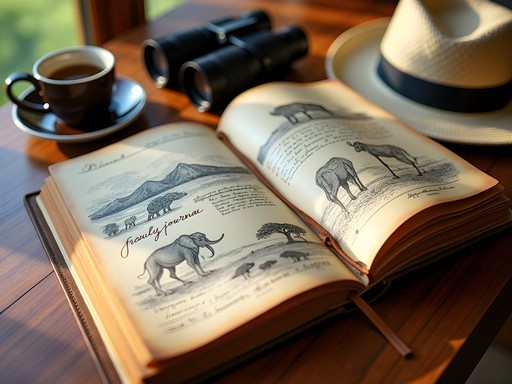
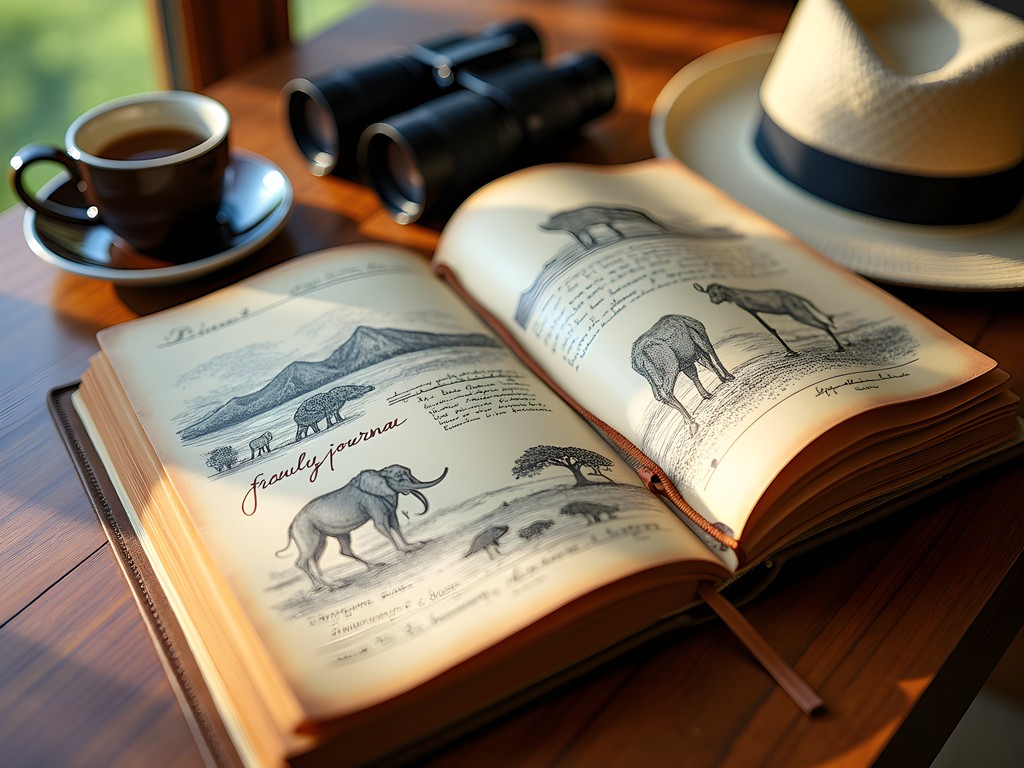
During this interlude, I reviewed my field sketches and notes, a practice I've maintained throughout my career. My travel journal has become an essential tool for documenting not just what I see, but how spaces make me feel—information that later informs my landscape designs. I've found that sketching a location, rather than merely photographing it, creates a deeper connection with place.
This transitional day also allowed me to prepare mentally for the shift from the predominantly terrestrial ecosystems of Tanzania to the water-dominated landscapes of the Okavango. Each environment engages our senses differently, activating various healing responses. The savanna's expansive horizons promote perspective and clarity, while water landscapes often induce contemplation and calm—complementary therapeutic effects I wanted to experience sequentially.
💡 Pro Tips
- Schedule at least one transition day between major destinations to process experiences
- Maintain a travel journal with both written observations and sketches to deepen your connection with places
- Use transition days to research the ecological differences of your next destination

Okavango Delta: The Living Waters
Arriving at Botswana's Okavango Delta feels like entering another world entirely—one where water, not earth, dictates the rhythm of life. This massive inland delta, fed by waters that journey more than 1,000 miles from Angola's highlands, creates a verdant paradise in the midst of the Kalahari Desert—a perfect example of nature's ingenious water management that puts human irrigation systems to shame.
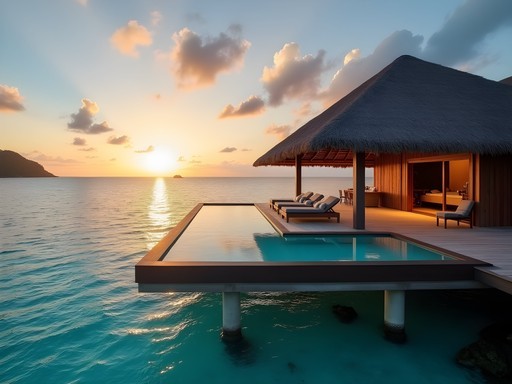
Our home for four nights was Jao Camp, an architectural marvel suspended between earth and sky on elevated platforms among massive fig trees. The design brilliantly interprets the delta's essence through sustainable materials and forms that echo rippling water. My suite featured a private plunge pool overlooking a floodplain where red lechwe antelope waded through crystal waters, creating concentric patterns that any landscape architect would envy.
Exploring the delta requires multiple perspectives. By mokoro (traditional dugout canoe), we glided silently through papyrus channels, the water so clear I could study the complex root systems below—nature's blueprint for filtration and stability. From above, a helicopter flight revealed the delta's true magnificence: a massive green hand with watery fingers stretched across the desert, creating islands of concentrated life.
What fascinated me most was the delta's seasonal breathing—expanding and contracting with annual floods, creating a dynamic landscape that forces all inhabitants to adapt. This natural rhythm mirrors the healing cycles I incorporate into therapeutic gardens, where seasonal changes prompt different interactions and emotional responses.
For wildlife viewing, I recommend investing in a quality waterproof camera that can handle the transition from dusty game drives to water activities. The delta's unique environment means you'll be photographing kingfishers diving alongside hippos one moment, then tracking lions through palm islands the next.

💡 Pro Tips
- Experience the delta from multiple perspectives: mokoro canoe, motorboat, helicopter, and on foot
- Pack quick-dry clothing that offers sun protection for water activities
- Request a specialist bird guide if you're interested in the delta's extraordinary avian diversity
The Therapeutic Design of Luxury Safari Lodges
As a landscape architect specializing in healing environments, I was particularly attentive to how these luxury safari properties incorporate wellness principles into their design. The best lodges don't merely offer spectacular views—they create multisensory experiences that facilitate connection with nature's healing elements.
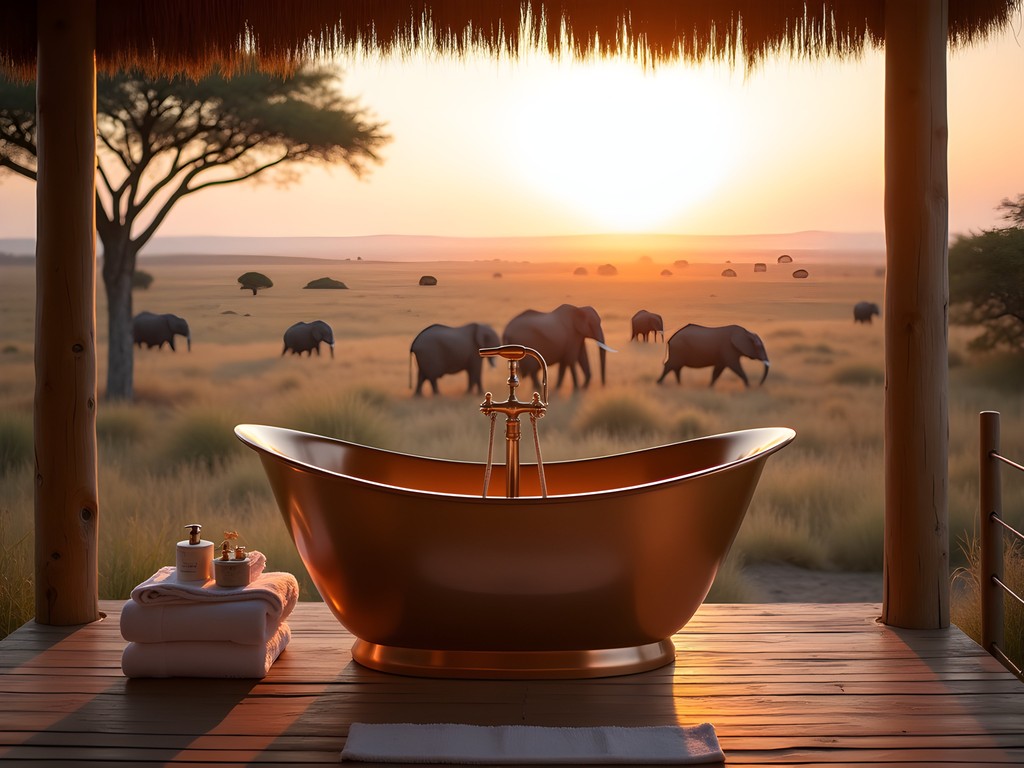
At Singita Sasakwa, I noted how the positioning of outdoor seating areas frames specific landscape views, directing attention to calming focal points like distant acacia trees or water holes that attract gentle herbivores. These thoughtfully composed vignettes employ the same principles I use when designing hospital healing gardens—creating visual anchors that allow stressed minds to rest and recover.
Jao Camp in the Okavango takes a different approach, emphasizing immersion over observation. The architecture literally elevates guests into the tree canopy, where the gentle sway of branches and dappled light patterns create what neuroscientists call 'soft fascination'—a state where attention is held effortlessly, allowing mental restoration.
Beyond visual design, these properties masterfully incorporate therapeutic soundscapes. At Ngorongoro Crater Lodge, the absence of motorized sounds and the gentle murmur of distant wildlife creates an acoustic environment that measurably reduces cortisol levels. Similarly, the water-dominated soundscape of the Okavango—with its chorus of frogs, bird calls, and gentle water movement—produces alpha brain waves associated with meditative states.
For travelers interested in maximizing the wellness benefits of safari, I recommend packing a meditation cushion for morning mindfulness sessions overlooking these spectacular landscapes. The combination of natural beauty and comfortable seating creates perfect conditions for contemplative practice—something I incorporated into my daily routine throughout the journey.
💡 Pro Tips
- Request rooms positioned for optimal sunrise or sunset views
- Spend time in different areas of the lodge property at various times of day to experience changing light and wildlife activity
- Ask staff about the architectural inspiration behind the lodge design—many incorporate fascinating cultural and environmental references
Final Thoughts
This journey from Ngorongoro to the Okavango represents more than a luxury safari—it's an immersion in two of Earth's most perfectly designed healing landscapes. These environments demonstrate principles I've spent a lifetime studying: the power of transitional spaces, the psychological impact of prospect and refuge, and the restorative quality of water in landscape. For couples seeking reconnection with each other and the natural world, this safari circuit offers profound opportunities for shared wonder. As we face increasing environmental challenges globally, these pristine ecosystems remind us of what's at stake—and why creating and preserving therapeutic landscapes matters not just for human wellbeing, but for the planet's health. I return to my London garden design studio carrying not just memories, but renewed purpose in my work creating spaces that heal both people and the earth we share.
✨ Key Takeaways
- The Tanzania-Botswana safari circuit offers complementary ecosystem experiences that engage different healing responses
- Luxury lodges in these regions incorporate sophisticated biophilic design principles that enhance wellness
- Transitioning between different landscape types (enclosed crater, open savanna, water delta) creates a more profound safari experience
- These pristine ecosystems offer powerful models for therapeutic landscape design worldwide
📋 Practical Information
Best Time to Visit
June to September (dry season with optimal wildlife viewing)
Budget Estimate
$20,000-$30,000 per person for ultra-luxury experience
Recommended Duration
12-14 days minimum
Difficulty Level
Easy (With Proper Planning And Accommodation Choices)

Comments
Sage Dixon
Taylor, this really captures the spiritual aspect of these places that people don't always talk about. I remember standing at the rim of Ngorongoro at sunrise and just feeling completely overwhelmed - in the best way. The Serengeti migration was chaos and beauty all at once, but the Okavango had this quiet, ancient energy that's hard to put into words. One tip for anyone planning this: the flight from Arusha to Maun is long with connections, so break it up if you can. We stopped in Johannesburg for two nights and it made the transition so much smoother. Also, the cultural experiences with Maasai communities near Ngorongoro were highlights we didn't expect.
dreamlife
Thanks for the tip about breaking up the flight! Didn't even think about that
happywalker
Your photos are stunning!
dreamlife
This looks absolutely incredible!! What time of year did you go? Planning our honeymoon and torn between Tanzania and Botswana but maybe we should just do both like you did!
happywalker
Do both if you can! Worth it
Sage Dixon
I did a similar route last year and honestly, combining them is the move. The dry season (June-October) is prime for both. Ngorongoro is mind-blowing any time, but the Okavango water levels are highest around June-August which makes the mokoro rides spectacular. If you're doing a honeymoon, splurge on at least one night at a luxury camp in the Delta - we stayed at a tented camp and waking up to hippos outside was unforgettable. Also budget more time than you think - we rushed it and wished we had an extra 3-4 days.
adventurephotographer9625
Great write-up! For anyone planning this trip, bring way more memory cards than you think you need. I shot over 3000 photos in 10 days between both locations. The golden hour light in the Okavango is absolutely magical for photography. Also my camera bag was perfect for the bush planes and dusty game drives.
Sage Dixon
I've been chasing the perfect safari experience for years, and this post really captures what makes East and Southern Africa so special. The transition you describe between Tanzania's dramatic crater landscapes and Botswana's water wilderness - that's the journey right there. One thing I'd add: spend at least one night stargazing in the Serengeti. The sky there changed my perspective on everything. No light pollution, just you and the universe having a conversation.
springclimber
What's the best time of year for this itinerary?
redace
Never been to Africa before but this is making me seriously consider it! Is this the kind of trip you need to book through a tour company or can you do it independently? I'm a bit intimidated by the logistics tbh.
adventurephotographer9625
For luxury safari camps like Taylor describes, you'll want a tour operator. The lodges handle transfers and guides. DIY is possible but way more complicated for first-timers. Worth the splurge IMO.
Megan Martin
Taylor, this is beautifully written. I did a similar route last year and completely agree about the 'healing energy' you describe. The Okavango Delta especially felt transformative. One tip for readers: book your Okavango mokoro trips in advance during peak season (June-August). We had to wait two days for availability because we didn't plan ahead. Also, the flight between countries is spectacular - try to get a window seat!
springclimber
Good to know about booking ahead! Did you fly direct between Tanzania and Botswana?
Megan Martin
We connected through Johannesburg. Added a day but gave us time to decompress between the two experiences.
photostar9740
Ngorongoro Crater is unreal. Best wildlife viewing I've ever experienced.
escapeseeker
This looks incredible!! How many days would you recommend for this whole trip? I've got maybe 2 weeks max and wondering if that's enough to do both countries justice or if I should just pick one?
Sage Dixon
Two weeks is tight but doable! I'd say minimum 4 days Tanzania (Ngorongoro + Serengeti) and 4-5 days Botswana. You'll be moving fast but it's worth it to see both. The landscapes are so different, each one tells its own story.
escapeseeker
Thanks! That's super helpful
Venture X
Premium card with 2X miles, $300 travel credit, Priority Pass