

Disclosure: This article contains affiliate links. We may earn a commission from purchases at no extra cost to you, which helps our travel content.
In my two decades traversing the world's urban innovation corridors, I've developed a particular fondness for juxtaposing seemingly disparate destinations within a single journey. This contrast often yields the most profound insights into how different societies approach modernization while honoring cultural heritage. My recent two-week expedition connecting Morocco's ancient imperial city of Fez with Bangladesh's wild Khulna region exemplifies this philosophy perfectly. While neither destination ranks among the typical smart-city circuits I frequent, both regions are implementing fascinating technological solutions to preserve their most precious assets—Fez's unparalleled cultural heritage and Khulna's extraordinary biodiversity. What follows is my account of an ultra-luxury itinerary that balances timeless traditions with forward-thinking conservation efforts, all wrapped in the kind of refined comfort that makes complex travel not just manageable, but genuinely transformative.

The Ancient-Modern Paradox of Fez
Arriving in Fez feels like stepping through a temporal gateway—one moment you're in the sleek, air-conditioned efficiency of Fès–Saïs Airport, and the next you're navigating the world's largest car-free urban area, a 1,200-year-old labyrinth that defies both GPS and conventional urban planning logic. This juxtaposition is precisely what makes Fez so intellectually stimulating.
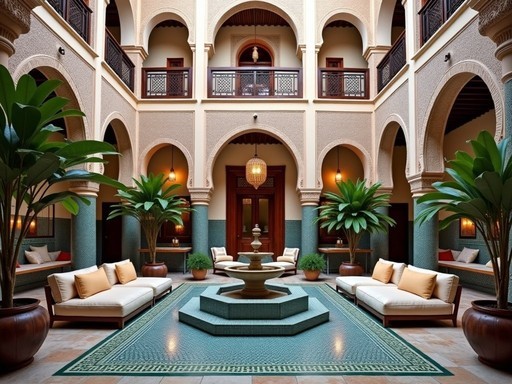
I arranged my stay through Dar Bensouda, a meticulously restored 17th-century palace turned luxury riad in the heart of the medina. What distinguishes this property isn't just its architectural splendor but the subtle integration of modern conveniences without compromising historical integrity. High-speed fiber internet and discreet climate control systems coexist with centuries-old zellige tilework and hand-carved cedar ceilings. For the ultra-luxury traveler, I recommend booking the entire riad for exclusive use—a service they offer that transforms the experience from merely staying in a hotel to inhabiting a piece of living history.
My exploration of Fez was facilitated by Abdel, a guide with both deep historical knowledge and a master's degree in sustainable urban development. Rather than the standard tourist circuit, Abdel curated experiences that revealed Fez's ongoing dialogue between preservation and innovation. We visited the leather tanneries at dawn (the only time the olfactory experience is remotely manageable) where I observed how traditional artisans are now using eco-friendly dye alternatives developed in local laboratories while maintaining centuries-old techniques.
The highlight was gaining after-hours access to the Al-Qarawiyyin Library, founded in 859 CE and considered the world's oldest continuously operating library. Here, I witnessed firsthand how ancient manuscripts are being digitized using cutting-edge imaging technology developed specifically for these delicate texts. The preservation director showed me their custom-built digital archiving system setup, which captures details invisible to the naked eye while minimizing light exposure to the fragile documents.
Each evening, I returned to my riad's rooftop terrace for a private dinner prepared by Chef Najat, whose modernist interpretations of traditional Fassi cuisine represent another form of cultural preservation through thoughtful innovation.

💡 Pro Tips
- Book a professional guide at least two months in advance for access to restricted areas like restoration workshops and private collections
- Request a custom cellular plan from your concierge—Fez's medina has surprising 5G coverage in specific areas but standard roaming plans often fail to connect properly
- Mornings (6-9am) offer the best photography light and significantly fewer tourists in key locations
Culinary Diplomacy: The Private Tables of Fez
Understanding a city through its gastronomy has always been my preferred method of cultural immersion, and Fez offers extraordinary opportunities for the culinary-minded traveler willing to venture beyond standard offerings. Through connections established by my hotel's concierge, I secured a series of dining experiences that few visitors ever access.
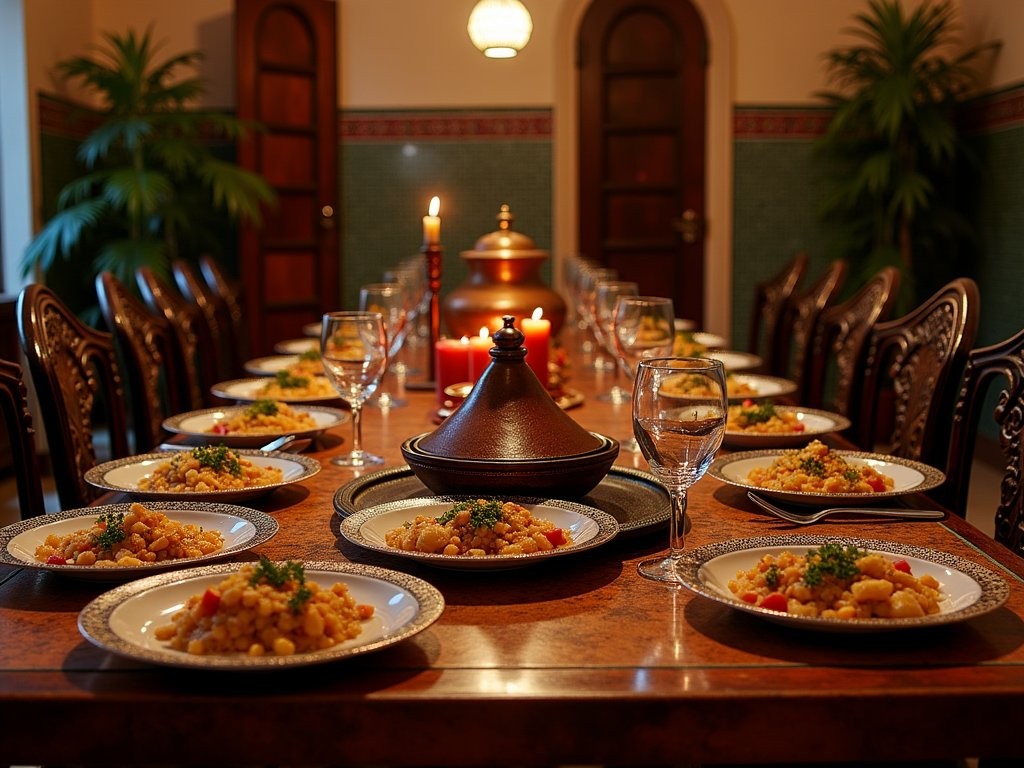
My gastronomic exploration began with a private cooking workshop with Chef Tara Pearson, an American expatriate who has spent the last fifteen years documenting the disappearing culinary traditions of Morocco's Jewish community. In her restored heritage home near Bab Boujloud, we prepared dishes that represent the fascinating intersection of Sephardic Jewish traditions with Moroccan flavors—slow-cooked eggs with preserved lemons (dafina), honey-spiced couscous, and pastries scented with orange blossom water and cinnamon. What made this experience exceptional was Tara's integration of historical context with hands-on preparation, all while using both traditional clay tagines and modern precision equipment.
For the serious culinary enthusiast, I recommend investing in a proper Moroccan tagine upon returning home. The difference between dishes prepared in these purpose-built clay vessels versus standard cookware is remarkable, particularly for slow-cooked meat dishes where the conical design creates a continuous basting effect.
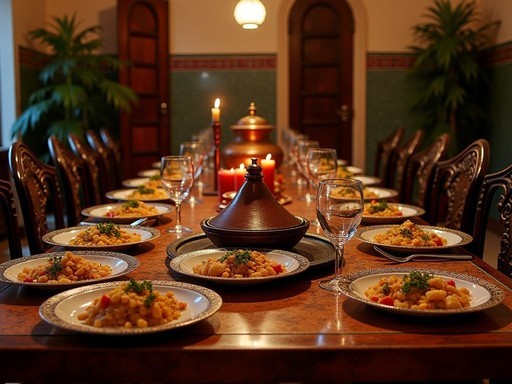
The pinnacle of my culinary experiences came through an invitation to dine with the Alaoui family, descendants of merchants who have occupied the same riad near the Attarine Madrasa since the 18th century. This wasn't a commercial experience but rather an example of Moroccan hospitality at its most refined. The family's private chef prepared a 12-course feast featuring dishes rarely served in restaurants: pastilla with squab instead of chicken, a lamb shoulder that had been marinated for three days before slow-roasting, and hand-rolled couscous so fine it resembled caviar.
What struck me throughout these culinary encounters was how digital technology is being employed to preserve traditional techniques. Several master chefs I met are participating in a Moroccan government-sponsored program to create detailed digital archives of traditional recipes and techniques, complete with 4K video documentation and standardized measurements—transforming oral traditions into permanent records for future generations.
💡 Pro Tips
- Request your concierge arrange private dining experiences at least three weeks before arrival
- When participating in cooking workshops, inquire about ingredient sourcing—many traditional Moroccan ingredients have fascinating supply chains that reveal much about the local economy
- The most authentic dining experiences often occur between 9-11pm, following local customs rather than tourist-oriented earlier seatings
The Technological Bridge to Khulna
The transition from Morocco to Bangladesh represents one of those logistical challenges that separates casual travelers from the truly committed. With no direct flights connecting these regions, I engineered a 36-hour transition via Doha that I transformed into a feature rather than an inconvenience. Qatar Airways' Q-Suite business class provided the ideal environment to reset between these disparate destinations—the privacy and flat-bed configuration allowed me to arrive in Bangladesh well-rested despite the 12-hour time difference.
While planning this segment, I discovered an unexpected technological convergence between these seemingly unrelated destinations. Both Morocco and Bangladesh are participating in the UNESCO Cross-Cultural Digital Heritage Preservation Initiative, a fact I learned during a fascinating layover meeting with Dr. Aminah Rahman, a Bangladeshi digital conservation specialist who happened to be returning from a conference in Rabat.
During our conversation in the Al Mourjan Business Lounge, Dr. Rahman shared insights about how Bangladesh is applying similar digitization technologies to those I'd witnessed in Fez—but focused on natural heritage rather than architectural treasures. This conversation proved invaluable for contextualizing what I would soon experience in Khulna.
For travelers attempting similar complex itineraries, I've found that a reliable global hotspot is essential. While most luxury accommodations offer adequate connectivity, the transition periods between destinations often create digital dark zones precisely when you need information most. Having consistent internet access allows for real-time adjustments when inevitable complications arise.
Upon landing at Dhaka's Hazrat Shahjalal International Airport, I was met by representatives from Bengal Tours who expedited my transfer to the domestic terminal for the short flight to Jessore, the gateway to the Khulna region. This seamless handling of the often-chaotic arrival process justified the premium service fee several times over.
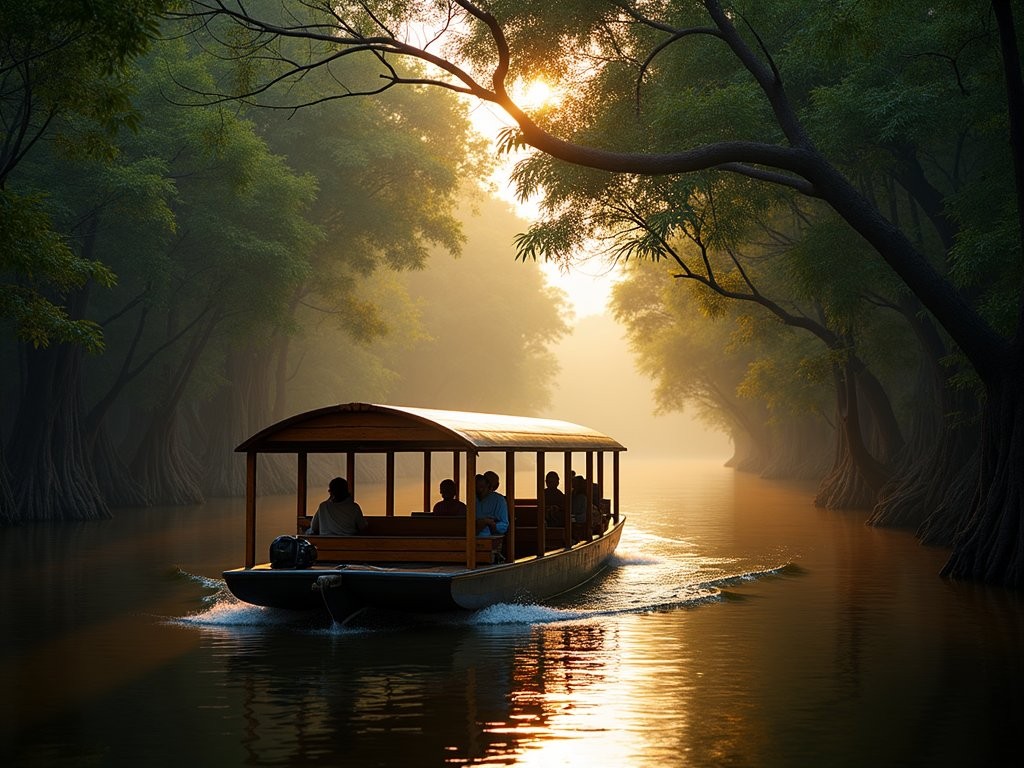
The final leg of the journey involved a three-hour drive from Jessore to the edges of the Sundarbans, during which my guide Farooq provided an excellent primer on the complex ecological challenges facing the world's largest mangrove forest. What became immediately clear was how the Sundarbans represents both Bangladesh's most precious natural asset and its most vulnerable ecosystem—a parallel to Fez's medina that I found intellectually compelling.
💡 Pro Tips
- Schedule at least 36 hours for the Morocco-Bangladesh transition to accommodate potential delays and time zone adjustment
- When booking complex multi-leg journeys, work with a travel specialist who has specific experience with both destinations rather than a general luxury travel agency
- Request your Bangladesh guide meet you inside the airport at Dhaka rather than outside—the nominal additional fee saves significant time navigating initial arrival procedures

Luxury in the Wild: The Sundarbans Experience
The concept of luxury takes on a different dimension when you're venturing into one of the planet's most unique ecosystems. In the Sundarbans, true luxury isn't defined by thread counts or champagne selections (though my accommodations excelled in both), but rather by exclusivity of access and quality of expertise.
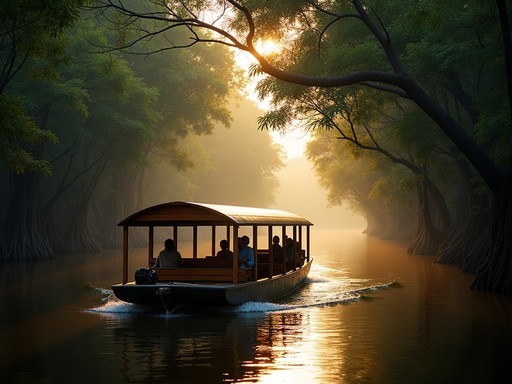
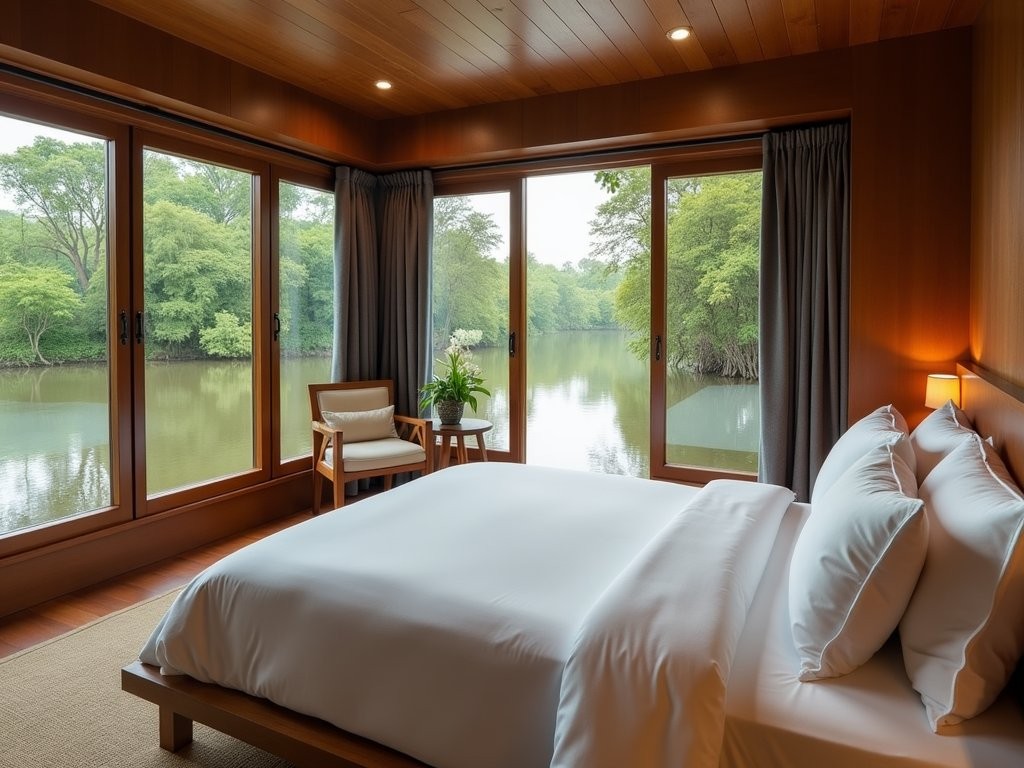
My home base for exploring this UNESCO World Heritage site was the Sundarbans Luxury Floating Lodge, a recently launched private vessel that combines traditional Bengali boat-building techniques with contemporary sustainable design principles. With just four suites, the vessel provides an intimate experience that larger operations simply cannot match. My suite featured floor-to-ceiling windows that transformed into open-air balconies, allowing me to observe wildlife directly from my accommodations—an experience that reached its apex when I awoke one morning to find a family of smooth-coated otters playing along the shoreline directly outside my room.
The vessel's environmental credentials are impressive: solar panels provide 80% of electrical needs, water purification systems eliminate the need for plastic bottles, and the hull design minimizes wake to prevent shoreline erosion. This commitment to sustainability extends to their operations—they've developed a proprietary app that tracks wildlife sightings while monitoring environmental impact indicators, creating a continuously updated conservation database.
For wildlife observation, I alternated between guided excursions on smaller tender boats and treks along designated forest paths. My guide, Nasreen, holds a doctorate in Bengal tiger conservation and has developed a tracking methodology that significantly increases sighting probabilities without disturbing natural behaviors. Her expertise was evident when she detected subtle signs—fresh paw prints, marking patterns on trees, and behavioral changes in deer populations—that indicated tiger proximity.
The pinnacle of my Sundarbans experience came during a dawn excursion when we encountered a female Bengal tiger with two sub-adult cubs along a tidal channel. Rather than the fleeting glimpse that most visitors report, we were able to observe the family for nearly 40 minutes as they moved along the shoreline. Nasreen's decision to position our boat downwind and maintain complete silence created conditions where the tigers appeared undisturbed by our presence.
For serious wildlife photography in these challenging light conditions, I found my telephoto zoom lens indispensable. The variable focal length allowed me to capture both environmental context shots and detailed close-ups without changing equipment—critical when wildlife appearances are unpredictable and often brief.
Each evening concluded with a privately prepared dinner on the vessel's observation deck, featuring sustainable seafood harvested by local fishing communities and produce from partner organic farms. Chef Rahman's fusion approach honors Bengali culinary traditions while incorporating techniques that appeal to international palates—his hilsa fish preparation with green mango and mustard oil remains one of the most memorable meals of my travels.

💡 Pro Tips
- Book the floating lodge at least six months in advance—with only four suites, availability is extremely limited during prime wildlife viewing seasons
- Request the western-facing suite for optimal sunset viewing and afternoon wildlife activity
- Pack neutral-colored clothing (tans and olive greens) for wildlife excursions—bright colors and whites significantly reduce tiger sighting probabilities
Conservation Technology: The Unexpected Common Thread
What fascinated me most about connecting these disparate destinations was discovering the parallel technological approaches being applied to preservation challenges. Both Fez and the Sundarbans are employing cutting-edge technologies to monitor, protect, and sustainably manage their most valuable assets.
In Fez, I was granted rare access to the medina's Urban Conservation Control Center, where a sophisticated network of environmental sensors monitors structural integrity, humidity levels, and visitor impacts throughout the ancient city. The system employs machine learning algorithms to predict potential degradation before visible damage occurs—allowing for preventative conservation rather than reactive restoration. Similarly, in the Sundarbans, I visited the Tiger Monitoring Station where comparable technology tracks ecosystem health through water quality sensors, acoustic monitoring systems, and satellite imagery analysis.
What struck me was how both locations are developing bespoke technological solutions tailored to their specific preservation challenges rather than attempting to implement generic smart-city frameworks. This approach represents a more thoughtful integration of technology that honors the unique character of each place while addressing its particular vulnerabilities.
During my visit to the Sundarbans Wildlife Research Center, I met with Dr. Kamal Hossain who has pioneered the use of non-invasive monitoring techniques including environmental DNA sampling and thermal drone surveys to track tiger populations without direct intervention. His team has developed a custom wildlife monitoring system that can distinguish individual tigers through pattern recognition algorithms, creating the most accurate census of the endangered Bengal tiger population to date.
Similarly, in Fez, I observed how the Artisan Preservation Initiative is using digital documentation to record traditional craft techniques. Master artisans are equipped with specialized camera systems that capture their hand movements in three-dimensional detail, creating a digital archive of embodied knowledge that might otherwise be lost as older generations pass away.
Both destinations are also experimenting with visitor management technologies that balance access with conservation. The Sundarbans authority has implemented a dynamic permitting system that adjusts daily visitor quotas based on real-time environmental indicators and wildlife movement patterns. Fez is testing a similar approach with its most fragile historical sites, using predictive analytics to determine optimal visitor flows that minimize impact while maximizing meaningful engagement.
These technological parallels reveal a broader global trend: destinations with unique cultural or natural heritage are increasingly developing specialized preservation technologies that may prove more widely applicable. Rather than technology homogenizing travel experiences, as is often feared, these examples demonstrate how thoughtful technological implementation can actually enhance what makes destinations distinctive.

💡 Pro Tips
- Request access to conservation facilities at least two months in advance through official channels—these aren't typically open to visitors but exceptions are made for those with relevant professional backgrounds or serious academic interest
- Consider supporting conservation technology development through the World Heritage Innovation Fund, which matches private donations for technology projects at UNESCO sites
- Download the Sundarbans Tiger Tracker app before visiting—while it doesn't reveal real-time locations for wildlife protection reasons, it provides valuable insight into monitoring methods and conservation challenges
Final Thoughts
This journey connecting Fez and Khulna revealed far more than the surface contrasts between an ancient medina and a primeval mangrove forest. It illuminated how destinations with seemingly nothing in common are developing parallel approaches to their most pressing challenges—preserving what makes them exceptional while adapting to contemporary realities. The luxury dimension of this itinerary wasn't merely about comfort, but rather about accessing deeper layers of understanding that casual tourism cannot penetrate. As our world grows increasingly homogenized, these distinctive places—and the innovative preservation efforts sustaining them—become all the more precious. For the discerning traveler seeking both intellectual stimulation and sensory indulgence, this unconventional pairing offers rewards that far exceed the logistical complexities involved. Whether you're tracking tigers through misty mangrove channels or navigating the labyrinthine alleys of a medieval city, the ultimate luxury remains the same: experiencing something authentic, significant, and increasingly rare in our standardized world.
✨ Key Takeaways
- Ultra-luxury experiences in both destinations focus on exclusive access rather than merely opulent accommodations
- Both Fez and the Sundarbans are implementing specialized conservation technologies that enhance rather than diminish their distinctive character
- The logistical challenges of connecting these destinations can be transformed into features of the journey with proper planning and service providers
- Fall offers ideal conditions in both locations: comfortable temperatures in Fez and increased tiger sighting probabilities in the Sundarbans
📋 Practical Information
Best Time to Visit
October-November for optimal conditions in both destinations
Budget Estimate
$25,000-35,000 per person for a comprehensive two-week journey including private accommodations, exclusive guides, and business class connections
Recommended Duration
14 days (7 days in each destination with transition time)
Difficulty Level
Intermediate - Requires Complex Logistics But Physical Activities Are Customizable




Comments
Claire Hawkins
Dylan, I love how you've woven together the 'ancient-modern paradox' theme across both destinations. We spent three weeks in Fez two years ago and I'm still dreaming about those riads - the one we stayed at had the most incredible rooftop terrace where the kids would watch the sunset over the medina every evening. The sensory overload of the souks was actually perfect for our family because there was always something new to discover. Your point about 'culinary diplomacy' really resonated - we did a cooking class in a private home and it completely changed how we experienced the city. Now I'm adding Khulna to our list! Though I think we'll wait a few years before tackling the Sundarbans with the little ones.
escapemood
Did the Sundarbans last March and honestly it was one of the most incredible wildlife experiences I've had. We didn't see tigers (they're super elusive) but the whole ecosystem is just mind-blowing. The boat accommodations were way more comfortable than I expected too. Did you stay on a luxury vessel or at one of the lodges near Khulna? Also curious about the best time to go - we had some serious heat and humidity to deal with.
Claire Hawkins
Would you say it's doable with kids? My two are 7 and 10 and we're always looking for unique wildlife experiences but I worry about the boat situation and safety.
escapemood
Hmm, tough call. The boats are safe but it's long days and the heat can be brutal. Maybe wait til they're a bit older? We saw some families but the kids looked pretty wiped out.
Frank Garcia
Really interesting read. From a budget perspective, I'm curious about the cost differential between these destinations. I backpacked through Bangladesh in 2025 and found Khulna incredibly affordable (stayed in guesthouses for £8/night), but the luxury safari experiences seemed to target a completely different market segment. Meanwhile Fez riads range from budget to ultra-luxury. Did you find the juxtaposition worked financially or did you have to adjust your accommodation standards significantly between the two? I'm always analyzing how to make these multi-region trips work on a backpacker budget while still getting authentic experiences. The Sundarbans guidebook I used had some good mid-range options if anyone's interested.
wanderlover
Thanks for the guidebook rec! I'm definitely more budget traveler than luxury so this is helpful
moonexplorer
This combo is wild! How did you manage the logistics between Morocco and Bangladesh? That seems like a huge jump.
Dylan Turner
It's definitely not the most obvious route! I flew Fez → Casablanca → Doha → Dhaka, then overland to Khulna. The layover in Doha was actually a nice mental reset between the two very different experiences. Total travel time was about 24 hours but worth it for the contrast.
moonexplorer
Thanks! That's helpful. Might try something similar next year.
greenhero4605
THIS IS EXACTLY THE KIND OF TRIP I WANT TO DO!! I'm so tired of the typical Europe routes everyone does. Morocco and Bangladesh together is just *chef's kiss*. Adding this to my 2027 bucket list immediately!
greenexplorer
What time of year did you do this? Trying to figure out the best weather for both places
redblogger
We stayed in a riad in Fez last spring and it was incredible. The one thing I'd add to your post is that the medina can be genuinely overwhelming - we got lost for like 2 hours on our first day even with Google Maps. Hiring a local guide for at least the first day is worth every dirham. Also the tanneries smell WAY worse than you expect lol but still worth seeing.
greenhero4605
Haha yes the tannery smell is no joke!! They give you mint leaves to hold under your nose for a reason
Bryce Diaz
Dylan, this post really resonates with me. I've been trying to articulate why I love pairing unexpected destinations and you nailed it with "juxtaposing disparate destinations." Last year I did Kyoto and Cairo back-to-back and the cultural whiplash was profound in the best way. Your section on culinary diplomacy in Fez reminded me of a private meal I had in a Damascus riad years ago - those intimate food experiences in ancient settings create memories that outlast any museum visit. How many days would you recommend for each destination for someone doing this itinerary?
Dylan Turner
Kyoto and Cairo - that's a brilliant pairing! I'd say minimum 4 days in Fez (3 for the medina, 1 for day trips) and 3-4 days for Khulna/Sundarbans. The Sundarbans really requires at least 2 nights on the boat to get deep enough into the mangroves.
oceanlegend
Is the Sundarbans safe?? I've heard mixed things about tiger encounters and I'm kind of nervous but really want to go
Bryce Diaz
I did a Sundarbans trip in 2024 and felt completely safe. You're always with experienced guides who know the tiger patterns. The real danger is more for honey collectors who go alone - tourists stick to designated areas. Just respect the forest and listen to your guides!
coolmood
Love this combo! Never would've thought of it
Venture X
Premium card with 2X miles, $300 travel credit, Priority Pass