
Disclosure: This article contains affiliate links. We may earn a commission from purchases at no extra cost to you, which helps our travel content.
The moment my plane descended toward Bandar Seri Begawan, the capital of Brunei, I was struck by the juxtaposition of verdant rainforests against gleaming golden domes. As an anesthesiologist with limited vacation time, I've become rather selective about my destinations. Brunei—a tiny, oil-rich sultanate on the island of Borneo—had long intrigued me with its reputation for opulence tempered by Islamic conservatism. What would luxury look like in a country where alcohol is prohibited yet wealth flows as abundantly as the oil beneath its soil? More importantly for my particular interests, how would the absence of conventional fermentation (given religious restrictions) impact the culinary landscape? With my medical conference in Singapore concluded, I seized the opportunity for this week-long detour into one of Southeast Asia's most enigmatic nations. What followed was an illuminating journey through a realm where traditional Malay culture meets petroleum-funded extravagance in the most fascinating ways.

The Empire Hotel: A Kingdom Unto Itself
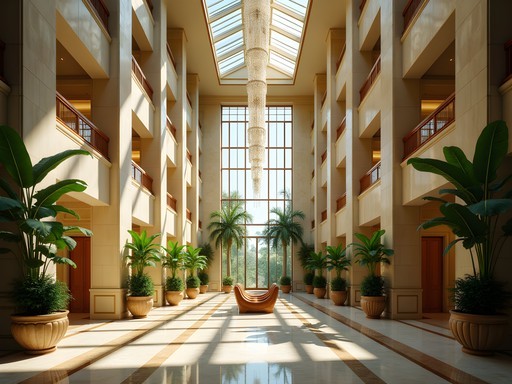
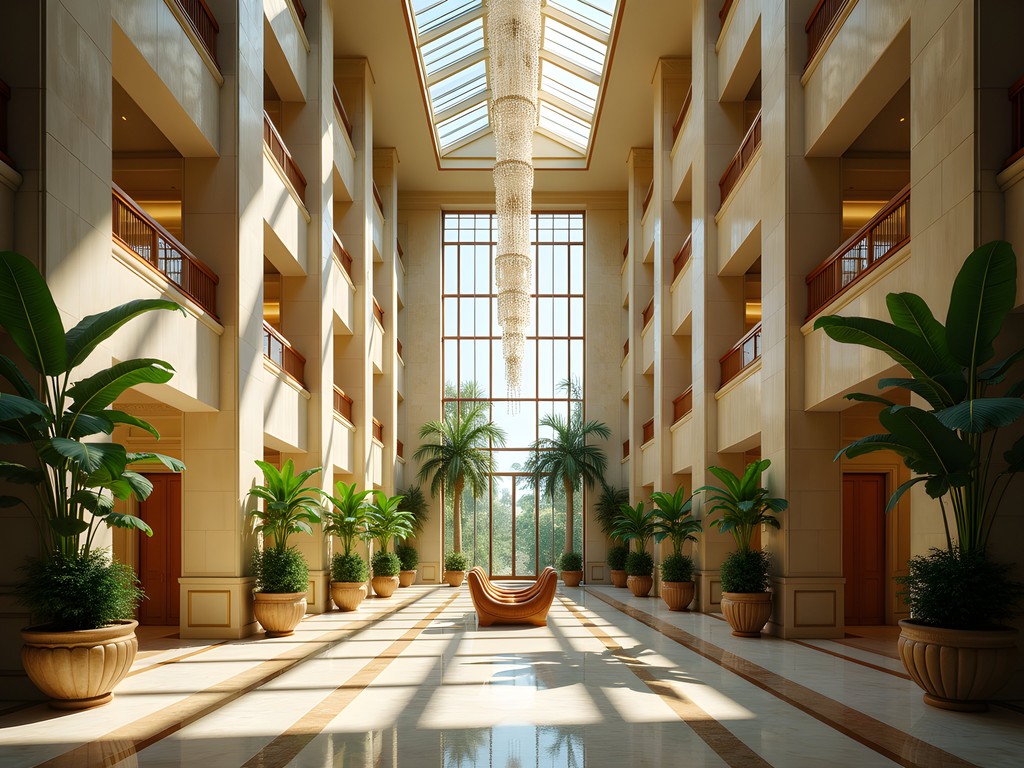
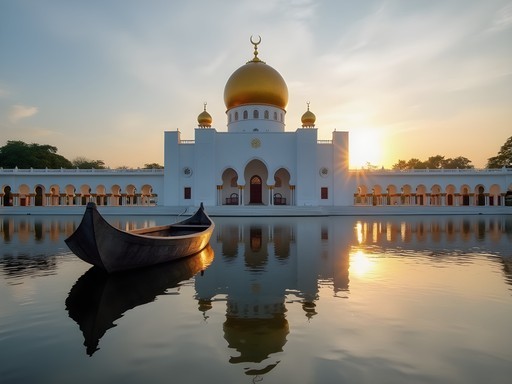
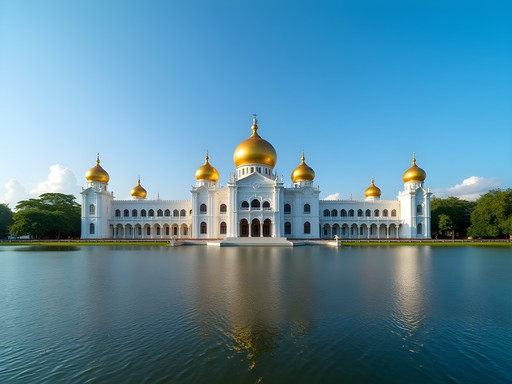
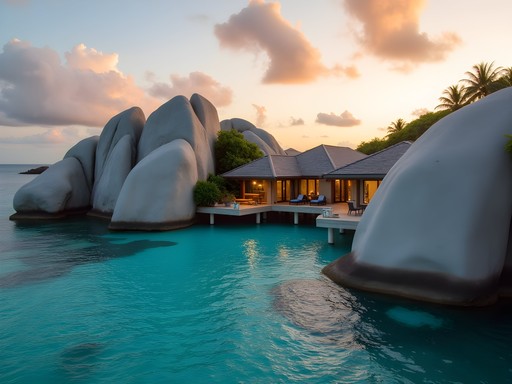
There's luxury, and then there's the Empire Hotel & Country Club—a property so lavish it borders on the surreal. Originally built as a royal palace, this 5-star accommodation sprawls across 180 hectares of oceanfront real estate and represents Brunei's interpretation of six-star hospitality.
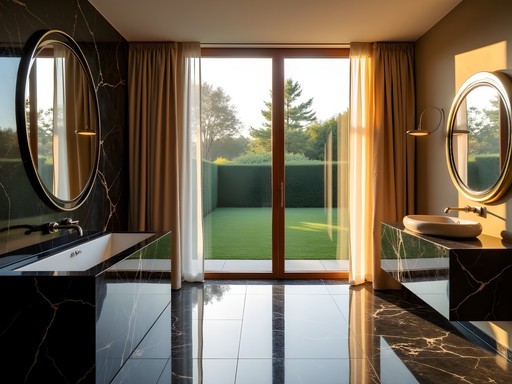
As I was escorted through the soaring atrium lobby, the 24-karat gold accents caught the tropical sunlight streaming through massive windows. My deluxe sea-view suite, priced at approximately $350 per night (a relative bargain compared to similar accommodations elsewhere in Asia), featured hand-carved furniture, marble bathrooms with Bvlgari amenities, and a private balcony overlooking the South China Sea.
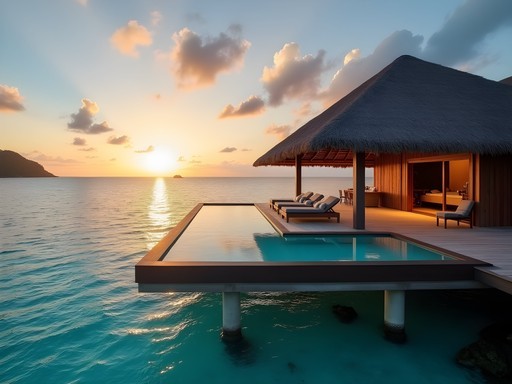
The analytical side of me couldn't help but calculate the sheer magnitude of resources invested in this property. The Olympic-sized pool contains Italian marble, the golf course was designed by Jack Nicklaus, and even the doorknobs appear to be gold-plated. While the Empire Hotel can feel almost comically opulent at times, it delivers flawlessly on service—the staff-to-guest ratio must be close to 1:1, with attendants materializing precisely when needed and disappearing just as discreetly.
I found myself particularly impressed with their pillow menu, which offered options based on sleep position and firmness preferences. After selecting a cervical support pillow, I slept more soundly than I had in months—a welcome respite for a physician accustomed to erratic call schedules. For capturing those Instagram-worthy lobby shots, I relied on my travel tripod, which was compact enough to fit in my daypack yet sturdy enough for the low-light conditions.
💡 Pro Tips
- Request a sea-view room in the Empire Hotel's main building rather than the annexes for the most impressive accommodations
- The hotel's private beach is immaculate but can be windy—mornings offer the calmest conditions for swimming
- Book spa treatments at least 48 hours in advance as the most skilled therapists are in high demand
Culinary Discoveries: Fermentation in an Alcohol-Free Kingdom
As someone who's documented fermentation techniques across continents, Brunei presented a fascinating paradox. In a strictly alcohol-free nation, how would traditional fermentation processes manifest in local cuisine? The answer lay in the brilliant adaptations of age-old techniques to comply with Islamic dietary laws.
At Kaizen Sushi, located within the Radisson Hotel, I observed how Chef Takashi has mastered halal-compliant fermentation for his fish preparations. Rather than using sake or mirin (as is traditional in Japan), he employs a complex blend of kombu, rice vinegar, and fruit enzymes to achieve umami profiles remarkably similar to conventional aging methods. The resulting otoro (fatty tuna) nigiri offered that same melt-in-your-mouth quality I've experienced in Tokyo's finest establishments.
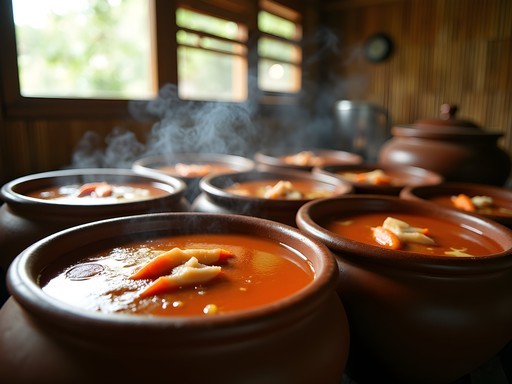
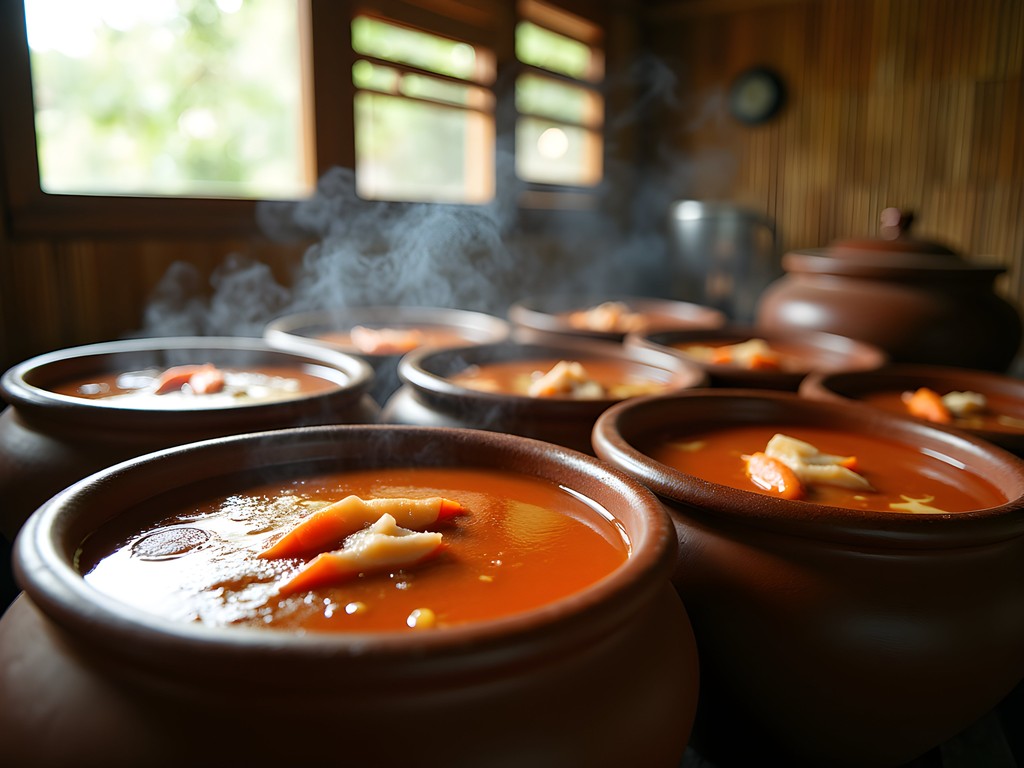
More revelatory was my discovery of budu, a traditional Malay fermented fish sauce produced in Brunei's coastal villages. At Aminah Arif Restaurant in Gadong, I sampled this intensely flavorful condiment alongside local ambuyat (a starchy staple made from sago palm). The fermentation process involves anchovy, salt, and tamarind in precise proportions, creating a complex flavor enhancer that rivals fish sauces I've documented throughout Southeast Asia.
Perhaps most surprising was my visit to a local producer of non-alcoholic kombucha. Using specialized SCOBY cultures that produce minimal alcohol, they've created a line of sparkling fermented beverages that maintain probiotic benefits while adhering to religious restrictions. I was so impressed that I purchased several bottles to analyze the microbial composition back home, carefully packing them in my travel wine protector to prevent breakage during the flight home.
💡 Pro Tips
- Visit Aminah Arif Restaurant early (before 7pm) to ensure they haven't run out of their house-made budu sauce
- When ordering ambuyat, request a demonstration of proper eating technique using the bamboo utensil called candas
- The best non-alcoholic kombucha can be found at Fuel'd Café in the Kiulap district, with rotating seasonal flavors
Royal Regalia Museum: Understanding Brunei's Monarchy
To comprehend Brunei's particular brand of luxury is to understand its monarchy—one of the world's longest continuous royal lines and among its wealthiest. The Royal Regalia Museum in downtown Bandar Seri Begawan offers precisely this education, housing an astonishing collection of gifts, artifacts, and ceremonial objects related to Sultan Hassanal Bolkiah's reign.
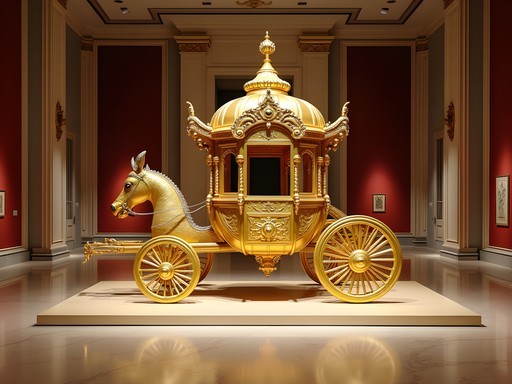
Upon entering, visitors must remove their shoes—an equalizing gesture before witnessing such concentrated opulence. The centerpiece is a replica of the throne used during the Sultan's coronation, surrounded by regalia that would make European monarchies appear austere by comparison. The gold-plated ceremonial chariot that carried the Sultan during his 1968 coronation dominates the central hall, its intricate craftsmanship suggesting countless hours of artisanal labor.
As a scientist, I found myself particularly drawn to the collection of diplomatic gifts from world leaders. These artifacts—ranging from intricate Chinese cloisonné to NASA space memorabilia—form a material timeline of international relations. The museum's meticulous climate control systems (maintaining precise temperature and humidity levels) reflect the scientific precision applied to preservation.
Most fascinating was the display of the Sultan's personal effects, including his collection of custom-made pens and writing instruments. As someone who appreciates precision instruments in my own profession, I could relate to the Sultan's apparent affinity for these tools. I documented the museum's incredible details using my compact camera, which performed admirably in the museum's carefully controlled lighting conditions.

💡 Pro Tips
- Visit the Royal Regalia Museum early on weekdays to avoid tour groups that arrive mid-morning
- Photography is permitted in most areas except for specific diplomatic gift sections—staff will clearly indicate restrictions
- Allow at least two hours to properly appreciate the collection, particularly the detailed ceremonial garments

Ulu Temburong: Luxury in the Pristine Rainforest
Perhaps the most authentic luxury Brunei offers isn't gold-plated or crystal-encrusted, but rather found in its remarkably preserved natural environments. Ulu Temburong National Park, often called the 'Green Jewel of Brunei,' represents a conservation triumph in a region otherwise plagued by deforestation.
My journey to this ecological sanctuary began with a speedboat from the water village of Bandar, followed by a longboat journey upriver. While Brunei offers helicopter transfers for the ultra-wealthy, I found the traditional approach more enriching from both scientific and experiential perspectives.
I stayed at the Ulu Ulu Resort, the park's sole accommodation option, where eco-luxury manifests as thoughtfully designed chalets built on stilts above the forest floor. The resort's commitment to sustainability is evident in everything from its solar power systems to the locally sourced cuisine. My riverside chalet featured floor-to-ceiling windows that transformed the rainforest into living wallpaper, with the gentle sounds of the Temburong River providing nature's soundtrack.
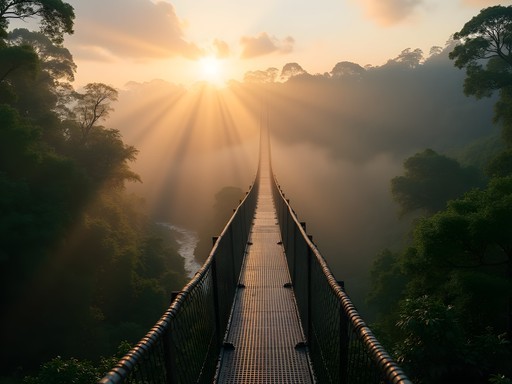
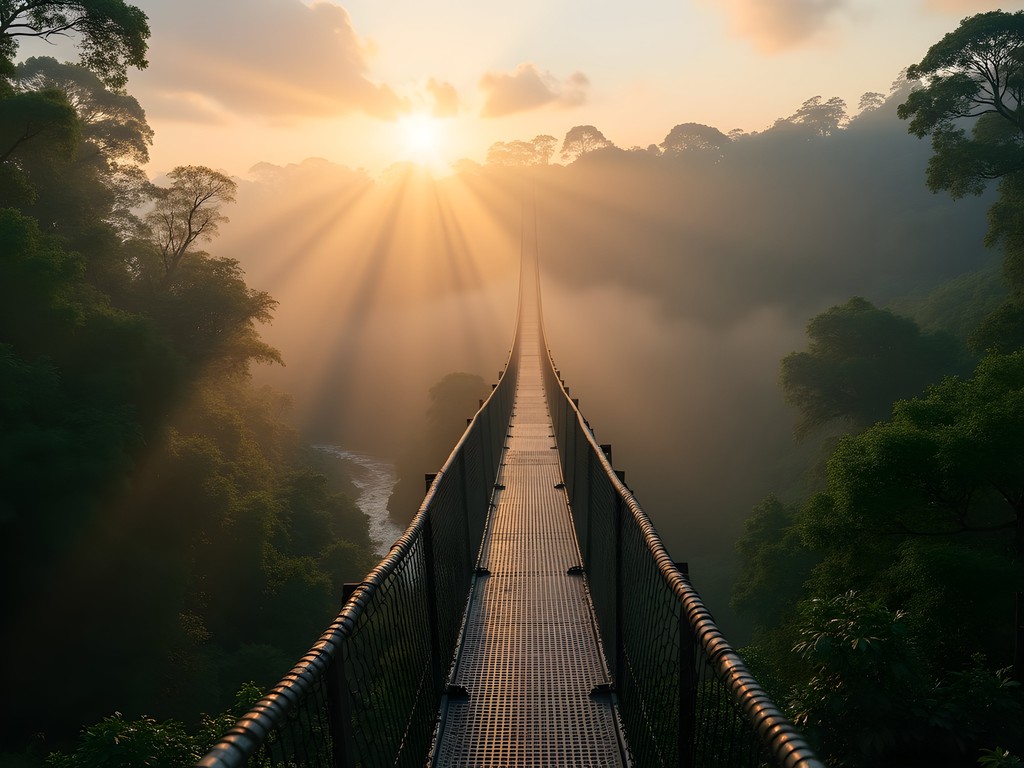
The highlight was undoubtedly the canopy walkway, accessed via a challenging climb up 1,226 steps (my fitness tracker registered this as equivalent to climbing a 42-story building). The reward—a steel walkway suspended 50 meters above the forest floor—offered unparalleled access to the rainforest canopy ecosystem. As dawn broke, I observed proboscis monkeys, hornbills, and countless other species from this privileged vantage point.
For the early morning canopy walk, my binoculars proved invaluable for spotting wildlife in the dense foliage. Their waterproof construction handled the morning humidity perfectly while providing exceptional clarity for identifying bird species.
From a scientific perspective, what makes Temburong remarkable is its intact ecological systems. Unlike many 'nature experiences' in Southeast Asia, this isn't a curated or rehabilitated environment but rather a pristine ecosystem functioning largely as it has for millennia.
💡 Pro Tips
- Pack quick-dry clothing and moisture-wicking fabrics as humidity in the rainforest approaches 100%
- Request the riverside chalet #7 at Ulu Ulu Resort for the best combination of privacy and views
- The canopy walkway is best experienced at dawn (5:30am departure) when wildlife is most active and temperatures are coolest
The Unexpected: Brunei's Hidden Mocktail Scene
As someone who documents speakeasy culture worldwide, I approached Brunei with tempered expectations. How could a nation with a complete alcohol prohibition possibly satisfy my interest in craft beverage culture? The answer materialized in an unexpected parallel universe of sophisticated mocktail establishments that rival their alcoholic counterparts in creativity and technique.
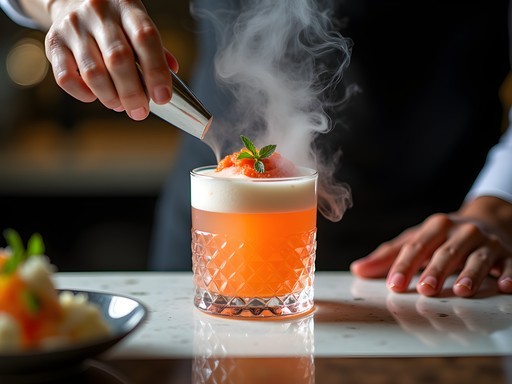
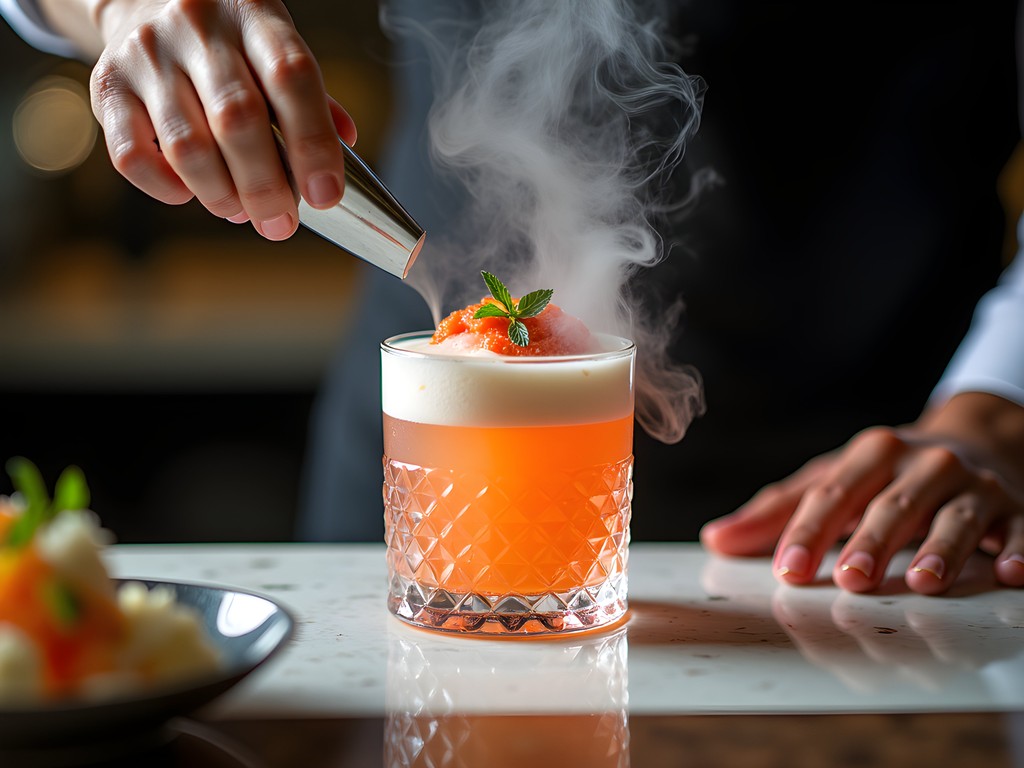
My exploration began at Piccolo Café, an unassuming establishment in the Kiulap district. Behind its conventional café façade lies a secret menu of complex, non-alcoholic concoctions that employ techniques borrowed from molecular gastronomy. The 'Smoked Pandan Sour'—featuring clarified pandan extract, house-made citrus shrub, and egg white foam topped with aromatic betel leaf smoke—demonstrated technical prowess that would impress bartenders anywhere.
More revelatory was my discovery of RBC (Roasted Bean Company), where I was introduced to their 'fermentation lab.' Here, they produce kombucha, kefir, and various fruit ferments that form the base of their signature drinks. Their 'Preserved Lemon Fizz' combined house-fermented preserved lemons with saffron syrup and cardamom foam—creating flavor complexities typically achieved through aged spirits.
Most impressive was an unmarked location near Jalan Residency that locals simply call 'The Lounge.' Accessed through what appears to be a standard coffee shop, this reservation-only establishment offers a tasting menu of non-alcoholic beverages paired with small plates. The scientific precision applied to their fermentation processes was evident in the consistent quality and complexity of flavors.
From a fermentation scientist's perspective, these establishments have innovated out of necessity, developing techniques to create complexity without alcohol. I documented these methods extensively in my journal, using my trusty fountain pen which has accompanied me through countless tasting notes across five continents.
💡 Pro Tips
- For access to The Lounge, make reservations through RBC's main café at least 48 hours in advance
- At Piccolo Café, request the 'experimental menu' which isn't offered to casual visitors
- Visit these establishments on weeknights when the bartenders have more time to explain their unique fermentation processes
Final Thoughts
Brunei defies easy categorization. It's a nation where extreme wealth coexists with genuine environmental conservation, where Islamic principles shape a unique luxury landscape, and where the absence of alcohol has sparked remarkable innovation in culinary fermentation. My week in the sultanate revealed that true luxury isn't always about gold-plated excess (though Brunei has that in abundance), but can also manifest as access to untouched rainforest, meticulously preserved cultural traditions, and the space to experience them thoughtfully. For couples seeking an unconventional luxury escape, Brunei offers a fascinating alternative to typical Southeast Asian destinations—one where the definition of indulgence extends beyond material opulence to encompass rare experiences and pristine environments. As I boarded my departure flight, I realized that understanding Brunei's particular brand of luxury had enriched my perspective on what constitutes true wealth—a lesson worth far more than the gold adorning the sultan's palace.
✨ Key Takeaways
- Brunei offers a unique form of luxury that balances Islamic conservatism with petroleum-funded opulence
- The prohibition on alcohol has fostered innovative non-alcoholic fermentation techniques worth exploring
- Natural experiences like Ulu Temburong provide a rare form of luxury through access to pristine environments
- The country's small size makes it ideal for an indulgent week-long escape with minimal travel between attractions
📋 Practical Information
Best Time to Visit
February to April (dry season with less humidity)
Budget Estimate
$5,000-$7,000 per couple for a week of ultra-luxury experiences
Recommended Duration
5-7 days
Difficulty Level
Easy

Comments
skyexplorer
Just got back from Brunei last month and your post captures it perfectly! The Royal Regalia Museum was a highlight for me too - those ceremonial crowns are incredible. One thing I'd add about Ulu Temburong - bring good hiking shoes! I learned the hard way that regular sneakers don't cut it on those rainforest trails, especially after rain. I ended up using my waterproof hiking boots the whole time and they were a lifesaver. Also loved the water village tour - did you get a chance to visit any of the homes there? The contrast between traditional stilt houses and seeing satellite dishes and modern amenities inside was fascinating!
starqueen
Thanks for the shoe tip! Adding that to my notes for when I eventually make it there. How many days would you recommend staying?
skyexplorer
I'd say 4-5 days is perfect. 2 days in the capital, 2 in Temburong if you can swing it. It's small but there's a lot to take in!
Hayden Butler
Pierre, your experience at The Empire Hotel brings back so many memories! I stayed there last year and it truly is a kingdom unto itself. That lobby with the 24-karat gold accents left me speechless. One tip for readers - book the lagoon-facing rooms if possible; waking up to that view is worth every penny. I also loved the Ulu Temburong experience, though I found hiring a private guide made it even more special. They took us to some secluded spots away from the typical canopy walk crowds. The night jungle walk was actually my favorite part - the sounds are incredible! Brunei really is the perfect blend of luxury and untouched nature.
skyexplorer
Did you find the alcohol-free policy limiting at all? I'm curious how that affects the luxury experience.
Hayden Butler
Honestly, I barely noticed it! The mocktail game there is next-level, and the food is so amazing you don't even think about it. Plus, it's a nice reset for the body!
starqueen
Those golden domes look absolutely stunning! Brunei has been on my bucket list forever!
Hayden Butler
They're even more impressive in person! The gold literally gleams in the sunlight. Worth the trip just for that sight alone.
starqueen
Ahh you're making me want to book a ticket right now! Did you find it expensive to visit?
globeninja
WOW this just jumped to the top of my list!! The rainforest experience looks absolutely incredible and I had NO idea Brunei was like this. The photos of the Empire Hotel are insane - that pool!! Adding this to my 2027 itinerary for sure. Thanks for sharing this Pierre, really opened my eyes to a destination I knew nothing about!
journeypro
This would be my first time in Southeast Asia! How many days would you recommend for Brunei? The Ulu Temburong rainforest section has me SO excited but I'm a total newbie to this kind of travel. Do I need special gear for the canopy walk?
Nicole Russell
Not Pierre, but I'd say 3-4 days is perfect for Brunei! It's small but packed with experiences. For canopy walks, just bring good walking shoes and maybe a rain jacket. The humidity is real!
journeypro
Thank you!! Super helpful
Nicole Russell
Pierre, this is SUCH a refreshing take on Brunei! I feel like it gets overlooked so much in Southeast Asia travel content. The fermentation angle is fascinating - I never thought about how an alcohol-free culture would approach culinary fermentation differently. Did you get to try any traditional fermented dishes? Also, as a solo female traveler, how did you find the overall vibe in Bandar Seri Begawan? I'm planning a 6-week SEA trip and considering adding Brunei to my itinerary now!
journeypro
Would love to know this too! Is it easy to get around as a tourist?
moonchamp
been there twice. underrated destination for sure
adventuremood
The Empire Hotel looks insane! Added to my bucket list.
Nicole Russell
Right?? I've been researching Brunei ever since I saw those golden domes. Pierre, did you stay at the Empire? Would love to know if it's worth the splurge!
adventuremood
Same question! Looking at prices now and wondering if I should just go for it
backpackseeker
This looks incredible but is it backpacker friendly at all? Or mostly just luxury travel? I'm doing SE Asia next year on a budget and wondering if I should include Brunei or skip it.
moonchamp
honestly skip it for backpacking. expensive and not much budget infrastructure
Pierre Watkins
I'd say you could do it on a moderate budget - there are some decent guesthouses in BSB. But moonchamp is right that it's not as backpacker-friendly as neighboring Malaysia. Maybe do 2-3 days max.
Amit Sullivan
Excellent piece, Pierre. I visited Brunei three years ago and was similarly captivated by the fermentation culture you mentioned. The ambuyat (sago starch) is definitely an acquired taste, but watching the traditional preparation was fascinating. I spent time with a local family in Kampong Ayer - the water village - and they shared their tempoyak (fermented durian) with me. Absolutely pungent but delicious! For anyone interested in the cultural aspects, I'd recommend arranging a homestay experience. It gives you insights into daily life that you simply can't get from hotels, even luxury ones.
Venture X
Premium card with 2X miles, $300 travel credit, Priority Pass