

Disclosure: This article contains affiliate links. We may earn a commission from purchases at no extra cost to you, which helps our travel content.
There's something rather magical about cities that straddle the line between well-known and undiscovered. Wrocław and Strasbourg occupy this delightful middle ground—prominent enough to warrant excellent infrastructure, yet still harbouring countless secrets that reward the curious traveller. Having spent considerable time in both cities during diplomatic assignments, I've cultivated relationships with locals who've generously shared their cities' hidden treasures. This spring, I returned for a week split between these two architectural marvels, determined to experience them as a local rather than a diplomat. The resulting journey was a masterclass in European charm, where medieval history meets contemporary culture in the most enchanting ways. Join me as I reveal the insider knowledge that transformed my experience from typical tourism to authentic immersion.

Wrocław's Hidden Courtyards: A City Within a City
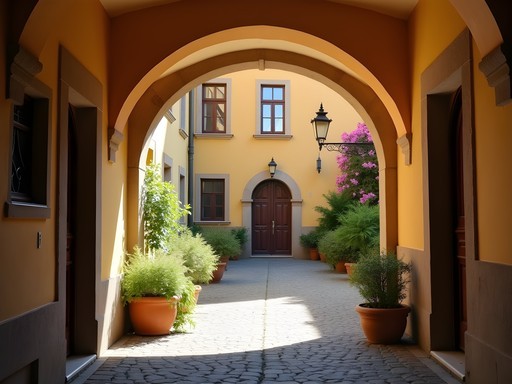
Wrocław's Old Town presents an immaculate façade of colourful Renaissance buildings that would impress even the most seasoned European traveller. However, the real magic begins when you venture beyond these picture-perfect exteriors. Throughout my diplomatic postings, I developed a peculiar habit of peeking through any unassuming doorway left ajar—a habit that has served me extraordinarily well in Wrocław.
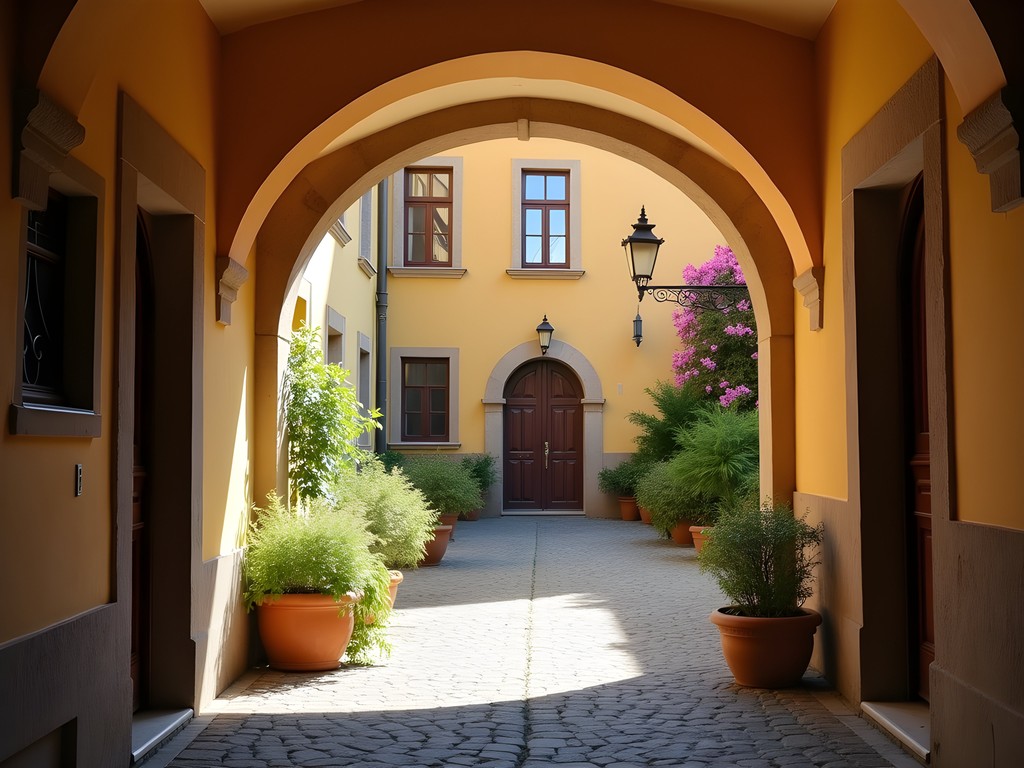
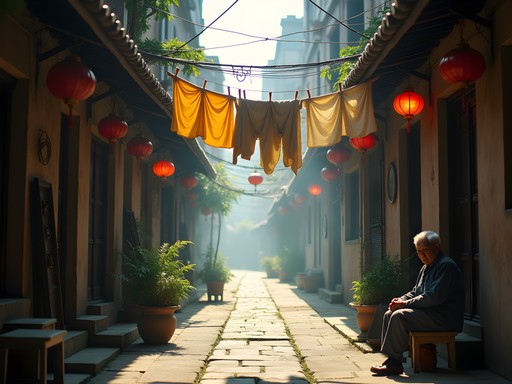
The city's network of hidden courtyards forms an almost secret parallel universe behind the main thoroughfares. During my spring visit, I spent an entire afternoon exploring these enclosed spaces, many of which house charming cafés, artisan workshops, and tiny galleries that even some locals haven't discovered.
My favourite remains a small courtyard off Stare Jatki, where an elderly gentleman has maintained a traditional amber workshop for over forty years. Unlike the polished amber shops targeting tourists, here you can watch him work while he explains the Baltic amber trade in charmingly broken English. I purchased a simple pendant for my mother that cost half what similar pieces fetch on the main square, but the real value was in the connection formed through his stories of Wrocław's changing fortunes.
During my explorations, I relied heavily on my travel journal to document these hidden locations. There's something about physically writing down directions and impressions that commits them to memory far better than digital notes ever could. The leather-bound journal has accompanied me through twenty-three countries and counting, gradually transforming into a personal atlas of secret places.
💡 Pro Tips
- Always carry small change in złoty for courtyard cafés that often don't accept cards
- The most interesting courtyards are typically found in the university district and along Więzienna Street
- Morning visits (8-10am) offer the most authentic glimpse into local life before tourist hours begin
Navigating Wrocław's Gnome Trail Like a Local
Wrocław's gnome statues have become something of a calling card for the city, with tourists clutching maps and frantically photographing each diminutive figure they encounter. While these bronze creatures are undeniably charming, there's a deeper historical significance that most visitors miss entirely—they originated as symbols of the Orange Alternative, an anti-communist resistance movement that used absurdist tactics to undermine the oppressive regime.
Rather than following the commercial gnome maps that direct visitors to the most accessible (and frankly, least interesting) statues, I recommend a different approach. During my diplomatic posting here in 2019, a university professor who had been part of the original movement sketched a route for me that follows the actual historical significance of these installations.
The trail begins at the 'Papa Gnome' on Świdnicka Street, where the movement held their surreal demonstrations, then winds through less-trafficked areas where the more politically pointed gnomes reside. Each has a story connected to specific acts of resistance or particular figures in the movement. This historical context transforms the experience from a simple scavenger hunt into a moving testament to creative defiance.
Navigating this alternative route requires comfortable footwear, as you'll cover significant ground. My walking shoes have proven invaluable for these extended urban explorations. Unlike traditional hiking boots that look out of place in European cities, these blend sophisticated styling with the comfort needed for cobblestone streets and provide enough support for full days of discovery.

💡 Pro Tips
- Visit the Historical Museum first to understand the Orange Alternative movement before seeking the gnomes
- The university library contains an excellent archive of original Orange Alternative materials—simply ask at the reference desk
- Local brewery Browar Stu Mostów created a 'Gnome Route' beer available only in specific pubs along the historical trail
Strasbourg's Secret Canals: Beyond the Petite France Postcard
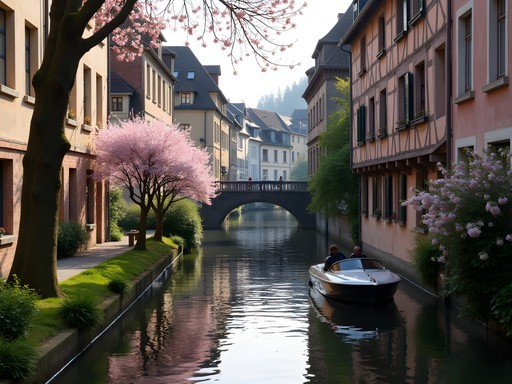
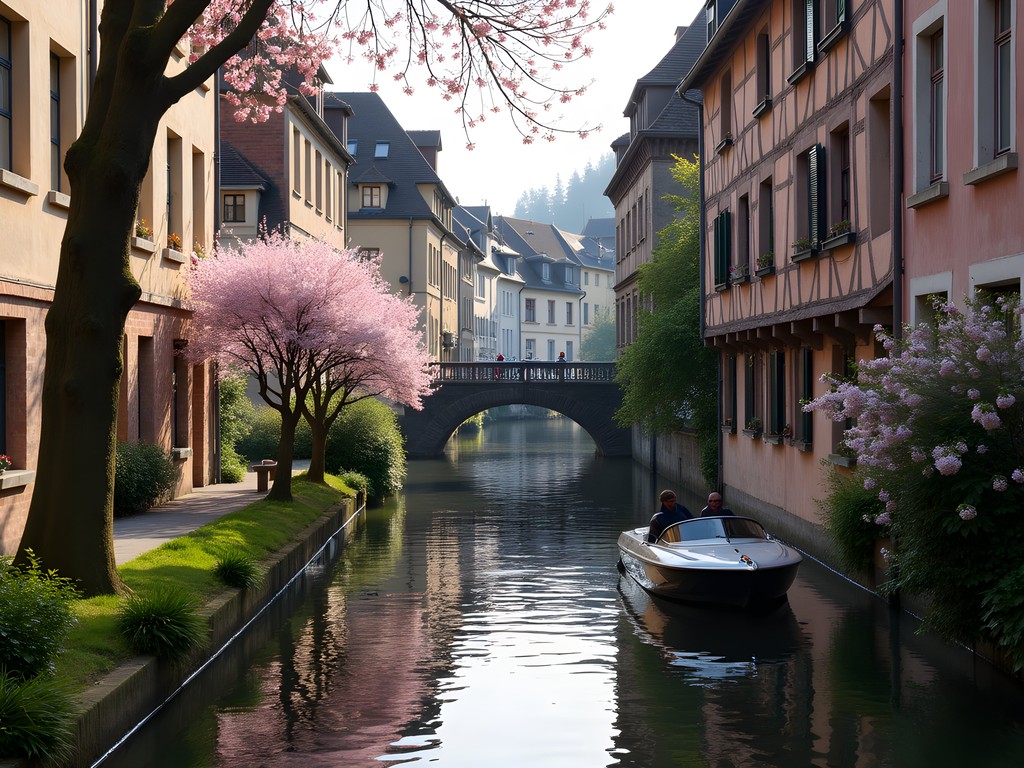
Strasbourg's picturesque Petite France district rightfully draws admirers with its half-timbered houses and flower-lined canals. However, having spent numerous weekends here while attending Council of Europe sessions, I've developed a profound appreciation for the city's lesser-known waterways that offer equally stunning views without the crowds.
The Canal du Faux-Rempart forms a complete circle around the Grande Île but receives remarkably little attention beyond its intersection with Petite France. The northeastern section, in particular, offers spectacular views of the medieval defensive structures and later Vauban fortifications that most visitors completely overlook.
During my spring visit, I discovered a local secret: small electric boats available for private hire near Pont du Corbeau. Unlike the commercial tour boats packed with tourists, these self-drive vessels allow exploration at your own pace. My companion and I spent a blissful afternoon navigating the quiet eastern canals, passing under ancient bridges and alongside gardens that remain invisible from the streets above.
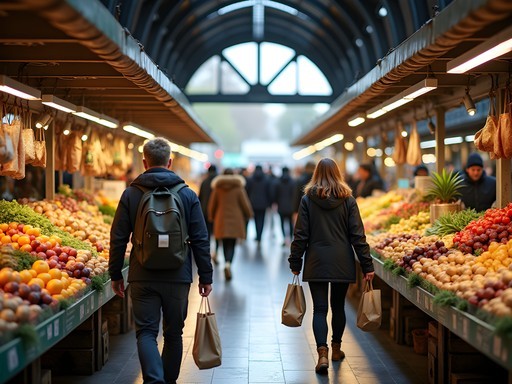
The experience was made all the more memorable by the impromptu picnic we assembled from the covered market at Marché de l'Esplanade. This market, frequented almost exclusively by locals, offers Alsatian specialties at prices significantly lower than the tourist-oriented shops near the cathedral. We purchased fresh bread, regional cheese, and a bottle of crisp Riesling from a producer too small to export beyond the region.
Capturing these moments was essential, and my compact camera proved the perfect companion. Its exceptional low-light performance handled the dappled light under canal bridges beautifully, while remaining discreet enough not to mark me immediately as a tourist. The zoom capability allowed me to capture architectural details that would have otherwise required a cumbersome telephoto lens.
💡 Pro Tips
- Book electric boats at least one day in advance during spring and summer—they're Strasbourg's best-kept secret
- The Marché de l'Esplanade runs Wednesday and Friday mornings only—arrive before 11am for the best selection
- Request the special canal map from the tourist office near the cathedral, which shows access points and mooring locations not on standard city maps

Strasbourg's Astronomical Clock: A Privileged Perspective
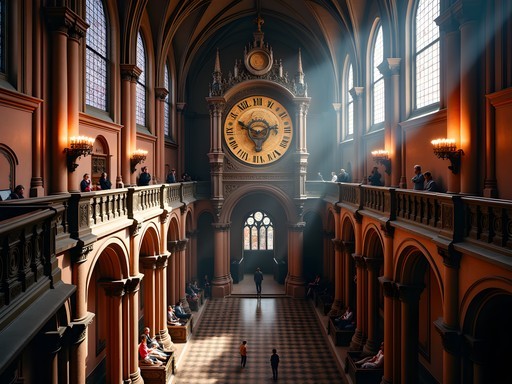
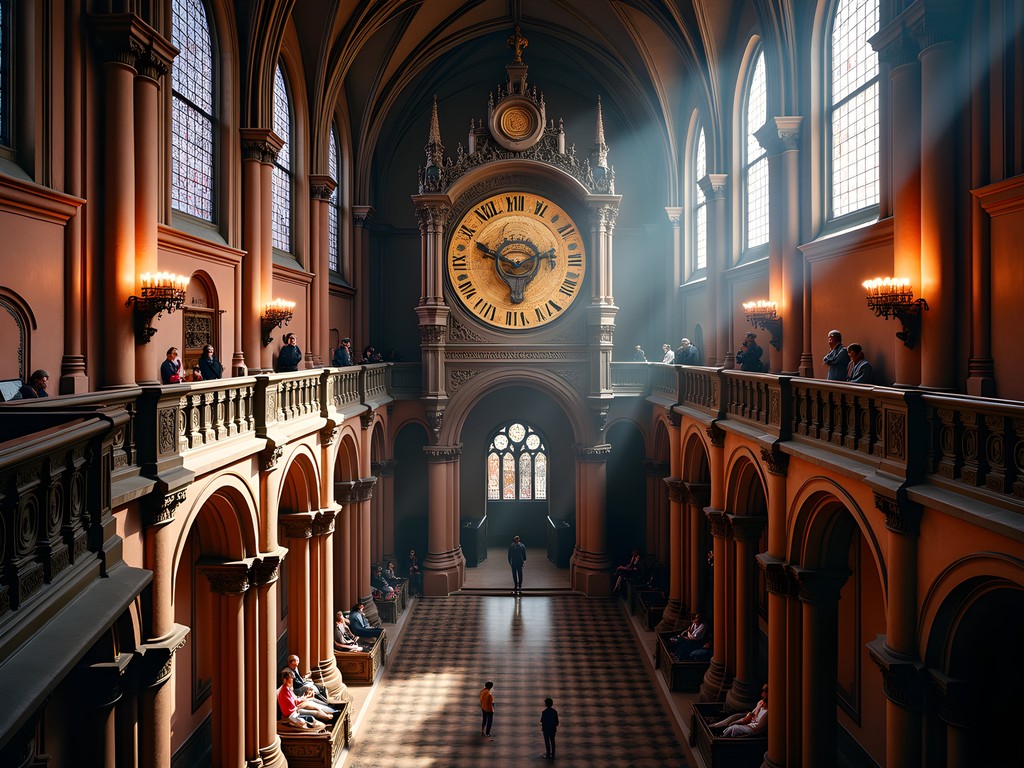
Strasbourg Cathedral's astronomical clock draws substantial crowds for its daily mechanical performance at 12:30 pm. Most visitors are content to witness this engineering marvel from the main viewing area, but there exists a far superior vantage point known primarily to academics and architecture enthusiasts.
During my diplomatic career, I had the privilege of attending a special reception in the cathedral's Chapter House, where I befriended one of the clock's maintenance engineers. He revealed that visitors can arrange private viewings of the clock mechanism from the upper gallery—a perspective that offers both a clearer view of the automata and fascinating insights into the clock's internal workings.
These specialised tours must be arranged at least two weeks in advance through the cathedral foundation office rather than the main tourism channels. They accommodate only eight people per session and often fill with university groups, but they reserve two spots for individual bookings. The experience includes access to areas of the cathedral normally closed to the public and provides a technical explanation of the astronomical calculations that have guided the clock since the 16th century.
What makes this experience particularly special is the opportunity to remain in the upper gallery after the public demonstration concludes. While most visitors file out immediately after the apostles' procession, those with special access can observe the engineers performing minor adjustments to ensure the clock's continued precision—a ritual that has remained largely unchanged for centuries.
For this privileged viewing, I found my compact binoculars invaluable. Despite their small size, they allowed me to examine intricate details of the clock's painting and mechanical elements from across the gallery. Unlike larger models, these fit comfortably in my jacket pocket and proved useful throughout my journey for appreciating architectural details that would otherwise require specialised tours or restricted access.
💡 Pro Tips
- Email the cathedral foundation office (not the general tourism email) with the subject line 'Technical Clock Visit Request' for the special tour
- Wednesday and Friday viewings often include the head engineer who speaks excellent English
- Combine your visit with the cathedral's tower tour, which uses the same reservation system and provides complementary perspectives on the building's construction
Crossing Borders: The Secret Franco-German Gardens
One of the most remarkable aspects of Strasbourg is its position as a cultural bridge between France and Germany—a role that has shifted dramatically throughout its tumultuous history. While most visitors content themselves with observing this blend in the city's architecture and cuisine, there exists a physical manifestation of this cultural interchange that few discover.
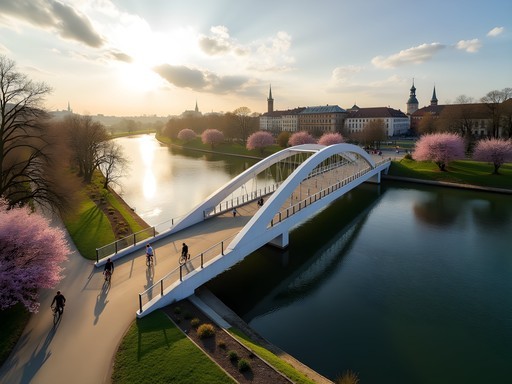
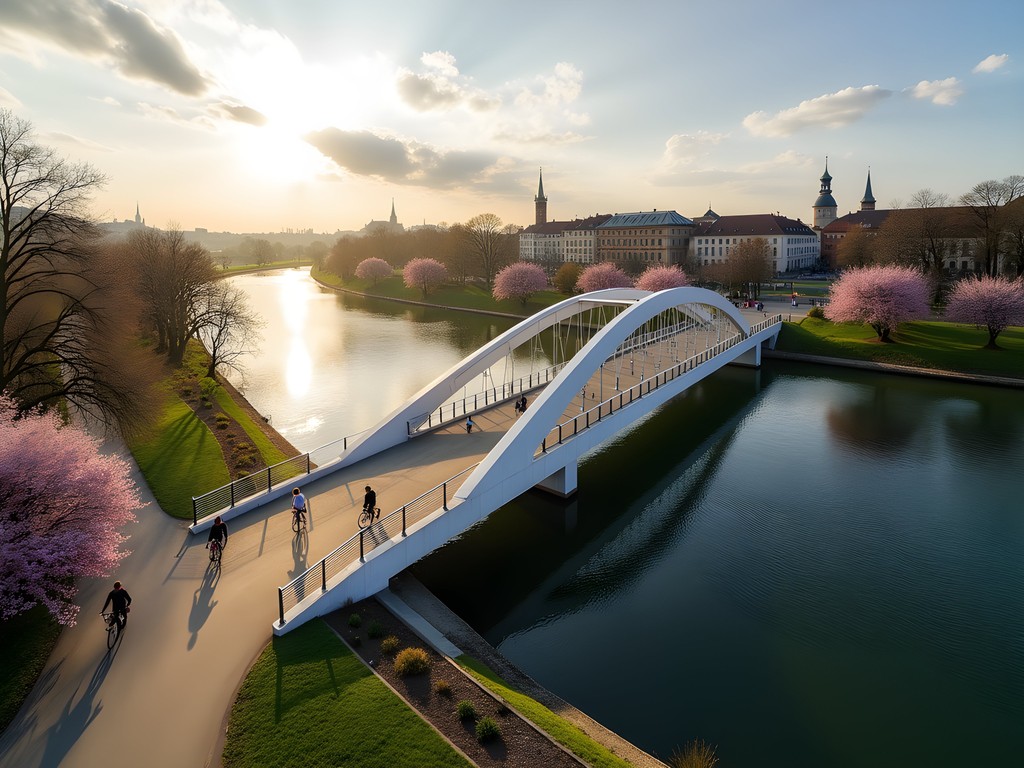
The Jardin des Deux Rives (Garden of the Two Banks) spans the Rhine River, connecting Strasbourg with the German town of Kehl through a stunning pedestrian bridge designed by Parisian architect Marc Mimram. Unlike the heavily trafficked city centre, this expansive park offers a tranquil setting where French and German families mingle freely, each bringing their distinct cultural traditions to shared public spaces.
What particularly struck me during my springtime visit was the subtle transition in landscape design philosophy as one crosses the river. The French side embraces formal geometric patterns and carefully manicured plantings—a continuation of the grand tradition of French garden design. As you cross the footbridge, the German approach becomes apparent: more naturalistic groupings, greater biodiversity, and design elements that emphasise environmental sustainability.
The garden hosts a remarkable sculpture collection featuring artists from both nations, creating a dialogue not just between countries but between artistic traditions. I spent a delightful afternoon sketching these installations in my travel journal, noting how they reflected or challenged national aesthetic sensibilities.
Most compelling was my conversation with an elderly gentleman who maintains a plot in the community garden section. He described how, as a child in the 1940s, this very land had been a militarised border he was forbidden to approach. Now, he cultivates vegetables alongside German neighbours, exchanging seeds and gardening techniques across what was once a heavily fortified boundary.
For families visiting Strasbourg, I cannot recommend this experience highly enough. The expansive playgrounds incorporate design elements from both countries, and the open spaces provide a welcome respite from the concentrated tourism of the city centre. Bicycle rentals are available at the park entrance, offering an excellent opportunity to explore both banks at a leisurely pace.
💡 Pro Tips
- Visit on Sunday afternoons when local musicians often perform informal concerts in the garden's acoustic shell
- The German side has superior coffee options, while the French side offers better pastries—the perfect excuse to cross the border twice
- Look for the inconspicuous historical markers showing the shifting border positions throughout the centuries—they tell a fascinating story of the region's contested history
Final Thoughts
As I reflect on my week divided between these two remarkable European cities, I'm struck by how dramatically the experience differs when one ventures beyond conventional tourism. Both Wrocław and Strasbourg reveal their true character not in their postcard views—though these are undoubtedly magnificent—but in the spaces between, where history and contemporary life intertwine in unexpected ways. The hidden courtyards of Wrocław and the tranquil canals of Strasbourg offer glimpses into authentic local life that no guided tour can provide. I encourage you to approach these cities with curiosity and patience, allowing yourself the luxury of unhurried exploration. Seek out the stories behind the gnomes, arrange that special clock viewing, cross borders both physical and cultural. These experiences will transform your journey from mere sightseeing into something far more meaningful—a genuine connection with places shaped by centuries of complex European history yet vibrantly alive in the present moment.
✨ Key Takeaways
- The most rewarding experiences often require advance planning through non-standard channels
- Understanding historical context transforms seemingly simple attractions into profound cultural experiences
- Border regions like Strasbourg offer unique insights into European identity and cross-cultural exchange
📋 Practical Information
Best Time to Visit
April-June or September-October
Budget Estimate
£120-£180 per day including mid-range accommodation
Recommended Duration
3-4 days per city
Difficulty Level
Moderate

Comments
luckywalker
This is perfect timing! Planning a trip to both cities in spring. I've heard Strasbourg can be pretty pricey - any budget tips? Also wondering about the best time to visit the astronomical clock without massive crowds. Really appreciate the insider perspective, makes such a difference compared to the usual tourist guides.
coolguy
Go early morning for the clock, like right when the cathedral opens. Way fewer people
wildking
Really cool! Thanks for sharing
Hunter Thompson
Brilliant post Brandon! I was in Wrocław last summer and absolutely fell in love with it. Those hidden courtyards are unreal - felt like stepping into another century. I stayed in a hostel near Rynek and the owner gave me a hand-drawn map of his favorite spots. Ended up at this underground bar that used to be medieval cellars. The astronomical clock in Strasbourg is on my bucket list now. How long would you recommend for each city? Cheers!
coolchamp
Going to Poland next month, is Wroclaw easy to get around?
Hunter Thompson
Super easy mate! Trams are brilliant and the old town is totally walkable. You'll have no problems
tripchamp
Love the photos! Wroclaw looks amazing
Casey Andersson
Brandon, this really resonates! I visited Strasbourg last autumn and completely agree about venturing beyond Petite France. I stumbled upon this incredible wine bar in the Krutenau district where the owner spent an hour telling stories about Alsatian winemaking traditions. Those unplanned moments where locals share their world with you - that's the real magic of travel. The secret canals you mentioned are absolutely dreaming at golden hour. Did you make it to any of the winstubs in the old town? I'd love to hear your recommendations.
luckywalker
Which wine bar was that? Adding Strasbourg to my list and would love to check it out!
Casey Andersson
It's called Le Tire-Bouchon on Rue des Tonneliers. Small place, cash only, but incredible selection!
coolguy
Dude the gnome trail is legit! I spent like 3 hours just wandering around finding those little guys. Pro tip - download that gnome finder app before you go, makes it way easier. Also that bar you mentioned near the university quarter? Absolute gem, met some awesome locals there who showed us even more hidden spots.
wildking
What's the app called?
coolguy
Just search 'Wroclaw Dwarfs' in the app store, it's the orange one
adventureace
Just got back from Wrocław and used your hidden courtyard tips - absolute game changer! Found an amazing jazz bar tucked away that wasn't in any guidebook. Also discovered that many locals use the tram #4 as a scenic route around the city center - cheaper than any tour bus and goes past all the major sites. The gnome hunt was fun but got even better when a local showed us the "controversial" gnomes that have political meanings. Adds a whole new layer to the experience!
redphotographer
Your canal photos of Strasbourg are stunning! Any camera tips?
Brandon Johansson
Thanks! Early morning light is the secret - I was up at 6am for those canal shots. Most tourists are still sleeping so you get the reflections without the crowds.
George Hayes
Brandon, this really resonates with my family's experience in Wrocław last year. Those hidden courtyards you mentioned were absolute gems - we found one with a tiny café where the owner told us stories about the building's history dating back to WWII while my kids played with his cat. One tip I'd add for families: take the vintage tram tour that circles the city center. It's not advertised much but gives you a great orientation, and the conductor sometimes hands out little Wrocław gnome keychains to kids. We used our city guide to find it, tucked away in a small paragraph that most people miss!
Venture X
Premium card with 2X miles, $300 travel credit, Priority Pass