

Disclosure: This article contains affiliate links. We may earn a commission from purchases at no extra cost to you, which helps our travel content.
After fifteen years splitting my time between Japanese lecture halls and global archaeological sites, I've learned that the true essence of any culture isn't found in guidebooks—it's discovered through relationships with local people. My recent month-long research trip to Serekunda, The Gambia's largest urban area, reinforced this truth profoundly. While I initially came to study ancient trade routes along the Gambia River, what I discovered was a masterclass in human connection that transformed my understanding of West African social dynamics.

Breaking the Ice: First Steps to Meaningful Connections
The Gambia may be Africa's smallest mainland country, but the warmth of its people stretches immeasurably. In Serekunda, where urban energy meets traditional West African hospitality, making those initial connections requires understanding a few cultural fundamentals.
First, master the art of the Gambian greeting. "Salaam Aleikum" (peace be upon you) is universally appreciated, with the response "Maleikum Salaam" following naturally. Even with my archaeological fieldwork Wolof (the dominant language), I found that locals deeply appreciated my attempts at basic phrases. I downloaded the Wolof language app to my phone, which proved invaluable for practicing during my morning runs through Serekunda's awakening streets.
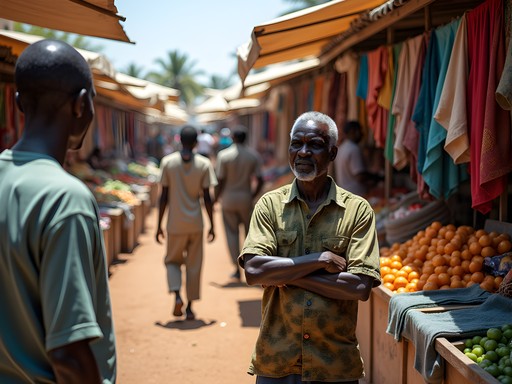
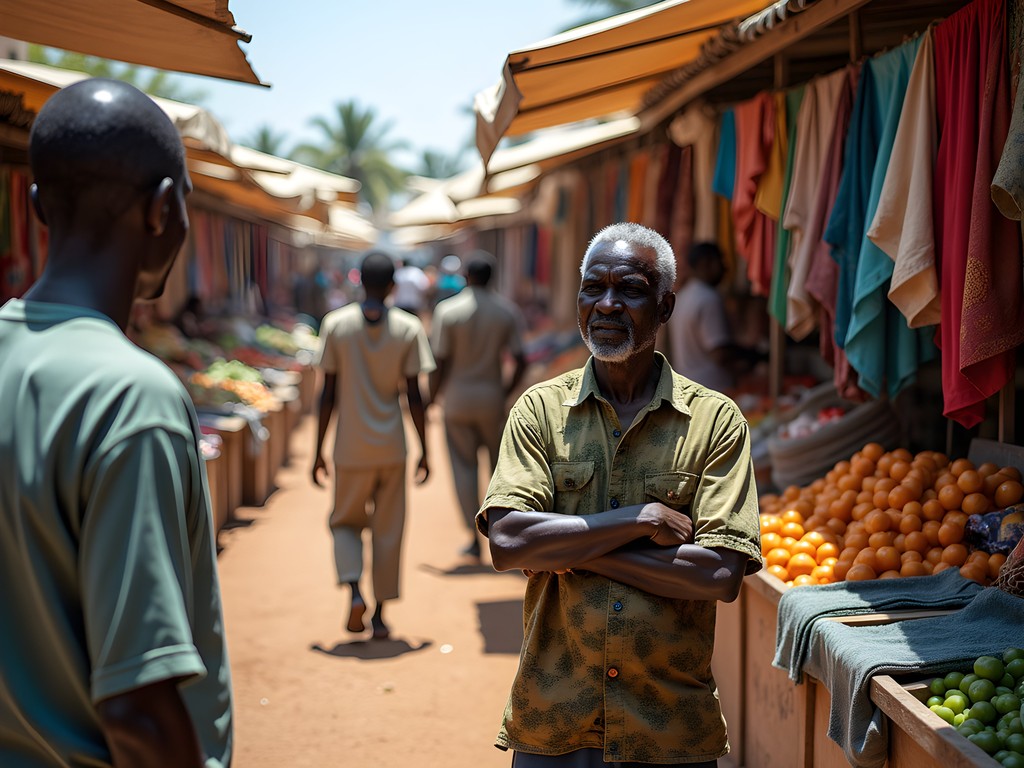
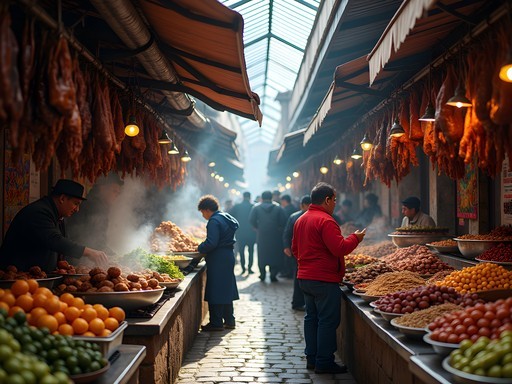
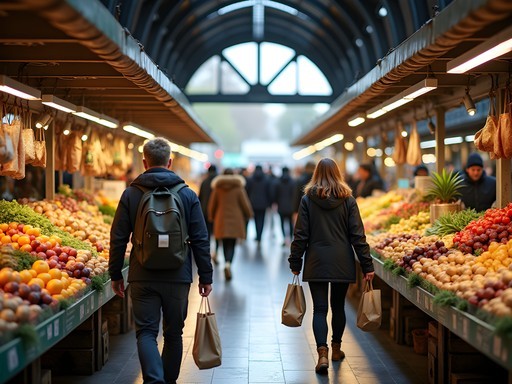
Second, understand that Gambian social interactions prioritize relationship-building over transaction or efficiency. When I first visited the bustling Serekunda Market to purchase fieldwork supplies, I made the classic Western mistake of rushing straight to business. The vendor's expression told me everything—I had bypassed the essential ritual of connection. Taking a breath, I backtracked: asked about his family, commented on the weather, shared a bit about my work. The transformation was immediate—prices became more reasonable, recommendations flowed freely, and by my third visit, I was being introduced to his extended family.
Third, bring small tokens from your home country. Japanese origami papers and simple American baseball caps became conversation starters that transcended language barriers. These weren't expensive gifts, but thoughtful introductions to my dual cultural identities.
💡 Pro Tips
- Learn basic Wolof greetings—'Nanga def?' (How are you?) opens many doors
- Always take time for proper greetings before discussing business or asking questions
- Carry small, meaningful items from your home country as conversation starters
The Universal Language of Football
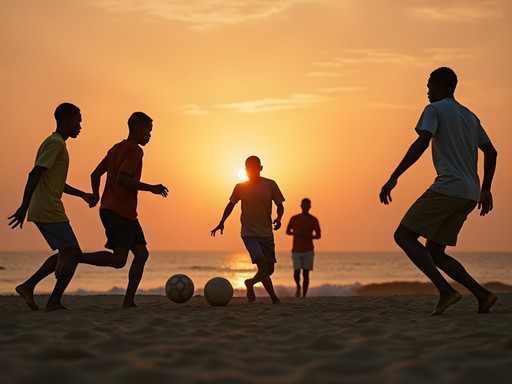
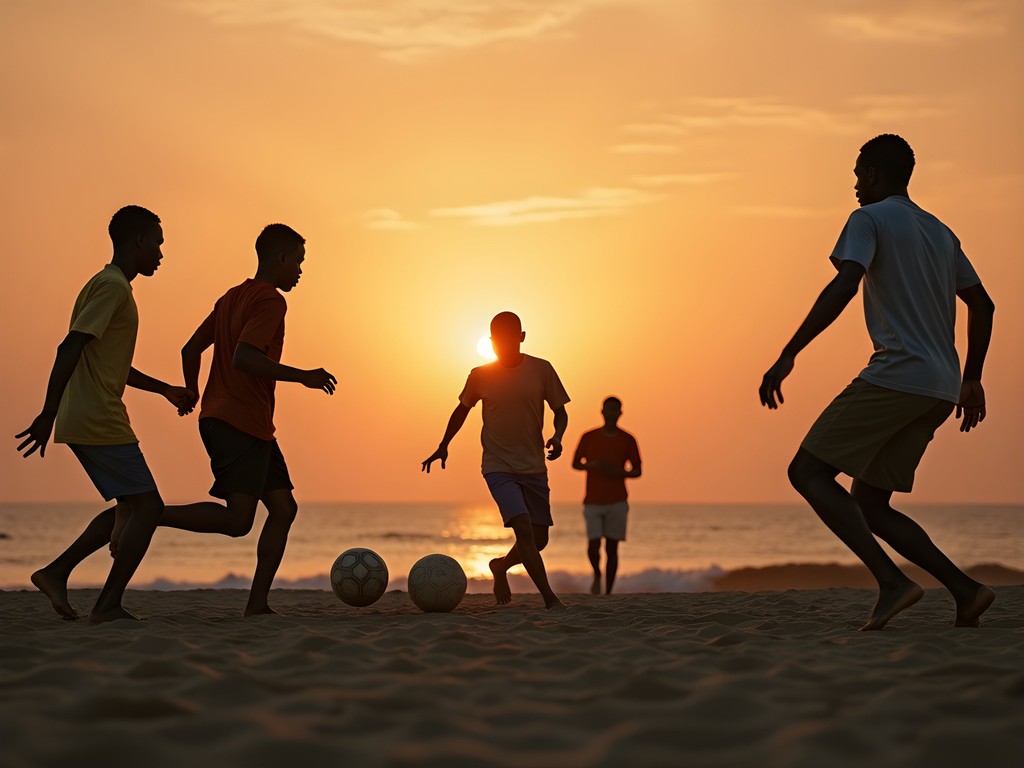
My passion for soccer has been my social passport across six continents, and Gambia proved no exception. Within days of arriving in Serekunda, I found myself drawn to the impromptu matches that materialize on dusty lots and beach stretches as the afternoon heat subsides.
Armed with my well-traveled portable soccer ball, I initially watched from the periphery of these games, studying the local style—quick, technical, with barefoot precision that would humble many professional players. When I finally mustered the courage to gesture my interest in joining, I was immediately waved in with enthusiastic smiles.
What followed was a humbling experience for a 55-year-old academic attempting to keep pace with young Gambians who moved like mercury across the sand. Yet football's beautiful universality transcended my athletic limitations. Through shared laughter at my missteps and genuine appreciation for occasional moments of skill, barriers dissolved. By the third match, I had invitations to join local teams' practice sessions and was being introduced as "Professor Jeremy, our American-Japanese midfielder."
One particularly meaningful connection came through Lamin, a university student I met during these matches. Learning of my archaeological background, he invited me to meet his uncle—a community elder with extensive knowledge of local oral histories regarding ancient settlements along the Gambia River. This connection, born on a dusty makeshift pitch, eventually contributed valuable context to my research that no academic paper could have provided.
💡 Pro Tips
- Join afternoon football matches around 5pm when temperatures cool
- Bring a ball as a gift for local youth teams—quality sporting equipment is appreciated
- Ask about local professional teams (like Real de Banjul or Hawks FC) as conversation starters
Communal Dining: Breaking Bread and Barriers
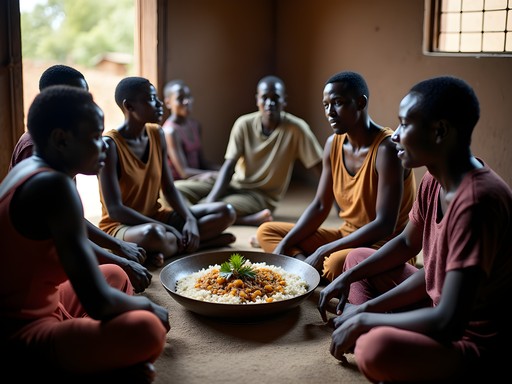
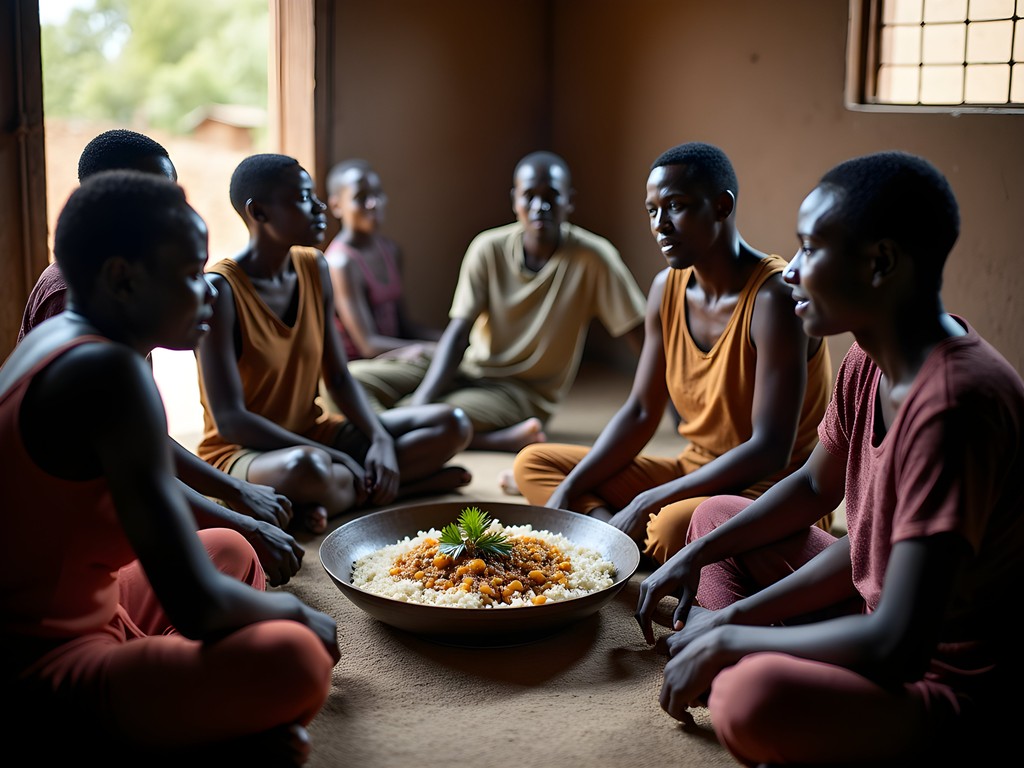
If football opened doors in Serekunda, sharing meals unlocked the inner chambers of Gambian social life. The communal nature of dining here—typically from a single large bowl using only the right hand—initially challenged my Western individualism, but quickly became my favorite cultural practice.
After being invited to a family compound following a chance conversation at a local tea spot (where I'd been practicing Wolof with my language app), I experienced the profound hospitality that defines Gambian culture. Despite limited resources, my hosts insisted I join their family meal of domoda (peanut stew) with rice. The circular seating, the careful hand-washing ritual, and the deliberate pacing of conversation created an atmosphere unlike any restaurant experience.
For students seeking authentic connections, I recommend bringing a collapsible water bottle to communal meals. Not only is staying hydrated essential in Gambia's heat, but having your own water source prevents burdening host families who may have limited filtered water.
Perhaps the most meaningful culinary connection came through benachin (Wolof for "one pot"), a fragrant rice dish cooked with vegetables and fish or meat. When I expressed genuine interest in learning to prepare it, my host's grandmother spent an afternoon teaching me the precise technique for achieving the dish's characteristic bottom crust. This cooking lesson, conducted primarily through gesture and minimal shared vocabulary, became one of my most treasured memories from Serekunda.
To reciprocate hospitality, I occasionally purchased ingredients from the market and requested permission to prepare simplified Japanese dishes like onigiri (rice balls) for families who had welcomed me. These culinary exchanges, while humble, created bonds that transcended our different backgrounds.
💡 Pro Tips
- Always eat with your right hand only—the left hand is considered unclean
- Bring small food gifts when invited to homes—fruits from the market are appropriate
- Learn to say 'Jerejef' (thank you) in Wolof to express appreciation after meals

Navigating Cultural Exchange as a Budget-Conscious Student
As someone who's spent decades working with university students on archaeological digs, I understand the financial constraints of student travel. Fortunately, Serekunda offers meaningful cultural immersion without requiring substantial resources.
Accommodation presents your first opportunity for authentic connection. While tourist areas offer standard hotels, I recommend the homestay experience route. For roughly $10-15 USD daily, you can live with a Gambian family, instantly connecting you to local networks and providing cultural context no guidebook can offer. My homestay with the Jallow family in the Bundung neighborhood provided not only affordable lodging but an adoptive family who oriented me to neighborhood rhythms and introduced me to their extended social circles.
Transportation offers another window into daily Gambian life. The colorful bush taxis (van-like public transport) cost pennies and create natural conversation spaces. During one memorable journey, my pocket translator device facilitated a fascinating discussion with fellow passengers about archaeological sites along the Gambia River—leading to an invitation to visit a village elder who shared oral histories about colonial-era river trading.
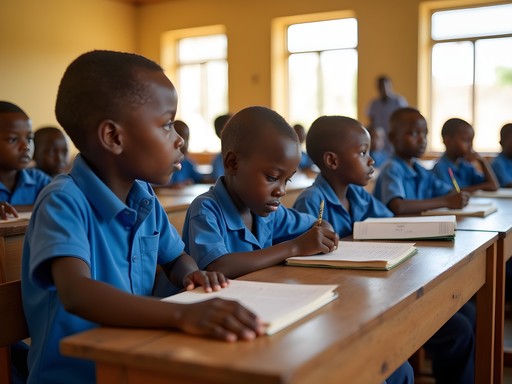
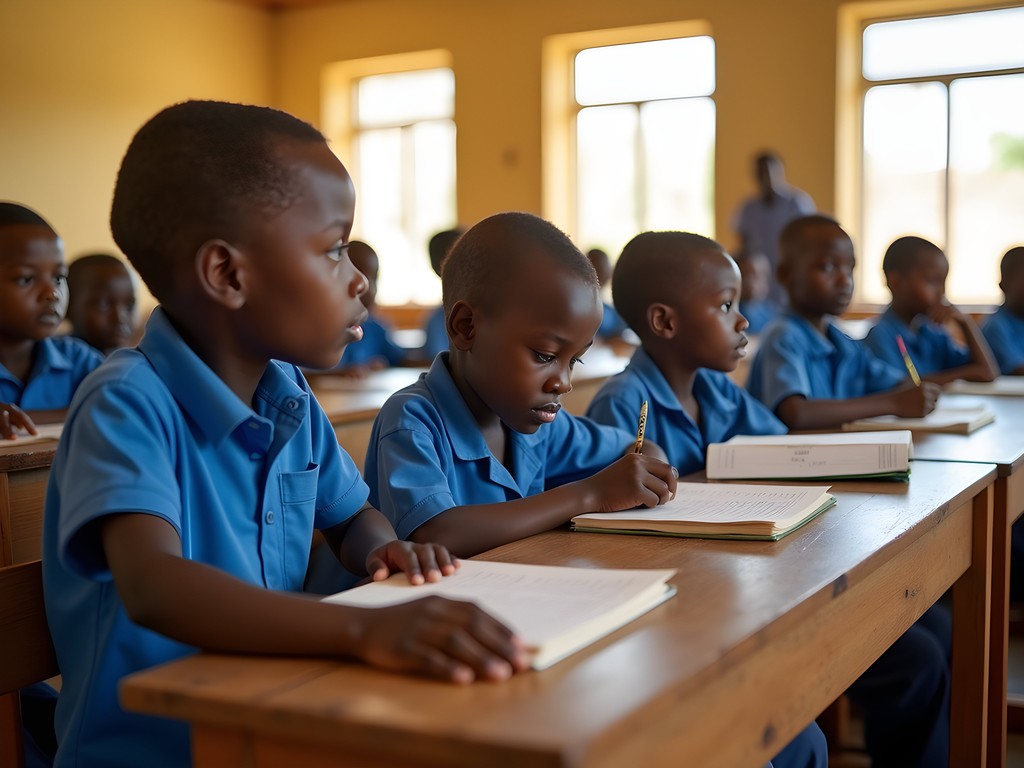
Volunteering presents perhaps the most meaningful avenue for connection. Serekunda has numerous schools and community organizations where even short-term assistance is welcomed. My background led me to volunteer two afternoons weekly at Serekunda Basic Cycle School, helping with English classes. This required no financial investment, only time and energy, yet yielded profound relationships with teachers who later invited me to family celebrations and community events closed to typical tourists.
Remember that in Gambian culture, genuine interest and respect are valued far above material wealth. My most meaningful connections came not from spending money but from demonstrating sincere curiosity about Gambian history, traditions, and daily life.
💡 Pro Tips
- Choose homestays over hotels for both savings and authentic connections
- Use bush taxis for transportation—they're cheap and create natural social opportunities
- Volunteer even a few hours weekly at local schools or community centers
Respecting Cultural Boundaries While Building Bridges
The most meaningful connections in Serekunda come from balancing genuine curiosity with cultural sensitivity. As an archaeologist accustomed to navigating diverse cultural contexts, I've learned that acknowledging and respecting differences creates the foundation for authentic relationships.
Gambia is predominantly Muslim, with religious practices woven into daily life. During my stay, I used a prayer time app not for personal prayer but to be mindful of when local friends would be observing salat (prayer times). This small gesture of awareness was deeply appreciated, demonstrating respect without requiring religious participation.
Dress codes matter significantly in establishing respectful presence. Despite Serekunda's heat, I adhered to local norms by wearing lightweight long pants rather than shorts in public spaces. For female travelers, modest dress with shoulders covered and knee-length or longer bottoms shows cultural awareness that facilitates more meaningful interactions.
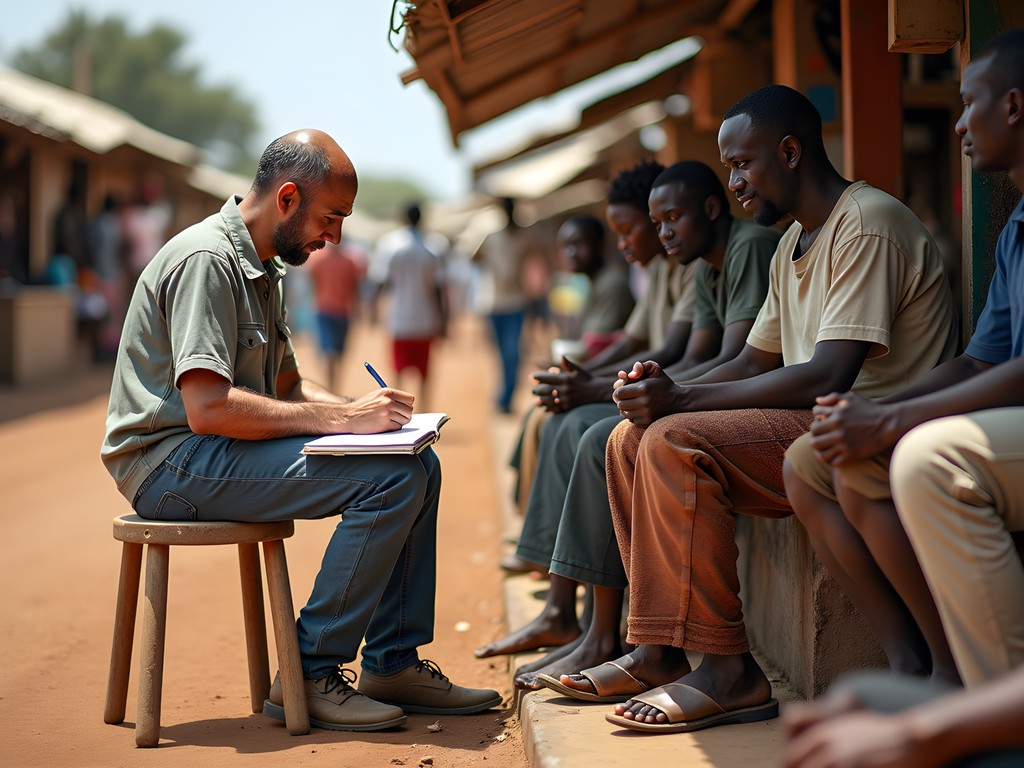
Photography requires particular sensitivity. The archaeological impulse to document everything visually can create barriers in Serekunda, where many people have justified concerns about how their images might be used. I established a personal practice of never photographing people without explicit permission, and often showing them the images afterward. When photographing in markets or public spaces, I used my travel notebook to sketch scenes instead—an approach that often drew curious onlookers and led to conversations about my interest in their community.
Perhaps most importantly, I approached cultural differences with humble curiosity rather than judgment. When invited to a naming ceremony where gender roles appeared different from Western norms, I observed respectfully and asked questions later in private conversations with trusted local friends who could provide context for what I had witnessed.
💡 Pro Tips
- Research basic Islamic customs before arriving to understand religious context
- Always ask permission before taking photographs of people
- Dress modestly regardless of heat—long, lightweight fabrics are both respectful and practical
Final Thoughts
As I packed my field notes and weathered travel journal for the journey back to Yokohama, I realized that Serekunda had given me far more than archaeological insights. The friendships formed over shared meals, impromptu football matches, and patient language exchanges had transformed what could have been a merely academic expedition into a profound human experience.
For students venturing to this vibrant corner of West Africa, remember that authentic connection in Serekunda requires the willingness to step outside comfort zones, to move at a different pace, and to value relationship over efficiency. The rewards—insights into Gambian life no tourist experience could provide, friendships that transcend cultural differences, and memories of genuine human connection—far outweigh any momentary discomfort.
I return to Japan carrying not just research data but the phone numbers of Gambian friends who insisted I call upon my return, recipes for benachin I've promised to attempt in my Yokohama kitchen, and the indelible memory of a sunset football match where, for a brief, transcendent moment, I wasn't a foreign professor but simply another player in the beautiful game of human connection.
✨ Key Takeaways
- Authentic relationships in Gambia require patience and prioritizing connection over efficiency
- Shared activities like sports, cooking, and volunteering create natural pathways to friendship
- Budget travel often creates more meaningful cultural exchanges than luxury experiences
- Respectful curiosity about cultural differences builds bridges rather than barriers
- The connections made in Serekunda will likely become more valuable than any tourist experiences
📋 Practical Information
Best Time to Visit
November-May (dry season)
Budget Estimate
$25-40 USD per day for budget travelers
Recommended Duration
Minimum 2 weeks for meaningful connections
Difficulty Level
Intermediate

Comments
nomaddiver
THIS!! I've been traveling for 8 years and the best experiences are always when you connect with real people, not just see tourist sites. Did something similar in Morocco and Ghana. The communal eating thing is so special - in Ghana I was invited to eat fufu with a family and it's still one of my favorite travel memories. Props for writing about the real stuff instead of just listing hotels and restaurants!
Megan Martin
Really appreciate this perspective, Jeremy. As someone who often travels for work, I've learned that the best stories come from exactly these kinds of authentic interactions. For budget-conscious travelers, your point about markets being social hubs is spot-on. I'd also recommend staying in locally-owned guesthouses rather than international chains - the owners are often incredible resources for cultural insights and can facilitate introductions. The archaeological angle you bring is fascinating too - would love to hear more about how you balance academic work with cultural immersion.
wanderperson
This is AMAZING!! Adding Serekunda to my bucket list right now! I've been wanting to get off the typical tourist trail and this sounds perfect. The part about playing football with locals is genius - I always bring a deflated ball when I travel but never thought about it as a way to connect. Do you have any tips for finding where the local games happen?
nomaddiver
Just ask at your guesthouse! They'll point you to the nearest pitch
redmate
Love the photos!
Taylor Moreau
Jeremy, this resonates deeply with my own experiences throughout West Africa. The communal dining aspect you've highlighted is particularly important - I've found that accepting food invitations, even when traveling on a tight schedule, has led to some of my most meaningful cultural exchanges. For readers planning a visit, I'd add that bringing small gifts (sweets, postcards from your home country) can be a thoughtful gesture when invited to someone's home. The football connection is universal - I've seen it work everywhere from Lagos to Dakar.
wanderlustadventurer
How safe did you feel approaching people randomly? I always want to connect more with locals but I'm never sure about the etiquette or if I'm being intrusive. Did you speak any local languages or was English enough?
Jeremy Price
Great question! English is widely spoken in Gambia which helps a lot. I learned a few Wolof phrases which people really appreciated. Start with markets and football matches - those are naturally social spaces. Trust your instincts but I found people genuinely welcoming.
wanderlustadventurer
Thanks! That's really helpful
sunsetqueen
YES!! This is exactly what travel should be about!! I had a similar experience in Senegal last year where locals invited me to a naming ceremony and it completely changed my trip. The football thing is so true - sports really do break down barriers everywhere. Your story about the communal dining made me tear up a bit, honestly. We need more posts like this that go beyond the tourist stuff!
wanderperson
Right?? I want to do this on my next trip!
wanderchamp
This is really cool! Never thought about Gambia before
springlover
Going to Serekunda next month! Any tips on specific areas to stay? Nervous about the whole making friends part tbh
Hunter Thompson
@springlover Don't be nervous! Gambians are incredibly friendly. I'd recommend staying near Serekunda Market area - easy to meet people and central for everything. Just bring a small gift from your country to share with people you meet - instant conversation starter!
springlover
Thanks! Great idea about bringing gifts from home!
Hunter Thompson
Jeremy, this resonates so much with my time in The Gambia last year! The football tip is absolute gold - I ended up in an impromptu match with locals near Serekunda market and it led to being invited to a family celebration that evening. No guidebook could have given me that experience. I found learning just a few phrases in Wolof opened so many doors too. Did you find language was a barrier at all, or did most people speak English? I documented my whole Gambia journey in my travel journal and those spontaneous connections were definitely the highlight.
springlover
Football really is universal! Did the same in Senegal and ended up with dinner invites too!
Hunter Thompson
@springlover Exactly! West African hospitality is something else. Did you try any local dishes during those dinner invites?
springlover
Yes! Domoda (peanut stew) became my favorite. So good!
Venture X
Premium card with 2X miles, $300 travel credit, Priority Pass