
Disclosure: This article contains affiliate links. We may earn a commission from purchases at no extra cost to you, which helps our travel content.
The moment my feet touched the volcanic soil of São Tomé, I knew I'd found somewhere special. This tiny island nation floating in the Gulf of Guinea remains one of Africa's best-kept secrets – a lush paradise where time seems to move to the rhythm of crashing waves and swaying palms. Having spent years exploring lakeside destinations across Europe, I found myself drawn to this equatorial gem not for its luxury resorts (though they exist), but for its raw, unfiltered authenticity. Over two remarkable weeks last summer, I immersed myself in local life, trading tourist trappings for genuine connections and unexpected discoveries. What follows isn't your typical itinerary but rather a love letter to slow travel and cultural immersion in a place where 'leve-leve' (take it easy) isn't just a saying – it's a way of life.

Embracing 'Leve-Leve': Understanding São Tomé's Cultural Rhythm
The first lesson any visitor to São Tomé must learn is the concept of 'leve-leve' – literally 'light-light' but philosophically much deeper. This isn't just about moving slowly; it's a cultural approach to life that prioritizes presence over productivity, connection over convenience.
During my first few days, I found myself checking my watch, mentally calculating how to maximize sightseeing hours. A local shopkeeper noticed my impatience while waiting for a taxi that was running on what locals jokingly call 'São Tomé time.'
'You cannot rush the island,' he told me with a knowing smile. 'The island rushes you.'
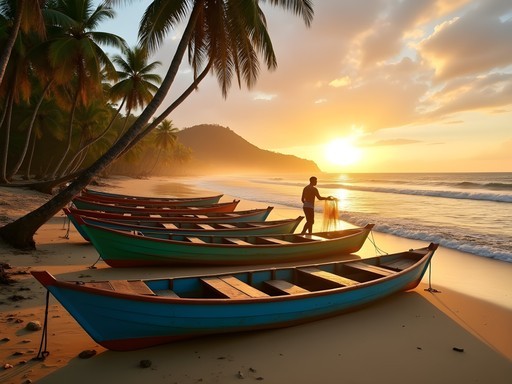
That conversation changed everything. I put away my itinerary and began to surrender to São Tomé's natural rhythm. Mornings became about savoring locally-grown coffee on my guesthouse balcony, watching fishermen prepare their colorful pirogues for the day's catch. Afternoons stretched into long conversations with artisans and farmers, each sharing stories that textbooks could never capture.
To truly embrace leve-leve, I recommend bringing a comfortable hammock that you can string up between palms at beaches like Praia Jalé. Some of my most profound moments came from simply swinging gently in the breeze, watching local children play football at sunset, their laughter providing the soundtrack to island life.

💡 Pro Tips
- Learn basic Portuguese phrases – even simple greetings open doors to authentic interactions
- Adopt flexible plans – the best experiences often happen when you leave room for spontaneity
- Observe local pace before diving in – spend your first day watching how locals move through their day
Living With Locals: Where and How to Stay Authentically
While São Tomé has several polished resorts, they create a bubble that separates you from the island's authentic pulse. My most memorable experiences came from staying in community-based accommodations, particularly in the fishing village of Santana and the mountain community of Monte Café.
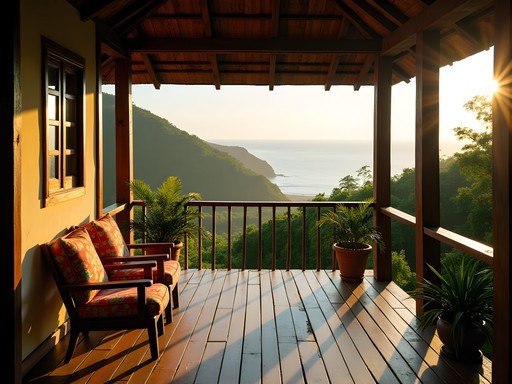
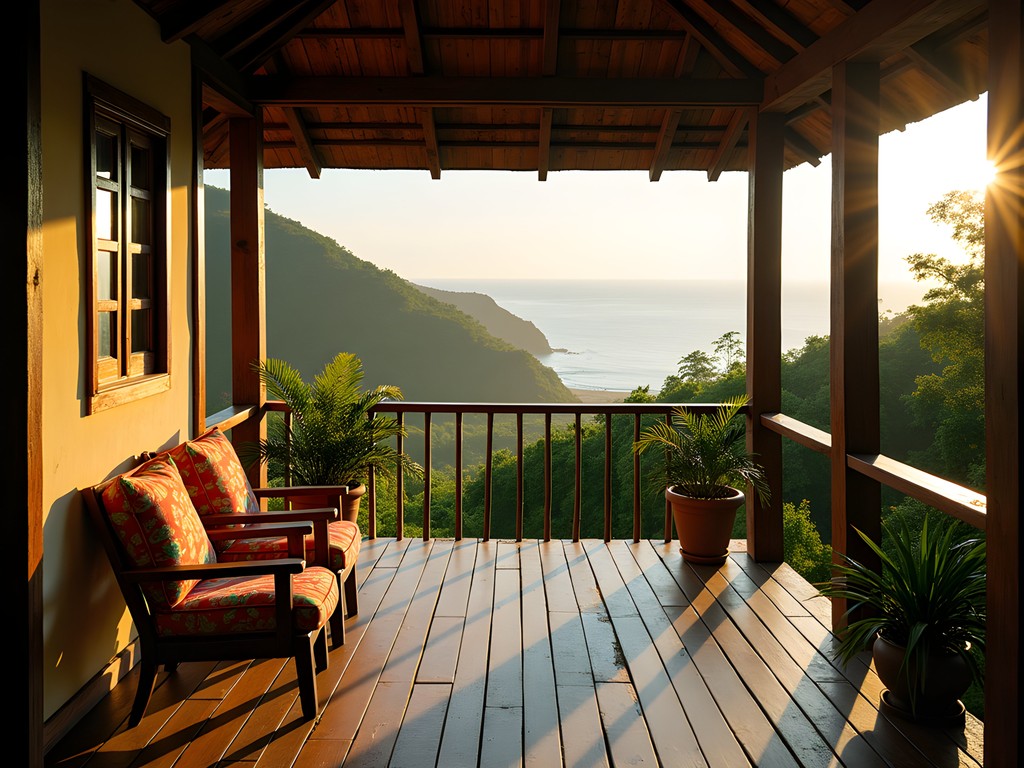
In Santana, I spent five nights at a family-run pousada (guesthouse) where my host, Dona Maria, treated me less like a paying guest and more like a visiting relative. Each morning began with breakfast featuring fresh mangoes, papaya, and homemade bread served with her special ginger-infused coffee. The pousada itself was modest – just four rooms with simple furnishings – but the veranda overlooking the Atlantic became my favorite spot for journaling and conversations with passing neighbors.
For the mountain portion of my stay, I arranged a homestay through the PAPAC community tourism initiative in Monte Café. Here, amid the mist-shrouded cocoa plantations, I lived with a family who had harvested cacao for three generations. My host, João, taught me the complex process of chocolate-making from bean to bar, a tradition dating back to Portuguese colonial days.
While packing for these homestays, I found my packing cubes invaluable for staying organized in spaces without typical hotel storage. They allowed me to keep my belongings compact and easily accessible without taking over my hosts' space – a small but meaningful way to show respect in shared environments.
What these accommodations lacked in luxury amenities, they more than compensated for in cultural immersion. Falling asleep to stories about island legends and waking to the sounds of daily life unfolding outside my window provided context and connection that no five-star property could match.
💡 Pro Tips
- Book homestays through PAPAC or contact the São Tomé Tourism Board for vetted family stays
- Bring small, thoughtful gifts from your home country for your hosts
- Offer to help with household tasks – cooking together creates natural cultural exchange
Market Mornings: Navigating Food Culture Like a Local
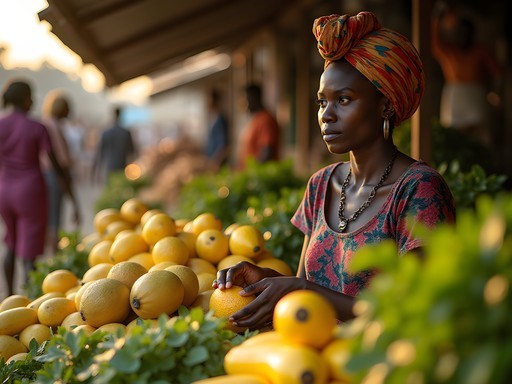
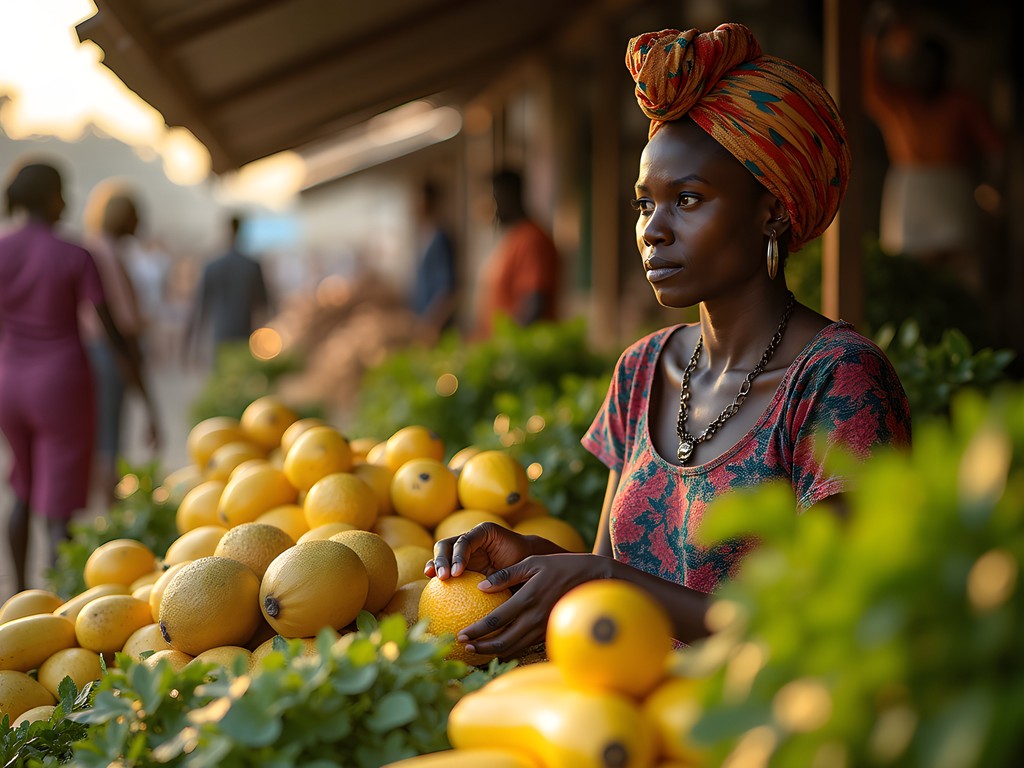
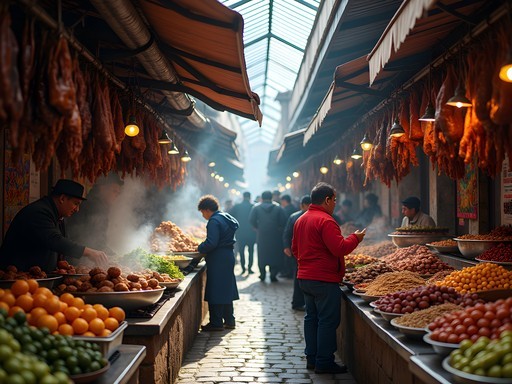
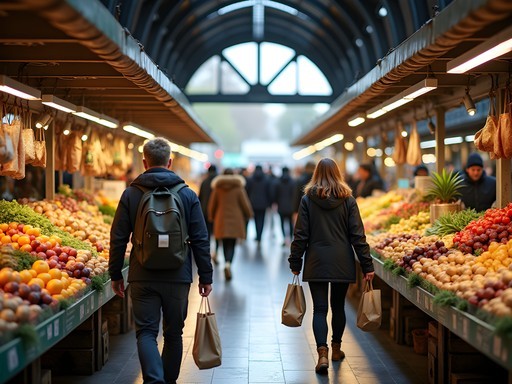
If you want to understand São Tomé's soul, spend a morning at Mercado Municipal in the capital. I arrived just after 6 AM when local vendors were still arranging their displays of jackfruit, breadfruit, and dozens of banana varieties I'd never encountered. Rather than photographing everything immediately (a tourist giveaway), I took time to observe how locals shopped – the greeting rituals, the gentle haggling, the social exchanges.
After watching for a while, I approached a vendor selling bundles of fresh herbs. My attempt at Portuguese was met with a warm smile and patient corrections. Before long, she was introducing me to calulu herbs – essential for the national fish stew – and explaining which greens worked best for different dishes. By my second visit, vendors recognized me, saving special items they thought I might enjoy trying.
Beyond the central market, I discovered a network of smaller neighborhood markets where prices were lower and experiences more intimate. In Guadalupe, a weekly market brings farmers down from the mountains, offering produce you won't find elsewhere. Here, I found peppercorns still on their vines and vanilla beans sold by the farmer who grew them.
The market is also where I connected with Dona Tina, who offered cooking lessons in her home kitchen. For three afternoons, I learned to prepare djogó (smoked fish stew), banana pala-pala (fried plantains), and the complex process of making calulu. These sessions required patience – recipes weren't measured in cups or tablespoons but in pinches and handfuls – but resulted in some of the most flavorful meals of my journey.
I documented these culinary adventures with my travel journal, which became filled with recipes, ingredient sketches, and notes on cooking techniques I hoped to recreate back home. This tangible record has proven more valuable than any souvenir I could have purchased.
💡 Pro Tips
- Visit markets early (6-8 AM) when selection is best and temperatures cooler
- Bring small bills and coins for easier transactions
- Ask permission before photographing vendors or their goods

Beyond the Beaches: Hidden Natural Treasures
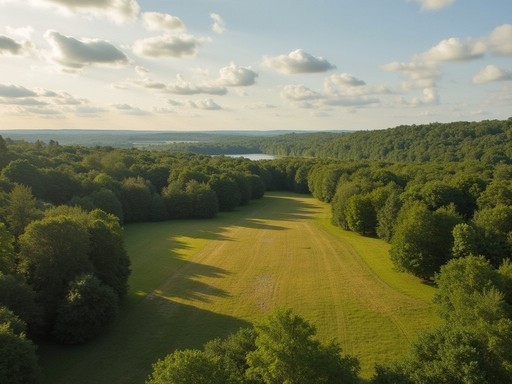
São Tomé's beaches rightfully earn their place in travel features – pristine stretches of sand framed by swaying palms. But the island's interior holds equally magnificent treasures that most visitors never discover.
My journey into São Tomé's heart began with a local guide named Paulo, who I met through my homestay host. Rather than following established hiking routes, Paulo showed me paths used by local farmers and hunters. We trekked through Obo National Park, where the dense rainforest canopy occasionally parted to reveal views of Pico Cão Grande, the towering volcanic plug that rises dramatically from the landscape.
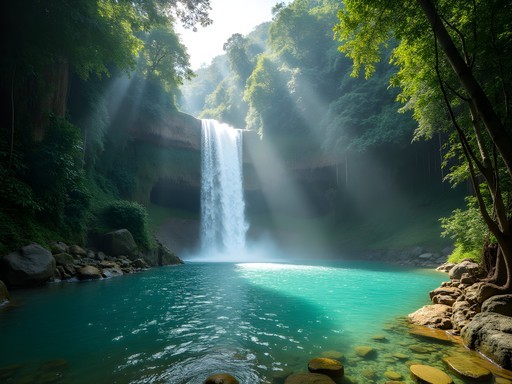
One particularly memorable day involved a three-hour hike to Cascata São Nicolau, a waterfall hidden so deep in the jungle that we encountered no other visitors. The path required crossing streams on fallen logs and navigating muddy inclines, but the reward was swimming in a pristine pool beneath the falls, surrounded only by the sounds of tropical birds and chattering monkeys.
For these jungle adventures, my quick-dry towel proved invaluable – compact enough to fit in my daypack yet absorbent enough to dry quickly after impromptu swims in waterfalls and rivers. The humid climate means anything cotton stays wet for days.
Another hidden gem was Lagoa Azul (Blue Lagoon), which appears in guidebooks but is typically visited only briefly by tour groups. Paulo showed me how locals access a secret cove beyond the main lagoon by following a narrow path through volcanic rocks. Here, in a natural pool protected from the open ocean, I spent an afternoon snorkeling among kaleidoscopic fish, occasionally joined by local children who demonstrated how to dive for sea urchins (considered a delicacy).
These off-map experiences weren't just about scenic beauty – they revealed ecosystems and cultural connections to the land that helped me understand why São Toméans speak of their island with such reverence.

💡 Pro Tips
- Connect with local guides through guesthouses rather than tour companies for more authentic experiences
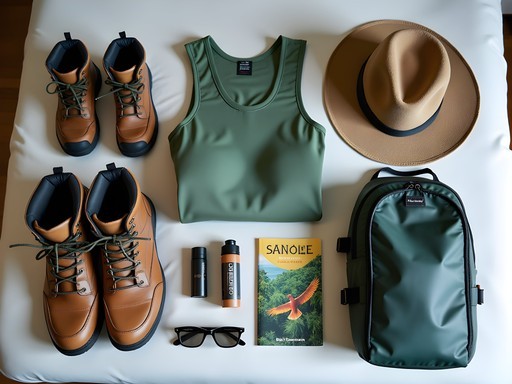
- Pack proper hiking boots – many hidden spots require traversing muddy jungle paths
- Bring twice as much water as you think you'll need – the humidity makes dehydration a real concern
Cultural Connections: Festivals and Community Gatherings
My timing in São Tomé proved fortunate as my visit coincided with Festa do Tchiloli, one of the island's most significant cultural events. This theatrical tradition blends Portuguese medieval drama with African performance elements, creating something entirely unique to São Tomé.
Unlike polished performances for tourists, Tchiloli takes place in village squares where communities gather to watch day-long performances. I was initially hesitant to attend, worried about intruding on a local tradition, but my homestay host insisted on bringing me along to her family's village celebration.
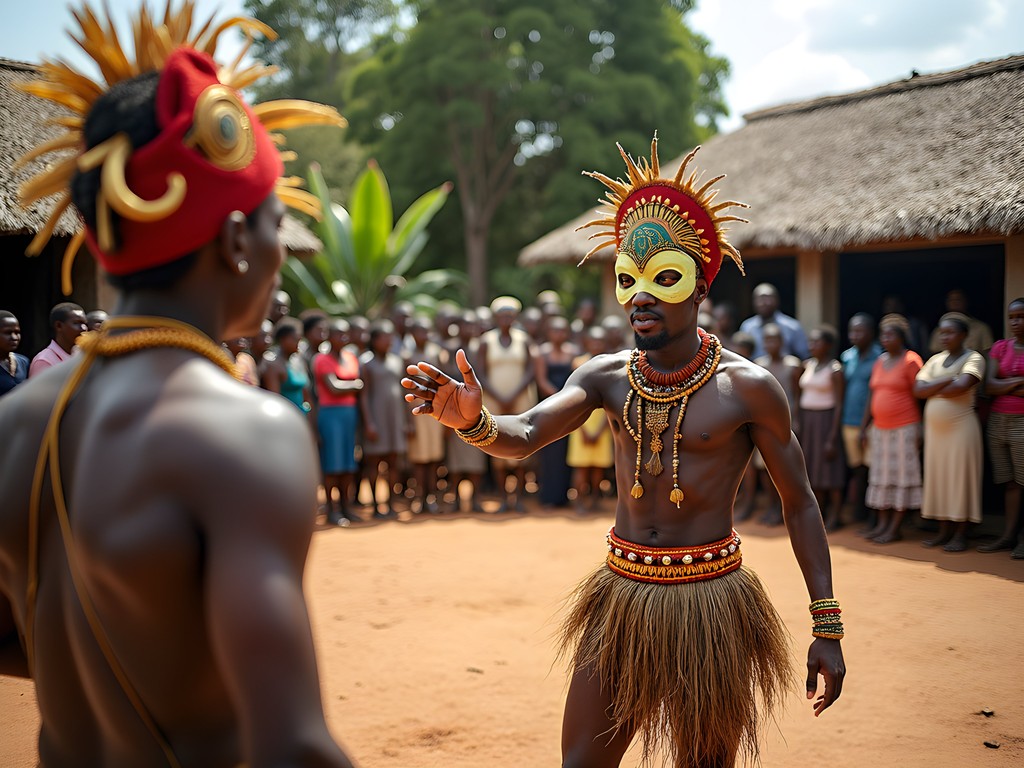
What I witnessed was theater as community ritual – performers in elaborate costumes enacting a complex story of justice and revenge that has evolved over centuries. The audience participated actively, commenting on the action and occasionally joining in songs. My host whispered translations of key moments, helping me follow the narrative threads.
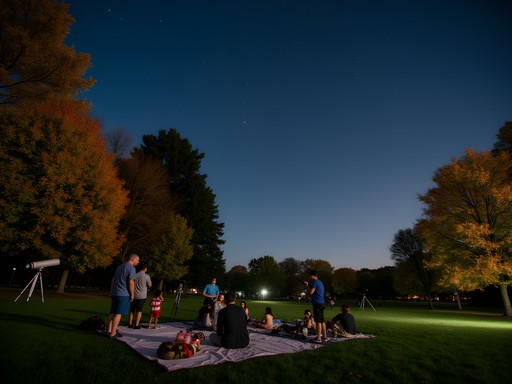
Beyond organized festivals, I discovered that everyday gatherings hold equal cultural significance. Sunday afternoons in São Tomé are devoted to fundões – informal gatherings where families and neighbors share meals, music, and conversation. After church services end, public spaces transform as people spread blankets, unpack food containers, and set up impromptu sound systems.
At one such fundão in Trindade, I was invited to join a family's circle simply because I'd stopped to admire their music. Soon I was being taught the basics of puíta drumming and sampling homemade palm wine served in recycled plastic bottles. These weren't experiences I could have booked or planned – they emerged organically through connections and presence.
I documented these cultural moments using my compact camera, which allowed me to capture authentic moments without the intrusive presence of professional gear. The discreet size meant I could photograph with permission without changing the natural flow of events – crucial for preserving the authenticity of these cultural exchanges.
💡 Pro Tips
- Ask permission before joining local celebrations or taking photographs
- Bring something to share when invited to community gatherings – even store-bought cookies are appreciated
- Learn a few traditional dance steps beforehand – willingness to participate breaks down barriers quickly
Final Thoughts
As my final days on São Tomé slipped away, I found myself walking slower, listening more intently, and savoring each interaction. The island had worked its magic, shifting my perspective from that of an observer to something closer to a temporary resident. While I couldn't claim to truly 'live like a local' in just two weeks, I'd glimpsed authentic island life beyond the postcard beaches and resort walls. São Tomé doesn't reveal itself to those rushing from attraction to attraction but rather to those willing to surrender to its rhythm. If you visit, bring patience, curiosity, and humility. Leave expectations behind. The real São Tomé exists in unplanned moments – in impromptu invitations, shared meals, and conversations that stretch into the warm evening air. As they say on the island: leve-leve. Take it easy. The magic will find you.
✨ Key Takeaways
- Cultural immersion requires slowing down and adopting the 'leve-leve' mindset
- Authentic connections happen through homestays and community-based tourism rather than resorts
- The most memorable experiences often come from unplanned interactions with locals
- São Tomé's interior jungle holds as many treasures as its famous beaches
📋 Practical Information
Best Time to Visit
June through September (dry season)
Budget Estimate
$75-125 per day including accommodations, meals, and activities
Recommended Duration
Minimum 10 days, ideally 2 weeks
Difficulty Level
Moderate


Comments
wanderlustlife
Beautiful photos! That market shot is perfect.
Frank Garcia
This post captures something essential about São Tomé that most travel content misses - the importance of slowing down. I've been analyzing travel patterns across West African islands and ST&P stands out precisely because it hasn't been overdeveloped. The economic challenges you mention are real, but as you noted, tourism done thoughtfully can help. I stayed at a family-run place near Praia Jalé and the conversations about sustainable development were fascinating. The turtle conservation work happening there deserves more attention. One practical tip: bring more cash than you think you need - ATMs are unreliable outside the capital.
winterwanderer
We spent 10 days there in 2025 and it was life-changing. The homestay experience was the highlight - our host family in Neves taught us how to make calulu and we spent evenings just talking on the porch. Bring small gifts from home (we brought postcards and candy for the kids). Also the chocolate plantations are worth visiting even if you think it'll be touristy - Claudio Corallo's place blew my mind. Fair warning though: expect power outages and bring a good headlamp!
adventurechamp
Adding this to my 2026 bucket list! The hidden natural treasures section has me hooked. Are there any good guides you'd recommend for the interior jungle areas? I'm not super experienced with tropical hiking.
Timothy Jenkins
Definitely hire a local guide for the interior - the trails aren't always marked and guides know where to spot endemic birds and the best waterfalls. Ask at your accommodation, most can connect you with someone reliable.
hikingvibes
This looks incredible! Is it safe for solo female travelers? And how's the hiking situation?
Raymond Hassan
Excellent write-up, Timothy. I spent three weeks in São Tomé last summer and your observations about the leve-leve philosophy are spot-on. One thing I'd add: the mercado municipal in São Tomé city is incredible for breakfast - fresh pão with local butter and strong coffee for practically nothing. The key is arriving before 8am when everything is freshest. Also found the shared taxis ("candongueiros") to be the most authentic way to get around, though you need patience. The locals were always amused by my terrible Portuguese attempts but incredibly welcoming.
Frank Garcia
Raymond - did you find Portuguese essential? I speak Spanish but my Portuguese is rough. Heading there in April.
Raymond Hassan
Spanish helps more than you'd think! Many words are similar enough. Plus locals are patient and will work with you. Learn basic greetings and food words and you'll be fine.
dreamlegend
whats the visa situation like for US passport holders?
wanderlustlife
You can get visa on arrival! Super easy, just bring cash (euros work best) and proof of accommodation. Took me like 20 mins when I went last year.
coffeemood
OMG THIS IS EXACTLY WHAT I'VE BEEN LOOKING FOR!! São Tomé has been on my radar forever and the leve-leve concept sounds amazing. Totally over the tourist trap destinations. How easy was it to arrange homestays?
Timothy Jenkins
So glad this resonated! Homestays were easier than expected - I arranged mine through local contacts in Santana, but some guesthouses also connect you with families. Just embrace the slower pace and you'll love it!
Taylor Moreau
Excellent piece, Timothy. I've been considering São Tomé for a digital detox retreat - the 'leve-leve' philosophy you describe aligns perfectly with what I'm looking for. I appreciate the practical insights about staying with locals rather than the standard hotel circuit. One question: how reliable is the internet connectivity if one needs to check in occasionally for work? I imagine it's quite limited outside the capital, but curious about your experience.
Timothy Jenkins
Taylor, honestly the connectivity is spotty even in São Tomé city. Most guesthouses have wifi but it's slow and cuts out frequently. If you need reliable internet, I'd suggest staying in the capital and doing day trips. But if you can truly disconnect, the rural areas are where the magic happens!
Hunter Thompson
Brilliant post, Timothy! This is exactly the kind of travel content we need more of. I've been focusing too much on the usual West African spots and completely overlooked São Tomé. The market culture sounds incredible - reminds me of my time in rural Senegal where the morning markets were the heartbeat of the community. Question: how's the Portuguese language barrier? My Portuguese is pretty rough, mostly picked up bits in Brazil. Do locals speak much English or should I brush up before going?
Venture X
Premium card with 2X miles, $300 travel credit, Priority Pass