


Disclosure: This article contains affiliate links. We may earn a commission from purchases at no extra cost to you, which helps our travel content.
I've always believed that the most memorable travel experiences happen when you step off the tourist trail. After years of plotting routes through Mediterranean coastal towns and Southeast Asian metropolises, I found myself drawn to the less-charted territories of Africa. Nampula – Mozambique's third-largest city and the unofficial capital of the country's northern region – offered exactly the kind of authentic immersion I crave, without the price tag of more popular African destinations. What followed was two weeks of cultural discovery that reminded me why I started traveling in the first place.

Finding Your Feet in Nampula City
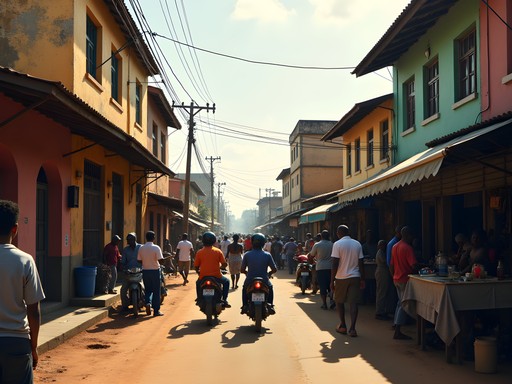
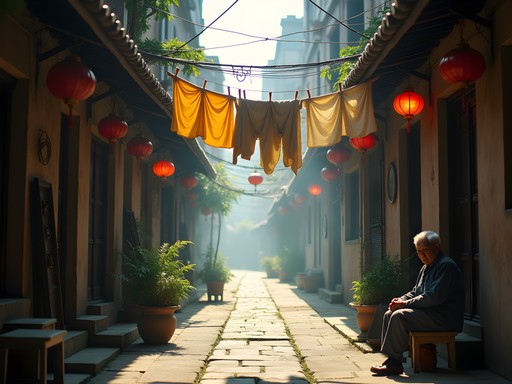
Nampula doesn't ease you in gently. It's a sensory explosion from the moment you arrive – the colorful capulanas (traditional fabric) worn by women, the symphony of Portuguese and Makhuwa languages, and the constant motion of people going about their daily lives.
I stayed at Ruby Backpackers, a modest but clean guesthouse where a private room with a fan cost me just 1200 meticais (about $18) per night. The real value wasn't just the price but the owner, Augusto, whose family has lived in Nampula for generations. Through him, I learned which chapas (minibuses) to take, which neighborhoods to explore, and how to greet people in Makhuwa.
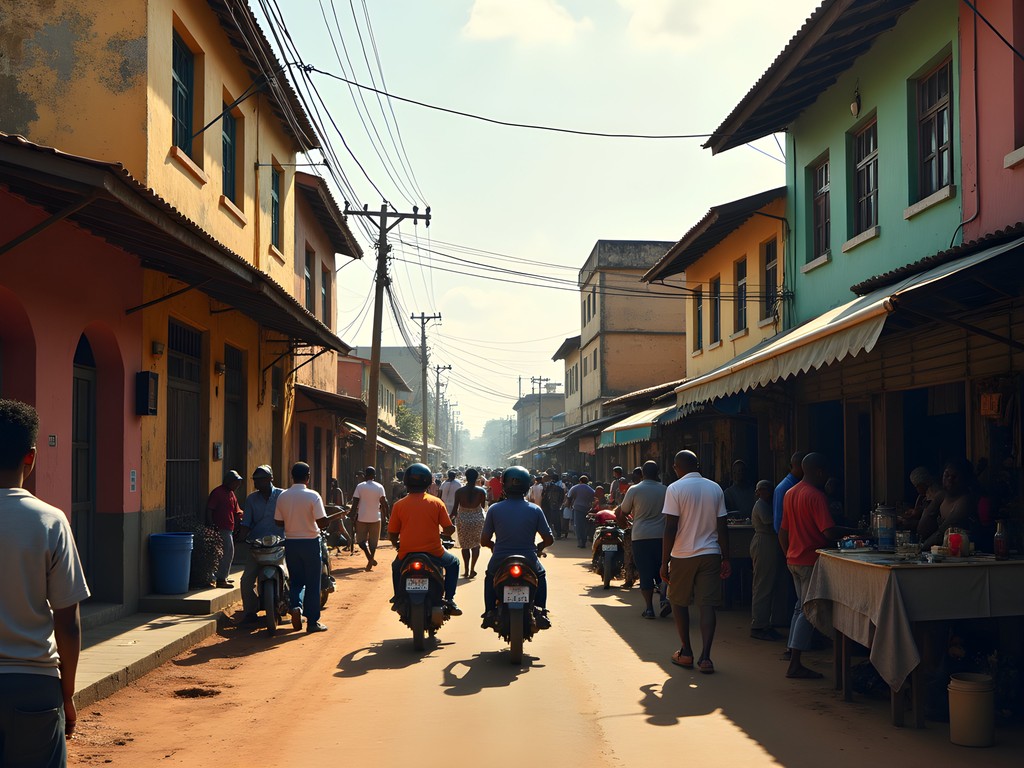
Navigating the city requires patience and a sense of adventure. While I usually rely on my pocket translator when traveling through regions with language barriers, in Nampula I found that a few basic Portuguese phrases and animated gesturing went surprisingly far. The central market became my orientation point – all roads seemed to lead there eventually, and locals were quick to point me in the right direction when I inevitably got lost in the labyrinthine side streets.
💡 Pro Tips
- Learn basic greetings in both Portuguese and Makhuwa
- Ask your accommodation to write down their address and your destination in Portuguese to show drivers
- The central market (Mercado Central) is the main reference point for navigation
Daily Rhythms & Budget-Friendly Living
My days in Nampula quickly fell into a rhythm that matched the city's own pace. Mornings began early, before the heat intensified, with a walk to nearby bakeries for fresh pão (bread) and strong coffee that cost mere pennies. By 7 AM, the streets were already alive with activity.
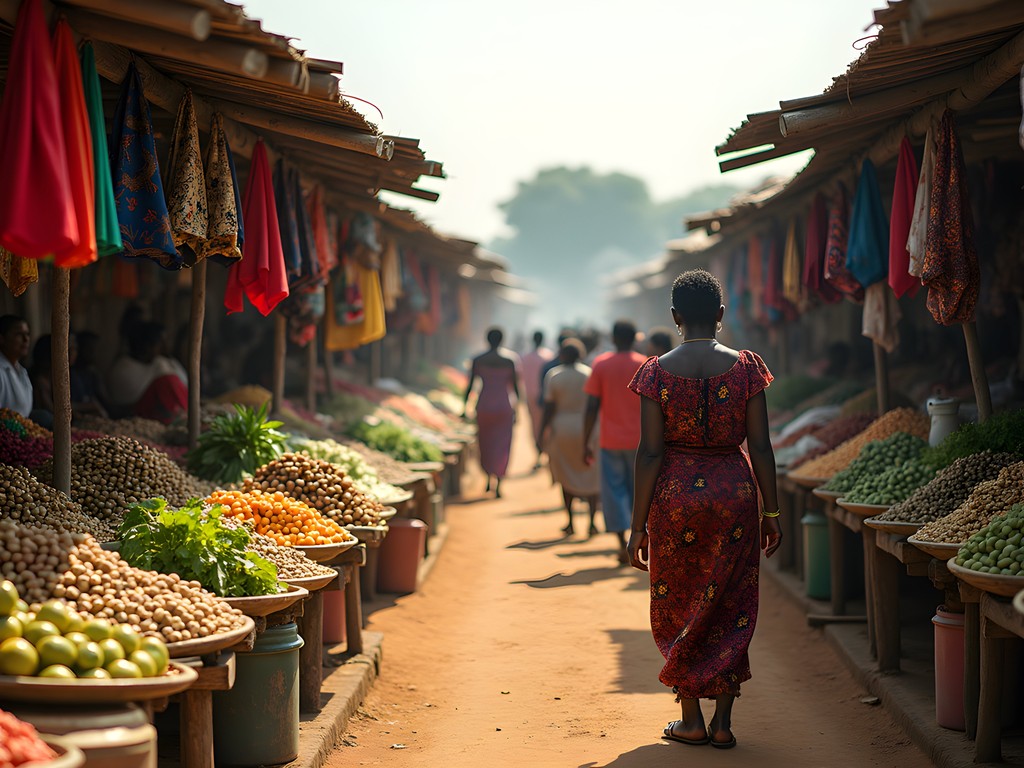
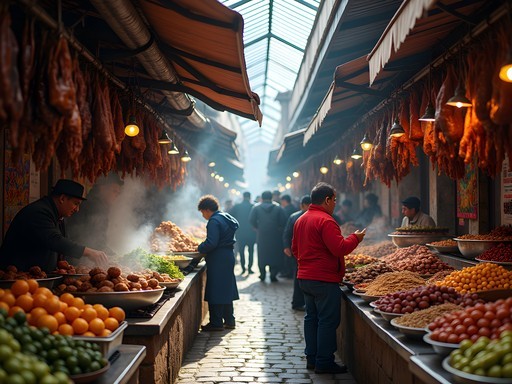
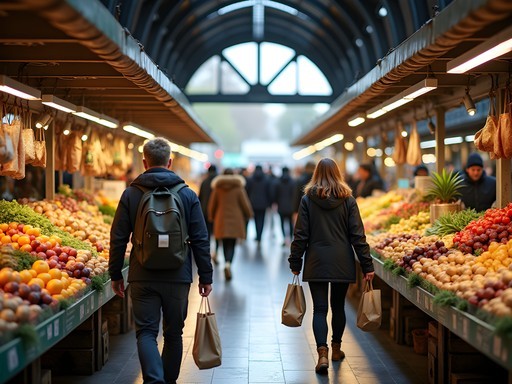
Food costs in Nampula are remarkably low if you eat where locals do. The central market offers fresh produce at prices that made me laugh out loud – a week's worth of mangoes, papayas, and bananas for less than $5. For cooked meals, small roadside establishments serve hearty portions of matapa (cassava leaf stew) and grilled chicken with xima (corn porridge) for about 150-200 meticais ($2-3).
Staying hydrated is essential in Nampula's heat. Rather than constantly buying plastic water bottles, I brought my trusty water purifier bottle, which paid for itself within days and prevented dozens of plastic bottles from ending up in Nampula's already strained waste system.
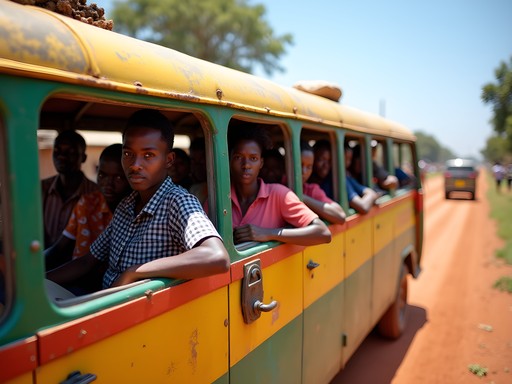
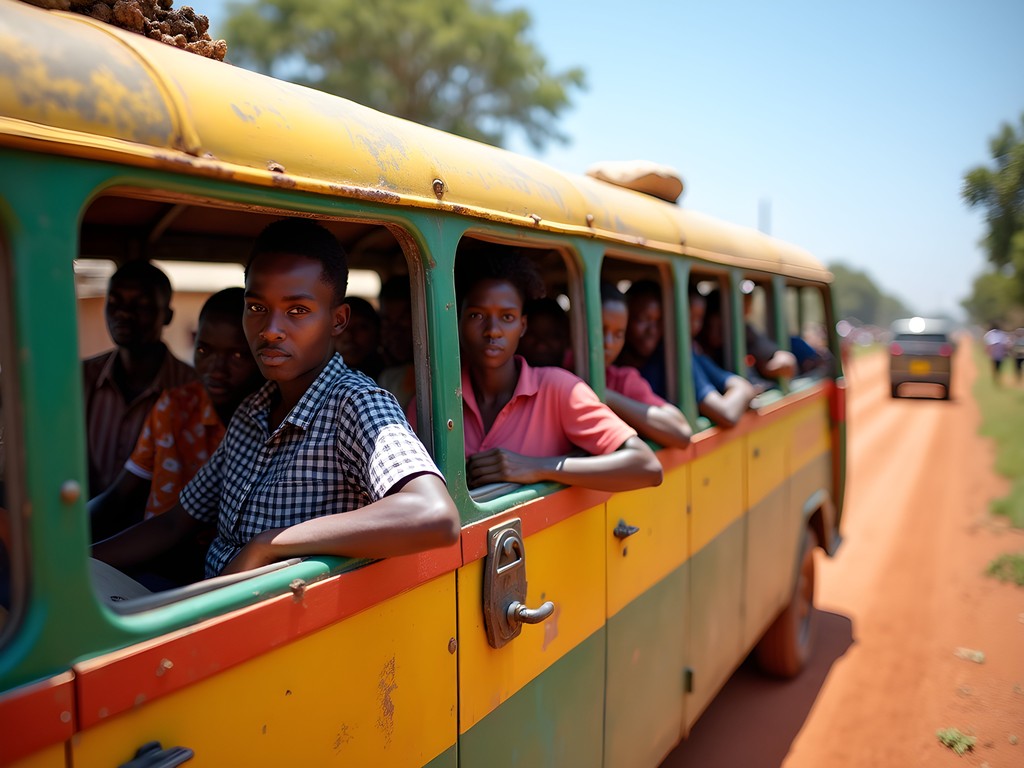
Transportation follows the same budget-friendly pattern. Chapas (shared minibuses) connect all parts of the city for 10-15 meticais (about 15-25 cents) per trip. They're crowded and follow no discernible schedule, but they're how locals move around, and the conversations I had while squeezed between market women and their goods provided some of my most memorable insights into daily life.
💡 Pro Tips
- Shop at the central market in the morning for the freshest produce
- Look for restaurants where locals are eating – they're often hidden in residential areas
- Carry small bills for chapas as drivers rarely have change
Cultural Immersion Beyond the Guidebooks
The Museum of Ethnology in central Nampula is worth a visit for its collection of Makonde sculptures and cultural artifacts, but the real ethnographic experience happens outside its walls. On my third day, I met Luisa, a teacher who invited me to observe her English class at a local school. What was meant to be a one-hour visit turned into a week-long volunteer opportunity, giving me unprecedented access to family life in Nampula.
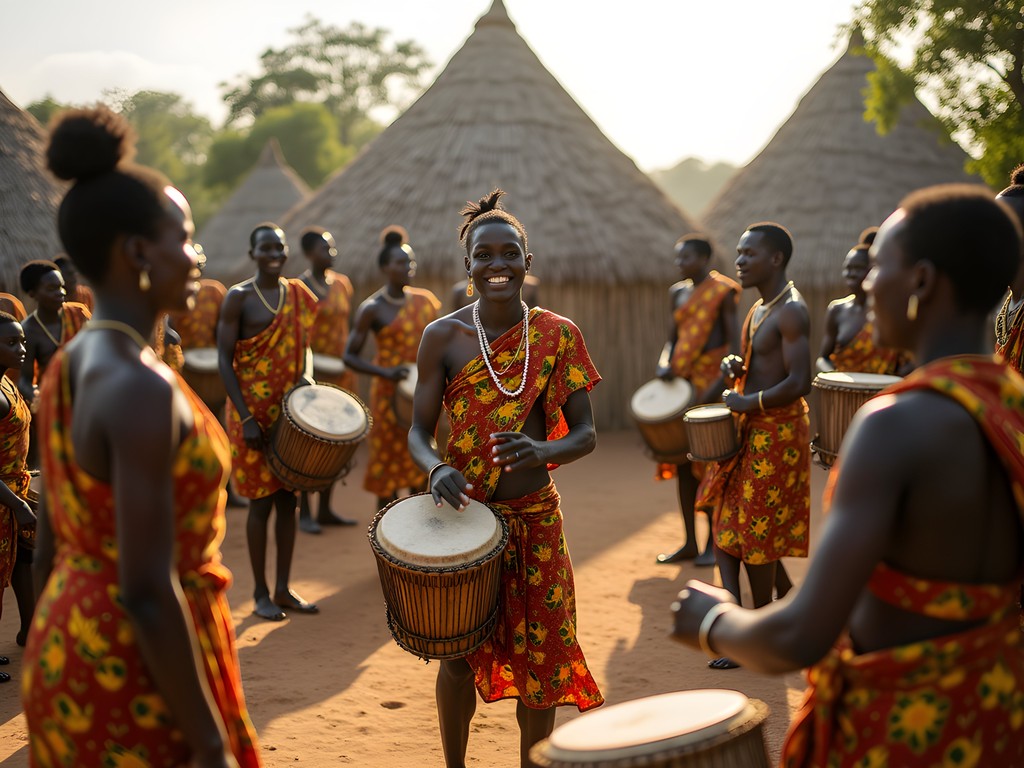
Through Luisa's connections, I was invited to a traditional Makhuwa ceremony in a village about 30 kilometers outside the city. Preparation involved purchasing a capulana (about 250 meticais/$4) to wear appropriately and bringing a gift of cashews and coffee for the village elders. The experience was profound – hours of drumming, dancing, and communal eating that no organized tour could have provided.
For those interested in Mozambique's complex history, I found that older residents were often eager to share stories of the colonial period, independence, and civil war. At a local barber shop where I stopped to escape the midday heat, the owner spent an hour recounting how Nampula changed during these pivotal periods while showing me faded photographs of the city from the 1970s.
When venturing into more remote areas, I relied on my solar charger to keep my phone powered, as electricity can be unreliable outside the city center. It became a conversation starter with curious locals who would gather to watch it harness the abundant Mozambican sunshine.
💡 Pro Tips
- Visit the Faculty of Education at Universidade Pedagógica – many students are eager to practice English and show visitors around
- Attend Sunday services at the Catholic cathedral even if you're not religious – it's a cultural experience and a way to meet people
- Respect the traditional authority structure in villages – always greet elders first

Day Trips & Excursions from Nampula
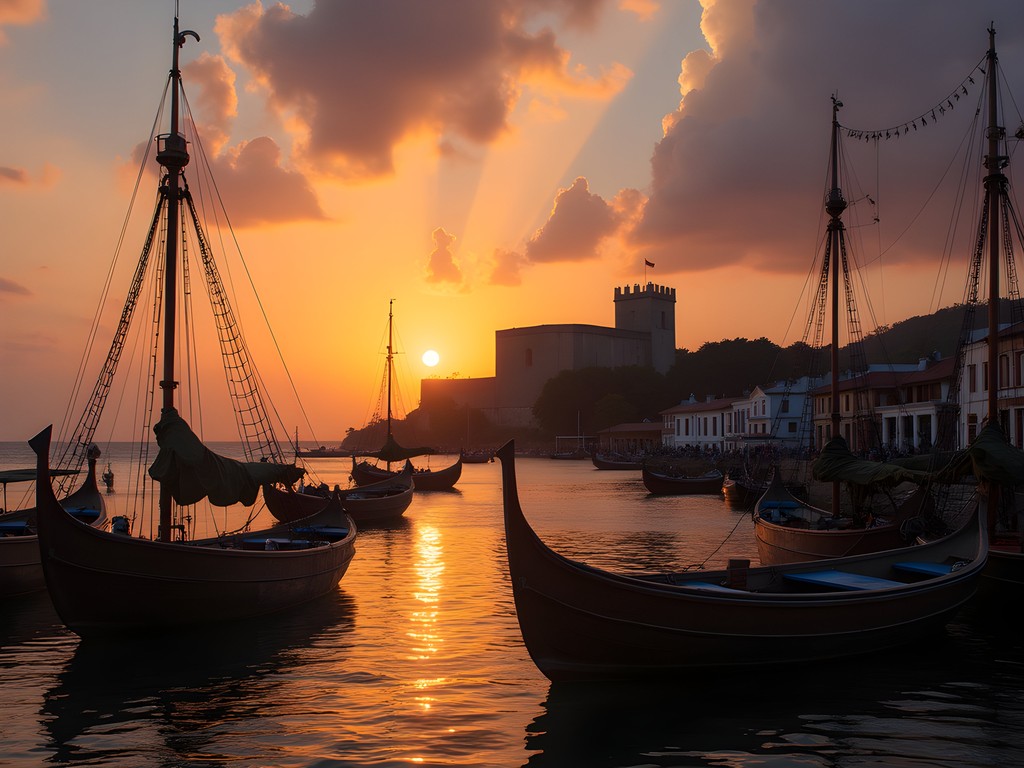
While Nampula itself kept me busy, the surrounding region offers remarkable experiences for the adventurous traveler. Ilha de Moçambique (Mozambique Island), a UNESCO World Heritage site, is the most famous excursion – about 3 hours by chapa or faster by shared taxi (400 meticais/$6 one-way). I opted to stay overnight in a modest guesthouse on the island (800 meticais/$12) to fully appreciate the haunting beauty of this former Portuguese colonial capital.
Less visited but equally fascinating is the sacred mountain of Namuli, considered the birthplace of the Makhuwa people. Arranging this trip required patience – I hired a local guide through contacts at Ruby Backpackers for 1500 meticais ($23) for the day, plus transportation costs. The hike is challenging but rewarding, with views across vast stretches of northern Mozambique and encounters with communities rarely visited by outsiders.
For these longer excursions, I was grateful for my anti-theft daypack, which kept my passport and emergency cash secure while navigating crowded bus stations and unfamiliar areas. It's discreet enough not to scream 'tourist' yet provides peace of mind in situations where you need to be vigilant.
Nacala, with its stunning beaches, is another worthwhile day trip. The contrast between Nampula's bustling urban energy and the pristine coastline just 200 kilometers away showcases Mozambique's diversity. The journey takes about 3-4 hours by chapa with a few transfers, but the reward is access to beaches that would command premium prices elsewhere in the world, at a fraction of the cost.
💡 Pro Tips
- For Ilha de Moçambique, leave early (around 6 AM) to maximize your time on the island
- Carry your own toilet paper and hand sanitizer for long journeys – facilities are basic
- Always negotiate prices for guides and transportation before departing
Practical Challenges & How to Overcome Them
Let's be honest – Nampula isn't for travel novices. The city presents genuine challenges that require patience, flexibility, and experience. Power outages occur regularly, sometimes lasting hours. Internet connectivity is unreliable at best. ATMs frequently run out of cash, particularly on weekends.
I came prepared with a power bank that could recharge my phone multiple times – essential when electricity disappeared for 12 hours in my neighborhood. Similarly, having a LifeStraw gave me options when the water supply became questionable after heavy rains.
Safety requires common sense rather than paranoia. I avoided walking alone after dark and kept my valuables in a money belt when navigating crowded areas. The biggest risk I encountered was petty theft rather than violent crime, and maintaining awareness of my surroundings prevented any incidents.
Language presented another hurdle. While Portuguese is the official language, many older residents and those from rural areas speak primarily Makhuwa. I downloaded Portuguese language packs for offline use in Google Translate and carried a small notebook where I wrote down useful phrases. Learning to count in Portuguese and understanding basic food terms proved invaluable at markets.
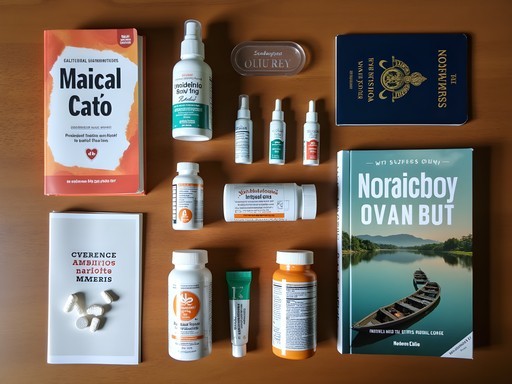
Health precautions are non-negotiable. I took malaria prophylaxis, used mosquito repellent religiously (especially at dawn and dusk), and carried a basic medical kit. Finding a pharmacy that stocked familiar medications was challenging, so bringing essentials from home was a decision I didn't regret.
💡 Pro Tips
- Withdraw money whenever you find a functioning ATM – don't wait until you're nearly out of cash
- Take a photo of your passport and email it to yourself in case of loss or theft
- Register with your country's embassy in Mozambique before traveling to Nampula
Final Thoughts
As my chapa pulled away from Nampula for the last time, heading toward the airport, I felt that peculiar mix of sadness and fulfillment that comes from truly connecting with a place. Nampula had challenged me daily – with its heat, language barriers, infrastructure limitations, and cultural differences – yet rewarded me immeasurably with genuine human connections and experiences impossible to find in more polished destinations.
This isn't a city that will coddle you with tourist amenities or Instagram-perfect settings. It's raw, complicated, and sometimes frustrating. But for travelers willing to embrace discomfort and uncertainty, Nampula offers something increasingly rare: an authentic glimpse into a way of life untouched by the homogenizing forces of global tourism.
I came to Nampula seeking to live like a local and left with a profound appreciation for the resilience, generosity, and joy I encountered daily. The memories I treasure most aren't of monuments or museums but of shared meals with new friends, impromptu language lessons from giggling children, and the simple triumph of successfully navigating the chapa system alone. If that's the kind of travel experience you value, Nampula awaits – no champagne budget required.
✨ Key Takeaways
- Nampula offers authentic cultural immersion at budget prices for experienced travelers
- Learning basic Portuguese phrases is essential for meaningful interactions
- Building connections with locals provides access to experiences no guidebook can offer
- The challenges of traveling in Northern Mozambique are balanced by the rewards of genuine discovery
📋 Practical Information
Best Time to Visit
May to October (dry season)
Budget Estimate
$25-40 per day including accommodation, food, and local transportation
Recommended Duration
Minimum 1 week, ideally 2 weeks
Difficulty Level
Challenging
Comments
travellife
This post is SO inspiring!! I've never even heard of Nampula before and now I'm totally obsessed! The way you describe the markets and the food sounds incredible. Definitely going on my bucket list! Thank you for sharing such an authentic experience!
Dylan Turner
Interesting perspective on the local immersion aspect. I've been analyzing travel patterns in East Africa and Mozambique remains significantly undervisited compared to Tanzania or Kenya, despite comparable attractions. Your point about budget-friendly living is key - the cost differential between Nampula and, say, Zanzibar is substantial. I'm curious about infrastructure development since my last visit in 2023. Have you noticed improvements in the road conditions heading north toward Pemba? That route was problematic two years ago. Also, regarding accommodations, did you find decent mid-range options, or is it mostly budget guesthouses and high-end lodges with nothing in between?
sunnyguy
Would love to know about the road conditions too!
vacationseeker
That sunset photo over the market is absolutely stunning! What camera did you use? The colors are incredible.
explorepro
Good stuff. One thing I'd add - bring USD cash, not just cards. ATMs can be unreliable outside the main areas and some guesthouses only take cash. Also the markets are cash only obviously. What was your daily budget like?
hikinglife
Great photos!
travelmate
OMG this is EXACTLY what I've been looking for!! I'm so tired of the same old beach destinations everyone goes to. Northern Mozambique sounds perfect! How much Portuguese do you need to know? I'm planning my first solo trip and this might be it!!!
hikinglife
You'll want some basic phrases at least.
Casey Andersson
Jamie, this brought back memories! I spent three weeks in northern Mozambique last year, though I'll admit my experience was a bit different. I stayed at a boutique property outside the city and hired a private guide for the day trips. But what struck me most was exactly what you captured here - those unscripted moments with locals at the markets, the rhythm of daily life that you can only experience by slowing down. The story about sharing tea with the shopkeeper gave me chills. That's the kind of connection that transcends budget or luxury travel. Did you make it to Ilha de Moçambique during your stay? I'd love to hear your take on it.
travelmate
Wow Casey your trips always sound incredible! Do you have any posts about Mozambique?
sunnyguy
How safe are the chapas really? I've heard mixed things about public transport in Mozambique. Did you ever feel unsafe or was it pretty chill?
explorepro
I did chapas in Maputo and they were fine. Just watch your stuff during rush hour.
travelgal
This looks amazing! Adding to my list.
Scarlett Bryant
Excellent guide, Jamie! I've been looking for more content on lesser-known destinations in Mozambique. Your section on navigating the chapa system is particularly helpful - I'll be referencing this when I head there next month for a story. Quick question: did you find reliable wifi for remote work anywhere in the city? I typically need to file stories daily and I'm curious about the connectivity situation. Also, for anyone planning extended stays, I'd recommend having a good portable router as backup - saved me multiple times in similar locations across East Africa.
Jamie Ferguson
Thanks Scarlett! Wifi can be hit or miss. The hotel I mentioned (Lurio) had decent speeds in the lobby. There's also a cafe called Complexo Nautilus with reliable connection. I'd definitely recommend having a local SIM with data as backup - Vodacom worked well for me.
Venture X
Premium card with 2X miles, $300 travel credit, Priority Pass