
Disclosure: This article contains affiliate links. We may earn a commission from purchases at no extra cost to you, which helps our travel content.
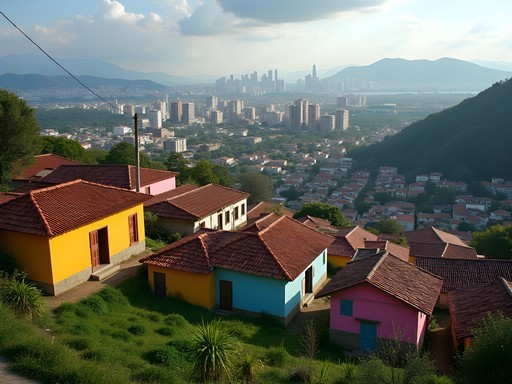
The sun was setting over the hills of Lambaré as I sat sipping tereré with a group of local artists discussing the geometric patterns in traditional Paraguayan ñandutí lace. This moment—unplanned and authentic—perfectly encapsulates what makes this often-overlooked suburb of Asunción so special. While most travelers use Lambaré merely as a gateway to Paraguay's capital, I've discovered that this vibrant community holds its own treasures worth exploring. After spending a week immersed in local life here during my research on educational systems in South America, I've compiled this guide to help solo travelers discover the mathematical beauty, cultural richness, and warm hospitality that defines authentic Lambaré—all while keeping your budget intact.

Finding Sacred Geometry in Lambaré's Architecture
My fascination with sacred geometry has taken me to temples across Southeast Asia, but I was pleasantly surprised to discover geometric wonders in Lambaré's architecture as well. The city's name derives from the Guaraní word 'lambareé,' meaning 'many butterflies'—a fitting metaphor for the symmetry and mathematical beauty you'll find here.
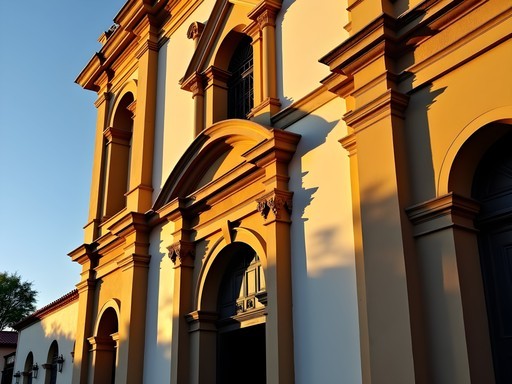
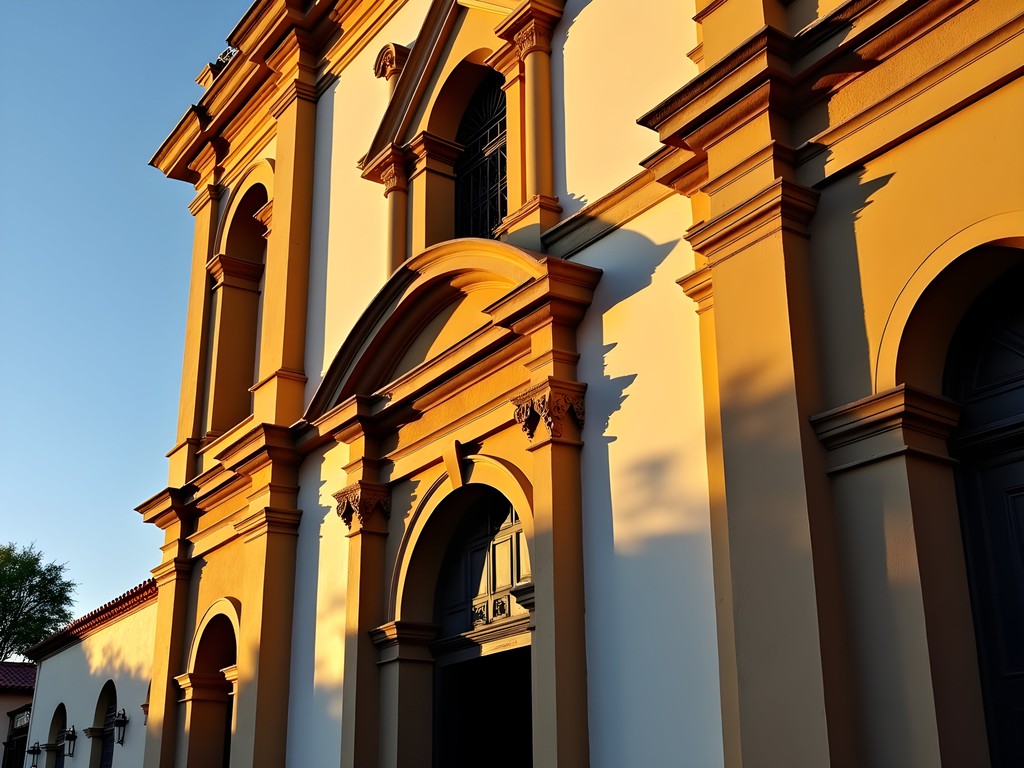
Start your exploration at the Iglesia San Isidro Labrador, where the Spanish colonial influence creates fascinating geometric patterns in its façade. The church's design incorporates the Golden Ratio in its proportions—something I noticed immediately when sketching its outline in my travel journal. For the best photos, visit in the early morning when the rising sun creates dramatic shadows that highlight these patterns.
For a more contemporary example, the Municipalidad de Lambaré (City Hall) showcases modern interpretations of traditional Guaraní patterns. What struck me most was how the building's architect incorporated the same mathematical sequences found in native textiles into the structural elements.
Don't miss the opportunity to visit local artisans who create ñandutí lace—a traditional Paraguayan craft featuring intricate geometric designs. I spent an afternoon with Doña Elena, who explained how these patterns have been passed down through generations, each representing different aspects of Paraguayan culture and natural world. The mathematical precision in these handcrafted works is truly remarkable.
💡 Pro Tips
- Visit Iglesia San Isidro Labrador between 7-9am for the best lighting to photograph geometric patterns
- Ask permission before photographing local artisans at work—most are happy to share their craft if approached respectfully
- Bring a sketchbook to record patterns you find—it's a wonderful way to connect with locals who are curious about your interest
Navigating Lambaré's Markets Like a Local
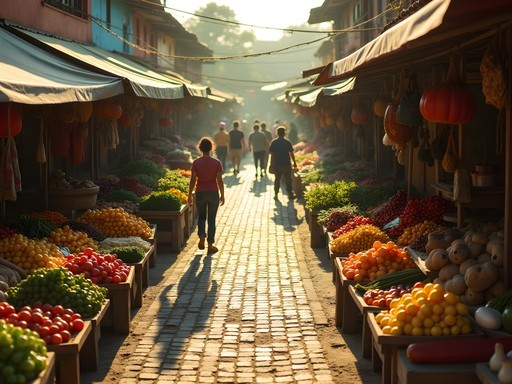
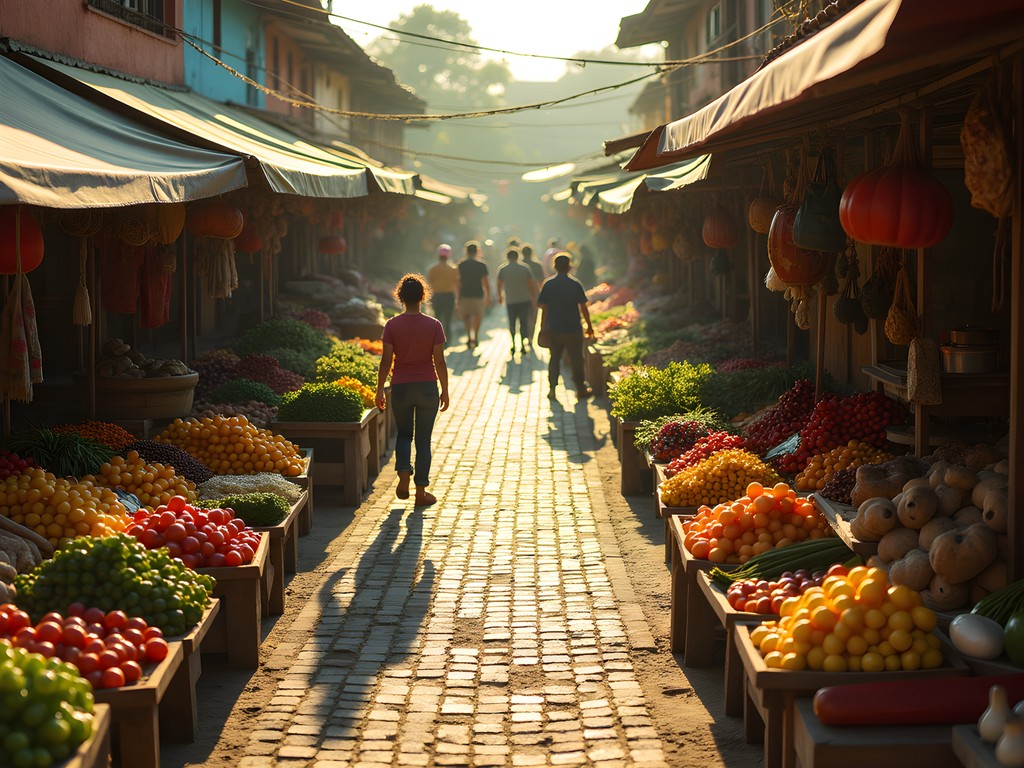
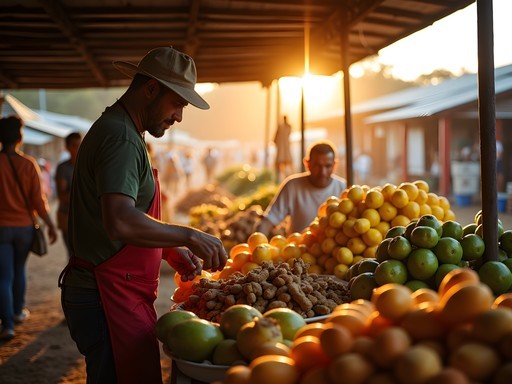
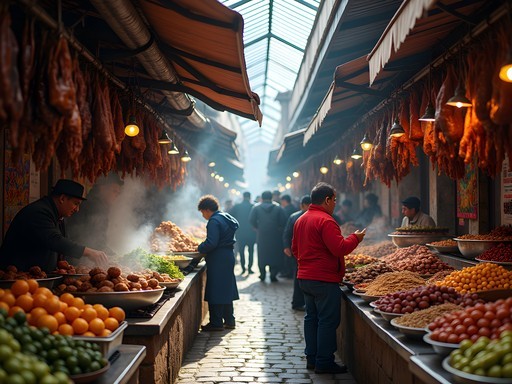
Markets are the beating heart of Paraguayan culture, and Lambaré offers authentic experiences without the tourist crowds you'd find in Asunción. The Mercado Municipal de Lambaré became my morning ritual during my stay—I'd arrive just after 6am when local farmers bring their freshest produce.
What sets this market apart is the organization based on traditional Guaraní principles of community and balance. Notice how vendors arrange their stalls in circular patterns rather than rigid grid systems. This creates natural gathering spaces where locals exchange news and stories while shopping.
For the budget-conscious traveler (like myself!), the market is a treasure trove. I sustained myself on less than $5 USD per day by purchasing fresh fruits, vegetables, cheeses, and the delicious chipa bread. The vendors appreciate if you bring your own bag, so I always carry my trusty packable daypack which folds into itself when not in use—perfect for spontaneous market visits.
Beyond food, seek out the artisan section where you'll find handcrafted items displaying remarkable geometric patterns. I found a beautiful wooden mate cup with carved mathematical symbols that now holds a special place in my Auckland home. When purchasing crafts, always ask about the symbolism—most artisans are eager to explain the cultural significance and mathematical principles behind their designs.
Don't miss the weekly Sunday market at Plaza de los Héroes, where local artists showcase their work. I spent hours conversing with a mathematician-turned-sculptor who creates mobiles based on Fibonacci sequences found in native Paraguayan plants.
💡 Pro Tips
- Arrive at Mercado Municipal before 7am for the freshest selection and authentic local experience
- Learn basic Guaraní phrases like 'Mba'éichapa' (Hello) and 'Aguyje' (Thank you)—vendors appreciate the effort
- Bring small bills and coins as vendors often struggle with change for larger denominations
Uncovering Lambaré's Hidden Cafés and Community Spaces
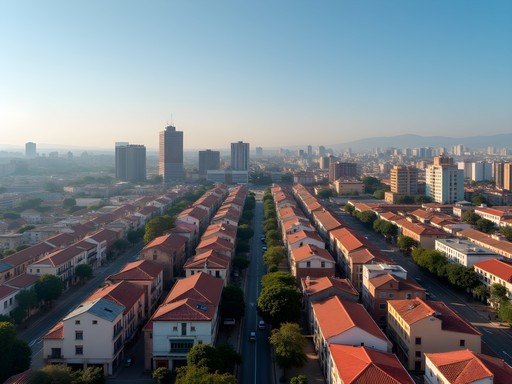
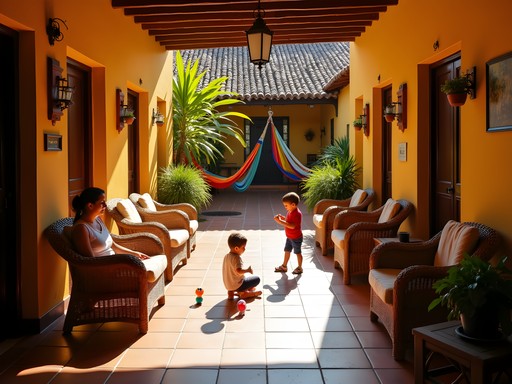
Lambaré's café culture reveals itself to those willing to venture beyond the main thoroughfares. Unlike the international chains dominating Asunción, Lambaré's cafés are family-owned establishments where time moves at a different pace and connections happen organically.
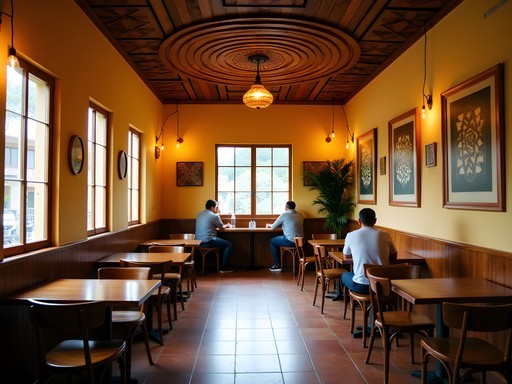
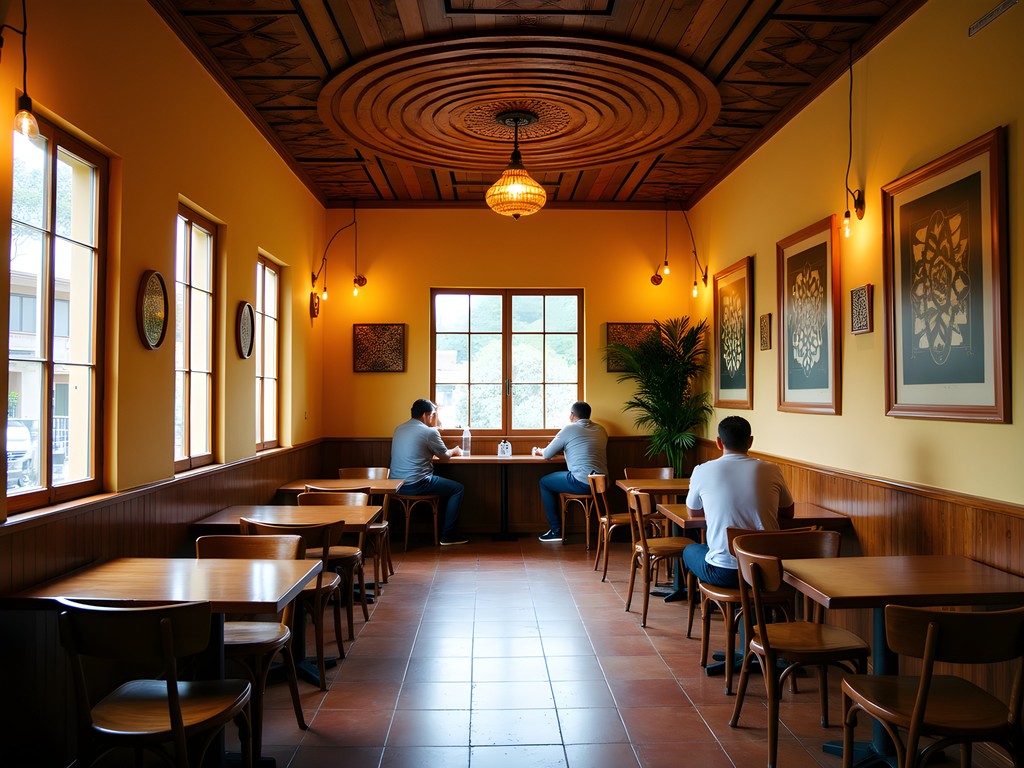
My favorite discovery was Café Geométrico, tucked away on a side street near the central plaza. The owner, Miguel, is a former mathematics professor who designed the entire space based on the principles of sacred geometry. The tables are arranged in a pattern representing the Flower of Life, and the ceiling features a stunning Fibonacci spiral made from local wood. I spent countless hours here working on my travel notes while sipping their house specialty—yerba mate infused with citrus.
For digital nomads needing reliable internet, Conectado Co-working space offers day passes for about $5 USD. What makes this space special is how they've incorporated traditional Paraguayan design elements into a modern workspace. The community board features local events and opportunities to connect with residents—which is how I found myself invited to a workshop on traditional Paraguayan music one evening.
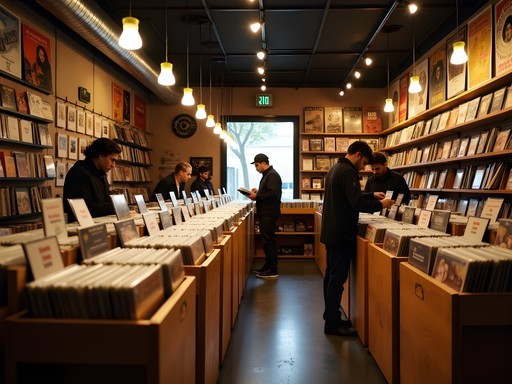
Don't miss La Biblioteca Comunitaria, a community-run library with a small café attached. The geometric precision of their bookshelves—designed by a local carpenter using traditional mathematical principles—caught my attention immediately. They host regular cultural exchanges where travelers can share stories from their homelands while learning about Paraguayan history and traditions. I recommend bringing a travel journal to record the fascinating stories and insights you'll gather in these spaces.
These community hubs offer far more than just coffee—they provide genuine connections with locals who can share insider tips about exploring the region. Some of my most memorable experiences in Lambaré came from conversations that began with a simple question about the geometric patterns decorating the walls of these establishments.
💡 Pro Tips
- Visit Café Geométrico between 3-5pm when local students gather to discuss philosophy and mathematics—they're often eager to include travelers in their conversations
- Bring small gifts from your home country to share with new friends—postcards or photos are especially appreciated
- Ask café owners about upcoming community events—many aren't advertised online but welcome visitors

Exploring Lambaré's Natural Geometry: Hiking the Seven Hills
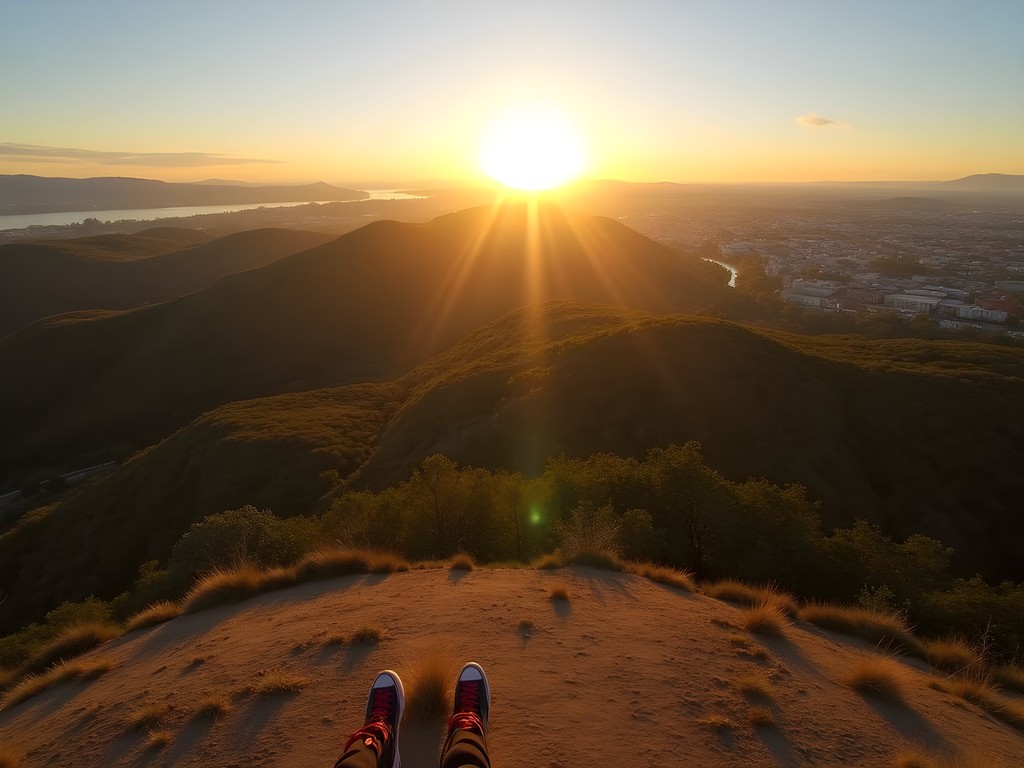
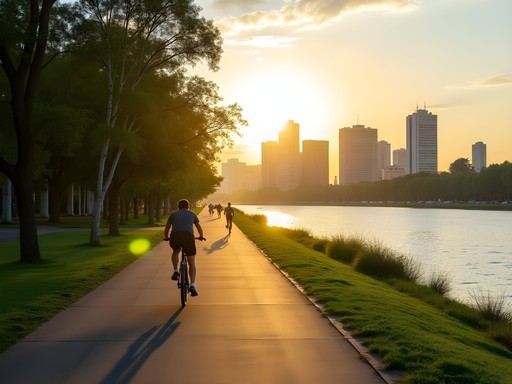
While Lambaré may seem primarily urban at first glance, its name 'City of Seven Hills' reveals a natural landscape worth exploring. These hills offer not only stunning views of Asunción and the Paraguay River but also showcase fascinating examples of natural sacred geometry in the landscape.
Cerro Lambaré, the most prominent hill, rises 126 meters above the city and holds special significance in Guaraní culture. Local guides explained how ancient inhabitants recognized mathematical patterns in the hill formations that aligned with celestial movements. As someone who's documented sacred geometry across continents, I was fascinated by the parallels between these natural formations and architectural principles I've observed in Southeast Asian temples.
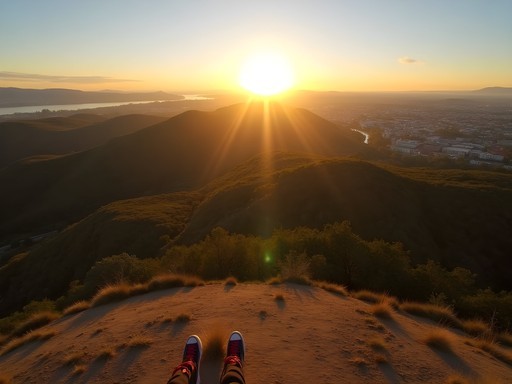
For the best experience, I recommend a sunrise hike with local guide Eduardo, who combines geological knowledge with cultural insights. The morning I joined his tour, we witnessed how the rising sun created perfect geometric shadows across the landscape—a natural phenomenon that occurs during specific seasons.
The hiking trails connect all seven hills in a pattern that, when viewed from above, creates a geometric formation similar to the Pleiades constellation—something I only discovered when sketching my route on a map afterward. The trails range from easy to moderate, making them accessible for most fitness levels with proper preparation.
Pack plenty of water and sun protection, as Paraguayan heat can be intense even in fall. My hiking daypack with its integrated hydration system proved invaluable during these explorations. The pack's geometric design with its efficient weight distribution made carrying water, snacks, and my camera equipment comfortable even in the midday heat.
Beyond the physical exercise, these hills offer quiet spaces for reflection. I spent one afternoon sitting under a native lapacho tree, sketching the geometric patterns formed by its branches against the sky—a meditative practice that connected me to both the mathematical and spiritual dimensions of this special place.
💡 Pro Tips
- Start hikes before 8am to avoid midday heat, especially between October and April
- Connect with guide Eduardo through the tourist information center near the central plaza—his insights transform a simple hike into a cultural experience
- Look for the geometric patterns in how water has eroded the hillsides—they reveal fascinating mathematical principles at work in nature
Connecting with Lambaré's Educational Community
As a school counselor by profession, connecting with local educational institutions provides me with unique insights into a community's values and future direction. Lambaré surprised me with its innovative approaches to education that blend traditional knowledge with modern techniques.
The Universidad Tecnológica Intercontinental (UTIC) campus in Lambaré welcomes visitors interested in educational exchange. I spent an afternoon with mathematics professor Dr. Martínez, who shared how they incorporate traditional Guaraní numerical systems and geometric principles into contemporary math education. The campus architecture itself demonstrates these principles, with buildings arranged according to sacred geometric patterns.
For those interested in alternative education models, the Escuela Activa de Lambaré operates on principles similar to Montessori but adapted to Paraguayan cultural context. The school director allowed me to observe classes where students learn geometry through traditional craft-making—watching children discover mathematical principles through hands-on creation was truly inspiring.
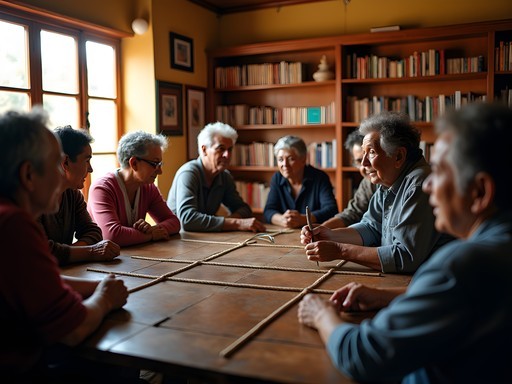
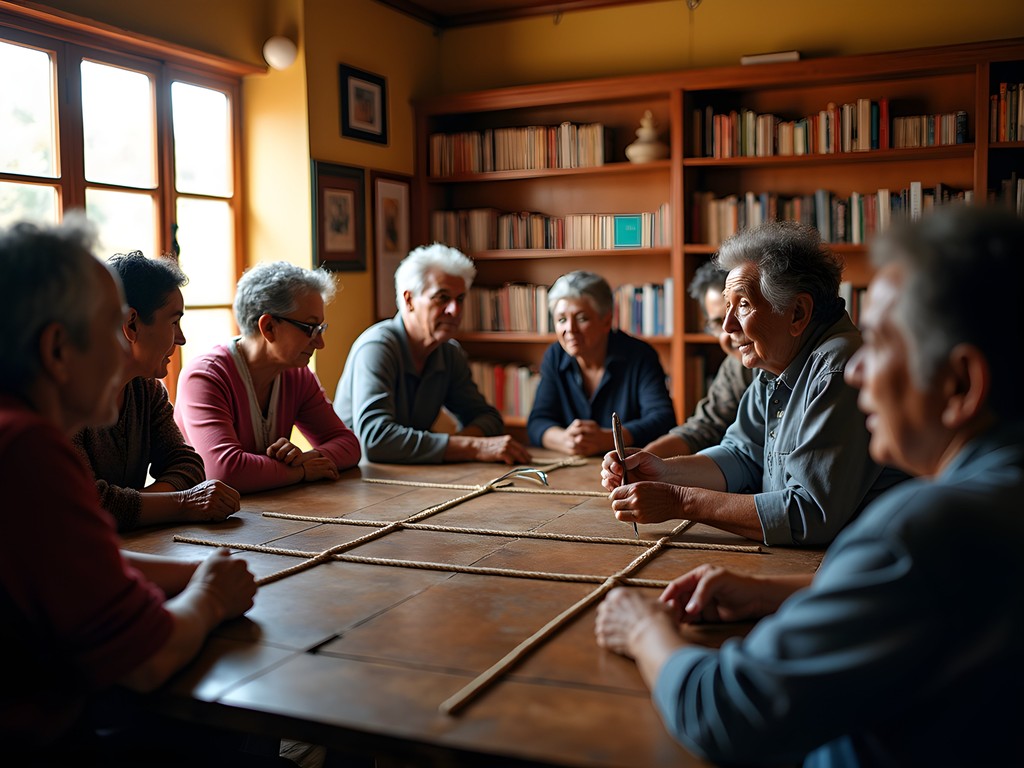
Don't miss the weekly educational exchanges at Biblioteca Pública Municipal, where community members gather to share knowledge across generations. I participated in a fascinating session where elders taught traditional methods for measuring and dividing land using ropes and simple tools—a practice incorporating geometric principles passed down for centuries.
If you're a fellow educator or simply interested in learning, bring educational materials from your home country to share. I had packed my travel laptop with presentations about New Zealand's educational approaches, which facilitated meaningful exchanges with local teachers eager to discuss global perspectives.
These educational connections provided me with a deeper understanding of Lambaré's community values and cultural priorities than any tourist attraction could offer. The mathematical traditions embedded in daily life here reveal how deeply geometry and proportion influence Paraguayan cultural identity.
💡 Pro Tips
- Email educational institutions at least a week before your visit to arrange meetings with faculty members
- Bring simple educational materials or photos from your home country's schools to facilitate exchange
- Attend the Thursday evening community lectures at Biblioteca Pública Municipal—topics range from traditional mathematics to contemporary social issues
Final Thoughts
As I packed my bag on my final morning in Lambaré, carefully wrapping the geometric ñandutí lace I'd purchased from Doña Elena, I reflected on how this unassuming suburb had revealed itself as a living classroom of sacred geometry and authentic connection. Lambaré doesn't announce its treasures loudly—they reveal themselves gradually to those willing to look beyond the surface, to sit with locals over tereré, to trace patterns in architecture both ancient and modern. The mathematical harmony I found here connects seamlessly with patterns I've documented across continents, reminding me that certain principles transcend cultural boundaries. Whether you're fascinated by geometric design, seeking authentic cultural exchanges, or simply looking to experience Paraguay beyond the typical tourist path, Lambaré offers rich rewards for the curious traveler. I invite you to discover your own mathematical connections in this special corner of Paraguay—and to share them with the welcoming community that calls these seven hills home.
✨ Key Takeaways
- Lambaré's architecture and crafts showcase fascinating examples of sacred geometry that connect to global mathematical traditions
- Early mornings offer the most authentic experiences at local markets and the best lighting for photographing geometric patterns
- Building relationships with local educational communities provides deeper cultural insights than standard tourist experiences
- The seven hills of Lambaré contain both natural beauty and mathematical significance worth exploring
📋 Practical Information
Best Time to Visit
April-June or September-November (fall or spring seasons)
Budget Estimate
$30-50 USD per day including accommodation, food and activities
Recommended Duration
5-7 days
Difficulty Level
Intermediate
Comments
springtime
Booking my flights now!! Thanks for the inspiration
Nicole Russell
This is EXACTLY the kind of travel content we need more of! I'm so tired of the same old tourist trail posts. Lambaré wasn't even on my radar but now I'm seriously considering adding Paraguay to my 2026 itinerary. The geometric patterns in the architecture sound fascinating - are there any specific buildings you'd recommend checking out? Also, how many days would you suggest spending there to really soak it in?
Rachel Brooks
Thank you Nicole! I'd say 3-4 days is perfect. For architecture, definitely check out the Iglesia San Roque and some of the older residential buildings in the historic center. I'll actually be writing a follow-up post with specific addresses!
mountainwanderer
Love the sunset photo!
wavelife
Great post! Quick tip for anyone going - the Mercado Municipal is best on Saturday mornings. Way more vendors and the energy is incredible. Also try the chipa from the lady near the entrance, best I've ever had.
greenmood
OMG this is going straight to my bucket list!!! The ñandutí lace looks so beautiful in your photos. I've been wanting to visit South America for the first time and this seems like such an authentic place to start. Do you think it's safe for solo travelers? I'd be going alone and I'm a bit nervous tbh
Nicole Russell
Not Rachel but I solo travel all the time and Paraguay is generally very safe! Just use common sense like anywhere. The people are super friendly.
nomadchamp
How difficult is the Seven Hills hike? I'm moderately fit but not super athletic
Rachel Brooks
It's pretty manageable! The trails are well-marked and you can do them at your own pace. I'd say moderate fitness is perfect. Just bring water and start early to avoid the midday heat.
luckywanderer
did it last year and agree with Rachel. took me about 3 hours total with breaks
Lillian Diaz
Rachel, this brought back so many memories! I spent three weeks in Paraguay last year and completely fell in love with these smaller cities that tourists skip. The way you described sitting with the local artists over tereré - that's exactly the kind of moment that makes travel meaningful. I had a similar experience in Aregua with pottery makers. The markets in Lambaré sound incredible. Did you find the vendors spoke much English or is Spanish pretty essential there?
Rachel Brooks
Lillian! So glad this resonated with you. Spanish is definitely essential in the markets - I only met one vendor who spoke a bit of English. But honestly, the language barrier made it more fun and authentic. Lots of hand gestures and smiles!
springtime
This looks amazing!! Never even heard of Lambaré before
redtime
great guide! one tip for anyone going - the mercado municipal is best early morning around 7am. way less crowded and the produce is fresher. also doña elena's stall (if its the same one near the entrance) makes the best empanadas ive ever had
luckylegend
omg noted!! empanadas are life
journeyking
Love the photos!
Venture X
Premium card with 2X miles, $300 travel credit, Priority Pass