
Disclosure: This article contains affiliate links. We may earn a commission from purchases at no extra cost to you, which helps our travel content.
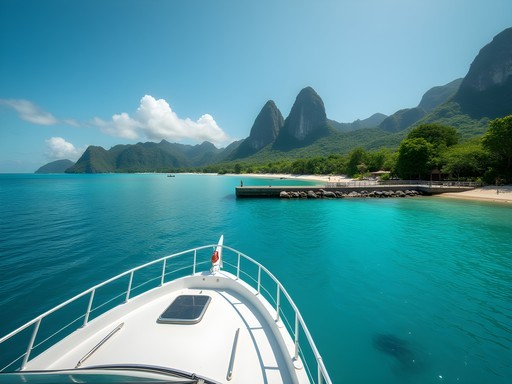
As a public defender accustomed to navigating complex systems, I've found that the most rewarding travel experiences come from stepping off the well-worn tourist path. La Digue, the fourth largest island in the Seychelles archipelago, offers precisely this opportunity. During my recent two-week spring getaway with my closest friend Maria, we discovered that this car-free paradise holds secrets that most visitors never uncover. Beyond the postcard-perfect beaches and granite boulders that dominate Instagram feeds lies a vibrant local culture, a fascinating colonial history, and an evolving relationship with sustainability that mirrors many of the smart-city initiatives I've documented in my travels through tribal lands in the American Southwest. Today, I'm sharing how couples can experience La Digue not as tourists, but as temporary locals – complete with the insider knowledge that transforms a vacation into a meaningful cultural immersion.

Navigating La Digue: The Bicycle Diaries
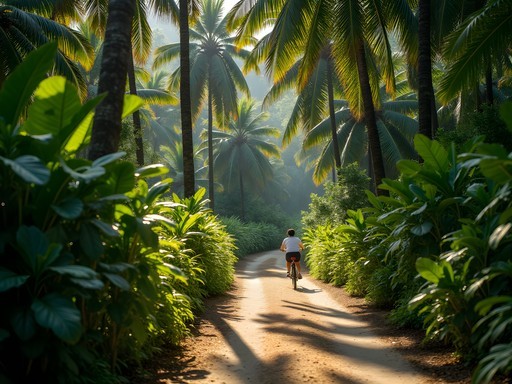
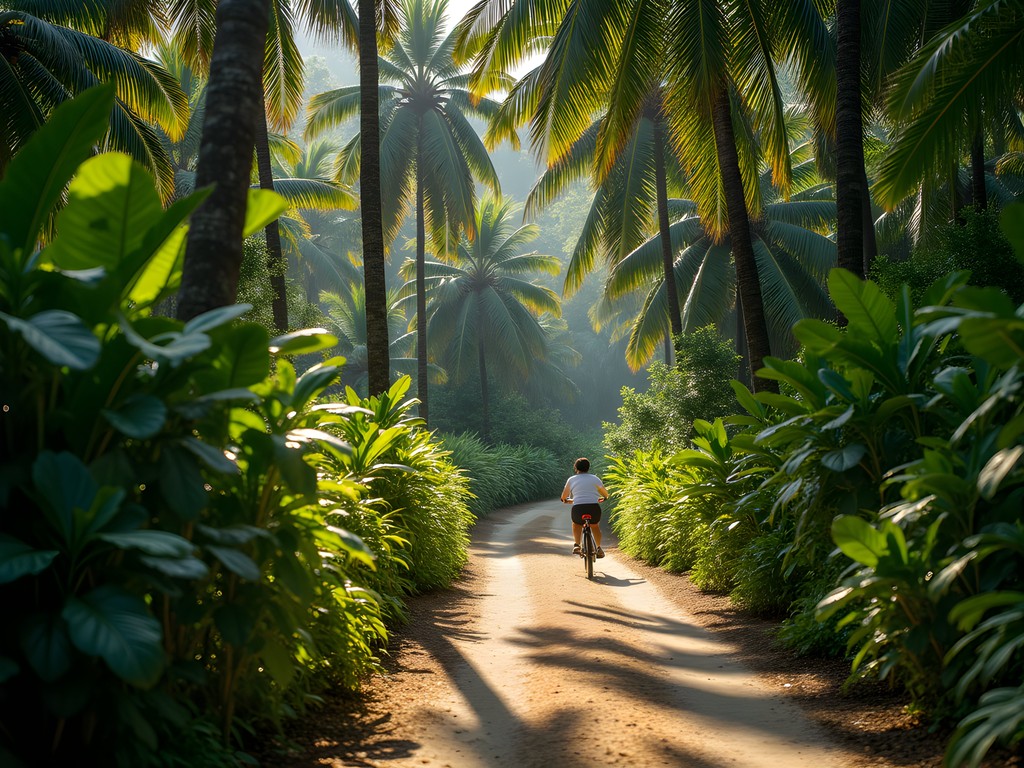
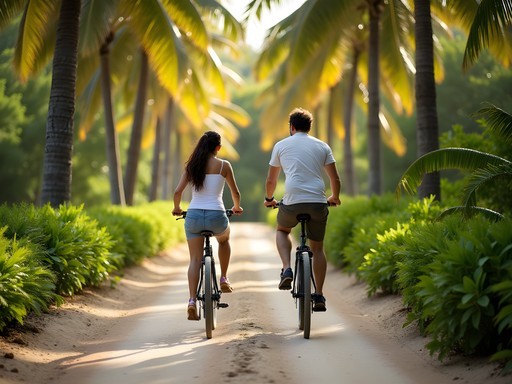
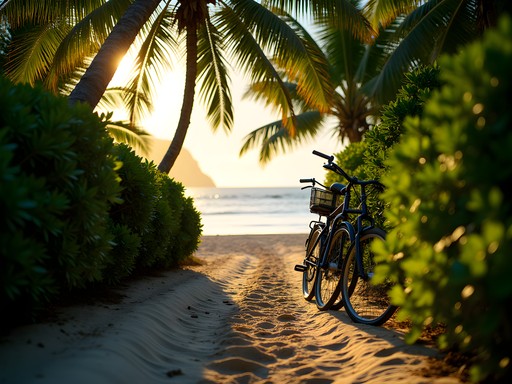
Forget taxis or rental cars – on La Digue, bicycles aren't just transportation; they're a way of life. While most tourists stick to the main coastal road, Maria and I discovered that investing in quality bikes rather than the standard rentals opened up the entire island to exploration. We opted for mountain bikes from Tati's Bike Rental near the jetty, where Mr. Tati himself adjusted our seats and handlebars while sharing stories of his grandfather who once worked the vanilla plantations that dominated the island's economy.
The true magic of La Digue reveals itself on the network of unmarked dirt paths that crisscross the interior. My waterproof phone case proved essential as afternoon rain showers are common, and having Google Maps accessible helped us navigate the maze-like trails between villages. One morning, we followed a path that wound through dense palm forests, opening suddenly to reveal Anse Cocos – a wild beach on the eastern shore with powerful waves crashing against granite boulders. Not another soul was in sight.
Perhaps our most memorable ride was to Belle Vue (Eagle's Nest Mountain), where we pushed our bikes up the steep incline for nearly an hour. The locals we passed found our determination amusing, offering encouragement and fresh coconut water. At the summit, the panoramic view of the island – a patchwork of turquoise waters, white beaches, and green jungle – provided perspective on just how small and precious this ecosystem is. As a lawyer who often represents clients fighting for environmental justice, I couldn't help but appreciate La Digue's car-free policy as both a tourism strategy and a conservation effort.
💡 Pro Tips
- Rent from Tati's Bike Rental near the jetty – ask for the newer mountain bikes with proper gears for hill climbing
- Download offline Google Maps of the island before arrival – cell service can be spotty in the interior
- Early morning rides (6-8am) offer the best wildlife sightings and avoid the midday heat
The Hidden Beaches of La Digue
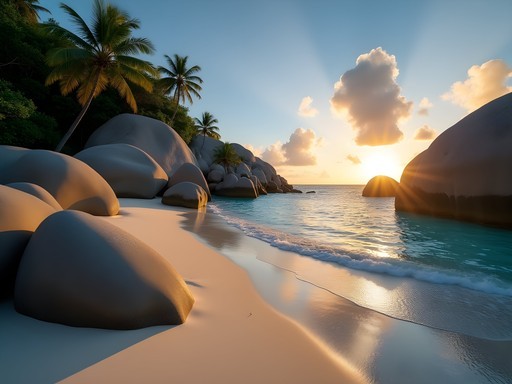
While Anse Source d'Argent rightfully earns its reputation as one of the world's most photographed beaches, its popularity means you'll rarely experience it without dozens of other visitors. As someone who values both beauty and solitude, I was determined to find La Digue's secret shores.
Our local host, Madeleine, sketched a crude map one evening as we shared fresh papaya on her veranda. "These beaches," she said, circling several unnamed coves on the southern tip, "no tourists go there." The next morning, we packed our dry bag with essentials and set off before sunrise.
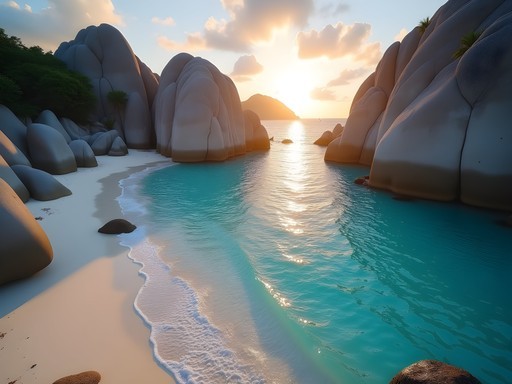
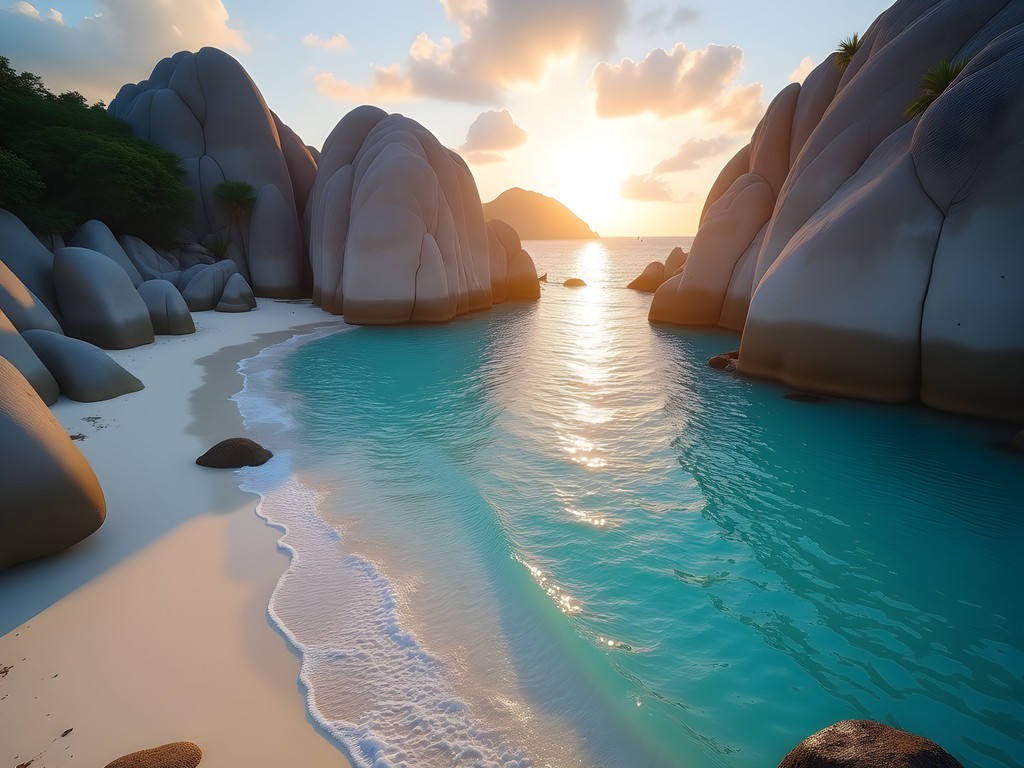
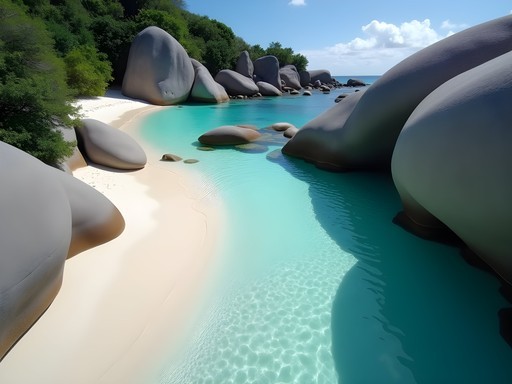
After an hour of cycling and a 20-minute hike down a barely visible trail marked only by a red ribbon tied to a cinnamon tree, we emerged at a pristine crescent of sand framed by the Seychelles' iconic granite boulders. Madeleine had called it simply "Petit Anse" – little beach – though I'm not certain it appears on any official map. The water clarity was extraordinary, revealing coral formations just offshore that provided some of the best snorkeling of our trip.
On another day, we discovered Anse Marron, accessible only at low tide by scrambling over rocks from Grand Anse or with a guide through the forest. Its natural rock pools, formed by granite boulders creating protected areas from the open ocean, offered a unique swimming experience. A local fisherman named Joseph was collecting octopus in the shallows and showed us how to spot the shy creatures hiding among the rocks – a moment of cross-cultural connection that no tour could provide.
What struck me most about these hidden beaches wasn't just their physical beauty but the sense of discovery they provided. In an era when every corner of the globe seems photographed and geotagged, finding places that still require local knowledge and physical effort to access feels increasingly rare and precious.
💡 Pro Tips
- Check tide tables before venturing to southern beaches – some are inaccessible or dangerous at high tide
- Bring more water than you think you'll need – there are no facilities at the hidden beaches
- Ask permission before photographing local fishermen or their catches – fishing is both livelihood and cultural practice here
Creole Cuisine: Beyond the Resort Restaurants
My approach to food while traveling has always been guided by a simple principle: eat where the locals eat, when they eat, how they eat. In La Digue, this meant bypassing the tourist-oriented restaurants near the jetty and seeking out the small family operations that feed the island's residents.
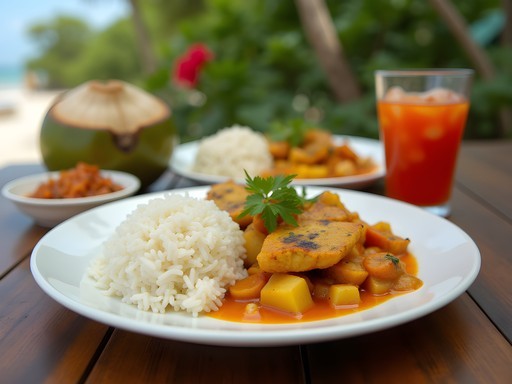
Our first breakthrough came when we noticed a group of construction workers gathering under a large takamaka tree each day around noon. Following their lead, we discovered Marie-Claire's kitchen – not a restaurant in any formal sense, but a home where the matriarch prepared daily specials served on her porch. For 100 Seychellois rupees (about $7), we enjoyed the most authentic Creole curry I've ever tasted, made with fish caught that morning by her son-in-law.
The Seychellois approach to seafood reflects their deep connection to the ocean. One evening, we joined a beach barbecue where local families grilled red snapper and job fish marinated simply in garlic, ginger, and lime. The fish was wrapped in banana leaves and cooked directly on hot coals – no fancy equipment required. I was reminded of similar communal cooking practices I'd witnessed in rural Mexico during childhood visits to my grandmother.
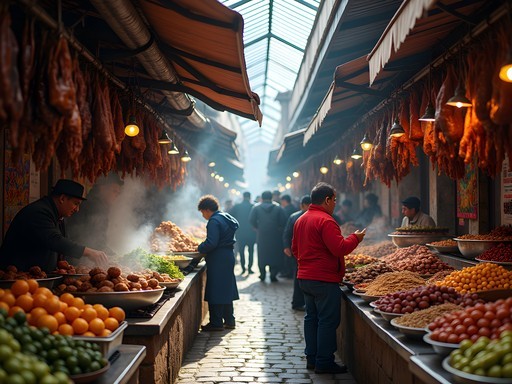
Perhaps the most authentic food experience came from the Saturday morning market in La Passe. Arriving by 6am is essential, as fishermen display their night's catch and farmers arrange pyramids of mangoes, breadfruit, and the tiny Seychellois bananas that burst with flavor. We purchased fresh ingredients and later attended an impromptu cooking class with our guesthouse host's mother, who taught us to prepare authentic ladob – green bananas and sweet potatoes cooked in coconut milk with nutmeg and vanilla.
For those planning a special occasion meal, I recommend Chez Jules in the hills near Anse Patates. This family-run establishment requires reservations 24 hours in advance as Jules fishes for your specific order the morning of your dinner. Our octopus curry with homemade coconut milk was worth every penny of its 350 rupee price tag – and came with a side of Jules' stories about growing up on La Digue before tourism transformed the economy.

💡 Pro Tips
- Look for homes with small chalkboard signs indicating 'Creole Takeaway' – these family kitchens offer the most authentic meals
- Visit the La Passe market before 7am on Saturdays for the freshest produce and seafood
- Learn basic Creole phrases for ordering food – even simple efforts at the local language open doors to authentic experiences

Cultural Immersion: Connecting with La Digue's Communities
As a public defender, I've learned that understanding a community requires more than observation – it demands participation and genuine exchange. On La Digue, opportunities for cultural connection abound if you're willing to step outside the tourist bubble.
Our most meaningful experiences began at St. Mary's Church in La Passe, where we attended Sunday morning service. Though neither of us is Catholic, the vibrant singing and warm welcome from the congregation provided insight into the island's spiritual life. Afterward, we were invited to a community lunch where three generations gathered to share food and conversation. My pocket translator helped bridge language gaps when English and my limited French weren't sufficient, though many locals spoke excellent English.
Another cultural doorway opened when we discovered a mural project behind the primary school. Local artist Emmanuel was teaching children to paint scenes of traditional island life – fishing techniques, coconut harvesting, and medicinal plant gathering – to preserve cultural knowledge at risk of being lost. As someone who has documented murals as historical records across the American Southwest, I was fascinated by the parallels. Emmanuel invited us to return the next day for the community painting session, where we learned about natural pigments made from local materials.
The L'Union Estate plantation offers a window into La Digue's colonial past, but for a more authentic historical perspective, we visited the small museum in the restored Plantation House. Here, the curator – a descendant of both plantation owners and enslaved people – shared complex narratives about the island's history that commercial tours often sanitize. These stories echoed discussions about historical representation I've had with clients from marginalized communities, reminding me that responsible travel requires engaging with difficult histories honestly.
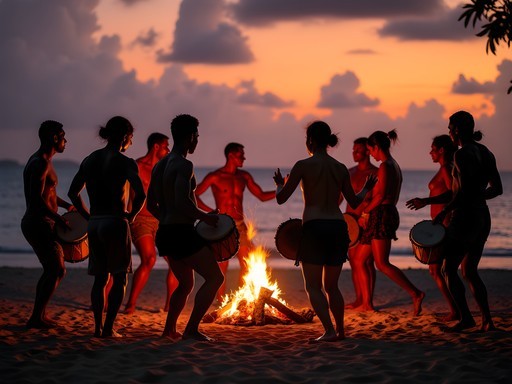
Perhaps our most unexpected cultural connection came through music. One evening, following the sound of drums to a small gathering near Anse Severe, we discovered a moutya session – a traditional dance form with roots in African practices brought by enslaved people. Initially, we watched respectfully from a distance, but soon an elderly woman motioned us to join. The rhythmic movements around the bonfire, accompanied by stories told through song, created a profound sense of community that transcended our status as visitors.

💡 Pro Tips
- Learn basic Creole phrases beyond tourist pleasantries – locals appreciate the effort and will often respond with increased openness
- Ask permission before photographing people or participating in community events
- Bring small gifts from your home region to share – we brought postcards of Philadelphia murals that sparked wonderful conversations
Sustainable Stays: Eco-Conscious Accommodations
La Digue faces unique sustainability challenges as a small island with limited resources but growing tourism. My professional interest in smart-city initiatives and environmental justice drew me to accommodations that balance authentic experiences with ecological responsibility.
After extensive research, we chose Le Repaire Boutique Hotel for our first three nights. This family-owned establishment has implemented impressive water conservation systems, including rainwater harvesting and grey water recycling for their garden – technologies similar to those I've documented in drought-affected communities in the Southwest. Their farm-to-table restaurant sources ingredients within a 10-mile radius, reducing carbon footprint while supporting local producers.
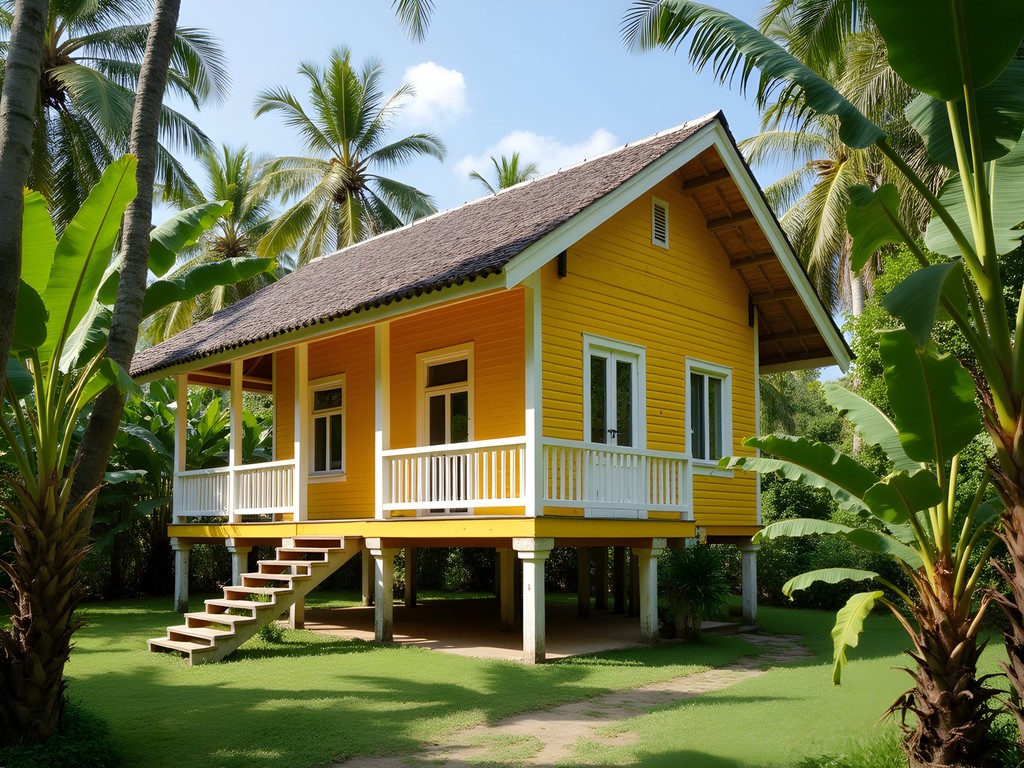
For a more immersive experience, we spent the remainder of our stay at Kot Babi, a traditional Creole house converted into a guesthouse by Marie-Ange, a former conservation officer. The wooden structure, built on stilts to maximize airflow and eliminate the need for air conditioning, offered authentic island living with modern amenities. Marie-Ange's property showcases permaculture principles, with fruit trees providing natural cooling and food simultaneously.
What impressed me most was Marie-Ange's community-based approach to tourism. Rather than competing with neighbors, she coordinates with nearby families to offer different services – one provides bicycle rentals, another offers cooking classes, and a third runs boat excursions. This cooperative model ensures tourism benefits are distributed throughout the community rather than concentrated with a single business.
For travelers seeking luxury without environmental compromise, I recommend the solar-powered lantern for evening reading and walks to the beach. Power outages are common on La Digue, and having our own sustainable light source meant we could enjoy stargazing and evening beach walks without relying on battery-powered alternatives.
The most valuable sustainability lesson from La Digue might be its water conservation practices. The island's limited freshwater supply has necessitated innovative approaches that visitors should respect. Simple actions like taking navy showers (turning water off while soaping), reusing towels, and carrying a water filter bottle to refill from safe sources demonstrate respect for local resources while reducing plastic waste.
💡 Pro Tips
- Book accommodations that use solar water heating and rainwater collection systems
- Pack reef-safe sunscreen to protect the fragile coral ecosystems
- Consider homestays over hotels for a lower environmental impact and more authentic cultural exchange
Final Thoughts
As our ferry pulled away from La Digue's jetty on our final morning, I reflected on how this small island had transformed our understanding of authentic travel. Beyond the picture-perfect beaches that initially drew us here, we discovered a complex community navigating the delicate balance between tradition and tourism, conservation and development. By choosing to cycle the back roads, eat in family kitchens, participate in community events, and stay in locally-owned accommodations, we experienced La Digue not as a postcard destination but as a living, breathing place. The connections we made – with Marie-Claire and her curry recipes, with Emmanuel and his mural students, with Joseph teaching us to spot octopus among the rocks – these human exchanges are what transform tourism into meaningful cultural exchange. As you plan your own journey to this remarkable island, I encourage you to approach it not just as a beautiful destination, but as a community generous enough to share its home with you. The authentic La Digue awaits those willing to pedal a little further, listen a little deeper, and participate with respect and curiosity.
✨ Key Takeaways
- Rent quality bicycles to access La Digue's hidden interior paths and beaches that most tourists never discover
- Seek out home kitchens and local markets rather than resort restaurants for authentic Creole cuisine
- Participate respectfully in community events like church services, mural projects, and traditional dances
- Choose locally-owned, environmentally sustainable accommodations that distribute tourism benefits throughout the community
📋 Practical Information
Best Time to Visit
April-May and October-November (shoulder seasons with ideal weather and fewer tourists)
Budget Estimate
$100-150 per day per couple (excluding international flights)
Recommended Duration
Minimum 5 days, ideally 7-10 days
Difficulty Level
Moderate (Requires Comfort With Cycling, Limited Infrastructure, And Occasional Language Barriers)

Comments
smartclimber3529
Love the photos! Adding this to my bucket list
Olivia Sanchez
Savannah, this really resonates with me! I spent two weeks in La Digue back in 2024 and had a similar revelation about slowing down. The bicycle culture there is something special - it forces you to move at island pace. I actually got caught in a tropical downpour halfway to Grand Anse and ended up sheltering with a local family who invited me in for tea. Those unplanned moments are what travel is really about. One tip I'd add: try to time your visit with a local festival if possible. I stumbled upon a traditional moutya dance performance one evening and it was absolutely mesmerizing. The rhythms, the community gathering - pure magic.
backpackvibes
YES! La Digue is incredible. We spent 5 days there last year and the bike thing is no joke - it's the ONLY way to see the island properly. Anse Source d'Argent gets crazy crowded but if you go early morning like 7am it's magical. Also totally agree about eating at the local takeaways instead of resort restaurants. We found this little place near the church that did amazing octopus curry for like nothing. Miss that island so much!
smartclimber3529
Which takeaway was it? I'm going in April and want to try real Creole food
backpackvibes
I think it was called Gala Takeaway? Small blue building. The lady there was so nice!
starbuddy
How easy is it to rent bikes there? Going in March!
backpackvibes
Super easy! Literally everywhere at the jetty. Like 10-15 euros a day.
starbuddy
awesome thanks!
mountainmate
Just got back from La Digue and wanted to add - definitely try to catch the local market on Saturday mornings. We got the most amazing homemade banana jam and vanilla pods directly from a farmer. The prices were way better than the tourist shops too!
Charlotte Watkins
Savannah, your post captures the essence of La Digue perfectly! We took our kids (8 and 11) there last spring, and it was such a refreshing change from the resort-heavy experience we had on Mahé. The bicycle-only transportation was a hit with the kids, and they still talk about racing each other to Anse Source d'Argent. One tip for families: we found a local guide through our guesthouse who took us on a foraging walk and taught the kids about traditional Seychellois medicine and cooking. It became the highlight of our trip! The kids learned to crack coconuts and identify edible plants. Sometimes the best experiences aren't in any guidebook.
sunsetperson
OMG I'm literally booking my tickets right now after reading this!!! Those bike paths look AMAZING and I can't wait to try all the Creole food. Did you have any issues with mosquitoes? I always get eaten alive lol. I'm bringing my insect repellent but wondering if I need a net too?
Savannah Torres
The mosquitoes can be pretty fierce in some areas, especially near the forested parts! Most accommodations provide nets, but definitely bring strong repellent. The food is absolutely worth the trip - don't miss the octopus curry!
freerider
Those hidden beaches are the real deal! Grand Anse was my favorite spot to watch the sunset. So much better than the crowded tourist spots.
beachclimber
Great post! I'm planning to visit La Digue in November. Is it really worth bringing our own snorkel gear or can we rent decent equipment there? Also, any recommendations for small guesthouses run by locals?
Taylor Moreau
I visit La Digue regularly for work and always bring my own snorkel gear. The rental options are limited and often not great quality. If you have space, bring your own. For guesthouses, try Zerof Self-Catering or Cabanes des Anges - both locally owned and they'll treat you like family. Ask for their home-cooked dinner option!
beachclimber
Thanks so much Taylor! I'll check out those guesthouses right away. Appreciate the tip on bringing our own gear.
mountainmate
This brings back so many memories! We spent a week in La Digue last year and cycling around was definitely the highlight. Those hills are no joke though! We found this tiny little food shack near Anse Source d'Argent that served the most amazing grilled fish I've ever had - just caught that morning. Did anyone else find that weird fruit stand run by the older gentleman with the pet tortoise? That was such a random but cool experience.
freerider
Yes! That's Maurice's place! The tortoise is named Ferdinand and has been there forever. His fresh coconut water saved me on those hot afternoons.
mountainmate
That's it! Ferdinand! I couldn't remember the name. That coconut water was life-changing after biking in that heat.
Venture X
Premium card with 2X miles, $300 travel credit, Priority Pass