

Disclosure: This article contains affiliate links. We may earn a commission from purchases at no extra cost to you, which helps our travel content.
The moment I stepped into Kumasi's humid embrace, I knew this wasn't going to be your typical African city experience. As someone who's spent years analyzing structural designs across continents, I was initially drawn to Ghana for its remarkable suspension bridges spanning the Volta River. But what kept me in Kumasi for two unforgettable weeks was something far more compelling – the living, breathing cultural heart of the Ashanti Kingdom, where traditions dating back centuries coexist with a rapidly modernizing urban landscape. This isn't a guide for tourists; it's my blueprint for experiencing Kumasi as the locals do.

Navigating the Labyrinth: Kejetia Market Like a Pro
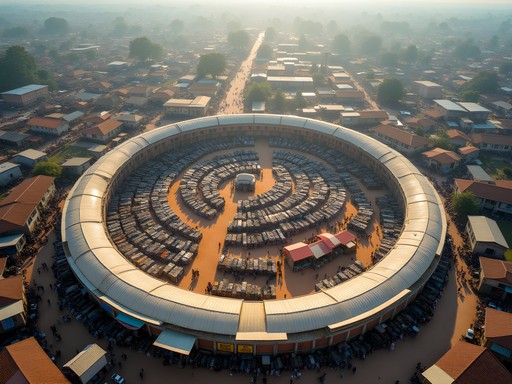
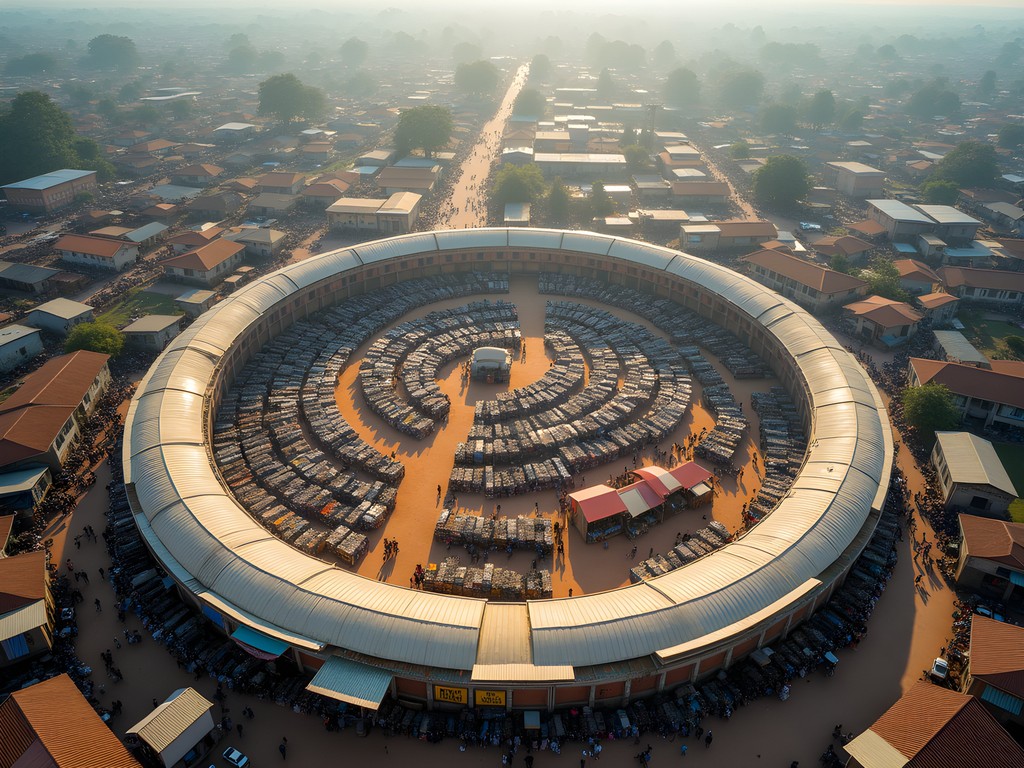
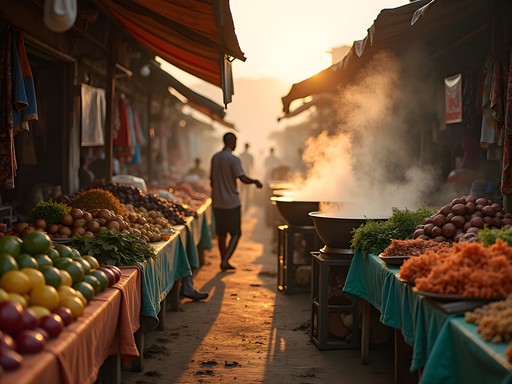
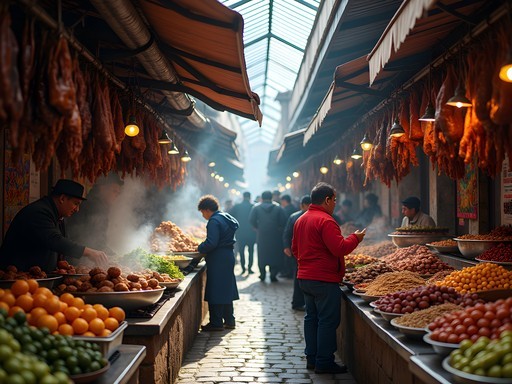
If Kumasi has an epicenter, it's undoubtedly Kejetia Market – reportedly West Africa's largest open-air marketplace and a structure that fascinates my engineering mind with its organized chaos. When I first arrived, I made the classic mistake of entering without a strategy, quickly becoming overwhelmed by its 11,000+ stalls and seemingly endless maze of corridors.
By day three, I'd cracked the code. The market operates like a living organism with distinct sections that locals navigate effortlessly. Start at the fabric section (western edge) in the morning when it's cooler and vendors are more willing to negotiate. My technique? Learning basic Twi phrases like 'Ɛyɛ sen?' (how much?) and 'Me pa wo kyɛw' (please) – this immediately transformed my experience from tourist to respected visitor.
The market's structural design is actually brilliant once you understand it – concentric circles with specific goods grouped together. I tracked my routes using my GPS watch, which helped me map the labyrinth and find my way back to favorite stalls. The watch's barometric altimeter also proved surprisingly useful for monitoring approaching weather changes – crucial during Ghana's unpredictable rainy season.
After shopping, do as locals do and refuel at the small chop bars near the eastern exit. The woman who runs 'Auntie Mabel's' (look for blue plastic chairs) serves the best waakye (rice and beans) in the city for about 15 cedi – a fraction of what you'd pay at tourist spots.
💡 Pro Tips
- Shop between 7-10am to avoid both crowds and peak heat
- Learn basic Twi phrases for better prices and respect from vendors
- Take photos of junction points in the market as navigation references
Understanding Ashanti Cultural Nuances: Beyond the Tourist Experience
My Māori heritage has taught me that truly understanding a culture requires more than visiting its museums – it demands participation in everyday rituals. In Kumasi, this meant adapting to local customs that no guidebook adequately explains.
First, time works differently here. What Kiwis call 'island time' is similar to 'Ghana time' – meetings scheduled for 10am might start at noon. Rather than finding this frustrating, I embraced it by carrying my portable hammock to string up between trees when waiting became inevitable. This simple act often sparked conversations with curious locals, leading to impromptu invitations to family compounds.
Second, clothing matters significantly. After my first week, I invested in locally-made attire – specifically a hand-woven kente cloth shirt from a master weaver in nearby Bonwire village. Wearing this during my visits to the Manhyia Palace (the Asantehene's official residence) earned nods of approval and access to areas typically closed to foreigners.
The most profound cultural insight came through food sharing. I joined a communal meal with a family in Bantama neighborhood, where I learned the proper etiquette of eating fufu (cassava and plantain dough) with soup using only my right hand. The technique requires practice – cup your fingers, scoop a small amount, and create a slight depression for the soup before eating.

💡 Pro Tips
- Always greet elders first when entering any space
- Remove shoes before entering someone's home and accept any water offered (even if not thirsty)
- When invited to a home, bring a small gift – local schnapps is appreciated
The Engineer's Perspective: Kumasi's Hidden Structural Marvels
While Kumasi isn't known for bridges (the primary reason for my global travels), the city offers fascinating engineering discoveries for the technically minded traveler. The most impressive is the recently completed Kejetia Market redevelopment – a structural achievement combining traditional design principles with modern load-bearing techniques.
To truly appreciate this, visit early morning (around 6am) when vendors are setting up. This is when you can observe the building's innovative ventilation system in action – designed to move air through the massive structure without mechanical assistance, using principles similar to New Zealand's passive house technology.
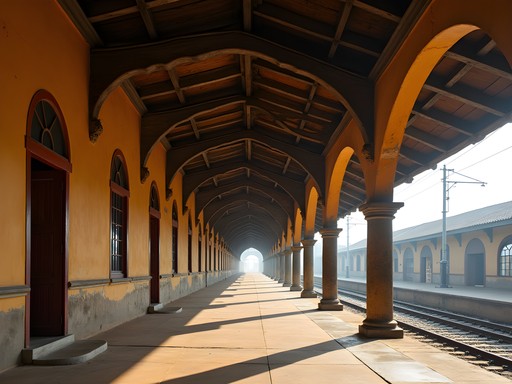
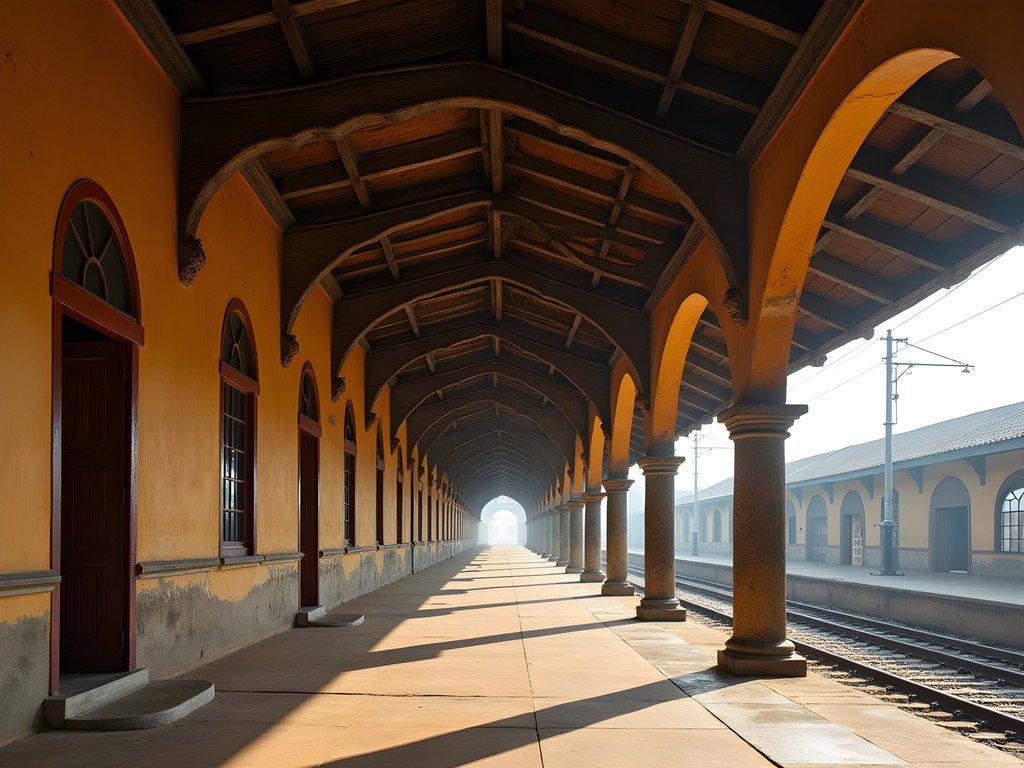
Another marvel is the colonial-era railway system. Though largely defunct, the Kumasi Railway Station represents British colonial engineering that adapted European designs to West African conditions. The station master (Mr. Owusu) allowed me to examine original blueprints after I explained my engineering background.
For weather enthusiasts like myself, Kumasi's position in the Ashanti Region creates a fascinating microclimate. I tracked daily patterns using my portable weather station, documenting how the surrounding highlands influence afternoon thunderstorms. This data helped me plan outdoor activities – crucial knowledge when you're traveling during the transitional seasons.
💡 Pro Tips
- Visit engineering sites early morning to avoid crowds and heat
- Bring official ID if requesting access to restricted areas like the railway archives
- Connect with university engineering students at KNUST for local insights

Authentic Connections: Building Relationships Beyond Tourism
The difference between visiting Kumasi and experiencing Kumasi comes down to one thing: relationships. Unlike my travels in Iceland or Chile where solitude was part of the appeal, Ghana's cultural fabric is woven through human connections.
My breakthrough came via an unexpected source – a local civil engineering professor I contacted through LinkedIn before my trip. Dr. Mensah not only showed me structural points of interest but invited me to a family gathering where I met his cousin Kwame, a cultural liaison who became my unofficial guide to Kumasi's hidden corners.
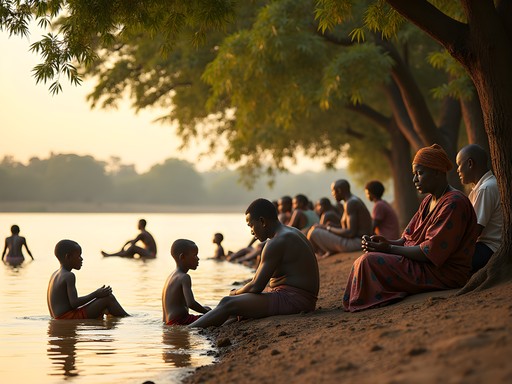
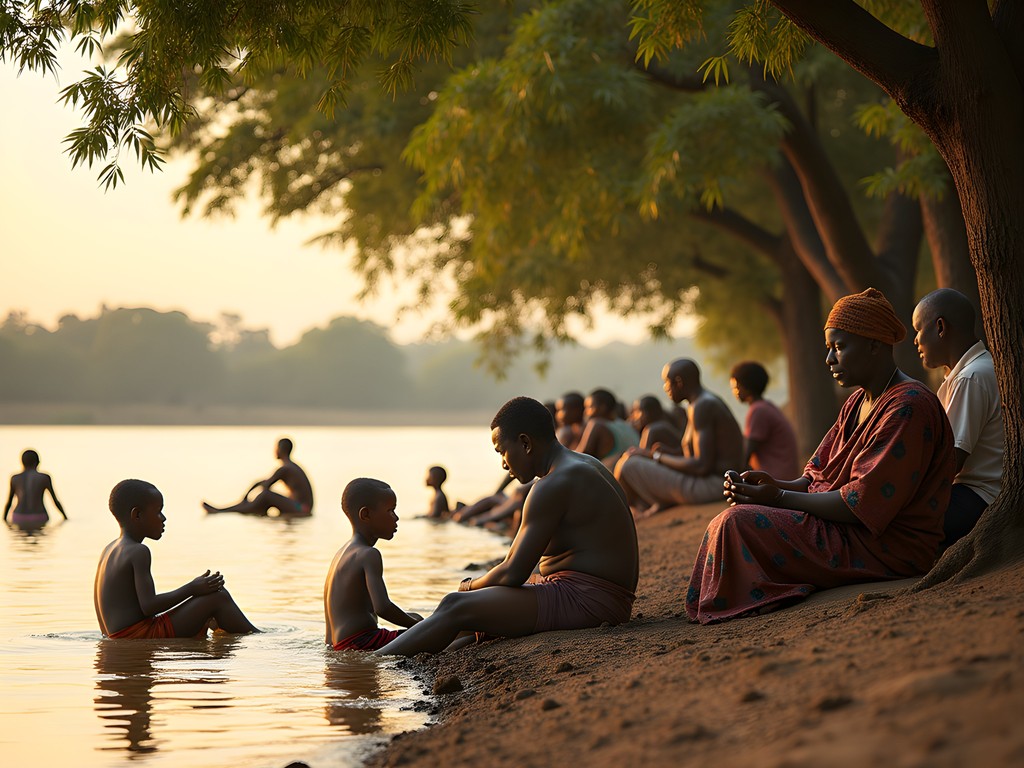
Through Kwame, I discovered the Sunday afternoon gatherings at Lake Bosomtwe where local families escape the city heat. Here, conversations flow as freely as the palm wine, and my waterproof speaker became a bridge between cultures as we exchanged music – my Kiwi playlists for their highlife and hiplife tracks.
The most authentic connections happened during my homestay in Kwame's family compound. For about 50 cedi per night (negotiated as a friend rate), I experienced genuine Ashanti home life – from morning prayer rituals to evening storytelling sessions. Their grandmother, upon learning of my Māori heritage, insisted on exchanging creation stories, finding surprising parallels between our indigenous worldviews.
For solo travelers, I recommend bringing small gifts from your home country. My pounamu (New Zealand jade) necklaces became treasured conversation pieces that opened doors throughout Kumasi.
💡 Pro Tips
- Connect with locals through shared interests rather than as a tourist
- Attend Sunday church services even if not religious – they're community gathering points
- Learn basic drumming patterns – music is a universal language in Ghana
Practical Survival Guide: Navigating Daily Life in Kumasi
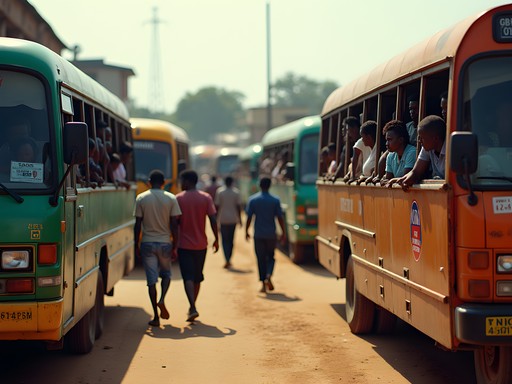
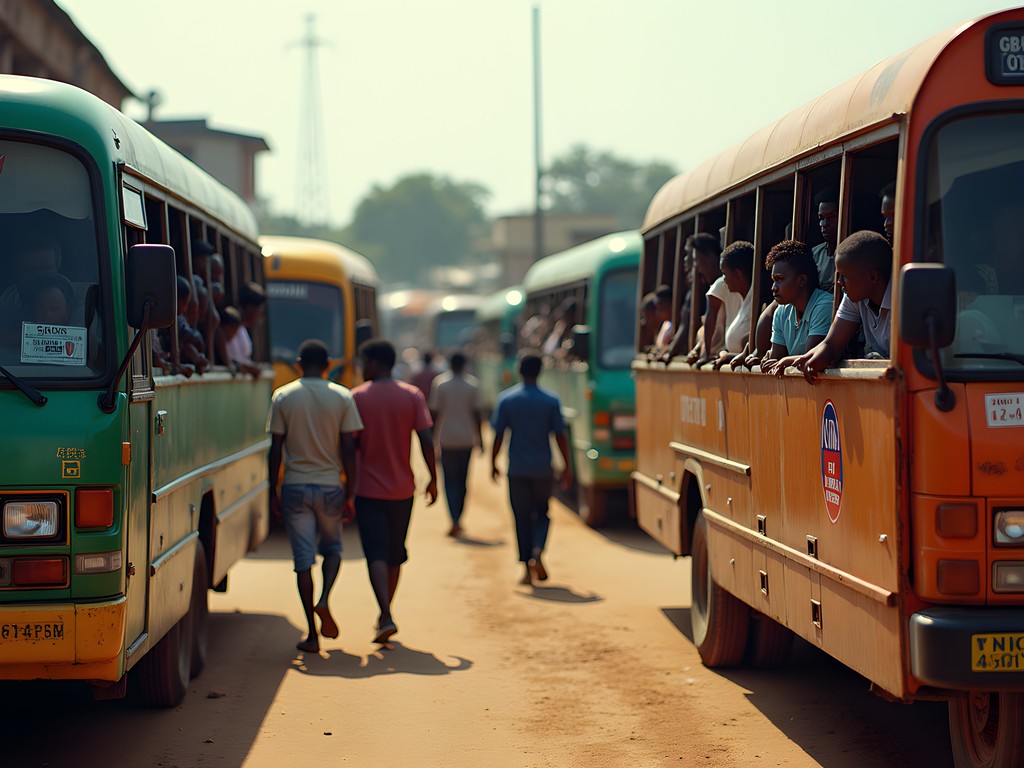
Surviving Kumasi as a foreigner requires adaptation to local rhythms and challenges. First, transportation: forget Uber – trotros (minibuses) are how locals move. They're chaotic but efficient once you learn the routes. My RFID money belt was essential for keeping cash secure while navigating crowded vehicles.
Water safety is non-negotiable. I purified all drinking water with my water filter bottle, which handled Kumasi's tap water without issues. This saved me hundreds on bottled water while reducing plastic waste – something my environmentally conscious Kiwi self appreciated.
Power outages (locally called 'dumsor') are common. After my first night fumbling in darkness, I purchased a rechargeable lantern from Melcom (Ghana's department store). This solar-charged light became my most valued possession during frequent evening blackouts.
Internet connectivity varies wildly. I solved this by buying a local MTN SIM card (about 20 cedi) and loading it with data bundles. For accommodation, skip hotels entirely – local guesthouses like 'Green Shadows' in Asafo neighborhood offer clean rooms at one-third the price of tourist options.
Finally, health precautions: beyond the standard malaria prophylaxis, carry rehydration salts for the inevitable stomach adjustments. The combination of heat, spicy food, and different bacteria tested even my experienced traveler's constitution during the first week.
💡 Pro Tips
- Memorize your trotro route by landmarks rather than street names
- Eat at chop bars where locals eat – if it's busy with Ghanaians, it's safe and good
- Carry small denominations of cedi – breaking large bills is often difficult
Final Thoughts
As my trotro pulled away from Kumasi toward Accra airport, I found myself already planning my return. This city had transformed from a brief stopover on my bridge-hunting expedition into a place that felt like a second home. What makes Kumasi extraordinary isn't its tourist attractions but its people – their resilience, humor, and unwavering hospitality toward strangers willing to embrace local ways.
The bridges I eventually found weren't the concrete and steel structures I typically document, but the human connections spanning cultural divides. As a Māori-Pākehā Kiwi who's traveled extensively, I've rarely encountered a place where my mixed heritage was so readily understood and appreciated.
For the adventurous solo traveler willing to step beyond comfort zones, Kumasi offers something increasingly rare in our globalized world – an authentic cultural experience that hasn't been packaged and sanitized for tourist consumption. It demands adaptability and patience but rewards you with insights impossible to gain from traditional tourism. Bring an engineer's curiosity, a weather-watcher's adaptability, and an open heart – Kumasi will handle the rest.
✨ Key Takeaways
- Build relationships with locals through shared interests rather than as a tourist-local dynamic
- Adapt to 'Ghana time' and local customs regarding greetings, food, and social interactions
- Use local transportation and shopping venues to experience authentic daily life
📋 Practical Information
Best Time to Visit
October-April (dry season), though year-round is possible with proper preparation
Budget Estimate
30-50 USD per day including local guesthouse, food, and transportation
Recommended Duration
Minimum 10 days to build meaningful local connections
Difficulty Level
Challenging

Comments
Amit Sullivan
What a wonderful read, Trevor. Your approach to building authentic relationships really shines through. I spent three weeks in Kumasi back in 2019 researching traditional weaving techniques, and your observations about moving beyond the tourist experience are exactly right. The real magic happens when you're invited to share a meal or attend a family gathering. One thing I'd add for readers - learning even basic Twi phrases opens so many doors. 'Medaase' (thank you) and 'Ete sɛn?' (how are you?) go incredibly far. The warmth of Ashanti hospitality is unmatched when you show genuine cultural respect.
Taylor Moreau
Amit, your weaving research sounds fascinating. Did you publish anything on that?
roamperson8050
Really great photos! The market shots especially
adventurerider
How did you find the trotro system as a foreigner? I've done local transport all over Southeast Asia but West Africa seems more challenging. Any language barriers or was English enough?
islandvibes
Also curious about this! Thinking of doing the same
Jean Wells
Trevor, your section on cultural nuances really resonates. I spent two weeks in Kumasi last year and the difference between surface-level tourism and genuine cultural engagement is profound. The Ashanti people have such rich traditions around respect and hierarchy - I made the mistake early on of not properly greeting elders first in group settings. Your point about taking time to understand these protocols before diving into experiences is spot-on. Also appreciated your engineer's perspective on the architecture. The traditional compounds have such fascinating structural logic that most travel guides completely overlook. Did you get a chance to visit any of the older residential areas outside the main tourist circuit?
backpackwalker3124
This is super useful! Definitely going to read up on the greeting customs before I go
photoguide
The Kejetia Market section is super helpful! Any tips on photography there? I know some markets are sensitive about cameras
journeyninja
How many days would you recommend for Kumasi? Planning a trip in September and trying to figure out the itinerary
photoguide
Not the author but I'd say minimum 3-4 days if you want to really explore properly
Taylor Moreau
Trevor, excellent piece on Kumasi. I've been through twice on business and barely scratched the surface - your insights on the cultural nuances are spot on. The structural marvels section particularly resonated with me. I've found that approaching West African cities from an architectural perspective reveals layers most visitors miss entirely. Did you manage to visit any of the traditional chief's compounds outside the main tourist circuits? Those timber and clay structures are remarkable feats of engineering.
roamperson8050
Would love to hear more about those compounds too!
backpackwalker3124
Going to Kumasi in March! How long did you spend at Kejetia Market?
Jean Wells
Not Trevor, but I'd recommend at least 3-4 hours if it's your first visit. The market is absolutely massive and you'll want time to get lost in it properly. Bring small cedis for purchases!
backpackwalker3124
Thanks! That's really helpful
islandvibes
This is so cool! Been wanting to visit Ghana for ages
beachexplorer
We did the trotro transportation too and it was a great way to meet locals! Just want to add - if you're taking trotros between cities like Trevor mentioned, try to get there early in the morning. We almost got stuck in Kumasi because the Accra trotros filled up fast. Also, the locals we met through the Couchsurfing app showed us this amazing palm wine spot that wasn't in any guidebooks. Sometimes the best experiences happen when you put the itinerary aside!
Trevor Sims
Excellent point about the early trotros! And palm wine with locals is the authentic experience everyone should seek out. Thanks for adding this!
Venture X
Premium card with 2X miles, $300 travel credit, Priority Pass