

Disclosure: This article contains affiliate links. We may earn a commission from purchases at no extra cost to you, which helps our travel content.
Let me tell you something about Lithuanian port cities – they're Europe's best-kept secrets, and Klaipeda might just be the crown jewel. When a digital marketing gig for a craft brewery collaboration brought me to this Baltic gem last fall, I expected a quick in-and-out visit. Two weeks later, I was canceling flights and extending my stay. There's something magnetic about this place where cobblestone streets meet maritime history, where Soviet-era architecture stands alongside restored German fachwerk buildings, and where €2 craft beers accompany Baltic amber shopping. As someone who's spent the better part of two decades hunting for authentic experiences that don't require a trust fund, I can confidently say Klaipeda delivers that perfect sweet spot of cultural richness without the wallet drain. Whether you're a student on a semester abroad looking to stretch those euros or simply someone who appreciates finding beauty in unexpected corners, this guide will help you navigate Klaipeda like you've been living there for years. No tourist traps, no overpriced nonsense – just the real deal.

Finding Your Baltic Home Base
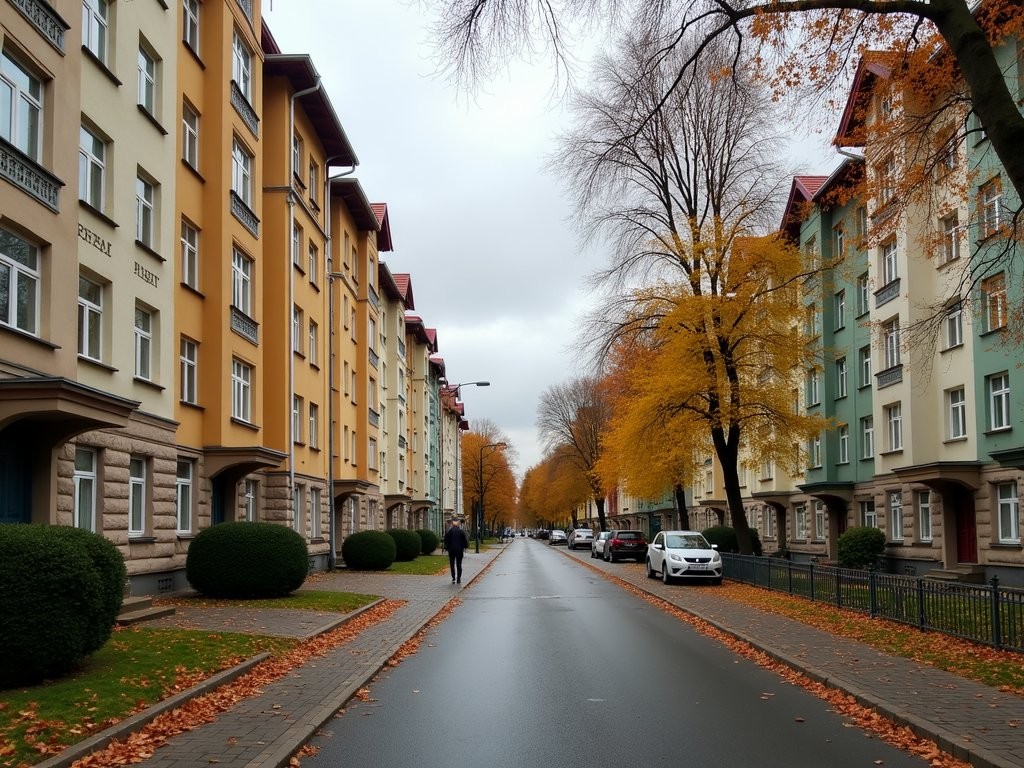
The first rule of living like a local? Stay where the locals live. Skip the touristy Old Town accommodations and head slightly north to the residential neighborhoods around Manto Street or south across the Danė River to the quieter Vitė district. These areas offer significantly cheaper stays with the added benefit of seeing how everyday Klaipedians actually live.
I lucked into a small but immaculate Soviet-era apartment through a Lithuanian friend-of-a-friend, but platforms like Airbnb have plenty of options in the €20-30/night range. My place came with those quintessential Eastern European touches: extraordinarily functional storage solutions, a serious tea kettle, and windows that, when properly closed, could probably withstand a minor apocalypse.
What surprised me most was how walkable Klaipeda is. From most residential areas, you can reach the city center in 15-20 minutes on foot. If you're staying for more than a few days, consider getting the Klaipėda City Card, which includes public transportation and discounts to museums and cafes. At just €15 for a week, it's a steal.
For those rainy Baltic days (and there will be some, especially in fall), I highly recommend having a good waterproof backpack to protect your gear. Mine saved my laptop during an unexpected downpour while I was walking back from a café work session.
Don't worry too much about the language barrier. While learning a few Lithuanian phrases will earn you smiles (try 'ačiū' – pronounced ah-choo – for thank you), most younger Klaipedians speak impressive English. The older generation often speaks Russian as a second language, and some of the older buildings still have signs in both Lithuanian and Russian.
💡 Pro Tips
- Look for apartments in the Manto Street area or Vitė district for local vibes and better prices
- The Klaipėda City Card at €15/week is worth it for public transportation alone
- Most locals under 40 speak good English, but learning 'ačiū' (thank you) and 'labas' (hello) goes a long way
Navigating Klaipeda's Food Scene on a Budget
One of my core travel philosophies is that you can judge a city by its affordable food options. If the cheap eats are good, the place has soul. By this measure, Klaipeda is absolutely brimming with character.
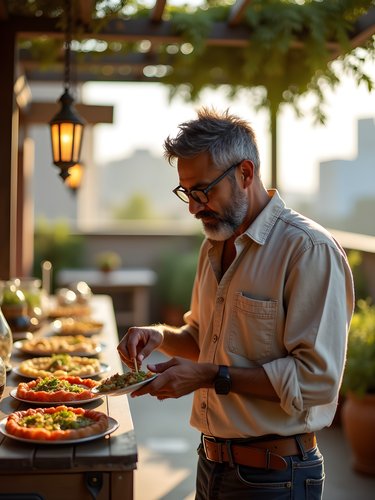
Start your day like the locals do at Kepyklėlė (Little Bakery) on Turgaus Street. Their traditional Lithuanian pastries cost around €1-2, and the coffee is strong enough to jolt you awake even after a night exploring Klaipeda's surprisingly vibrant electronic music scene (more on that later). The kibinai – pastries filled with meat, cheese, or vegetables – make for a perfect breakfast on the go.
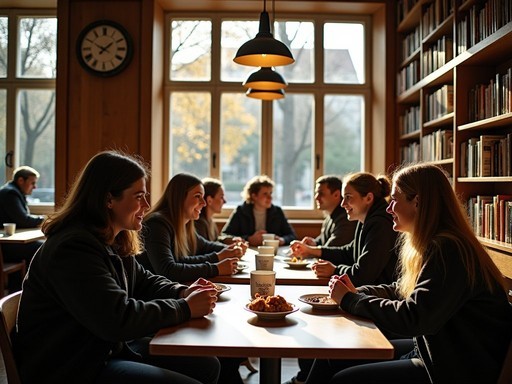
For lunch, university students swear by the cafeterias at Klaipeda University. You don't need to be a student to eat there, and you can get a full meal for €4-5. The food is simple but hearty – think potato pancakes, schnitzel-style cutlets, and borscht that will warm you to your core on chilly Baltic days.
Dinner presents a wonderful dilemma of choices. My go-to spot became Momo Grill, where €7-10 gets you enormous portions of grilled meats and local fish. If you're vegetarian, don't miss Studija – it's where the artsy crowd hangs out, and their vegetable stews and salads are both creative and filling.
The true hidden gem, though, is Herkus Kantas – a small pub on the edge of Old Town that serves cepelinai (potato dumplings stuffed with meat) that rival any I've had across Lithuania. At €5 for a plate that could feed a small army, it's a budget traveler's dream.
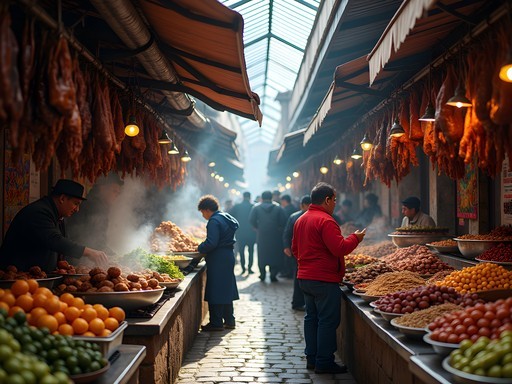
For self-catering (which I did about half the time), the IKI supermarket chain offers good value, but the real deals are at the central market (Turgus) near the bus station. Go around 4 PM when vendors start discounting their fresh produce rather than taking it home.
When exploring the city all day, I always kept my trusty insulated water bottle filled with tap water (perfectly safe in Klaipeda) and packed a few local snacks. This simple habit saved me at least €10 daily on impulse drink purchases.

💡 Pro Tips
- Eat where students eat – follow the crowds around lunchtime near Klaipeda University
- Visit the central market (Turgus) around 4 PM for discounted fresh produce
- Most bars offer 'happy hour' discounts between 5-7 PM, with local beers for as little as €1.50
Klaipeda's Craft Beer Scene: Baltic Brews on a Budget
If you've followed my blog for any time, you know I take craft beer seriously. It's not just about the drink – it's about the culture, the conversation, and the creativity that surrounds it. Klaipeda may not have the beer fame of Vilnius, but what it lacks in quantity, it makes up for in quality and value.
My first discovery was Herkus Kantas (yes, the same place with the amazing cepelinai). Their rotating taps feature Lithuania's growing craft scene, with most pours running €3-4 for a generous 500ml. The bartenders speak excellent English and are eager to explain the differences between traditional Lithuanian brewing and the newer craft approaches.
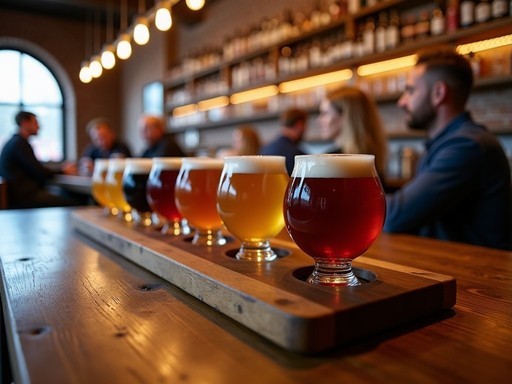
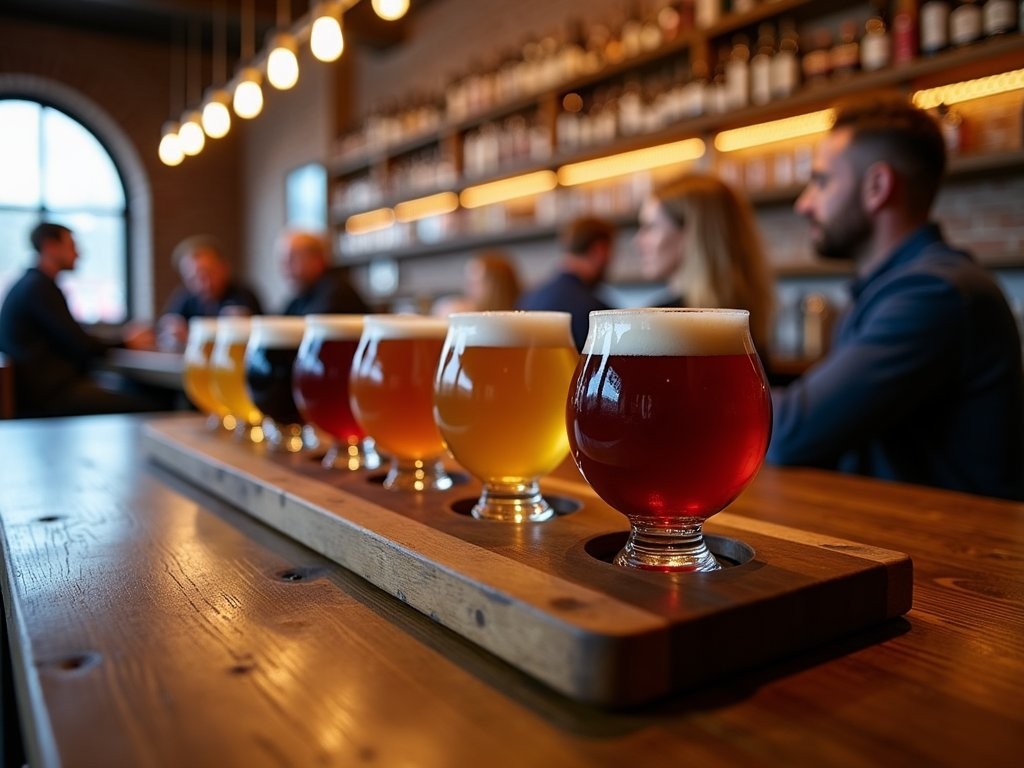
For a more contemporary vibe, Švyturys Brewery is a must. As Lithuania's oldest brewery (founded in 1784), they've opened a modern brewpub in a renovated warehouse near the harbor. While slightly more expensive than other options (€4-5 per beer), their flights are reasonably priced at €7 for four generous samples. Their Baltic Porter is exceptional – notes of dark chocolate and dried fruit with a surprisingly clean finish.
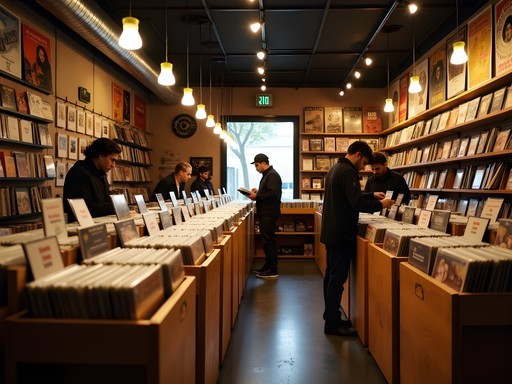
My unexpected find was a small place called Prohibicija, tucked away on a side street in Old Town. What looks like a typical bar from outside reveals itself as a craft beer lover's paradise with 12 rotating taps of Lithuanian and Baltic brews. The owner, Marius, is a walking encyclopedia of Baltic beer history and introduced me to kaimiškas alus – traditional farmhouse ales that are making a comeback among younger brewers.
For those nights when you want to enjoy a beer with a view, stop by any convenience store and pick up local bottles for €1-2. The best drinking spot? The free public pier that extends into the Curonian Lagoon. I spent several evenings watching the sunset there, local beer in hand, chatting with fishermen and students doing exactly the same thing.
To track your beer adventures, I recommend using the beer journal that I never travel without. It's pocket-sized and has a clever flavor wheel that helps identify subtle notes in each brew. Mine is filled with Baltic beer discoveries that I still reference when hunting down imports back home.
💡 Pro Tips
- Ask bartenders for 'vietinis alus' (local beer) recommendations rather than going for international brands
- Beer is often cheaper in bars slightly outside the main Old Town area
- Many craft breweries offer factory tours with generous tastings for €10-15 – worth every cent for beer enthusiasts

Beyond the Guidebooks: Klaipeda's Hidden Corners
The true beauty of spending two weeks in a place like Klaipeda is discovering those spots that never make it into the guidebooks – the places where real life happens.
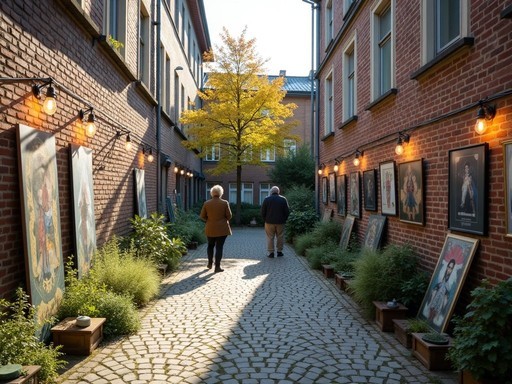
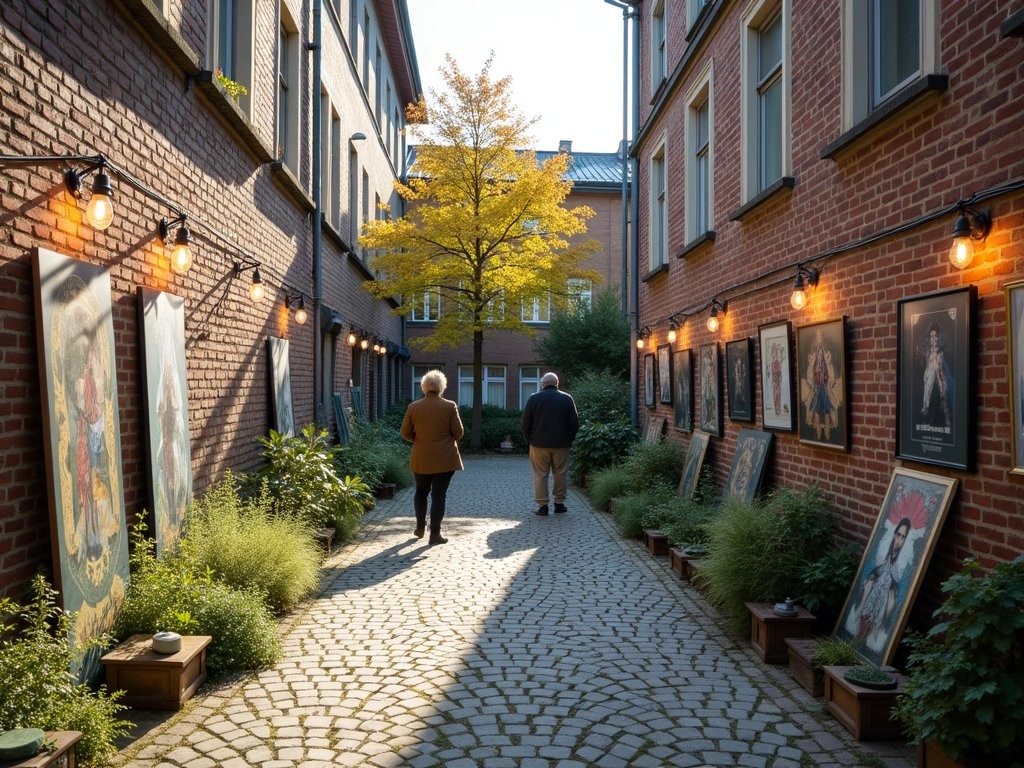
One such discovery came on my third day when I noticed locals disappearing into what looked like an abandoned courtyard off Tiltų Street. Following them led me to Kiemo Galerija (Courtyard Gallery) – an open-air art space where local artists display works among Soviet-era architecture. It's free to enter, and on Friday evenings, impromptu acoustic music sessions often break out, with locals bringing wine and snacks to share.
Another hidden gem is the network of wooden walkways through the wetlands just north of town. Most tourists head straight to the more famous Curonian Spit (which is indeed spectacular), but locals prefer these quieter nature paths for evening walks. I spent a peaceful afternoon there watching birds and chatting with a retired biology professor who pointed out species I'd never have noticed.
For rainy days, skip the main museums and head to Meno Kiemas (Art Yard) – a converted factory where artists have studios you can visit. Most speak some English and are happy to discuss their work if you show genuine interest. I picked up a small watercolor of the harbor for €25 directly from the artist – the kind of souvenir that actually means something.
Klaipeda's underground electronic music scene was perhaps my most unexpected discovery. Lithuania has a rich history of electronic music dating back to Soviet resistance movements, and this legacy continues in small venues like Fabriko Klubas. Located in a former radio factory, this unassuming spot hosts local DJs spinning everything from techno to more experimental sounds. Cover is typically €5, and drinks are half what you'd pay in Western European clubs.
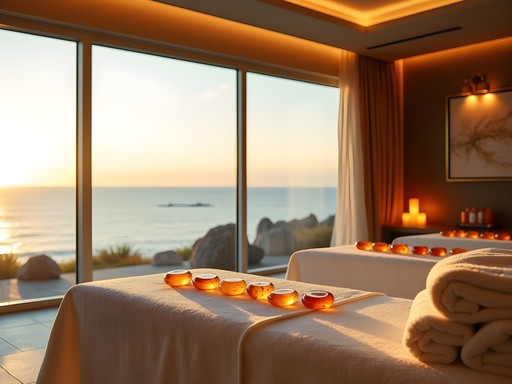
For those seeking authentic Lithuanian sauna experience, bypass the tourist saunas and head to Sveikatos Pirtelė on the outskirts of town. For €12, you get a three-hour traditional sauna session complete with birch branch massage (not as painful as it sounds) and herb-infused steam. Bring your own beverages – locals typically bring beer for between-heat refreshment.
When exploring these hidden spots, especially in the evening, I always keep my compact flashlight handy. Klaipeda's street lighting can be spotty in less touristy areas, and this small but powerful light has saved me from twisted ankles on uneven cobblestones more times than I can count.
💡 Pro Tips
- Visit Kiemo Galerija on Friday evenings for impromptu cultural gatherings
- The wooden walkways north of town are best experienced at sunset when locals take their evening walks
- For authentic nightlife, follow university students – they know where the good, affordable parties are
Day Trips That Won't Break the Bank
While Klaipeda itself kept me busy for days, the surrounding region offers incredible day-trip opportunities that won't drain your travel fund. The key is knowing how to navigate them like a local rather than getting caught in tourist traps.
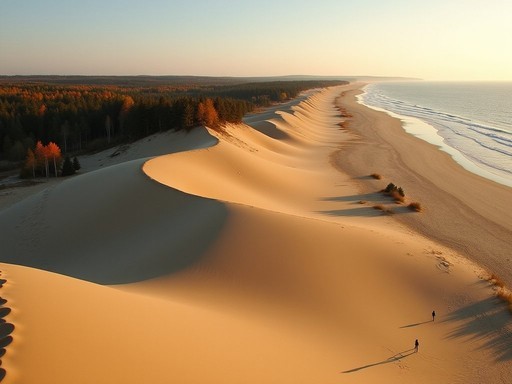
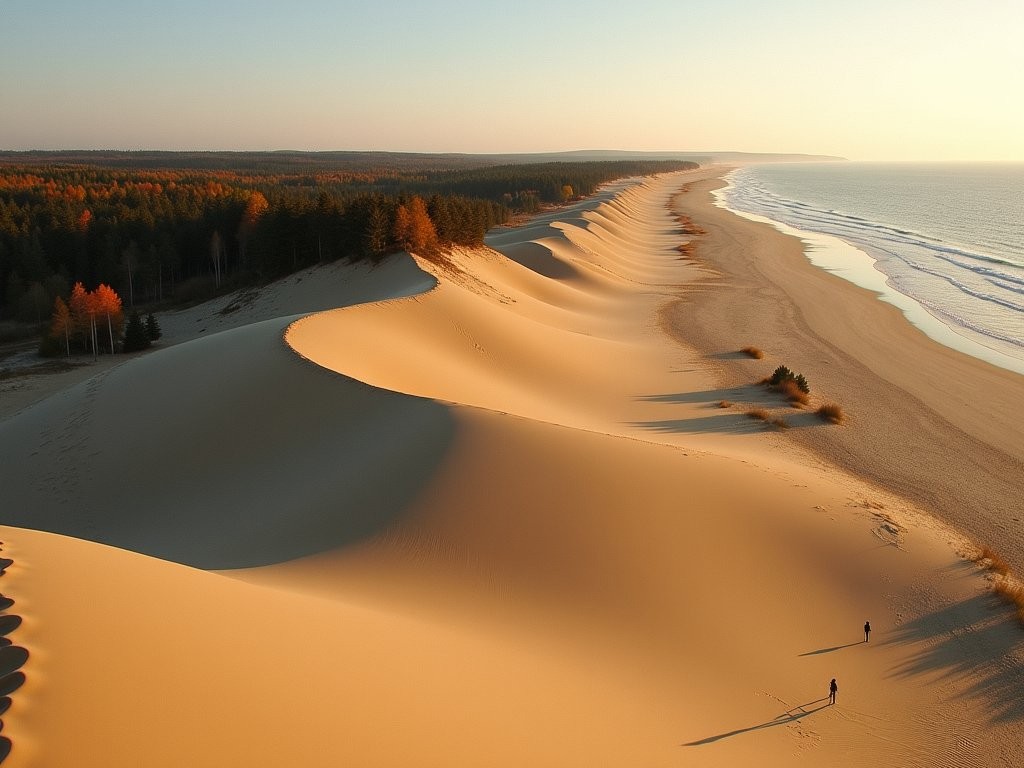
The Curonian Spit (Kuršių Nerija) is the obvious must-visit, but there's a right way to do it. Rather than booking an expensive tour, catch the regular passenger ferry (€1 each way) and then use the public bus that runs the length of the spit (€2-3 depending on distance). I spent a day hiking the massive sand dunes near Nida, which feel more like the Sahara than Northern Europe. The key is packing your own lunch – food options on the spit are limited and overpriced.
For a less-visited but equally impressive destination, take the train to Palanga (€2.50 one-way, 30 minutes). Most visitors head straight to the main beach and promenade, but walk just 15 minutes north or south and you'll find empty stretches of pristine Baltic coastline. I spent a peaceful afternoon collecting tiny pieces of amber that had washed ashore after a storm – a souvenir that cost nothing but time and attention.
My favorite day trip discovery was Šventoji, a tiny coastal village north of Palanga. During Soviet times, it was a popular resort, but now it has a delightfully abandoned quality in the off-season. The bus from Klaipeda costs €3.50 and takes about an hour. Pack a picnic, bring a good book, and enjoy having miles of Baltic coastline practically to yourself. I encountered more wild deer than people during my visit.
For history buffs, the Soviet missile base at Plokštinė is fascinating and affordable. It's a bit trickier to reach by public transport (you'll need to change buses in Plungė), but the €4 entrance fee to explore a genuine Cold War nuclear missile silo complex is well worth the effort. The site is now part of Žemaitija National Park, so you can combine it with hiking through beautiful Lithuanian forests.
When planning these day trips, I relied heavily on my travel power bank to keep my phone charged for navigation and photos. Public transport in Lithuania is reliable but sometimes infrequent, so having access to maps and schedules throughout the day is essential.
💡 Pro Tips
- Use the regular passenger ferry (€1) to the Curonian Spit rather than tourist boats charging €10+
- Visit Palanga on weekdays to avoid Lithuanian weekend crowds and higher accommodation prices
- Download the Trafi app for real-time public transportation information throughout the region
Connecting with Locals: The True Klaipeda Experience
If there's one thing I've learned in my decades of travel, it's that the difference between being a tourist and experiencing a place like a local comes down to the connections you make. Klaipeda proved exceptionally rewarding in this regard, particularly for those willing to step outside their comfort zone.
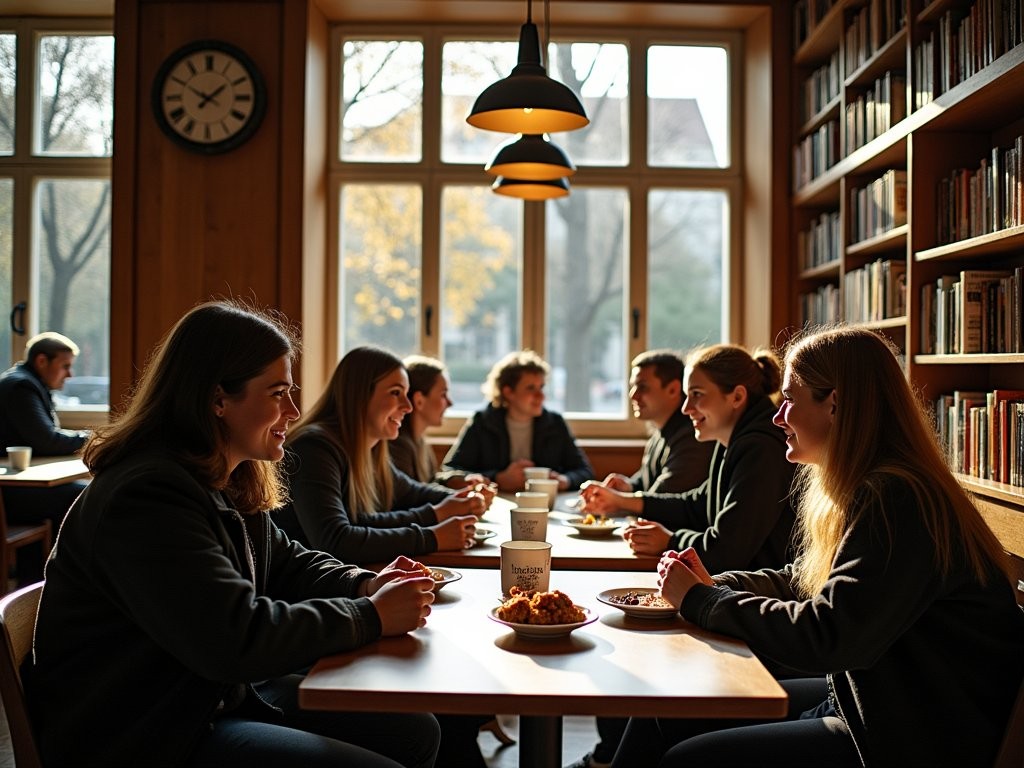
University towns always offer natural connection points, and Klaipeda University is no exception. The campus café Pas Profesorių not only serves excellent coffee for €1.50 but hosts informal language exchange meetups every Wednesday evening. I spent several hours trading English conversation for Lithuanian cultural insights with students eager to practice their already impressive English. These students later invited me to a traditional Lithuanian house party where I was introduced to the peculiar delight of fried bread with cheese (kepta duona su sūriu) – now a staple in my home cooking rotation.
For those interested in maritime history, the sailor's pub Uostas (literally 'Port') near the old ferry terminal is where retired fishermen and sailors gather. The trick is to arrive early (around 5 PM), buy a round of the local beer Švyturys (about €2.50 for the table), and express genuine interest in their stories. My broken Russian from college days proved surprisingly useful here, though many of the younger sailors speak English.
The central library on Herkaus Manto Street hosts free cultural events several times weekly, from Lithuanian folk music performances to documentary screenings. These events attract locals interested in cultural exchange, making them perfect opportunities to make connections. I met a local amber artisan at one such event who later gave me an informal workshop on identifying authentic Baltic amber – knowledge that saved me from several tourist-trap purchases.
Perhaps my most meaningful local connection came through a shared interest in electronic music. After chatting with the bartender at Fabriko Klubas about Detroit techno's influence on Lithuanian electronic music, I was invited to a small production studio where local artists were working on tracks. That night turned into an impromptu music session where my marketing experience with Berlin music festivals became an unexpected point of connection.
One tool that proved invaluable for making local connections was the pocket language guide. Even though many Lithuanians speak excellent English, the simple act of attempting a few phrases in their notoriously difficult language earned immediate respect and opened doors to authentic experiences no guidebook could list.
💡 Pro Tips
- Attend Wednesday language exchange meetups at Pas Profesorių café on the university campus
- Visit the central library for free cultural events where locals are open to meeting visitors
- Local Facebook groups like 'Klaipeda Events' often list gatherings that don't appear on tourist calendars
Final Thoughts
As my two weeks in Klaipeda came to an end, I found myself doing something I rarely do – checking apartment rental prices for a potential return in summer. This unassuming Lithuanian port city had worked its way under my skin in the best possible way. What makes Klaipeda special isn't any single attraction but rather its authentic blend of Baltic and Central European cultures, its surprising affordability, and the genuine warmth of its people.
For students and budget travelers looking to experience a different side of Europe, Klaipeda offers that increasingly rare combination of cultural richness without the crowds or inflated prices. The fall season, with its amber light and quieter streets, feels like the city's most honest face – though locals tell me summer brings its own magic with music festivals and midnight swims.
So pack that waterproof jacket, bring your curiosity, and prepare to experience a city that rewards those willing to venture beyond the usual European circuit. In Klaipeda, you won't just save money – you'll discover a Baltic gem that feels like it's been waiting for you to find it.
✨ Key Takeaways
- Klaipeda offers authentic Baltic experiences at a fraction of the cost of more famous European destinations
- Fall is ideal for budget travelers with lower prices, fewer tourists, and beautiful amber-hunting conditions
- Making local connections through university events, music venues, and cultural gatherings transforms the experience from tourist to temporary local
📋 Practical Information
Best Time to Visit
September-October for fewer tourists and moderate weather
Budget Estimate
€30-50 per day including accommodation, food and activities
Recommended Duration
7-14 days to truly experience local life
Difficulty Level
Easy

Comments
escapezone
Your post convinced me to add Klaipeda to my Baltic itinerary next summer! I was planning to just do Tallinn and Riga, but that craft beer scene and the affordable accommodations you described sound perfect. How many days would you recommend for Klaipeda including a day trip to the Curonian Spit? Also, did you feel safe as a solo traveler there?
Ahmed Greene
You won't regret it! I'd say minimum 3 days - 1 for Klaipeda itself, 1 full day for the Curonian Spit (rent bikes!), and 1 flexible day. If you can stretch to 4-5 days, even better as there are great day trips to places like Palanga too. And yes, felt completely safe the entire time, even walking around at night. The city has a very relaxed, friendly vibe.
Timothy Jenkins
Ahmed, brilliant piece on Klaipeda! As someone who's covered much of the Baltic region, I appreciate how you've captured the authentic character of this underrated port city. Your apartment rental strategy is spot on - I've found the same sweet spot between the Old Town and the port area offers tremendous value. One addition to your craft beer section: there's a small brewery called Švyturio Bravoras that does tours in English on Thursdays where you can sample their experimental brews not available elsewhere. The head brewer is quite a character and shares fascinating insights into Lithuania's brewing traditions dating back to pagan times. I'm curious about your experience with the local maritime heritage - did you visit the Lithuanian Sea Museum in the old fortress? Their collection of amber with insect inclusions is world-class, and the Soviet-era maritime exhibits provide a unique perspective on the region's complex history.
Ahmed Greene
Timothy, thanks for the kind words! I missed the Thursday tour at Švyturio - definitely adding that to my list for next time. I did visit the Sea Museum and was blown away. Those amber pieces are incredible, and you're right about the Soviet maritime exhibits - gave me a whole new perspective on the region's history. Did you make it to any of the small fishing villages south of Klaipeda?
adventurepro
How's the weather in September there? Thinking about a fall trip.
escapezone
Not Ahmed but I went last September. It was gorgeous - around 15-20°C, less crowded, and the changing colors along the coast were stunning. Pack layers though - evenings get chilly and there can be rain. I used my packable rain jacket almost daily. The locals told us September is actually their favorite month!
Ahmed Greene
Exactly what @escapezone said! September is perfect - still warm enough during the day for the beach but without the summer crowds.
coolexplorer
Just got back from Lithuania and wish I'd read this before going! We only spent a day in Klaipeda en route to the Curonian Spit and missed so much. That brewery district sounds amazing. We did try cepelinai though - those potato dumplings are serious comfort food! Saving this for next time because we're definitely going back. The Baltic coast was such a pleasant surprise.
travelmate
How did you get from Vilnius to Klaipeda? Is the train reliable?
Ahmed Greene
I took the train and it was great - comfortable, on time, and affordable (around €20). Book through the official Lithuanian Railways site for best prices. The bus is another good option and sometimes cheaper.
Sophia Gomez
Ahmed, this brings back memories! I spent 10 days in Klaipeda last summer while working remotely. That little coffee shop you mentioned near the river - Kavos Bankas - became my unofficial office! Their wifi was reliable and the baristas remembered my order by day 3. I also discovered a wonderful little bookshop with English titles in the Old Town that wasn't in any guidebooks. The owner told me fascinating stories about Soviet-era Lithuania. Did you make it to the Curonian Spit? The bike ride along the dunes was one of my favorite Baltic experiences ever.
Ahmed Greene
Sophia! Yes, Kavos Bankas was my morning ritual too! And absolutely made it to the Curonian Spit - that bike ride was incredible. Did you try that little smoked fish stand near the ferry dock? Life-changing.
cityclimber
Those craft beer recommendations are spot on! Švyturys is amazing.
escapeadventurer1071
Great post! How did you find the language barrier in Klaipeda? I'm planning a Baltic trip next spring but worried about communication.
Ahmed Greene
Thanks! Language wasn't a big issue - most younger people and those in tourism speak good English. I did learn a few basic Lithuanian phrases which locals really appreciated. The Klaipeda tourist info center staff were super helpful too.
escapeadventurer1071
That's reassuring, thanks! Any particular phrases you found most useful?
Ahmed Greene
Definitely 'ačiū' (thank you), 'labas' (hello), and 'alaus, prašau' (beer, please) got me through most situations! 😂
luckyclimber3261
Pro tip for anyone going - get the Klaipeda city card if you're staying more than a few days. Free public transport plus discounts at museums and some restaurants. Paid for itself in like 3 days for me. Also the bike rental system is super cheap and the city is totally flat, makes getting around really easy.
tripguy
oh awesome didn't know about the city card! thanks!!
Sage Dixon
Ahmed, this really resonates with me! I spent three weeks exploring the Baltic capitals last year and completely agree that the smaller port cities steal the show. Klaipeda has this incredible authenticity that you just don't find in over-touristed spots. The craft beer scene there is legit - I stumbled into a tiny brewery near the old castle area where the brewer was experimenting with sea buckthorn and other local ingredients. One tip I'd add: if you're there in summer, rent a bike and ride out to the Curonian Spit. The ferry ride alone is worth it, and you can explore those massive sand dunes. It's like being on another planet. Did you make it out there during your stay?
sunnylover
Sea buckthorn beer?? That sounds wild!
Venture X
Premium card with 2X miles, $300 travel credit, Priority Pass