

Disclosure: This article contains affiliate links. We may earn a commission from purchases at no extra cost to you, which helps our travel content.
I've always believed that holy cities possess a certain magic that extends far beyond their religious significance. Kairouan—Tunisia's spiritual heart and Islam's fourth holiest city—proved this theory spectacularly during my recent two-week autumn stay. While most tourists breeze through on day trips from coastal resorts, I decided to slow down and sink into the rhythm of local life. What unfolded was an experience so authentic and budget-friendly that it reminded me why I started this blog in the first place: to find the extraordinary in places others overlook.

Finding Your Home in the Medina
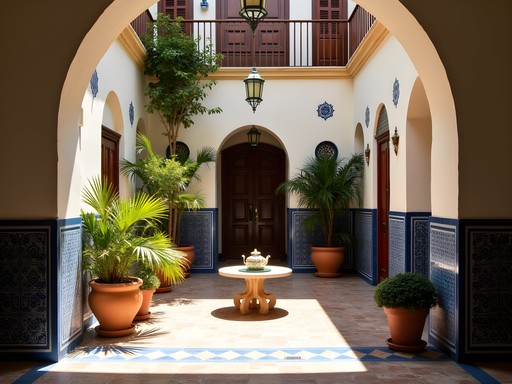
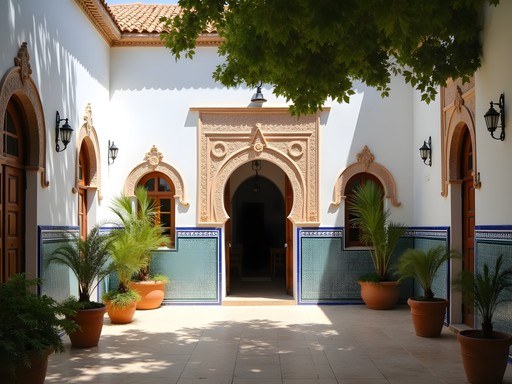
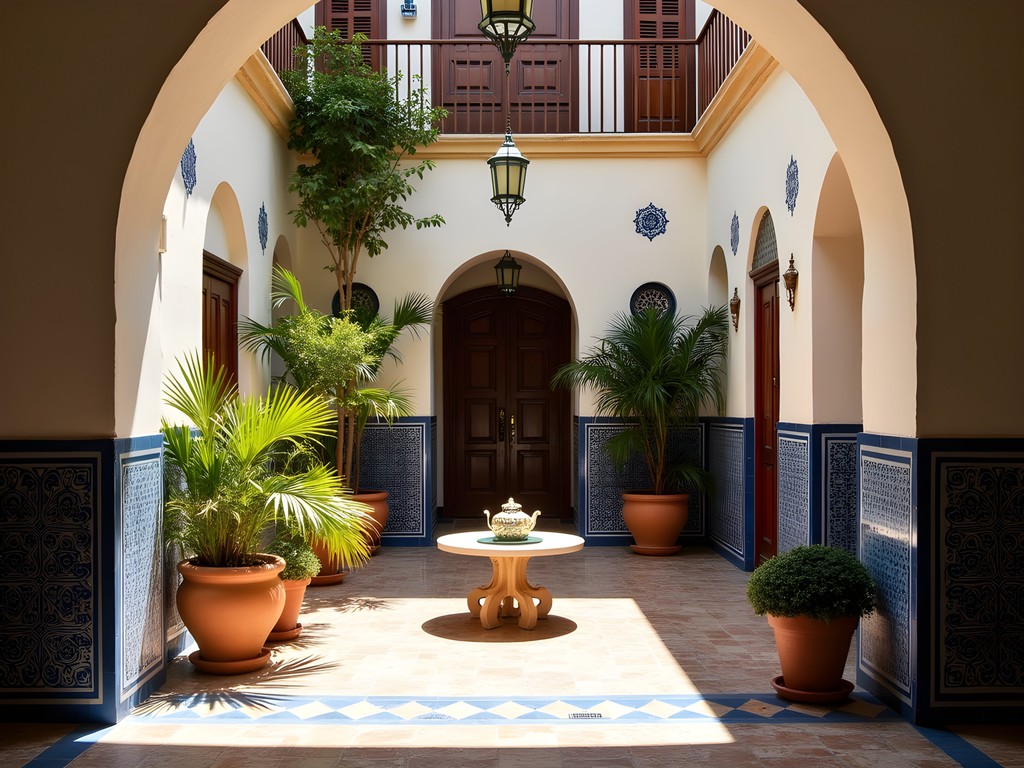
After years of travel, I've developed a sixth sense for accommodations that offer both cultural immersion and value. In Kairouan, skip the handful of tourist hotels and dive straight into the medina's heart by booking a traditional dar (house) or small riad. I spent my two weeks at Dar Baya, a 300-year-old restored home with a central courtyard where the owner's grandmother taught me to prepare proper Tunisian couscous on my third day.
What makes these accommodations special isn't just the price point (I paid roughly $25/night) but the immediate community connection they provide. My host Sami introduced me to neighbors, pointed out which bakeries made the best khobz bread fresh each morning, and even invited me to a family wedding where I danced until my feet protested.
The authentic experience comes with trade-offs—intermittent hot water, firm beds, and the 5 AM call to prayer that becomes your reliable alarm clock. Pack a travel sleep mask and some earplugs if you're a light sleeper, though I found myself eventually surrendering to the medina's natural rhythms.
💡 Pro Tips
- Book accommodations directly through WhatsApp for better rates after finding options on booking sites
- Request rooms facing the inner courtyard rather than the street for quieter nights
- Bring small gifts from your home country for hosts—they're genuinely interested in cultural exchange
Navigating the Medina Like You Belong There
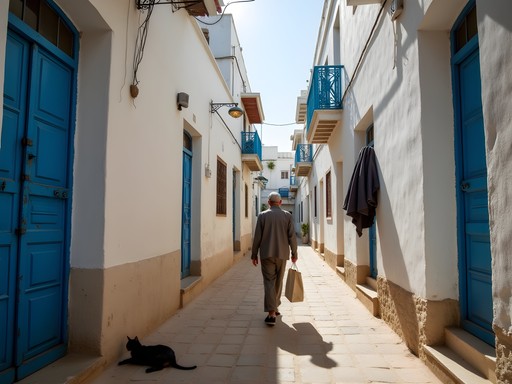
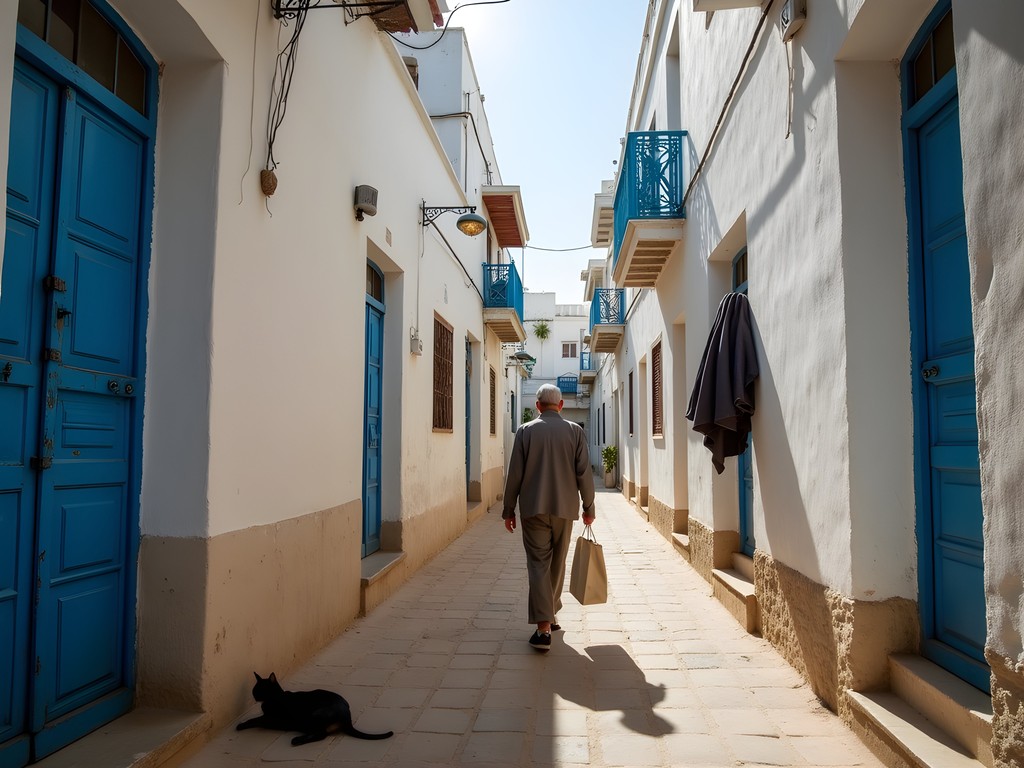
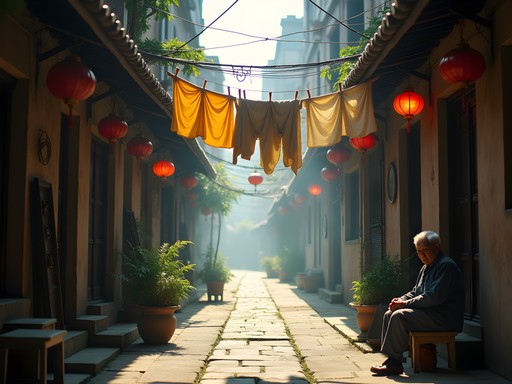
Kairouan's UNESCO-listed medina is a magnificent labyrinth that initially seems designed to confuse outsiders. By day three, I'd graduated from hopelessly lost to confidently lost—progress! By week two, I was giving directions to day-trippers.
The key to medina navigation isn't memorizing turns but understanding its organization around trades and landmarks. The perfume makers cluster together, as do the carpet weavers and metalsmiths. I started each exploration with a pocket compass (yes, old school but never needs charging) and the Great Mosque as my north star.
Unlike Marrakech or Fez, Kairouan's medina still functions primarily for locals. This means fewer tourist traps and more authentic interactions, but also requires respecting daily life. Photographing people requires permission, especially women, and dressing modestly is non-negotiable. I found my lightweight scarf essential not just for mosque visits but for everyday respect.
The true magic happens when you visit the same places repeatedly. By my fifth morning buying bread at the same corner bakery, the owner started throwing in extra harissa-filled rolls. By week two, I was being waved into homes to admire new babies and taste home-cooked makroudh (date-filled semolina cookies).
💡 Pro Tips
- Download offline maps but don't walk around staring at your phone—getting slightly lost is part of the experience
- Learn basic Arabic greetings and thank-yous; even broken attempts are deeply appreciated
- Establish a morning routine at a local café to become a familiar face quickly
Eating Like a Kairouani: Beyond Couscous
Tunisian cuisine remains criminally underrated on the world stage, and Kairouan offers some of the country's most distinctive flavors. Forget tourist restaurants—the best meals happen in humble family-run establishments where menus don't exist and prices are refreshingly low.
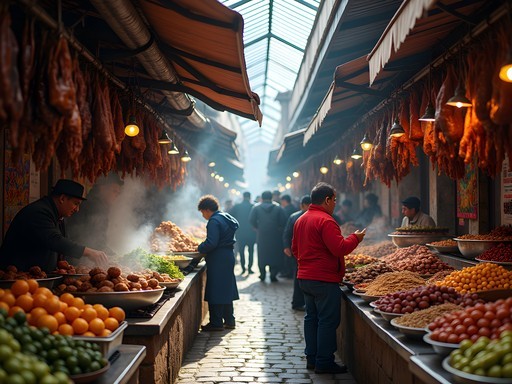
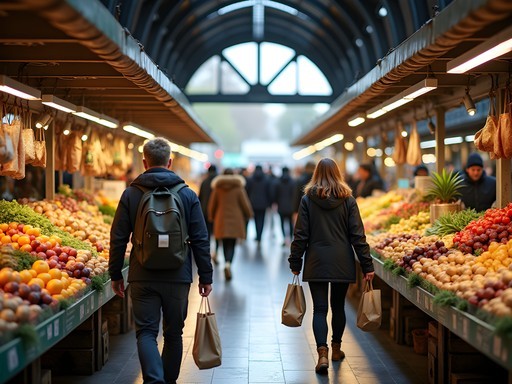
My daily food journey typically began at Café des Nattes near Bir Barouta for breakfast. For about $2, I'd get a spicy egg shakshuka, fresh bread, and enough coffee to fuel a morning of exploration. For lunch, I gravitated toward street food: crispy brik pastries filled with egg and tuna, or a hearty lablabi (chickpea soup) from a vendor near the Zaouia of Sidi Sahab who recognized me by day four and doubled my harissa without asking.
Dinner presented the greatest adventure. Skip the restaurants with multilingual menus and look for places filled with local families. My favorite discovery was a nameless establishment near the western medina wall where the owner, Youssef, served whatever his mother had prepared that day. One evening it might be tender lamb couscous, another night a fish tagine with preserved lemons.
I always travel with a collapsible food container for leftovers, which initially confused but then delighted my hosts when I explained the concept of reducing food waste. By week two, Youssef was sending me home with extra makloub (stuffed flatbread) for breakfast without me asking.

💡 Pro Tips
- Eat where families eat, not where tour groups stop
- Learn to embrace the uncertainty of no-menu establishments—I never had a bad meal
- Try the local olive oil on everything; Kairouan's surrounding region produces exceptional varieties

Beyond the Great Mosque: Hidden Sacred Spaces
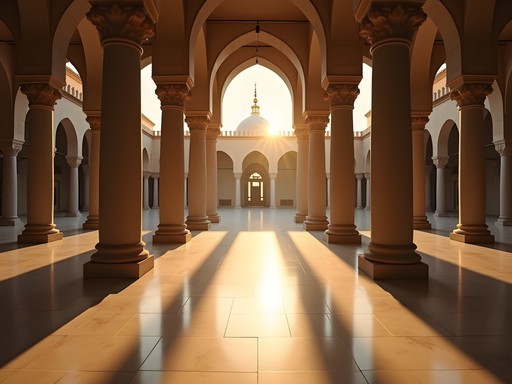
While Kairouan's 9th-century Great Mosque deservedly tops every visitor's list, the city's spiritual landscape extends far beyond this magnificent monument. As a non-Muslim visitor, I could only admire the mosque's interior courtyard and prayer hall during specific hours, but this limitation led me to discover lesser-known sacred spaces where I often found myself completely alone.
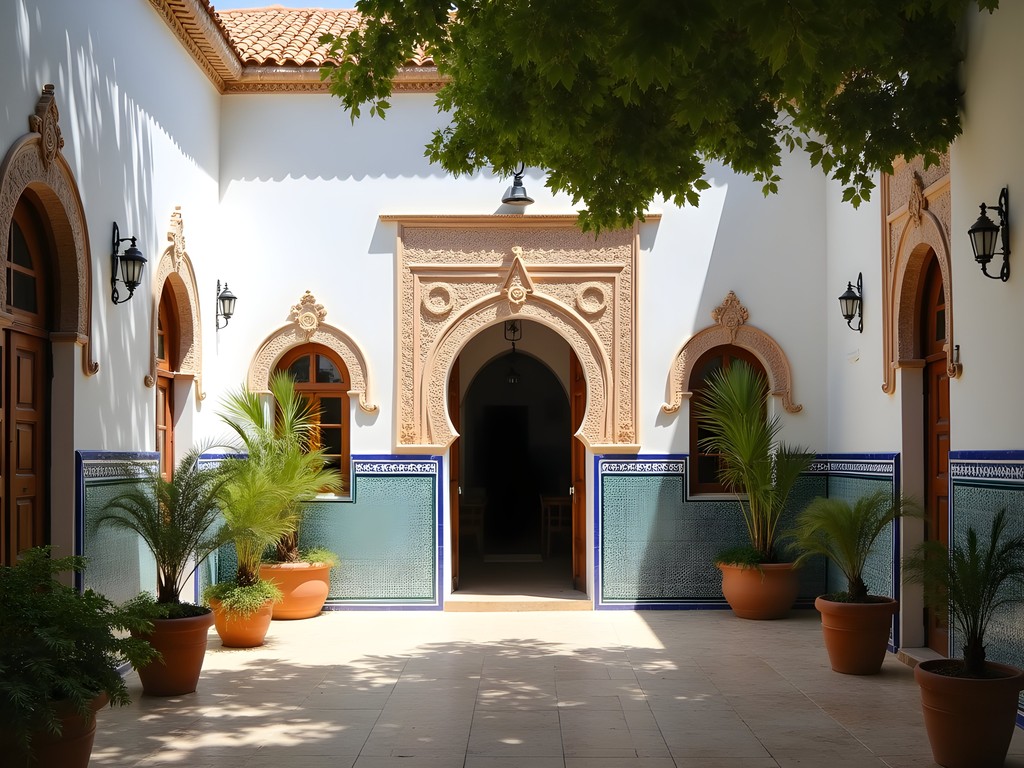
The Zaouia of Sidi Abid al-Ghariani became my favorite retreat—a small 14th-century mausoleum complex with intricate stucco work and a peaceful courtyard where local women sometimes bring embroidery work in the afternoons. The caretaker, noticing my repeated visits, eventually showed me a hidden prayer room not mentioned in any guidebook, its ceiling covered in centuries-old painted wooden panels.
For those seeking spiritual connection regardless of faith, I recommend bringing a meditation cushion to the quieter zaouias. Many have peaceful corners where contemplation is welcome, and I spent several afternoons journaling in these tranquil spaces.
The Bir Barouta well—where camels still draw water using methods unchanged for centuries—connects to Mecca according to local belief. Watch for the moment when local visitors drink the water for blessings, but don't photograph this intimate ritual. Instead, sit quietly at the adjacent café and absorb the timeless atmosphere as the camel makes its circular journey.
💡 Pro Tips
- Visit sacred sites during prayer times to witness living spiritual traditions, but stay respectfully in visitor areas
- Dress conservatively with covered shoulders, knees and a headscarf for women when visiting religious sites
- Learn basic Islamic architectural terms to better appreciate the details—mihrab (prayer niche), minbar (pulpit), and sahn (courtyard)
Carpet Shopping Without the Pressure
Let's address the elephant in the room: Kairouan is famous for its carpets, and yes, every visitor faces the carpet shop invitation dance. After watching countless tourists endure high-pressure sales tactics, I discovered a more pleasant approach that resulted in not only fair prices but genuine connections.
The secret? Time and tea. Unlike day-trippers, I could afford to visit the same shops multiple times, establishing relationships before any transaction. I'd stop by Maison du Tapis near the Mosque of the Three Doors almost daily, sometimes just to practice my terrible Arabic with the owner Hassan. By my fourth visit, the sales pitch had disappeared entirely, replaced by stories about his family's weaving traditions.
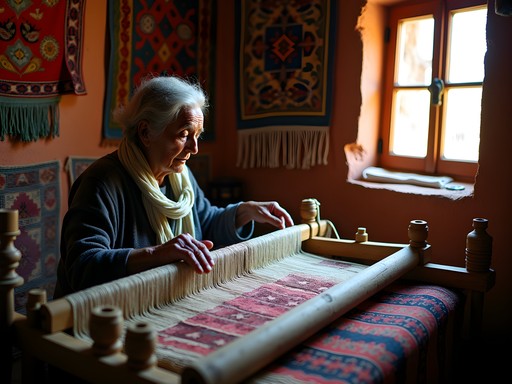
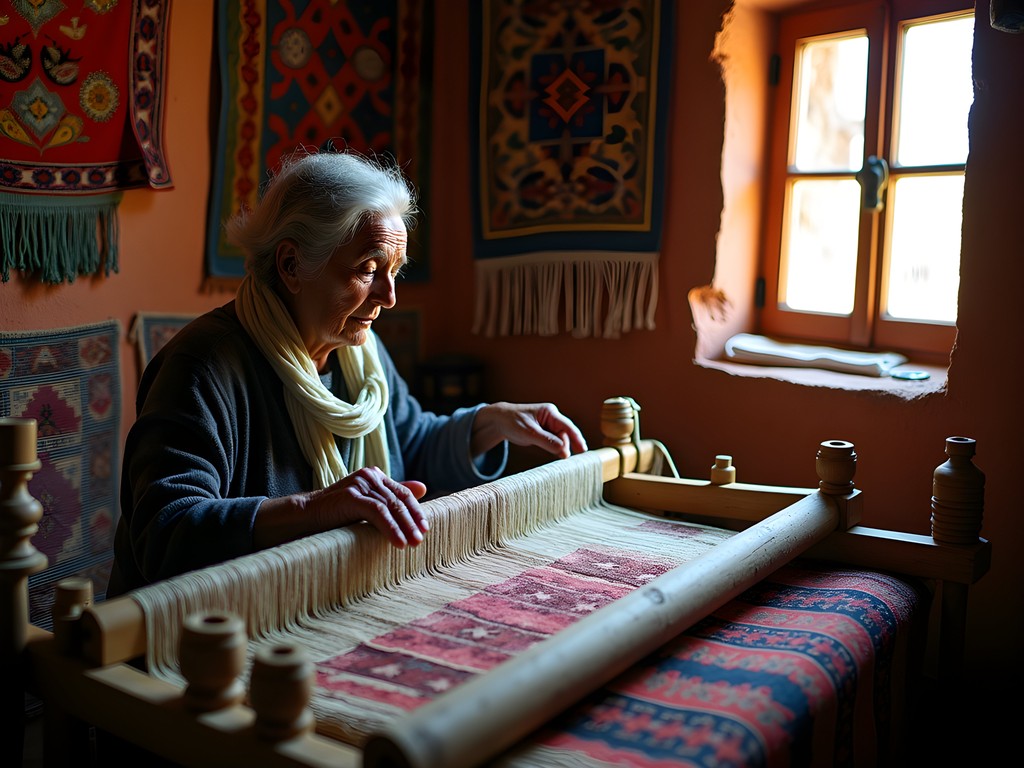
When I finally decided to purchase a small Mergoum carpet in week two, Hassan skipped the inflated tourist price entirely. He also introduced me to his aunt who taught me basic weaving techniques on her traditional loom—an experience no tour group would ever access.
For examining carpet quality, I found a pocket magnifier invaluable for checking knot density and material authenticity. I also recommend bringing a luggage scale to avoid overweight baggage surprises—these carpets are heavier than they look!
💡 Pro Tips
- Visit carpet shops during quiet hours (early morning or during prayer time) for more relaxed interactions
- Learn the difference between Kairouan's main carpet styles: Mergoum (flat weave with geometric designs) and Alloucha (high pile with Berber influences)
- Ask to see carpets being made—many shops have looms in back rooms where family members work
Final Thoughts
As my two weeks in Kairouan drew to a close, I realized I'd experienced a profound shift in how I moved through the medina. No longer following Google Maps or attracting the 'tourist gaze,' I had become—if not quite a local—at least a familiar presence woven temporarily into the city's ancient fabric. The fruit seller who saved the ripest figs for me, the carpet shop owner who invited me to his daughter's henna ceremony, the elderly man who corrected my Arabic pronunciation daily at the same corner—these connections transformed Kairouan from a historical site into a living community.
This holy city offers something increasingly rare in our hyperconnected world: an authentic experience that unfolds slowly, revealing itself only to those patient enough to linger. In an era when most sacred sites have been transformed into tourist spectacles, Kairouan maintains its spiritual dignity while still welcoming respectful visitors into its daily rhythms.
So I challenge you: skip the day trip and give Kairouan the time it deserves. Slow down. Get lost. Drink endless tiny cups of mint tea. Let the medina's maze become familiar territory. Your reward won't just be budget-friendly travel, but something far more valuable—a genuine connection to one of North Africa's most remarkable living traditions.
✨ Key Takeaways
- Staying in the medina for at least a week transforms the experience from tourist to temporary local
- Building relationships with shopkeepers and residents opens doors to authentic experiences no tour could provide
- Kairouan offers exceptional value for budget travelers willing to embrace local customs and pace
📋 Practical Information
Best Time to Visit
September to November or March to May
Budget Estimate
$30-50/day including accommodation, food and local transportation
Recommended Duration
Minimum one week, ideally two weeks
Difficulty Level
Moderate

Comments
George Hayes
Love this approach to Kairouan! One thing I'd add for families - the carpet museum near the Great Mosque was surprisingly engaging for kids. Our daughter got to try the loom and our son was fascinated by the natural dyes. Also, staying in a traditional house in the medina was way better than the modern hotels outside the walls. Waking up to the call to prayer and having breakfast on the rooftop terrace made us feel like we were really part of the city's rhythm.
oceanway
Beautiful photos! Really captured the atmosphere.
moonlegend
How safe did you feel walking around the medina at night? I'm a pretty nervous traveler and trying to figure out if Kairouan is good for beginners like me. Also did you speak French or Arabic?
Reese Cruz
I felt very safe! People are incredibly welcoming. I speak basic French which helped, but lots of locals spoke some English too. The medina gets quiet after dark but never felt sketchy. Start with daytime exploring and you'll quickly get comfortable.
George Hayes
We took our two kids (8 and 11) to Kairouan last spring and they absolutely loved it. Felt totally safe the whole time. The locals were so patient with our terrible French and the kids learned some Arabic words from the shopkeepers. It's actually a great place for nervous travelers because it's less overwhelming than Tunis but still authentic.
Haley Hamilton
Reese, this is such a beautiful piece. I spent three days in Kairouan back in 2019 and wish I'd had your insight then. I made the rookie mistake of rushing through to check off the Great Mosque and Aghlabid Basins, completely missing the soul of the place. Your point about those hidden sacred spaces really resonates - I remember stumbling into a small zaouia where an elderly caretaker shared tea with me, and that 20-minute conversation taught me more about Tunisian spirituality than any guidebook ever could. Next time I'm staying longer and actually living there, not just passing through.
moonlegend
this is exactly what I needed to hear! planning my first solo trip to Tunisia and was worried about just doing the tourist checklist thing
cityace
Adding this to my Tunisia list!
islandgal
This brings back so many memories! I stayed in Kairouan for a week last year and totally agree about the medina vibe. Once you get past the initial maze confusion, it really does start to feel like home. The carpet weavers were so friendly and patient showing me their techniques. Did you try makroudh from that little bakery near Bir Barrouta? Still dreaming about those honey-soaked pastries.
Reese Cruz
YES! That bakery is incredible. I probably went there way too many times during my stay lol. The owner's grandmother taught me how to spot the freshest batch.
islandgal
omg lucky you!! that's the kind of experience you just can't get from a guidebook
luckyqueen
This is so helpful! Quick question - is it easy to get to from Tunis? And is it safe for solo female travelers? Thinking about adding it to my Tunisia trip in September.
Reese Cruz
Super easy - louages (shared taxis) leave regularly from Tunis, about 2.5 hours. And yes, I felt very safe as a solo female traveler. The usual precautions apply but people were incredibly respectful. Dress modestly in the medina and you'll be fine!
luckyqueen
thank you so much!! definitely adding it to my itinerary now
freediver
Beautiful photos! Really captured the atmosphere
Frank Garcia
Solid guide, Reese. I backpacked through Tunisia last autumn and found Kairouan to be the most authentic stop compared to Tunis or Sousse. Your navigation tips are spot-on - I got properly lost my first day trying to rely on Maps.me. The medina layout is genuinely confusing until you learn the landmark system locals use. One thing I'd add: the carpet workshops are worth visiting even if you're not buying. Watched a master weaver for about an hour and learned the difference between Kairouan knots and other regional styles. Also, accommodation is ridiculously affordable - stayed in a basic medina house for about £8/night. The lack of tourist infrastructure actually works in its favor.
citychamp5459
YES to everything about the food section!! I spent 5 days in Kairouan last year and the street food was unreal. That lablabi for breakfast became my daily ritual. Also totally agree about skipping the tourist restaurants near the mosque - we found this tiny place down an alley where they made fresh brik and it was like 3 dinars. The owner didn't speak any English but his son helped translate and they were so welcoming. Did you try the Kairouan-style couscous with the tfaya? Game changer!
luckyqueen
omg the brik!! I had that in Tunis and loved it. didn't know Kairouan had good ones too
Venture X
Premium card with 2X miles, $300 travel credit, Priority Pass