


Disclosure: This article contains affiliate links. We may earn a commission from purchases at no extra cost to you, which helps our travel content.
The moment my feet touched Djiboutian soil, I knew I'd stumbled upon something extraordinary. Far from the well-worn tourist paths of East Africa, Djibouti City rises from the desert like a mirage—a fascinating blend of African, Arabic, and French influences that defies easy categorization. As someone who's spent years documenting vernacular architecture across continents, I was instantly captivated by the city's unique visual language: colonial buildings alongside traditional structures, all set against the stark beauty of a volcanic landscape that tumbles into the Gulf of Aden. For two weeks this past January, I immersed myself in this crossroads of culture, connecting with local artisans and uncovering the rhythms of daily life that most visitors miss. What I discovered was a city of contrasts—challenging yet rewarding, scorching yet soulful—that offers adventurous travelers an authentic glimpse into a rarely-seen corner of Africa.

Navigating the Cultural Mosaic
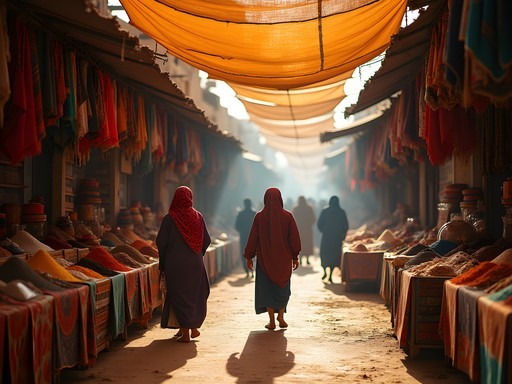
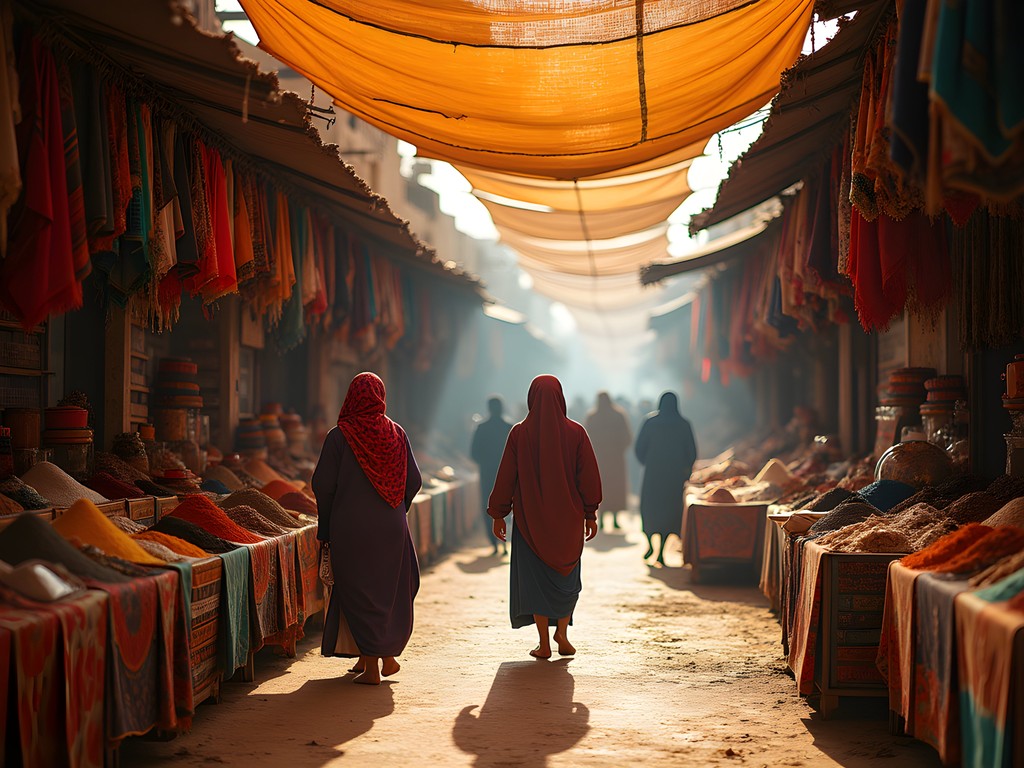
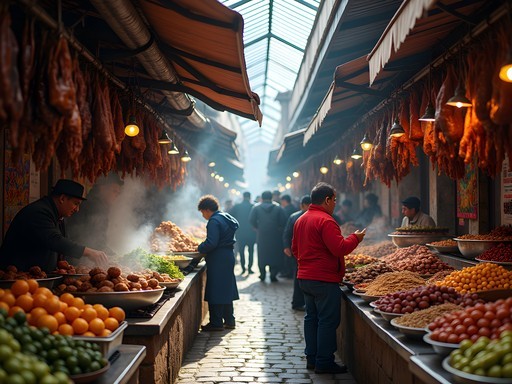
Djibouti City unfolds like a complex tapestry, with threads of Somali, Afar, Yemeni, and French influence woven throughout its urban fabric. My first lesson came while photographing the central market's intricate metalwork: understanding this place requires abandoning preconceptions and embracing its multicultural identity.
The city operates on what locals call waqti Djibouti (Djibouti time)—a pace dictated more by prayer calls and afternoon heat than by rigid schedules. I quickly learned to adapt my designer's precision to this more fluid approach to time. Meetings might start an hour late, but they often evolve into deeply meaningful connections.
Language creates both barriers and bridges here. While French is the official language, most locals speak Somali, Afar, or Arabic. I found my basic French helpful, but it was the effort to learn simple greetings in Somali that truly opened doors. A heartfelt is ku waran (how are you?) invariably brightened faces and sparked conversations that my translation app helped navigate.
The city's religious fabric is predominantly Muslim, which influences everything from business hours to social customs. During my stay, I observed the rhythm of daily prayers creating natural pauses in the day—moments that, once I adjusted, became welcome opportunities for reflection rather than interruptions to my schedule.
Most importantly, I discovered that Djiboutians value relationship-building above all. What might seem like unnecessary small talk to Western visitors is actually the essential foundation for any meaningful interaction. The time invested in these connections yielded my most authentic experiences.
💡 Pro Tips
- Learn basic greetings in Somali and Afar—even imperfect attempts are deeply appreciated
- Respect prayer times when planning your day; many businesses close briefly during these periods
- Dress modestly regardless of the heat—lightweight, loose clothing that covers shoulders and knees works best
Finding Authentic Accommodation
After years of travel, I've learned that where you rest your head shapes your entire experience of a place. In Djibouti City, accommodation options range from sterile international hotels catering to business travelers to more authentic local experiences that truly connect you to the city's pulse.
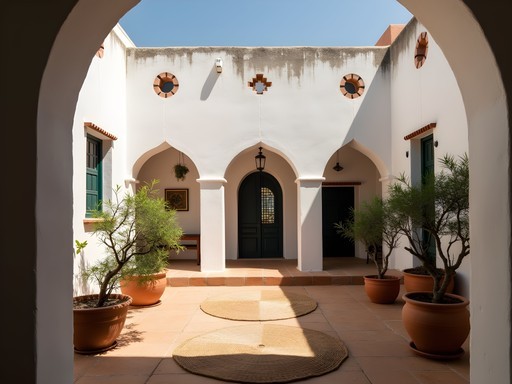
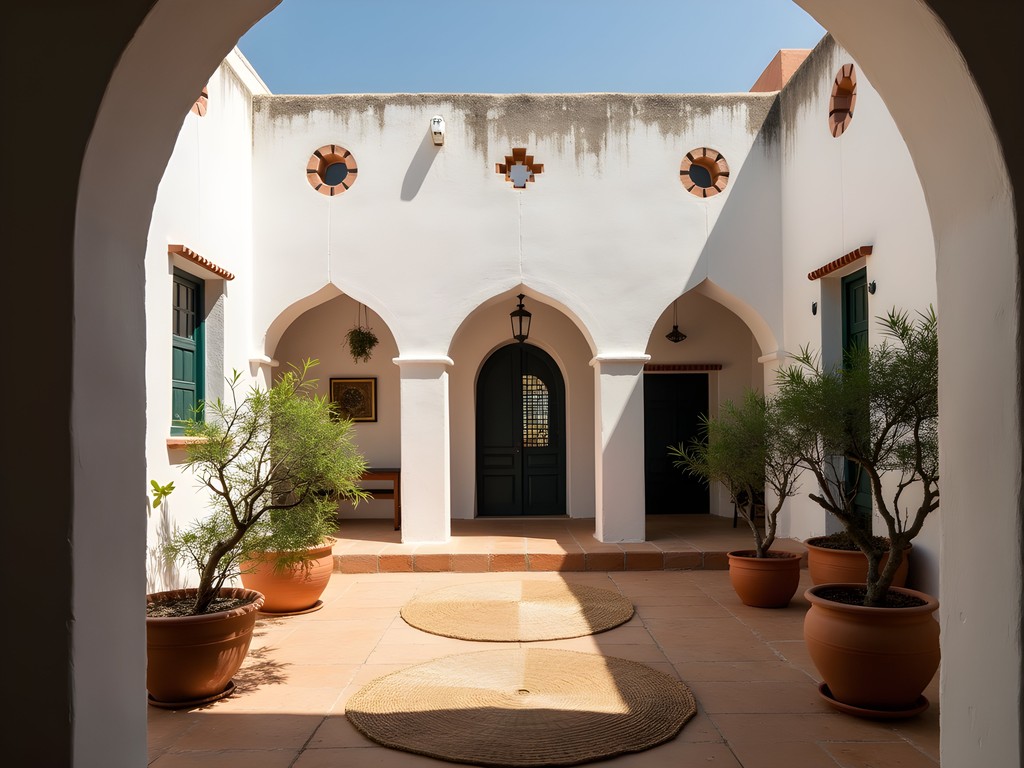
My most memorable stay came through a connection with Amina, a local textile artist I met while photographing her workshop. Learning of my interest in vernacular architecture, she offered her family's traditional home in the Arhiba district for a three-night homestay. The house featured a central courtyard where family life unfolded—meals shared, stories exchanged, and intricate handwork completed in the cooler evening hours. The geometric patterns adorning the interior walls revealed influences from both Somali and Yemeni design traditions, creating a visual language that told the story of Djibouti's position as a cultural crossroads.
For those seeking middle ground, I discovered Residence Lagon Bleu, a locally-owned guesthouse that balances authentic character with necessary comforts. The building itself is a beautifully preserved example of Franco-Arabic architecture, with rooms arranged around a shaded central courtyard that captures cooling breezes. What truly elevated the experience was the proprietor Hassan's willingness to connect guests with local experiences—from home-cooked meals to guided walks through less-visited neighborhoods.
Regardless of where you stay, I found an portable door lock invaluable for adding an extra layer of security and peace of mind, especially in guesthouses with simpler locking mechanisms. It's compact enough to slip into any daypack but provides substantial reassurance.
For longer stays, consider splitting your time between different neighborhoods. My week in bustling Plateau (the city center) offered convenience and energy, while my final days in residential Héron provided a quieter rhythm and glimpses into everyday domestic life that tourists rarely witness.
💡 Pro Tips
- Request rooms away from the street and with air conditioning—essential for the intense heat
- Consider family-run guesthouses over international chains for more authentic experiences and local connections
- Bring small gifts from your home country if arranging homestays—I brought design magazines and local crafts from New Orleans
Street Food Safari: Eating Like a Local
In Djibouti City, food isn't just sustenance—it's a living museum of the region's complex history and cultural exchanges. The culinary landscape reflects centuries of trade routes and migrations, with influences from Somalia, Yemen, Ethiopia, and France creating a distinctive fusion that deserves more recognition on the global food scene.
My mornings invariably began with foul, a savory fava bean stew seasoned with olive oil, lemon, and berbere spice, served with fresh-baked bread perfect for scooping. The tiny café near Place Menelik became my regular breakfast spot, where the owner Abdi would practice his English while I attempted Somali phrases between bites. By day three, he was setting out my coffee (intensely sweet and cardamom-spiced) before I'd even ordered.
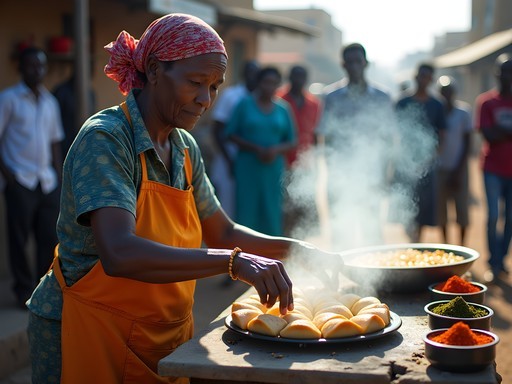
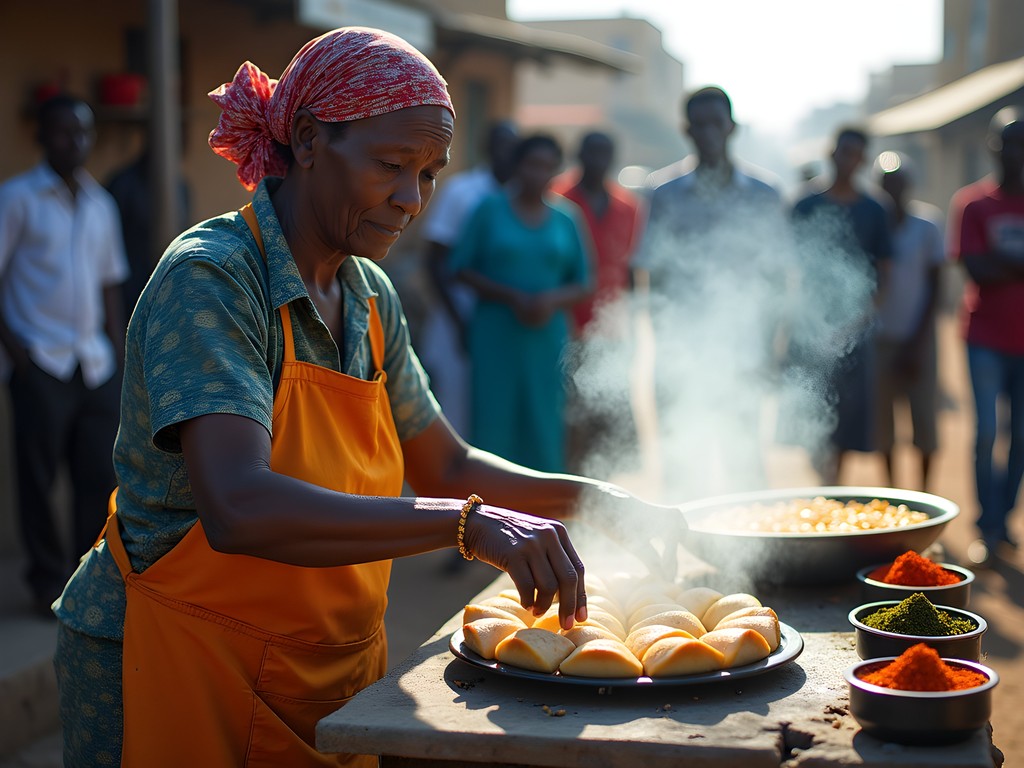
For lunch, the streets around Rue de Bender offer the city's best sambusas—triangular pastries filled with spiced meat or vegetables that reveal their Indian origins while incorporating distinctly East African flavors. I became particularly devoted to a corner stand run by an elderly woman named Fadumo, whose chickpea and green chili sambusas paired perfectly with her homemade tamarind sauce.
Dinner explorations led me to discover fahfah, a hearty goat soup that simmers for hours with garlic, cinnamon, and cloves. The unassuming restaurant Chez Youssouf in the Ethiopian quarter serves the most remarkable version, accompanied by laxoox—a sourdough pancake similar to Ethiopian injera but uniquely Djiboutian in its preparation.
Street food adventures in unfamiliar climates require some precautions. I never travel without my water purification bottle, which allowed me to refill safely throughout the day while reducing plastic waste. It proved invaluable during longer explorations of the city's outlying neighborhoods where bottled water was scarce.
Perhaps my most memorable meal came through an invitation to join a family's Friday lunch of yemeni mandi—fragrant rice and slow-cooked lamb prepared in an underground pit. Shared from a common platter in their home, this meal embodied the Djiboutian approach to dining: generous, unhurried, and fundamentally communal.
💡 Pro Tips
- Look for street food stalls with high turnover and locals lining up—the best indicator of both quality and safety
- Carry small bills (Djiboutian francs) for street food purchases, as vendors rarely have change for larger denominations
- Try the fresh juices—especially tamarind and hibiscus—but ensure they're made with purified water

Beyond the Guidebooks: Hidden Urban Treasures
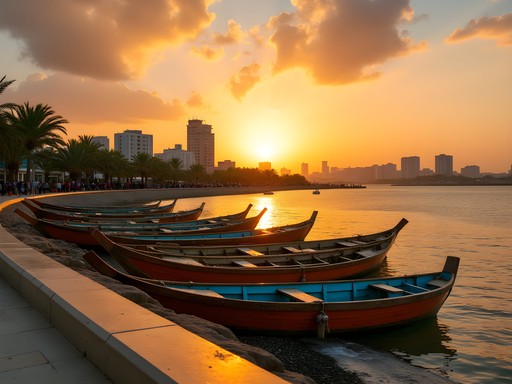
While most visitors use Djibouti City merely as a launching point for excursions to Lac Assal or the Day Forest, the urban landscape itself holds fascinating discoveries for those willing to look deeper. As a designer obsessed with how spaces tell cultural stories, I found myself captivated by neighborhoods rarely mentioned in conventional travel resources.
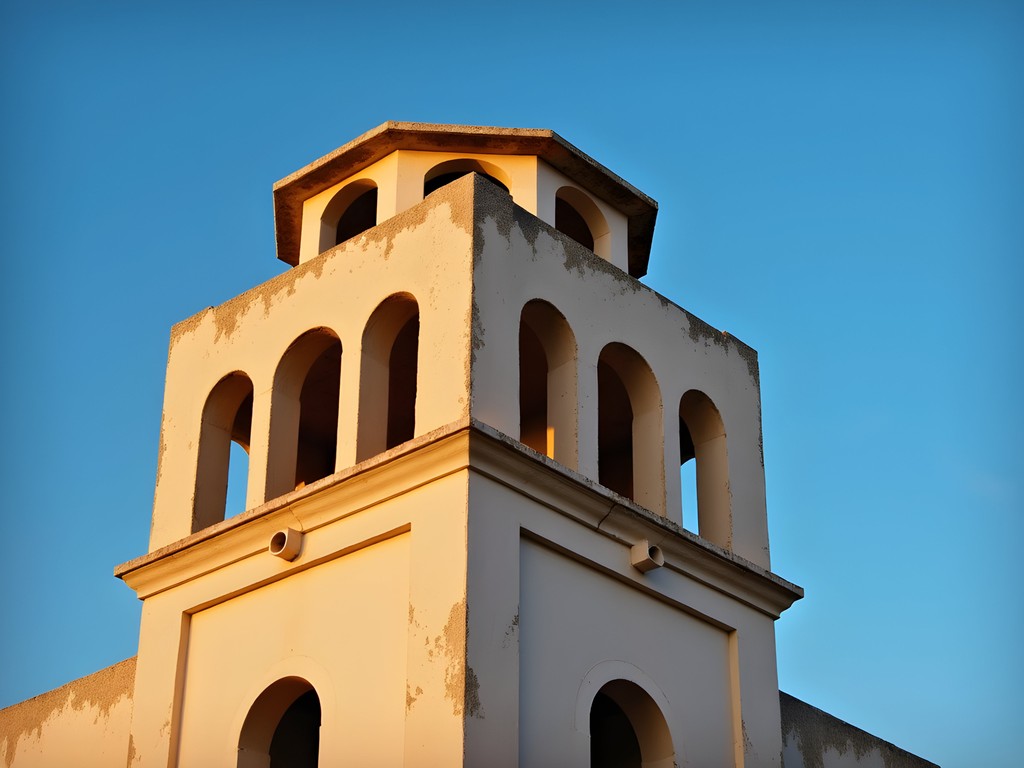
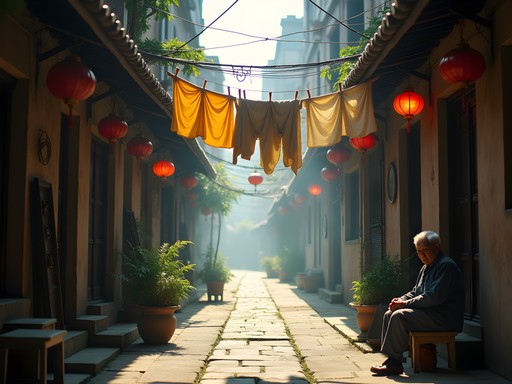
The old quarter of Balbala reveals Djibouti's architectural evolution through its narrow alleys and courtyard houses. Here, traditional building techniques adapted to the harsh climate—thick walls for insulation, strategic ventilation, and shaded communal spaces—offer lessons in sustainable design that preceded modern air conditioning by centuries. I spent hours sketching the ingenious wind-catching towers that create natural cooling systems, accompanied by curious children who eventually led me to their grandmother's home where similar features had been maintained for generations.
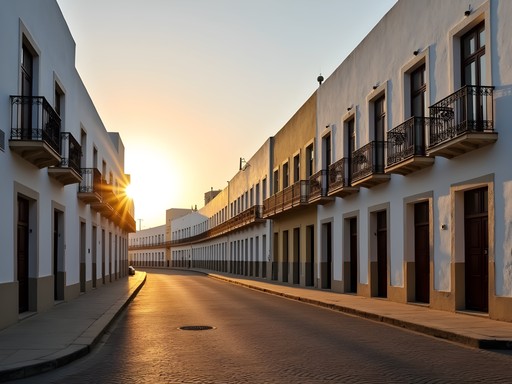
For those interested in colonial-era architecture, the administrative quarter near Place Lagarde presents a surreal vision of France transplanted to the Horn of Africa. The governor's mansion and surrounding buildings feature distinctively European proportions and detailing, yet subtle adaptations to the climate reveal the necessary compromise between imperial aesthetics and environmental reality. The caretaker of the old post office, noticing my interest in the building's features, invited me inside to see the original counter and sorting room, preserved like a time capsule from the 1940s.
One afternoon, following the sound of drums, I discovered a rehearsal space where the Groupe Artistic Djiboutien practices traditional dances. Director Ahmed invited me to observe their preparation for an upcoming festival, explaining how each movement and rhythm preserves stories from Djibouti's nomadic heritage. This unexpected encounter led to an invitation to their public performance later that week—an experience no guidebook could have directed me toward.
For photographers, I found my compact travel tripod essential for capturing the dramatic light conditions in Djibouti. The harsh midday sun and spectacular golden hour create challenging exposure situations, and the stability allowed me to document architectural details in low-light conditions without sacrificing image quality. Its compact design meant I could always have it with me, even during unplanned explorations.
💡 Pro Tips
- Visit the Les Caisses market early on Friday mornings when artisans bring their newest creations
- Seek out the rooftop café atop the old Olympia building for the best sunset views of the harbor
- Connect with university students at Café des Arts—many speak excellent English and offer fresh perspectives on contemporary Djiboutian life
Connecting with Local Artisans
My professional background in design has always drawn me to the makers and craftspeople who embody a region's creative spirit. In Djibouti City, I discovered a thriving—if understated—artistic community preserving traditional crafts while incorporating contemporary influences.
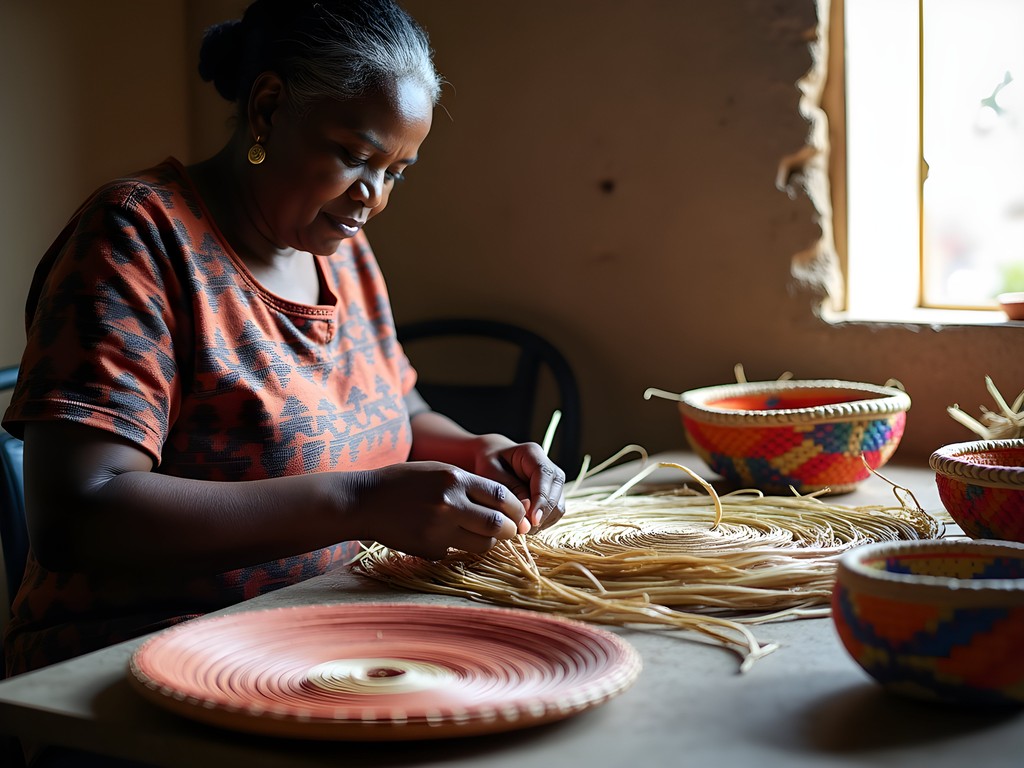
My journey began at the artisan cooperative near Rue de Marseille, where I met Halimo, a master weaver whose intricate basket patterns have been passed through five generations of women in her family. Using materials harvested from date palms and dyed with natural pigments, she creates both traditional storage vessels and innovative home accessories. What struck me most was how her designs subtly incorporated symbols from Djibouti's nomadic heritage—geometric patterns representing water sources, mountains, and migration routes.
Through Halimo's introduction, I connected with Abdikarim, a silversmith whose workshop occupies a converted colonial-era storage room near the port. His jewelry combines traditional Afar motifs with contemporary design sensibilities, creating pieces that honor heritage while remaining thoroughly modern. I spent an afternoon documenting his process, from melting recycled silver to the final polishing of intricate pendant necklaces.
Perhaps my most unexpected discovery came through following the rhythmic sound of hammering down an unmarked alley in the Boulaos district. There, I found Yusuf, a third-generation drum maker stretching goat hides across wooden frames using techniques unchanged for centuries. Despite our limited shared vocabulary, his passion for preserving authentic sound transcended language barriers. Through gestures and demonstrations, he explained how different wood types and hide thicknesses create distinct tonal qualities for various ceremonial purposes.
For recording these encounters, my audio recorder proved invaluable. The ambient sounds of workshops—the rhythmic tapping of Halimo's weaving tools, the gentle hammering of Abdikarim's silver work—captured dimensions of the creative process that photographs alone couldn't convey. These audio souvenirs transport me back to those moments more vividly than any physical keepsake.
What I've learned repeatedly in my travels is that artisans are often a community's most insightful cultural ambassadors. Through their crafts, they maintain connections to history while navigating modernization on their own terms. In Djibouti, where tourism remains relatively undeveloped, these connections offer rare glimpses into authentic creative traditions that exist not for visitors, but for the community itself.
💡 Pro Tips
- Bring small sketchbooks or craft samples from your home country as conversation starters with local artisans
- Ask permission before photographing craftspeople or their work—offering to send digital copies often creates goodwill
- Purchase directly from makers when possible, as souvenirs from hotel shops rarely provide fair compensation to artisans
Final Thoughts
As my two weeks in Djibouti City came to a close, I found myself transformed by this place that demands so much yet gives back in equal measure. The initial challenges—the heat, the language barriers, the unfamiliar rhythms—had gradually revealed themselves as doorways rather than obstacles. Through them, I discovered a city of profound resilience and unexpected beauty, where traditional knowledge meets contemporary challenges in ways that offer valuable lessons for all of us navigating an uncertain future. What makes Djibouti City extraordinary isn't postcard-perfect scenery or polished tourist experiences, but rather its authenticity—a place still very much living for its residents rather than visitors. For travelers willing to approach with patience, cultural sensitivity, and genuine curiosity, these streets offer insights impossible to find in more curated destinations. As I boarded my departure flight, watching the distinctive silhouette of Goda Mountain fade into the distance, I carried with me not just photographs and recordings, but a renewed appreciation for how deeply place shapes design, and how design in turn tells the essential stories of a people.
✨ Key Takeaways
- Djibouti City rewards patient travelers with authentic cultural experiences rarely found in more touristed destinations
- Connecting with local artisans provides the deepest insights into both traditional and contemporary Djiboutian life
- The city's unique architectural solutions to extreme climate conditions offer valuable lessons in sustainable design
- Building relationships through small daily interactions transforms the travel experience from observation to meaningful exchange
📋 Practical Information
Best Time to Visit
November through February (winter)
Budget Estimate
$75-150 per day including mid-range accommodation, meals, and local transportation
Recommended Duration
10-14 days
Difficulty Level
Moderate


Comments
Taylor Moreau
Excellent write-up, Olivia. I've passed through Djibouti City several times for business and you've captured elements I'd completely overlooked. The city has a fascinating strategic position that makes it quite cosmopolitan despite its size—French, Chinese, American, and local influences all colliding. For business travelers reading this, the Kempinski Palace is reliable if you need Western standards, but I'd echo Olivia's point about staying in local guesthouses for a more authentic experience. The central market is also excellent for picking up frankincense and local spices if you're looking for unique gifts.
journeylife
This is super inspiring! I've been wanting to visit somewhere off the beaten path for my first big international trip. Djibouti wasn't even on my radar. The accommodation section was really helpful - I've been stressing about where to stay when traveling solo. Did you book everything in advance or just wing it when you got there? Also the heat sounds intense, what time of year did you go?
dreamtime
How's the French language barrier? My French is pretty rusty, will I manage with just English?
journeylife
I'm wondering this too! Planning my first solo trip and language stuff makes me nervous
Sage Dixon
Olivia, this brings back memories! I spent a week in Djibouti City back in 2023 and you're spot-on about it being overlooked. The street food scene near the port was incredible—those spicy sambusas at dawn are still some of the best I've had anywhere. Did you make it out to Lake Assal? The salt flats there are otherworldly, like being on another planet. The heat is absolutely brutal though, so anyone reading this: bring MORE water than you think you need. I went through 4 liters a day easy.
Olivia Sanchez
Yes! Lake Assal was unreal. Almost didn't go because of the heat warnings but so glad I did. Those sambusas though... I dream about them 😍
wildstar
Love your photos! Really captures the vibe
greenadventurer
What's the visa situation like? Can you get it on arrival or do you need to apply in advance?
dreamtime
Not the author but I went last year - you can get e-visa online pretty easily. Takes like 3-4 days to process.
greenadventurer
Thanks!!
hikingclimber
Never even heard of this place! Adding to my list
smartperson
This looks amazing! How safe did you feel walking around at night? And what's the budget like compared to other East African cities?
Olivia Sanchez
Felt pretty safe in the main areas! Stick to well-lit streets after dark. Budget-wise it's definitely pricier than Kenya or Ethiopia—think $50-80/day if you're eating local and staying modest.
travelbug99
Never considered Djibouti before but now it's on my list! Thanks for sharing!
winterstar
This blog post convinced me to add Djibouti to my itinerary last month and I'm so glad I did! The mix of cultures was fascinating. One thing I'd add - the Tropical Garden restaurant Olivia mentioned was closed for renovation when I visited, but I found an amazing place called Le Gourmand near the presidential palace that served incredible Yemeni-influenced seafood. Also, the local SIM cards are super cheap and easy to get at the airport - definitely worth it for maps and translation apps. Thanks for putting Djibouti on my radar, Olivia!
Venture X
Premium card with 2X miles, $300 travel credit, Priority Pass