
Disclosure: This article contains affiliate links. We may earn a commission from purchases at no extra cost to you, which helps our travel content.
Des Moines has been my professional playground for decades, a city where urban innovation meets agricultural heritage in ways that continually surprise me. While most visitors beeline for the Capitol building or skip town entirely, this heartland gem has cultivated a unique identity worth exploring. After countless visits installing irrigation systems throughout central Iowa, I've developed a relationship with this city that goes deeper than the rich glacial soils beneath its streets. Let me share what Des Moines locals know – and what most visitors never discover.

The Secret Farmers' Market Circuit
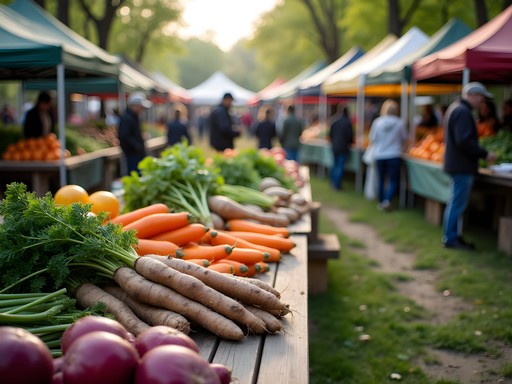
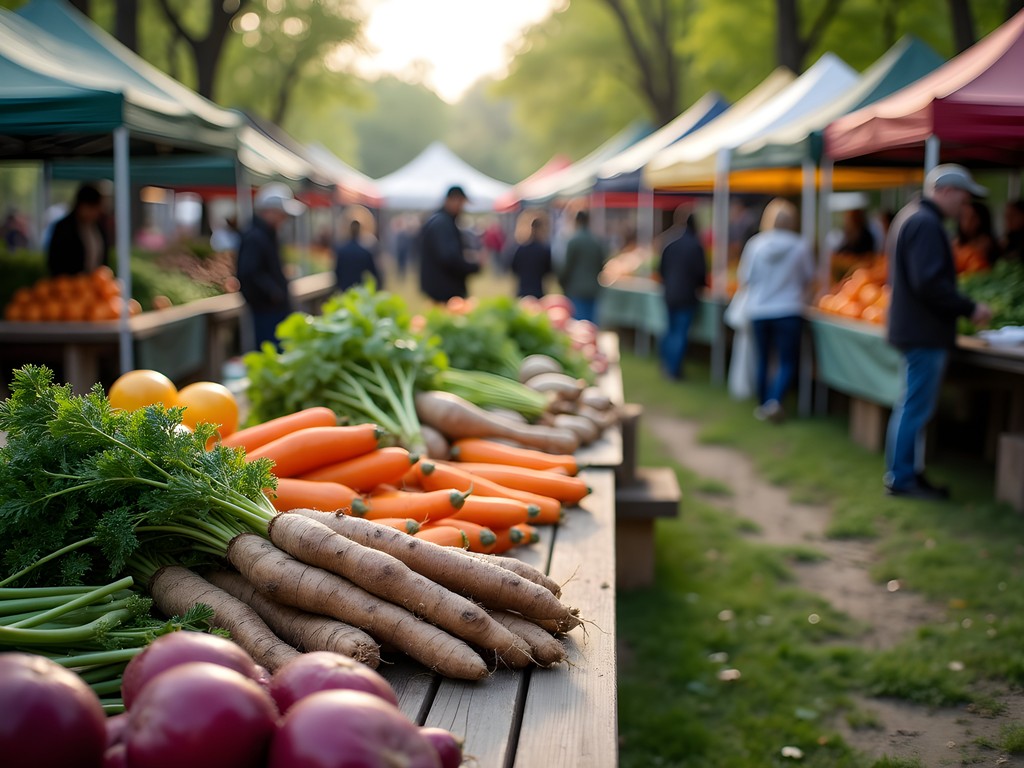
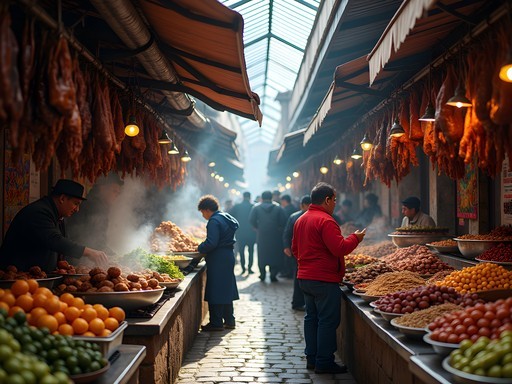
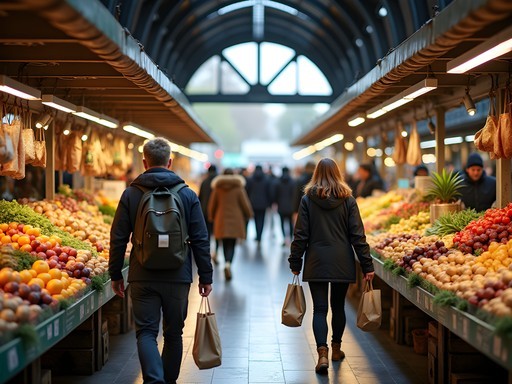
The Downtown Farmers' Market gets all the glory (deservedly so with over 300 vendors), but locals know the real agricultural treasures hide in smaller neighborhood markets. The Valley Junction Farmers Market on Thursday evenings offers something the downtown spectacle can't – actual conversations with farmers about their cultivation practices. I've spent hours discussing soil amendment techniques with vendors at the Beaverdale market who remember me by name.
My personal favorite is the small but mighty South Side Farmers' Market, where third-generation farmers bring heirloom varieties you won't find elsewhere. The clay-loam soils south of Des Moines produce particularly flavorful root vegetables. I've taken to bringing my collapsible produce basket which expands to hold an impressive haul while folding flat in my luggage – essential for impromptu market visits.
💡 Pro Tips
- Visit the South Side Farmers' Market early (7-8am) for first pick of limited heirloom varieties
- Ask vendors specifically about their growing practices – Des Moines farmers are proud to share their knowledge
- The Valley Junction market has the best prepared food options if you're looking for dinner
Prairie Restoration Sites: The City's Green Lungs
Most tourists never venture beyond Gray's Lake Park, but Des Moines harbors several remarkable prairie restoration projects that showcase Iowa's original landscape. As someone who's spent a career analyzing soil profiles across the Midwest, I can tell you these sites are ecological marvels.
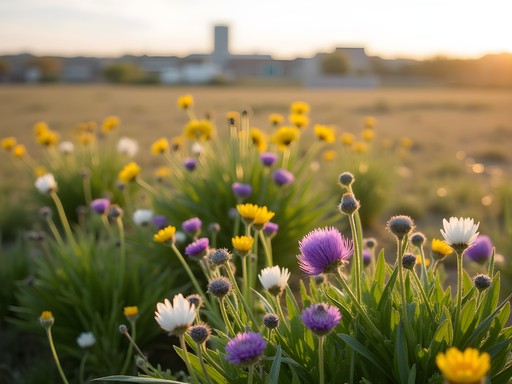
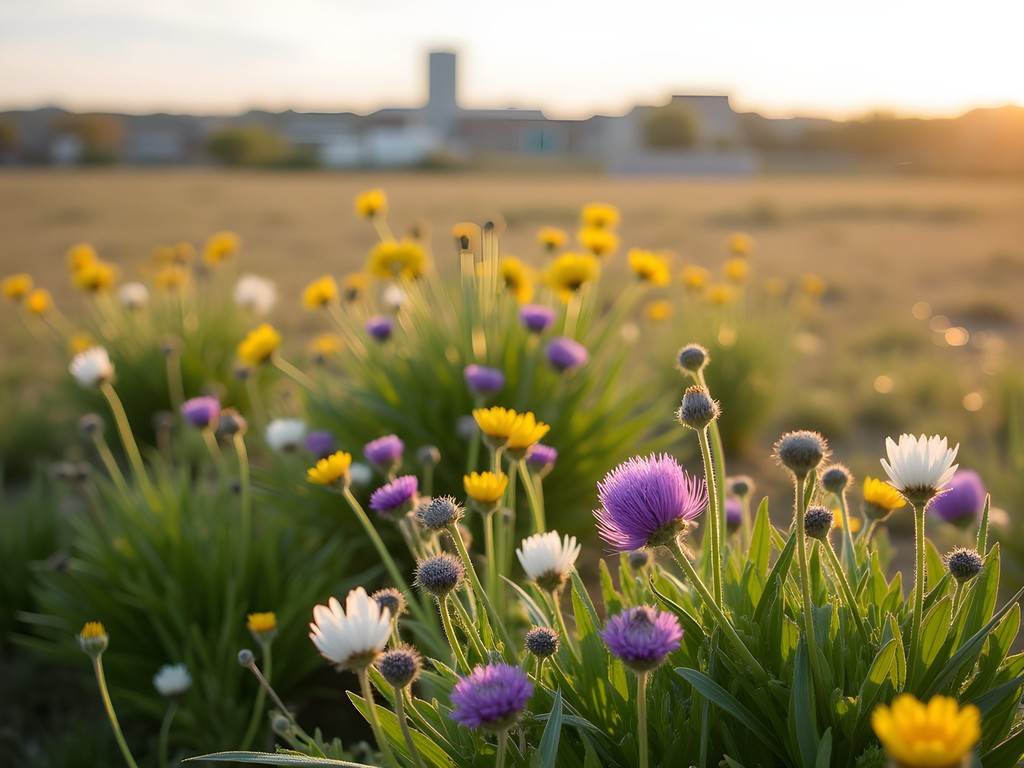
The Neal Smith National Wildlife Refuge (just 30 minutes east) features over 8,000 acres of tallgrass prairie reconstruction, but locals head to the smaller Chichaqua Bottoms Greenbelt for wildlife viewing without the crowds. The 15-acre Prairie Meadows Restoration at Greenwood Park represents what Des Moines would have looked like before settlement – complete with over 150 native plant species.
During spring visits, I always pack my field guide to identify emerging prairie plants. The diversity is staggering compared to the monoculture fields I typically work with professionally.
💡 Pro Tips
- Visit Chichaqua Bottoms early morning or evening for best wildlife viewing opportunities
- The Prairie Meadows Restoration is spectacular in late May when early bloomers create carpets of color
- Des Moines Parks Department offers free prairie walks monthly – check their website for schedules
The Underground Culinary Scene
Forget the trendy East Village restaurants that appear in travel guides. Des Moines' most authentic dining experiences happen where agricultural workers and local food producers gather. La Tapatia Tienda Mexicana on East Grand isn't just a grocery – its back counter serves the most authentic tacos in the city, frequented by the Latino agricultural workforce that powers central Iowa's farms.
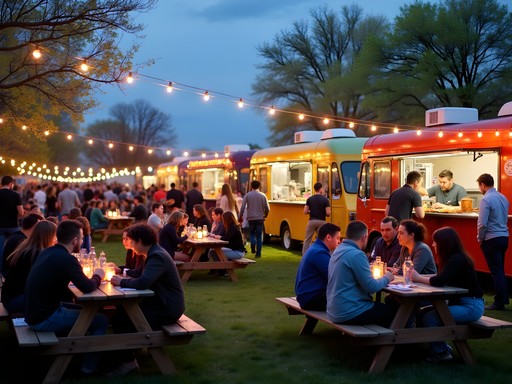
For a truly local experience, visit the Legion of Food truck gatherings that pop up unannounced except through their insider Facebook group. These gatherings bring together small producers creating farm-to-truck cuisine that showcases Iowa ingredients in innovative ways.
My ritual during spring visits is stopping by The Outside Scoop, a small-batch ice cream shop that sources ingredients from farms within a 50-mile radius. Their soil-to-spoon philosophy results in seasonal flavors that tell the story of Iowa's agricultural calendar. I document these food discoveries with my food photography lighting kit which helps capture the vivid colors and textures of locally-sourced dishes even in dimly lit food trucks.

💡 Pro Tips
- Follow the Legion of Food Facebook group for unpublished food truck gathering locations
- Visit La Tapatia between 11am-1pm when agricultural workers take lunch breaks for the most authentic experience
- Ask for off-menu items at The Outside Scoop – they often have experimental flavors available by request

The River Valley Microclimates
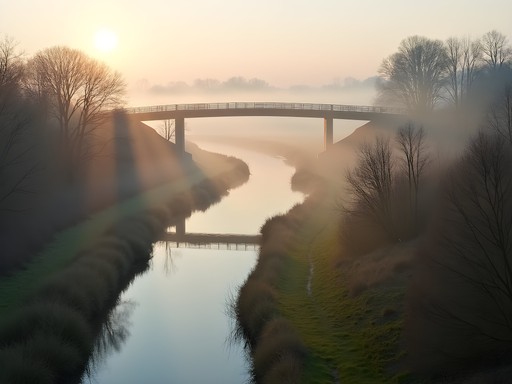
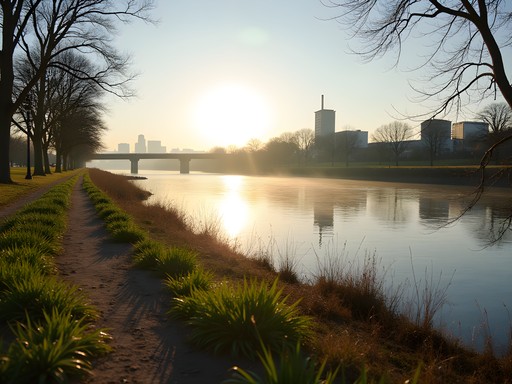
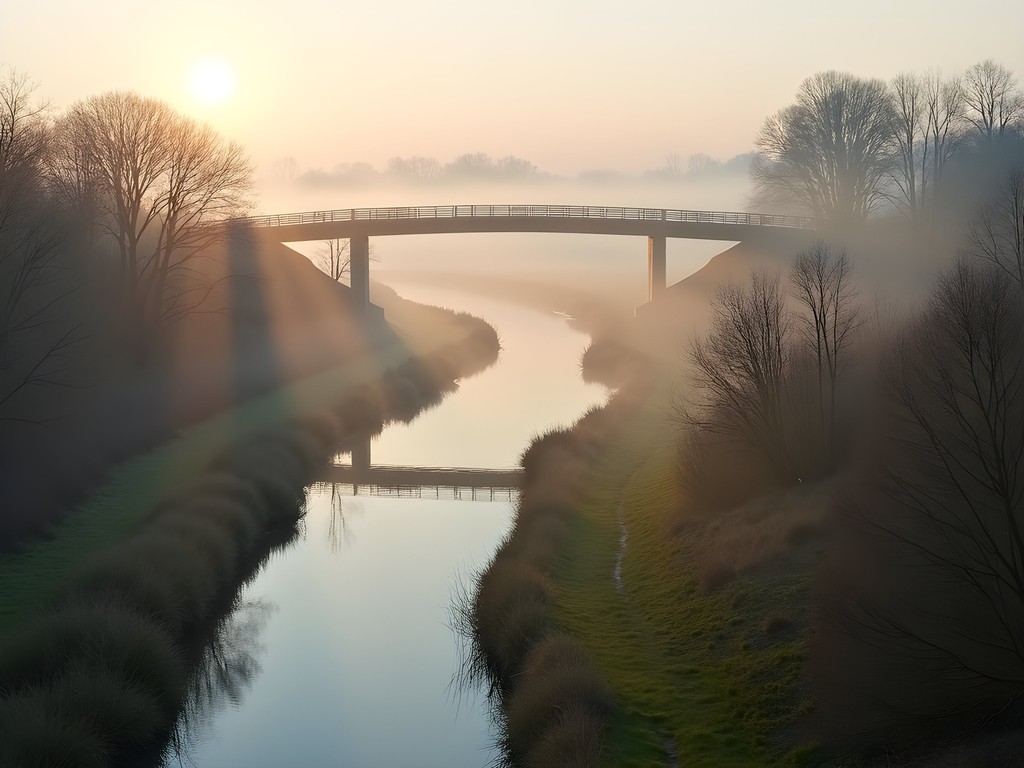
Des Moines sits at the confluence of two rivers, creating fascinating microclimates that locals understand intimately. The Raccoon and Des Moines River valleys moderate temperatures and create unique growing conditions – something I've documented extensively in my irrigation work.
For spring visitors, the river valleys warm faster than surrounding areas, making them perfect for early season exploration. The Meredith Trail along the Des Moines River features distinct vegetation zones as you move from floodplain to upland areas – a living demonstration of how elevation changes of just a few feet dramatically affect growing conditions.
I recommend exploring these areas with a good soil thermometer to observe how ground temperatures vary across these microclimates – you might be surprised to find 10-degree differences within a quarter mile! These temperature variations explain why certain areas green up weeks before others.
💡 Pro Tips
- Visit the confluence of the Raccoon and Des Moines rivers for the most dramatic microclimate effects
- Morning fog in river valleys creates stunning photography opportunities in spring
- The Neal Smith Trail section north of downtown warms earliest in spring, making it ideal for April visits
The Agricultural Innovation Corridor
While Iowa State University in Ames gets credit as the agricultural research powerhouse, Des Moines hosts a remarkable concentration of agricultural innovation that flies under the tourist radar. The corridor along University Avenue from Drake University to the Des Moines Water Works contains dozens of agricultural startups and research facilities.
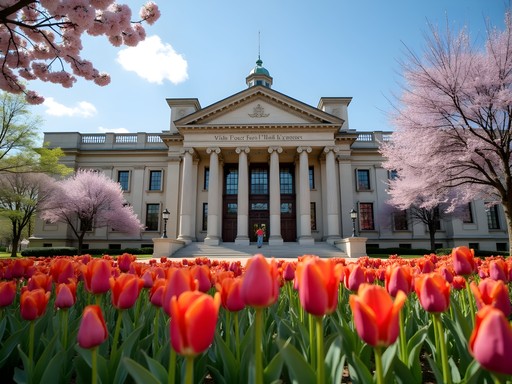
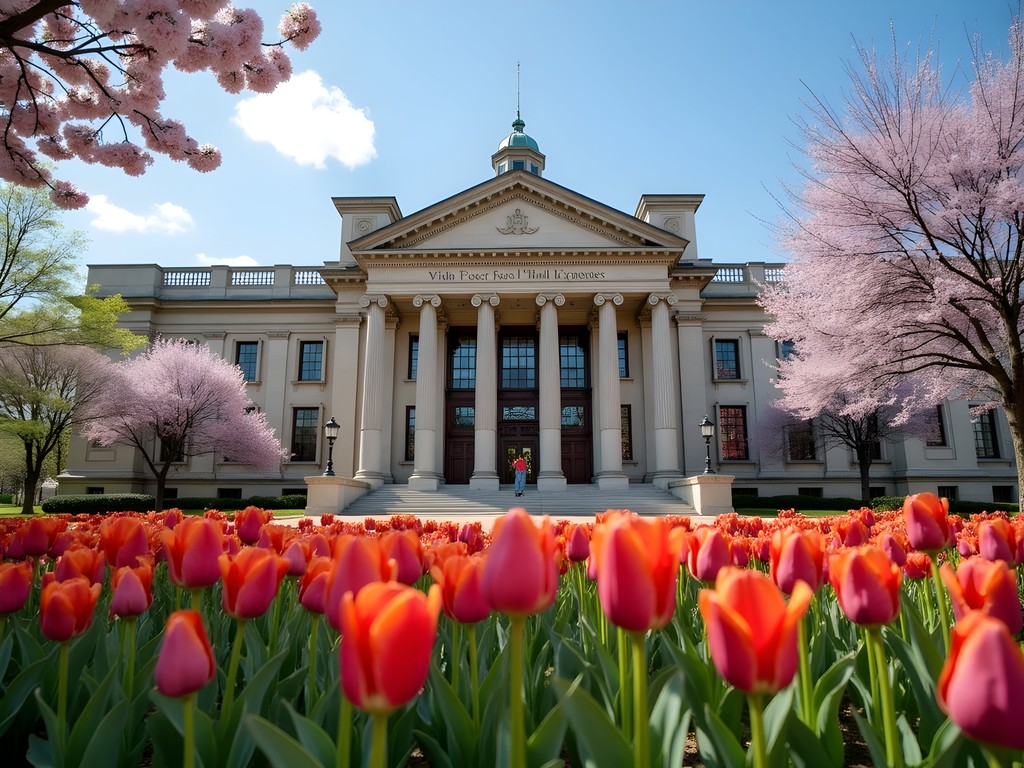
As someone who's worked in agricultural engineering for decades, I find the World Food Prize Hall of Laureates particularly moving. This Beaux-Arts building celebrates innovations in global food security, with exhibits highlighting sustainable agricultural practices worldwide. Most visitors don't realize you can tour it for free on Tuesdays and Saturdays.
For a hands-on experience, locals know to visit the Wallace Centers of Iowa's demonstration farm just outside downtown. Their urban agricultural plots showcase intensive growing methods adapted for small spaces. I track soil moisture levels in various demonstration plots using my soil moisture meter which helps me compare growing conditions across different urban farming techniques.
💡 Pro Tips
- Request the 'technical tour' at the World Food Prize building to see the sustainable design features not covered in regular tours
- Visit the Wallace Centers on Wednesday afternoons when staff harvest for their farm-to-table dinners
- The Drake University agricultural business incubator hosts open houses the first Thursday of each month
The Hidden Waterway Access Points
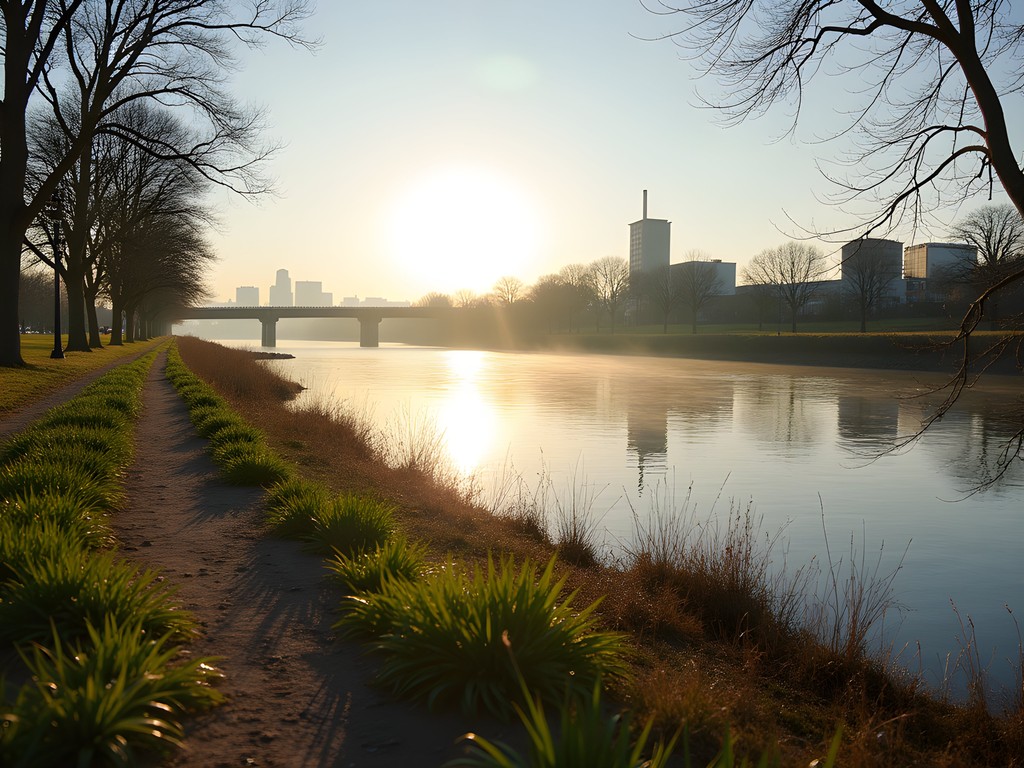
Des Moines has embraced its rivers in recent years, but most visitors never discover the network of small access points locals use to explore these waterways. Beyond the obvious Gray's Lake rentals, insiders know about the unmarked access point behind the Southeast 6th Street industrial area where you can quietly slip a kayak into the Des Moines River.
The water quality monitoring work I've done professionally has taken me to these hidden spots, where the interaction between agricultural runoff and urban water management becomes visible. Spring is particularly fascinating as snowmelt and early rains create dynamic flow patterns.
For those interested in exploring these waterways, I recommend packing a dry bag to protect your belongings. The rivers can be unpredictable in spring, and having waterproof storage gives you peace of mind while photographing the unique perspective of Des Moines from water level.
💡 Pro Tips
- The SE 6th Street access point has free parking but no facilities – prepare accordingly
- Paddle early morning (6-8am) for wildlife viewing and minimal boat traffic
- Check the Saylorville Dam release schedule online before paddling – flow rates can change rapidly
The Architectural Salvage Underground
Des Moines has undergone waves of development that have unfortunately demolished many historic agricultural and industrial buildings. However, a network of architectural salvage enthusiasts has preserved remarkable pieces of the city's agricultural heritage.
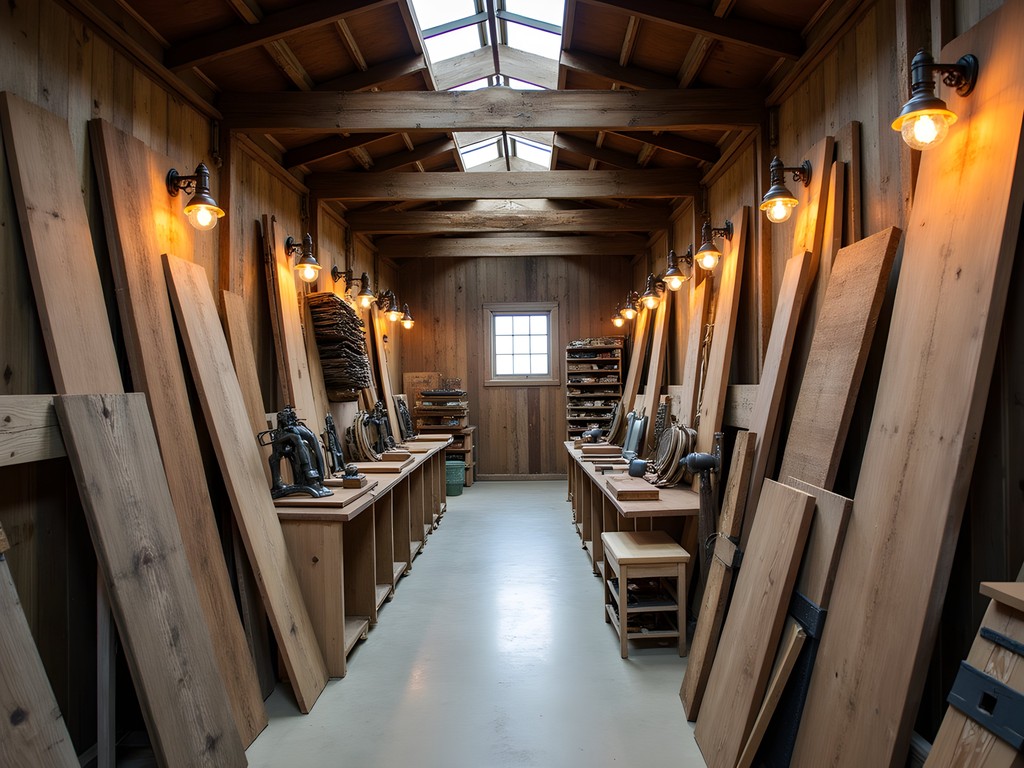
West End Architectural Salvage gets tourist attention, but locals know that the real treasures are at the smaller, appointment-only salvage yards like Renovation Jungle in the East Village. Here, elements from dismantled grain elevators, barn beams from century farms, and industrial equipment find new life.
As someone who's documented agricultural structures professionally, I find these salvage operations fascinating time capsules of Midwestern agricultural history. My laser measure has helped me document interesting architectural elements I've discovered in these salvage yards – from massive barn beams to intricate grain elevator mechanisms that tell the story of Iowa's agricultural evolution.
💡 Pro Tips
- Call Renovation Jungle at least 3 days ahead to schedule a visit – they're only open to the public by appointment
- Ask specifically about agricultural salvage – they often keep these items in a separate area
- The first Saturday monthly 'Salvage Swap' at the Fairgrounds brings together private collectors with unique items not found in stores
Final Thoughts
Des Moines reveals itself slowly, like the careful emergence of prairie plants in spring – first with subtle green shoots, then suddenly bursting with unexpected color and complexity. After decades of professional visits to this agricultural hub, I've learned that the city's true character flows beneath the surface tourist attractions, in the rich soil of community initiatives, food systems, and ecological restoration efforts.
What makes Des Moines special isn't listed in guidebooks but lives in the connections between urban life and rural heritage. The city serves as both a showcase and laboratory for Iowa's agricultural identity, constantly evolving while honoring its roots. As you explore, I encourage you to dig deeper than the surface – ask questions, follow irrigation channels to their source, and see how the city's growth patterns mirror the watersheds that sustain it. Des Moines rewards the curious traveler who approaches with the patience of a farmer, understanding that the most valuable discoveries take time to cultivate.
✨ Key Takeaways
- Des Moines offers authentic agricultural experiences through its network of smaller farmers' markets beyond the famous downtown market
- The city's prairie restoration sites provide glimpses of Iowa's original landscape and ecological heritage
- Hidden waterway access points allow visitors to experience the city from unique perspectives rarely seen by tourists
📋 Practical Information
Best Time to Visit
April-June
Budget Estimate
$75-150/day
Recommended Duration
2-3 days
Difficulty Level
Easy

Comments
photolegend
OMG those sunset photos from the State Capitol western steps are STUNNING!!! How did you get that perfect light? I've been to Des Moines three times and never knew about this viewpoint! Adding it to my list for next visit!
sunsetdiver
The Capitol grounds are seriously underrated for photography. If you go in late spring when they plant all the flowers, it's even better!
Kimberly Murphy
Brilliant write-up, Bella! I visited Des Moines for the first time last year and was genuinely shocked by how much I enjoyed it. The underground culinary scene is no joke - found this amazing Southeast Asian fusion place in a converted warehouse that would hold its own in any major city. Americans really sleep on their midwestern cities! The prairie restoration sites remind me of some of the rewilding projects we have back in the UK. It's lovely to see cities embracing their natural heritage instead of just paving everything over. Definitely recommend spending at least 3-4 days here to really dig into the local scene.
beachway
Really cool post, thanks for sharing!
beachmate
I've been to Des Moines three times now and still discovering new things! That underground culinary scene Bella mentioned is LEGIT - finally got into one of those secret supper clubs on my last visit through a local friend. It was in an old warehouse by the river, and they served this incredible 7-course meal with Iowa-raised everything. Also, don't skip the river trails - I brought my compact binoculars and spotted so much wildlife you'd never expect in a capital city. The microclimates are fascinating - went from sunny to foggy in just a mile of hiking!
coolstar
How did you find out about the supper club??
beachmate
@coolstar My friend who lives there follows their Instagram. I think it's called 'DSM Underground Eats' or something similar. They post the locations just 48 hours before each event!
wildguide
Never thought of Des Moines as a nature destination. Cool!
Kimberly Murphy
Right?? It totally surprised me too. The prairie ecosystems are incredible.
sunnypro6346
Love the photos!
Kimberly Murphy
Brilliant post, Bella! I visited Des Moines last autumn and completely fell in love with those prairie restoration sites you mentioned. The one at Water Works Park was absolutely stunning - felt like stepping into a completely different world just minutes from downtown. I spent hours photographing the native grasses at golden hour. The microclimates along the river valleys are spot on too - I noticed at least a 5-degree difference when hiking down by the Des Moines River. Such an underrated city for nature lovers! Did you get a chance to explore any of the bike trails that connect these green spaces?
Bella Johansson
Yes! The Neal Smith Trail is my go-to for connecting the prairie sites. So glad you experienced the Water Works restoration - it's truly special in autumn when the big bluestem turns that gorgeous copper color.
greenwanderer
Which farmers market is best for early morning?
Bella Johansson
The Downtown Farmers' Market opens at 7am on Saturdays and it's absolutely buzzing by 8! But if you want to beat the crowds, the Beaverdale market on Wednesday mornings is where the locals go. You'll find the same quality produce with about half the people.
greenwanderer
Perfect thanks!
happybackpacker
Going there next month for a work conference. Any tips on where to stay? Want to be near the good local spots not just the convention center area.
Kimberly Murphy
East Village neighborhood! Walking distance to tons of local restaurants and that underground food scene Bella mentioned. Stayed there last spring and loved it.
Jose McDonald
This is exactly the kind of content we need more of! I passed through Des Moines on a cross-country road trip last year and totally missed all of this. The prairie restoration sites sound incredible - I'm all about those off-the-beaten-path nature spots that most tourists skip. The microclimate thing is fascinating too. Does anyone know if those river valley areas are good for kayaking? I'd love to come back and actually explore properly instead of just stopping for gas like most people do!
Kimberly Murphy
Jose! The Des Moines River has some decent paddling. Not whitewater but nice scenic routes. Worth it!
Venture X
Premium card with 2X miles, $300 travel credit, Priority Pass