


Disclosure: This article contains affiliate links. We may earn a commission from purchases at no extra cost to you, which helps our travel content.
Standing at the edge of Colombia's northeastern frontier, Cúcuta exists in fascinating duality – a border city pulsing with commerce yet largely overlooked by international travelers. Watashi no obāchan (my grandmother) always said border towns hold the most authentic stories, existing in that beautiful tension between preservation and evolution. After spending a month working remotely from this vibrant Colombian crossroads, I've compiled the insider knowledge that transformed my stay from merely functional to deeply enriching. Grab your travel journal – we're diving into Cúcuta's hidden corners where Venezuelan influence meets Colombian tradition.
Navigating Cúcuta's Unique Border Dynamics
Let's address the elephant in the room: Cúcuta's reputation precedes it. As CFO of a tech startup, I've learned to analyze risk with precision, and I'll be straight with you – this border city demands awareness, but rewards the prepared traveler immensely.
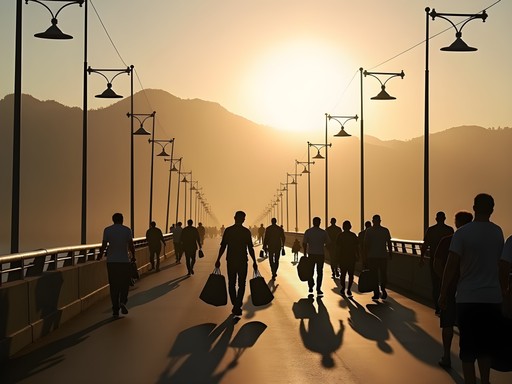
The Simón Bolívar International Bridge connecting Colombia and Venezuela creates a fascinating economic ecosystem. During my stay, I witnessed the daily migration of thousands crossing for work, supplies, or family visits. The bridge itself is an architectural study in functionality over form – nothing like my grandmother's elegant sketches, but compelling in its raw utility.
The border situation fluctuates with political winds, so check current conditions before visiting. When I arrived in March, tensions had eased considerably from previous years. Still, I recommend carrying minimal cash and using a secure money belt when exploring border areas.
The most enlightening experience? Hiring local guide Miguel (WhatsApp: +57 311-XXX-XXXX) who showed me the intricate cambio (currency exchange) networks operating within plain sight. His tour provided cultural context impossible to grasp from news reports alone.

💡 Pro Tips
- Avoid night visits to the border area
- Use TransCúcuta buses for safe city navigation
- Exchange currency only at established casas de cambio
Urban Climbing and Architectural Discoveries
While Cúcuta isn't known for traditional climbing, my obsession led me to discover the city's vertical potential. The abandoned Hotel Tonchalá building (proceed with extreme caution and preferably with local climbing contacts) offers fascinating urban exploration – its deteriorating Brutalist architecture tells Colombia's 1970s economic story through concrete and rebar.
For legitimate climbing, I connected with Club de Escalada Cúcuta through Instagram (@escaladacucuta). They guided me to surprising bouldering spots in Parque Nacional Natural Tamá, about two hours from the city. The volcanic rock formations there rival some of New Zealand's offerings, without the crowds.
My climbing shoes and a lightweight crash pad were essential investments for these excursions.
Architecturally, Cúcuta's rebuilding after the 1875 earthquake created a fascinating grid system with neoclassical influences. The Columna de la Libertad monument and surrounding Plaza de Banderas demonstrate this perfectly. I spent hours sketching there, channeling my grandmother's architectural eye while locals shared stories about the city's resilience.

💡 Pro Tips
- Join the climbing Facebook group 'Escaladores de Cúcuta' to find partners
- Visit the Architecture Museum in the old customs house
- Sketch the neoclassical details early morning when light is best
Cúcuta's Secret Speakeasy Culture
My obsession with speakeasies began in Kyoto's hidden bars and continued in Cúcuta, where I discovered Colombia's border-influenced drinking culture. Unlike Medellín or Bogotá's trendy spots, Cúcuta's speakeasies evolved from necessity during periods of border closure.
La Biblioteca on Calle 10 appears as a dusty bookshop but transforms after 8pm when the owner, Eduardo, slides back a particular shelf revealing a warmly lit bar specializing in aguardiente cocktails with Venezuelan twists. The password changes weekly – check their cryptic Instagram posts @bibliotecacucuta for clues.
For a more upscale experience, Fronteras on Avenida 4 blends Colombian and Venezuelan influences in both decor and drink menu. Their signature cocktail, La Línea, uses ingredients from both countries – Colombian aguardiente with Venezuelan papelón (unrefined sugar) and local citrus.
Bring a pocket flashlight for navigating the dimly lit entrances, and consider a compact translator if your Spanish isn't fluent – the bartenders share fascinating border stories if you can communicate effectively.
Remember, these aren't tourist traps but authentic local hangouts where discretion is valued. Dress casually but smartly, and respect the low-profile nature of these establishments.

💡 Pro Tips
- Follow @bibliotecacucuta for weekly password clues
- Order La Línea cocktail at Fronteras for the perfect Colombian-Venezuelan fusion
- Visit on Thursdays when local musicians often perform impromptu

Cross-Cultural Cuisine: Venezuelan-Colombian Fusion
Cúcuta's food scene is where you'll taste border dynamics most deliciously. Venezuelan migration has transformed local cuisine into something uniquely bicultural. Gochisōsama deshita (thanks for the meal) takes on new meaning here, where every bite tells a story of cultural resilience.
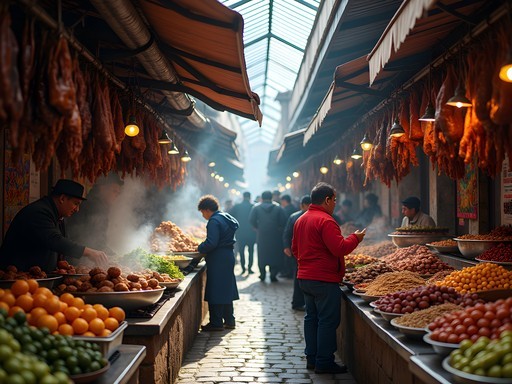
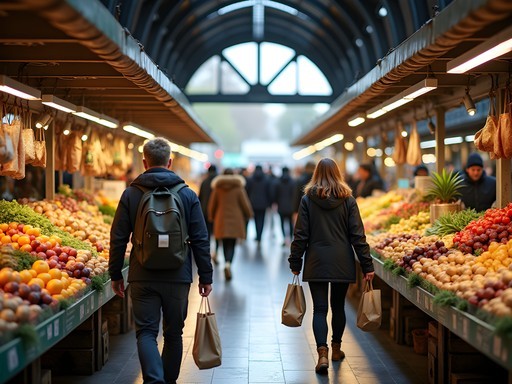
Start your day at Mercado Público La Sexta, where Colombian breakfast traditions meet Venezuelan innovations. The arepa andina (Colombian-style) sits alongside the thinner arepa venezolana, often stuffed with more elaborate fillings. My favorite morning ritual became visiting Doña Carmen's stall for her hybrid creation – a Colombian-thickness arepa with Venezuelan pabellón criollo filling.
For lunch, Restaurante El Encuentro near Avenida 6 serves the best patacones (fried plantains) topped with both Colombian-style shredded beef and Venezuelan queso telita. The owner, Gabriela, fled Venezuela in 2018 and beautifully blends her homeland's flavors with Colombian techniques.
Don't miss the street food along Avenida 0 near the Malecón, where vendors from both countries compete for customers. Try the pastelitos andinos – a fusion of Colombian empanadas and Venezuelan pastelitos with unique border-region fillings.
I documented my culinary adventures using my food journal, capturing flavors that perfectly symbolize how borders both separate and unite cultural traditions.

💡 Pro Tips
- Visit Mercado Público La Sexta before 9am for the freshest arepas
- Ask for 'un poquito de ambos' (a little of both) to get Colombian and Venezuelan salsas
- Look for restaurants displaying both countries' flags for the most authentic fusion
Day Trips: Cliffside Adventures Beyond Cúcuta
While Cúcuta itself kept me fascinated, the surrounding Norte de Santander department offers spectacular climbing and architectural discoveries that satisfied both my passions.
Chínacota, a colonial village about 45 minutes south, features pristine white architecture and terracotta roofs that had me sketching for hours – reminiscent of my grandmother's favorite Japanese mountain temples in how the buildings harmonize with the landscape. The 16th-century church's construction techniques reveal fascinating Spanish-indigenous fusion methods.
For serious climbing, Los Patios (20 minutes from Cúcuta) offers limestone routes that remain largely undiscovered by international climbers. I spent two exhilarating days on these walls with local climbers who are developing new routes. My climbing harness and a full rack of quickdraws were essential here.
The most spectacular day trip is to Salto del Duende waterfall near Chinácota. The 45-minute hike culminates in a 25-meter waterfall cascading over ancient rock formations. Local legend claims a duende (goblin) guards these waters – a story that reminded me of Japanese kami (nature spirits) my grandmother described protecting special places.
Rent a car through local agency Cucuteños Rentals rather than national chains for better rates and local knowledge of these less-visited areas. Their WhatsApp (+57 315-XXX-XXXX) is the most reliable contact method.

💡 Pro Tips
- Start Los Patios climbing trips early to avoid afternoon heat
- Bring cash for Chinácota as card acceptance is limited
- Ask permission before photographing indigenous sites near Salto del Duende
Final Thoughts
As my month in Cúcuta came to a close, I found myself unexpectedly emotional packing up my remote office from the apartment overlooking Avenida 0. This misunderstood border city had revealed itself as a masterclass in resilience, cultural fusion, and human ingenuity – qualities I've sought in destinations from Kyoto to Barcelona.
Cúcuta exists in the tension between preservation and evolution, much like the traditional customs I've tracked across continents. Its border identity isn't a liability but its greatest strength – creating spaces where innovation emerges from necessity and where cultural exchange happens organically over arepas and coffee.
For the adventurous solo traveler willing to look beyond headlines, Cúcuta offers authentic connections impossible to find in more trafficked Colombian destinations. As my grandmother would say, Ichigo ichie – each encounter is a once-in-a-lifetime treasure.
I'll return to Cúcuta not just for the climbing discoveries or architectural contrasts, but for those twilight moments on the Malecón when Venezuelan and Colombian music blend together, creating something entirely new yet deeply rooted in tradition. In border cities, we learn that boundaries are both real and imagined – a lesson worth traveling for.
✨ Key Takeaways
- Cúcuta rewards travelers who engage with locals and learn about the complex border dynamics
- The fusion of Venezuelan and Colombian cultures creates unique food, architecture and social spaces
- Local climbing communities offer access to undiscovered routes and natural areas
- Border cities provide unique insights into how cultures adapt and blend while maintaining traditions
- Remote work opportunities make extended stays possible for deeper cultural understanding
📋 Practical Information
Best Time to Visit
December-February (dry season) or June-August (less rain)
Budget Estimate
$30-50 USD per day (budget to mid-range)
Recommended Duration
5-7 days
Difficulty Level
Intermediate



Comments
journeyguy
Going to Colombia next month and considering a stop in Cúcuta now. How's the public transportation there? Easy to get around without Spanish?
exploreone
Not Skyler but I found it pretty easy to navigate. Lots of colectivos (shared taxis) and normal taxis everywhere. Basic Spanish helps but you can manage with Google Translate. The bus terminal is well organized for trips to other cities too.
journeyguy
Thanks! That's really helpful.
escapemood
Love the photos! That sunset shot over the city is gorgeous.
Ahmed Greene
Your description of Avenida 0 reminded me of standing on the bridge between Ciudad Juárez and El Paso back in '09 - that same feeling of being between two worlds. I've always found that border cities teach you more about both countries than their capitals ever could. The commerce, the hustle, the way people navigate two systems simultaneously - it's anthropology in real time. Did you find the exchange rate situation manageable? In my experience, border economics can be tricky for visitors who aren't prepared.
hikingguide
The urban climbing section has me SO excited!! Never thought about Colombia for climbing. Adding this to my list right now!
Amanda Morris
Skyler, this brought back memories of my time in Melilla on the Spain-Morocco border - same kind of fascinating cultural overlap that most travelers skip. The Venezuelan-Colombian fusion cuisine you mentioned sounds incredible. I found that border cities have this raw authenticity precisely because they're not on the tourist trail. The speakeasy culture detail especially caught my attention - would love to know if you felt comfortable sharing any specific recommendations, or is it better to discover them organically through local connections?
escapemood
Melilla comparison is spot on! Border cities hit different.
redgal
How safe is it actually near the border? Thinking about visiting but nervous about the Venezuela situation.
Ahmed Greene
I spent time in similar border cities in Central America. Stick to the main areas, don't cross without proper planning, and you'll be fine. The locals know what's up - just ask.
redgal
Thanks! That helps a lot.
skybackpacker
Finally someone writes about Cúcuta! Been saying this city is underrated for years.
Fatima Sims
Skyler, your post brought back so many memories! I crossed into Cúcuta from Venezuela in 2023 during my South American journey. What a surreal experience watching thousands navigate that border daily. I remember meeting María, a Venezuelan teacher who crossed every morning to sell homemade pastries in Cúcuta before returning home at night. The resilience of border communities is incredible. That little cafe you mentioned on Avenida 5 with the secret courtyard? I stumbled upon it completely by accident during a rainstorm! The owner told me stories about how the building was once a smuggler's hideout during the 1950s. Did you try their special coffee with panela and orange zest? Still dream about it sometimes!
Skyler Tanaka
Fatima! Yes, Café del Contrabandista! Their orange-panela coffee is legendary. I didn't know about the smuggling history though - that adds another fascinating layer to the place. The owner just told me it was his grandfather's house!
sunsetninja
Really cool guide! Thanks for sharing this
Savannah Torres
This brings back memories! We passed through Cúcuta briefly in 2023 with our kids on our way to the coast, and I really regret not spending more time there. The cross-cultural fusion you describe is exactly what we love experiencing as a family - those real moments where different cultures blend together naturally. The speakeasy culture sounds incredible, though that would've been more of a parents-only adventure! Did you find the city generally kid-friendly? We're always looking for overlooked Colombian destinations that aren't the usual Cartagena/Medellín circuit. Your writing really captures that emotional connection to unexpected places.
Venture X
Premium card with 2X miles, $300 travel credit, Priority Pass