
Disclosure: This article contains affiliate links. We may earn a commission from purchases at no extra cost to you, which helps our travel content.
As I stepped off the ferry at Tagbilaran Port, the familiar buzz of tricycles and the warm Filipino greeting of 'Maayong buntag!' (Good morning!) reminded me why Bohol has become my favorite training ground for international marathons. This island province offers the perfect blend of natural wonders, cultural immersion, and sustainable travel opportunities that align perfectly with my car-free lifestyle. Over my two-week stay, I discovered that the real Bohol exists beyond the Chocolate Hills and tarsier sanctuaries—it lives in the daily rhythms of local communities, public transportation networks, and genuine Filipino hospitality.

Navigating Bohol's Transportation Network Like a Pro
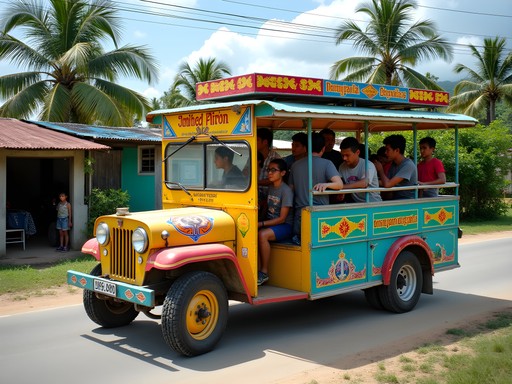
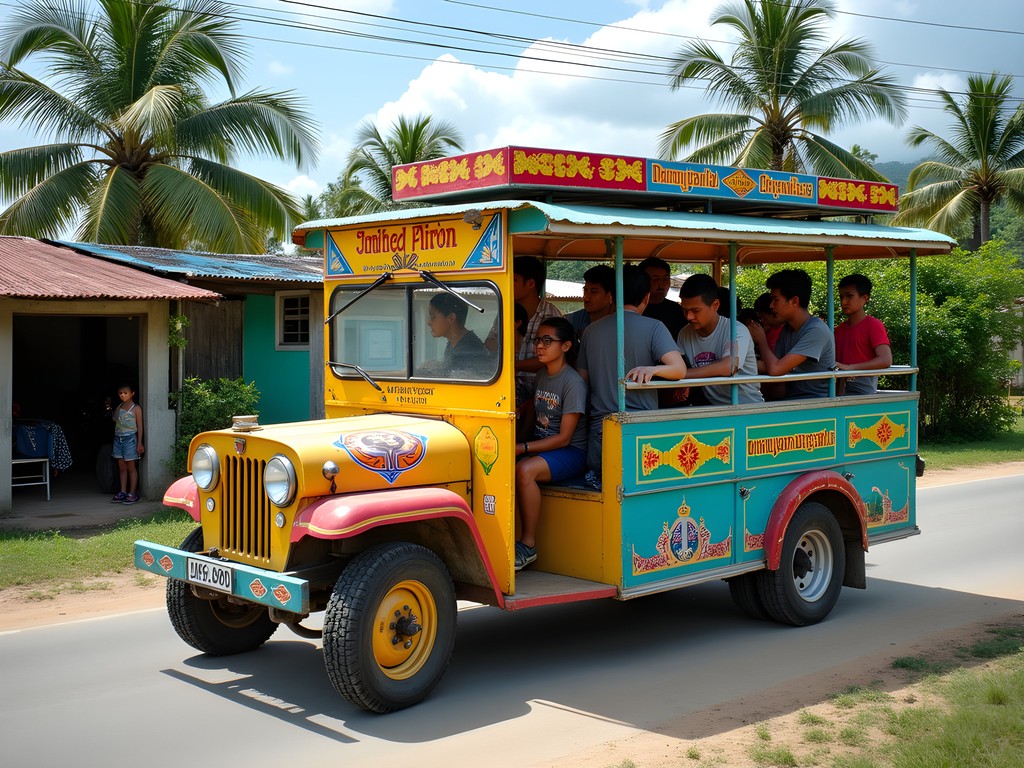
As someone who's built a life around car-free travel, I found Bohol's transportation network surprisingly accommodating once you understand its rhythms. The island's backbone is its jeepney system—these colorful, repurposed military jeeps follow set routes between towns for just 20-30 pesos (less than $1) per ride. For marathon training, I'd wake at 5 AM to run along the coastal roads of Panglao before the heat set in, then catch the first jeepney back to my homestay.
For shorter distances, habal-habal (motorcycle taxis) offer quick transport, though I recommend bringing your own foldable helmet for safety—it packs down small but provides crucial protection on these sometimes adventurous rides. When exploring multiple sites in one day, I'd arrange with a tricycle driver for a day rate (around 1000-1500 pesos) rather than paying per trip.
Perhaps my greatest discovery was the V-hire vans that connect major towns. These air-conditioned minivans depart when full and cost only slightly more than jeepneys while cutting travel time in half. I used them extensively when traveling between my training routes in different parts of the island.
💡 Pro Tips
- Download the Angkas app for motorcycle taxi bookings in urban areas
- Learn basic Visayan phrases like 'Pila?' (How much?) and 'Palihug' (Please) to negotiate fares
- For longer stays, consider renting a bicycle from JJ's Bike Rental in Tagbilaran (300 pesos/day)
Home-Based Culinary Adventures
The true flavor of Bohol isn't found in tourist restaurants but in local homes and carinderias (small eateries). I was fortunate to stay with a family in Baclayon who invited me to join their preparation of kakanin (rice cakes) for a neighborhood fiesta. Hands deep in sticky rice flour, I learned family recipes passed through generations while hearing stories of Bohol's history.
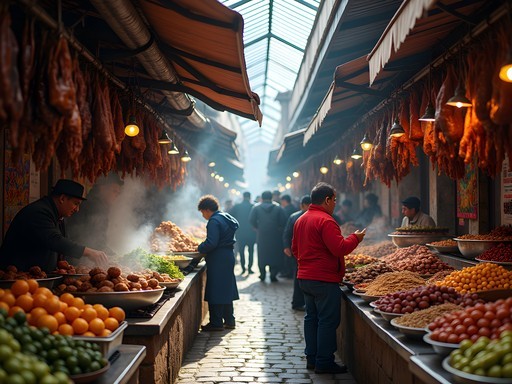
For solo travelers seeking authentic food experiences, I recommend the morning market in Tagbilaran where vendors will happily explain unfamiliar fruits and vegetables. I carried my reusable produce bags to reduce plastic waste while shopping for mangoes and lanzones to fuel my training runs.
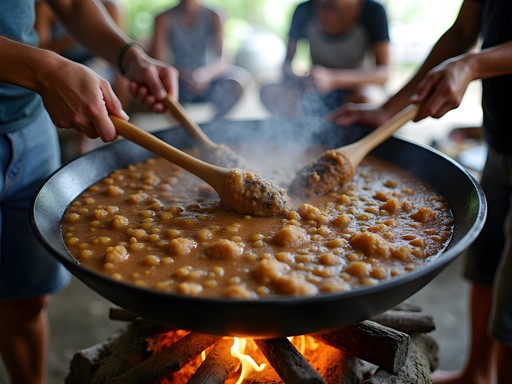
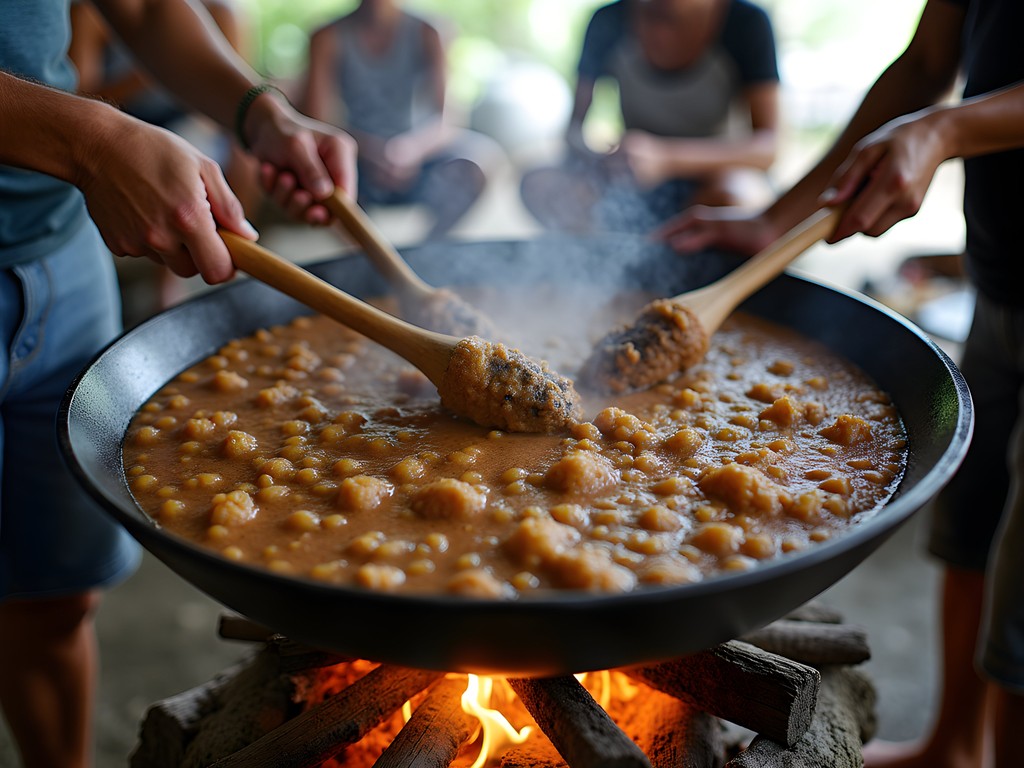
Bohol's signature dish is Calamay, a sticky sweet delicacy made from glutinous rice, coconut milk, and brown sugar. In Jagna town, I participated in a traditional calamay-making session, taking turns stirring the mixture in a large wok over an open fire—a genuine upper-body workout that lasted nearly two hours! The result was packaged in coconut shells and made perfect sustainable souvenirs for friends back home.
💡 Pro Tips
- Visit Gerarda's in Tagbilaran for authentic Filipino cuisine at local prices
- Ask for 'add-ons' at carinderias - many have special dishes not listed on menus
- Join the 'Kaon Ta!' (Let's Eat!) food tours run by local university students for insider culinary experiences
Community-Based Ecotourism Beyond the Tourist Trail
While most visitors stick to the Chocolate Hills and tarsier sanctuaries, Bohol's community-based ecotourism initiatives offer more meaningful experiences. In the coastal village of Pamilacan, I joined former whale hunters who now lead responsible dolphin and whale watching tours. Their knowledge of marine life behavior was extraordinary, and the transition from hunting to conservation tourism represents the kind of sustainability transformation I advocate for professionally.
For hikers and trail runners, the Cambuhat River and Village Tour in Buenavista municipality combines kayaking with community visits. I brought my dry bag backpack which proved invaluable when our kayak took on water during a sudden rain shower. The local guides shared how this ecotourism project has reduced mangrove cutting while creating alternative livelihoods.
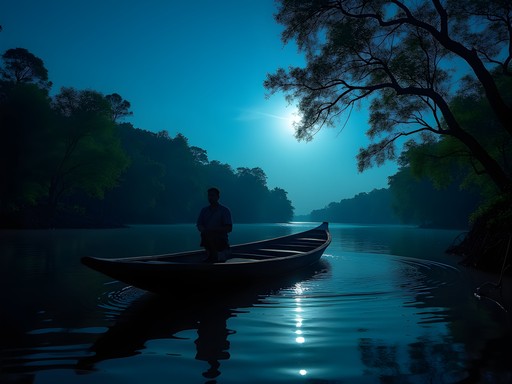
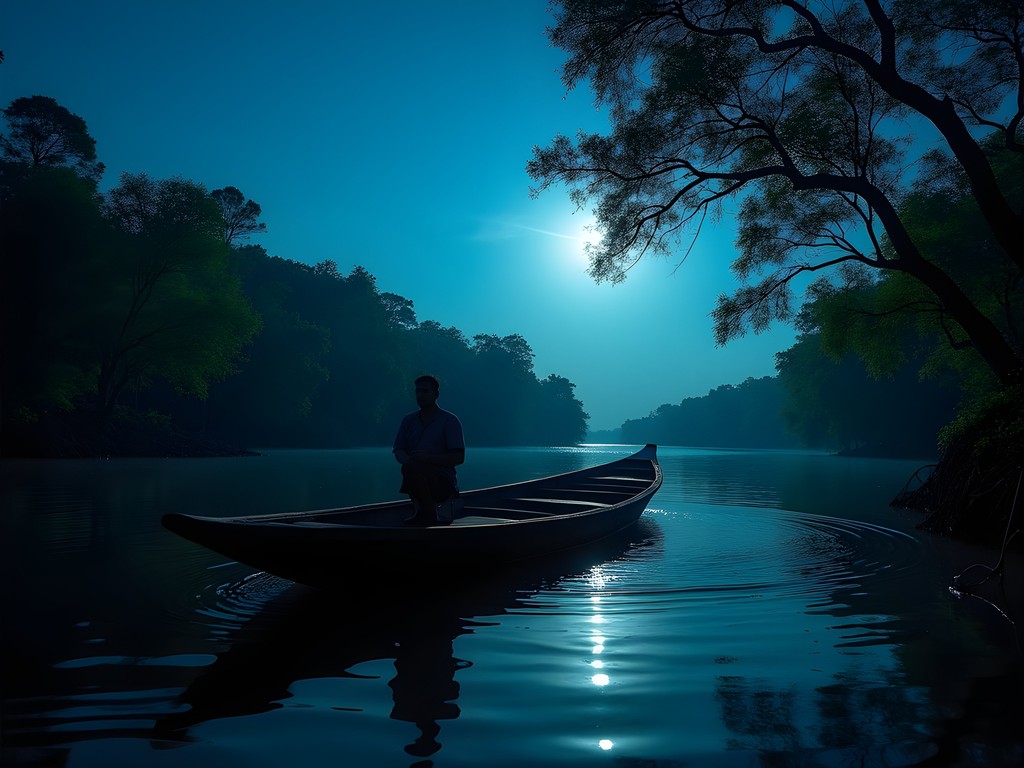
Perhaps my most memorable experience was joining the Abatan River Community Life Tour, where I paddled a traditional boat through firefly-lit mangroves. The community-managed tour employs former illegal loggers as guides and invests profits into mangrove reforestation. As someone who's worked in corporate sustainability, seeing these principles applied so effectively at the grassroots level was both humbling and inspiring.
💡 Pro Tips
- Book community tours directly through the Bohol Tourism Office rather than hotels to ensure communities receive fair compensation
- Bring a headlamp for nighttime firefly watching tours
- Ask about seasonal community festivals - many villages welcome respectful visitors to their celebrations

Training Like a Local: Finding Running Routes and Fitness Communities
As a marathon runner, maintaining my training schedule while traveling is non-negotiable. In Bohol, I discovered running routes that doubled as cultural immersion. The 4.2km Dauis-Panglao causeway became my interval training spot, where I'd join local running groups at dawn. Through these runs, I met Bohol's small but dedicated running community who invited me to join their weekend long runs through rural barangays (villages).
For strength training, I connected with a local CrossFit-style group that meets at Tagbilaran City Plaza. They use minimal equipment, focusing instead on bodyweight exercises and improvised weights. I brought my resistance bands which proved perfect for hotel room workouts and became conversation starters with fitness-minded locals.
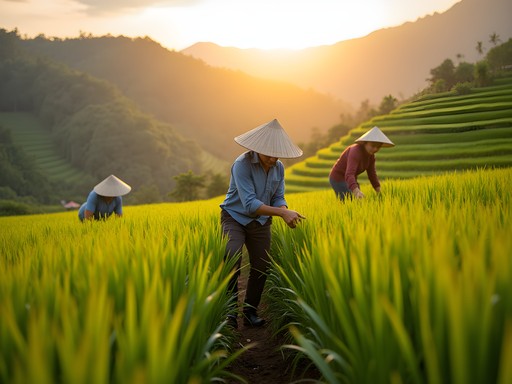
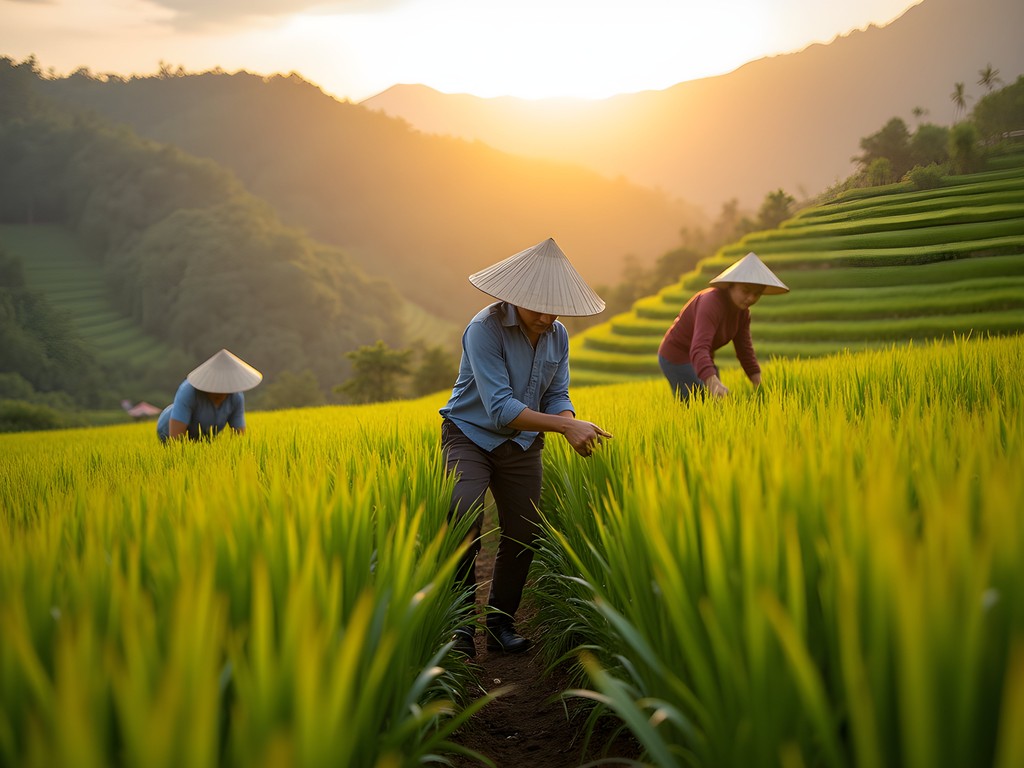
The most unexpected training opportunity came when I joined rice farmers for a morning of planting in Batuan municipality. Spending hours bent over in muddy fields gave me newfound respect for the daily 'workout' many Boholanos consider simply part of life. The farmers laughed at my clumsy technique but appreciated my interest in their traditional farming methods. This cultural exchange—connecting through physical work rather than tourist activities—created genuine bonds that tourist dollars simply cannot buy.
💡 Pro Tips
- Join the Bohol Runners Club Facebook group to find local running partners and events
- Visit the University of Bohol track in Tagbilaran for speed workouts (open to visitors from 5-7am)
- Pack quick-drying clothes as humidity makes multiple workouts in the same gear challenging
Final Thoughts
After two weeks of living like a local in Bohol, I returned home with more than just another marathon training trip under my belt. I gained a deeper understanding of how sustainable tourism can genuinely benefit communities when travelers step beyond the standard attractions. By using public transportation, staying in family homes, eating where locals eat, and participating in community-led initiatives, we create a different kind of tourism footprint—one that supports rather than extracts.
As a sustainability professional, I've long advocated for responsible travel practices, but Bohol showed me how these principles translate into meaningful human connections. The island's natural beauty is undeniable, but its true treasure lies in the warmth of its people and their willingness to welcome mindful travelers into their daily lives. Whether you're a solo adventurer, fitness enthusiast, or simply someone seeking authentic experiences, Bohol offers endless opportunities to connect with local culture while treading lightly on the environment. The question isn't whether you should visit Bohol, but rather: are you ready to experience it like a local?
✨ Key Takeaways
- Public transportation in Bohol is comprehensive and affordable when you understand how to navigate it
- Community-based ecotourism initiatives offer more authentic experiences while directly supporting local livelihoods
- Connecting through shared activities—cooking, farming, running—creates more meaningful cultural exchanges than standard tourist experiences
📋 Practical Information
Best Time to Visit
Year-round, though December-May offers drier conditions
Budget Estimate
$30-50/day including homestay accommodation, local food, and transportation
Recommended Duration
Minimum 1 week, ideally 2 weeks to experience different communities
Difficulty Level
Intermediate





Comments
backpack_wanderer
That sunset photo at Anda Beach is stunning! Was that taken with your phone or a proper camera?
filipinoatheart
As a Boholano, I'm happy to see visitors appreciating our local way of life! If you want true local food, ask for "puso" (hanging rice) with any meal. It's how we eat daily!
nomadmate
Omg yes! I tried puso when I visited and it was amazing. So convenient too!
runnergirl42
Love that you found running routes there! I'm heading to Bohol in September and need to keep up my training. Any specific trails you'd recommend that are safe for solo female runners?
Savannah Torres
Joshua, your post brought back so many memories of our family trip to Bohol last year! We also tried living like locals and it made such a difference. My kids still talk about riding in the jeepneys and how the drivers would help us figure out where to get off. We stayed with a family in Panglao who taught us how to cook chicken adobo and pancit - my 8-year-old daughter now insists we make it at home every Sunday! The community-based ecotourism you mentioned is so important. We did a firefly watching tour organized by a local environmental group rather than the big tour companies, and it felt good knowing our money was supporting conservation efforts. Did you get a chance to visit any of the small fishing villages on the northeast coast? That was where we found the most authentic experiences.
nomadmate
@Savannah did you use a specific homestay service to find your family stay? Would love to do something similar!
Savannah Torres
We actually found them through a Facebook group called 'Bohol Local Experiences' - much better than booking sites! I also recommend bringing a phrase book as it really helped us connect with people outside tourist areas.
nomadmate
This is exactly what I needed! Going to Bohol next month and want to avoid the super touristy stuff.
Savannah Torres
You'll love it! Make sure to try the calamay from the local markets rather than the tourist shops. So much better!
nomadmate
Thanks for the tip! Any specific market you recommend?
Savannah Torres
Dao Public Market in Tagbilaran is where the locals shop! Much more authentic experience and better prices too.
journeybuddy
This is my first time hearing about Bohol beyond the typical tourist stuff. I'm planning my first solo trip to the Philippines and feeling a bit nervous about navigating everything. The transportation section really helped - I was worried about getting around without speaking Tagalog. How much English do people speak there? And is it easy to find vegetarian food options at the home-cooked meals?
Hunter Thompson
Not Joshua but - most Filipinos speak excellent English! It's one of the easiest countries in Asia for English speakers. You'll be fine mate
Casey Andersson
Joshua, this resonates so much! I've been advocating for slower, more immersive travel for years and Bohol is the perfect example. Last time I was there, I spent an afternoon learning traditional weaving with a women's cooperative in Bilar - those are the moments that stay with you. The Chocolate Hills are stunning, sure, but it's the shared meals, the impromptu conversations, the genuine warmth that transforms a trip into something meaningful. Did you try balut while you were there? I know it's polarizing but it felt like a real cultural moment for me.
starfan
omg balut!! i tried it in Manila, couldn't do it lol
redgal
Is it safe to eat the street food there?
hikinggal
Going there next month! Where did you stay to get the authentic experience?
Joshua Stewart
I stayed in a homestay in Baclayon - found it through a local tourism cooperative. Way better than hotels for meeting people!
bluenomad
Airbnb has some good homestays too if you search for local hosts. Just read the reviews carefully
Kimberly Murphy
Joshua, this really resonates with me! I spent three weeks in the Philippines last year doing similar immersive experiences, and the home-cooked meals were absolutely the highlight. There's something so special about eating with Filipino families - the warmth and generosity is unmatched. Did you get to try any of the local seafood dishes in the smaller barangays? I'm curious about the community-based ecotourism spots you mentioned - were they easy to find or did you need local connections to access them?
sunsetrider
Would love to know this too! How do you find these home cooking experiences?
Venture X
Premium card with 2X miles, $300 travel credit, Priority Pass