


Disclosure: This article contains affiliate links. We may earn a commission from purchases at no extra cost to you, which helps our travel content.
The morning call to prayer mingles with the scent of fresh manoushe and the distant Mediterranean breeze as I sip thick Arabic coffee on a Gemmayze balcony. This is Beirut – a city where ancient history and resilient modernity dance together in a captivating rhythm that few tourists truly experience. After spending two transformative weeks embedding myself in local neighborhoods and sustainable initiatives, I've discovered that Beirut's soul lies not in its reconstruction or war-torn past that dominates headlines, but in the vibrant communities quietly reshaping their future through cultural preservation and environmental innovation.

Navigating Beirut's Neighborhood Microcosms
Beirut isn't a city you simply visit—it's a collection of distinct neighborhoods you must inhabit. Each district tells its own story through architecture, cuisine, and daily rhythms.
Mar Mikhael's artistic renaissance blooms through converted warehouses now housing eco-conscious galleries and craft workshops. Here, I spent mornings at Kalei Coffee, where local entrepreneurs gather beneath living walls of indigenous plants. The baristas don't just serve exceptional coffee; they'll connect you with community events happening that very evening.
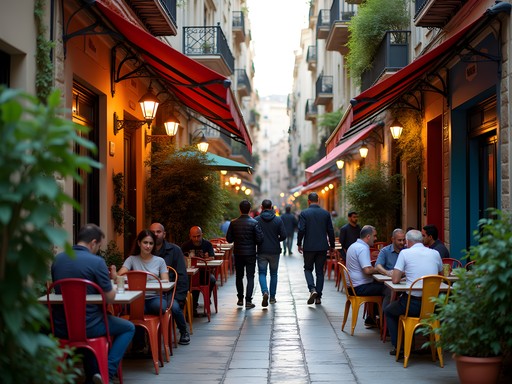
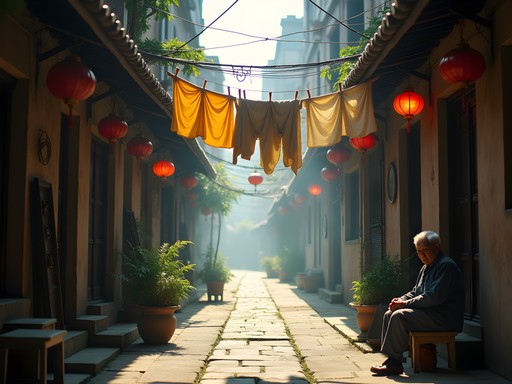
Gemmayze's Ottoman-era buildings house family-run businesses where three generations might serve you lunch. Walk the narrow streets in early evening when residents pull chairs onto sidewalks for impromptu gatherings. One evening, an elderly gentleman invited me to join his family's weekly backgammon tournament, teaching me both game strategy and neighborhood history between moves.
Hamra offers academic energy from nearby universities alongside some of the city's most progressive environmental initiatives. The reusable water bottle I brought proved essential here—Beirut's tap water isn't potable, but several cafés in Hamra have installed filtered water refill stations to reduce plastic waste.
💡 Pro Tips
- Visit Tawlet in Mar Mikhael for their farmer's table concept where a different rural Lebanese cook prepares regional specialties each day
- Download the 'Live Love Beirut' app for community-led walking tours and neighborhood events
- Carry small denominations of Lebanese pounds for neighborhood shops and street vendors who don't accept cards
The Green Pulse of an Ancient City
While Beirut rarely makes headlines for sustainability, the grassroots environmental movement here offers profound lessons in resilience and adaptation. Through my background in environmental education, I connected with local initiatives transforming urban spaces.
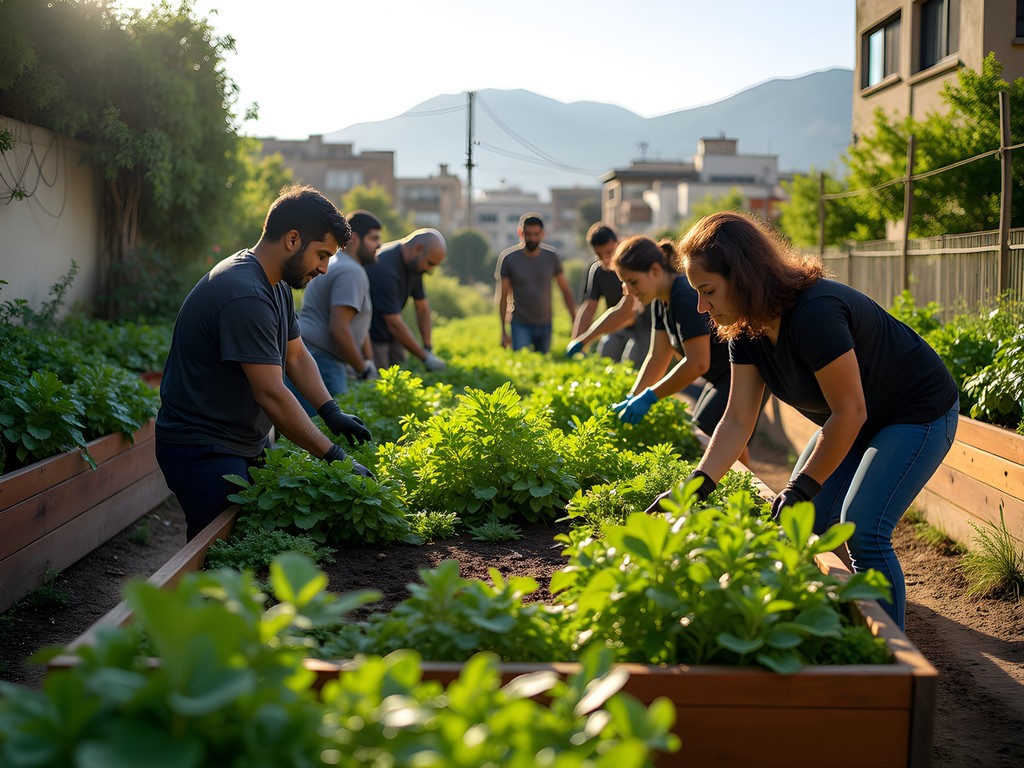
Beirut's Urban Hives project converted abandoned lots into community gardens where I joined local families for a Saturday workshop on composting in limited spaces. The organizer, Nadia, showed me how they're integrating traditional Lebanese agricultural knowledge with modern sustainable practices. For anyone interested in participating, bring a gardening multi-tool – you'll find yourself invited to help harvest herbs or prepare garden beds.
The Beirut River 2.0 initiative represents a fascinating case study in urban watershed restoration. What began as a concrete channel is gradually being rewilded through community efforts. During my visit, I participated in a native species planting day, where environmental science students from the American University of Beirut explained how they're monitoring biodiversity increases in real-time.
💡 Pro Tips
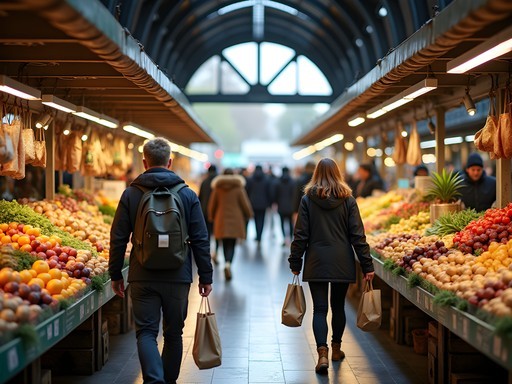
- Visit Souk el Tayeb farmers market on Saturdays for direct connections with sustainable Lebanese producers
- Join the monthly Beirut Green Project cleanups announced on their Instagram page
- Look for the 'Khoder & Makssoud' label at neighborhood markets for locally-grown produce with minimal packaging
Cultural Immersion Through Culinary Connections
To truly understand Beirut is to understand its relationship with food—not just as sustenance but as cultural preservation, family history, and social fabric. Skip the tourist-oriented restaurants and instead navigate the city through its neighborhood food rituals.
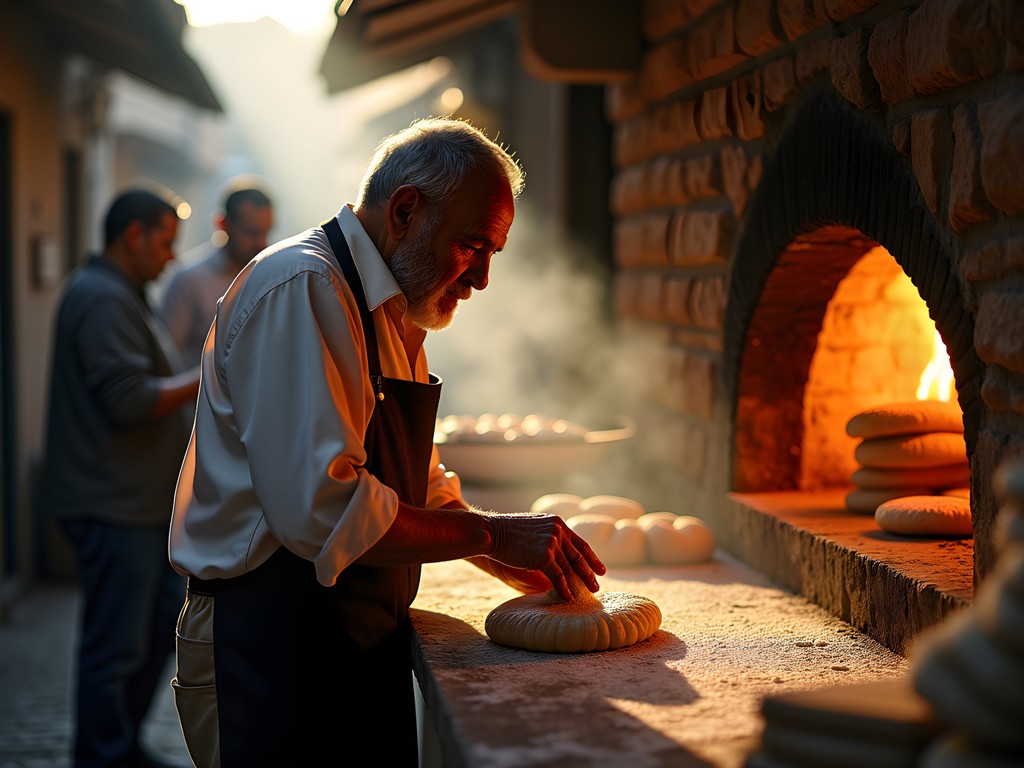
Mornings in Beirut should begin at a local furn (bakery) where manoushe—a Lebanese flatbread topped with za'atar, cheese, or ground meat—is prepared in wood-fired ovens. At Furn Beaino in Achrafieh, I watched three generations of bakers work in synchronized harmony, their hands telling stories their limited English couldn't convey. When the patriarch noticed my interest, he beckoned me behind the counter for an impromptu lesson in dough-stretching.
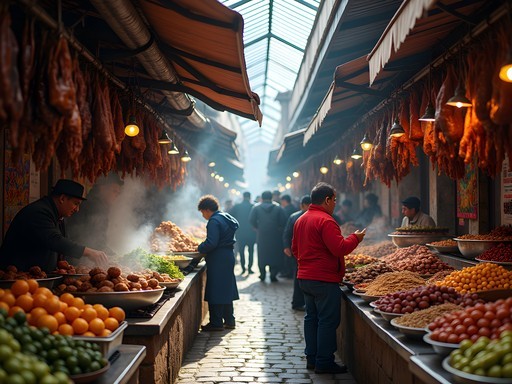
For lunch, seek out workers' canteens rather than restaurants. These unassuming spots serve home-style Lebanese cooking at a fraction of tourist prices. My favorite became Abou Joseph in Bourj Hammoud, where I'd point at whatever the table of taxi drivers was eating—never once disappointed.
Evening meals in Lebanese homes traditionally stretch for hours, and you'll need a insulated food container if you join a family picnic at the Corniche. These gatherings often continue well past sunset, with multiple courses shared communally.
💡 Pro Tips
- Learn the phrase 'addeh?' (how much?) and 'ktir ghaleh!' (too expensive!) for friendly market negotiations
- Visit bakeries between 6-7am to watch the morning bread-making process and get the freshest manoushe
- Accept any home dinner invitation you receive—these offer the most authentic culinary experiences

Sustainable Mobility: Navigating Like a Local
Beirut's reputation for chaotic traffic is well-earned, but locals navigate the urban landscape with practiced ease using a combination of formal and informal transportation networks that visitors rarely discover.
The city's shared van system (known as 'service') operates on flexible routes marked only by hand gestures and local knowledge. For just 2,000 Lebanese pounds per ride, these white vans connect neighborhoods more efficiently than any map suggests. To use them, simply stand on a main road, make eye contact with approaching drivers, and state your destination. The driver will either nod (get in) or wave (wait for another). During my stay, I used a crossbody anti-theft bag which kept my essentials secure while leaving hands free for the sometimes acrobatic boarding process.
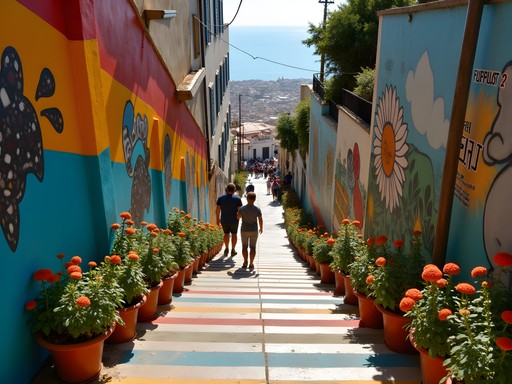
For exploring Beirut's hillside neighborhoods, the recently revitalized stairways offer both practical mobility and cultural immersion. The Vendome Stairs connecting Gemmayze to the higher Achrafieh district have been transformed with public art installations highlighting environmental themes. Walking these stairs, I encountered everything from impromptu music performances to elderly residents sharing stories of how these passages served as community lifelines during conflict periods.

💡 Pro Tips
- Download the Loop app for real-time tracking of Beirut's limited public buses
- Learn to recognize service taxis (usually older white Mercedes with red license plates) versus private taxis
- For longer distances, use Bolt rather than Uber—it's more widely used by locals and often cheaper
Sustainable Souvenirs and Ethical Shopping
The concept of souvenirs takes on new meaning in Beirut, where purchasing decisions directly impact local artisans and environmental initiatives working against considerable odds. Skip the generic tourist shops and instead seek out spaces where craftsmanship and sustainability intersect.
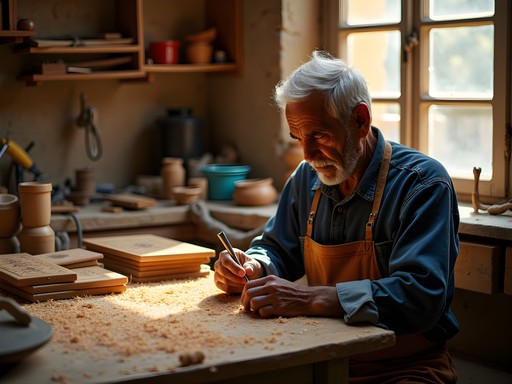
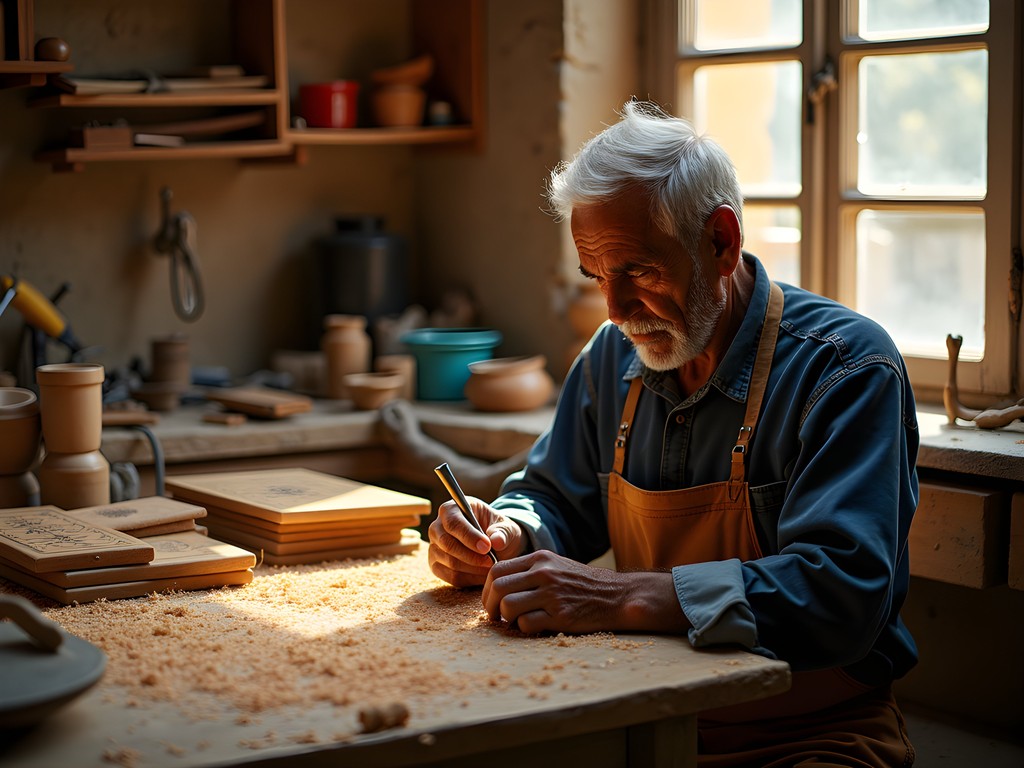
Beirut's artisan revival is centered in Mar Mikhael, where workshops like Beit Wardeh create contemporary pieces using traditional Lebanese techniques. I spent an afternoon with woodworker Hassan, who transforms salvaged cedar (once the symbol on Lebanon's flag) into intricate inlay pieces. For sustainable textiles, L'Artisan du Liban employs women from rural communities to create home goods using natural dyes and traditional looms.
For environmentally-conscious gifts, Beirut's zero-waste shops offer locally-made alternatives to plastic products. I discovered Earthona in Hamra, where I purchased beeswax wraps made by a women's cooperative and olive oil soaps produced using traditional cold-press methods. These items pack easily in a packing cube set which helps organize souvenirs while minimizing luggage space.
💡 Pro Tips
- Visit Plan BEY in Gemmayze for locally-designed stationery that supports Beirut's graphic arts community
- Look for the 'Made with Love in Lebanon' tag which guarantees fair compensation to artisans
- Bring your own shopping bag—plastic bags are still common despite environmental campaigns
Final Thoughts
As my final evening in Beirut unfolds on a rooftop in Achrafieh, watching swifts circle above the patchwork of architectural styles that tell this city's complex story, I'm struck by how Beirut defies the simplistic narratives often assigned to it. Living like a local here isn't just about finding hidden cafés or avoiding tourist traps—it's about engaging with a city actively reimagining its relationship with environment, community, and cultural preservation in real time.
The Lebanese concept of 'dbara' (resourcefulness) manifests everywhere: in urban gardens growing between concrete, in intergenerational knowledge preserved through daily rituals, and in communities creating sustainable solutions without waiting for institutional support. As travelers seeking authentic experiences, our responsibility extends beyond mere observation—we must participate thoughtfully in the local economies and environmental initiatives shaping Beirut's future.
When you visit, come with open hands rather than simply open wallets. Be ready to learn, contribute, and question your assumptions. Beirut doesn't need another tourist taking photos of contrast—it welcomes travelers willing to engage with its complex reality and carry its lessons in resilience and adaptation back to their own communities.
✨ Key Takeaways
- Connect with neighborhood-based environmental initiatives to experience Beirut's grassroots sustainability movement
- Navigate the city through its food rituals and community gathering spaces rather than tourist attractions
- Use informal transportation networks to discover areas rarely featured in guidebooks
- Support artisans and businesses practicing traditional crafts with sustainable materials
📋 Practical Information
Best Time to Visit
April-May or September-October
Budget Estimate
$50-80 per day excluding accommodation
Recommended Duration
Minimum 10 days to develop neighborhood connections
Difficulty Level
Moderate
Comments
dreamlife
Just got back from Beirut and your tips were spot on! The coffee at Kalei was incredible.
starone5962
Which neighborhood had the best food in your experience? Planning 4 days in Beirut and want to prioritize the culinary highlights!
Lionel Marshall
That's tough! Mar Mikhael has amazing contemporary Lebanese restaurants, but don't miss the Armenian food in Bourj Hammoud - especially Seza and Onno. For street food, the area around Bliss Street near the university is fantastic.
starone5962
Perfect, thanks! Armenian food wasn't even on my radar.
Charlotte Watkins
Lionel, your post brings back wonderful memories of our family trip to Beirut last spring. The way you captured the morning atmosphere with the call to prayer and scent of manoushe is exactly how I remember waking up there! We found the Sunday market at Souk El Tayeb to be perfect for connecting with locals - my teenagers still talk about the cooking class we took there with a Lebanese grandmother who taught us her family's tabbouleh recipe. For families visiting, I'd add that the Corniche at sunset is magical for all ages - locals fishing, families strolling, and incredible views. We found our pocket translator invaluable for communicating in the smaller neighborhood shops, though many Beirutis do speak excellent English. Your section on sustainable mobility was particularly helpful - the van system saved us so much compared to taxis!
vacationguy
Any recommendations for good areas to stay that feel authentic but still convenient for exploring? Hotels vs Airbnb?
Lionel Marshall
I'd recommend Gemmayze or Mar Mikhael for that authentic-yet-convenient vibe. Airbnbs in old buildings give you more local flavor, but there are some great boutique hotels like Arthaus or Albergo if you prefer hotel amenities.
backpackadventurer
I'm heading to Beirut next month for the first time! Your tip about using the van network instead of taxis is gold. Did you find it easy to navigate without speaking Arabic? Also really excited to try manoushe for breakfast now!
mountainchamp
Not the author but was there last month - many people speak English or French, especially in central areas and restaurants. Definitely try manoushe from street vendors rather than hotels. So good with za'atar!
backpackadventurer
Thanks for the tip! Can't wait to try authentic za'atar.
Jean Wells
Your observations about Beirut's neighborhood microcosms are spot-on, Lionel. During my visit last year, I found the transitions between areas like Hamra and Achrafieh fascinating - each with distinct architectural signatures reflecting different historical influences. I'd add that morning walks through Sursock area reveal a particularly interesting blend of Ottoman and French colonial architecture that many tourists miss. The small Museum of Lebanese Prehistory is also worth visiting - rarely crowded and provides important historical context. Did you manage to explore any of the Roman ruins at Byblos during your stay?
Lionel Marshall
Thanks Jean! Yes, I did a day trip to Byblos - incredible layers of history there. The Sursock area was one of my favorites too, especially early mornings before the crowds.
greenzone
Great post! How safe did you find moving between neighborhoods at night? Planning a trip in January and wondering about getting around after dinner.
Lionel Marshall
I found it quite safe in most central areas like Gemmayze, Mar Mikhael, and Hamra. Uber is reliable and affordable for night travel. Just exercise normal city precautions!
greenzone
Thanks for the quick reply! That's reassuring to hear.
dreamlife
Those rooftop views in Achrafieh sound magical! Adding this to my bucket list.
dreamnomad
Really cool guide, thanks for sharing!!
Ana Robinson
What a beautiful piece, Lionel! We visited Beirut with our two kids (7 and 9) last spring and I was nervous about navigating with children, but the city surprised us in the best way. The corniche became our daily ritual - the kids loved watching fishermen and eating kaak from the street vendors. We stayed in Hamra and found it incredibly family-friendly. The locals were so welcoming to the children everywhere we went. Your section on culinary connections really resonated - we took a cooking class in Bourj Hammoud and it became the highlight of our trip. The grandmother teaching us made my daughter feel like part of her own family. Beirut has this incredible warmth that you've captured perfectly here.
Venture X
Premium card with 2X miles, $300 travel credit, Priority Pass