

Disclosure: This article contains affiliate links. We may earn a commission from purchases at no extra cost to you, which helps our travel content.
The moment my feet touched down on Bonaire's sun-baked tarmac, I felt that familiar tingle of anticipation. Not for the postcard-perfect beaches or world-renowned diving spots that draw most travelers to this Dutch Caribbean island, but for what lies beneath the surface—the beating heart of local life I've learned to seek out in my travels. After years of splitting my time between emergency rooms and remote destinations, I've developed a sixth sense for finding places where traditional wisdom and modern living intersect in healing ways. Antriol, a neighborhood just south of Kralendijk that most tourists bypass on their way to flamingo sanctuaries and dive sites, called to me like the medicinal plants my Mi'kmaq grandmother once pointed out on our walks through Nova Scotian forests. This overlooked gem of Bonaire offers a tapestry of authentic experiences that connect visitors to the island's soul—if you know where to look. After spending a transformative winter week here between shifts, I'm sharing the local secrets that turned what could have been a standard Caribbean getaway into a journey of cultural immersion and unexpected wellness.

Finding Sacred Spaces in Antriol's Landscape
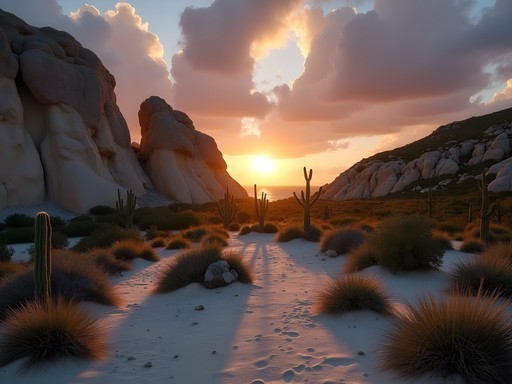
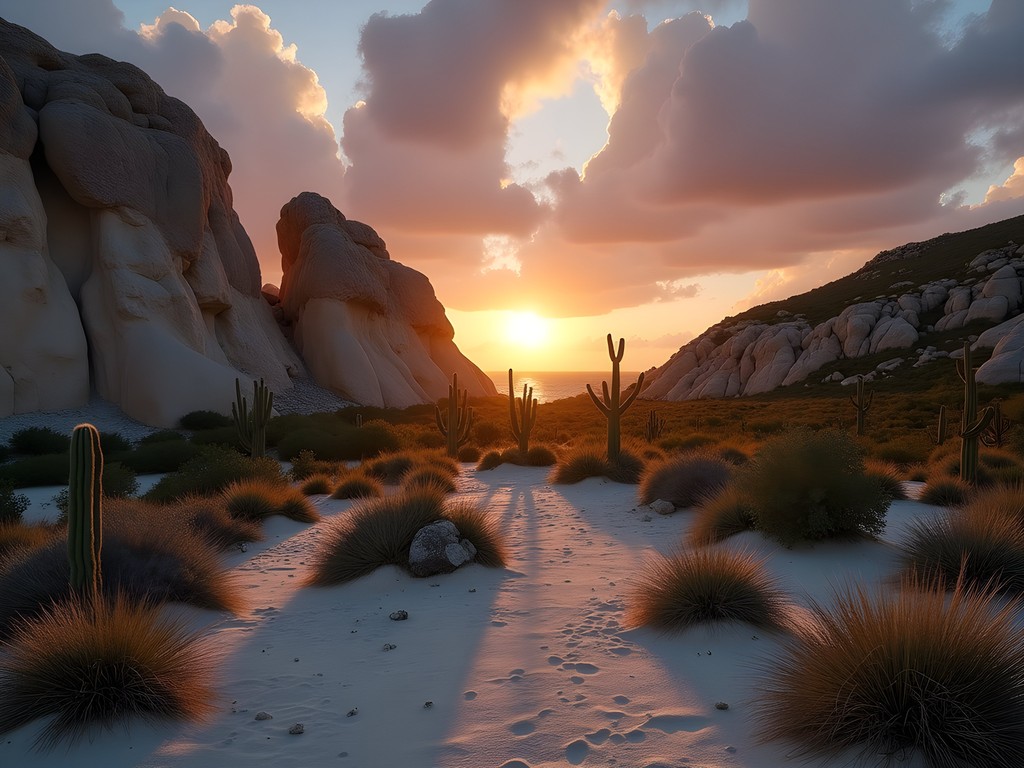
There's something about the quality of light in Antriol that reminds me of early mornings in the Canadian Maritimes—golden, healing, revealing. But unlike the fog-kissed shores of my childhood, here the sunlight carves through cacti forests and illuminates limestone formations that hold stories far older than colonial history.
My most profound experience came at dawn on my third day, when local guide Marisol took me to what locals call 'Piedra di Luz' (Stone of Light), a limestone formation on Antriol's eastern edge. Not marked on any tourist map, this natural formation creates a perfect alignment with the rising sun during winter months, casting geometric shadows that local healers have used for centuries to mark seasonal transitions.
"This is where we come to reset," Marisol told me as we sat in silence watching the light patterns shift across ancient stone. "The patterns speak to those who listen."
As someone who's witnessed the power of both emergency medicine and traditional healing practices, I recognized the therapeutic quality of this space immediately. The mathematical precision of the light patterns—a natural expression of sacred geometry—created a meditative focal point that slowed my typically racing EMT mind to a peaceful crawl.
For those seeking similar experiences, I recommend bringing a lightweight yoga mat for comfort during sunrise meditation sessions. The thin profile makes it perfect for tucking into your day pack without adding bulk, yet provides enough cushion against the rocky terrain surrounding these natural formations.
💡 Pro Tips
- Visit Piedra di Luz 30 minutes before sunrise for the full experience—bring a headlamp for the short hike in.
- Ask permission before photographing any sites that may have spiritual significance to locals.
- Carry at least 2 liters of water—the arid landscape dehydrates you faster than you might expect.
Culinary Medicine: Food Trucks and Family Kitchens
My obsession with food trucks began years ago documenting the mobile eateries that sustained my fellow EMTs during long shifts. In Antriol, I discovered that the island's best food doesn't come from resort restaurants but from wheels and windows—though with a decidedly different approach than North American food truck culture.
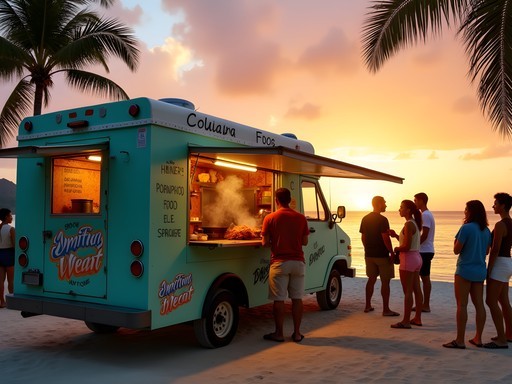
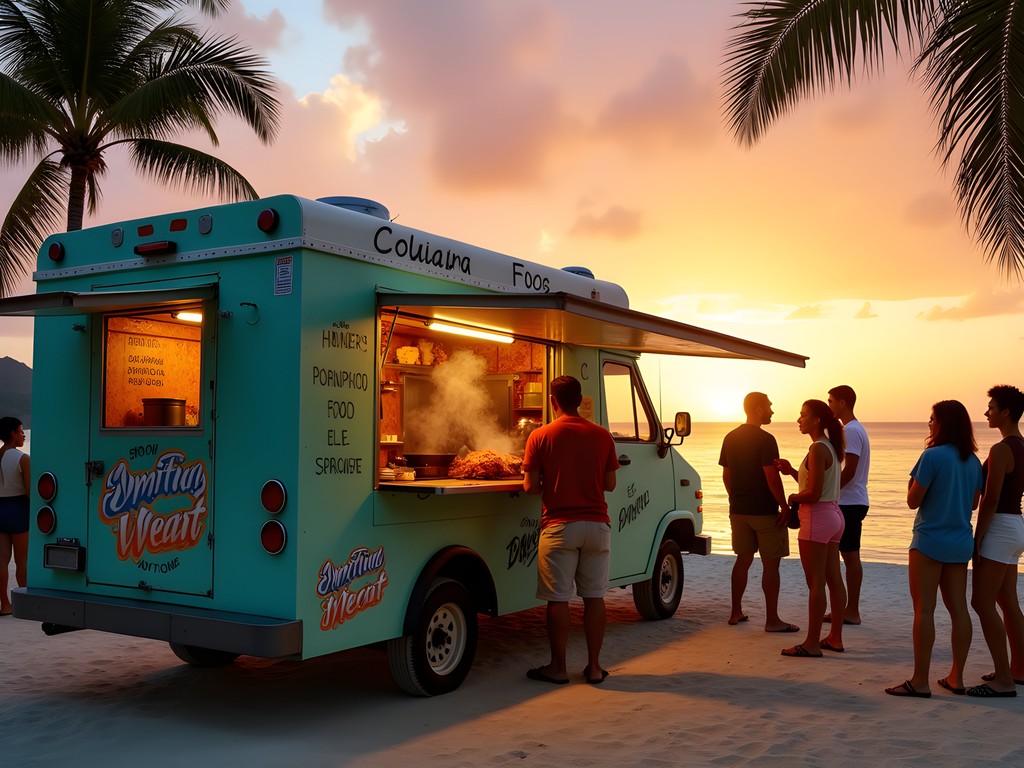
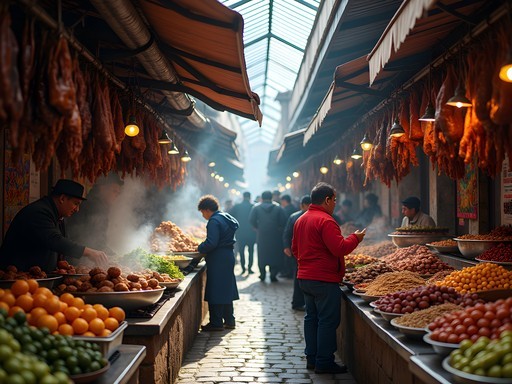
The crown jewel of Antriol's culinary scene is Tia Sonia's food truck, parked Tuesday through Saturday evenings near the neighborhood's central crossroads. What makes Tia Sonia's special isn't fancy fusion or Instagram-worthy presentation—it's her unwavering commitment to cooking the way her grandmother taught her, using ingredients with both culinary and medicinal purposes.
Her signature dish, kabritu stobá (goat stew), incorporates locally foraged herbs that, as she explained while ladling a generous portion into my bowl, "keep the body cool in hot weather and strengthen the blood." As a medical professional, I recognized many of these herbs for their anti-inflammatory properties—similar to plants my Mi'kmaq ancestors used for healing.
Beyond food trucks, Antriol's true culinary treasures are found in family kitchens opened to visitors through informal cooking classes. Through my guesthouse host, I arranged a session with Magdalena, who has been preparing traditional Bonairean dishes for over six decades. In her sun-drenched kitchen with worn wooden utensils that have stirred thousands of meals, she taught me to prepare funchi (cornmeal polenta) and tutu (a bean and cornmeal mixture) while sharing stories of how these foods sustained generations through challenging times.
I captured these culinary experiences with my waterproof camera, which proved invaluable throughout my Bonaire trip. Its macro capabilities perfectly documented the intricate herbs and cooking processes, while being splash-proof enough to withstand kitchen mishaps and afternoon downpours alike.
💡 Pro Tips
- Visit Tia Sonia's truck early (around 5:30 PM) before popular items sell out.
- Bring small denominations of cash—most food vendors don't accept cards.
- Ask about the medicinal properties of ingredients—many vendors are proud to share this traditional knowledge.
Salt and Sea: Healing Traditions of Antriol
"The sea gives us everything we need to heal," Elena told me as we walked along Antriol's less-visited eastern shoreline, where dramatic waves crash against limestone formations. Unlike the calm western beaches where tourists snorkel, this wilder coastline is where many local healing traditions originate.
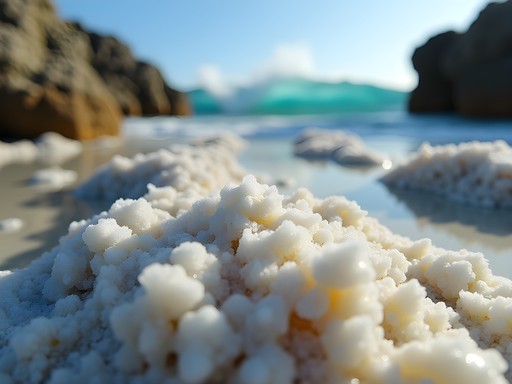
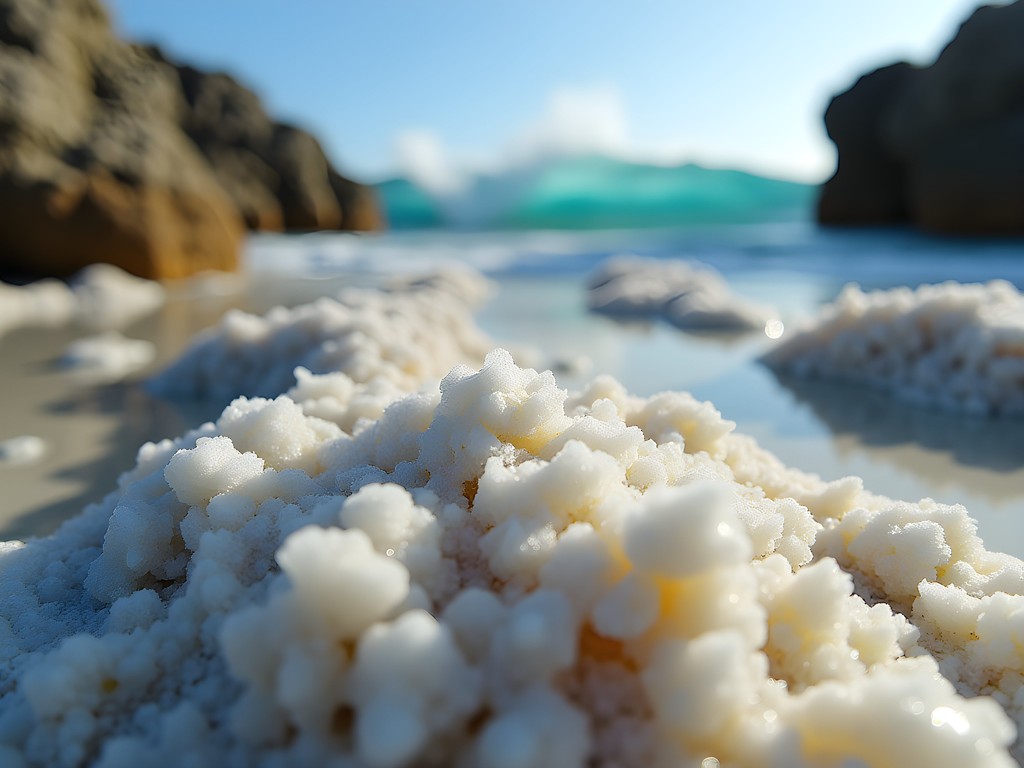
Elena, a third-generation traditional healer who balances her practice with work at Bonaire's medical center, showed me how locals harvest sea salt from natural formations—not the commercial salt pans that appear on postcards, but small, protected inlets where evaporation creates mineral-rich deposits used in traditional remedies.
"Different pools have different properties," she explained, showing me how to distinguish various mineral compositions by color and crystal formation. "This one is for skin conditions, this for respiratory issues, this for drawing out infection."
As someone who bridges emergency medicine and traditional healing in my own life, I was fascinated by the parallels between Elena's knowledge and what I've learned from Mi'kmaq elders about the healing properties of different waters.
With Elena's guidance, I participated in a traditional salt scrub ritual at sunrise—a practice that combines physical exfoliation with what locals call "spiritual cleansing." The process involves specific breathing patterns while applying mineral-rich mud and salt in geometric patterns on the skin, followed by immersion in the sea.
The scientific part of my brain noted the legitimate benefits: improved circulation, exfoliation, and the therapeutic effects of trace minerals. But there was something beyond science in the ritual's careful attention to breath, intention, and connection to place that left me feeling more centered than I had in months of high-stress EMT shifts.
For those interested in experiencing these traditions, respect and proper introduction are essential. Elena accepts a limited number of visitors by referral only, typically through local guesthouse hosts who know her personally.
💡 Pro Tips
- Never harvest salt or plants without local guidance—some areas are protected or considered sacred.
- Bring a reusable water bottle with electrolyte packets to stay hydrated after salt treatments.
- Remove jewelry before salt treatments as the minerals can tarnish metal.

Navigating Antriol Like a Local
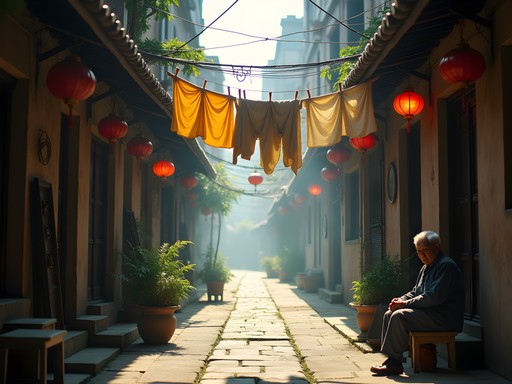
Antriol's charm lies partly in its unpolished authenticity—there are no tourist information centers, few English signs, and limited public transportation. This is exactly what I love about it, but it can be challenging for first-time visitors.
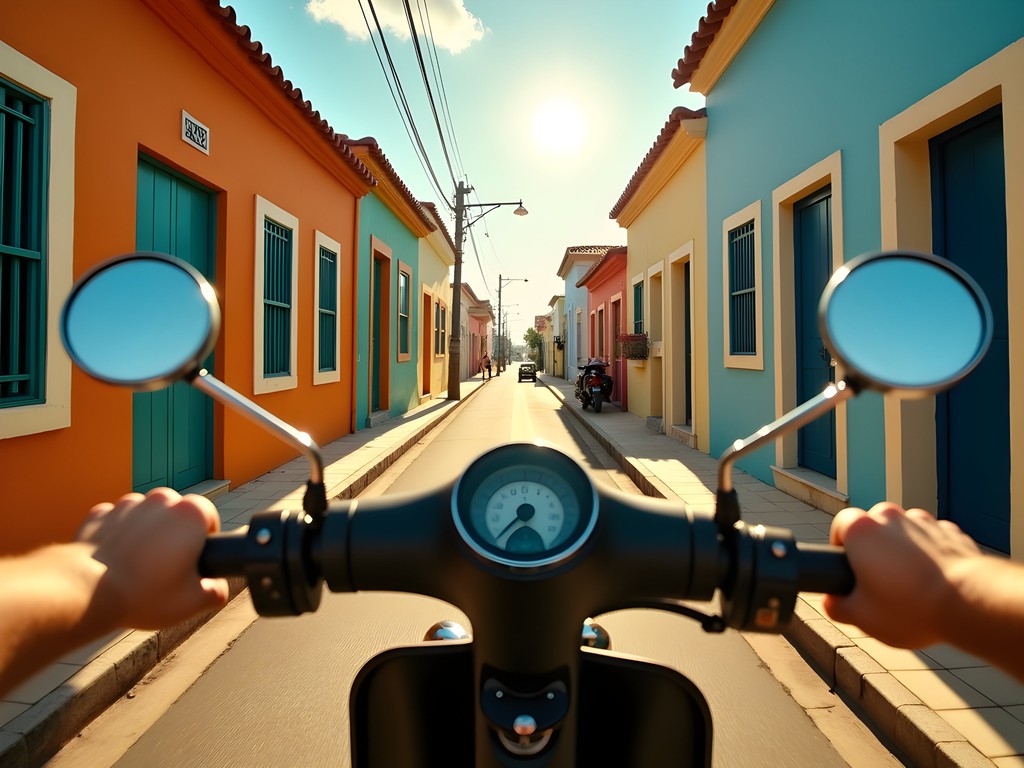
Renting a scooter proved to be the perfect compromise between mobility and immersion. Unlike a car that separates you from the environment, a scooter puts you in direct contact with Antriol's sights, sounds, and scents—from the fragrant bread bakeries that open before dawn to the salt-tinged evening breeze.
I rented from Roberto's, a family-run business that offers well-maintained vehicles at fair prices. What makes Roberto's special is the hand-drawn map they provide with each rental, marking spots that only locals know: the best time and place to buy fish directly from returning boats, hidden viewpoints for spectacular sunsets, and which houses sell homemade ice cream from their front windows on which days.
Navigating Antriol's unmarked roads requires some preparation. I relied heavily on my waterproof phone case which protected my device from sand, water, and unexpected rain showers while allowing me to reference offline maps and take photos. The neck strap proved particularly useful while scootering, keeping my phone accessible without risking drops.
The most valuable navigation tool, however, was the network of connections that grew organically throughout my stay. Each person I met—from my guesthouse host to the woman who sold me morning coffee—offered suggestions that weren't just locations but invitations into community rhythms: "On Thursday evenings, the fishermen gather at Playa Chikitu to repair nets and share stories—visitors are welcome if they bring something to share."
This approach to experiencing Antriol requires flexibility and openness. Some days, I abandoned my carefully researched plans entirely after conversations revealed opportunities I couldn't have discovered online: impromptu music gatherings, family celebrations where a friend-of-a-friend welcomed me, or accompanying a local herbalist on her morning gathering rounds.
💡 Pro Tips
- Download offline maps before arrival—cellular service can be spotty in parts of Antriol.
- Learn basic Papiamentu phrases—locals appreciate the effort and often share more with visitors who try to speak the local language.
- Ask your accommodation host to mark their favorite local spots on a map—their recommendations will be more authentic than tourist guides.
Connecting Through Kunuku Culture
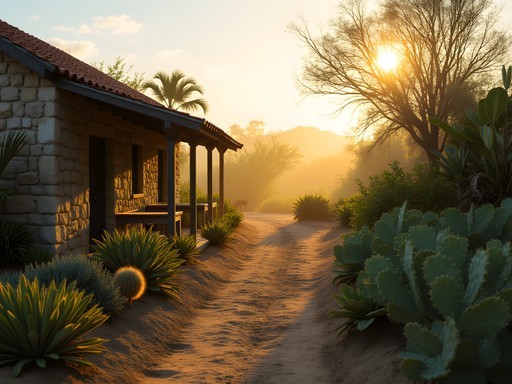
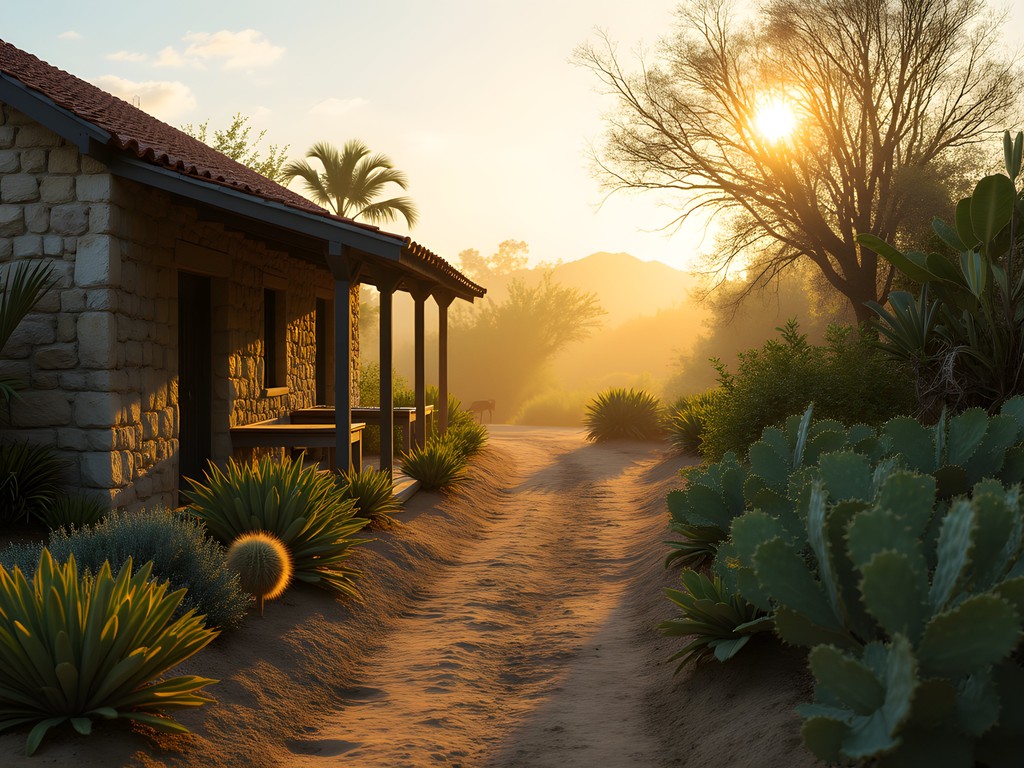
Beyond Antriol's residential center lie the kunukus—rural homesteads where Bonaire's agricultural traditions continue despite the arid climate. These scattered properties, marked by stone walls and carefully tended gardens, offer some of the most authentic connections to Bonairean heritage.
Through my guesthouse host's cousin, I was introduced to Tio Miguel, whose family has maintained their kunuku for seven generations. At 82, Miguel moves with the deliberate grace of someone who has spent a lifetime working in rhythm with the land. His property, a thoughtful arrangement of drought-resistant food plants, medicinal herbs, and small livestock areas, demonstrates sophisticated ecological knowledge that has allowed his family to thrive in challenging conditions.
"Everything has a purpose, everything connects," he explained as we walked his property at dawn. "This plant provides shade for that one, which feeds the soil for another. The goats eat what we cannot, and give back fertility to the land."
As someone with indigenous heritage who has always been drawn to traditional ecological knowledge, I was struck by the parallels between Miguel's approach and the integrated systems my Mi'kmaq ancestors developed. Though separated by thousands of miles and distinct cultural contexts, both demonstrate the same fundamental understanding of interconnection.
Visitors can experience kunuku culture through informal tours arranged by local connections, but these are relationship-based rather than commercial transactions. When I asked Miguel if he accepts many visitors, he smiled and said, "I welcome those who come with respect and curiosity. Not to take photos quickly and leave, but to understand our ways."
My visit culminated in a traditional kunuku meal prepared by Miguel's daughter-in-law—a feast of locally raised goat, root vegetables grown in their garden, and cactus fruit preserves. We ate at a wooden table under a thatched shelter, using my travel utensil set that I always carry (a habit from years of impromptu meals during disaster response work). The sustainable bamboo utensils seemed particularly appropriate for this meal so connected to the land.
💡 Pro Tips
- Bring a small gift when visiting kunuku homesteads—locally purchased coffee or fruit is appropriate.
- Ask permission before taking photos of people or private property.
- Be prepared for early morning visits—kunuku activities often begin before sunrise to avoid midday heat.
Final Thoughts
As I boarded my flight back to Philadelphia, my pack heavier with salt crystals, handwritten recipes, and a small pouch of medicinal herbs (legally transportable ones, I checked), I reflected on how Antriol had transformed my understanding of Bonaire. Beyond the perfect diving conditions and flamingo sanctuaries lies this tapestry of living traditions—a community where healing knowledge passes through generations, where food connects people to place, and where visitors willing to step off prescribed paths find themselves welcomed into authentic experiences. As both an EMT and someone with indigenous heritage, I've learned to recognize the power of places where traditional wisdom and daily life remain interwoven. Antriol offers exactly this—not as a museum piece or tourist performance, but as a living, breathing community generous enough to share its rhythms with respectful visitors. When you go, bring your curiosity, leave your expectations, and prepare to discover a Bonaire that exists beyond the brochures.
✨ Key Takeaways
- Build connections through local guesthouses rather than resorts to access authentic experiences in Antriol
- Food—especially from trucks and family kitchens—offers entry points into Bonairean cultural traditions and healing practices
- Respect and genuine curiosity open doors to experiences no guidebook can list
- The intersection of traditional knowledge and daily life in Antriol creates unique wellness opportunities for mindful travelers
📋 Practical Information
Best Time to Visit
December through March (dry season with milder temperatures)
Budget Estimate
$150-200/day including accommodations, food, scooter rental, and activities
Recommended Duration
5-7 days minimum to build local connections
Difficulty Level
Intermediate (Requires Comfort With Unstructured Travel And Basic Navigation Skills)




Comments
smartqueen
adding this to my bucket list!
Hannah Woods
Excellent piece, Sage. What strikes me most is your approach to the healing traditions section - you managed to document without exploiting, which is rare in travel writing these days. I'm curious about the accessibility of these experiences for travelers who don't speak Papiamento or Dutch. Did you find language barriers, or is there enough English spoken in Antriol? Also, regarding the salt crystals you brought back - were there any specific vendors you'd recommend, or is this something best acquired through personal connections? I'm always analyzing the fine line between authentic cultural exchange and commercialization of local traditions.
summertime
good question about language! was wondering the same
redrider
Beautiful photos! Really captured the vibe
summergal9003
This looks amazing!! Quick question - is Antriol easy to reach without a rental car? We're trying to keep costs down and I saw you mentioned navigating like a local. Would love more details on that!
wildpro
YES!! Finally someone writing about the REAL Bonaire! I've been diving there 6 times and always tell people to skip the resort areas and explore places like Antriol. The salt flats at sunset are absolutely incredible - did you get to see the flamingos there? And those food trucks you mentioned... is one of them the yellow one near the main road? Best stoba I've ever had in my life. The owner taught me how to make it properly!
redrider
which food truck?? i need to know! heading there in march
wildpro
It's called Sabor di Antriol - you can't miss it! Get there before 7pm or they run out
Bella Johansson
Sage, this brought back so many memories! I visited Bonaire back in 2019 on a shoestring budget and completely missed Antriol - wish I'd known about it then. The way you describe the family kitchens and food trucks reminds me of similar experiences I had in rural Panama. There's something so special about being invited into those authentic culinary spaces. The medicinal herb traditions sound fascinating - I've been collecting similar stories across the Caribbean for years. Did you find the locals welcoming to visitors asking about their healing practices? Sometimes there's hesitancy to share with outsiders.
summertime
this is so helpful! planning my first trip there and want to do it cheap
smartqueen
wow never heard of this place before!
dive_buddy_101
That sunset shot over the salt flats is incredible! What camera do you use?
island_hopper22
Going there next month! How's the public transportation to Antriol? Safe for solo female traveler?
Sage Dixon
Totally safe! The local vans run frequently between Kralendijk and Antriol. Just flag them down anywhere along the main road. I traveled solo and never felt uncomfortable. The drivers are characters and great sources of local info too!
happyace
Those salt crystal healing treatments sound amazing! Anyone tried them? Worth it?
redzone
Did it last year! My skin felt incredible afterward. Ask for Teresa near the old salt flats - she does authentic treatments, not the touristy version.
Venture X
Premium card with 2X miles, $300 travel credit, Priority Pass