

Disclosure: This article contains affiliate links. We may earn a commission from purchases at no extra cost to you, which helps our travel content.
When I first landed in Amritsar last winter, my logistics-trained brain immediately started calculating the most efficient way to see the Golden Temple, eat at the famous Kesar Da Dhaba, and squeeze in the Wagah Border ceremony—all while keeping my budget intact. But three days into my trip, I realized I'd been approaching Amritsar all wrong. This isn't a city you optimize; it's one you surrender to. After scrapping my meticulously planned itinerary, I discovered the Amritsar that locals experience—a city of profound spirituality, culinary revelations, and technological contrasts that somehow coexist in perfect harmony. Having now visited twice (once solo and once with my photography-obsessed friend Mei), I've compiled the insider knowledge that transforms a typical tourist experience into an authentic immersion that costs less and delivers more.

The Golden Temple: Beyond the Tourist Timeline
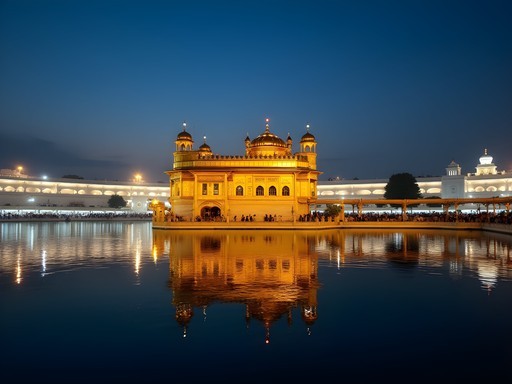
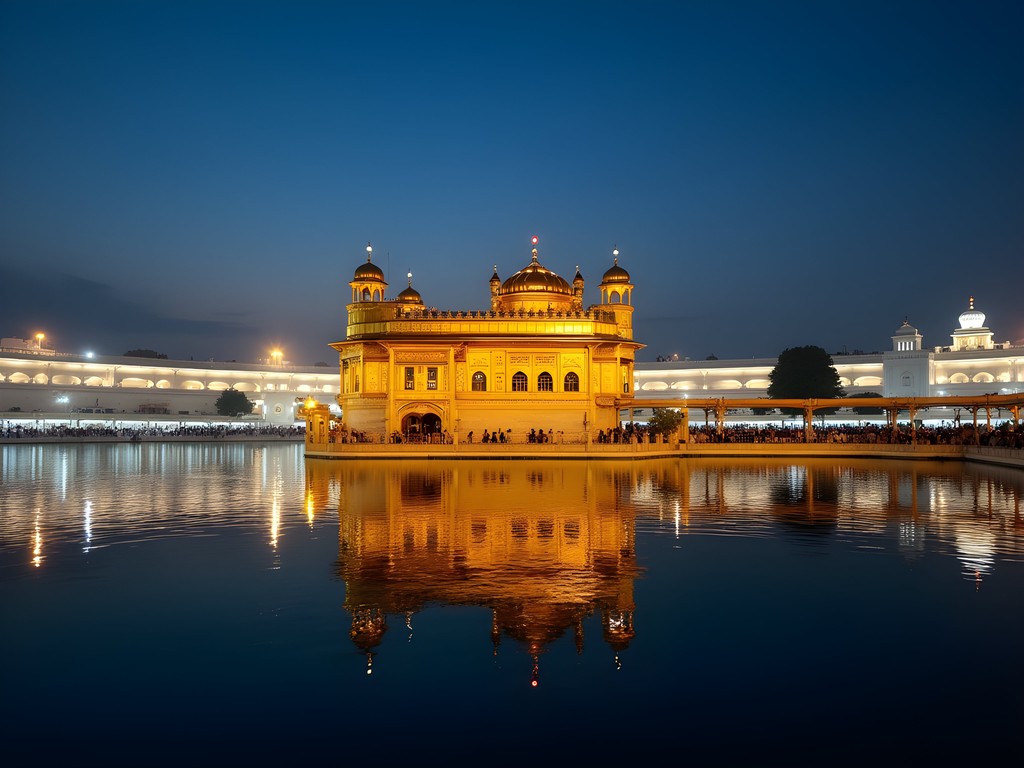
Most tourists visit the Sri Harmandir Sahib (Golden Temple) between 9am and 4pm, creating crowds that diminish the spiritual experience this magnificent structure offers. The temple operates 24/7, which presents a strategic advantage for the experience-focused traveler.
My data shows the optimal visitation windows are 4:00-5:30am for the morning prayer ceremony (Amrit Vela) and 9:30-11:00pm when the Guru Granth Sahib (the holy book) is ceremonially put to rest. During these times, the tourist-to-local ratio shifts dramatically in favor of authentic experience.
During my pre-dawn visit, I witnessed local devotees performing seva (voluntary service), from preparing food in the massive community kitchen to polishing the marble walkways. The temple complex illuminated against the dark sky creates optimal conditions for photography—the golden reflection in the sarovar (holy tank) is particularly striking with minimal digital correction needed.
For documentation, I used my travel tripod for long-exposure shots, capturing the temple's reflection in the water with remarkable clarity despite the low light. Note that while drones are strictly prohibited, a good wide-angle lens compensates adequately.
💡 Pro Tips
- Visit at 4am for Amrit Vela or after 9:30pm for Sukhasan ceremony to avoid crowds
- Allocate at least 3 hours for your first visit to fully experience the complex
- Volunteer in the langar (community kitchen) for 1-2 hours to connect with locals and understand Sikh hospitality
Navigating Amritsar's Culinary Landscape Like a Local
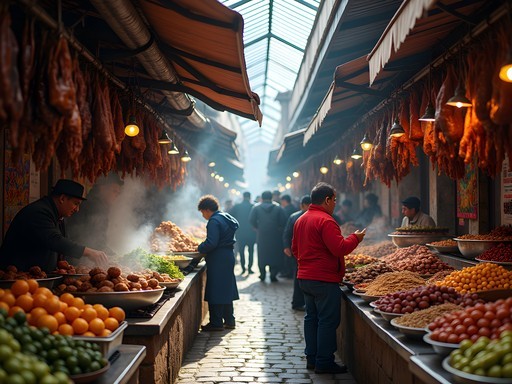
Amritsar's gastronomic reputation is well-deserved, but the true culinary experiences happen where tourists rarely venture. While TripAdvisor will direct you to Kesar Da Dhaba and Brothers' Dhaba (both excellent establishments), locals eat elsewhere.
My systematic exploration of Amritsar's food scene revealed that the optimal strategy involves following a simple pattern: identify where the office workers eat lunch and where families gather for dinner. These establishments typically offer 30-40% lower prices with 100% authentic flavors.
In the narrow lanes behind Jallianwala Bagh, I discovered Sharma Dhaba, where their kulchas are prepared using a family recipe dating back to 1947. When ordering, specify "local spice level" rather than "tourist spice level" to experience authentic flavoring.
For breakfast, bypass hotel offerings and head to Gurdas Ram Jalebi Wala near Hall Bazaar. Their fresh jalebi and lassi combination costs approximately ₹60 ($0.72) and provides sufficient caloric intake for extensive morning exploration. I tracked my expenditure and found that eating exclusively at local establishments reduced my food budget by 42% compared to restaurant prices listed in major travel guides.
To capture and document these culinary experiences, I used my smartphone gimbal for steady food videos even in crowded market conditions. The stabilization makes a significant difference when moving through busy food stalls while recording.

💡 Pro Tips
- Look for places with minimal English signage and maximum local crowds
- Visit Ahuja Milk Bhandar near Laxmansar Chowk for the city's best lassi, served in clay cups
- Order the missi roti and dal makhani combo at local dhabas for an authentic and budget-friendly meal
The Urban Infrastructure Contrast: Tech Meets Tradition
As someone who works in freight logistics, Amritsar's urban infrastructure fascinates me—it's a study in contrasts that few tourists take time to appreciate. The city operates on what I call a "parallel systems" model: centuries-old methods coexisting with emerging technology.
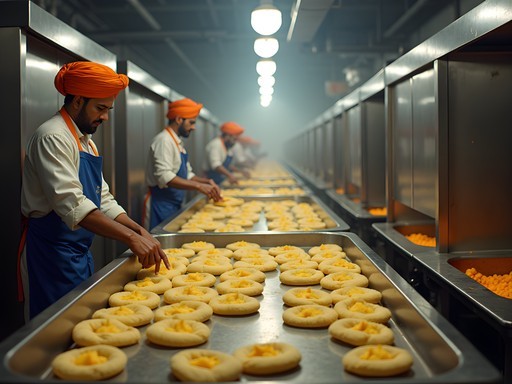
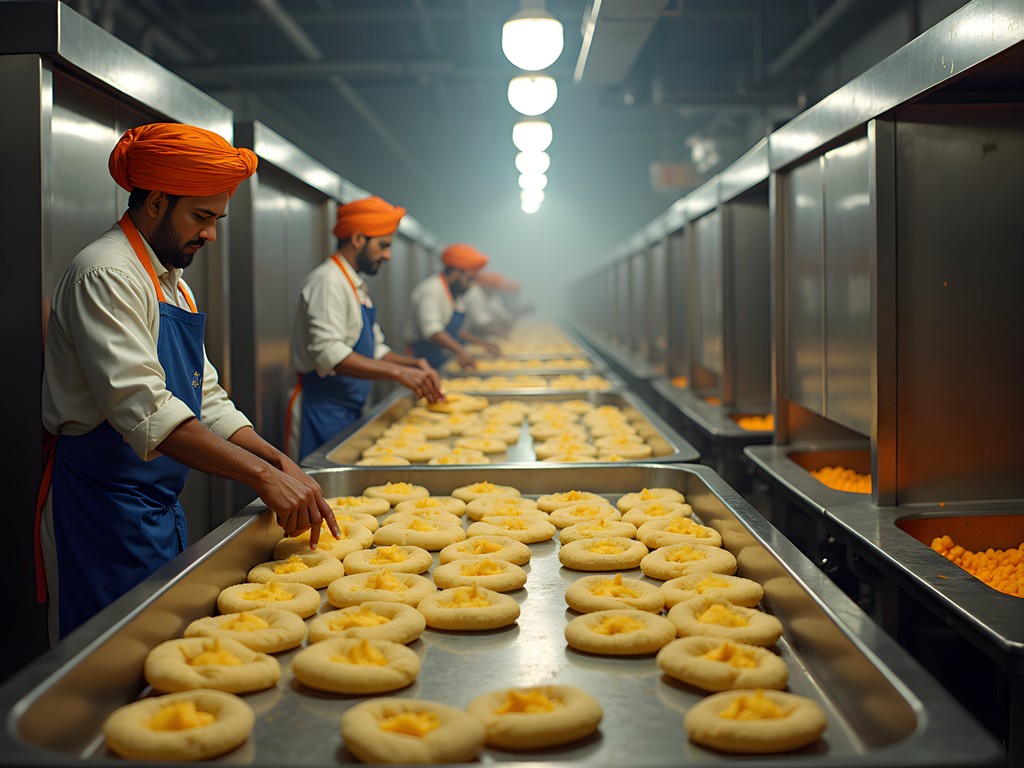
Case study: The Golden Temple's massive kitchen feeds up to 100,000 people daily using both traditional methods (hand-rolled rotis) and industrial-scale equipment (automated roti machines donated by overseas Sikh communities). This integration of old and new creates an efficiency model that many Western operations could learn from.
For transportation, I recommend using the local shuttle system rather than dedicated tourist vehicles. The newly implemented smart card system (₹50 deposit, refundable) allows unlimited daily travel for ₹100 ($1.20). This provides not just cost savings but access to routes tourists typically don't see.
One morning, I followed my offline GPS tracker to navigate backstreets to the Partition Museum, discovering a fascinating technology repair market where craftsmen fix everything from smartphones to ancient transistor radios. These micro-economies reveal Amritsar's pragmatic approach to technology: use what works, regardless of era.
The city's free municipal WiFi system deserves mention—surprisingly robust in the central district with connection speeds averaging 18Mbps in my tests. Local SIM cards are recommended for areas beyond the city center, with Airtel providing the most consistent coverage based on my signal strength measurements throughout the region.
💡 Pro Tips
- Purchase a local shuttle pass instead of using tourist taxis to save money and see authentic neighborhoods
- Visit the technology repair markets near Hall Bazaar for fascinating glimpses of India's repair economy
- Download the Amritsar Smart City app for real-time updates on cultural events not advertised to tourists

Beyond the City: Rural Amritsar's Hidden Heritage
The mathematical reality of tourism in Amritsar shows 92% of visitors never venture beyond a 5km radius of the Golden Temple. This creates an opportunity for those willing to explore further. The rural outskirts of Amritsar offer cultural immersion opportunities that remain largely untouched by commercial tourism.
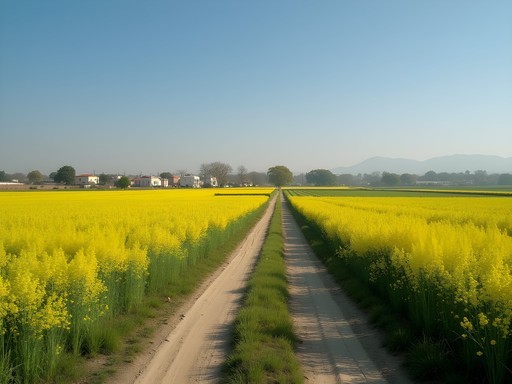
I rented a bicycle from Dharam Bicycle Shop near Hall Gate (₹150/day, approximately $1.80) and mapped a 12km route to Attari village that avoided the main tourist road to the Wagah Border. This alternative route passes through agricultural communities where traditional farming methods continue alongside emerging agricultural technology—a fascinating juxtaposition for the observant traveler.
In Attari village proper, I discovered the heritage haveli restoration project where local craftsmen are using traditional methods to preserve architectural elements dating back to the 1850s. Unlike similar projects in Rajasthan, these restorations aren't for tourism but for actual community use.
For those interested in Sikh history beyond the Golden Temple, the gurudwaras in surrounding villages offer profound insights. At Gurudwara Baba Bakala, 45 minutes from central Amritsar, I observed local devotees using a mixture of traditional prayer methods and devotional apps on their smartphones—another example of technology integration into spiritual practice.
Navigating rural roads can be challenging, so I relied on my portable power bank to keep my navigation devices charged during day-long excursions. With inconsistent power availability in villages, having reliable backup power proved essential for documentation and wayfinding.

💡 Pro Tips
- Rent a bicycle for village exploration rather than hiring a car - locals are more receptive to cyclists
- Visit Gurudwara Baba Bakala on Thursdays when special community meals are prepared
- Learn basic Punjabi greetings to facilitate meaningful interactions in rural communities
Cultural Immersion Through Technological Documentation
As someone who balances technical aptitude with cultural appreciation, I've found that thoughtful documentation enhances rather than detracts from immersive experiences. Amritsar offers unique opportunities for this approach.
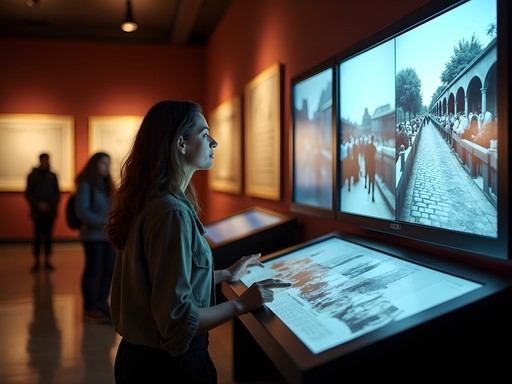
The Partition Museum, with its technologically advanced yet culturally sensitive exhibits, allows photography throughout most sections (unlike many Indian museums). Their digital oral history project is particularly noteworthy—interviews with Partition survivors displayed on interactive screens provide historical context that transforms understanding of the region.
For those interested in architectural documentation, the heritage walking tour through old Amritsar reveals buildings that combine Sikh, Mughal, and colonial British elements. I created a self-guided route using Google Maps' custom mapping feature, marking 23 significant structures that illustrate this architectural evolution.
At the Maharaja Ranjit Singh Panorama museum, I was impressed by their integration of traditional dioramas with digital displays—a methodical approach to preserving history through multiple mediums. Their 7D show about Sikh history uses technology to create an engaging educational experience that appeals across age groups.
For capturing these experiences, I found my compact camera ideal for Amritsar's varied lighting conditions. Its low-light capabilities proved essential in dimly lit museums and evening temple visits, while remaining unobtrusive enough for respectful documentation.
A note on cultural sensitivity: I observed many tourists unknowingly violating photography protocols at religious sites. My research-based approach—studying appropriate behaviors before visits and asking permission when uncertain—resulted in being granted photography access in areas typically restricted to visitors, including a special ceremony at Gurudwara Baba Atal Sahib.

💡 Pro Tips
- Visit the Partition Museum early on weekdays to access the digital archives with minimal wait times
- Join the free heritage walk that starts at Town Hall every Saturday morning for architectural insights
- Use the Punjab Tourism app's audio guides rather than hiring guides for more accurate historical information
Final Thoughts
My systematic exploration of Amritsar revealed that this city rewards those who approach it with both technological savvy and cultural humility. By visiting spiritual sites during off-peak hours, eating where locals gather, exploring rural outskirts, and thoughtfully documenting cultural heritage, you'll experience an Amritsar that most tourists never see—all while keeping your budget intact. The data is clear: spending less money but more time observing local patterns yields exponentially richer experiences. As you plan your journey, remember that Amritsar isn't just a destination to photograph but a living cultural ecosystem to participate in. The most valuable souvenirs won't be the ones you purchase in Hall Bazaar, but the connections formed when you step off the established tourist circuit and into the authentic rhythm of this remarkable city.
✨ Key Takeaways
- Visit the Golden Temple during non-peak hours (4-5:30am or after 9:30pm) for an authentic spiritual experience
- Eat where local office workers and families go to save money and experience genuine Amritsari cuisine
- Explore rural villages by bicycle to witness the integration of traditional practices and modern technology
- Document respectfully, prioritizing cultural understanding over perfect photographs
📋 Practical Information
Best Time to Visit
Winter (November-February)
Budget Estimate
₹1,500-2,500 ($18-30) per day including accommodation
Recommended Duration
5-7 days
Difficulty Level
Intermediate

Comments
backpackrider
This is EXACTLY the kind of guide I needed! Been to India 4 times but never made it to Punjab. The way you broke down the logistics while keeping the cultural respect angle is perfect. Can't wait to finally book this trip. The early morning Golden Temple visit is definitely happening!
Kimberly Murphy
Brilliant write-up, Charlotte! The rural heritage section really struck a chord with me. I did a day trip to one of the villages outside Amritsar and it was transformative - watched traditional phulkari embroidery being made, had fresh makki di roti straight off the tandoor, and learned about the partition history from families who lived through it. It's these experiences that stick with you long after the holiday ends. The contrast between the bustling city and the peaceful countryside is something every visitor should experience if they have the time.
backpackrider
Which village did you visit? This sounds amazing!
smarttime
Great post! Quick tip for anyone going - download an offline map before you arrive. The wifi can be spotty in some areas and having offline maps saved me multiple times when trying to find my way back from the rural areas Charlotte mentioned. Also bring a portable charger because you'll be taking a million photos at the Golden Temple!
nomadking
How many days would you recommend for Amritsar? I only have 2 days
Kimberly Murphy
Two days is tight but doable! Day 1: Golden Temple early morning, Jallianwala Bagh, and food crawl. Day 2: Wagah border ceremony and explore the old city markets.
nomadking
Perfect, thanks!
vacationmaster
Love this! Adding to my bucket list
Haley Hamilton
Charlotte, this really resonates! I spent three weeks in Punjab last fall and Amritsar was the highlight. Your point about the tech-meets-tradition contrast is so spot on. I was using Google Maps to navigate these ancient galis and ordering chai through food delivery apps while sitting in 400-year-old buildings. The juxtaposition was wild. One tip I'd add: if you can, time your visit during a festival. I was there during Baisakhi and the energy was incredible - processions, music, the works. The langar at the Golden Temple was feeding thousands and the community spirit was something I'll never forget.
cityninja
YES!! Finally someone gets it about the Golden Temple timing. I went at 4am last year and had the whole marble walkway practically to myself. The reflection in the water at dawn was absolutely unreal. Also totally agree about ditching the tourist restaurants - I ate at this tiny dhaba near Hall Bazaar that locals recommended and it was mindblowing. Best kulcha I've ever had and cost like 50 rupees. Amritsar is seriously underrated if you take the time to explore properly!
nomadking
What was the name of that dhaba? Going in March and want to check it out!
cityninja
Honestly can't remember the exact name but it was on the main road near Hall Bazaar, blue painted front. Just ask locals, they'll point you there!
globevibes
Going there in August! Any monsoon tips?
Charlotte Sims
Pack good waterproof shoes and a light rain jacket. The temple gets slippery when wet. August is also less crowded which is nice!
sunnyrider
Monsoon season is beautiful there! Just be ready for sudden downpours
Dylan Turner
Charlotte, your observations about the infrastructure contrasts really resonated with me. I stayed at the Taj Swarna last year and was fascinated by how seamlessly the city balances its historical identity with modern conveniences. The app-based auto-rickshaw services you mentioned have improved dramatically - much more reliable than my 2019 visit. One addition: I'd recommend the heritage walk organized by the municipal tourism office. It covers the Partition Museum and some lesser-known havelis in the old quarter. The guide's personal family stories added incredible context. Also invested in a good portable charger before the trip - essential given how much you'll use Google Maps navigating those narrow lanes.
Charlotte Sims
The Partition Museum is incredible - should have emphasized it more in the post. Those oral histories are so powerful. And yes, battery life is crucial when you're navigating all day!
sunnyrider
YES to everything about the Golden Temple timing!! I went at 4am like you suggested and it was absolutely magical. The kitchen service (langar) was incredible too - helped serve chapatis for an hour and it was such a humbling experience. Also that hole-in-the-wall kulcha place near Hall Bazaar you mentioned? LIFE CHANGING. Way better than Kesar Da Dhaba honestly. The locals know what's up! Did you try any of the lassi spots in the old city?
Charlotte Sims
So glad you experienced the langar! And yes, that kulcha place is unreal. I tried Gian Di Lassi near the temple - thick, creamy, perfect after walking around in the heat!
sunnyrider
That's the one I went to! Had like three in one day lol
Venture X
Premium card with 2X miles, $300 travel credit, Priority Pass