


Disclosure: This article contains affiliate links. We may earn a commission from purchases at no extra cost to you, which helps our travel content.
The first time I stepped through the grand gates of Gyeongbokgung Palace, the vinyl collector in me felt that same rush of discovery—like finding a rare Japanese pressing in a dusty record shop. Seoul's royal heritage sites aren't just historical landmarks; they're cultural vinyl waiting to be played—each with its own unique rhythm and story. After five visits to this incredible city, I've crafted this guide for couples looking to experience the perfect harmony between ancient traditions and modern Korean life during spring, when cherry blossoms frame these majestic structures in pink perfection.

The Five Grand Palaces: Seoul's Greatest Hits
If Seoul's royal heritage were an album, the Five Grand Palaces would be its platinum-selling tracks. Each palace offers its own distinct vibe, but together they create a masterpiece of Korean royal history.
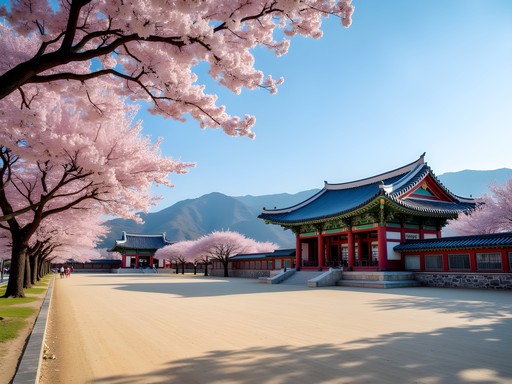
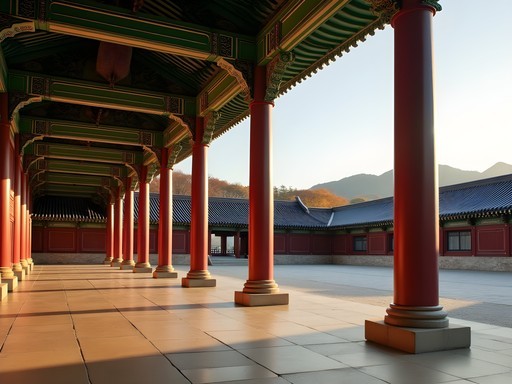
Gyeongbokgung Palace stands as the headliner—the most magnificent and largest of Seoul's palaces. Built in 1395, it served as the main royal residence during the Joseon Dynasty. Don't miss the changing of the guard ceremony at 10am and 2pm (except Tuesdays)—it's like watching a perfectly choreographed music video from centuries past. The National Folk Museum inside the grounds provides essential context to understand Korean cultural heritage.
Changdeokgung Palace hits different notes with its UNESCO-listed Secret Garden (Huwon). While Gyeongbokgung commands attention with grandeur, Changdeokgung seduces with subtlety—its buildings harmoniously integrated with the natural landscape. Pre-book the Secret Garden tour; spots fill faster than a Seoul underground club on Saturday night.
Deoksugung Palace brings unexpected fusion with its blend of traditional Korean and Western neoclassical buildings—like when a DJ perfectly mixes two seemingly incompatible tracks. Its stone-wall walkway is particularly romantic in the evening when the palace is illuminated.
For the full experience, I highly recommend picking up the Combination Ticket which grants access to four palaces and Jongmyo Shrine at a significant discount. It's valid for three months, giving you plenty of flexibility.

💡 Pro Tips
- Visit Gyeongbokgung early morning to avoid crowds and get the best photos
- Changdeokgung's Secret Garden requires a separate ticket and guided tour—book in advance
- Download the Korea Tour Card app for easy navigation between sites
Bukchon Hanok Village: Seoul's Vintage Neighborhood
Every city has that one neighborhood that feels like stepping into a different era—Bukchon Hanok Village is Seoul's answer to Tokyo's Shimokitazawa or Melbourne's Fitzroy, except instead of vintage record stores, you'll find 600-year-old traditional Korean houses (hanoks).
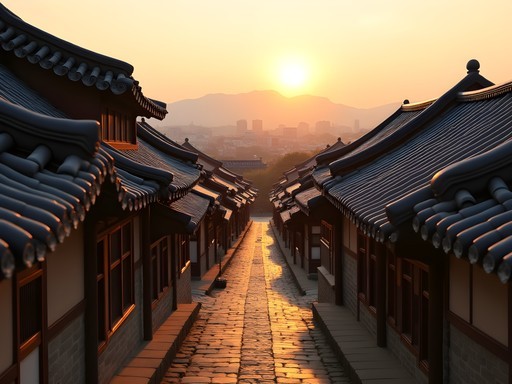
Sandwiched between Gyeongbokgung and Changdeokgung, this hillside neighborhood offers the perfect counterpoint to palace-hopping. While the palaces show how royalty lived, Bukchon reveals the historical lifestyle of nobles and aristocrats. The narrow alleyways winding between beautifully preserved hanoks create an atmosphere that's both intimate and revealing—like listening to a personal folk album after a stadium rock show.
Many hanoks now house cultural centers, boutiques, teahouses, and guesthouses. For the authentic experience, my partner and I stayed at a hanok guesthouse last spring. Sleeping on traditional floor mats (with heated floors) while hearing the subtle creaks of the wooden structure was like experiencing the analog warmth of vinyl in architectural form.
A quality handheld fan is essential during spring walks through Bukchon—not just for cooling down but as a stylish prop for photos. I picked up a beautiful hanji paper fan with traditional designs that's now displayed in our home alongside my vinyl collection.

💡 Pro Tips
- Visit on weekdays to avoid weekend crowds
- Respect privacy signs—many hanoks are still private residences
- Wear comfortable shoes—the hills are steeper than they appear on Instagram
Jongmyo Shrine: Seoul's Sacred Rhythm
If Seoul's palaces are like mainstream K-pop hits, Jongmyo Shrine is that underground track with depth that true music aficionados appreciate. This UNESCO World Heritage site isn't flashy—its minimalist design emphasizes straight lines and a restrained color palette—but its cultural significance runs deep.
Jongmyo houses the spirit tablets of Joseon Dynasty kings and queens and hosts the Jongmyo Jerye, the world's oldest continuously performed royal ancestral ritual. The ceremony combines music, dance, and ceremony in a performance that's remained largely unchanged since the 14th century.
During my last visit, I was fortunate enough to witness a practice session for the Jongmyo Jerye. The ancient court music (gagaku) created an atmosphere that transported me completely—similar to how certain vinyl records can create their own sonic environment in your living room. The ritual's precisely choreographed movements and haunting melodies have an almost hypnotic quality.
Visiting Jongmyo requires joining a guided tour (available in English), which enhances the experience significantly. Our guide explained the symbolic meaning behind architectural elements and ritual objects that would have otherwise gone unnoticed.
The shrine's layout follows strict Confucian principles about symmetry and spiritual harmony. I found myself drawing parallels to how I organize my record collection—there's a specific order and meaning that might not be immediately obvious to casual observers but creates a profound sense of rightness.
For this contemplative experience, I recommend bringing a portable meditation cushion to sit comfortably in the shrine's courtyard and absorb the atmosphere. The shrine grounds invite quiet reflection, and having a comfortable seat lets you linger longer.

💡 Pro Tips
- English guided tours run at 10am, 12pm, and 4pm
- Visit on the first Sunday in May to witness the grand Jongmyo Daeje ceremony
- Photography is restricted in certain areas to preserve the sacred atmosphere

Insadong & Samcheong-dong: Where Heritage Meets Hipster
After immersing yourself in Seoul's royal past, Insadong and neighboring Samcheong-dong offer the perfect cultural comedown—like that mellow track that follows an intense musical climax. These districts blend traditional Korean culture with contemporary art and design in a way that speaks directly to my vinyl-collecting soul.
Insadong's main street, Insadong-gil, is lined with galleries, antique shops, and traditional craft stores. Here, I discovered beautiful hanji paper products, handmade ceramics, and even some Korean traditional musical instruments. For tea enthusiasts, the traditional teahouses hidden in the alleys offer an experience that rivals Japan's tea ceremony but with a distinctly Korean flavor profile.
One standout spot is MMCA (National Museum of Modern and Contemporary Art) in Samcheong-dong. The museum itself is impressive, but I was equally captivated by the surrounding area's boutique cafés and design shops. It's where Seoul's creative class gathers—the equivalent of Berlin's art districts but with Korean aesthetics.
For couples, I recommend picking up matching traditional Korean bookmarks as meaningful souvenirs. These intricate pieces featuring traditional Korean knot designs are both beautiful and functional—I use mine to mark my favorite music biographies.
After exploring the galleries, head to one of the rooftop cafés for a sunset view of the palace grounds and Seoul's urban landscape. The contrast between ancient rooftops and modern skyscrapers creates a visual mashup that perfectly captures Seoul's essence—like a brilliant sample that combines classical elements with contemporary beats.

💡 Pro Tips
- Visit Insadong on Sundays when the main street becomes pedestrian-only
- Look for 'Ssamziegil' complex—a spiral-shaped shopping center with unique artisan shops
- Many traditional craft shops offer hands-on workshops—perfect for couples' activities
Nighttime Palace Experiences: Royal Heritage After Dark
Most travelers experience Seoul's royal heritage sites during daylight hours, but something magical happens when the sun sets. Select palaces open for night viewing during specific seasons, offering an experience that hits different notes entirely—like hearing a familiar track remixed for the club.
Gyeongbokgung's Moonlight Tour program (spring and fall only) lets you explore the palace grounds illuminated by traditional lanterns. Walking the stone pathways under the moonlight while palace guides in historical costumes lead the way creates an atmosphere that's simultaneously romantic and slightly surreal.
Changgyeonggung Palace's Nighttime Opening is another highlight, particularly during spring when the cherry blossoms are illuminated. The reflection of the blossoms and palace buildings in the pond creates a dreamlike scene that's perfect for couples.
Deoksugung Palace offers the most regular nighttime access and its stone wall road is famous among locals as a romantic evening stroll. The contrast of traditional palace buildings against the modern city lights of City Hall area creates a uniquely Seoul experience.
For these evening explorations, I always bring my compact tripod for capturing long-exposure shots of illuminated palace buildings. The flexible legs let you set up on uneven surfaces or wrap around railings for unique perspectives.
After your palace night tour, nearby Seochon neighborhood offers excellent traditional makgeolli (rice wine) bars where you can discuss your impressions of Korea's royal heritage while sampling this slightly effervescent traditional drink—the perfect nightcap to a day of cultural exploration.

💡 Pro Tips
- Book nighttime palace tours well in advance—they sell out quickly
- Bring a light jacket even in spring as temperatures drop after sunset
- Use a smartphone gimbal for smooth video capture in low-light conditions
Final Thoughts
Seoul's royal heritage sites offer more than just a glimpse into Korea's past—they provide a multi-sensory journey through centuries of cultural evolution. Like tracking the progression of musical movements across decades, exploring these palaces, shrines, and historic districts reveals how Korean identity has both preserved tradition and embraced change.
For couples, these heritage sites offer perfect backdrops for creating shared memories. Whether you're watching the changing of the guard at Gyeongbokgung in morning light, sipping traditional tea in a 600-year-old hanok, or experiencing the ethereal beauty of illuminated palace grounds at night, Seoul's royal heritage creates moments of connection—both with each other and with Korea's cultural soul.
As someone who's traveled extensively across Asia, I can confidently say that Seoul offers one of the most accessible yet authentic heritage experiences in the region. The city has masterfully preserved its royal past while evolving into a global metropolis. This harmony between old and new creates a unique rhythm that, like the best vinyl records in my collection, rewards repeated exploration with new discoveries each time.
So grab your partner, comfortable shoes, and an appreciation for cultural nuance—Seoul's royal heritage awaits, and spring is calling.
✨ Key Takeaways
- Purchase the Combination Ticket for best value when visiting multiple palaces
- Spring offers ideal weather and cherry blossoms that frame historic sites beautifully
- Balance daytime palace visits with evening illuminations for different perspectives
- Include both grand palaces and intimate historic neighborhoods for a complete experience
- Pre-book special experiences like Changdeokgung's Secret Garden tour and nighttime palace viewings
📋 Practical Information
Best Time to Visit
Spring (late March to early May)
Budget Estimate
$80-120 per day per person (excluding accommodation)
Recommended Duration
3-4 days for heritage sites within a week-long Seoul trip
Difficulty Level
Moderate (Involves Considerable Walking And Some Hill Climbing)



Comments
wanderlust_jane
Just booked my tickets to Seoul after reading this! Can't wait!
KimchiLover45
If you're visiting multiple palaces, definitely get the integrated palace ticket! Saves money and is valid for 3 months. We used this guidebook which had a great walking tour of the Bukchon area.
FirstTimeToKorea
Thanks for the ticket tip! How many palaces did you manage to see in one day?
KimchiLover45
We did two per day - morning at one palace, lunch break, then afternoon at another. Don't try to rush through them!
vacationgal
Love this guide! We visited Seoul three times now and your photos captured it perfectly. Jongmyo Shrine is so underrated - way less crowded than the main palaces but equally stunning. The ritual music ceremony there gave me goosebumps. Also totally agree about Samcheong-dong, such a cool area for cafes and galleries after all the palace walking!
Hunter Thompson
Mate, this brought back so many memories! I spent a week in Seoul last autumn and the palaces absolutely blew me away. Your comparison to vinyl hunting is spot on - there's that same sense of discovering something timeless. I'd add that visiting Changdeokgung's Secret Garden is worth every penny of the guided tour fee. Also, if anyone's on a budget like I was, the palace pass covering all five is brilliant value. Got some cracking photos at sunset in Bukchon too. The light between those hanoks is just magical.
vacationgal
Yes! The Secret Garden tour was incredible. Worth booking ahead though, spots fill up fast!
vacationqueen
This looks amazing! Quick question - how much time should we budget for Gyeongbokgung? Going in March with my sister and trying to plan our days.
William Duncan
I'd give yourself at least 2-3 hours to really explore it properly. Don't miss the changing of the guard ceremony at 10am - it's quite a spectacle! March is a great time to visit, weather should be perfect.
vacationqueen
Perfect, thanks!!
TravelingTeacher
Love your photos of Bukchon Hanok Village! So atmospheric.
Ahmed Palmer
Excellent guide, William. Your comparison of Gyeongbokgung to finding a rare vinyl pressing resonated with me - there's definitely that same sense of discovery. I spent three days exploring Seoul's royal heritage sites last year and found the contrast between these historic treasures and the ultramodern cityscape absolutely fascinating. One tip I'd add: visit Changdeokgung's Secret Garden in the early morning if possible - fewer crowds and beautiful light for photography. The guided tour is mandatory but well worth it for the historical context. And don't miss the traditional tea houses in Insadong after your palace visits - perfect for reflection.
SeoulSearcher92
The Secret Garden is magical! I went during autumn last year and the colors were incredible.
sunsetdiver
Great post! I'm heading to Seoul next month. Is it easy to get between all these palaces using public transport? Or should I book a tour?
Ahmed Palmer
The subway system in Seoul is fantastic for getting between palaces - very efficient and has English signage. I'd recommend getting a T-money card rather than booking a tour. You'll have more flexibility to explore at your own pace.
sunsetdiver
Thanks Ahmed! That's really helpful. Any specific palace I shouldn't miss if I'm short on time?
Ahmed Palmer
Gyeongbokgung is the must-see if you're limited on time. Try to catch the guard changing ceremony if possible. And definitely walk through Bukchon Hanok Village afterward - they're right next to each other.
Bryce Diaz
William, your post brought back so many memories! When I visited Seoul last fall, I made the mistake of trying to see Changdeokgung's Secret Garden without booking ahead - rookie error! The English tours fill up days in advance. For anyone planning a visit, book that specific tour online as soon as you know your dates. Also, a tip for anyone interested in traditional Korean performances: check the schedule for the National Gugak Center. I caught a traditional music and dance performance there that added so much context to the historical sites I was visiting. The sounds of those instruments in that space - pure magic. It's like William says about the multi-sensory experience - hearing traditional Korean music while exploring these places elevates everything.
journeyperson
Thanks for the Secret Garden tip! Would have definitely made that mistake.
adventurepro
Just got back from Seoul last month! We did Gyeongbokgung and Bukchon village in one day which was perfect. The palaces are actually pretty close together so you can definitely hit 2-3 if you start early. Bukchon was busier than expected though—tons of people taking photos in hanbok rentals. Still beautiful but kinda touristy. Jongmyo Shrine was way more peaceful and hardly anyone there. My travel guide had a great walking route that connected everything efficiently.
beachqueen
Thanks! That's super helpful :)
Venture X
Premium card with 2X miles, $300 travel credit, Priority Pass