
Disclosure: This article contains affiliate links. We may earn a commission from purchases at no extra cost to you, which helps our travel content.
As a physician who's spent two decades making split-second decisions in the ER, I've developed a sixth sense for authenticity that extends well beyond medicine. Venice—that labyrinthine floating city—presents a diagnostic challenge of its own: separating genuine culinary experiences from tourist traps. After five visits over fifteen years, I've mapped the city's gastronomic landscape with the same precision I apply to cardiac rhythms. Last fall, I spent a week conducting what I call a 'culinary biopsy' of Venice, methodically sampling bacari (wine bars), tracking down multi-generational family restaurants, and infiltrating local cooking classes. What follows is my evidence-based guide to experiencing Venice's authentic flavors—the meals that reveal the city's true cultural DNA, not the overpriced, underwhelming fare that leaves most visitors with a case of culinary disappointment. Consider this your prescription for a genuinely Venetian food experience.

The Bacari Expedition: Venice's Answer to Clinical Rounds
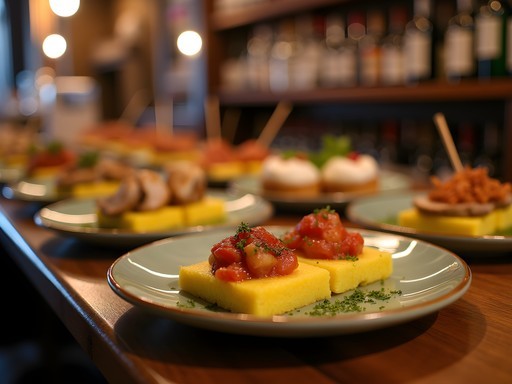
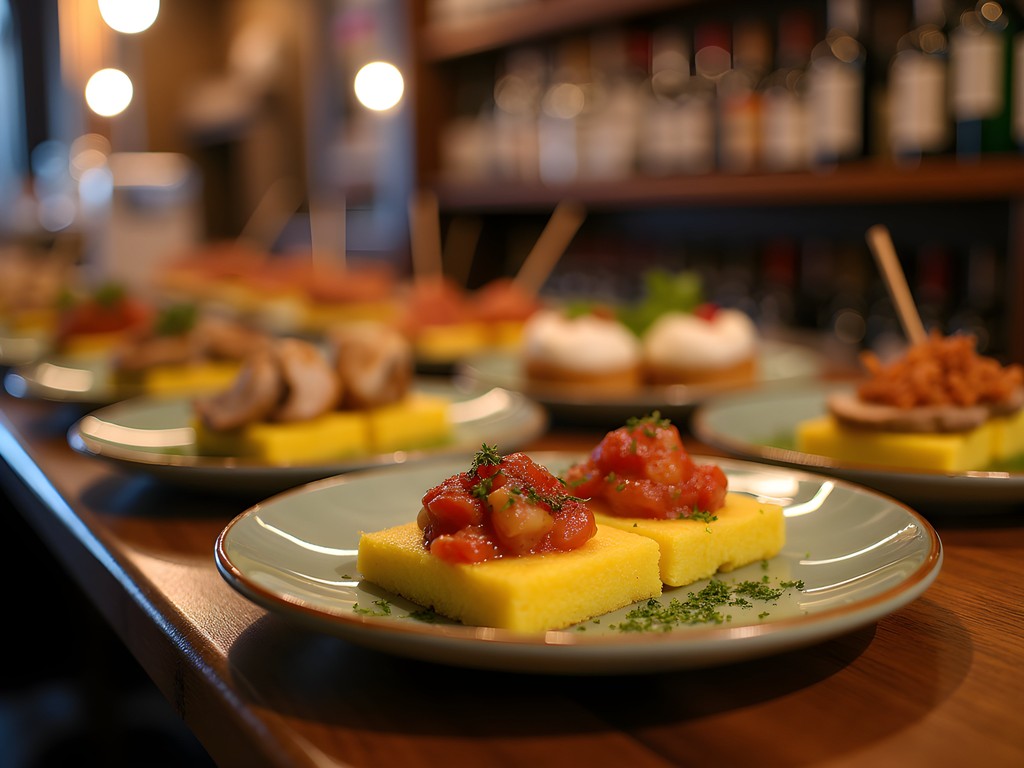
In emergency medicine, we make systematic rounds to assess patients. In Venice, I apply the same methodical approach to bacari—traditional Venetian wine bars that locals frequent for cicchetti (small bites) and ombra (small glasses of wine). These establishments are the true pulse points of Venetian food culture.
My favorite bacaro circuit begins in Cannaregio, deliberately away from San Marco's tourist densities. Start at Cantina Aziende Agricole (Fondamenta de la Sensa), where the elderly proprietor serves wines directly from unmarked bottles and cicchetti that change daily. Their baccalà mantecato (creamed salt cod) spread on polenta squares provides the perfect baseline for your culinary assessment.
Continue to Al Timon along the Ormesini canal, where the spritz-to-local ratio remains favorably authentic even as its reputation grows. Their crostini topped with radicchio and gorgonzola offers a perfect bitter-savory balance that exemplifies Venetian flavor profiles.
Complete your rounds at Vino Vero on Fondamenta Misericordia for natural wines paired with more contemporary cicchetti interpretations. The sardines in saor here—sweet-sour marinated fish with raisins and pine nuts—taught me that perfect flavor balance requires both precision and patience, much like administering the right medication dosage.
I track my bacari expeditions in a small travel journal with detailed notes on each establishment's offerings, just as I would document patient assessments. This systematic approach ensures I can replicate successful culinary experiences and provide evidence-based recommendations.
💡 Pro Tips
- Visit bacari between 6-8pm when locals stop for aperitivo to experience authentic atmosphere
- Order house wines by asking for an 'ombra' (shadow) of red or white
- Don't be afraid to point at cicchetti behind the counter—most locals select visually too
The Rialto Market Protocol: Sourcing Like a Venetian Chef
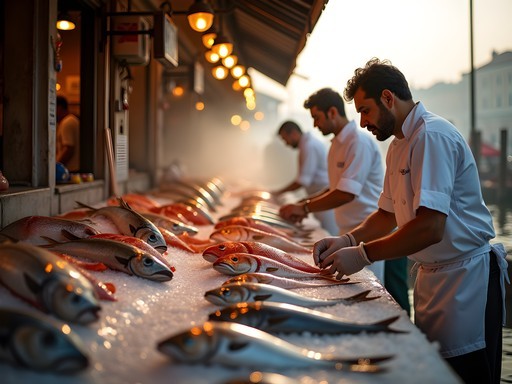
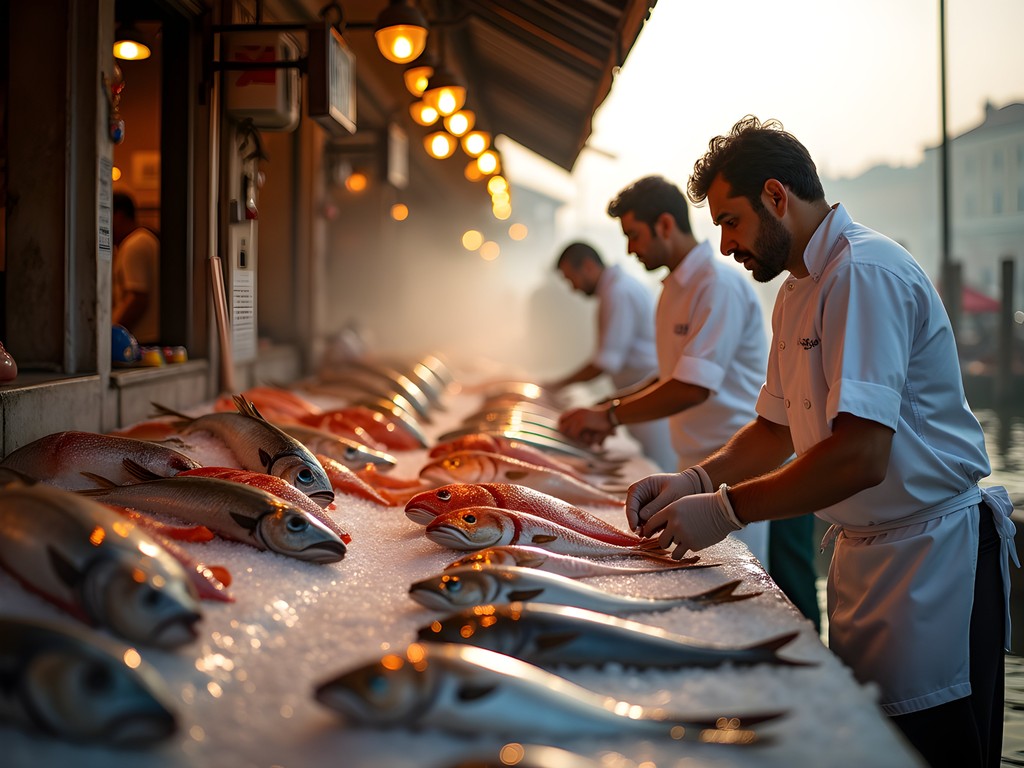
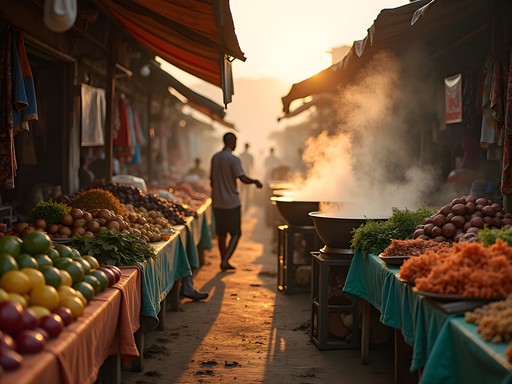
Any emergency physician will tell you that understanding the source of a problem is critical to treatment. The same applies to Venetian cuisine—to truly appreciate it, you need to witness its source material at the Rialto Market. Arriving by 8am is non-negotiable; this is when local chefs conduct their own rounds, selecting the day's bounty before tourists arrive.
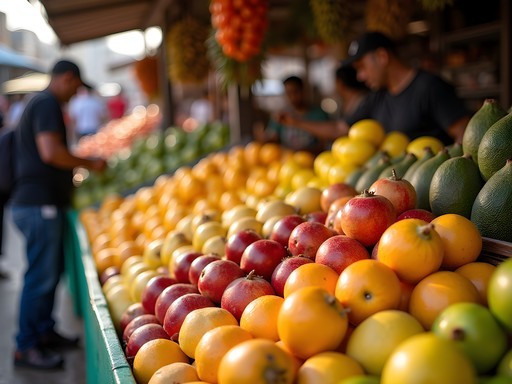
The market operates with the organized chaos of a trauma center during a multiple-casualty incident. Fishmongers display creatures I've only encountered in marine biology textbooks—from seppie (cuttlefish) that will become risotto nero to moeche (soft-shell crabs) available only during specific seasonal windows. The produce stands showcase radicchio from Treviso, artichokes from Sant'Erasmo (Venice's garden island), and other hyperlocal ingredients that define Venetian cooking.
I make it a point to bring my compact camera to document these ingredients in their natural habitat. The camera's discreet size doesn't mark me as an obvious tourist, while its exceptional low-light performance captures the market's vibrant colors even under the early morning shadows.
After observing the market, follow the chefs to Pronto Pesce, a small counter where fishmongers prepare quick seafood bites for market workers. Order whatever they're serving that morning—often fritto misto (mixed fried seafood) in paper cones—for a true insider experience. This direct market-to-mouth protocol provides essential context for every subsequent meal in Venice.
💡 Pro Tips
- Arrive at Rialto Market by 8am on Tuesday through Saturday (closed Sundays and Mondays)
- Look for the 'Nostrano' signs indicating locally-sourced products from the lagoon or nearby farms
- Ask vendors about cooking recommendations—most are happy to share preparation tips even through limited English
Prescription for Authenticity: Neighborhood Restaurants Beyond the Crowds
When patients ask for wellness advice, I prescribe evidence-based interventions. For authentic Venetian dining, my prescription is equally specific: venture into residential neighborhoods where the ratio of locals to tourists increases exponentially with each bridge crossed.
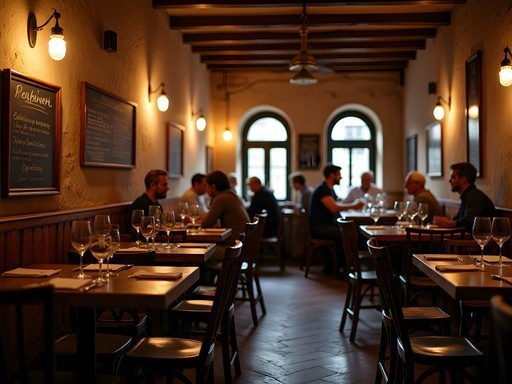
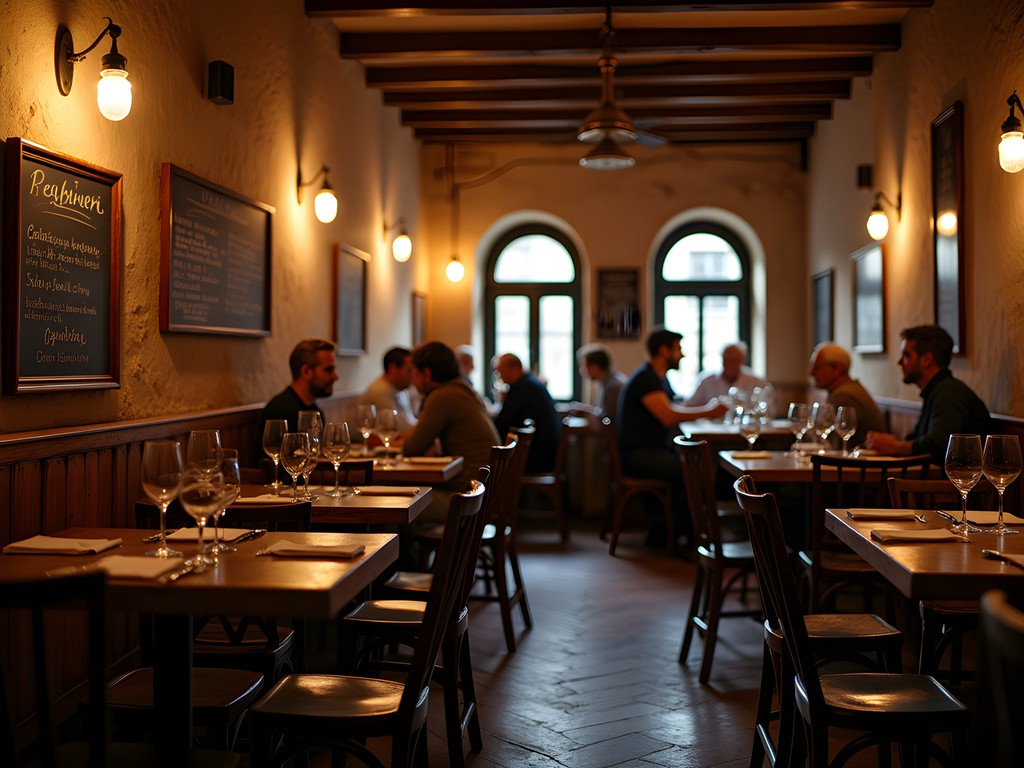
In Castello, Osteria Al Portego (Calle de la Malvasia) operates with the efficiency of a well-run emergency department. In a space barely larger than a trauma bay, they serve perfectly executed classics like bigoli in salsa (whole wheat spaghetti with onion-anchovy sauce) and fegato alla veneziana (Venetian-style liver with onions). The handwritten menu changes daily based on market availability—a hallmark of authenticity.
In Cannaregio, Anice Stellato requires advance planning (reservation essential) but rewards with sophisticated interpretations of lagoon cuisine. Their risotto di gò (with lagoon goby fish) demonstrates how humble local ingredients transform through technique into extraordinary dishes.
For a midday meal in Dorsoduro, Osteria Ai Quattro Feri serves home-style cooking from a kitchen smaller than most hospital supply closets. Their polpette (meatballs) have a therapeutic effect I've yet to replicate with any pharmaceutical intervention.
I document these culinary discoveries with the same attention to detail I give to medical charting, noting specific dishes, ingredient combinations, and execution techniques that I might later attempt to reproduce in cooking classes. This systematic approach has yet to fail me in identifying restaurants where Venetians actually eat.
💡 Pro Tips
- Look for handwritten menus that change daily—a sign the restaurant is responding to market availability
- Restaurants with fewer than 10 tables often indicate family operations with more authentic offerings
- Make reservations whenever possible, especially for dinner, as the best local spots are small and fill quickly

Culinary Skills Acquisition: Venetian Cooking Classes
As a physician, I believe in both treatment and prevention—knowing how to prepare authentic food yourself provides lasting benefits beyond your visit. Venice offers several cooking experiences, but many cater exclusively to tourists. Through careful research and local connections, I've identified programs that provide genuine skill transfer rather than simplified demonstrations.
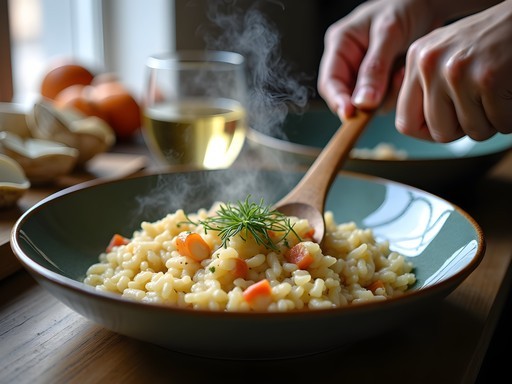
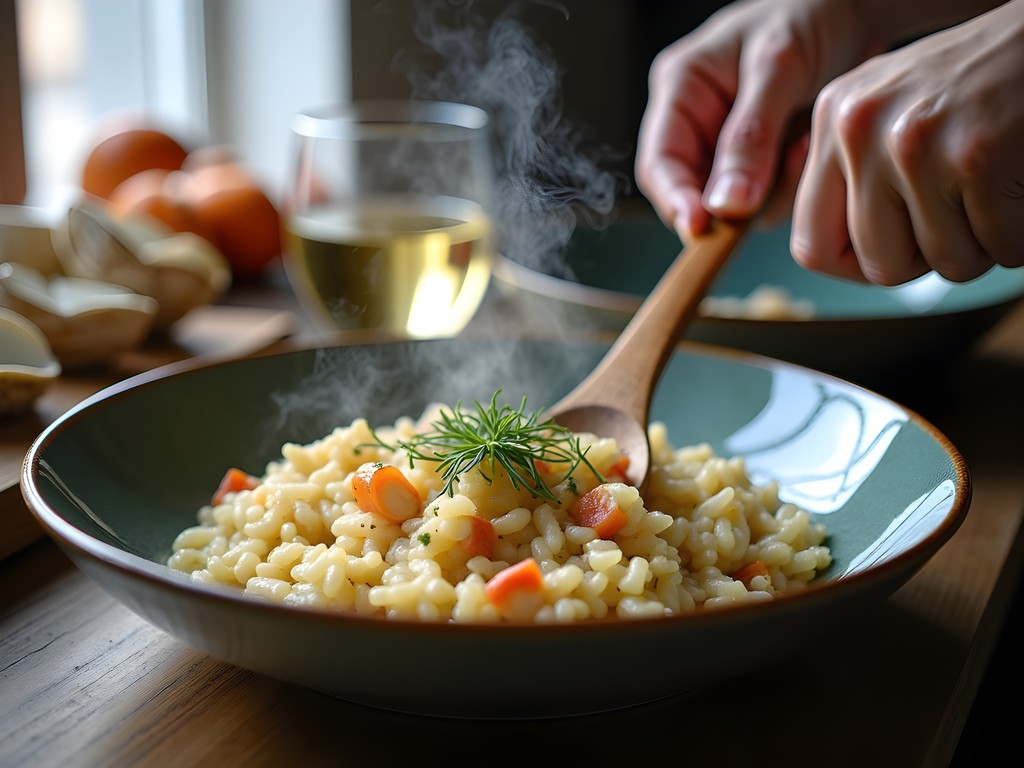
Enrica Rocca's Cooking School operates from a beautiful palazzo in Dorsoduro, beginning with market shopping and culminating in a hands-on class. Enrica's daughter taught me the precise technique for risotto al nero di seppia (squid ink risotto)—a procedure requiring the same attention to timing and consistency as medical procedures. The key diagnostic indicator of this class's authenticity: we prepared five different cicchetti before even starting the main dishes, reflecting true Venetian dining patterns.
Cook in Venice offers a more intimate experience with classes held in Mira on the mainland. The slight journey deters casual tourists, resulting in smaller groups and more intensive instruction. Their focus on lagoon ingredients and traditional preservation techniques (like preserving sardines in saor) provides valuable insight into how Venetian cuisine evolved in a challenging island environment.
For these classes, I bring my chef's knife wrapped carefully in my checked luggage. While schools provide equipment, having your personal knife—an extension of your hand in the same way a scalpel becomes part of a surgeon's technique—enhances precision and comfort during complex preparations.
The recipes and techniques acquired become souvenirs more valuable than any trinket, allowing you to recreate authentic Venetian flavors long after returning home—a form of culinary continuing education I highly recommend.
💡 Pro Tips
- Book cooking classes at least one month in advance, especially during fall when seasonal ingredients are at their peak
- Request classes featuring seasonal specialties like soft-shell crabs (moeche) in spring and fall or wild game in winter
- Take detailed notes on salt quantities and cooking times—Venetian cuisine relies on precise seasoning that's difficult to replicate without measurements
Seasonal Specialties: Fall's Culinary Calendar
Fall in Venice presents a specific set of culinary opportunities that I track with the same attention I give to seasonal disease patterns in emergency medicine. The city's food calendar is precisely tied to seasons and traditions, making autumn an optimal time for specific Venetian specialties.
September brings the start of moeche season—tiny soft-shell crabs from the lagoon that are available only during specific molting periods in spring and fall. These delicacies are typically prepared simply: dipped in egg, fried quickly, and eaten whole. Trattoria alla Madonna near the Rialto serves exemplary versions when in season.
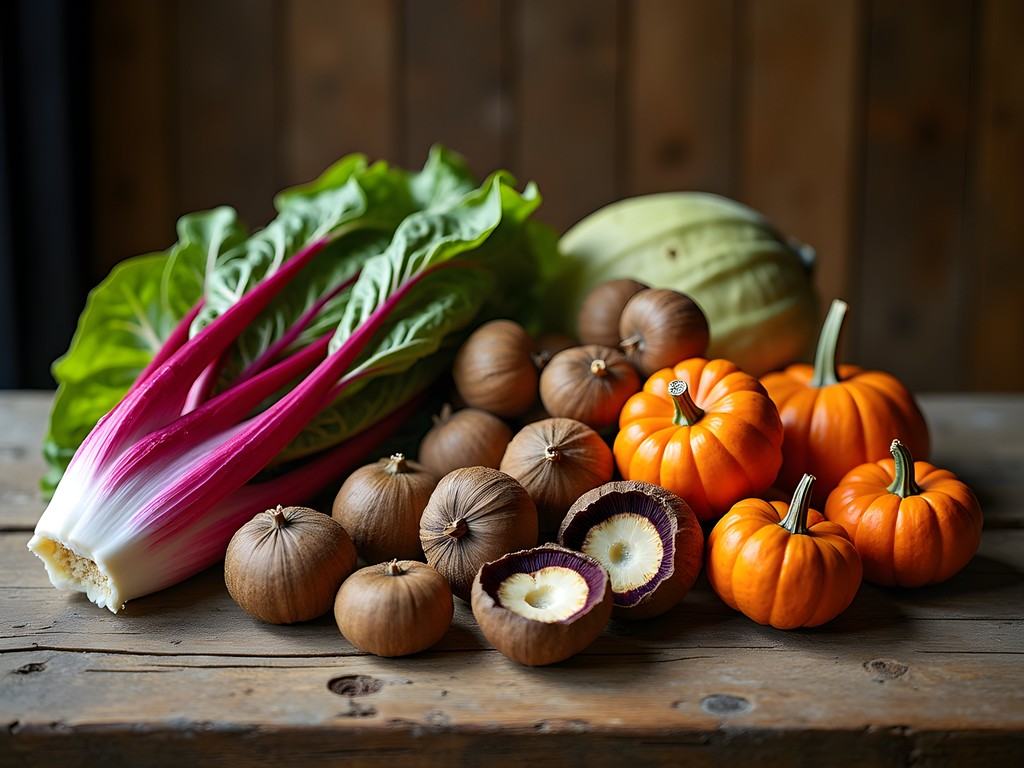
October sees the arrival of radicchio trevisano, the bitter red chicory that features prominently in fall and winter Venetian cooking. Antiche Carampane in San Polo prepares an exceptional risotto with radicchio that balances the vegetable's bitterness with the creaminess of the rice—a textbook example of Venetian flavor equilibrium.
November traditionally features dishes with game birds and freshwater fish from the northern lagoon. Osteria La Zucca (despite its vegetable-focused reputation) offers seasonal game preparations worth investigating.
Fall also marks the beginning of high water season (acqua alta), when periodic flooding affects low-lying areas of the city. I pack a pair of waterproof boots that pack relatively flat in luggage yet provide essential protection during unexpected acqua alta events. These lightweight, packable boots have saved numerous dining excursions that might otherwise have been compromised by water levels.
The seasonal specificity of Venetian cuisine means your fall visit will feature entirely different specialties than a summer or winter trip—one reason I've returned during different seasons to complete my culinary mapping of the city.
💡 Pro Tips
- Ask specifically for seasonal specials not listed on menus—many restaurants prepare limited quantities of seasonal dishes only for those who know to request them
- Rainy fall days are perfect for exploring bacari, as locals pack these cozy spaces during inclement weather
- If visiting during potential acqua alta periods, download the official high water warning app to plan dining excursions around predicted flooding times
Final Thoughts
Venice demands a methodical approach to culinary exploration—one that prioritizes evidence over assumption and local knowledge over convenience. The city's authentic flavors exist in precise locations: bacari where Venetians gather, family restaurants hidden in residential neighborhoods, and markets where ingredients tell the story of the lagoon's unique ecosystem. By following this diagnostic protocol—observing where locals eat, learning traditional techniques, and respecting seasonal rhythms—you'll experience Venice beyond the tourist facade. Like any good medical intervention, this approach requires preparation, careful observation, and willingness to venture beyond comfort zones. But the prognosis is excellent: meals that create lasting memories and genuine connection to one of the world's most remarkable cities. The prescription is clear—follow the path less traveled, eat with intention, and approach Venice's culinary landscape with the curiosity of a diagnostician. Your taste buds will thank you for the thorough assessment.
✨ Key Takeaways
- Focus on bacari and cicchetti for the most authentic daily Venetian eating experience
- Visit residential neighborhoods like Cannaregio and Castello for restaurants serving genuine local cuisine
- Invest time in a cooking class to understand the techniques behind Venetian specialties
- Embrace seasonal eating patterns, particularly fall's unique offerings like radicchio and moeche
📋 Practical Information
Best Time to Visit
September to November
Budget Estimate
$100-150 per day for food (mid-range)
Recommended Duration
5-7 days
Difficulty Level
Beginner

Comments
wanderwalker
Those cicchetti photos are making me so hungry! Can't wait to try them in person!
Nicole Russell
Sean, your methodical approach to finding authentic food is exactly what Venice needs! I spent a month there last year for a photography project and discovered that timing is everything. The Rialto Market before 9am is a completely different experience - watching chefs haggle over the best seafood taught me what to look for. I took one of those cooking classes you mentioned with a local nonna who showed me how to make proper spaghetti al nero di seppia. Game changer! I carried my pocket guide everywhere but the best recommendations always came from chatting with vendors at the market. Your post brought back so many delicious memories!
wanderwalker
Nicole, which cooking class did you take? I'm going in October and would love to learn from a local!
Nicole Russell
I did a class with Enrica Rocca Cooking School - it starts with shopping at the Rialto Market and then cooking in a beautiful palazzo. Not cheap but absolutely worth it for the authentic experience!
dreamphotographer
Going to Venice next month! Any specific bacari you'd recommend in the Cannaregio area? Heard it's less touristy there.
Sean Scott
Cannaregio is fantastic! Try Osteria alla Vedova for their famous polpette (meatballs) and Al Timon for aperitivo right on the canal. Both are authentic spots where locals actually go.
dreamphotographer
Thanks so much! Adding these to my list right now!
freeseeker
This bacari expedition idea is genius! We did something similar last summer - hopping from one tiny wine bar to another, collecting cicchetti like treasure. Found this amazing place called Al Bottegon where locals were spilling out onto the street with their spritz. The baccalà mantecato there was life-changing. Sean, your medical approach to finding authentic spots is spot on - it's all about observing the patterns and following the locals!
Sean Scott
Al Bottegon is a fantastic find! Their baccalà mantecato is indeed exceptional. Did you try their sarde in saor while you were there?
freeseeker
Yes! The sweet and sour sardines were amazing. We actually went back twice for those!
Robert Moreau
Sean, your methodical approach resonates deeply with me. Last spring in Venice, I had a similar revelation at a tiny bacaro near Campo Santa Margherita - the owner's grandmother was in back making sarde in saor using a recipe from the 1940s. The contrast between that experience and the €25 tourist menu pizzas near San Marco was staggering. Your point about treating culinary exploration like clinical rounds is spot-on. I'd add that befriending your hotel concierge (if they're local) can unlock recommendations that never make it to blogs. Mine sent me to a seafood place in Castello that didn't even have a menu - just whatever came in that morning. Pure magic.
Sean Scott
Robert - Campo Santa Margherita is exactly the kind of neighborhood I'm talking about! That grandmother's sarde in saor sounds incredible. The no-menu approach is the ultimate sign you've found the real deal. Those places operate on trust and seasonality, not tourist convenience.
waveguide
This sounds amazing! Quick question - how do you actually find these bacari places? Are they marked or do you just wander around until you stumble on them?
Sean Scott
Great question! Most bacari don't have big signs - look for small doorways with locals gathered outside around 6-7pm. The Cannaregio and Dorsoduro neighborhoods are your best bet. I literally followed groups of Venetians after work and discovered some gems that way.
waveguide
ok cool, gonna try that. thanks!
Casey Andersson
Sean, I absolutely love your methodical approach to finding authentic food - the ER doctor methodology really shows! When I was in Venice for a wedding last spring, I stumbled upon this concept accidentally. We stayed in Castello (away from the crowds) and every evening we'd watch where the gondoliers went after their shifts. They led us to the most incredible family-run osterias where nobody spoke English and the menus were handwritten in Italian only. One place served us the most divine bigoli in salsa I've ever tasted. The grandmother was making pasta in the back and her grandson served. Those are the moments that make Venice magical - when you peel back the tourist veneer and find the real soul of the city. Your bacari recommendations are gold!
dreampro
Great photos! The cicchetti look incredible.
vacationmate
Love this! Saving for our October trip.
escapefan
Did you take any of the cooking classes you mentioned? Which one would you recommend for someone with zero Italian cooking experience?
Casey Andersson
Not Sean, but I did a cooking class in Venice last year at a place near Campo Santa Margherita. They were super patient with beginners and we made fresh pasta from scratch, risotto, and tiramisu. The chef spoke perfect English and explained everything really well. The best part was shopping at the market first thing in the morning with her - she taught us how to pick fresh ingredients like the locals do. Worth every euro, and you get to eat everything you make with wine!
Venture X
Premium card with 2X miles, $300 travel credit, Priority Pass