

Disclosure: This article contains affiliate links. We may earn a commission from purchases at no extra cost to you, which helps our travel content.
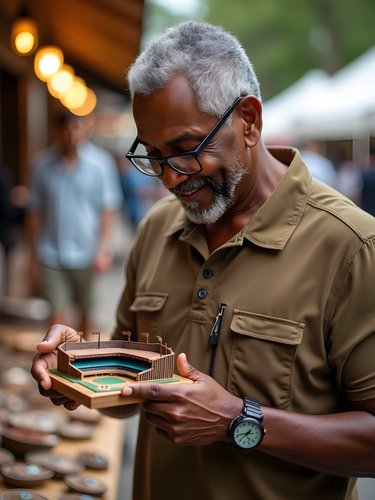
They say life begins at retirement, but I'd argue it begins when you discover Turin's chocolate scene. After decades of helping clients plan their golden years, I found myself in Northern Italy's industrial powerhouse city with my camera in one hand and a steaming cup of bicerin in the other. Turin may not have Rome's ancient ruins or Florence's Renaissance masterpieces, but what it possesses—a centuries-old chocolate tradition that rivals any culinary heritage in Europe—makes this understated city a grand slam for food enthusiasts. As someone who's photographed baseball diamonds across continents, trust me when I say: Turin's chocolate legacy is in a league of its own.

The History Behind Turin's Sweet Reputation
When I first started researching Turin's chocolate scene, my financial advisor brain kicked in—I wanted to understand the investment that led to such tremendous returns. The city's chocolate legacy dates back to the 16th century when Emanuele Filiberto, Duke of Savoy, celebrated Turin becoming the capital by serving the city's first cup of hot chocolate. By the 1700s, Turin had developed such a reputation that even Swiss chocolatiers came to study their techniques.
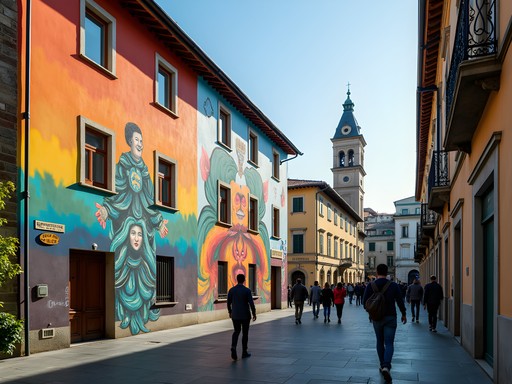
Walking through Turin's elegant porticoed streets today, it's remarkable how this industrial city maintained its chocolate identity through centuries of economic and political changes. Like a well-diversified portfolio, Turin didn't put all its eggs in one basket—it innovated. The city invented gianduja (the hazelnut-chocolate spread that inspired Nutella), bicerin (a layered coffee-chocolate-cream drink), and solid chocolate as we know it today.
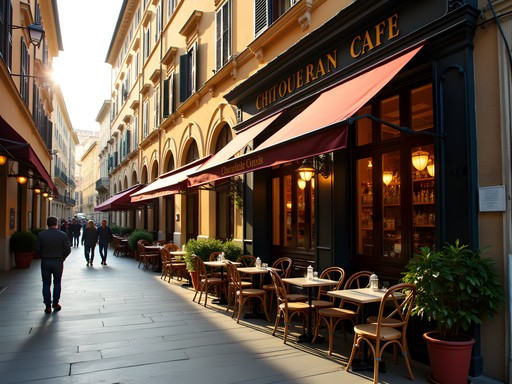
My first morning in Turin, I captured the sunrise light filtering through Piazza San Carlo, where historic cafés like Caffè Torino have served chocolate confections since 1903. These establishments aren't just tourist attractions—they're living museums where traditions continue uninterrupted.

💡 Pro Tips
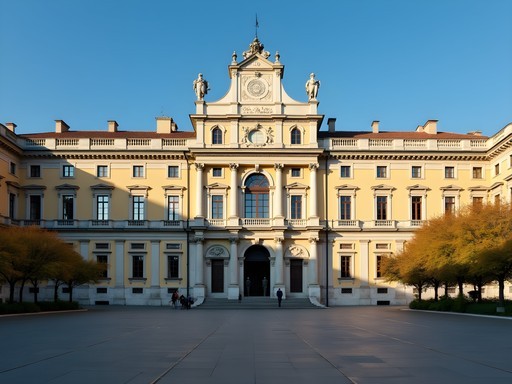
- Visit Palazzo Reale to see the royal chocolate-making equipment used by the House of Savoy
- Look for the 'Torino + Piemonte Card' which offers discounts to museums and includes chocolate-themed tours
- Learn a few Italian chocolate terms before visiting: cioccolato (chocolate), fondente (dark), al latte (milk), gianduiotto (hazelnut chocolate)
A Chocolate Crawl Through Turin's Historic Center
If baseball has its diamond, Turin has its chocolate triangle—a walkable route connecting the city's most significant chocolate establishments. I spent a crisp autumn Saturday following this self-guided tour, my travel notebook filling with observations and my camera capturing the artistry of Turin's chocolatiers.
My first stop was Guido Gobino, a modern master whose laboratory creates single-origin chocolate bars that would make any financial analyst appreciate the value of quality investments. Their giandujotti—small, inverted-boat-shaped chocolates—melt in your mouth with a perfect balance of chocolate and Piedmont hazelnuts.
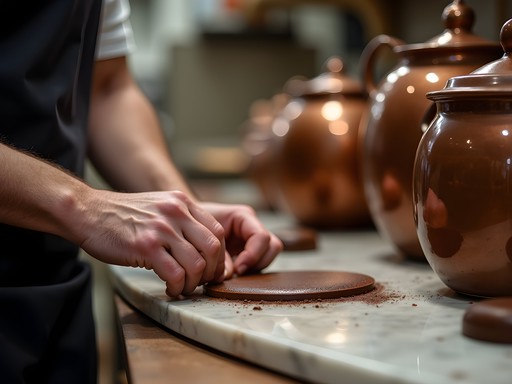
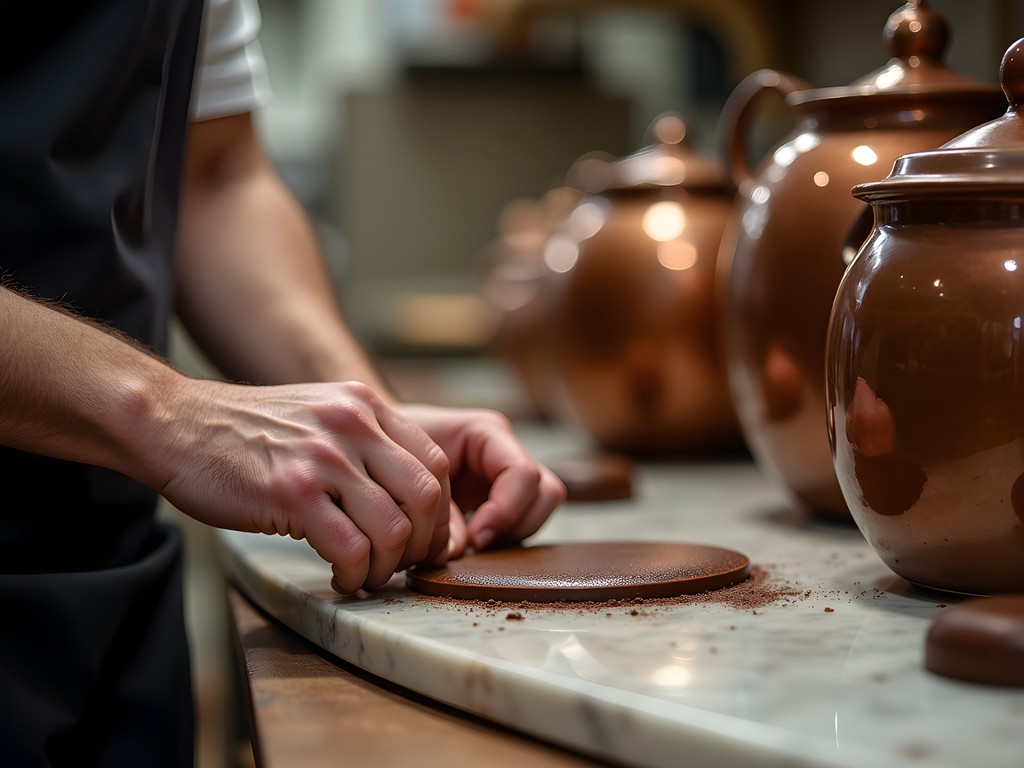
Next came Peyrano, operating since 1915, where I watched artisans hand-dip candied orange peels in dark chocolate. The precision reminded me of the careful calculations I once performed for retirement portfolios—except these calculations resulted in perfect chocolate-to-fruit ratios.
The historic A.Giordano shop near Piazza Carlo Felice provided my afternoon sugar boost with their alpinlini—chocolate-covered rum balls that pack a surprising punch. The shopkeeper noticed my camera and insisted I try their chocolate-covered coffee beans, perfect fuel for an afternoon of street photography.
For those planning their own chocolate crawl, I recommend bringing a insulated water bottle filled with cold water to cleanse your palate between tastings. The rich flavors can become overwhelming, and Turin's public fountains aren't always convenient to chocolate shops.
💡 Pro Tips
- Most chocolate shops close for a long lunch (1-3:30pm), so plan your visits for morning or late afternoon
- Ask for vacuum-sealed packaging if buying chocolate gifts—Turin's artisanal chocolates contain fewer preservatives than commercial brands
- Many shops offer factory tours if booked in advance—worth it to see the production process
Bicerin: Turin's Legendary Chocolate Coffee
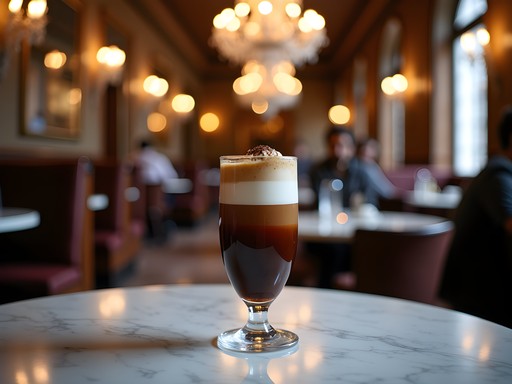
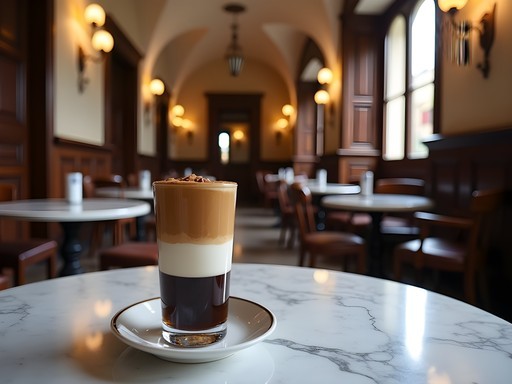
Every baseball town has its signature concession item—for Turin, it's bicerin (pronounced bee-che-REEN). This centuries-old layered drink combines espresso, drinking chocolate, and fresh cream in perfect stratified harmony. The original version can only be found at Caffè Al Bicerin, a tiny establishment that's been serving this specialty since 1763.
When I walked into Al Bicerin on a chilly fall morning, I felt like I'd stepped back in time. The café consists of just a handful of marble-topped tables beneath crystal chandeliers. No reservations accepted, so arrive early or prepare to wait. The travel umbrella I always pack came in handy while queuing outside during a brief drizzle.
The bicerin arrives unadorned—no spoon, no stirrer—because tradition dictates you should enjoy the distinct layers as they naturally combine with each sip. At around €6.50, it's not cheap, but as I advised my financial clients for decades: some experiences deliver value beyond their price tag.
For photography enthusiasts like myself, the lighting inside Al Bicerin presents challenges. I brought my light meter to help capture the perfect exposure of the layered drink without disturbing other patrons with flash photography. The warm ambient lighting creates a moody atmosphere that perfectly complements the rich brown and cream layers of the bicerin.

💡 Pro Tips
- Visit Al Bicerin on weekday mornings to avoid weekend crowds
- Don't stir your bicerin—the layered experience is intentional
- Pair your drink with their house specialty cookies for the full experience

CioccolaTò: Timing Your Visit for Turin's Chocolate Festival
If you're flexible with your travel dates, consider planning your Turin chocolate pilgrimage during CioccolaTò, the city's annual chocolate festival held each November. Like timing the market, scheduling your visit during this festival maximizes your chocolate ROI.
I arrived in Turin just as the festival was setting up in Piazza San Carlo. For ten days, the elegant square transforms into a chocolate lover's paradise, with over 120 artisanal chocolatiers from across Italy and Europe displaying their creations. The air fills with the intoxicating aroma of roasting cacao beans and melting chocolate—a sensory experience my camera couldn't capture but my memory will never forget.
The festival offers more than just tastings. I attended workshops where master chocolatiers demonstrated techniques passed down through generations. One session on chocolate and wine pairing convinced me to purchase a wine carrier so I could safely transport the recommended Barolo back home to pair with the dark chocolate bars I'd accumulated.
My favorite festival discovery was a small producer creating chocolate bars infused with Piedmontese herbs and spices. Their rosemary-infused dark chocolate complemented my evening glass of local Barbaresco perfectly—proving that even at 64, there are new flavor combinations waiting to be discovered.
During festival days, I recommend wearing comfortable shoes with good support. I logged over 15,000 steps daily between chocolate stands, and my walking shoes kept my feet happy despite the cobblestones and crowds.

💡 Pro Tips
- Book accommodations months in advance if visiting during CioccolaTò
- Purchase the festival pass for discounts on tastings and workshops
- Bring cash as smaller vendors may not accept credit cards
Beyond the City: Piedmont's Chocolate Countryside
While Turin rightfully claims the chocolate capital title, the surrounding Piedmont countryside offers chocolate experiences worth venturing beyond city limits. As with any good investment strategy, diversification enhances the experience.
I rented a car for a day trip to the Langhe region, famous for both wine and hazelnuts—the essential ingredient in gianduja. The rolling hills reminded me of my travels through America's heartland, except vineyards replaced cornfields and castle ruins crowned hilltops.
In the town of Alba (about 90 minutes from Turin), I visited the Ferrero factory outlet. While Ferrero is now a global giant, its roots remain in this small Piedmontese town where Pietro Ferrero created the first version of Nutella after World War II when chocolate was scarce but hazelnuts were plentiful—a brilliant adaptation to market conditions that any financial advisor would appreciate.
The drive through hazelnut groves and vineyards provided spectacular photo opportunities, especially with fall foliage in full display. I packed my lens cleaning kit which proved essential after dusty country roads left my camera equipment needing attention.
For lunch, I stopped at a family-run agriturismo where they served homemade pasta with a chocolate-infused wild boar ragù—a savory application of chocolate that demonstrated the ingredient's versatility beyond desserts. The dish paired beautifully with a glass of local Dolcetto, creating a flavor combination I'm still trying to recreate at home in Austin.

💡 Pro Tips
- Rent a car with GPS navigation as rural Piedmont roads can be confusing
- Visit during hazelnut harvest (September) to see the full production cycle
- Many countryside chocolate producers don't accept drop-ins—email ahead to arrange visits
Final Thoughts
As I packed my suitcase with carefully wrapped chocolate treasures—each representing a different facet of Turin's sweet legacy—I couldn't help but draw parallels between chocolate appreciation and financial planning. Both require patience, discernment, and an understanding that true quality often lies in balanced composition rather than flashy packaging. Turin taught me that chocolate, like retirement, is best approached with knowledge, appreciation for tradition, and openness to new experiences.
Whether you're a dedicated foodie, a casual sweet tooth, or simply someone who appreciates craftsmanship, Turin offers a chocolate education unlike anywhere else in the world. In my travels across continents—from Dominican Republic cacao plantations to Japanese chocolate boutiques—I've found few places where a single food has so thoroughly shaped a city's identity while remaining accessible to visitors of all backgrounds.
So next time you're planning an Italian getaway, consider looking beyond the usual suspects. Turin may not have Venice's canals or Sicily's beaches, but what it offers—a deep dive into chocolate's rich history in an elegant, approachable city—might just be the most satisfying Italian experience you've never considered. As we say in baseball, sometimes the most memorable games happen in the most unassuming ballparks.
✨ Key Takeaways
- Turin's chocolate tradition dates back to the 16th century and continues to thrive in historic cafés and modern chocolatiers
- Bicerin—the layered coffee-chocolate-cream drink—is Turin's signature beverage and best enjoyed at its birthplace, Caffè Al Bicerin
- Visiting during November's CioccolaTò festival maximizes your chocolate experiences with workshops, tastings, and special events
📋 Practical Information
Best Time to Visit
Fall (October-November) for pleasant weather and chocolate festivals
Budget Estimate
$100-150 per day excluding accommodations
Recommended Duration
2-3 days
Difficulty Level
Easy

Comments
luckynomad
Turin is seriously underrated! I've been three times now and each visit I discover new chocolate spots. The gianduja is what got me hooked - that hazelnut chocolate combo is addictive. Pro tip: go to the smaller neighborhood chocolate shops outside the main tourist center. Prices are better and you'll meet actual Turin locals. Also the Egyptian Museum is worth a visit if you need a break from sugar overload lol
Claire Hawkins
Yes! The Egyptian Museum was a lifesaver with our kids. Great suggestion.
luckydiver
We went to Milan last year and totally skipped Turin, kicking myself now! The bicerin drink looks incredible. Did you find the chocolate shops touristy or do locals actually go there too?
winterdiver
is the chocolate festival every year? what month?
Frank Watson
CioccolaTò usually happens in late November/early December. Check their website closer to fall for exact dates as they can vary slightly year to year.
Claire Hawkins
Frank, this brought back such wonderful memories! We took our kids to Turin two years ago and they still talk about the bicerin. My daughter (she was 7 at the time) called it 'fancy hot chocolate for grownups' and felt so sophisticated drinking it. We stayed near Piazza San Carlo and could walk to most of the historic chocolate shops. The hardest part was convincing the kids we couldn't visit EVERY chocolate shop in one day! One tip for families - many of the cafes have outdoor seating which was perfect for our energetic bunch. The chocolate festival sounds incredible, definitely adding that to our list for a return visit.
luckydiver
good to know it's kid friendly! was wondering about that
dreamvibes
ok this sounds amazing!! how many days would you recommend for Turin?
Frank Watson
I'd say 3 days minimum to really enjoy the chocolate shops and cafes without rushing. Plus you'll want time to walk off all those sweets!
dreamvibes
perfect thanks!!
Taylor Moreau
Excellent write-up, Frank. Having visited Turin three times for business, I've developed quite the chocolate ritual there. For those planning a visit, I recommend starting with the classics you mentioned but also exploring some of the innovative artisans pushing boundaries. A'Gianchetti on Via Palazzo di Città creates remarkable flavor combinations - their rosemary and sea salt gianduiotto changed my perspective on chocolate pairing. Also worth noting that many chocolate shops offer factory tours if booked in advance. Guido Gobino's production facility tour is particularly fascinating for understanding how traditional techniques meet modern methods. Turin truly stands alongside Brussels and Zurich as Europe's chocolate capitals, though with a distinctly Italian approach to the craft.
Frank Watson
Thanks Taylor! A'Gianchetti is a brilliant recommendation - I couldn't fit everything into the post but they're doing remarkable work. The Guido Gobino tour is indeed exceptional for chocolate enthusiasts.
roamhero
OMG I'm going to Turin next month and this post has me HYPED!! 😍 I've been to Switzerland for chocolate but never considered Italy as a chocolate destination. Definitely adding Bicerin to my must-try list and packing my expandable suitcase for all the chocolate I'll be bringing home! Any specific shops that are absolute must-visits that might be lesser known?
Taylor Moreau
Don't miss Stratta near Piazza San Carlo - it's been around since 1836 and their gianduiotti are exceptional. Also, Pfatisch is less touristy but beloved by locals for their cremini chocolates.
roamhero
Thank you so much! Adding these to my list right now! 📝
smartmaster4411
Those chocolate pics are making me hungry! 🍫
wildlegend
Frank, any tips on the best time to visit CioccolaTò? I'm planning a trip next November and wondering if it's worth timing it around the festival or if the chocolate scene is just as good year-round?
Frank Watson
The festival is typically in November and absolutely worth planning around if you can! But Turin's chocolate culture is vibrant year-round. If you miss the festival, the historic shops like Guido Gobino and Peyrano offer amazing experiences any time. Just avoid August when many local shops close for holiday.
wildlegend
Perfect, thanks Frank! Will aim for mid-November then.
moonfan
Just got back from Turin last week! The Bicerin at Caffè Al Bicerin was absolutely life-changing. Worth every euro and the wait in line!
Taylor Moreau
Couldn't agree more! Did you try their chocolate-dipped orange peels as well? I still dream about those.
moonfan
Missed those! Definitely on my list for next time though.
Venture X
Premium card with 2X miles, $300 travel credit, Priority Pass