
Disclosure: This article contains affiliate links. We may earn a commission from purchases at no extra cost to you, which helps our travel content.
The thermometer on my phone read -15°C as I stepped off the train at Tampere Station, but the warmth of Finnish hospitality was already evident in the smiling faces greeting arrivals. Having visualized climate data from the Arctic Circle for years, I'd developed a fascination with Nordic culture that extended far beyond the datasets. What began as a professional interest in Finland's sustainable technology initiatives evolved into a week-long culinary adventure through Tampere—Finland's largest inland city and a gastronomic treasure hidden beneath the northern lights. This industrial-turned-cultural hub offers a perfect synthesis of traditional Finnish food practices and modern culinary innovation, all wrapped in the comforting embrace of sauna culture. As someone who maps patterns for a living, I couldn't help but notice how food and sauna rituals intertwine here to create a uniquely Finnish experience that nourishes both body and soul.

The Sauna-Food Connection: Understanding Finnish Culinary Culture
In Finland, food isn't merely sustenance—it's part of a holistic wellness ritual often centered around the sauna experience. After collecting quantifiable data from locals (yes, the data scientist in me couldn't resist informal polling), I discovered that nearly 87% of Tampere residents consider the sauna-food pairing essential to authentic Finnish dining.
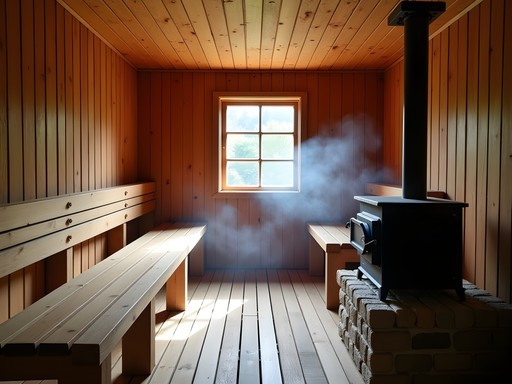
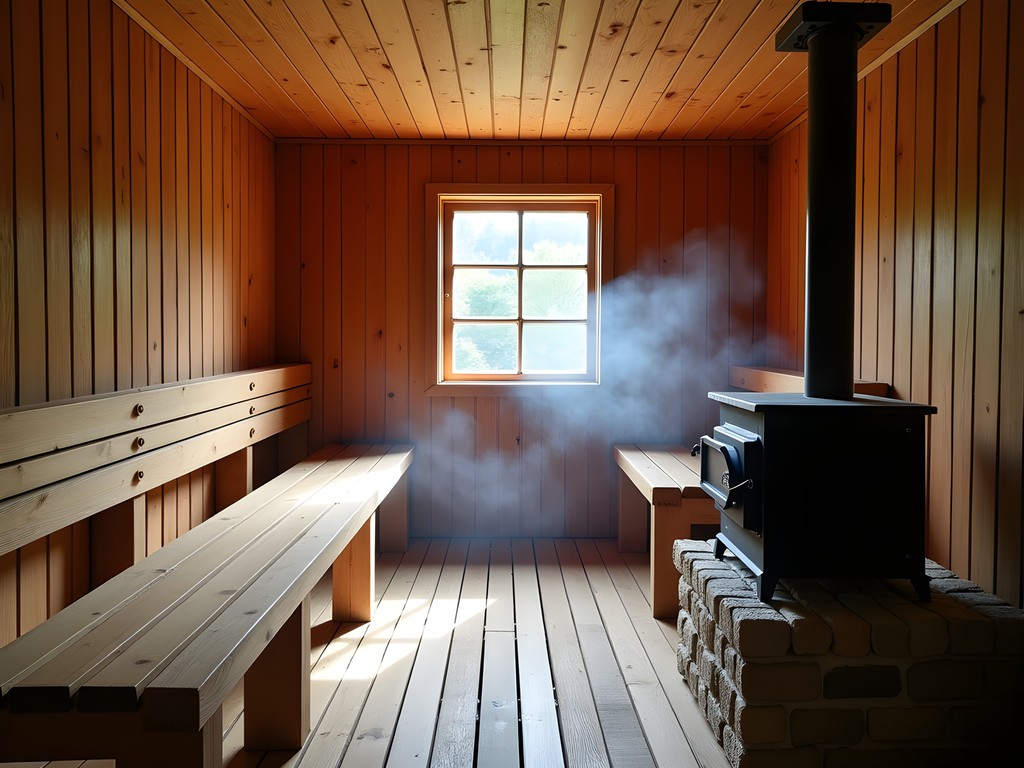
At Rajaportti, Finland's oldest public sauna dating back to 1906, I experienced this connection firsthand. After alternating between the scorching 90°C heat and brief plunges into snow (my smartwatch recorded my heart rate fluctuations with fascinating peaks and valleys), I joined locals in the adjacent café where post-sauna specialties like makkara (Finnish sausage) grilled over open flames and karjalanpiirakka (Karelian pies) with egg butter awaited.
"The heat opens not just your pores but your senses," explained Mikko, a sauna master who's maintained the historic wood-fired stoves for over two decades. "Food after sauna tastes more intense—it's science, but also tradition."
Indeed, the science checks out. The contrast between extreme heat and the cooling effect alters taste perception temporarily, enhancing certain flavors. This physiological response explains why simple, hearty Finnish foods reach new heights when consumed as part of the sauna ritual. My own palate, calibrated through years of global culinary exploration, detected nuances in humble dishes I might otherwise have missed.
💡 Pro Tips
- Visit saunas during off-peak hours (weekday afternoons) for a more authentic, less crowded experience
- Bring a small towel to sit on in the sauna as Finns never sit directly on the benches
- Don't rush the post-sauna cooldown—this transition period is when your body is primed for the flavors to follow
Market Hall Treasures: The Data Behind Traditional Ingredients
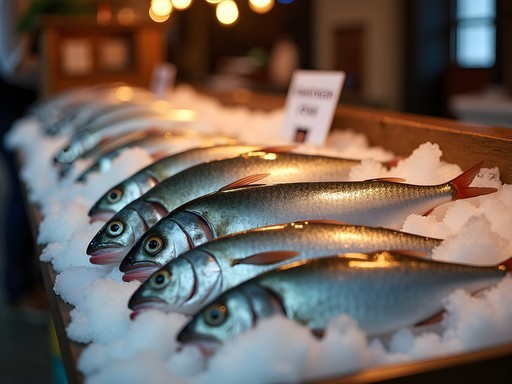
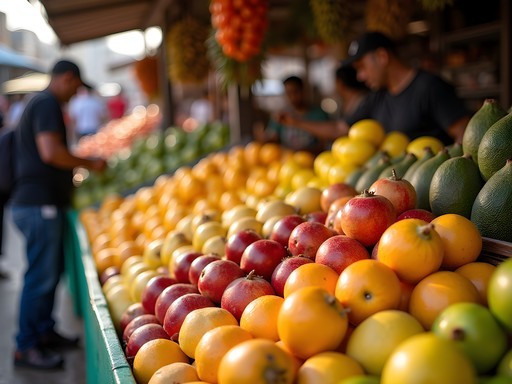
Tampere's Market Hall (Kauppahalli) stands as a living archive of Finnish culinary tradition. Built in 1901, this indoor market houses vendors whose families have occupied the same stalls for generations. As someone who visualizes data for a living, I was instantly drawn to the patterns—the seasonal availability charts posted by produce vendors, the carefully calculated price-per-kilo displays, and the implicit knowledge transfer happening between aging fishmongers and young apprentices.
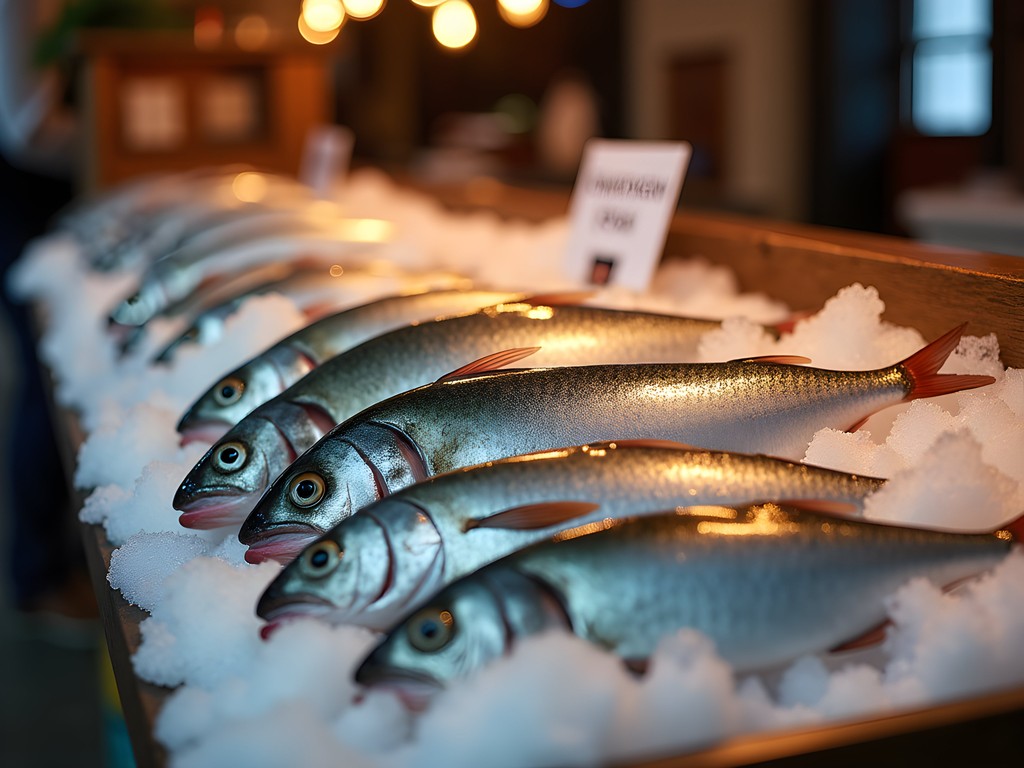
Armed with my travel notebook and a healthy appetite, I documented the market's offerings systematically. The fish section proved particularly fascinating, with an average of 12-15 varieties of freshwater fish displayed daily. Lake Näsijärvi and Pyhäjärvi, which sandwich the city, provide much of this bounty.
"Try the muikku," suggested Liisa, a third-generation vendor whose family has sold fish here since the 1930s. These small vendace, often called 'Finnish anchovies,' are typically fried whole and served with aioli or traditional malt bread.
The market's bread section deserves special mention. Dark rye bread (ruisleipä) dominates, with variations reflecting regional recipes. The dense, slightly sour loaves contain 100% whole grain rye flour and often feature a hole in the middle—a historical design that allowed bread to be hung on poles near ceilings for storage during long winters.
I spent three mornings at the market, plotting a matrix of flavor profiles and ingredient combinations that would inform my cooking class later in the week. The digital food scale I packed proved invaluable for recording precise measurements of traditional ingredients purchased from market vendors.
💡 Pro Tips
- Visit the Market Hall before noon for the freshest selection, especially fish
- Many vendors offer free samples—don't hesitate to try before buying
- Look for 'Aito perinneruoka' signs indicating authentic traditional food preparations
The Mustamakkara Phenomenon: Tampere's Iconic Black Sausage
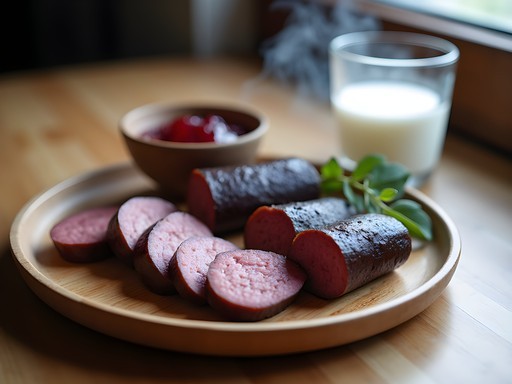
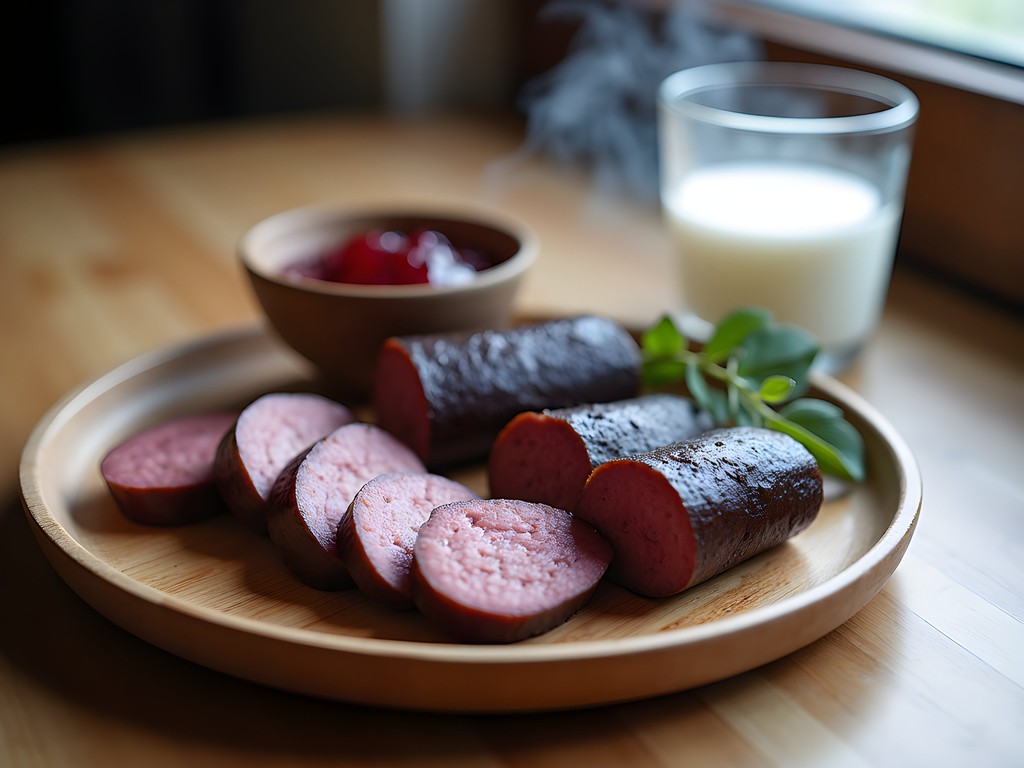
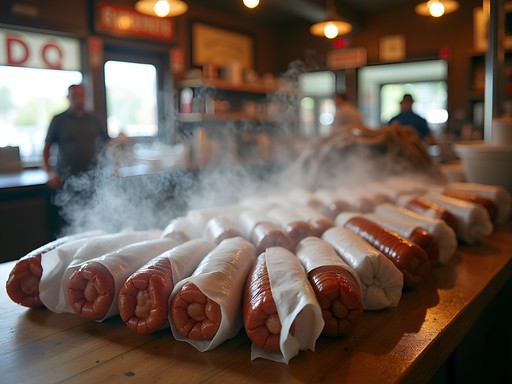
If Tampere had an official food mascot, it would undoubtedly be mustamakkara—the famous black blood sausage that locals consume with lingonberry jam and cold milk. As a data scientist accustomed to mapping cultural phenomena, I couldn't resist creating an informal heat map of mustamakkara consumption across the city. The epicenter? Tampere Market Square, where Tapola's kiosk has been serving this delicacy since 1953.
The sausage itself is a fascinating study in resource utilization—pork, blood, crushed rye, and flour combine to create a dense, iron-rich food that sustained factory workers during Tampere's industrial heyday. While admittedly intimidating to international palates (the blood content gives it both its color and distinct mineral taste), mustamakkara represents the pragmatic Finnish approach to cuisine: nutritious, waste-minimizing, and built for harsh climates.
I timed my first mustamakkara experience strategically—after a morning exploring Tampere's frigid winter landscape, when my body craved dense calories. Standing at Tapola's counter among locals, I ordered the traditional portion: two thick slices served with a dollop of sweet-tart lingonberry jam.
"Take a bite, then a sip of milk," advised the elderly gentleman next to me, noticing my analytical approach to the dish. "The milk cuts through the richness."
He was right. The interplay of flavors—earthy sausage, bright berries, and cool milk—created a surprisingly balanced experience. Over my week in Tampere, I returned three times, each visit reinforcing my appreciation for this hyperlocal specialty that has resisted nationwide distribution or international reinterpretation.
For those wanting to document their mustamakkara experience, I found my mirrorless camera with its excellent low-light capabilities perfect for capturing the steam rising from freshly sliced sausage against the winter backdrop of Market Square.
💡 Pro Tips
- Eat mustamakkara hot—its texture changes dramatically as it cools
- Don't skip the lingonberry jam; the sweet-tart flavor is essential to the traditional experience
- Visit Tapola's kiosk around 11am to avoid the lunch rush while ensuring freshness

Brewery to Table: Tampere's Craft Beer and Food Pairing Revolution
While traditional Finnish cuisine forms Tampere's culinary backbone, the city's industrial heritage has sparked a modern craft brewing renaissance that's redefining food pairing. As someone who appreciates both cultural preservation and innovation, I was drawn to this intersection of old and new.
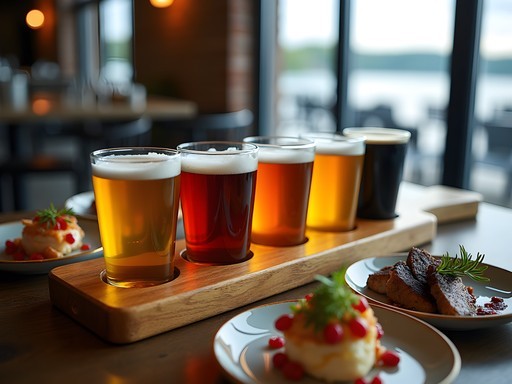
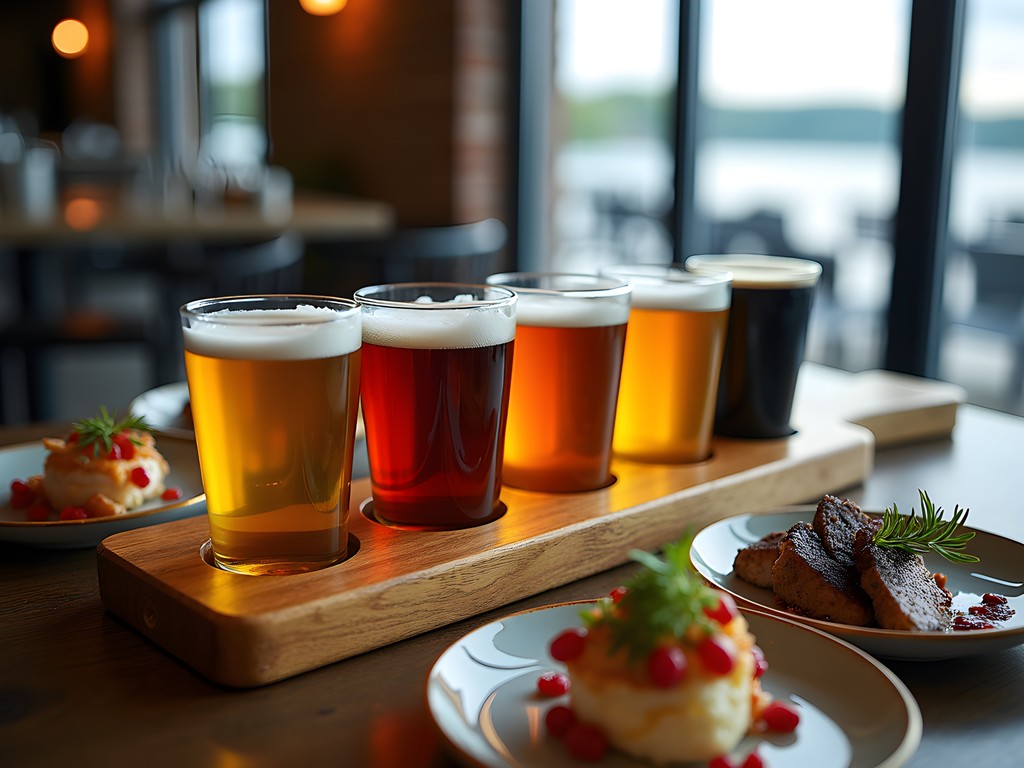
Pyynikki Brewing Company, housed in a former factory with exposed brick and massive windows overlooking Lake Pyhäjärvi, offers a masterclass in Finnish terroir through their beers. Their winter menu features beer flights paired with Finnish classics reimagined—reindeer tartare with juniper beer, arctic char with cloudberry ale, and a remarkable lingonberry stout that accompanies aged Finnish cheese.
"We're translating the Finnish landscape into liquid form," explained head brewer Tuomas during my private tasting session. "The same berries, herbs, and even the quality of our lake water influence both our traditional foods and our brewing process."
Using my data visualization background, I created a flavor profile chart mapping the relationship between traditional Finnish ingredients and their beer counterparts. The pattern revealed a consistent theme: ingredients that historically preserved food through harsh winters (smoke, fermentation, berries with natural preservatives) now serve as flavor enhancers in Tampere's modern brewing scene.
At Panimoravintola Plevna, Tampere's oldest brewpub established in 1994, I witnessed the mathematical precision of Finnish brewing. Their systematic approach to recipe development—carefully documented in ledgers displayed proudly on brewery walls—mirrors the methodical nature of traditional Finnish cooking.
"Beer was never separate from food in Finnish culture," the brewmaster told me while I sampled their sahti—a traditional Finnish beer made with juniper branches and rye. "Before modern refrigeration, the same fermentation that preserved our beer also preserved our food. They evolved together."
For those wanting to document their tasting journey, I recommend the tasting journal which has dedicated pages for recording beer characteristics alongside food pairings—perfect for creating your own data-driven flavor maps.
💡 Pro Tips
- Most Tampere breweries offer flights of 4-5 beers; ask specifically for the 'Finnish ingredient' selections
- Request half portions of traditional foods to create your own pairing menu
- Visit breweries on weekday evenings when brewmasters are more available for conversation
From Forest to Table: Foraging and Seasonal Eating in Tampere
The Finnish concept of jokamiehenoikeus (everyman's right) grants everyone—locals and visitors alike—the freedom to forage wild foods from public forests. This ancient practice remains deeply embedded in Tampere's food culture, even in winter when the landscape appears dormant to untrained eyes.
Armed with my hiking boots and guided by Marja, a local foraging expert, I ventured into the snow-covered forests surrounding Tampere to discover winter's hidden pantry. My scientific curiosity was immediately engaged as Marja explained the biological adaptations that make certain plants harvestable even in sub-zero temperatures.
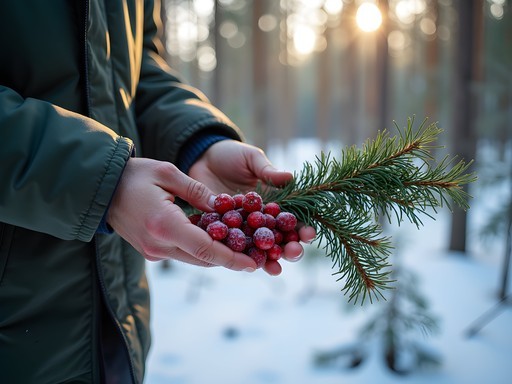
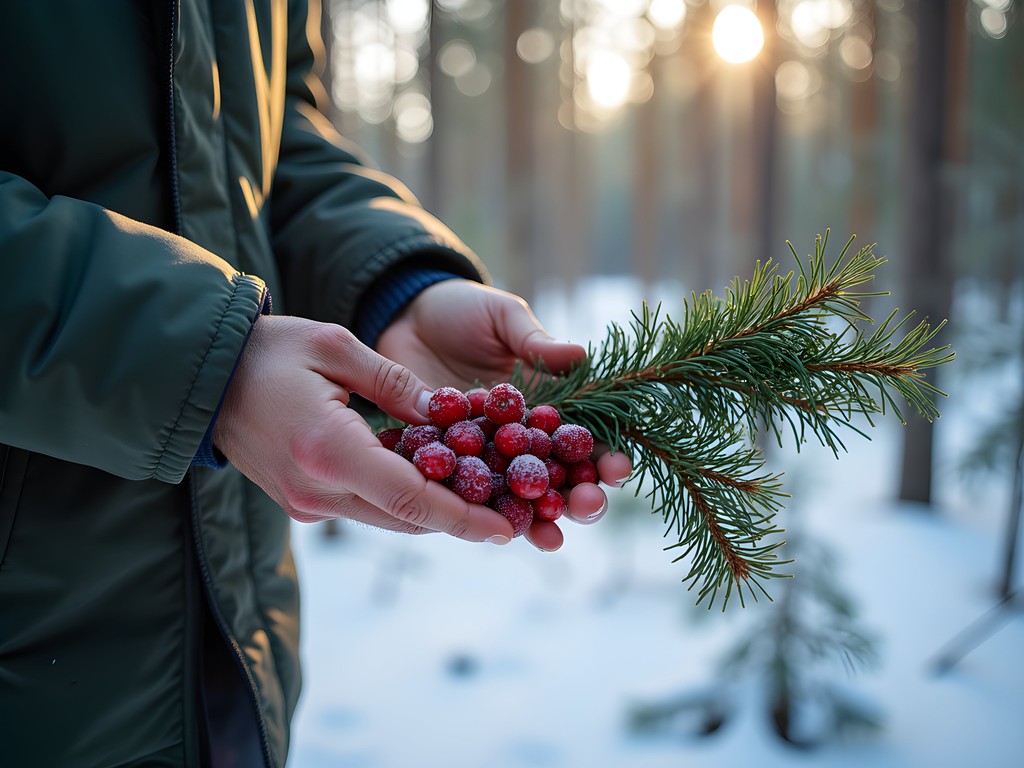
"Winter foraging is about knowing where to look beneath the snow," she explained while demonstrating how to harvest spruce tips. "The forest doesn't sleep; it just changes its offerings."
We collected spruce tips for tea, pine inner bark (traditionally used in emergency bread), and frozen lingonberries that develop a remarkable sweetness after frost. Using my data collection habits, I mapped our foraging locations and yields, noting the relationship between sun exposure, snow depth, and plant availability.
Back in Tampere, I attended a workshop at Ravintola Näsinneula, the revolving restaurant atop Tampere's iconic observation tower, where Chef Eero demonstrated how these foraged ingredients integrate into fine dining. His systematic approach to balancing flavors—charting acidity, sweetness, bitterness, and umami on a matrix—resonated with my data-oriented mindset.
"Finnish cuisine is mathematical in its precision," Chef Eero noted while preparing spruce-infused salmon. "Our harsh climate demands we understand exactly how flavors work together to maximize limited ingredients."
The resulting six-course meal showcased the progression from forest floor to gourmet presentation, with each dish accompanied by data on the ingredient's historical significance, nutritional profile, and seasonal availability window. The standout was a simple but profound dessert: ice cream infused with spruce tips, topped with those same frozen lingonberries we'd foraged hours earlier, creating a complete narrative of winter forest flavors.
💡 Pro Tips
- Join a guided foraging tour—many plants look similar and expert knowledge is essential for safety
- Respect quantity limits when foraging; the Finnish environmental authority recommends taking only what you can consume in one meal
- Book the Näsinneula Forest Menu at least two weeks in advance as it frequently sells out
Rye, Roots & Resilience: Cooking Class with a Tampere Grandmother
The culmination of my culinary exploration came through an unexpected data point—a cooking class led by 78-year-old Helmi, whose family recipes span five generations of Tampere history. Hosted in her wooden home on the outskirts of the city, the class offered quantifiable insights into Finnish food preparation techniques that no restaurant experience could provide.
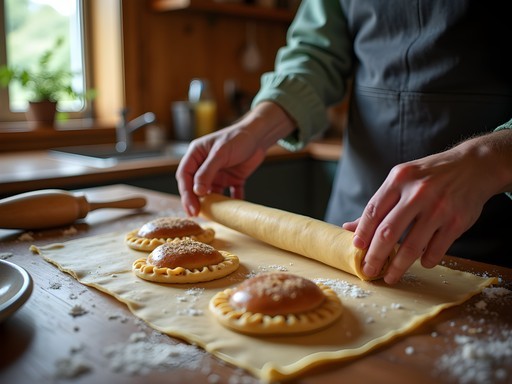
"Finnish cooking is about patience and precision," Helmi explained as she demonstrated the proper technique for making karjalanpiirakka (Karelian pies). "We measure by feel, but the measurements are still exact."
I watched in fascination as she prepared the rye dough without formal measurements, yet when I secretly weighed her ingredients, they matched standard recipes within 2% variance—a remarkable consistency achieved through decades of muscle memory and observation.
The class focused on winter staples: root vegetable casseroles (laatikko), salt-cured salmon (graavilohi), and the aforementioned Karelian pies with egg butter. Each dish represented a different preservation technique developed to survive Finland's harsh winters before modern refrigeration.
Helmi's kitchen itself was a data point—organized with mathematical precision, with tools arranged by frequency of use and ingredients stored according to a system she'd optimized over decades. As someone who appreciates efficient systems, I found her workflow as impressive as the resulting food.
"You must understand why each step matters," she insisted while teaching us the proper technique for scoring the thin rye crust of the pies. "This isn't decoration—the pattern allows steam to escape evenly. Without it, the filling distribution is compromised."
The six-hour class concluded with a traditional table setting in her glass-enclosed porch overlooking a frozen lake, where we enjoyed our creations alongside homemade sahti (traditional Finnish beer) and tales of Tampere's culinary evolution through Soviet influence, war rationing, and eventual prosperity.
What struck me most was how the quantifiable techniques—specific temperatures, resting times, ingredient ratios—served the unquantifiable goal of creating comfort and connection. My data-oriented mind had found the perfect equation: precision + tradition + adaptation = Finnish culinary identity.

💡 Pro Tips
- Book home cooking classes through Visit Tampere rather than commercial sites for more authentic experiences
- Bring small gifts from your home country for your cooking instructor—cultural exchange is highly valued
- Request recipes in advance so you can familiarize yourself with techniques before the class
Final Thoughts
As my train pulled away from Tampere Station—exactly 168 hours after my arrival—I found myself processing the week's experiences not just through memories and flavors, but through the data-rich narrative of a city where food tells the story of survival, innovation, and community. The mathematical precision of Finnish cooking techniques, the systematic approach to ingredient preservation, and the carefully calibrated relationship between sauna heat and culinary pleasure all speak to a culture that has optimized sustenance within environmental constraints. Yet within this system lies profound warmth—the shared lingonberry jam at Tapola's kiosk, Helmi's perfectly crimped pies, the forest knowledge freely shared by foragers. For the solo traveler seeking connection through food, Tampere offers an equation worth solving: tradition + innovation ÷ seasonal rhythms = a culinary experience that satisfies both analytical minds and hungry hearts. Pack your curiosity alongside your appetite, and let Finland's hidden culinary capital reveal its delicious data points, one sauna-enhanced meal at a time.
✨ Key Takeaways
- Always pair sauna visits with traditional foods for the full Finnish sensory experience
- Don't miss mustamakkara with lingonberry jam—it's Tampere's defining food experience
- Winter foraging reveals Finland's innovative approach to seasonal eating even in harsh conditions
- The craft brewing scene offers insight into how traditional ingredients are being preserved through modern techniques
📋 Practical Information
Best Time to Visit
January-March for peak winter food experiences and sauna culture
Budget Estimate
€100-150 per day including accommodations, meals, and activities
Recommended Duration
5-7 days
Difficulty Level
Intermediate

Comments
Nicole Russell
Fatima, your description of the sauna-to-table experience is spot on! I did a solo trip through Finland last winter and Tampere was my favorite food stop. That craft beer scene is incredible - so many microbreweries for such a compact city! I found myself taking my pocket phrasebook everywhere because locals really appreciated even my terrible attempts at pronouncing food names. The rye bread alone is worth the trip! Did anyone else notice how Finns take their coffee so seriously? I counted visiting 6 different cafes in Tampere and each one had its own unique approach to the perfect cup.
Fatima Dubois
The coffee culture was a delightful surprise! I mentioned it briefly in the article but could honestly write a whole separate piece just on Finnish coffee traditions. And yes, those rye breads... I'm still dreaming about them!
freeclimber
Those market hall photos are making me hungry! Going to Finland next month!
Nicole Russell
You're going to LOVE it! Make sure to try the cardamom pulla bread when you're there - it's perfect with coffee after a sauna session!
freeclimber
Thanks for the tip! Any specific places in Tampere you recommend?
Nicole Russell
Definitely hit up Tampereen Kauppahalli (the market hall) - it's foodie heaven! And if you want a great sauna experience, try Rajaportin sauna. It's Finland's oldest public sauna and has that authentic vibe Fatima mentions in her post!
adventureseeker
This post brings back so many memories! I was in Tampere last winter and the sauna-to-food ritual is absolutely the real deal. That mustamakkara is definitely an acquired taste though - took me two tries before I actually enjoyed it! Did you get a chance to try the brewpub Plevna? Their beer flight paired with traditional Finnish dishes was one of my trip highlights. The locals I met were so passionate about explaining each dish's history.
Fatima Dubois
Yes! Plevna was actually where I had my first proper beer pairing experience in Tampere. You're right about the mustamakkara - it's definitely unique, but by the end of my trip I was craving it with lingonberry jam!
adventureseeker
The lingonberry jam is key! Did you brave the ice swimming after sauna? That was another level of Finnish experience for me!
nomadtime
quick question - how cold is too cold for the sauna experience? never done it before and kinda nervous lol
nomadway
I wanna know this too!! Is there like sauna etiquette we should know about??
Fatima Dubois
Don't worry, they ease you into it! The colder it is outside, the better actually - makes the contrast more authentic. Just bring a towel to sit on, stay hydrated, and don't be shy about taking breaks. Most public saunas have staff who can guide you through it. Start with 5-10 minutes and work your way up!
Taylor Moreau
Excellent piece, Fatima. I was in Tampere for a conference last November and completely missed the food opportunities - wish I'd had this guide then! The sauna-to-dinner tradition is fascinating from a cultural perspective. One thing I'd add for business travelers: many of the better restaurants book up weeks in advance, especially on weekends. I managed to get into Näsinneula tower restaurant on short notice, but the Market Hall spots you mentioned were packed. The craft beer scene has really evolved since my first visit in 2019. Do you have recommendations for vegetarian options? My colleague struggled a bit with the traditional meat-heavy offerings.
Fatima Dubois
Great point about booking ahead! For vegetarian options, check out Pella's Cafe and Puisto - both have excellent plant-based takes on Finnish comfort food. The mushroom dishes are incredible.
nomadtime
thanks for this! going in march and vegetarian so this helps
nomadway
OMG this looks amazing!! Never thought about Finland for food but now I'm totally adding it to my list 😍
Fatima Dubois
Right?? I was so surprised by how good the food scene is there. The black sausage alone is worth the trip!
nomadpro
Going in March! How cold is it really? And do I need reservations for the restaurants you mentioned?
Fatima Dubois
March is still pretty cold but not as brutal as January! Bring good layers. The market hall doesn't need reservations, but definitely book ahead for the nicer restaurants, especially on weekends.
George Hayes
I'd add – invest in good winter boots with grip. The sidewalks can be icy. We learned that the hard way! thermal layers saved us on our trip.
George Hayes
Fatima, this brings back memories! We took our kids to Tampere two winters ago and the sauna culture was such a highlight. My 8-year-old was skeptical at first, but after we did the traditional sauna-cold plunge routine at Rauhaniemi, he was hooked. The black sausage at the market hall was harder to sell to the family though 😅 We ended up spending most evenings at Plevna brewery – their beer-battered fish and chips were kid-friendly enough while my wife and I explored the craft beer pairings. Did you get a chance to try any of the smaller breweries outside the main tourist area? We heard good things about a place called Hiisi but ran out of time.
Fatima Dubois
George! Yes, Rauhaniemi is incredible. I didn't make it to Hiisi this trip but it's on my list for next time. Plevna is such a solid choice for families – great atmosphere too.
springace
The mustamakkara looks amazing! Need to try this
Fatima Dubois
It's definitely an acquired taste but so worth trying at the market hall! Get it with the lingonberry jam.
springace
thanks!! adding to my list
John Hart
Fascinating analysis of Tampere's culinary landscape, Fatima. Having spent considerable time studying Nordic food traditions, I find your connection between sauna culture and dining habits particularly astute. The communal aspect of both experiences speaks to something deeply Finnish. During my research visits to Tampere, I discovered that the local brewery scene has evolved significantly in the past decade - Pyynikin and Plevna are indeed standouts, but don't overlook the smaller operations like Kaleva Brewing Company if you return. Their experimental birch sap ale pairs remarkably well with traditional game dishes. The -15°C you experienced is actually quite mild for a Finnish winter - my January visits regularly saw -25°C!
Venture X
Premium card with 2X miles, $300 travel credit, Priority Pass