


Disclosure: This article contains affiliate links. We may earn a commission from purchases at no extra cost to you, which helps our travel content.
When most travelers think of Hungarian cuisine, their minds immediately drift to Budapest's grand cafés or perhaps the hearty goulash that has become synonymous with the country's culinary identity. But tucked away in Hungary's southern plains lies Szeged, a city that captured my heart not only through its stunning Art Nouveau architecture and riverside charm but through its vibrant food scene that pulses with paprika-infused passion. As someone who believes that understanding a place means understanding what nourishes its people, I found Szeged to be a revelation – a perfect weekend escape where couples can connect over shared plates and cultural discoveries. After years of exploring destinations where food tells stories of history and community, I can confidently say that Szeged offers one of Europe's most underrated culinary journeys, especially when the autumn air carries the distinctive aroma of freshly harvested paprika drying throughout the city.

The Paprika Paradise: Understanding Szeged's Culinary Heritage
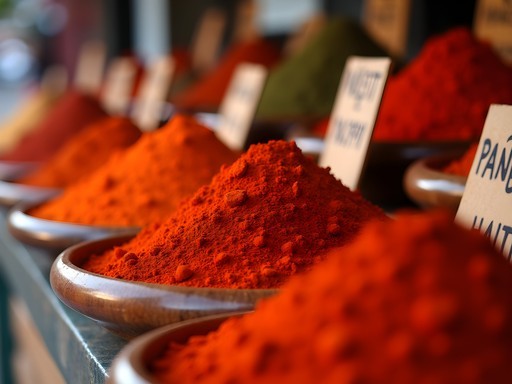
Szeged's identity is inextricably linked to paprika, earning it the well-deserved title of Hungary's 'Paprika Capital.' But understanding this relationship requires more than just sampling the spice – it means diving into the agricultural and cultural history that made this humble capsicum the cornerstone of an entire regional cuisine.
My exploration began at the Pick Salami and Szeged Paprika Museum, where interactive exhibits trace the journey of paprika from its arrival in Hungary as an exotic New World curiosity to its current status as Hungary's culinary ambassador. What fascinated me most was learning how Szeged's microclimate – with its unique combination of sunshine, soil composition, and proximity to the Tisza River – creates ideal conditions for growing paprika varieties with exceptional color, aroma, and flavor profiles.
'Our paprika is not just a spice; it's our heritage,' explained Katalin, my museum guide, as she demonstrated the traditional hand-grinding technique that locals still believe produces superior flavor. 'The difference between our authentic Szeged paprika and what most tourists find in souvenir shops is like comparing fine wine to grape juice.'
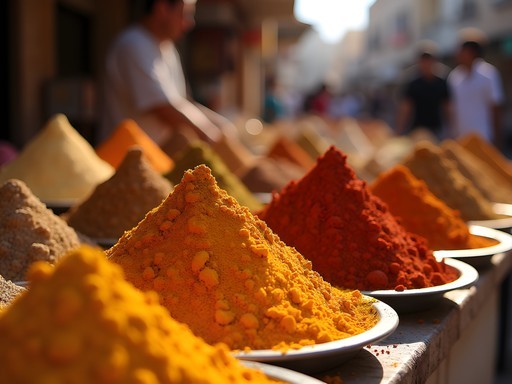
For those serious about bringing home culinary souvenirs, I recommend visiting the Paprika House (Paprika Ház) near Dom Square. Here, you'll find vacuum-sealed packages of genuine Szeged paprika in various grades – from the mild, bright-red édes (sweet) to the more intense csípős (hot) varieties. My spice grinder has proven invaluable for maintaining the freshness of these treasures once I return home.

💡 Pro Tips
- Purchase paprika in vacuum-sealed packages rather than decorative containers for better flavor preservation
- The 'Noble Sweet' (Édes-Nemes) variety offers the best balance for most Hungarian recipes
- Visit the Paprika Museum early in your trip to gain context for the meals you'll enjoy throughout your stay
Market Mornings: Navigating Szeged's Culinary Heartbeat
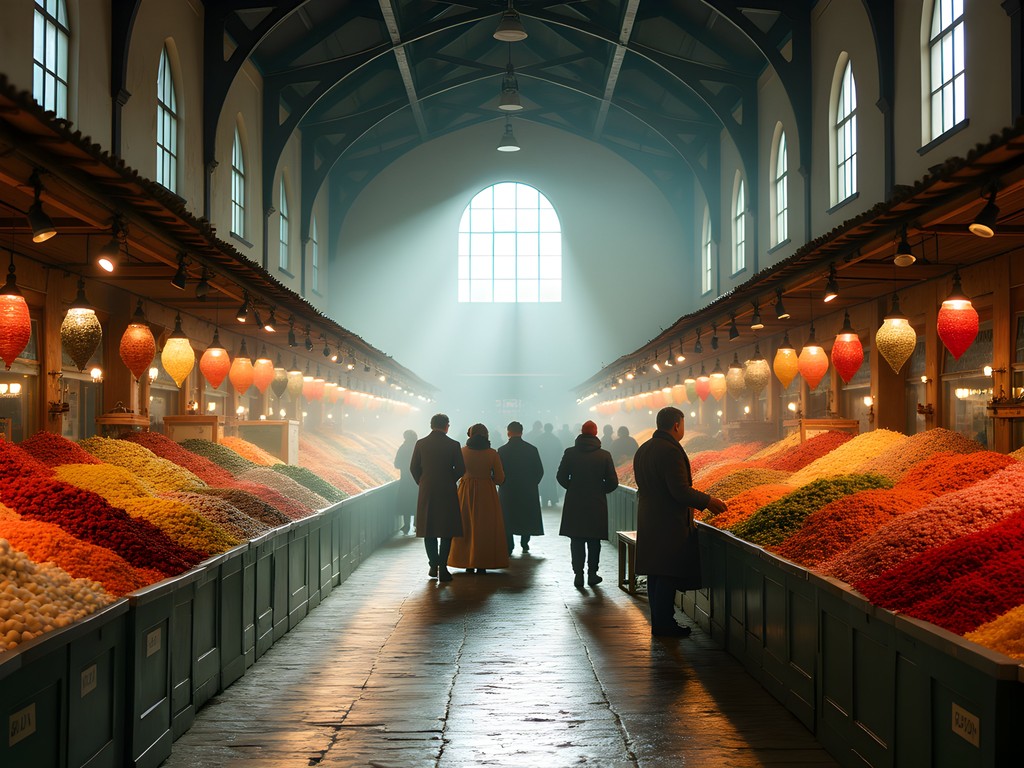
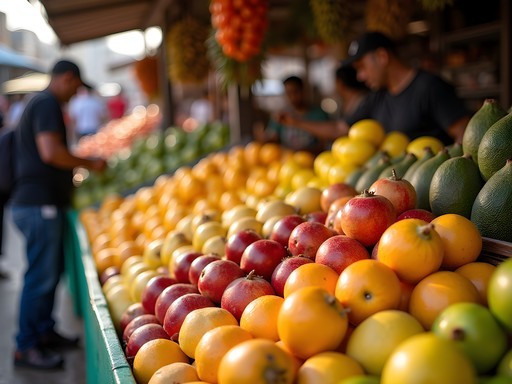
There's something magical about starting your day among locals at Szeged's Central Market Hall (Mars téri piac), where the foundations of the region's cuisine are displayed in vibrant, aromatic glory. Unlike the more tourist-oriented Great Market Hall in Budapest, Szeged's market remains primarily a working food market where locals shop daily.
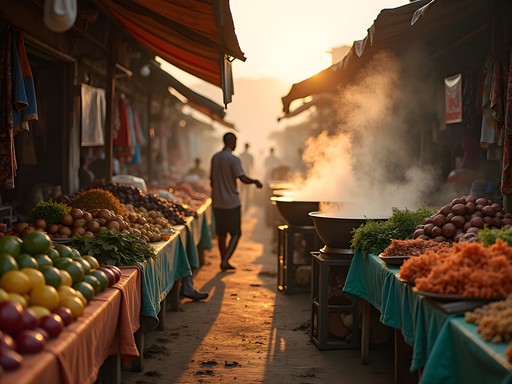
My partner and I arrived early on Saturday morning, when the market buzzes with weekend energy. The ground floor houses produce vendors with pyramids of seasonal vegetables, including the prized local paprika peppers in various stages of ripeness – from bright green to deep, ruby red. Upstairs, artisanal producers offer everything from homemade preserves to pálinka (fruit brandy) and hand-crafted charcuterie.
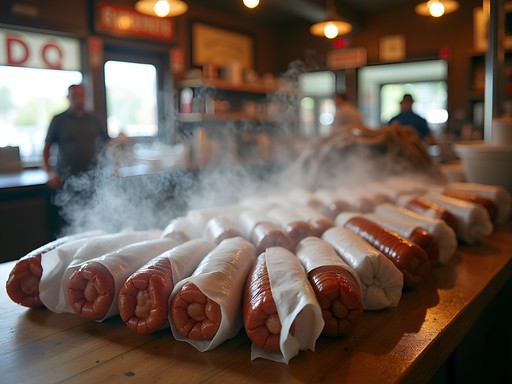
What makes this market special for couples is the opportunity to assemble an impromptu picnic from various vendors. We purchased fresh pogácsa (savory scones often flavored with crackling or cheese), a jar of ajvar (roasted red pepper spread), and some Pick salami – another Szeged specialty with protected geographical status. Add a bottle of regional white wine from the Csongrád wine region, and you have everything needed for a romantic riverside picnic along the Tisza.
'This is where you see the real Szeged,' explained János, a cheese vendor who insisted we try his körözött, a paprika-spiced sheep cheese spread that instantly became our market obsession. 'Our food is honest – what you see is what you get.'
For those wanting to dive deeper into Hungarian market culture, I recommend bringing a portable shopping bag that folds into a compact pouch. Not only is it environmentally friendly, but it also allows you to collect treasures as you wander without juggling multiple plastic bags.
💡 Pro Tips
- Visit the market between 7-10am on Saturday for the best selection and authentic local atmosphere
- Bring small denomination forint notes as many smaller vendors don't accept cards
- Look for vendors with lines of locals – they usually offer the best quality
Hands-On Heritage: Cooking Class for Couples
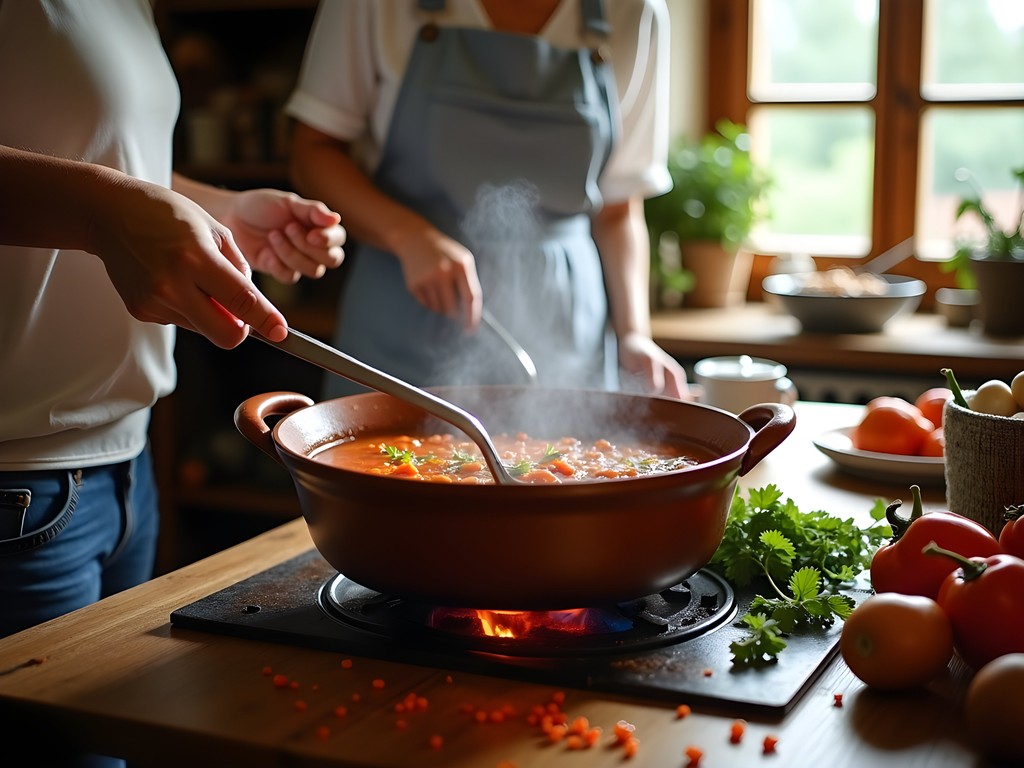
Understanding Hungarian cuisine intellectually is one thing – getting your hands dirty creating it is another experience entirely. That's why I recommend couples book a cooking class at Tündérkonyha Cooking School, where Chef Ildikó guides visitors through preparing a traditional Szeged menu in a charming renovated townhouse kitchen.
Our class began with an introduction to the fundamentals of Hungarian cooking – the holy trinity of lard, onions, and paprika that forms the foundation of so many dishes. What struck me immediately was how the techniques differed from what I'd learned in other European cooking classes. Hungarian cuisine isn't about precision or rigid rules; it's about understanding how flavors develop and interact.
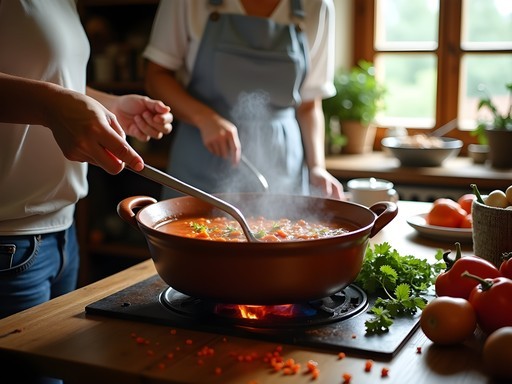
'We don't cook with measuring cups,' Ildikó laughed as she demonstrated the proper way to prepare a roux for fisherman's soup. 'We cook with our eyes, our nose, and most importantly, our memories.'
Over three hours, we prepared a complete meal: fisherman's soup (halászlé) made with river fish from the Tisza, chicken paprikash with hand-rolled nokedli dumplings, and túrós csusza (cottage cheese pasta with crispy bacon). The experience was intimate, with just four couples working together at a large wooden table.
What made this particularly special for couples was the collaborative nature of the cooking process. Hungarian dishes often require multiple hands – one person stirring while another prepares ingredients or adjusts seasonings. It becomes a dance of coordination and communication that creates not just delicious food but shared memories.
Before leaving, I purchased a traditional clay cooking pot specifically designed for making authentic fisherman's soup. While it required extra care in my luggage, having this specialized cookware has allowed us to recreate the distinctive flavors of Szeged at home, making it worth every precaution.
💡 Pro Tips
- Book cooking classes at least two weeks in advance as they fill quickly, especially in fall harvest season
- Communicate any dietary restrictions when booking – many traditional dishes can be adapted
- Take photos of each step in the cooking process to help recreate dishes at home

Café Culture: Szeged's Sweet Side
While paprika-laden savory dishes may be Szeged's claim to culinary fame, the city's café culture reveals a softer, sweeter side that perfectly balances the experience. Unlike the ornate, tourist-filled grand cafés of Budapest, Szeged's coffee houses maintain an authentic, lived-in quality where you'll find more locals than visitors.
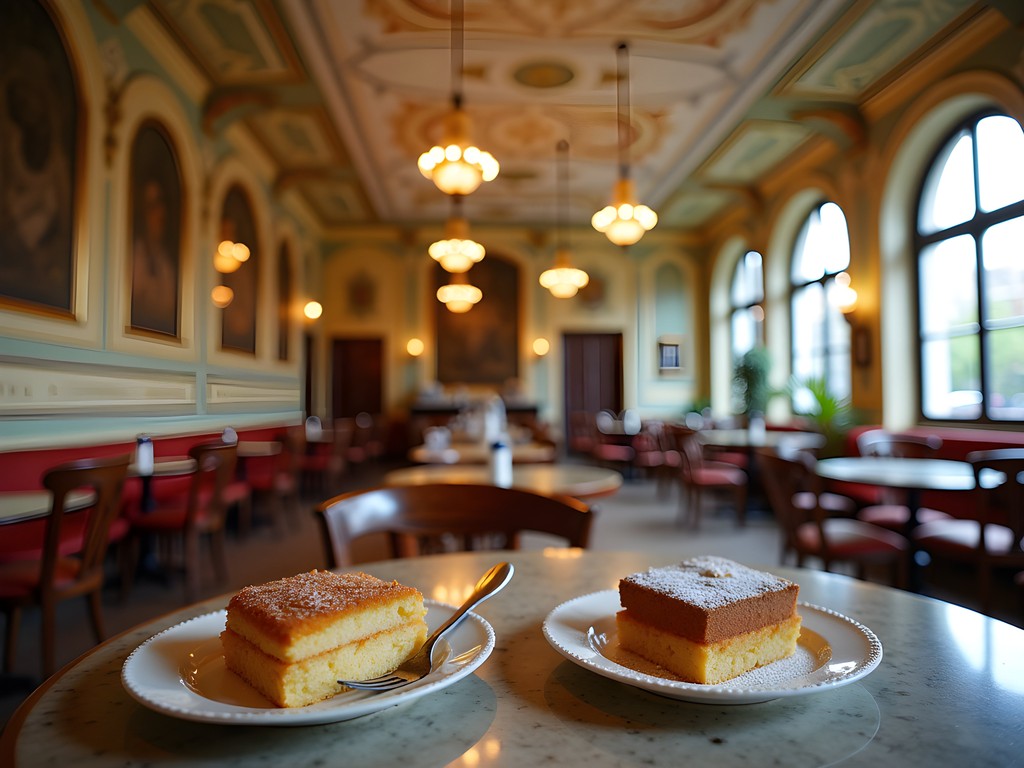
A'Cappella Café on Klauzál Square became our morning ritual – a place where Art Nouveau aesthetics meet modern coffee craftsmanship. Their specialty is a cinnamon-spiced melange served with a slice of Szeged's signature dessert, Szegedi mágnás (a layered cake with apricot jam and walnuts that pays homage to the region's Ottoman influences).
For a truly romantic afternoon experience, Virág Cukrászda stands as Szeged's oldest confectionery, dating back to 1870. The interior feels frozen in time with its marble-topped tables and vintage fixtures. Here, ordering the 'Couple's Dessert Plate' brings a sampling of five traditional Hungarian pastries to share, including their famous caramel-topped dobos torte.
'These recipes haven't changed in generations,' explained Zsófia, our server at Virág, as she arranged our dessert plate with artistic precision. 'Some customers come in and say it tastes exactly as they remember from their childhood fifty years ago.'
What struck me most about Szeged's café culture was its unhurried pace. Unlike American coffee shops where laptops dominate and to-go cups prevail, these spaces encourage lingering conversations and people-watching. Couples sat for hours over a single coffee and cake, deep in conversation or simply enjoying each other's company in comfortable silence.
I found my travel journal particularly valuable during these café sessions. Something about the ambiance of these historic spaces inspired reflection, and I filled pages with observations about architectural details, snippets of overheard Hungarian conversations, and sketches of elaborate pastry designs that I hoped to recreate someday.
💡 Pro Tips
- Visit cafés during the afternoon lull (2-4pm) for the best atmosphere and service
- Ask for recommendations based on the day's fresh offerings rather than relying solely on the menu
- Learn the Hungarian phrase 'Még egy kávét kérek' (May I have another coffee?) – you'll likely use it often
River to Table: Szeged's Fish Cuisine
The Tisza River that curves gracefully through Szeged has shaped not just the city's geography but its culinary identity as well. While landlocked Hungary isn't typically associated with fish cuisine, Szeged stands as the proud exception, offering river-to-table dining experiences that showcase a different side of Hungarian gastronomy.
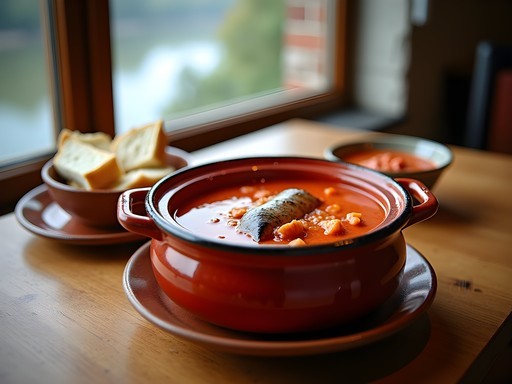
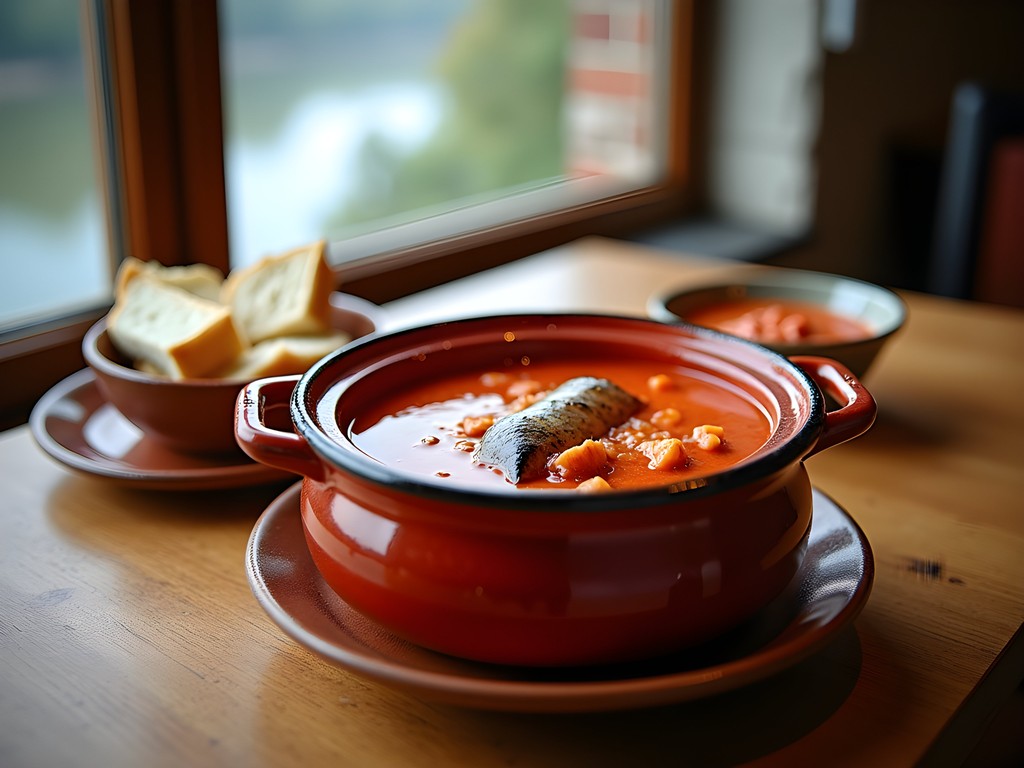
Halászcsárda, a traditional fisherman's tavern located near the old bridge, provides the most authentic introduction to this tradition. The restaurant's weathered wooden interior, decorated with fishing nets and vintage photographs, sets the stage for their signature dish: halászlé Szegedi style (fisherman's soup). Unlike other versions found throughout Hungary, Szeged's interpretation features a clear, intensely red broth made from river carp, pike-perch, and catfish, served with hand-cut noodles and an extra bowl of hot paprika paste for customizing the heat level.
What makes dining here special for couples is the traditional serving method for their premium soup – a tableside experience where the server separates the fish from the bones before your eyes, then combines the tender meat with the aromatic broth in your bowl. It's dinner and performance in one.
'Our fishermen still go out on the Tisza before dawn,' explained István, the restaurant's third-generation owner. 'What you eat today was swimming this morning. This is not just food; it's our connection to the river that gives our city life.'
Beyond the iconic soup, don't miss harcsa paprikás (catfish stew with paprika), a richer, creamier alternative that pairs beautifully with the local Cserszegi Fűszeres white wine. For the full experience, request a riverside table at sunset when the Tisza reflects golden light and fishermen return with their daily catch.
I found that my insulated water bottle came in particularly handy during these long, leisurely meals. Hungarian dining is a marathon, not a sprint, and having cool water at hand helps balance the sometimes intense flavors and moderate the effects of the excellent local wines.
💡 Pro Tips
- Reserve riverside tables at least 3-4 days in advance, especially for Friday and Saturday evenings
- Order fish soup as a shared appetizer rather than a main course to leave room for other specialties
- Ask about the day's fresh catch rather than defaulting to menu standards
Final Thoughts
As the train pulled away from Szeged's station, I found myself already planning a return visit. This city offers something increasingly rare in our globalized world – an authentic culinary identity that hasn't been polished and packaged exclusively for tourists. In Szeged, food isn't just sustenance or even mere pleasure; it's a living museum of cultural history, agricultural innovation, and community resilience. For couples seeking connection through shared culinary discoveries, Szeged offers the perfect balance of structured experiences and spontaneous delights. Whether you're grinding paprika in a cooking class, lingering over coffee and cake in a century-old café, or sharing a riverside meal as the sun sets over the Tisza, you'll find that Szeged nourishes not just your body but your relationship as well. After all, the most meaningful travels aren't measured in photographs or souvenirs, but in moments of genuine connection – with a place, its people, and the person beside you.
✨ Key Takeaways
- Szeged offers an authentic, less touristy alternative to Budapest for experiencing Hungarian cuisine
- Fall is the ideal season to visit when paprika harvest brings the city's culinary heritage to life
- Combining structured experiences (cooking classes) with spontaneous discoveries (market visits) creates the most memorable culinary journey
📋 Practical Information
Best Time to Visit
September-October (paprika harvest season)
Budget Estimate
$150-200 per day for two people including accommodations, meals and activities
Recommended Duration
2-3 days
Difficulty Level
Easy

Comments
wandervibes
Those market photos are gorgeous!! Really like your photography style
Jean Wells
Excellent post, Savannah. I visited Szeged three years ago and your observations about the market timing are spot-on. I'd add that if readers want to bring paprika home, the vacuum-sealed packages from the Pick factory store travel much better than the decorative tins from tourist shops - learned that the hard way when my suitcase smelled like paprika for months. Also worth noting: the Rezeső restaurant near the cathedral does an exceptional halászlé (fish soup) that rivals anything in Budapest. The café culture there really is underrated compared to the capital.
smartmate
How easy is it to get to Szeged from Budapest? And did you need to book the cooking class in advance or could you just walk in?
Savannah Torres
Super easy! Direct trains from Budapest take about 2.5 hours. For the cooking class, I'd definitely book ahead - they fill up fast, especially on weekends. I emailed them about a week before.
smartmate
Perfect, thanks!
islandchamp
Wow never even heard of this place! Looks amazing
wandervibes
same!! adding it to my list for sure
citybuddy
Love your photos! Makes me want to go back
oceanadventurer
THIS IS EXACTLY WHAT I NEEDED!! Been planning a Hungary trip and everyone keeps saying just do Budapest but I want something different. Your photos of that market are incredible - those paprika displays are like art! How many days would you recommend for Szeged? Also did you rent a car or was public transport easy enough? So excited to plan this now!!!
citybuddy
not the blogger but we did 3 days there and it was perfect. trains from budapest are super easy
Timothy Jenkins
Excellent piece, Savannah. Szeged really deserves more attention in the travel sphere. I visited last autumn and was struck by how authentic the food culture remains - no tourist trap restaurants, just genuine family-run establishments. The market you photographed is spot-on for morning visits. I'd recommend getting there around 8am when the vendors are most chatty and willing to offer samples. Also worth noting: many of the stalls only accept cash (forints), so plan accordingly. The Pick Salami Museum is another hidden gem if you have an extra afternoon.
dreamgal
Good tip about the cash! Would have been stuck otherwise
Casey Andersson
Timothy, yes! The Pick Museum was such a surprise. And the tasting at the end 😋
dreamgal
How much paprika did you bring home? Is there a limit on customs or anything?
citybuddy
I brought back like 6 tins last year, no problems at all. Just keep them sealed in their original packaging
Casey Andersson
Savannah, this brought back such wonderful memories! I visited Szeged two years ago and completely fell in love with the slower pace compared to Budapest. That cooking class you mentioned - was it the one near Széchenyi tér? I did something similar and we made halászlé from scratch. The instructor told us stories about her grandmother's recipes that made the whole experience so personal. Also, if you're still in the area, the thermal baths in Szeged are criminally underrated. Perfect way to end a day of eating!
oceanadventurer
Ooh thermal baths sound perfect! Adding that to my list
beachmood
Never heard of Szeged before but this looks amazing!
Venture X
Premium card with 2X miles, $300 travel credit, Priority Pass