
Disclosure: This article contains affiliate links. We may earn a commission from purchases at no extra cost to you, which helps our travel content.
There's something about the way stress melts away when you're sitting at a rickety wooden table, surrounded by locals, with a plate of food that tells the real story of a place. After a particularly rough month on the force dealing with a series of domestic violence cases, I found myself craving more than just a beach vacation—I needed soul restoration. Spanish Town, Jamaica's old capital just 13 miles from Kingston, isn't on most tourists' radars. While my colleagues headed to the all-inclusive resorts of Montego Bay, I followed my instincts (and my stomach) to this historic town where Jamaica's culinary heritage remains gloriously intact and surprisingly affordable. What I discovered was not just incredible food, but a reminder of why I travel in the first place: to connect with the authentic pulse of a place and its people. Sometimes the best healing happens over a shared meal with strangers who quickly become friends.

Beyond the Resort Bubble: Finding Spanish Town's Food Scene
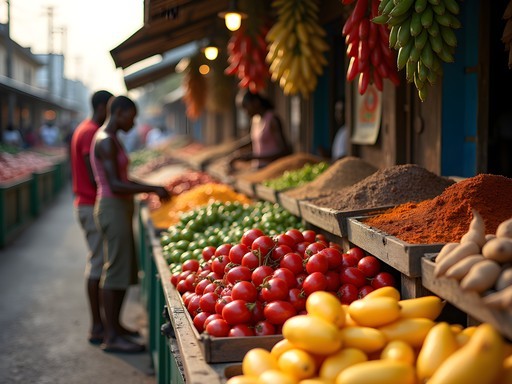
Spanish Town doesn't announce itself with flashy signs or tourist information centers. The former capital of Jamaica sits in St. Catherine Parish with colonial architecture that whispers stories of its past, while its markets and street corners shout with the vibrant energy of contemporary Jamaican life.
As a police officer, I've developed a sixth sense for reading neighborhoods, and I'll be straight with you—Spanish Town requires awareness. It's not dangerous if you're smart, but it's not sanitized for tourism either. That's precisely why its food scene remains so authentic.
My first morning, I set out with a travel daypack containing just essentials—water, my phone, and enough cash for the day (many places are cash-only). I've learned to travel light but prepared, especially when exploring areas off the tourist track.
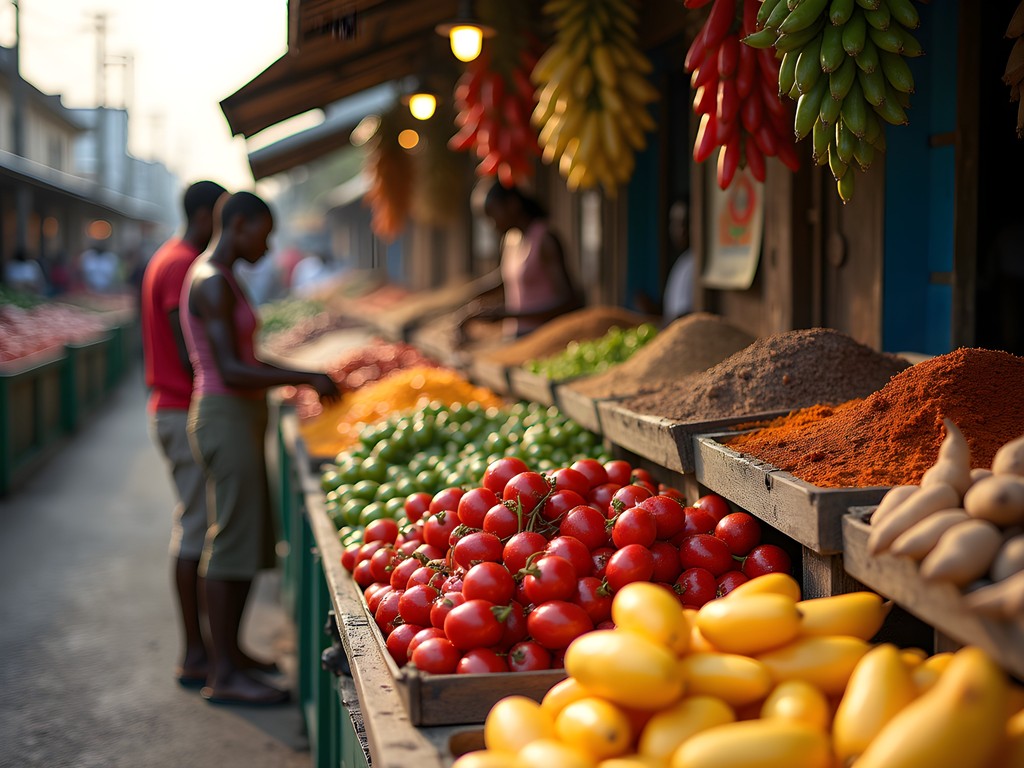
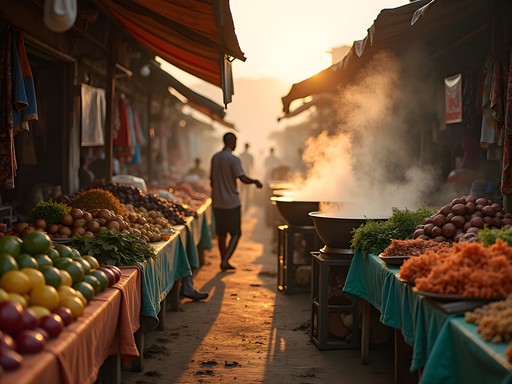
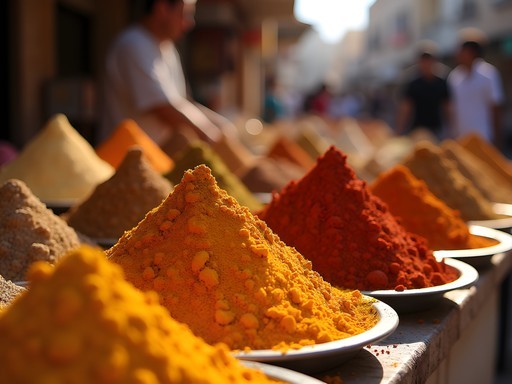
The heart of Spanish Town's food scene radiates from its central market and surrounding streets. Here, unlike the resorts where dishes are modified for foreign palates, you'll find Jamaican cuisine in its purest form—intense scotch bonnet heat, complex allspice profiles, and cooking techniques passed through generations.
My law enforcement background has taught me to observe before engaging. So I spent that first morning watching which stalls attracted local families and work crews on their breaks. Those became my targets. When the locals line up and pay with hard-earned money, you know you've found the real deal.
💡 Pro Tips
- Visit midweek when markets are less crowded but still vibrant
- Carry small bills as most vendors don't accept cards
- Ask your accommodation host for specific safety recommendations for current conditions
Street Food Treasures: Jerk, Patties, and Beyond
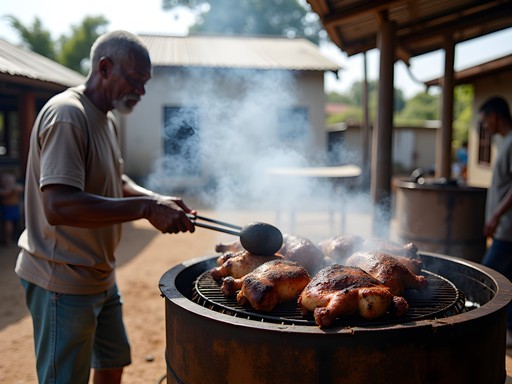
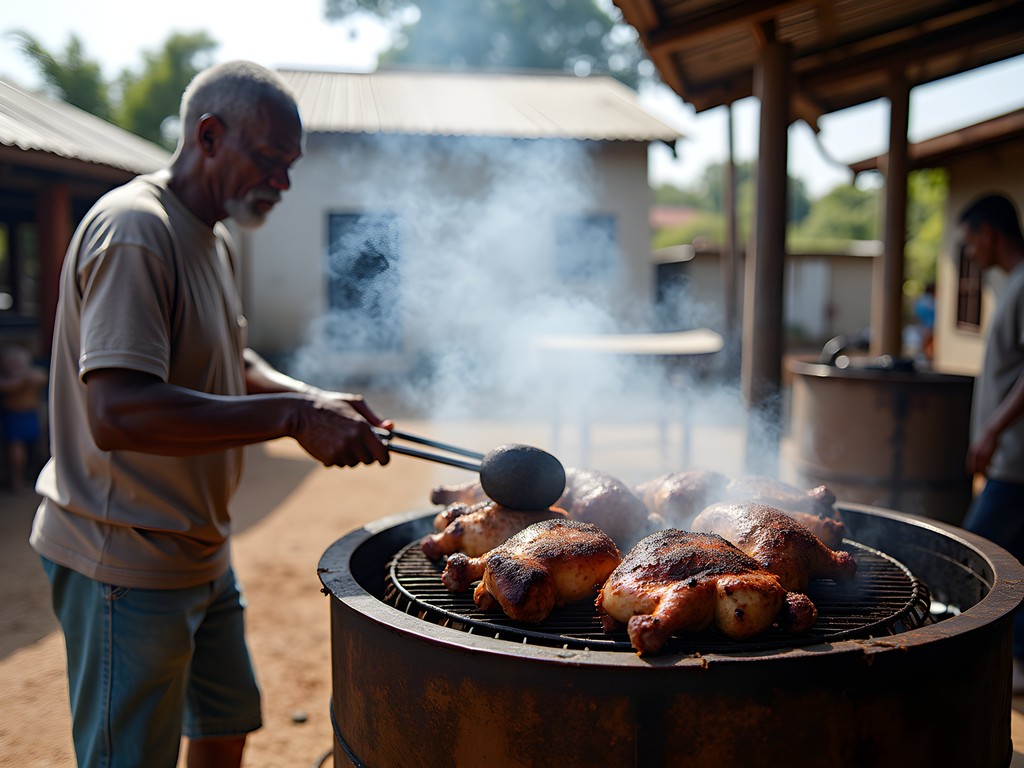
The first rule of finding exceptional street food is following your nose. In Spanish Town, the smoky aroma of real jerk pits will guide you better than any map app.
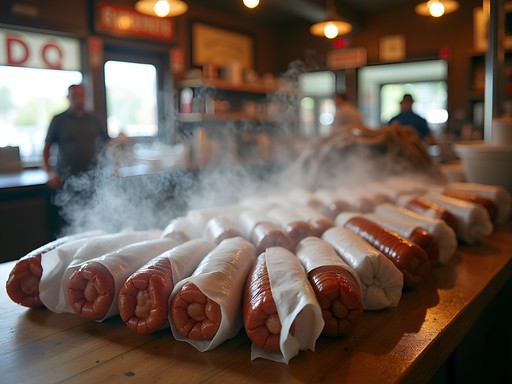
Unlike resort versions, authentic jerk involves meat slow-cooked over pimento wood, which infuses it with an irreplaceable flavor. My favorite spot became a nameless jerk center on Young Street where a man named Devon has been tending his drums for over 30 years. The chicken emerges blackened on the outside, impossibly juicy inside, and wrapped in foil with a slice of hard dough bread for about 500 Jamaican dollars (roughly $3.50 USD).
Jamaican patties are another street food essential, but not all are created equal. The best I found was at Tastee Patties, a local chain with a Spanish Town location where the line often stretches out the door. Their beef patty has the perfect balance of flaky crust and spiced filling. Pair it with coco bread (a slightly sweet, dense roll) for the ultimate Jamaican sandwich experience.
For breakfast, I became addicted to the traditional ackee and saltfish. This national dish combines the creamy local fruit with rehydrated salt cod, onions, tomatoes, and those ever-present scotch bonnets. Miss Gloria's small cookshop near the old cathedral serves it with fried plantains and festival (a slightly sweet fried dumpling) that kept me fueled for hours of exploration.
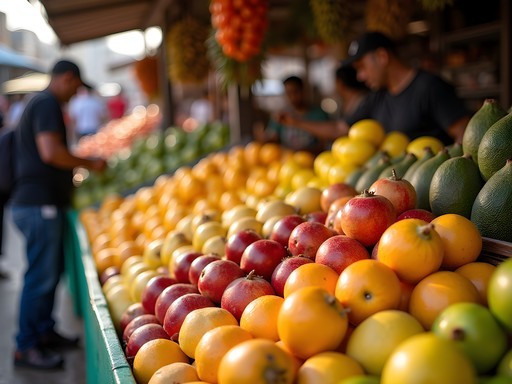
Don't overlook the fruit vendors either. Jamaica's tropical climate produces mangoes, naseberries, and guinep (a small green fruit with a sweet-tart pulp) that taste nothing like their exported counterparts. One vendor noticed my interest in trying local varieties and insisted I sample her star apples—a purple-skinned fruit with sweet flesh that indeed tastes mildly of apples mixed with persimmons.
For hydration beyond water, fresh coconuts sold roadside provide electrolytes and refreshment. After the vendor machetes it open and you drink the water, ask them to split it so you can scoop out the young jelly-like meat—nature's perfect snack.
💡 Pro Tips
- Look for jerk stands using pimento wood, not just charcoal
- Eat patties fresh and hot—they're a different experience than when they cool
- Try sorrel drink (hibiscus) if visiting during winter months—it's traditional for the season
Home Cooking: Finding Family-Run Eateries
My years in law enforcement have taught me that the most authentic experiences often happen when you step away from the obvious and look for the places locals consider institutions. In Spanish Town, that means seeking out the small, family-run establishments that serve home-style Jamaican cooking.
These aren't restaurants in the traditional sense. They're often front-room operations in someone's home, with a few tables set up and a kitchen in back where grandmothers and mothers prepare recipes unchanged for generations. Finding them requires asking around and being willing to venture into residential areas.
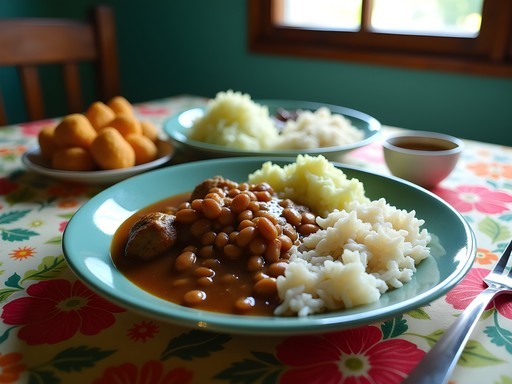
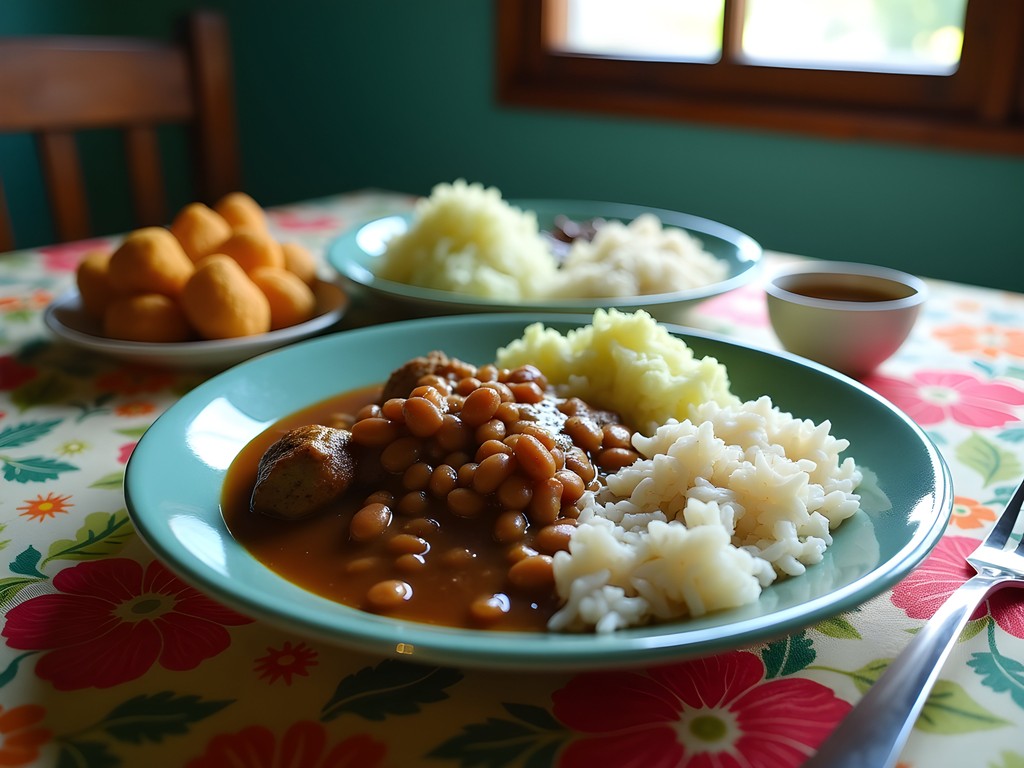
My most memorable meal came from Miss Paulette's Kitchen, a blue house on a side street where the daily menu is whatever Miss Paulette decided to cook that morning. I walked in to find three tables covered with bright floral oilcloth and was immediately asked, "You eating lunch, darling?" No menu, just whatever was in the pots.
That day it was brown stew chicken, rice and peas cooked in coconut milk, steamed cabbage, and fried plantains. The chicken fell off the bone in a rich gravy that balanced sweet and savory with hints of thyme and allspice. The entire meal cost about 800 Jamaican dollars (roughly $5.50 USD) and remains one of the best I've had anywhere in the world.
Another find was Sister Dawn's, where I had my first taste of run down (sometimes called run dung)—a coconut milk stew with mackerel that's simmered until the fish essentially "runs down" into the sauce. Served with boiled green bananas and dumplings, it's comfort food that showcases how Jamaicans transform simple ingredients into complex flavors.
When dining in these home establishments, I found my travel journal invaluable for recording recipes and cooking tips shared by the proud cooks. Many were delighted by my genuine interest in their techniques and generously explained their methods—knowledge I've since used to recreate these dishes back home in California.
💡 Pro Tips
- Always greet everyone when entering small establishments—respect goes a long way
- Ask what's cooking today rather than requesting a specific dish
- Be patient—home cooking isn't fast food and dishes are prepared to order

Market to Mouth: Cooking Class with a Local Grandma
As someone who believes deeply in experiential learning, I always try to take a cooking class when traveling. In Spanish Town, these aren't formal affairs with professional schools and printed recipes—they're arrangements made through word-of-mouth and local connections.
After becoming a regular at her fruit stall, Miss Cheryl mentioned that her mother offered cooking lessons from their home. Two days later, I found myself in Grandma Elma's kitchen for what would become the highlight of my Spanish Town experience.
The day began at 7 AM at the market, where Grandma Elma taught me to select the perfect ingredients: how to thump a breadfruit to check ripeness, identify the freshest fish by examining the eyes and gills, and choose scotch bonnets based on their intended use. Her knowledge wasn't from cookbooks but from decades of daily practice.
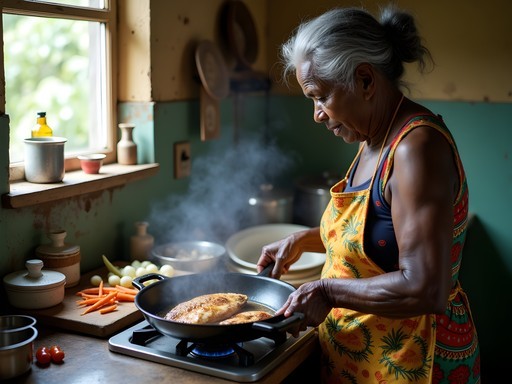
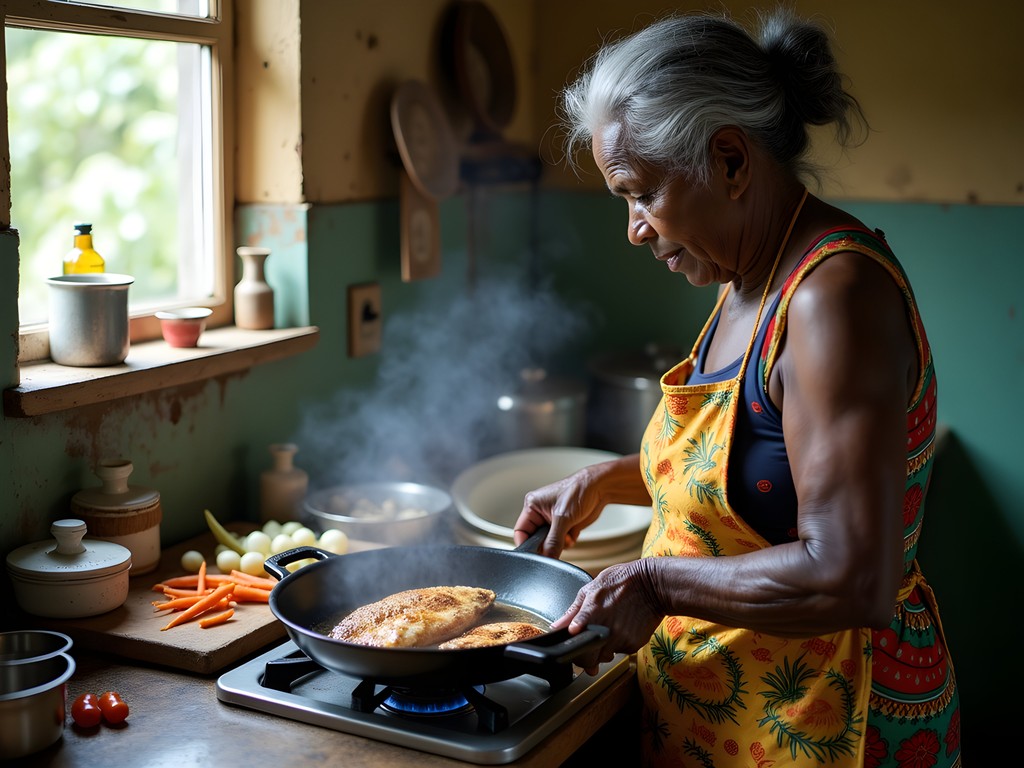
Back in her modest kitchen, equipped with just a two-burner gas stove and basic tools, she demonstrated techniques that no culinary school teaches. I learned to "wash" chicken with lime to remove impurities before seasoning, how to extract maximum flavor from thyme by crushing it between her palms, and the precise moment to add coconut milk to prevent curdling.
We prepared a feast: escovitch fish (fried then marinated in a vinegar-based sauce with vegetables), festival dumplings, callaloo (similar to spinach) with onions and tomatoes, and roasted breadfruit. Throughout, Grandma Elma shared stories of how these dishes connected to Jamaica's history—how enslaved Africans adapted their cooking techniques to available ingredients, creating what we now recognize as Jamaican cuisine.
I recorded parts of the lesson on my action camera, which proved perfect for kitchen settings where my hands were occupied and space was tight. The waterproof feature also protected it from kitchen splashes.
By afternoon, we sat on her back porch eating food we'd prepared together, joined by neighbors who "just happened" to stop by as cooking aromas filled the street. This communal aspect of the meal—the way food naturally gathered people—reminded me of the dinners my department organizes after difficult cases, when we all need to remember our shared humanity.
💡 Pro Tips
- Ask produce vendors if they know anyone offering cooking lessons—formal cooking schools aren't common here
- Bring small gifts from your home country if taking a home cooking class
- Take notes during cooking lessons as recipes are rarely written down with exact measurements
Liquid Culture: From Blue Mountain Coffee to Rum Shops
No exploration of Jamaican culinary culture would be complete without diving into its beverages, which tell equally compelling stories about the island's history and daily rhythms.
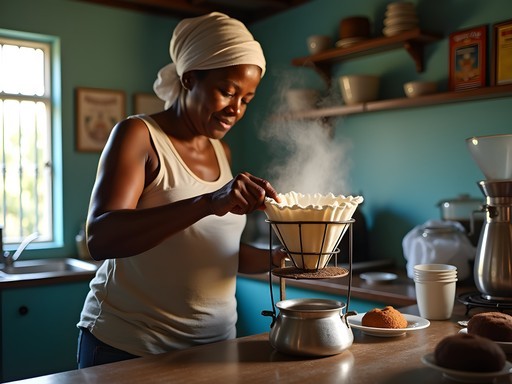
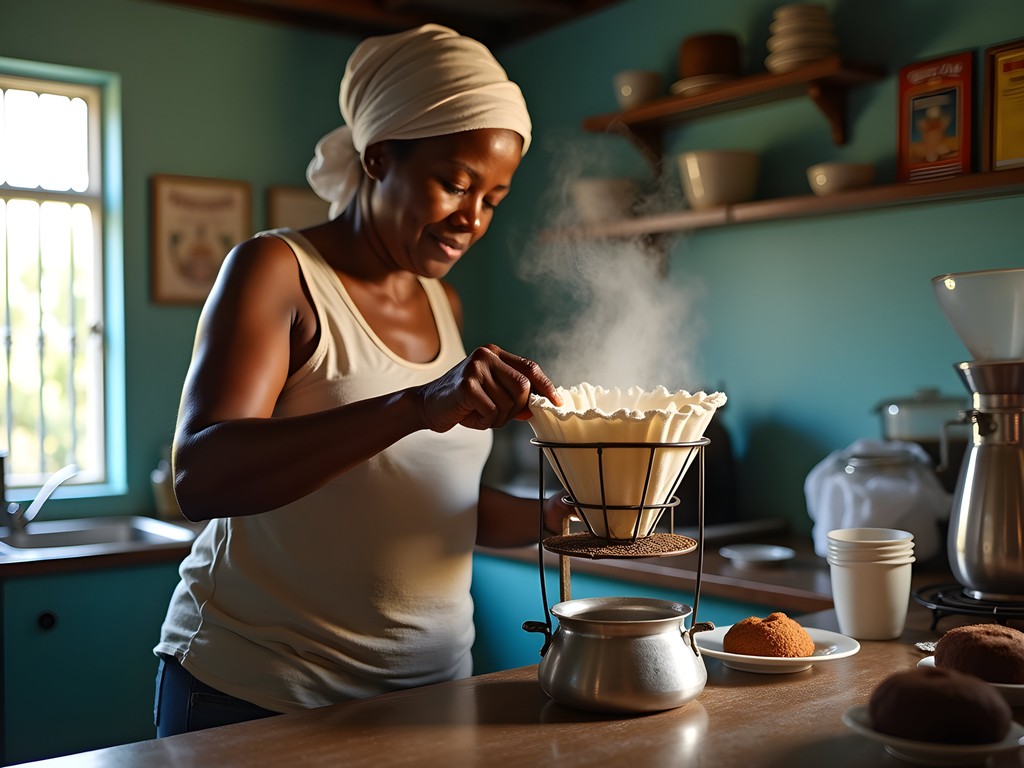
My mornings in Spanish Town began at Miss Lorna's Coffee Shop, a tiny establishment where Blue Mountain coffee is brewed the traditional way—in a cloth filter known locally as a "sock." This method extracts the beans' full flavor without any bitterness. While Blue Mountain coffee is famous worldwide and commands premium prices internationally, enjoying it here at source costs just a fraction and tastes infinitely better.
Lorna serves her coffee with "bulla cake," a dense, spiced cake made with molasses that perfectly complements the coffee's brightness. Watching the morning ritual of locals stopping in for their brew before work connected me to the universal human need for that first cup to start the day right.
On the non-alcoholic side, fresh juices and smoothies abound. June plum, soursop, and guava appear in combinations I'd never considered. My favorite discovery was cucumber juice—surprisingly refreshing with a hint of lime and ginger. Street vendors blend these to order using whatever's in season.
As for stronger spirits, rum is Jamaica's lifeblood. Small rum shops dot Spanish Town, serving as community gathering spaces similar to neighborhood bars back home. These are basic establishments—often just a counter, some stools, and a selection of rums ranging from white overproof to aged varieties.
At King's Rum Shop near the old square, I was introduced to proper rum appreciation by Mr. Wilson, a retired teacher who's been patronizing the spot for decades. He taught me to sip the spirit neat first to understand its character before mixing it with anything. The local Appleton Estate 12-year became my evening ritual, sipped slowly while listening to dominoes slap against wooden tables and conversations flow around me.
For those seeking non-alcoholic traditional options, sorrel drink (made from hibiscus flowers) and ginger beer provide complex flavors with cultural significance. During my winter visit, sorrel was everywhere, its deep red color and spiced notes (from cinnamon and allspice) making it Christmas in a glass.
💡 Pro Tips
- Ask for coffee 'medium sweet'—traditional Jamaican coffee is served pre-sweetened
- Visit rum shops in early evening when they're lively but not too crowded
- Try sorrel with and without rum—both versions are traditional
Final Thoughts
As I boarded my flight back to California, my notebook filled with recipes and my spirit recharged, I reflected on how Spanish Town had offered exactly what I needed—not just extraordinary food, but genuine human connection. In my line of work, where trauma and stress are daily companions, finding places that remind me of humanity's capacity for joy and creativity is essential medicine. Spanish Town's food scene isn't packaged for tourists—it's real people cooking real food that tells the story of their island, their history, and their daily lives. The next time you find yourself tempted by an all-inclusive resort in Jamaica, consider breaking away for even just a day to experience Spanish Town's culinary treasures. Your taste buds will thank you, but more importantly, so will your soul. The healing power of authentic food shared with newfound friends is a remedy no resort buffet can provide.
✨ Key Takeaways
- Spanish Town offers authentic Jamaican cuisine at a fraction of resort prices
- Local home-style restaurants provide the most genuine food experiences
- Engaging with food vendors and cooks creates meaningful cultural connections
- The best food finds come through conversations with locals, not tourist maps
📋 Practical Information
Best Time to Visit
December-April (dry season)
Budget Estimate
$30-50 USD per day for food
Recommended Duration
2-3 days
Difficulty Level
Moderate
Comments
smartninja
OMG the photos are making me so hungry!! Adding this to my bucket list 🔥🔥
Sage Dixon
YES to everything in this post! I did something similar in Kingston last year and it completely changed my perspective on Jamaica. There's this whole narrative that you should stay locked in your resort, but the real magic happens when you venture out. That cooking class sounds incredible - I love how food becomes the bridge to understanding a place's history and soul. The jerk chicken from a roadside stand will always beat resort food. Did you get any good hot sauce recipes? I'm still trying to recreate the scotch bonnet sauce a local mama made for me.
Natalie Parker
Sage! Yes, I got a scotch bonnet recipe but I'm honestly too scared to make it as hot as she did 😂 The secret is apparently letting it ferment for a few days. And you're so right about food being that bridge - those hours in her kitchen taught me more about Jamaica than any guidebook could.
roamway
This looks amazing! Is it safe to travel around Spanish Town on your own?
Natalie Parker
Great question! I went during the day and stuck to the market area and main streets where the food spots are. Definitely recommend going with a local guide if you can - the cooking class grandma I mentioned actually has a nephew who does food tours. Just use common sense like any city.
roamway
thanks!!
Gregory Boyd
A refreshingly honest take on Spanish Town's culinary landscape. Too often Jamaica's food narrative is limited to resort interpretations of local dishes that lack authenticity. One observation: the economic impact of culinary tourism on communities like Spanish Town is substantial but often overlooked. When travelers venture beyond resort boundaries, their spending directly supports local families rather than international hotel chains. The cooking class you mentioned, for instance, likely provides significant supplemental income for that grandmother. For those concerned about navigation, I've found that pre-arranging transportation through small local operators rather than resort services provides both better value and a more direct route to authentic establishments. The minor logistical challenges are well worth overcoming for the gastronomic rewards.
Marco Flores
Natalie, your post took me right back to my own adventure in Spanish Town last year! I still dream about the escovitch fish I had from that tiny blue shack near the market - the one with the hand-painted sign that just says 'FISH'. The vinegar-pepper sauce was unlike anything I've tasted elsewhere. I'd add one recommendation for your readers: wake up early (around 6am) and head to the baker on White Church Street for hot, fresh coco bread. Then take it straight to the patty shop when they open at 7am. A patty sandwich breakfast while watching the town come alive is pure magic. Your cooking class with the grandmother reminds me that the best travel experiences are often the ones where we connect with locals through food. Beautiful storytelling as always!
Natalie Parker
Marco! I know exactly which blue shack you mean - that escovitch fish was incredible. And you're so right about the early morning coco bread + patty combo. I did that on my last day and it was perfect. Thanks for adding that tip!
dreamlegend
We ventured into Spanish Town on our honeymoon last year and found this tiny spot called Mama's Kitchen that served the most amazing curry goat. The owner kept bringing us extra sides to try! Totally agree that getting away from the resort is worth it. We used Jamaica travel guide which had some good local food recommendations too.
happyblogger
Ooh, adding Mama's Kitchen to my list! Was the curry goat very spicy?
dreamlegend
It had a kick but they asked us how spicy we wanted it! My husband got the full heat and was sweating but loving every bite lol
starqueen
Just got back from Jamaica last week! Wish I'd seen this before I went! The resort food was good but nothing compared to what you're describing. Next time!!
globefan
Is it safe to wander around Spanish Town on your own? Always heard to be careful there.
Gregory Boyd
Having spent considerable time in Spanish Town myself, I'd recommend using common sense precautions. Go during daylight hours, don't flash valuables, and consider hiring a local guide for your first visit. The food districts are generally fine, but like any urban area, some neighborhoods require more caution than others. The culinary rewards are well worth the minimal planning required.
Natalie Parker
Gregory's advice is spot on. I felt comfortable during the day, especially in the market and main food areas. I did arrange a local guide for my first day which helped me get oriented and learn which areas were best.
photozone
Great post! I'm heading to Jamaica next month. How did you find that cooking class with the grandma? Is there a website or did you just connect locally?
Natalie Parker
I actually found it through a local guide I met at the market! But you can check with Treasures of Spanish Town Tours - they've started offering it as a regular experience now. Just ask for Miss Yvonne's kitchen class!
photozone
Perfect, thanks so much for the tip! Can't wait to try making those festival dumplings myself.
happyblogger
OMG THIS POST IS EVERYTHING!!! I've been to Jamaica twice but always stayed at resorts. Never knew what I was missing in Spanish Town! That cooking class with the grandma sounds like such an authentic experience. Definitely doing this on my next trip!
Natalie Parker
Thanks so much! The cooking class was definitely a highlight - Miss Yvonne's stories were almost as good as her food. Hope you get to experience it!
Venture X
Premium card with 2X miles, $300 travel credit, Priority Pass