


Disclosure: This article contains affiliate links. We may earn a commission from purchases at no extra cost to you, which helps our travel content.
¡Hola, fellow food adventurers! There's something magical about how food tells the story of a place—its history, its people, its soul. When I decided to squeeze in a weekend getaway between quarterly reports, Colombia's Caribbean coast called to me like the scent of sancocho drifting through an open window. As a fourth-generation Japanese-American who grew up watching my grandmother sketch buildings while teaching me about the importance of cultural preservation, I've always been fascinated by how traditions evolve while maintaining their essence. The Atlantic coast of Colombia, particularly the neighboring cities of Soledad and Barranquilla, offers this perfect fusion—where African, Indigenous, and Spanish influences create a culinary landscape as dynamic as the architecture that houses it. Grab your appetite and join me on this whirlwind sabor tour that proves you don't need deep pockets to experience deep flavors!

Street Food Treasures: Where the Magic Begins
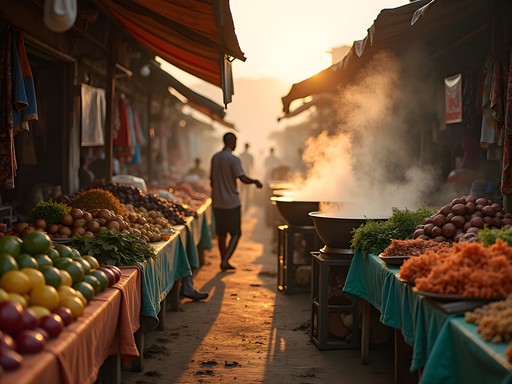
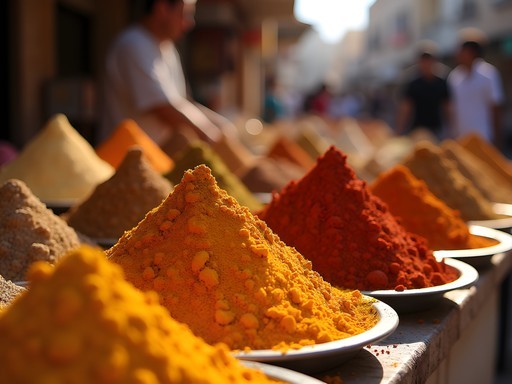
If there's one thing my finance brain appreciates, it's maximum return on minimal investment—and Colombian street food delivers exactly that. My adventure began in Soledad's bustling market streets, where vendors called out their offerings with a musical cadence that reminded me of my grandmother's stories about traditional Japanese marketplaces.
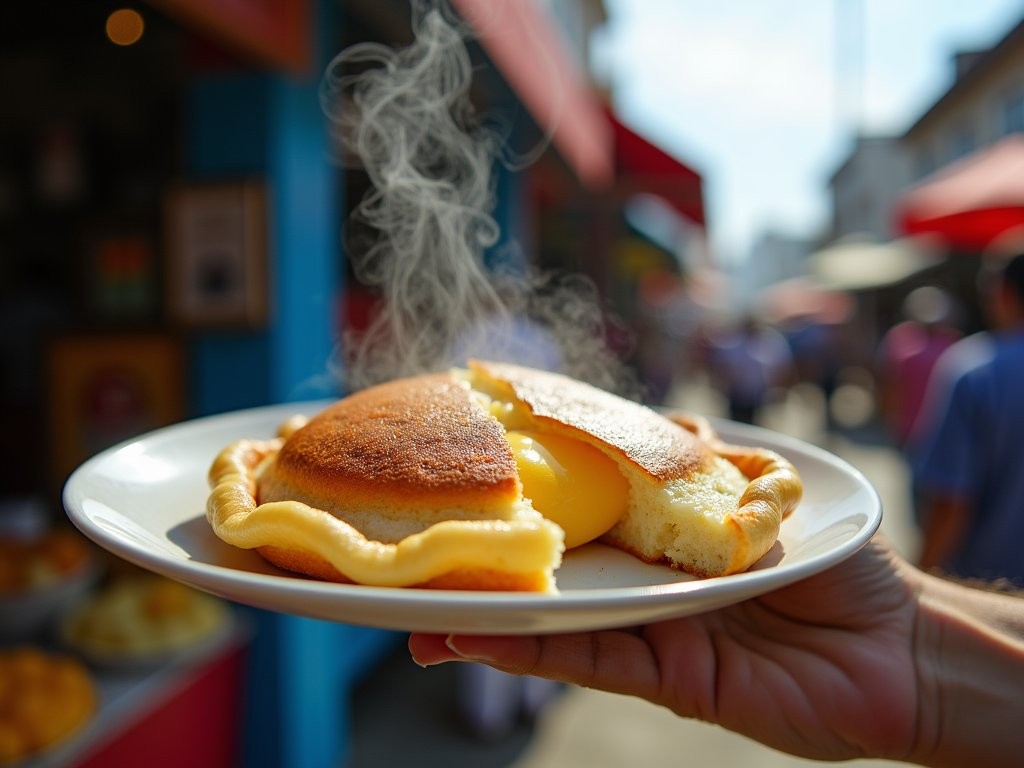
The arepa de huevo became my morning ritual—a golden corn pocket stuffed with egg and sometimes meat that's deep-fried to perfection. At only about 3,000 COP (less than $1 USD), it's the ultimate budget breakfast that somehow manages to fuel several hours of exploration.
My absolute favorite discovery was carimañolas—yuca fritters stuffed with seasoned ground beef or cheese. The contrast between the crispy exterior and the soft, flavorful filling creates this perfect textural dance that had me coming back daily. One vendor near Calle 30 in Barranquilla, a grandmother with hands that moved with architectural precision, told me her family has been making them the same way for five generations.
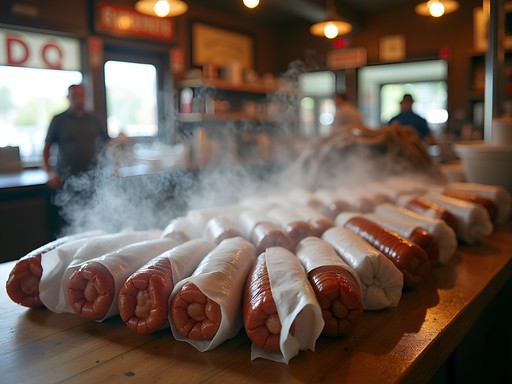
Butifarras soledeñas deserve special mention—these small sausages specific to Soledad pack intense flavor into tiny packages and are typically served with lime and a tangy coleslaw. The vendor laughed at my enthusiasm as I practiced my Spanish, telling me I had the appetite of someone twice my size.
For capturing these vibrant street food scenes, my compact camera proved invaluable—small enough not to draw attention but powerful enough to capture the steam rising from fresh empanadas in the early morning light.
💡 Pro Tips
- Visit markets between 7-9am for the freshest offerings and to watch locals go about their morning routines
- Always carry small bills (5,000 and 10,000 COP notes) for street vendors
- Look for stalls with lines of locals—they know where the best food is
Barranquilla's Seafood Scene: Ocean to Table
Growing up in Fresno, I was about as far from the ocean as you could get in California. Maybe that's why coastal cuisine always feels like such a luxury to me, even when it's surprisingly affordable. In Barranquilla, the proximity to the Caribbean means seafood isn't a special occasion meal—it's everyday sustenance, prepared with techniques passed down through generations.
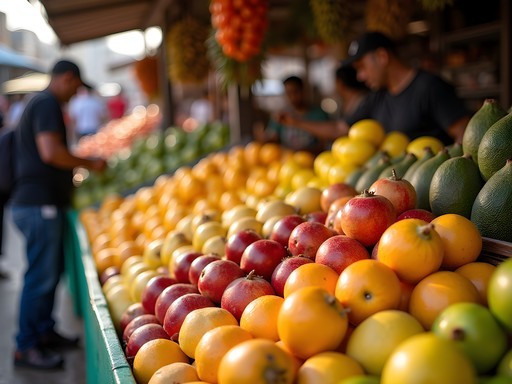
My first seafood revelation came at Mercado de Pescado in Barranquilla, where fishermen bring their morning catches directly to vendors. The sensory experience is overwhelming in the best way—the calls of vendors, the gleam of fresh fish scales, the salty air. Here, I watched in awe as a woman deftly prepared ceviche de camarón (shrimp ceviche) with lime juice so fresh it was squeezed before my eyes.
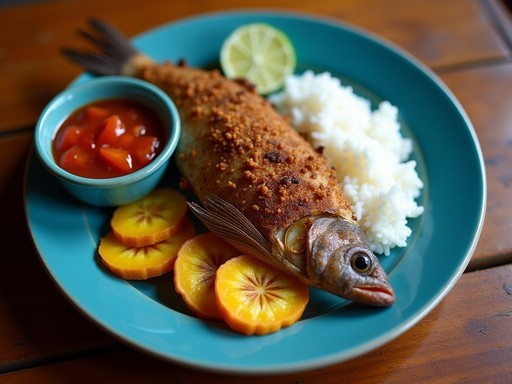
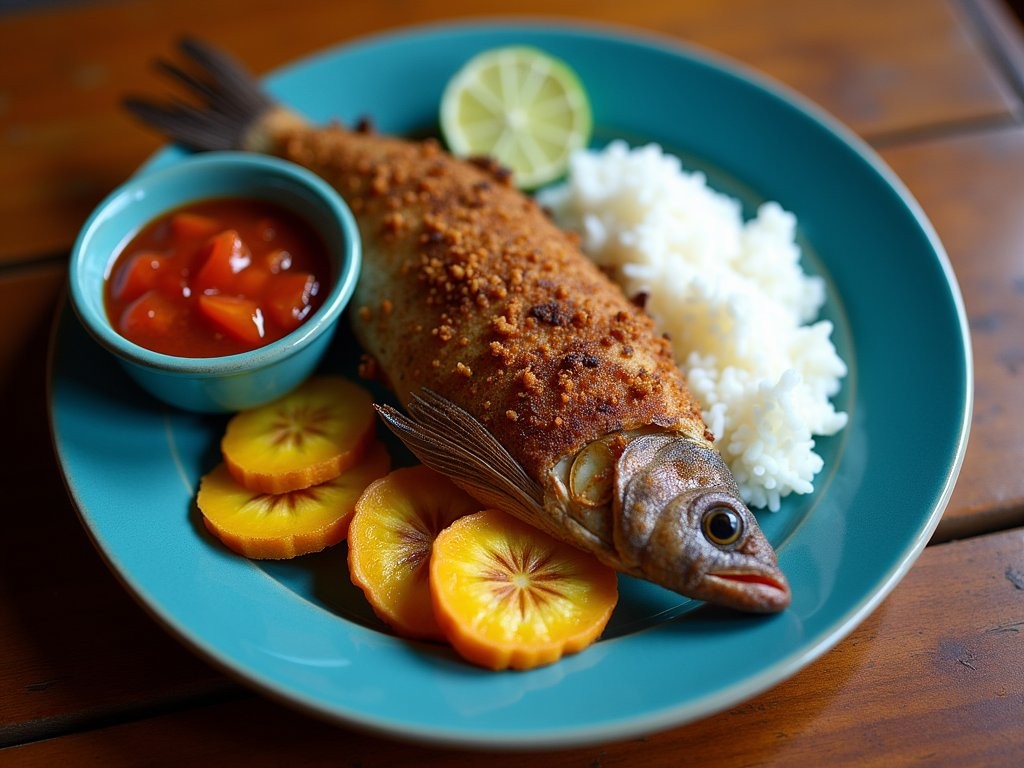
Mojarra frita quickly became my go-to lunch—a whole tilapia fried to crispy perfection, usually served with coconut rice, patacones (fried plantains), and a simple salad. At the unassuming Restaurant La Costa near the waterfront, I had a version so perfect that I actually closed my eyes while eating it, prompting laughter from the waiter who told me, "La comida se disfruta con todos los sentidos" (Food is enjoyed with all the senses).
The most surprising discovery was arroz con coco y camarones—coconut rice with shrimp. The subtle sweetness of the coconut against the savory seafood created this perfect balance that reminded me of some Japanese dishes that play with similar contrasts. I found myself sketching the presentation in my travel journal, channeling my grandmother's architectural eye for detail.
For those looking to sample the best seafood without breaking the bank, skip the touristy spots on the main strips and head to where the locals eat. A particularly memorable meal at a plastic-table establishment called El Muelle cost me just 15,000 COP (about $4 USD) for a feast that would have been triple the price in Atlanta.
💡 Pro Tips
- Visit the fish market early (before 10am) to see the best selection and watch local chefs making their purchases
- Don't be afraid of small, family-run restaurants with plastic chairs—they often have the most authentic food
- Learn the phrase 'Pescado del día' (fish of the day) for the freshest options
Hidden Architectural Gems: Where Food Meets History
My dual obsessions with architecture and finding hidden spots led me to some of the most interesting culinary experiences in both cities. There's something about the physical spaces where food is prepared and enjoyed that adds an extra dimension to the flavors.
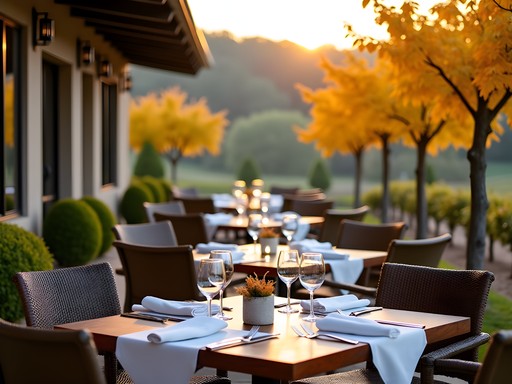
In Barranquilla's Barrio El Prado, I discovered a colonial-era building that had been converted into a small restaurant called Casa Antigua. The high ceilings and preserved wooden beams created natural ventilation that kept the space cool even in the Caribbean heat. Here, I tried mote de queso—a cheese and yam soup that sounds simple but delivers complex flavors. The owner explained that the building was once a merchant's home, and the kitchen still uses the original brick oven from the 1800s.
Soledad surprised me with its blend of traditional and modern architecture. At a place called Rincón Soledeño, housed in what was once a family compound with a central courtyard, I enjoyed sancocho trifásico—a hearty soup made with three types of meat (chicken, beef, and pork). The courtyard featured hand-painted tiles that told stories of the region's history, and each table was positioned to catch the afternoon breeze.
My finance background had me calculating the incredible value these experiences offered. Most meals at these architectural gems cost between 12,000-25,000 COP ($3-7 USD), proving that cultural immersion doesn't have to drain your wallet.
For documenting these spaces, I relied on my travel tripod to capture the low-light interiors without flash, allowing me to respect the ambiance while still getting detailed shots of both the food and architectural elements.

💡 Pro Tips
- Ask locals about buildings with history—many restaurants don't advertise their architectural significance
- Visit during off-peak hours (2-5pm) to have more time to appreciate the spaces and talk with staff about the buildings
- Look for places with interior courtyards, which are traditional to Colombian colonial architecture

The Carnival Influence: Festive Flavors Year-Round
Barranquilla's famous Carnival may only happen once a year, but its spirit infuses the local food culture year-round. As someone who studies how traditions evolve in modern contexts, I was fascinated by how carnival flavors have become everyday staples while maintaining their festive associations.
Butifarra sausages, traditionally eaten during carnival celebrations, are now available daily but still carry that sense of celebration. At a small family-run shop called La Butifarra Feliz, I watched three generations working together to prepare these seasoned meat delicacies. The grandmother seasoned, the mother shaped, and the daughter packaged—a living example of tradition in motion.
Street vendors selling raspao (Colombian snow cones) decorate their carts with carnival colors year-round. These refreshing treats, topped with condensed milk and fruit syrups, saved me during the midday heat. My favorite vendor, a man named Carlos near Plaza San Nicolás, told me he'd been operating the same cart for 32 years and had participated in every carnival during that time.
Arepa de choclo con queso (sweet corn arepa with cheese) vendors often display photos of themselves in carnival costumes while serving these sweet-savory treats that fuel many carnival dancers. The contrast between the sweet corn and salty cheese creates this perfect balance that kept me coming back daily.
To stay hydrated while exploring in the heat, I relied on my insulated water bottle which kept water cold for hours even in the Caribbean sun. This saved me money on bottled water and reduced plastic waste—a small way to practice environmental responsibility while traveling.
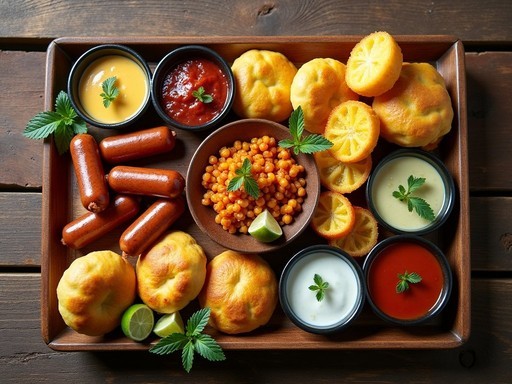
During my exploration, I discovered that many restaurants offer "Carnival Platters" year-round—sampling boards of traditional festival foods that let you taste multiple specialties in one meal. At La Cueva restaurant, their platter included miniature versions of bollo limpio (corn dough wrapped in corn husks), carimañolas, empanadas, and butifarras for just 18,000 COP (about $5 USD).

💡 Pro Tips
- Ask vendors about their carnival experiences—many have fascinating stories and photos to share
- Look for restaurants advertising 'Plato Carnavalero' for the best sampling options
- Try traditional carnival drinks like *chicha* (fermented corn drink) and *guarapo* (sugarcane juice) that are available year-round
Sweet Endings: Desserts That Tell Cultural Stories
If you want to understand the multicultural history of Colombia's Atlantic coast, look no further than its desserts. Each sweet treat tells a story of cultural fusion that resonates with my own mixed heritage.
Cocadas quickly became my evening ritual—these coconut sweets come in various forms, from soft and gooey to firm and caramelized. In Soledad's central plaza, an elderly vendor named Doña Elena makes them using her grandmother's recipe, which she recited to me from memory. The African influence is evident in the technique, while Spanish colonial ingredients like cinnamon create layers of flavor.
In Barranquilla, I discovered enyucado—a cassava and coconut cake that reflects indigenous ingredients adapted through European baking methods. The dense, slightly chewy texture paired perfectly with a cup of locally grown coffee. At Dulcería La Especial, they serve it warm with a small scoop of arequipe (similar to dulce de leche).
Perhaps most interesting to me was borrachito, a rum-soaked cake whose name literally means "little drunk one." This dessert shows the Spanish influence but has evolved with local ingredients like tropical fruits. At a small bakery called Pan y Canela near my hostel, the owner explained how each family has their own closely guarded recipe.
I found myself drawing parallels to Japanese wagashi, which similarly uses local ingredients to tell cultural stories. There's something universal about how sweets become vessels for heritage.
For those with dietary restrictions, I was pleasantly surprised to find that many traditional coconut-based desserts are naturally gluten-free, and vendors were always happy to explain ingredients when asked. I tracked my favorites using my travel journal where I could note ingredients, cultural origins, and my personal ratings of each treat—something that's become a tradition during all my culinary adventures.

💡 Pro Tips
- Look for dessert vendors in the main plazas after 4pm when locals enjoy their merienda (afternoon snack)
- Ask about seasonal fruit desserts—some of the best sweets are only available when specific fruits are in season
- Coffee and dessert pairings are taken seriously—ask for recommendations for the perfect match
Final Thoughts
As my weekend adventure along Colombia's Atlantic coast came to an end, I found myself with a full heart, satisfied taste buds, and a deeper appreciation for how food preserves cultural heritage while constantly evolving. The fusion of indigenous, African, and European influences in every bite mirrors my own journey of connecting with my Japanese heritage while embracing my American identity. These coastal cities might not top the typical tourist lists, but for food adventurers seeking authentic experiences on a budget, Soledad and Barranquilla offer an unparalleled feast for both stomach and soul. Whether you're scaling literal cliffs (my usual travel preference) or the metaphorical heights of culinary discovery, Colombia's Caribbean coast proves that some of life's richest experiences come with the most modest price tags. ¡Buen provecho y hasta pronto!
✨ Key Takeaways
- Colombian Caribbean cuisine offers incredible value—most meals cost under $7 USD for generous portions
- The best food experiences often happen in architecturally significant buildings that tell their own cultural stories
- Street food provides the most authentic taste of local flavors and traditions
- Carnival influences permeate food culture year-round, not just during festival season
📋 Practical Information
Best Time to Visit
year-round (though January-March offers carnival season)
Budget Estimate
$30-50 USD/day including accommodations
Recommended Duration
2-3 days
Difficulty Level
Easy
Comments
Sage Dixon
Fantastic write-up! The Atlantic coast doesn't get nearly enough love compared to Cartagena and the Caribbean islands. I was there during Carnival season a few years back and the energy was absolutely electric - the food stalls multiply tenfold and you get these incredible fusion dishes that only appear during festival time. One thing I'd add for anyone planning to visit: bring a good portable charger because you'll be taking a million food photos and Google translating menus all day. The architectural section really resonated with me too. There's something special about eating in a 200-year-old building where you can almost taste the history along with your meal.
exploremate
Going there next month! Any tips on where to stay in Barranquilla?
Bryce Diaz
Skyler, this brought back so many memories! I did a similar route back in 2019 and fell completely in love with the Atlantic coast. That hidden courtyard restaurant you mentioned near the old customs house - was it Casa del Pescador? If so, their grilled pargo rojo is still one of the best fish dishes I've ever had. The owner told me stories about his grandfather bringing in catches from the same waters. It's those moments where food becomes a portal to understanding a place's soul. Did you make it to any of the smaller fishing villages outside Barranquilla? Some of my best meals were in places that didn't even have names on the map.
adventureguy
would love to know more about those fishing villages! got any names?
hikingace
Wow this makes me so excited!! I've been learning Spanish for the past year specifically so I can travel through South America and this is exactly the kind of experience I'm looking for. The way you describe the connection between food and culture is beautiful. Definitely saving this post for when I finally make it there!
nomadninja
Great post! Quick question - how easy is it to get between Soledad and Barranquilla? Are taxis reliable or should I look into renting a car? I'm planning a two week trip along the coast and trying to figure out logistics.
exploremate
taxis are everywhere and super cheap! we used uber mostly and never had issues. def don't need to rent a car
adventureguy
This is SO COOL!! I'm actually heading to Cartagena in March and was thinking about doing a day trip to Barranquilla. Would you recommend staying overnight instead? Also which seafood place was your absolute favorite? I'm obsessed with ceviche and need to know where to go haha. The carnival influence section was fascinating too - never thought about how festivals shape everyday food culture!
Sage Dixon
Definitely stay overnight if you can! There's a different energy in Barranquilla at night, and you'll want time to really explore the food scene without rushing back. I spent three days there last year and still felt like I barely scratched the surface.
dreamblogger4991
Love the photos! Adding to my bucket list
escapemood
OMG this looks absolutely incredible!! I've never been to Colombia but this post is making me want to book a flight RIGHT NOW. The street food photos especially - that arepa de huevo looks amazing! Did you feel safe eating street food there? I always get nervous about that but don't want to miss out on the authentic experience!
exploremate
not OP but i was there last year and the street food was totally fine! just look for busy stalls with lots of locals
escapemood
thank you!! that's really helpful :)
wavetime
Those seafood dishes look incredible! Did you have any issues with language barriers? My Spanish is pretty basic. Also, any specific street food vendors you'd recommend in Soledad?
Skyler Tanaka
I found that in tourist areas, many people speak some English, but having basic Spanish phrases definitely helped in the local spots. In Soledad, don't miss the arepa stand at the corner of Calle 19 and Carrera 21 - the lady there (María) makes them fresh all day and they're incredible. Also, most menus have pictures, so pointing works in a pinch!
wildperson
We went last year with zero Spanish and survived! Food words are easy to learn fast 😂
skylife
This looks amazing! I'm planning to visit in February - is that a good time for the Carnival you mentioned? How easy is it to get between Soledad and Barranquilla?
Skyler Tanaka
February is perfect for Carnival! It's usually held in February (sometimes early March), and it's absolutely worth planning your trip around. Getting between Soledad and Barranquilla is super easy - they're basically connected. Taxis are affordable, or you can use the local buses which run frequently. Just prepare for crowds during Carnival season!
skylife
Thanks so much! Definitely going to time my visit with Carnival then. Can't wait to try all this food!
Venture X
Premium card with 2X miles, $300 travel credit, Priority Pass