
Disclosure: This article contains affiliate links. We may earn a commission from purchases at no extra cost to you, which helps our travel content.
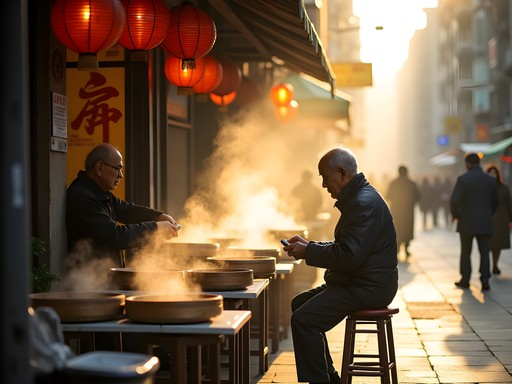
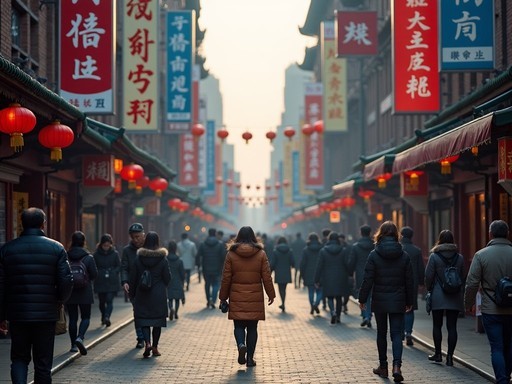
Standing at the intersection of Nanjing Road, the symphony of sizzling woks and fragrant steam rising from bamboo baskets transported me back to my childhood in Busan, where my grandmother would prepare similar dishes with meticulous care. Yet Shanghai's culinary landscape offers something uniquely transformative—a city where centuries-old recipes share the stage with avant-garde gastronomy, where the humble dumpling is both street food staple and canvas for Michelin-starred innovation. As someone who's navigated between Eastern and Western cultures my entire life, I found Shanghai's food scene to be the perfect metaphor for a city embracing its heritage while boldly stepping into the future.

Morning Rituals: Shanghai's Breakfast Revolution
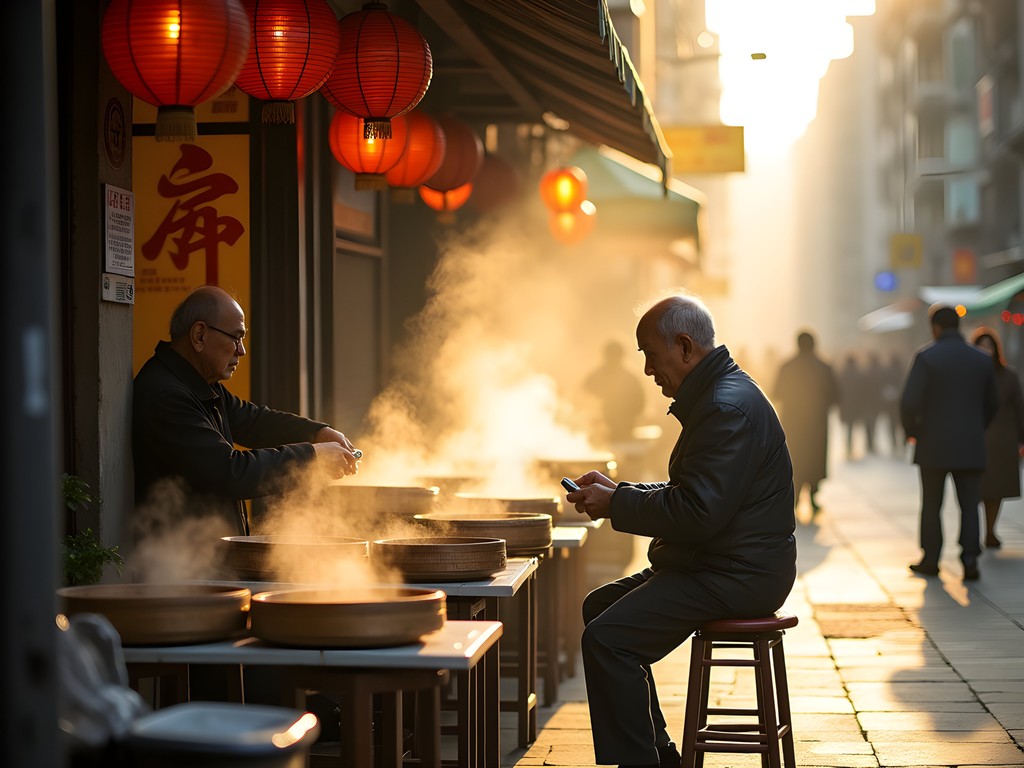
My day in Shanghai always begins before the sun fully emerges, when local breakfast spots buzz with activity and the air fills with the aroma of freshly steamed buns. The quintessential Shanghainese breakfast experience starts with sheng jian bao—pan-fried pork buns with crispy bottoms and juicy interiors that demand a specific eating technique to avoid scalding yourself with the hot soup inside.
At Yang's Fry Dumplings (杨家饺子馆) near People's Square, locals line up daily for these perfect pockets of flavor. I've learned to eat them like a pro: take a tiny bite, let the steam escape, then sip the rich broth before consuming the rest. Pair them with a bowl of silky doujiang (soy milk) and you tiao (fried dough sticks) for the complete experience.
After breakfast, I love wandering through nearby wet markets where vendors display fresh produce, live seafood, and exotic ingredients. These markets offer a glimpse into daily Shanghainese life and the foundation of its cuisine. I always carry my collapsible shopping bag to pick up some unusual fruits or tea leaves to bring home—sustainable shopping habits die hard, even when traveling!
💡 Pro Tips
- Arrive at breakfast spots before 8 AM to avoid long lines
- Always blow on your sheng jian bao before taking a bite to avoid burning your mouth
- Look for places with the longest local queues—they're usually the most authentic
The Art of Xiaolongbao: Shanghai's Dumpling Diplomacy
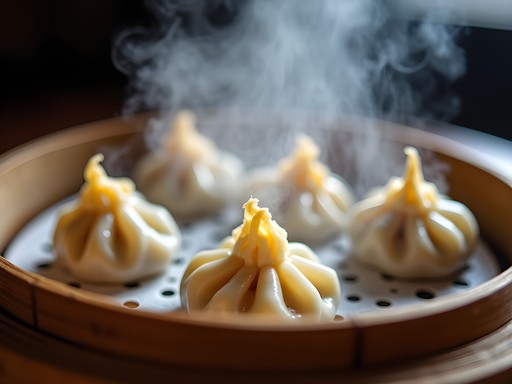
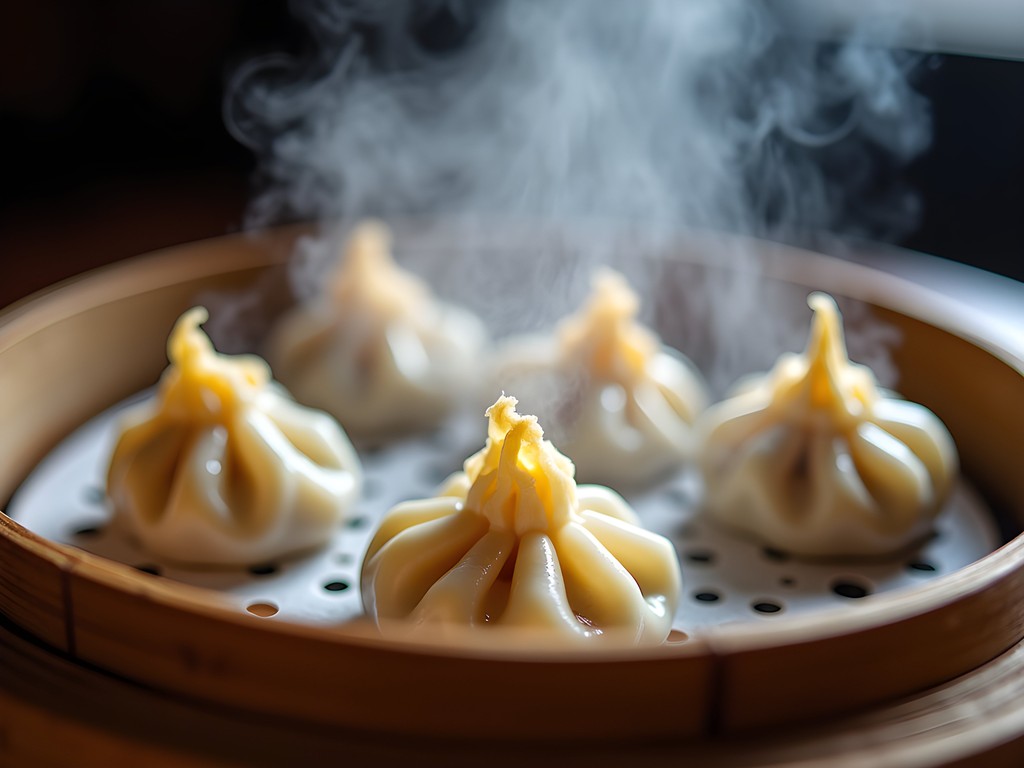
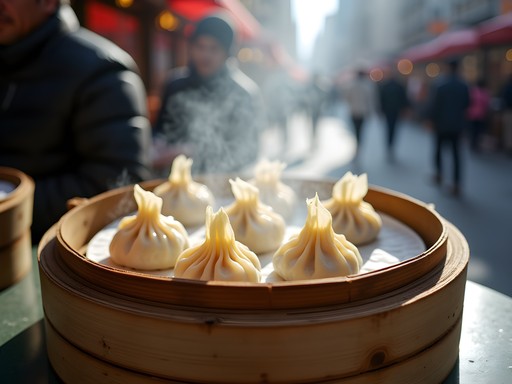
If there's one food that symbolizes Shanghai's culinary identity, it's xiaolongbao—those delicate soup dumplings that have conquered the world. My environmental engineer's precision comes in handy when assessing the perfect xiaolongbao: the skin should be thin yet sturdy, with exactly 18 pleats (yes, I count them), and contain a perfect balance of meat filling and rich broth.
While Din Tai Fung offers consistently excellent xiaolongbao in a refined setting, I prefer the more authentic experience at Jia Jia Tang Bao in the Huangpu District. Here, in a humble setting with plastic stools and laminated menus, you'll find what many locals consider the city's best soup dumplings. The line moves quickly, and the menu is straightforward—pork, crab, or a combination of both.
My Korean-American palate appreciates how xiaolongbao bridges cultures: the technique reminds me of Korean mandu, yet the flavor profile is distinctly Shanghainese. For first-timers, I recommend using my dumpling eating kit which includes the perfect soup spoon for catching every drop of that precious broth. The proper technique: place the dumpling on your spoon, take a tiny bite from the top, sip the soup, then enjoy the rest with a drop of vinegar and ginger.
💡 Pro Tips
- Order xiaolongbao in batches so they arrive piping hot
- Use your chopsticks to lift from the top knot, not the delicate sides
- The best xiaolongbao places often run out by early afternoon—plan accordingly
From Longtangs to Luxury: Shanghai's Culinary Contrasts
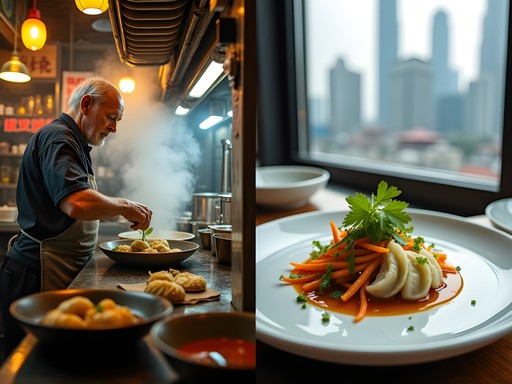
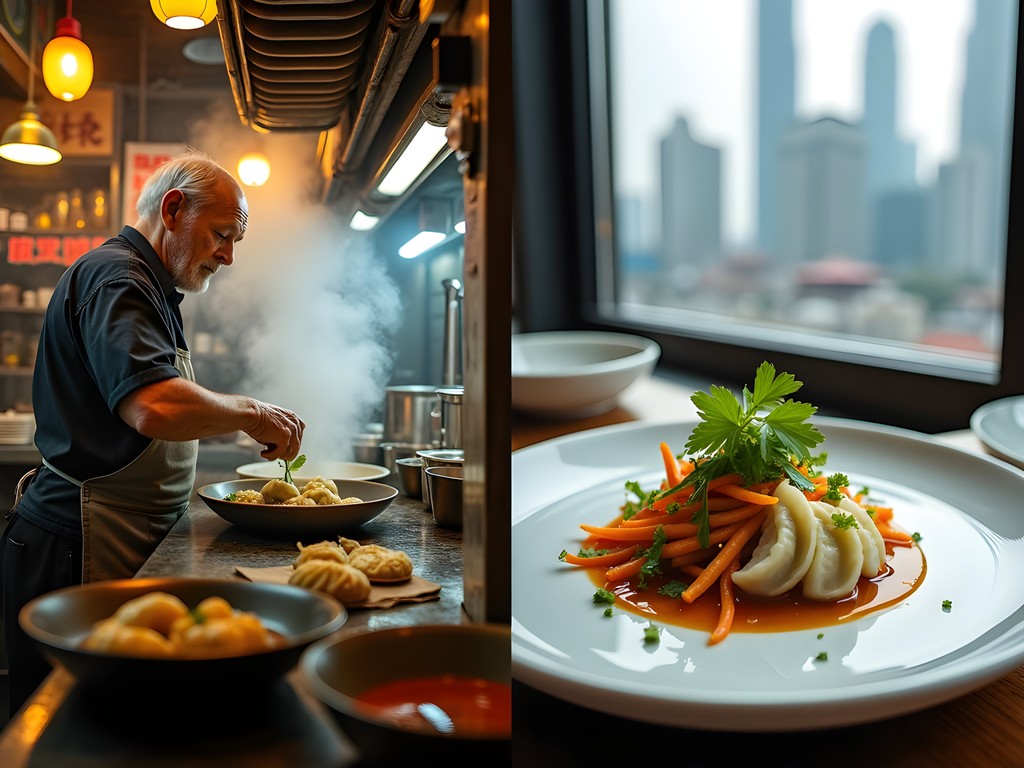
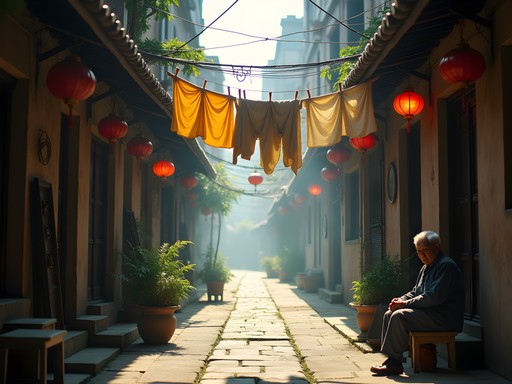
What fascinates me most about Shanghai is how seamlessly it blends humble street food with high-end gastronomy. One afternoon, I navigated the narrow longtangs (alleyways) of the Former French Concession, where family-run shops have perfected single dishes over generations. At Fuchun Xiaolong, I watched three generations of a family working together, the grandmother's hands moving with mechanical precision as she pleated dumplings without even looking down.
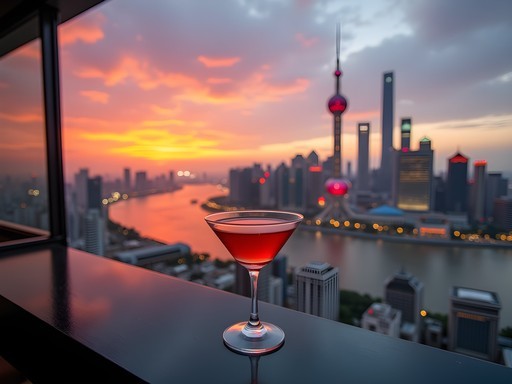
That same evening, I ascended to Sir Elly's Restaurant at The Peninsula, where innovative chefs transform those same traditional flavors into artistic expressions. The contrast was striking: from plastic stools to crystal glasses, from bustling alleys to panoramic Bund views—yet the soul of Shanghainese cuisine remained intact in both settings.
For couples seeking a memorable dining experience, I recommend starting with street food exploration using the food tour guidebook to navigate the authentic spots, then elevating the experience with a reservation at one of the city's 40+ Michelin-starred restaurants. Ultraviolet by Paul Pairet offers the most theatrical experience, with a multi-sensory 20-course journey that combines projection mapping with molecular gastronomy—though securing reservations requires planning months in advance.
💡 Pro Tips
- Book high-end restaurants at least one month in advance
- Learn basic Mandarin food phrases to navigate street food stalls confidently
- Consider a progressive dinner: appetizers at a street stall, main course at a mid-range restaurant, and dessert at a luxury establishment

The New Shanghai Palate: Fusion and Innovation
My engineering background makes me appreciate how Shanghai's innovative chefs are essentially culinary scientists, experimenting with tradition to create something entirely new. The city's contemporary dining scene reflects its position at the crossroads of global influence and deep-rooted heritage.
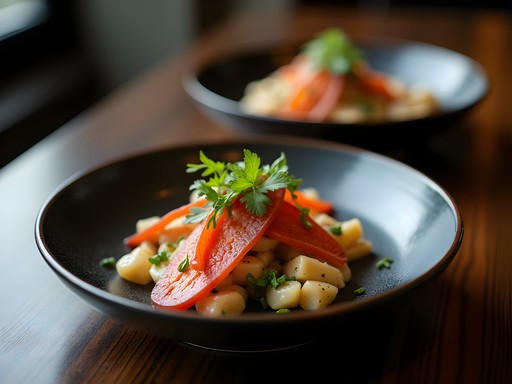
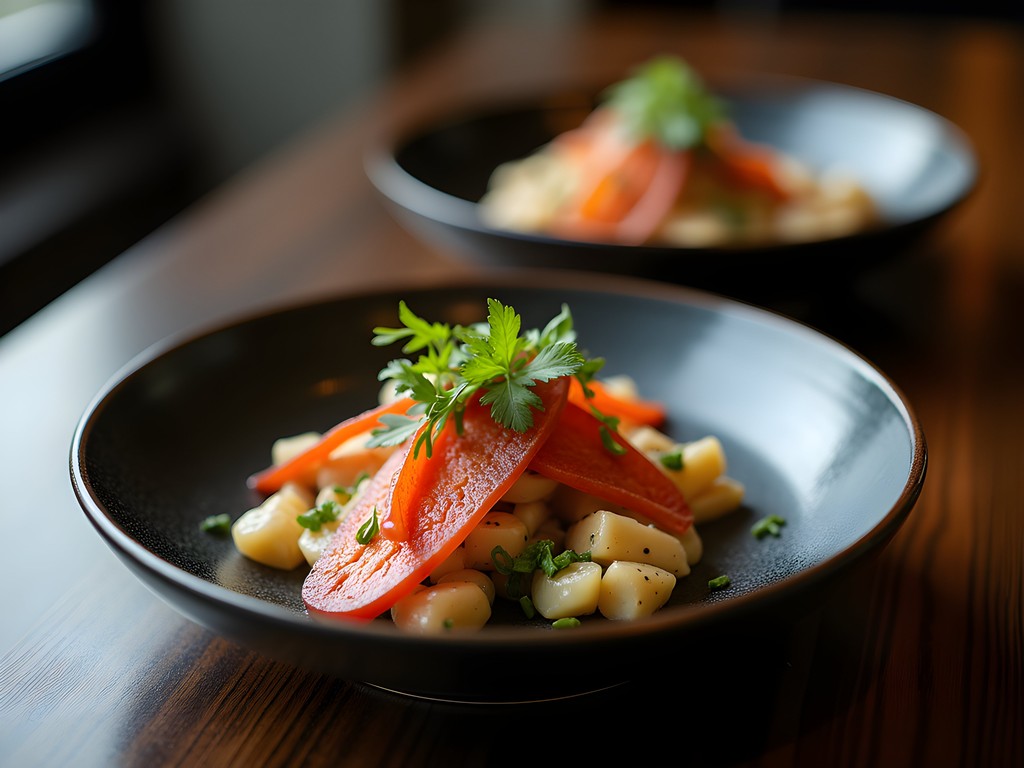
At restaurants like Fu He Hui, Chef Tony Lu elevates vegetarian cuisine to an art form, applying traditional Chinese cooking techniques to seasonal produce. The result is a dining experience that feels both innovative and somehow ancient—much like Shanghai itself.
For couples seeking a unique date night, I recommend exploring the former abattoir turned arts district, 1933 Shanghai, where several boundary-pushing restaurants have opened. The dramatic concrete architecture provides a fitting backdrop for culinary innovation. Before dinner, I like to sip craft cocktails at Sober Company, where mixologists incorporate traditional Chinese ingredients like osmanthus, hawthorn, and Sichuan peppercorn into contemporary creations.
To capture these culinary adventures, I've found my food photography light indispensable for those Instagram-worthy food shots in dimly lit restaurants. Shanghai's dramatic plating deserves to be documented properly!
What I find most remarkable about Shanghai's culinary evolution is how it mirrors my own journey between cultures—honoring traditions while embracing innovation, finding harmony in seeming contradictions.
💡 Pro Tips
- Try at least one dish that challenges your palate—Shanghai cuisine embraces textural contrasts Western diners might find unusual
- Look for restaurants using forgotten heritage ingredients being revived by young chefs
- Ask for wine pairings that include Chinese wines—the country's viticulture is evolving rapidly
Sweet Endings: Shanghai's Dessert Renaissance
No culinary journey through Shanghai would be complete without exploring its evolving dessert scene, where traditional sweet soups meet French patisserie techniques. My Korean heritage gives me a particular appreciation for the way Shanghai's dessert artisans balance sweetness—never overwhelming, always nuanced.
At Cha's, the iconic Hong Kong-style restaurant with several Shanghai locations, the mango pomelo sago provides a refreshing conclusion to a spice-laden meal. The combination of tropical fruit, chewy tapioca pearls, and creamy coconut base reminds me of similar desserts my mother would prepare, though with distinctly Chinese elements.
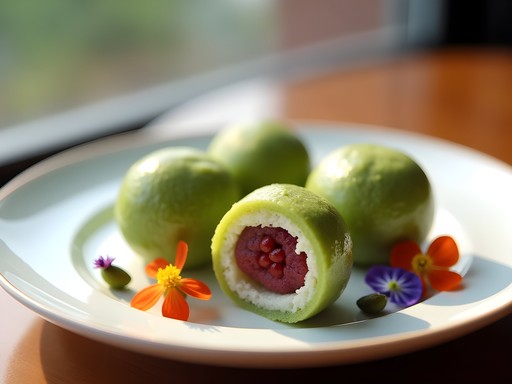
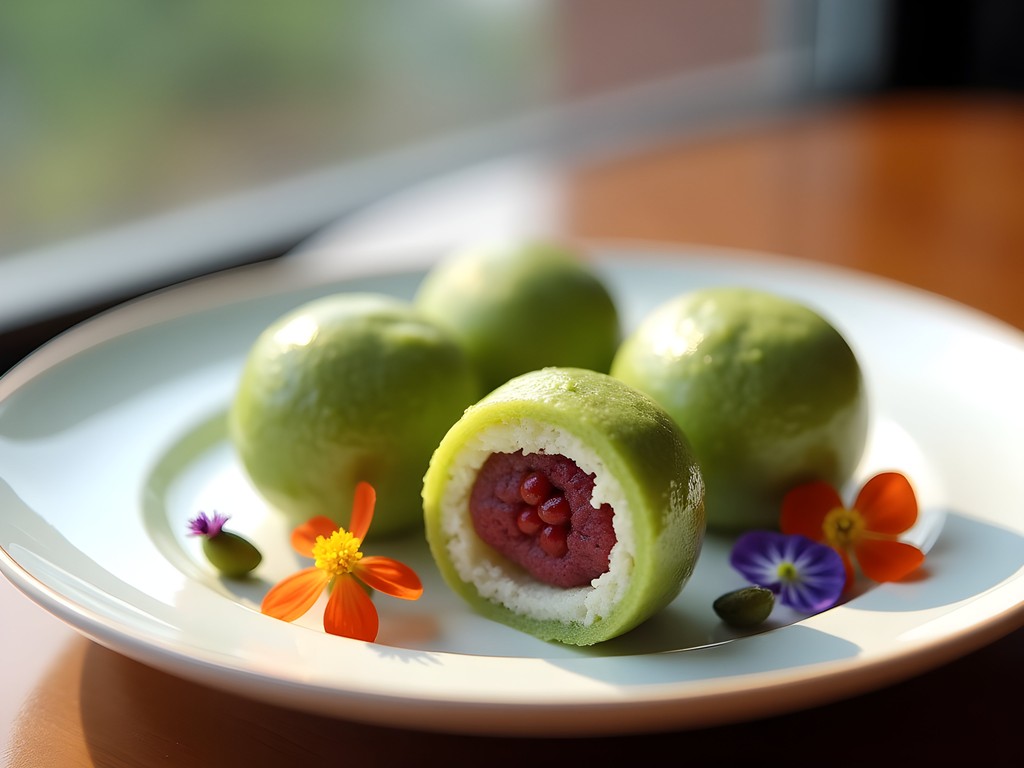
For something uniquely Shanghainese, seek out qingtuan—green rice balls filled with sweet red bean paste—during spring season. These moss-colored mochi-like treats are traditionally eaten during Qingming Festival but can now be found year-round at select pastry shops.
Couples with a sweet tooth should visit Godly on Nanjing Road, a historic Shanghainese institution famous for its flaky pastries filled with everything from red bean to savory pork. I always bring my insulated food container to take some treats back to my hotel for late-night snacking—the double-walled vacuum insulation keeps pastries fresh for hours.
What I love most about Shanghai's dessert evolution is the dialogue between tradition and innovation—much like the city itself, these sweet creations honor the past while boldly embracing new possibilities.
💡 Pro Tips
- Save room for dessert by ordering smaller portions throughout your meal
- Visit traditional dessert shops between 2-4 PM when locals enjoy their afternoon sweet breaks
- Look for seasonal specialties like osmanthus cake in autumn or tangyuan during winter solstice
Final Thoughts
As my weekend culinary exploration of Shanghai drew to a close, I found myself sitting at a small table overlooking the Huangpu River, savoring both the last bites of my meal and the contradictions that make this city's food scene so compelling. Shanghai doesn't ask you to choose between tradition and innovation, between street food authenticity and fine dining artistry—it invites you to embrace it all, much like I've learned to embrace my own dual cultural identity.
For couples seeking connection through shared culinary adventures, Shanghai offers the perfect backdrop for creating lasting memories. There's something profoundly intimate about navigating bustling food streets together, discovering new flavors side by side, and toasting to new experiences against the glittering Pudong skyline.
As an environmental engineer, I'm particularly encouraged by Shanghai's growing sustainable food movement, with farm-to-table restaurants and zero-waste concepts gaining traction alongside centuries-old culinary traditions. It's a reminder that even the most ancient food cultures can evolve with consciousness and care.
So come to Shanghai hungry—not just for food, but for experiences that challenge and delight. In this city of culinary contrasts, you'll find that the most satisfying journeys are those that honor the past while embracing the future, one delicious bite at a time.
✨ Key Takeaways
- Shanghai's food scene beautifully balances traditional techniques with cutting-edge innovation
- The best culinary experiences combine street food exploration with high-end dining
- Spring offers ideal weather and seasonal specialties like qingtuan green rice balls
- Booking reservations at top restaurants should be done weeks or months in advance
- Learning basic food-related Mandarin phrases greatly enhances the street food experience
📋 Practical Information
Best Time to Visit
Spring (March-May) or Fall (September-November)
Budget Estimate
$75-150 per day per person for food
Recommended Duration
2-3 days minimum for food exploration
Difficulty Level
Beginner




Comments
wanderhero4533
Great post! One tip I'd add - if you're doing the Michelin restaurant thing, book way in advance. We tried to get into Ultraviolet when we were there and it was booked solid for weeks. The mid-range places are where it's at anyway imo. Got some of my best meals at random neighborhood spots that cost like $5.
happywalker
thanks for sharing!
moondiver
Been to Shanghai three times now and totally agree about the breakfast scene. My favorite thing is getting up early and just wandering through the wet markets - the energy is incredible and you can find the most authentic food. The fried dough sticks (youtiao) with warm soy milk is such a simple but perfect breakfast. Also if anyone's going, don't sleep on the hairy crab season in fall, it's a whole experience.
wanderlustseeker
I've never been to China before and honestly feeling a bit nervous about the language barrier. Is it easy to order food if you don't speak Mandarin? This post is making me really want to visit though, the food looks incredible!
George Hayes
Don't stress too much! We took our kids there last year and managed just fine. Most restaurants have picture menus or you can use translation apps. The Google Translate app with the camera feature was a lifesaver - you just point it at the menu. People are generally really patient and helpful. Just smile and point, you'll eat well!
wanderlustseeker
That makes me feel so much better, thank you!
freelegend5058
Really cool!
oceanseeker
This looks AMAZING!! I'm planning my first trip to Shanghai for March and I'm so excited about the food! Quick question - do most street food vendors take credit cards or should I have cash? Also any vegetarian options you'd recommend? Your photos are absolutely gorgeous btw!!!
wanderhero4533
Most places take WeChat Pay or Alipay. Cash works too but mobile payment is huge there. You'll want to set up one of those apps before you go, makes everything easier.
oceanseeker
Thanks so much!! Super helpful
Timothy Jenkins
Bella, wonderful piece on Shanghai's culinary landscape. I visited last spring and was particularly impressed by the breakfast culture you mentioned. The sheng jian bao from Yang's Fry Dumplings near People's Square remains one of my most memorable food experiences in Asia. The contrast between street food authenticity and Michelin-starred innovation really does capture modern Shanghai perfectly. Did you manage to visit any of the longtang neighborhoods for their traditional breakfast spots?
moondiver
Yang's is the best! The lines can get crazy though, go before 9am if you can
happywalker
those xiaolongbao pics are making me hungry!!
TravelwithMei
Just spent a week eating my way through Shanghai after reading this post! The contrast between old and new food scenes is incredible. My favorite discovery was this tiny place in the French Concession area making hand-pulled noodles. The chef was literally performing art in front of us! Also loved how the high-end places are embracing local ingredients in new ways. That section about Shanghai's culinary contrasts is spot on. Bella, your writing really captured the essence of what makes Shanghai's food scene so special.
BellaE_Travel
So happy to hear this guided your culinary adventures! Those noodle masters are incredible, aren't they? Did you catch any of the night markets?
AsianCuisineExplorer
If you're still in Shanghai, try Yang's Dumplings for sheng jian bao - they're like the crispy-bottom cousin of xiaolongbao and absolutely divine!
wanderlustway
Just got back and tried Yang's - SO GOOD! Burned my mouth on the first one because I was too excited 😂
Venture X
Premium card with 2X miles, $300 travel credit, Priority Pass