
Disclosure: This article contains affiliate links. We may earn a commission from purchases at no extra cost to you, which helps our travel content.
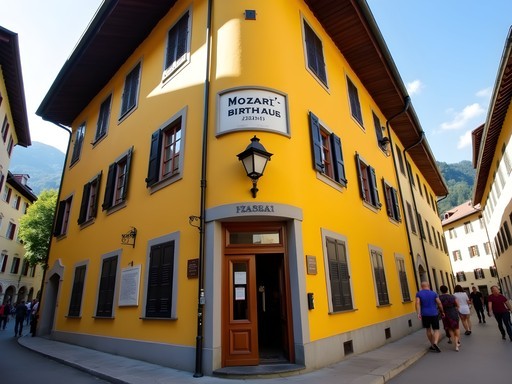
There's a rhythm to the way Austrians approach food that reminds me of a well-composed jazz standard – traditional at its core but with room for personal interpretation. As I wandered through Salzburg's cobblestone streets this past autumn, the city revealed itself as more than just Mozart's birthplace or the backdrop for The Sound of Music. Between the Baroque architecture and Alpine vistas lies a culinary landscape that pulses with as much cultural significance as the music that made this city famous. Having spent years in Korea developing a palate for nuanced flavors and appreciating how food spaces reflect cultural identity, I found myself drawn to Salzburg's traditional eateries – places where centuries-old recipes are honored while still evolving with contemporary sensibilities. Much like the architectural harmony that defines this UNESCO World Heritage city, Salzburg's cuisine balances rich tradition with subtle innovation, creating a gastronomic experience that resonates long after the last bite.

Morning Melodies: Salzburg's Coffee House Culture
The day in Salzburg begins not with the sound of music, but with the gentle hiss of espresso machines and the clinking of porcelain cups against saucers. The coffee house culture here isn't just about caffeine—it's a cultural institution that rivals Vienna's famous café scene, just with a more intimate, less touristy atmosphere.
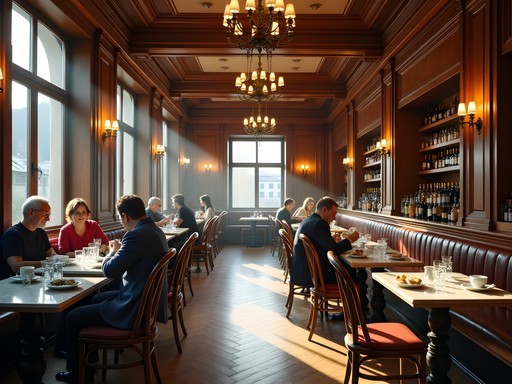
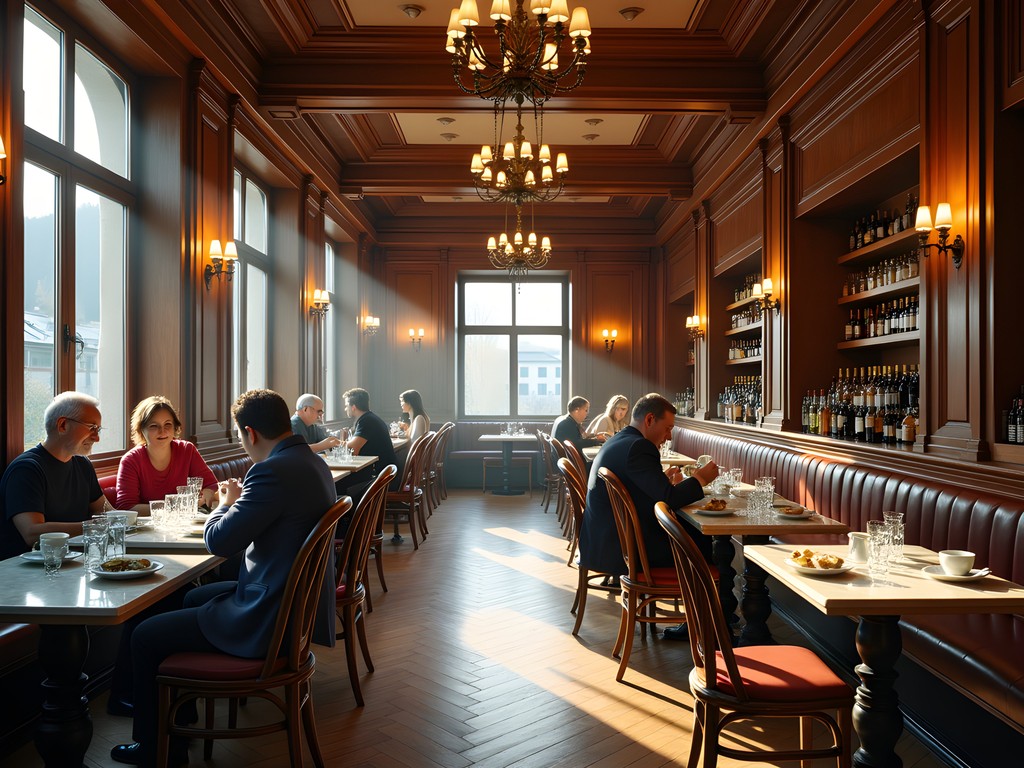
At Café Tomaselli, the oldest coffee house in Austria (operating since 1705), I watched as Kaffeedamen (coffee ladies) in traditional black dresses circulated with trays of pastries while locals lingered over newspapers. The space itself speaks volumes about Austrian design sensibilities—wood-paneled walls, marble tabletops, and bentwood chairs creating a harmony that feels both elegant and approachable.
What struck me was how families are welcomed into these seemingly sophisticated spaces. Unlike the hushed, adults-only atmosphere of many upscale cafés around the world, Salzburg's coffee houses embrace children as part of the cultural experience. My server at Café Bazar—another historic institution overlooking the Salzach River—explained that Austrians believe children should learn proper café etiquette early, just as they learn to appreciate classical music.
For the full experience, order beyond the familiar cappuccino. Try a Melange (similar to a cappuccino but with more steamed milk) or an Einspänner (black coffee topped with whipped cream). And don't leave without sampling Apfelstrudel served warm with a side of vanilla sauce, or the less internationally known but equally delicious Topfenstrudel made with sweet quark cheese.
💡 Pro Tips
- Visit cafés between 10-11am for the most authentic local experience
- Coffee houses are cash-only establishments in many cases
- A proper Salzburg café visit should never be rushed—plan to spend at least an hour
Market Symphony: Navigating Grünmarkt Like a Local
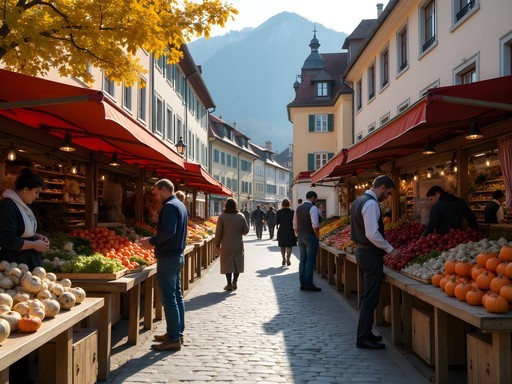
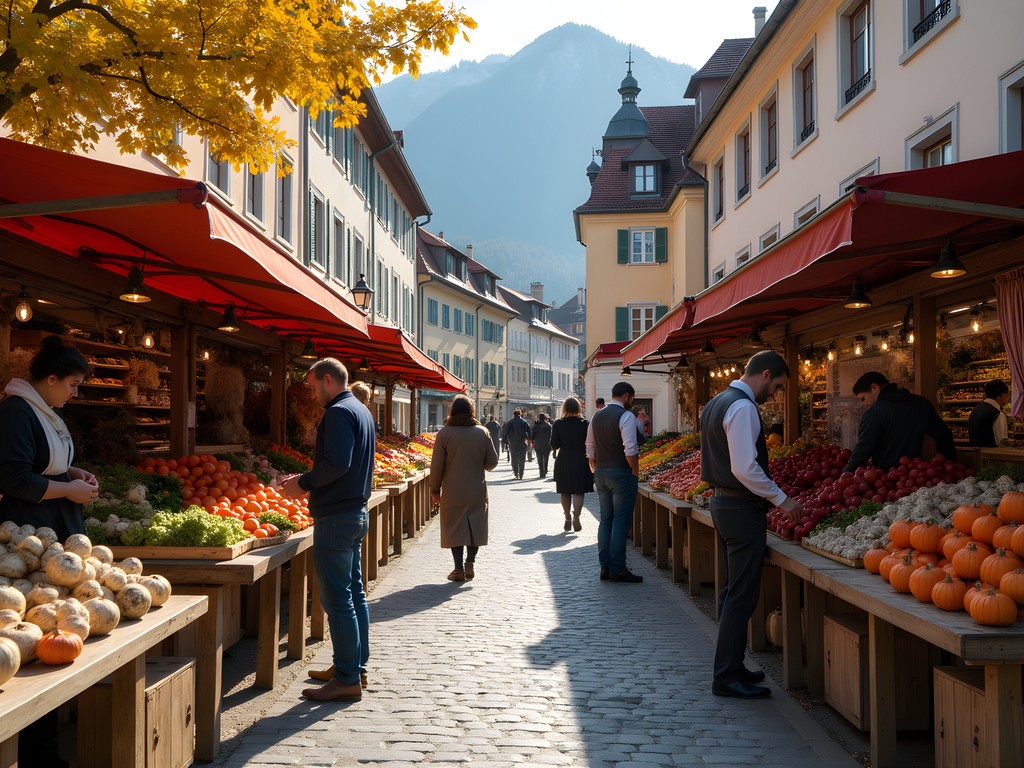
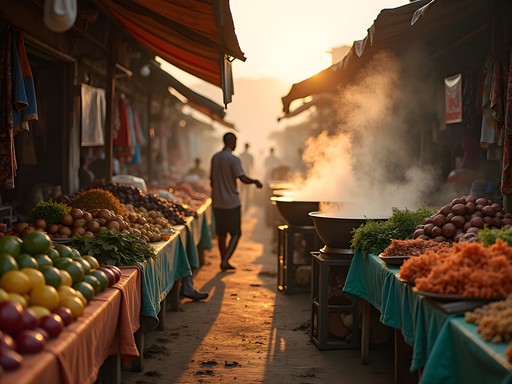
If coffee houses represent Salzburg's refined indoor culture, then the Grünmarkt (Green Market) embodies its vibrant outdoor spirit. Located in Universitätsplatz, this centuries-old market creates a daily symphony of colors, aromas, and flavors that has remained remarkably unchanged despite the modern world swirling around it.
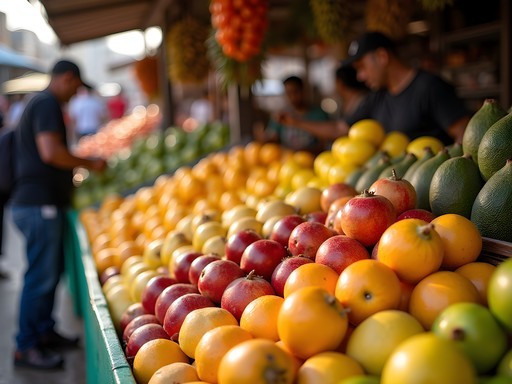
As someone who frequents Busan's traditional markets, I've developed an eye for authenticity, and Grünmarkt delivers it in spades. Farmers from surrounding Alpine regions arrive early, arranging produce in meticulous displays that would make any design enthusiast appreciate the thoughtful composition. The market follows seasonal rhythms—during my autumn visit, stalls overflowed with mushrooms foraged from nearby forests, alongside pumpkins, apples, and pears in varieties I'd never encountered.
For families exploring Salzburg, the market provides both entertainment and education. Children delight in the sensory experience while learning about local food traditions. My recommendation is to create a picnic from market finds—local cheeses, freshly baked bread, charcuterie, and seasonal fruit—then enjoy it along the Salzach River or in Mirabell Gardens.
I found myself particularly drawn to the honey vendors, where beekeepers offer tastings that reveal how different Alpine flower varieties influence flavor profiles. Before leaving, I purchased a jar of mountain pine honey to bring home to Busan—its complex, resinous sweetness now serves as a sensory souvenir, transporting me back to Salzburg with each taste.
Navigating the market efficiently requires proper gear. I always travel with my collapsible market bag which packs down to nothing in my daypack but expands to hold all my culinary treasures. For families, this becomes especially practical when little ones get tired of walking and parents end up carrying everything.
💡 Pro Tips
- Visit Tuesday through Friday mornings for the fullest market experience
- Bring cash in small denominations—most vendors don't accept cards
- Look for 'Direkt vom Bauernhof' signs indicating products directly from local farms
The Art of Alpine Comfort Food
Beyond the tourist-focused restaurants serving giant schnitzels lies the soulful heart of Salzburg's culinary tradition—hearty Alpine comfort food that reflects centuries of adapting to mountain life. These dishes tell stories of resourcefulness, preservation techniques, and the intimate relationship between landscape and plate.
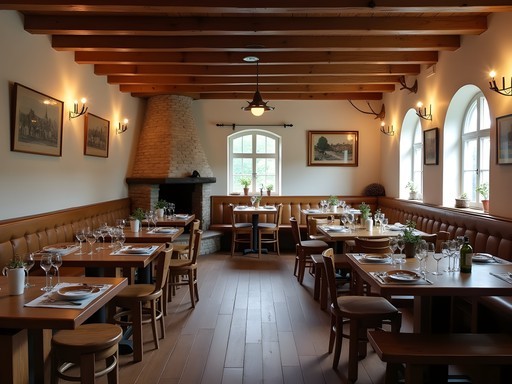
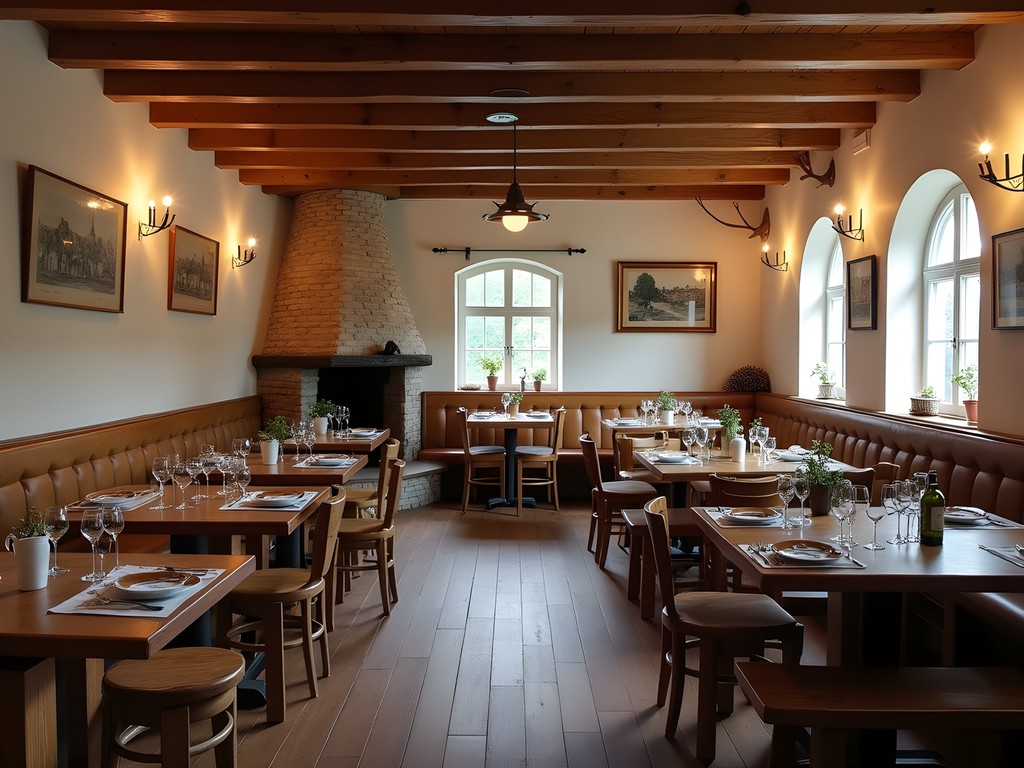
At Zum Fidelen Affen, a traditional Gasthaus tucked away from the main tourist thoroughfares, I experienced what the Austrians call Gemütlichkeit—a concept encompassing coziness, contentment, and belonging that no English word fully captures. The restaurant's interior, with its low wooden ceilings, worn benches, and ceramic tile stove, creates an architectural embrace that enhances the dining experience.
Here I discovered Kasnocken—spätzle dumplings mixed with caramelized onions and melted mountain cheese—a dish that exemplifies Alpine cuisine's elegant simplicity. Each region around Salzburg has its variation, with different cheese blends reflecting hyperlocal dairy traditions. The Tafelspitz (boiled beef with horseradish and apple sauce) offered another revelation: a preparation so basic yet so perfectly executed that it transcends its humble ingredients.
For families with children, these traditional establishments prove surprisingly accommodating. Most offer Kinderteller (children's plates) featuring smaller portions of authentic dishes rather than the standard international kids' fare. This cultural immersion through food provides children with genuine insight into Austrian life.
To capture these flavors at home, I invested in an Austrian cookbook that has allowed me to recreate some of these dishes for my friends in Busan. The recipes connect us to Salzburg's culinary heritage even from thousands of miles away, proving once again that food remains one of travel's most transportable souvenirs.
💡 Pro Tips
- Lunch is typically the main meal for Austrians—plan your biggest meal midday for the most authentic experience
- Reservations are essential for traditional Gasthäuser, especially for dinner
- When ordering meat dishes, specify your preference for doneness—Austrians typically cook meat more thoroughly than Americans might expect

Sweet Harmonies: Salzburg's Dessert Traditions
If architecture is frozen music, as Goethe suggested, then Salzburg's pastries are edible architecture—structured, precise, and beautiful in their formal execution. The city's dessert traditions reflect both its proximity to the former Habsburg Empire and its unique regional identity.
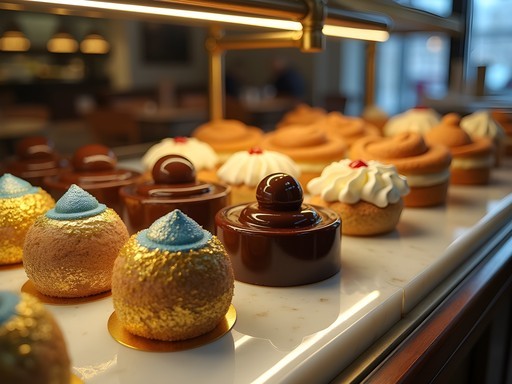
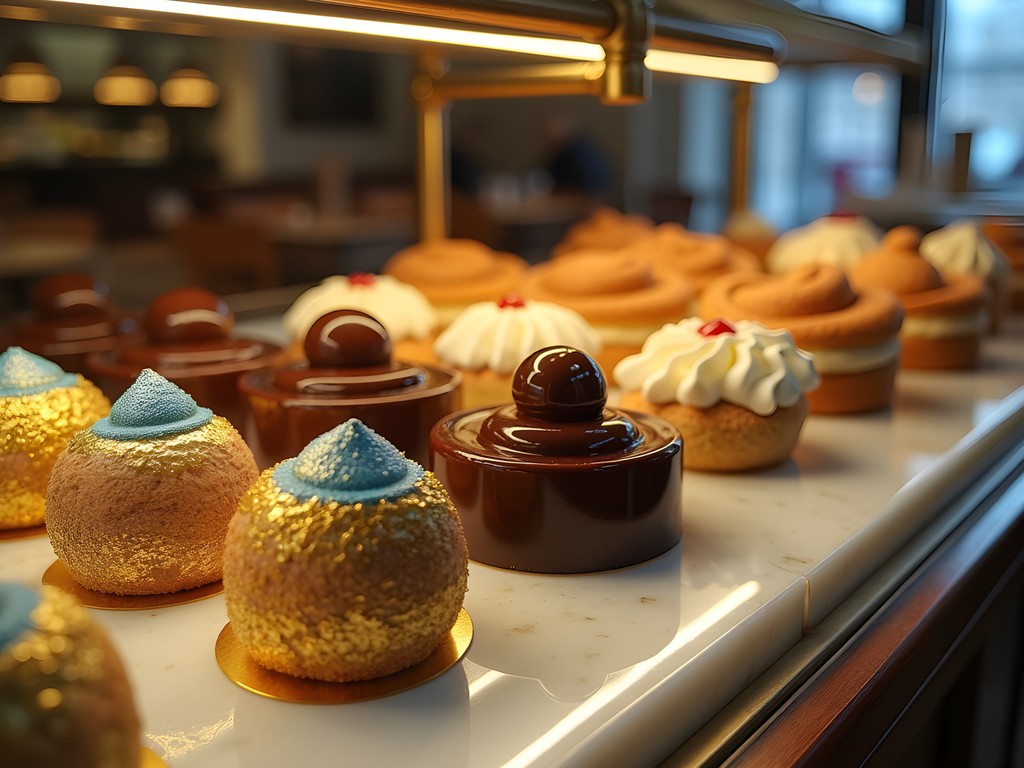
My background in design appreciation found perfect application in Salzburg's pastry shops, where the visual composition of each sweet creation is as important as its flavor profile. At Konditorei Fürst, I witnessed the birthplace of the original Mozartkugel—that perfect sphere of pistachio marzipan, nougat, and dark chocolate that embodies Austrian precision. What fascinated me was learning about the mathematical calculations behind achieving the perfect chocolate coating thickness.
Beyond the famous Mozart balls, Salzburg offers less internationally known but equally impressive confections. The Salzburger Nockerl, a soufflé-like dessert said to represent the three mountains surrounding the city, demonstrates how landscape inspires culinary creation. At Café Sacher, I sampled their version of the famous Sachertorte, slightly different from Vienna's original but no less magnificent in its architectural precision.
For families with children, these sweet experiences become memorable adventures. Many confectioneries offer workshops where visitors can try their hand at traditional techniques. I participated in a strudel-making class at K+K am Waagplatz, where the instructor's patient guidance reminded me of jazz improvisation—working within traditional structures while allowing for personal expression.
Capturing these delicate creations required proper equipment. My compact travel camera proved perfect for food photography, allowing me to document these edible artworks in challenging indoor lighting without disturbing other patrons. The flip screen made it easy to capture overhead shots of intricately designed pastries—images that now serve as sweet reminders of Salzburg's attention to detail.
💡 Pro Tips
- Most pastry shops offer shipping services for edible souvenirs
- Visit pastry shops during afternoon coffee hour (3-5pm) for the freshest selection
- Ask for seasonal specialties not listed on regular menus
Family-Friendly Food Adventures
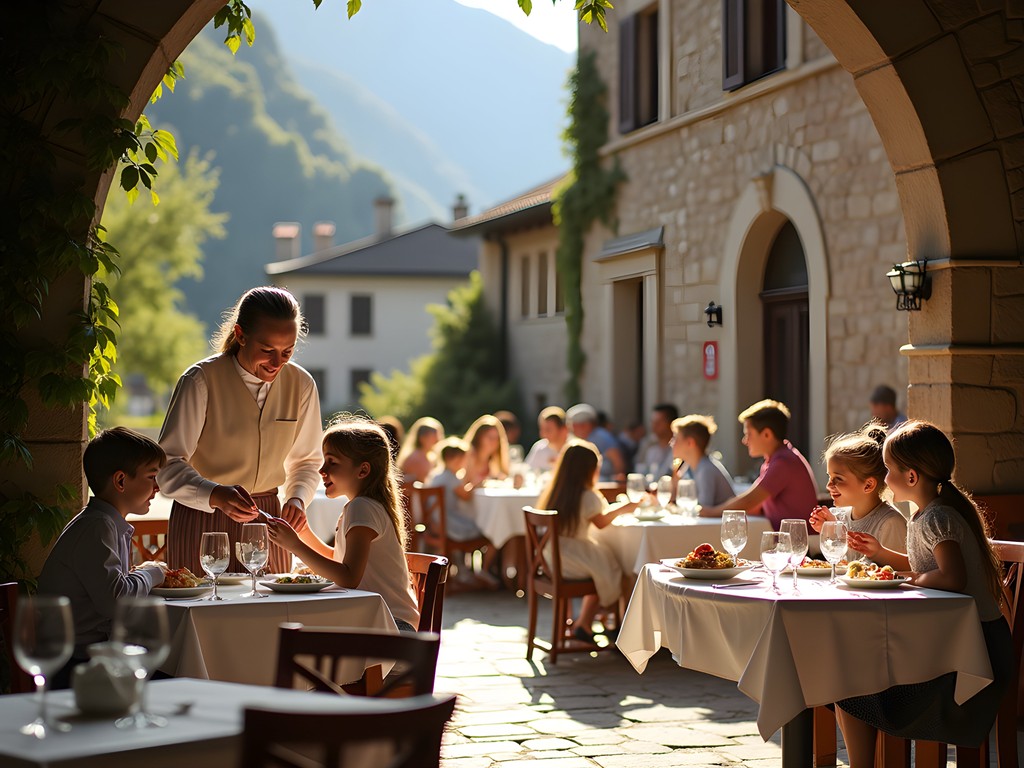
Traveling with children through Salzburg's culinary landscape doesn't mean sacrificing authenticity for convenience. In fact, Austrian culture embraces family dining in ways that many other European destinations don't, making it an ideal place for young palates to expand their horizons.
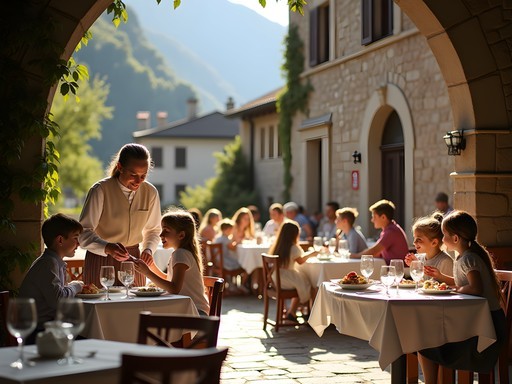
At St. Peter Stiftskeller, reportedly Europe's oldest restaurant (dating back to 803 CE), I watched as staff interacted warmly with children, providing them with simplified explanations of historic dishes and even offering behind-the-scenes peeks into the centuries-old cellar. The restaurant's courtyard, set against the cliff face of Mönchsberg, creates a magical setting that captivates diners of all ages.
For families seeking more interactive experiences, Salzburg offers several hands-on options. The Salzburg Marionette Theater combines cultural immersion with dining through their special Mozart dinner concerts, where children are fascinated by both the puppetry and the historical dining customs. At the Edelweiss Cooking School, families can participate in making traditional Austrian dishes together—an experience that teaches not just cooking techniques but cultural values around food preparation.
When dining with children in Salzburg, timing becomes crucial. Austrian dinner service typically begins later (around 7pm) and can move at a leisurely pace. For families with younger children, I recommend the Austrian tradition of Jause—a late afternoon meal similar to British high tea but featuring savory options like open-faced sandwiches alongside sweets. Places like Café Würfel Zucker offer excellent Jause options in a relaxed atmosphere where children are welcome.
For keeping track of family food adventures, I recommend using a travel journal where children can paste in menu cards, draw memorable dishes, or write about new flavors they've tried. This creates a tangible memory of their culinary discoveries that will last far longer than digital photos alone.
💡 Pro Tips
- Many restaurants offer 'family tables' (Familientisch) where multiple families can dine together—a great way for kids to meet locals
- Ask for 'Kostproben' (taste samples) if your child is hesitant about trying new foods
- Most traditional restaurants offer half-portions of adult dishes for children at reduced prices
Final Thoughts
Like a well-composed piece of music, Salzburg's culinary identity reveals itself in movements—from morning coffee rituals to evening comfort foods, each experience building upon the last to create a harmonious whole. What makes this city's food culture truly special isn't just the preservation of traditions but the way those traditions remain living, breathing practices rather than museum pieces. As you plan your family journey to Salzburg, I encourage you to venture beyond the tourist menus and famous Mozart balls. Seek out the neighborhood Gasthäuser, engage with market vendors, and allow your children to participate fully in these authentic food experiences. The memories created around Austrian tables will resonate long after the journey ends, becoming part of your family's own cultural composition. After all, the most meaningful souvenirs are the ones we carry within us—the flavors, rhythms, and connections that transform us as travelers and as human beings.
✨ Key Takeaways
- Salzburg's culinary scene balances tradition with accessibility, making it ideal for family food exploration
- Local markets and coffee houses provide cultural immersion beyond typical tourist experiences
- Austrian dining culture welcomes children as participants rather than spectators
- The best food experiences happen away from the main tourist areas in neighborhood establishments
📋 Practical Information
Best Time to Visit
September to early November
Budget Estimate
€50-100 per day for food (family of four)
Recommended Duration
2-3 days for culinary exploration
Difficulty Level
Beginner
Comments
Jean Wells
Carter, excellent breakdown of Salzburg's culinary landscape. I visited last autumn and found the seasonal aspect particularly fascinating - the way traditional dishes shift with what's available at the markets. The Kasnocken you mentioned is indeed comfort food perfection. For solo travelers, I'd add that many coffee houses have communal tables which makes the experience less isolating. One tip: if you're interested in the alpine cheese traditions, there's a small dairy shop near Universitätsplatz (Käsealm) where they'll let you sample regional varieties. The proprietor speaks excellent English and is incredibly knowledgeable about production methods. Worth an hour if you're into food anthropology.
smartgal
Thanks for the cheese shop tip! Adding to my list
moonphotographer
Your dessert section has me convinced I need to try Salzburger Nockerl! Is it really as light and fluffy as you described? Any specific places you'd recommend for the best version?
Carter McDonald
It really is that ethereal! The best I had was at S'Nockerl at Hotel Edelweiss - they specialize in it and the presentation is spectacular. Just remember it's meant to be shared and served immediately, so have your camera ready when it arrives!
wandervibes
Love the jazz metaphor throughout this! Really cool writing style
cityzone8538
How vegetarian friendly is traditional Austrian food? Seems like a lot of meat dishes
citystar
Just got back from Salzburg last week and your post is making me miss it already! We followed your advice about the Grünmarkt and bought picnic supplies there - the local cheese and that dark farmers bread were incredible. We sat by the fortress and had the most perfect lunch. Also tried Tafelspitz at Gasthof Goldgasse based on your recommendation - my husband says it was the best meal of our entire trip! Thanks for helping make our visit so delicious!
Carter McDonald
That sounds like the perfect Salzburg day! So glad you enjoyed the Tafelspitz - isn't that rich broth amazing? Thanks for sharing your experience!
travelking
Going in March! Is the market open year round?
smartgal
Planning my first trip to Salzburg in September! Is the Grünmarkt open every day or just certain days?
wandervibes
Mon-Fri mornings and Saturday til like 1pm I think. Definitely go on Saturday if you can, way more vendors!
coffeeace
YES!! The coffee house culture there is seriously underrated. I spent like 3 hours at Café Tomaselli just people watching and eating way too much cake lol. That whole section about the morning rituals really brought me back. Did you try the Mozartkugel from Fürst? The original one is SO much better than the tourist shop versions.
smartgal
wait theres a difference in the mozartkugel?? which shop should i go to?
coffeeace
Yeah! Café Fürst on Alter Markt - they invented it. The blue and silver wrapper. Trust me it's worth the line!
Megan Martin
Carter, your section on Salzburg's coffee house culture transported me right back to my business trip there last fall. I had meetings scheduled all week but made it a point to experience a different coffee house each morning. The ritual of taking that pause with a perfectly crafted melange and newspaper is something we're sorely missing in American culture. For anyone planning a visit, I'd add that many of these coffee houses have seasonal specialties worth trying. I documented them all in my travel journal which was perfect for jotting down those culinary discoveries. The Mozartkugel comparison was spot on - the hand-made ones from Fürst are absolutely worth seeking out over the mass-produced versions!
Claire Hawkins
Carter, this really resonated with me! We spent a week in Salzburg last autumn with our two kids and the Grünmarkt became our daily ritual. There's something about shopping for fresh bread and cheese with the Alps in the background that just feels right, you know? My daughter still talks about the strawberry strudel we got from that little stand near the entrance. One tip for families - go early (around 8am) before it gets crowded. The vendors are chattier and often gave our kids little samples. Also, the käsespätzle we had at Stiftskeller St. Peter was incredible - proper Alpine comfort food that even picky eaters will love!
travelking
Stiftskeller St. Peter is on my list! How expensive is it?
Claire Hawkins
Not too bad actually! Around €15-20 per main dish. Portions are huge so we shared with the kids.
Venture X
Premium card with 2X miles, $300 travel credit, Priority Pass