

Disclosure: This article contains affiliate links. We may earn a commission from purchases at no extra cost to you, which helps our travel content.
There's something profoundly honest about Vermont's relationship with food—a connection I've rarely encountered elsewhere in my travels documenting sustainable practices. Rutland County, with its patchwork of family farms nestled against the Green Mountains' autumn tapestry, offers what might be North America's most authentic farm-to-table experience. The region's culinary identity isn't manufactured for tourists; it's the genuine article—a community where the distance between soil and plate is measured in yards rather than miles, and where sustainable practices aren't marketing buzzwords but generational wisdom.

The Architecture of Agriculture: Rutland's Working Landscape
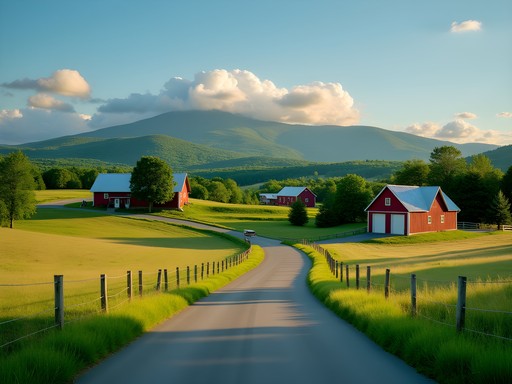
As someone who's documented sustainable design across five continents, I'm consistently impressed by Vermont's vernacular farm architecture—those iconic red barns and silver-topped silos that punctuate the landscape aren't just postcard imagery; they're working buildings that have evolved through centuries of practical refinement.
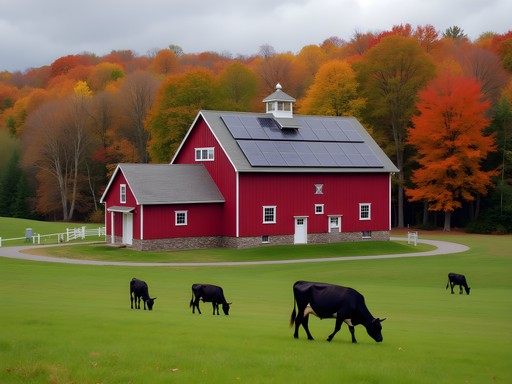
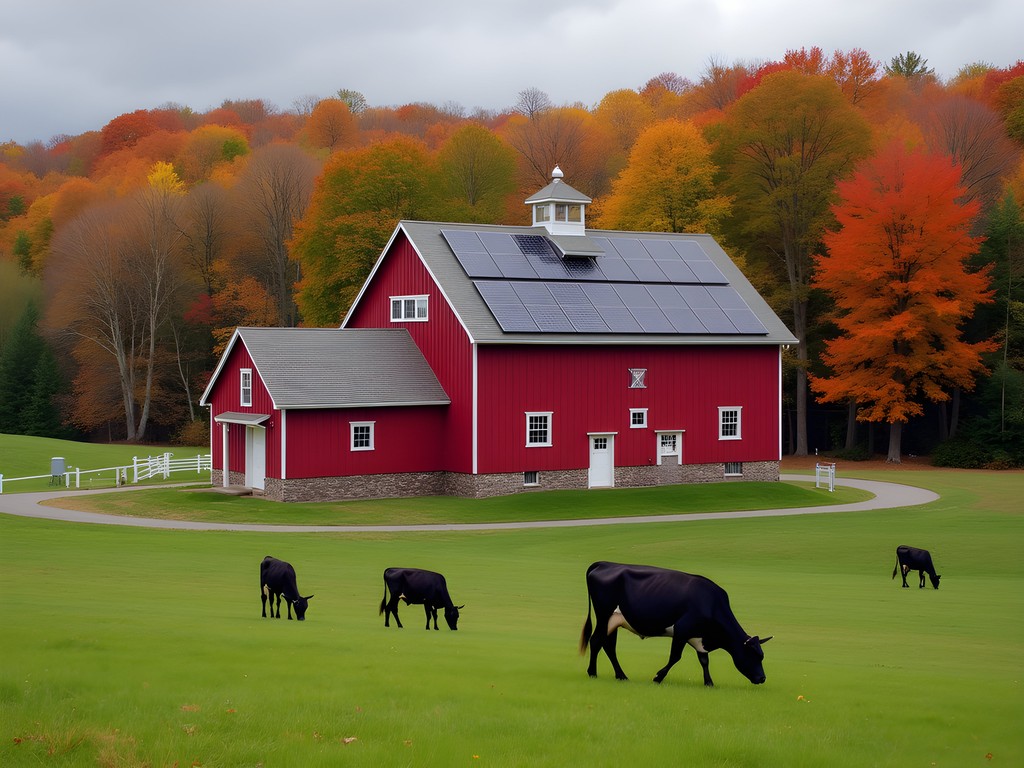
Rutland County's agricultural infrastructure tells a story of adaptation. Many farms have thoughtfully retrofitted historic structures with modern energy systems while preserving their architectural integrity. At Larson Farm & Creamery in Wells, solar panels discreetly mounted on century-old barn roofs power milk processing equipment, while the farm's Jersey cows graze rotational pastures that sequester carbon more effectively than conventional systems.
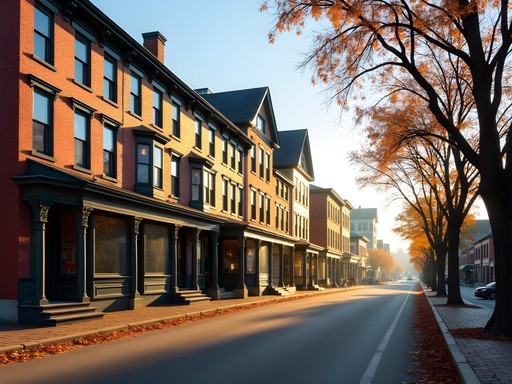
What fascinates me as a documentarian is how these farms blend heritage aesthetics with cutting-edge sustainability. The region's agricultural buildings aren't preserved as museums but continually adapted for contemporary production—a lesson in sustainable retrofitting that architects worldwide could study.
💡 Pro Tips
- Visit during weekday mornings when farm operations are most active and farmers have more time to chat
- Look for farms displaying the 'Vermont Organic' certification for those prioritizing sustainable practices
- Many farms offer self-guided tours with informative placards explaining their sustainable systems
Maple: Vermont's Liquid Architecture
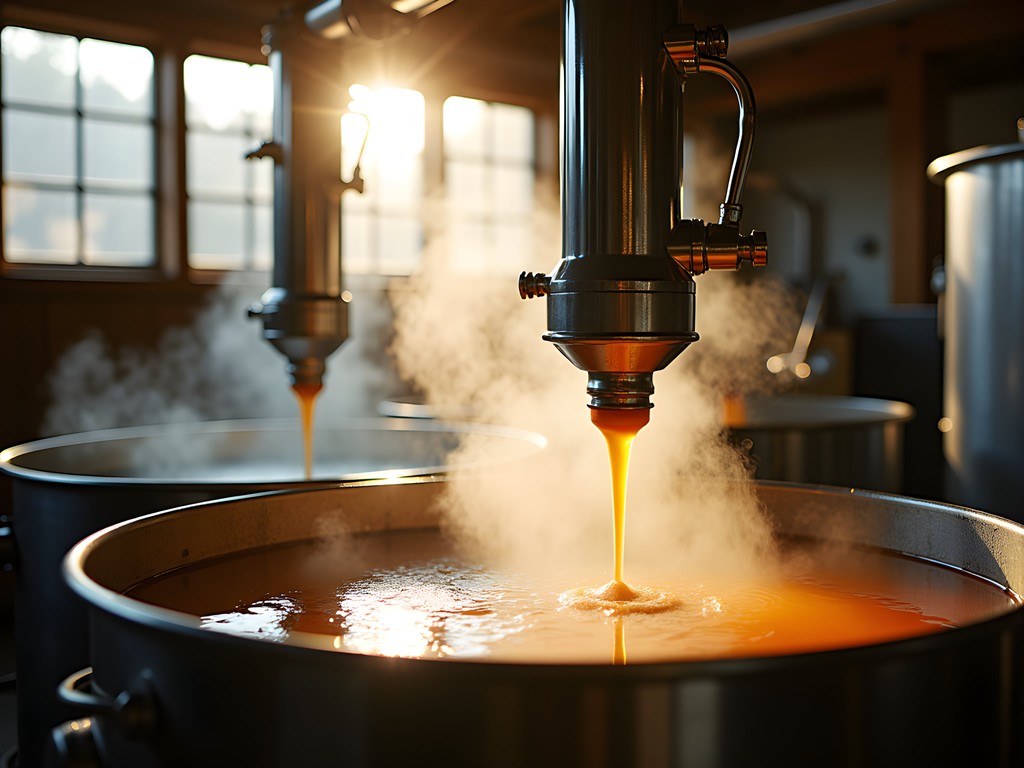
If Rutland County has a signature flavor, it's undoubtedly maple—not the artificially-flavored syrup of pancake houses, but the complex, terroir-driven natural sweetener that flows from the region's sugar maples each spring. The process of transforming sap to syrup represents Vermont's approach to food production: patient, energy-conscious, and deeply connected to natural cycles.
During my visit to Baird Farm in North Chittenden, I witnessed how modern maple production balances tradition with innovation. Their sugarhouse employs a reverse osmosis system that reduces energy consumption by 75% compared to conventional methods—a brilliant example of sustainable process design that preserves traditional knowledge.
The technical precision required for proper maple production surprised me. I found my digital food thermometer invaluable during a syrup-making workshop, as the difference between perfect amber syrup and crystallized sugar is just a few degrees Fahrenheit. For those wanting to experience maple culture at home, I recommend investing in a proper maple syrup gift set featuring different grades that showcase the remarkable range of flavor profiles.
💡 Pro Tips
- Visit sugar houses mid-March to early April to witness maple production in action
- Sample different maple grades side-by-side to appreciate the subtle flavor differences
- Look beyond syrup—maple cream and maple sugar offer concentrated flavor for cooking
The Craft Beverage Renaissance
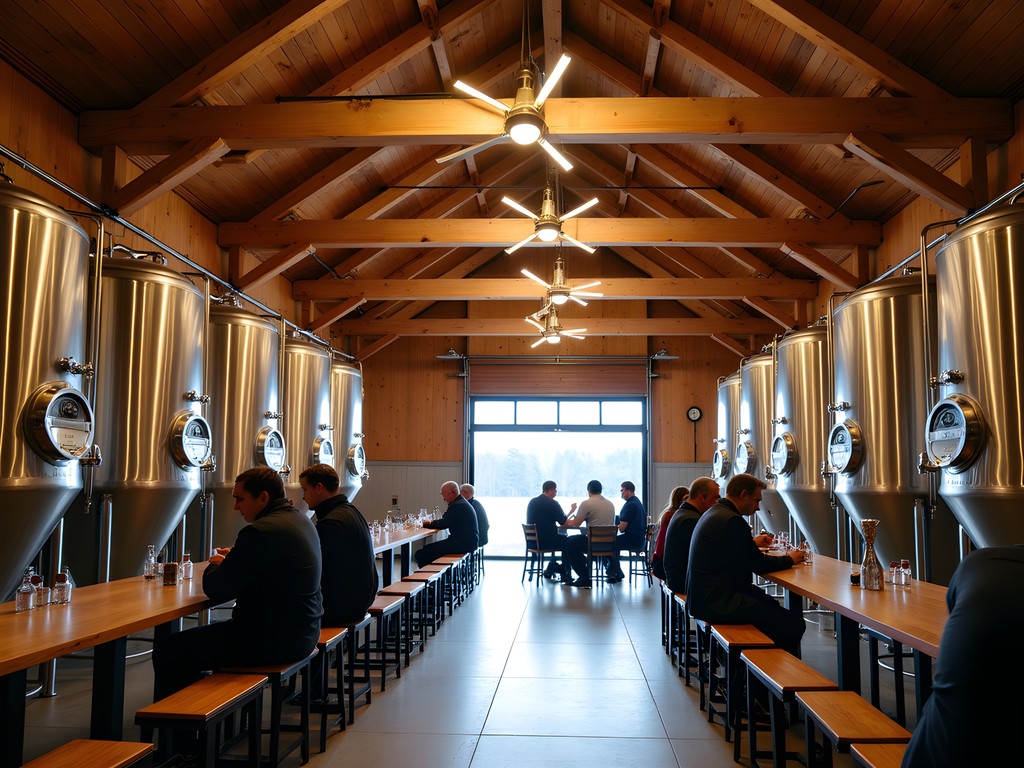
Vermont's reputation for exceptional craft beverages extends well beyond its borders, and Rutland County stands at the forefront of this movement. What distinguishes the region's approach is an architectural philosophy that embeds production facilities within the agricultural landscape—creating spaces that function as both working facilities and experiences for visitors.
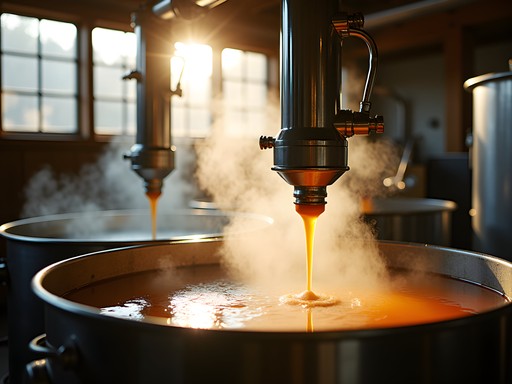
Foley Brothers Brewing in Brandon exemplifies this integration. Housed in a thoughtfully converted dairy barn, the brewery maintains the building's agricultural character while adapting it for modern production. Their water-reclamation system particularly impressed me—capturing, filtering and reusing process water in ways that dramatically reduce consumption compared to conventional brewing operations.
During my tasting session, I used my trusty beer tasting journal to document the remarkable range of flavor profiles achieved through local ingredients. The brewmaster explained how they've designed their facility to minimize environmental impact while maximizing flavor—an approach that's yielding international recognition.
For those exploring multiple beverage producers, consider investing in a quality insulated growler to transport your discoveries back to your accommodation. The local breweries and cideries are happy to fill them, reducing single-use packaging waste.
💡 Pro Tips
- Many craft producers offer behind-the-scenes tours if you call ahead, even when not advertised
- Ask about limited seasonal releases that incorporate foraged local ingredients
- Visit on weekdays to have more in-depth conversations with the actual brewers and cider makers

The Rutland Farmers Market: Community Design in Action
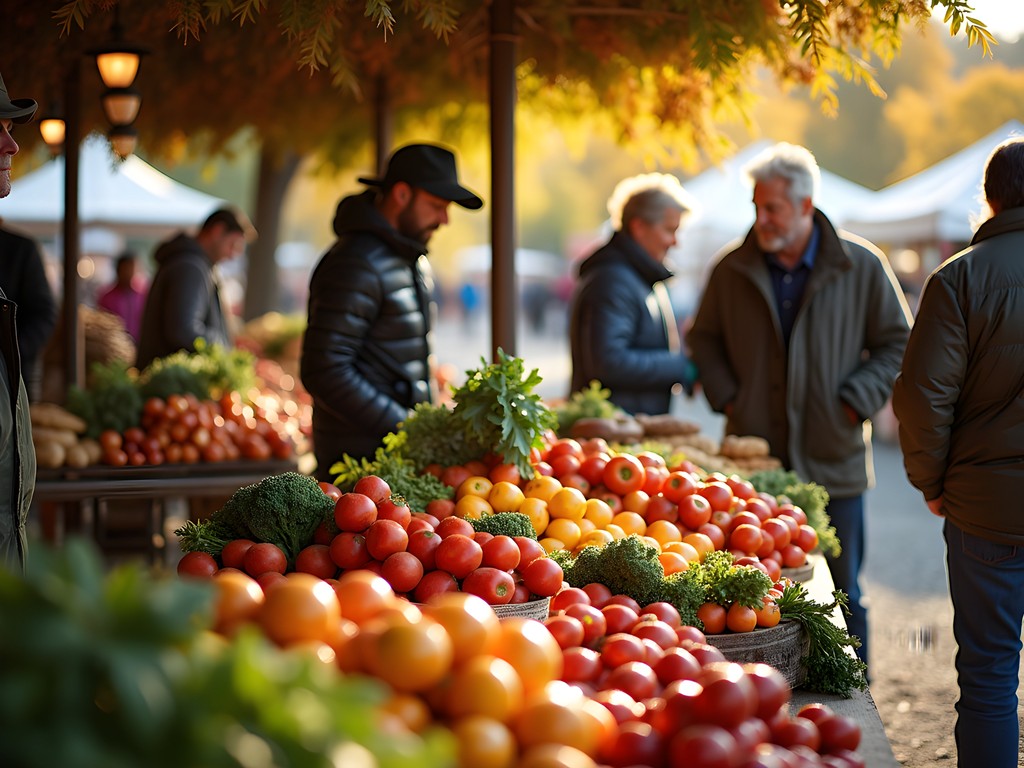
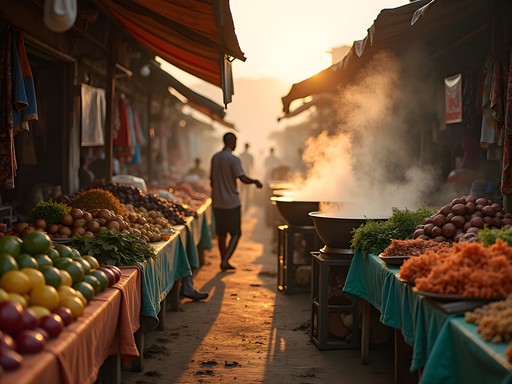
If you want to understand how deeply food culture is woven into Rutland's community fabric, spend a Saturday morning at the Rutland Farmers Market. As someone who's documented public spaces worldwide, I find this market particularly fascinating as a study in spontaneous community design—the way vendors arrange themselves creates natural conversation zones and encourages lingering rather than mere transactional shopping.
What distinguishes Rutland's market is its year-round operation. During my autumn visit, the outdoor configuration showcased the season's bounty, but in winter months, the market moves indoors to a renovated freight depot—a brilliant example of adaptive reuse that maintains the community gathering function regardless of Vermont's notorious weather.
The market serves as Rutland's living room—where farmers and producers don't just sell goods but exchange knowledge with customers about cultivation practices, cooking techniques, and seasonal eating. I was particularly impressed by the market's food waste collection system, where compostable materials return directly to the farms that supply the market—a closed-loop system that feels effortless in its execution.
For market shopping, I recommend bringing a collapsible produce basket that expands to hold your purchases but folds flat for easy transport in your luggage. The vendors appreciate customers who come prepared with reusable containers.
💡 Pro Tips
- Arrive early (before 9am) for the best selection of limited items like artisanal cheeses and baked goods
- Bring small bills and change as many vendors are small operations
- Ask vendors for cooking suggestions—they often have the best ideas for preparing their products
Farm Dinners: The Ultimate Vermont Culinary Experience
Perhaps the most memorable food experiences in Rutland County happen at farm dinner events, where the distance between production and consumption collapses entirely. These seasonal celebrations—often held in renovated barns or open-air pavilions with views of the working landscape—showcase Vermont's culinary philosophy at its most pure.
At Earth Sky Time Community Farm in Manchester, I attended a sunset dinner where each course told a story about the surrounding landscape. What impressed me most was the thoughtful design of the dining experience—tables arranged in a single long configuration beneath strings of solar-powered lights, creating an atmosphere that encouraged conversation between strangers who inevitably became friends by dessert.
The architectural setting of these dinners deserves special mention. Many farms have restored historic barns specifically for these events, preserving agricultural heritage while creating gathering spaces that connect diners to the landscape. At Smokey House Center in Danby, dinner takes place in a 200-year-old timber-frame barn where diners can see the fields that produced their meal through open doors—a design choice that makes the connection between land and plate visceral rather than conceptual.
If you're planning to attend multiple farm events during your visit, a quality outdoor blanket is worth packing, as evening temperatures drop quickly in Vermont's autumn, and many farm dinners extend past sunset. For photography enthusiasts documenting these magical evenings, I've found a compact mini tripod essential for capturing low-light dinner scenes without disrupting the intimate atmosphere.

💡 Pro Tips
- Book farm dinner reservations at least a month in advance as they frequently sell out
- Dress in layers and bring a warm outer layer as barn venues can be chilly after sunset
- Many farm dinners are BYOB—stop at a local wine shop for Vermont-made fruit wines to complement the meal
Final Thoughts
What makes Rutland County's food culture truly exceptional isn't just the quality of ingredients or the skill of its producers—it's the transparent relationship between landscape, production, and consumption. Unlike many destinations where 'farm-to-table' has become a marketing slogan, here it remains a lived reality, visible in everything from the architectural adaptation of agricultural buildings to the community rituals of markets and farm dinners.
As someone who documents sustainable practices globally, I find Vermont's approach refreshingly unpretentious. The region doesn't need to announce its environmental credentials—they're embedded in centuries-old practices that have always prioritized stewardship and community resilience. For couples seeking a food-focused getaway, Rutland offers an experience that nourishes both body and mind—a chance to reconnect with food's origins while supporting a model of agriculture that points toward a more sustainable future.
I'll be bringing these lessons back to my own community in Hamilton, where our urban farming movement could learn much from Vermont's example. Because ultimately, what Rutland County demonstrates isn't just delicious food—it's a blueprint for how we might all build more meaningful relationships with what we eat and the landscapes that sustain us.
✨ Key Takeaways
- Rutland County offers an authentic farm-to-table experience where the connection between production and consumption is visible and transparent
- The region's agricultural architecture demonstrates how traditional buildings can be adapted for modern sustainable production
- Farm dinners provide the ultimate Vermont culinary experience, combining exceptional food with community connection
- Fall visits offer the added bonus of spectacular foliage as a backdrop to culinary adventures
📋 Practical Information
Best Time to Visit
September-October for harvest season and fall foliage
Budget Estimate
$150-250/day per couple including accommodations, meals and activities
Recommended Duration
3-4 days (long weekend)
Difficulty Level
Easy

Comments
globewanderer571
YES!! Vermont is seriously underrated for food tourism. The craft beer scene there is insane too - so many small breweries doing really creative stuff. Love that you highlighted the community aspect of it all!
journeylife
thinking about visiting in march - is that too early for the farmers market and farm tours? or is winter still pretty active there?
globewanderer571
March is actually PERFECT for maple sugaring season! That's when they tap the trees and you can see the whole process. The farmers market runs year round but moves indoors in winter.
journeylife
oh perfect timing then! thanks
Kimberly Murphy
Blake, this is brilliant! I visited Rutland County last autumn and completely fell in love with the food scene. The transparency you mentioned is spot on - I toured three farms and every single producer could tell you exactly where their ingredients came from. The maple syrup tasting at Mountain View Farm was absolutely incredible. Did you get a chance to try the maple creemees? They're like soft serve ice cream but made with real maple syrup and they're utterly addictive! Also, the Rutland Farmers Market on Saturday mornings is not to be missed - I picked up the most amazing sourdough and some incredible aged cheddar. Definitely worth planning your visit around it!
journeylife
maple creemees sound incredible! are they available year round or just summer?
Kimberly Murphy
Most places have them spring through autumn! Some year-round spots too. Definitely worth seeking out!
happyway
This looks amazing! Adding to my list
oceanadventurer
If you're visiting Rutland County, don't miss the maple creemees (soft serve) at Maple Sugar & Vermont Spice in Mendon. Best I've ever had! And they sometimes do tours of their sugar house if you ask nicely.
vacationrider
Love this! Vermont's maple syrup changed my life. Never buying the fake stuff again!
springexplorer
Really cool! Thanks for sharing this.
oceanvibes
do you need a car to get around or is there public transit?
George Hayes
We took our kids (7 and 10) to Rutland last summer and it was one of our best family trips ever. The farmers market became our Saturday morning ritual—my daughter still talks about the woman who sold berry jam and let her taste like six different flavors before deciding. We stayed at a farm B&B where the kids collected eggs every morning and learned to milk goats. What struck me most was how welcoming everyone was to families. The farm tours weren't just "look don't touch"—kids were encouraged to participate, ask questions, get their hands dirty. It's rare to find food tourism that's genuinely kid-friendly without being dumbed down.
springexplorer
which farm b&b? planning a trip with my nephew
George Hayes
Liberty Hill Farm in Rochester—about 20 minutes from Rutland. Beth is an amazing host and the farm experience is authentic. Kids absolutely loved it.
summerclimber
Love the photos! Going in October.
Venture X
Premium card with 2X miles, $300 travel credit, Priority Pass