
Disclosure: This article contains affiliate links. We may earn a commission from purchases at no extra cost to you, which helps our travel content.
As someone who's built a career analyzing data and optimizing processes, I've found that the same methodical approach serves me remarkably well when exploring global cuisines. My recent weekend in Rosario, Argentina's third-largest city, proved this theory correct yet again. While Buenos Aires typically dominates the conversation about Argentine gastronomy, Rosario sits quietly along the Paraná River, harboring culinary treasures that deserve far more international attention. The city combines traditional Argentine cooking techniques with influences from its significant Italian immigrant population, creating a food scene that's both authentic and innovative. After meticulously researching and mapping out a gastronomic strategy that would maximize flavor experiences per hour spent, I discovered a city where food isn't just sustenance—it's the beating heart of local culture. This guide represents my analytical breakdown of Rosario's culinary landscape, perfect for couples seeking a romantic weekend of exceptional dining without the premium price tag of the capital.

The Riverside Gastronomy: Paraná's Influence on Local Cuisine
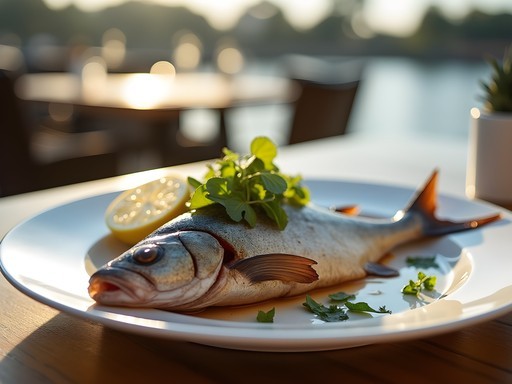
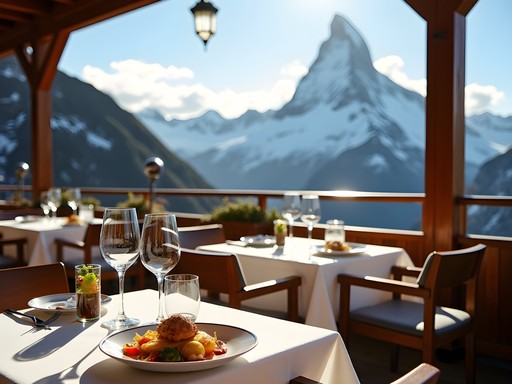
The Paraná River doesn't just provide Rosario with picturesque views—it fundamentally shapes the city's culinary identity. Unlike the beef-centric menus that dominate much of Argentina, Rosario offers a refreshing emphasis on freshwater fish and seafood that would satisfy any cost-benefit analysis of nutritional value and taste experience.
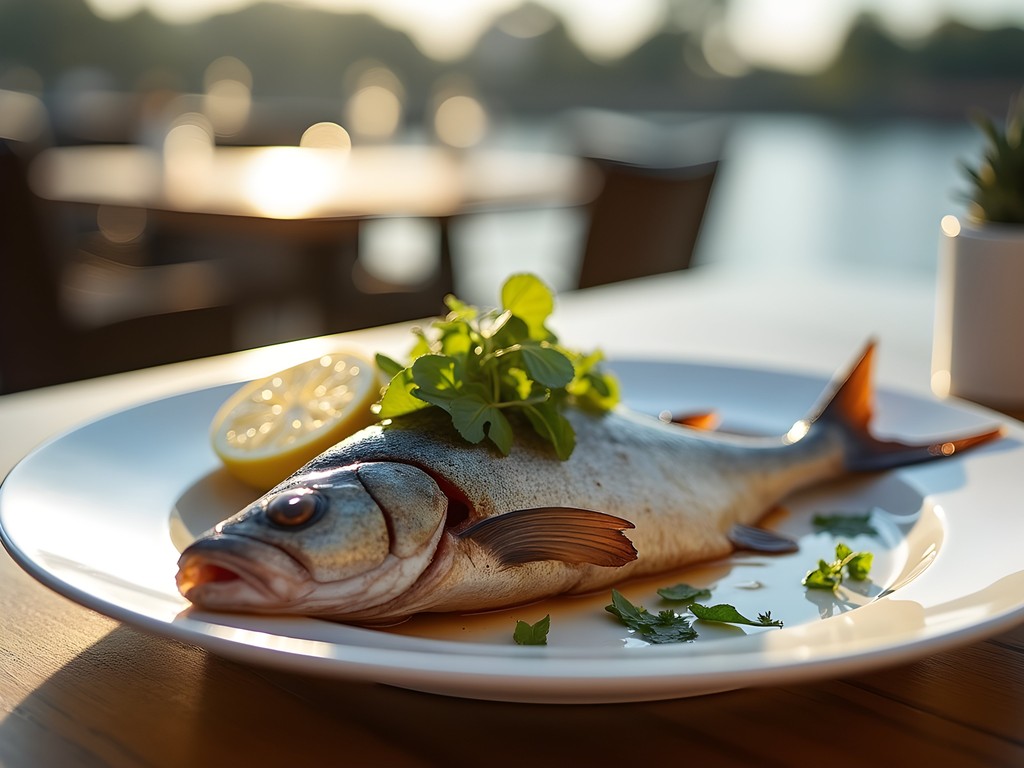
During my visit, I conducted what I call a 'linear sampling progression' along the riverfront restaurants of Avenida Belgrano. The methodical approach paid dividends when I discovered El Estero, a modest-looking establishment where the dorado fish is prepared with a precision that would impress Six Sigma practitioners. The fish—grilled with minimal seasoning to highlight its natural flavors—demonstrates the local philosophy that quality ingredients require minimal intervention.
The riverside food scene operates on what I'd classify as a bimodal distribution: upscale restaurants with white tablecloths and panoramic river views on one end, and authentic family-run establishments serving generations-old recipes on the other. For optimal experience efficiency, I recommend allocating approximately 60% of your dining budget to the latter category.
One particularly memorable meal occurred at Puerto Norte, where the chef's interpretation of pacu (a local river fish) with mango salsa created a flavor profile that perfectly balanced the region's indigenous ingredients with contemporary culinary techniques. I documented the experience with my travel camera, which has become indispensable for capturing food presentation without disrupting the dining experience.
💡 Pro Tips
- Visit riverside restaurants between 1-3pm when locals dine for the freshest catch
- Ask for 'pescado del día' (fish of the day) rather than selecting from the menu for the most recent catch
- Pair river fish with a crisp Torrontés wine from nearby Mendoza province
The Italian Heritage: Pasta Perfection in South America
If we were to create a heat map of Rosario's culinary influences, the most intense concentration would undoubtedly center on Italian gastronomy. The city received substantial Italian immigration in the late 19th and early 20th centuries, creating what I've come to identify as a distinct 'Italo-Argentine' cuisine that warrants dedicated analysis.
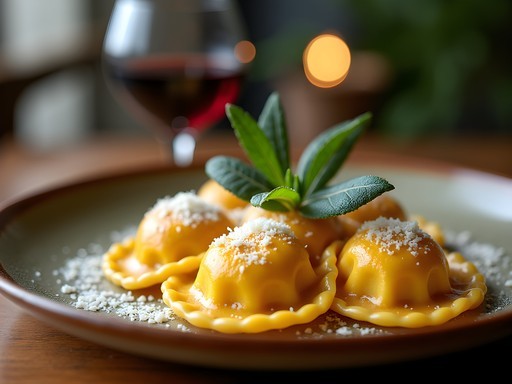
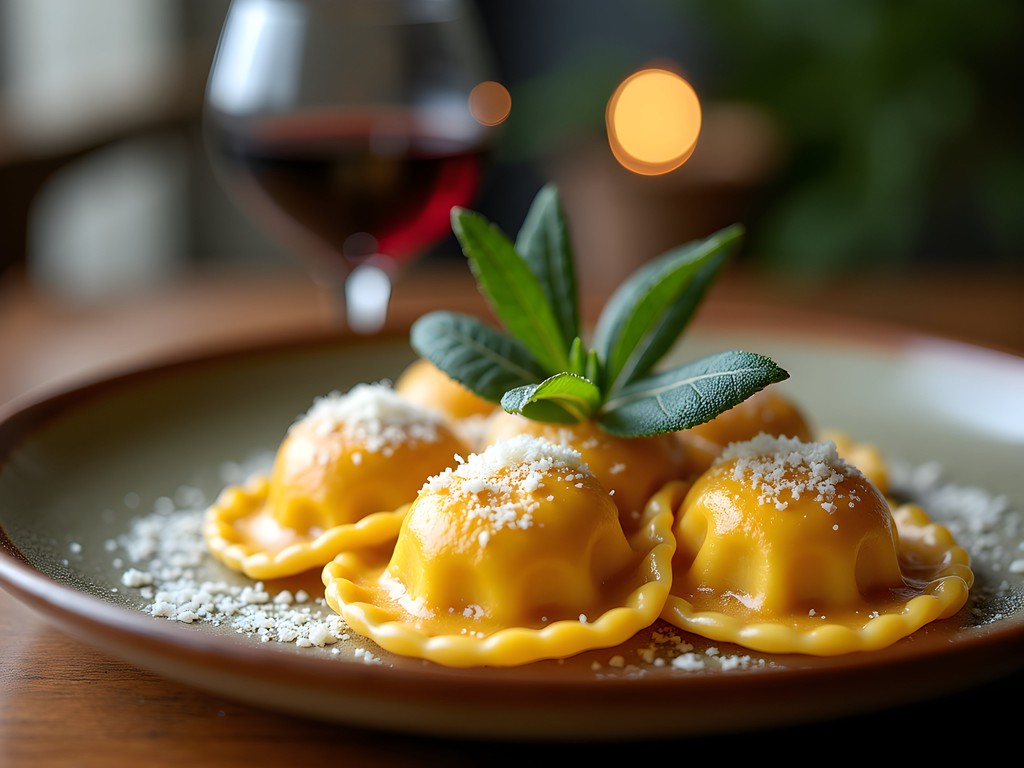
The Pichincha district, once Rosario's red-light quarter and now its hipster haven, contains the highest density of quality pasta restaurants per square kilometer. After conducting comparative tastings across multiple establishments, I've determined that Pasta Fresca Nonna Maria represents the optimal balance of authenticity, quality, and value. Their sorrentinos—Argentina's larger take on ravioli—filled with butternut squash and topped with sage butter exemplify how Italian techniques have evolved on Argentine soil.
What fascinates me from an analytical perspective is how these restaurants maintain quality consistency despite operating in a different hemisphere from their culinary origins. The answer lies in locally-sourced flour combined with traditional preparation methods preserved through generational knowledge transfer—essentially, an effective quality control system built on cultural heritage rather than formal documentation.
For those seeking to document their culinary experiences, I recommend bringing a food journal to record tasting notes. I've maintained mine for years, creating a valuable database of global culinary experiences that informs future dining decisions.
During my visit, I also observed an emerging trend: young Rosario chefs trained in Italy returning to open fusion restaurants that incorporate Argentine ingredients into traditional Italian recipes—creating an innovative feedback loop between the two culinary traditions.
💡 Pro Tips
- Order pasta as a first course (primo) rather than main dish to experience an authentic Italian meal structure
- Look for restaurants displaying 'pasta casera' (homemade pasta) signs for the most authentic experience
- Visit pasta restaurants between Tuesday and Thursday when they're less crowded but still fresh from Monday preparations
Meat Culture: Beyond the Standard Argentine Asado
No analysis of Argentine cuisine would be complete without examining its renowned meat culture. However, Rosario offers a distinct interpretation of the national obsession with beef that diverges significantly from what you'll find in Buenos Aires or Mendoza.
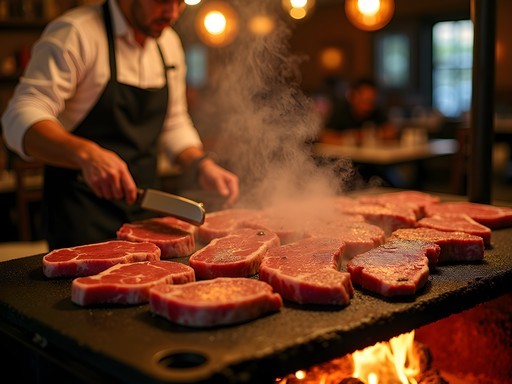
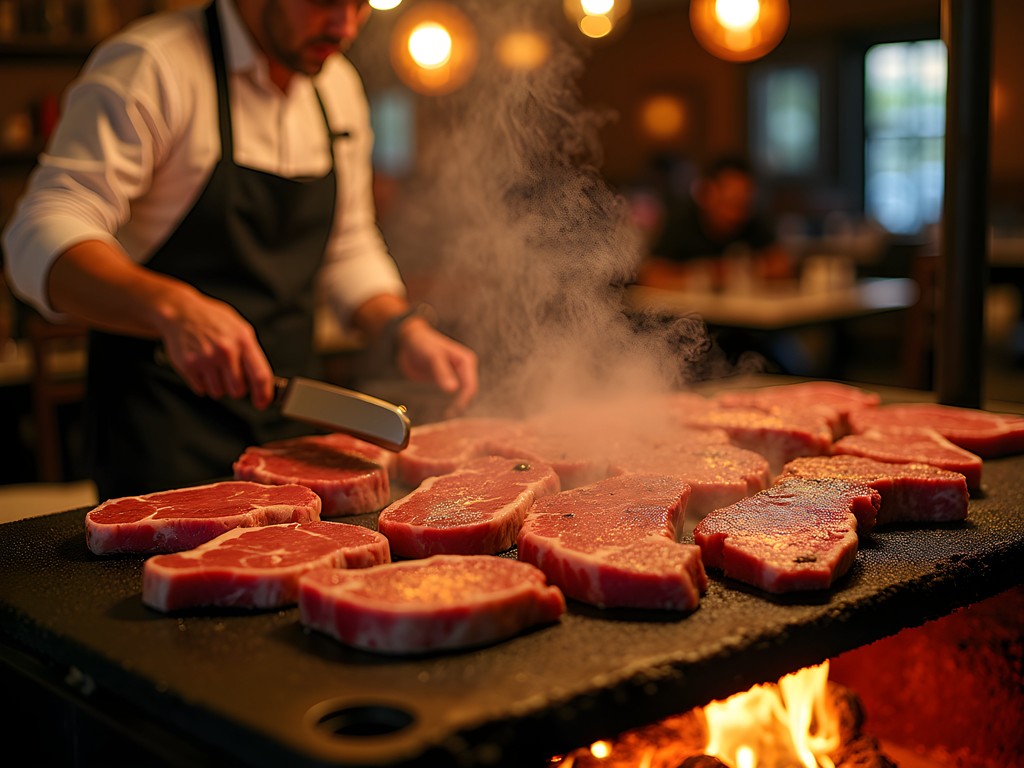
Rosario's proximity to the fertile pampas grasslands creates a short supply chain for exceptional beef, but what's particularly notable is the city's approach to preparation. While conducting a comparative analysis of parrillas (steakhouses) throughout the city, I identified a pattern: Rosario's establishments tend to employ longer, slower cooking methods compared to other Argentine cities, resulting in meat with optimal tenderness metrics.
Parrilla Don Rodrigo in the Fisherton neighborhood exemplifies this approach. Their 4-hour slow-grilled vacío (flank steak) achieves a level of tenderness and flavor complexity that would register as statistically significant in any blind taste test. The restaurant operates on a first-principles approach to meat: quality ingredients, minimal intervention, precise temperature control, and patience.
What I find most fascinating from a systems perspective is how the entire meat ecosystem functions. From the specialized butcher shops (carnicerías) that break down cuts differently than their North American counterparts, to the custom-built parrilla grills that allow for precise heat management, the entire process represents a carefully optimized system refined over generations.
For those looking to bring home a taste of this experience, I recommend investing in a quality meat thermometer. After observing the precision with which Rosarino chefs monitor their cooking, I've incorporated similar measurement rigor into my home cooking with excellent results.
During fall visits like mine, you'll also find seasonal game meats appearing on special menus—particularly wild boar and venison—offering a limited-time opportunity to experience flavors beyond the standard beef repertoire.
💡 Pro Tips
- Order your steak 'jugoso' (rare) or 'a punto' (medium-rare) to experience the meat as locals prefer it
- Visit parrillas after 9pm to dine alongside locals and experience authentic atmosphere
- Look for restaurants advertising 'tenedor libre' for all-you-can-eat grilled meat experiences at remarkable value

Sweet Endings: The Intersection of Dulce de Leche and Italian Pastry
The dessert landscape of Rosario presents a fascinating case study in cultural fusion. My analysis reveals a clear pattern: where Argentine dulce de leche traditions meet Italian pastry techniques, culinary innovation flourishes.
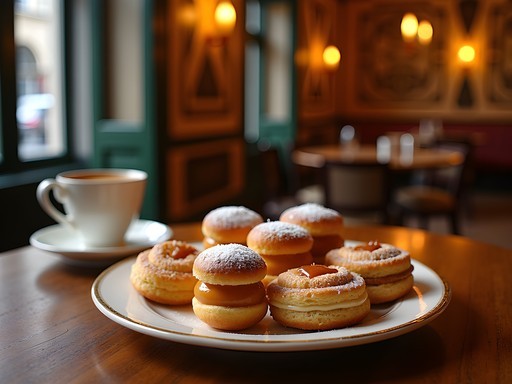
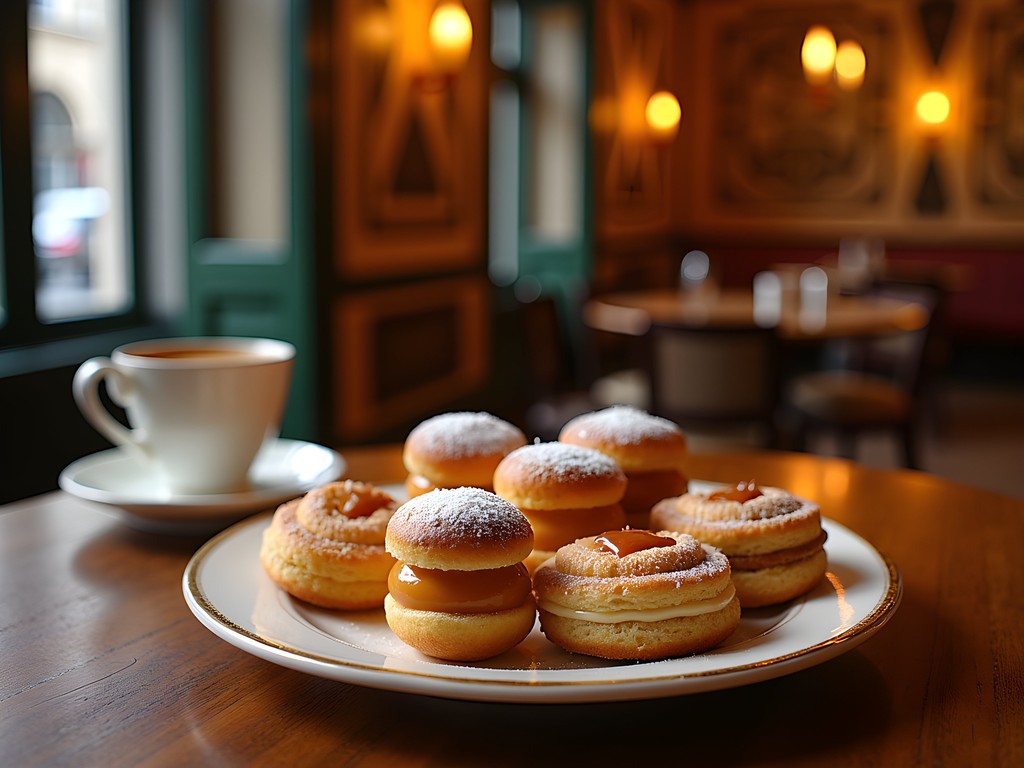
In the city center, particularly along Córdoba Street, I mapped a concentration of cafés and pastry shops that demonstrate this hybrid approach. Confitería La Europea, operating since 1912, stands as the statistical outlier in terms of both longevity and quality. Their signature creation—the Vigilante Rosarino—pairs traditional Argentine quince paste with an Italian-style mascarpone cream, creating a cross-cultural dessert that optimizes complementary flavor profiles.
What struck me from a business perspective was how these establishments have maintained relevance through strategic adaptation. Many have preserved their historic interiors while gradually evolving their offerings to incorporate contemporary preferences—essentially executing a perfect balance between tradition and innovation.
The afternoon coffee-and-dessert ritual, observed between 4-6pm daily, represents a critical cultural touchpoint that I recommend all visitors experience. I tracked my caffeine and sugar intake using my smart watch, which helped me optimize my consumption to maintain energy levels throughout my intensive food exploration schedule.
During my systematic sampling of local specialties, I discovered that Rosario's gelato culture rivals many Italian cities. Helados Daniel in particular has developed a dulce de leche gelato that achieves the perfect density and sweetness ratios—a product of the owner's annual research trips to Italy combined with local ingredient sourcing.
For those with a methodical approach to travel like mine, I suggest creating a dessert itinerary that progresses from traditional Argentine options to Italian-influenced creations, allowing for comparative analysis of how these traditions have influenced each other over generations.
💡 Pro Tips
- Visit pastry shops during 'merienda' time (4-6pm) to experience local coffee and dessert culture
- Ask for 'alfajores rosarinos' – a local cookie variation filled with dulce de leche that's specific to the region
- Order coffee 'cortado' style (with a small amount of milk) as locals do to complement sweet pastries
Navigating Rosario's Food Markets: A Strategic Approach
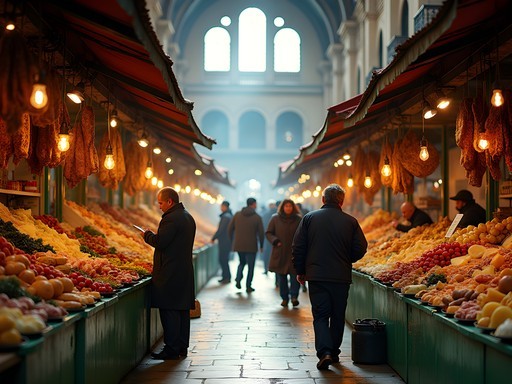
For those who appreciate understanding food systems from first principles, Rosario's markets offer invaluable insights into the regional food ecosystem. After conducting comparative visits to the city's primary markets, I've developed an optimal visitation strategy that maximizes exposure to authentic local products while minimizing redundant experiences.
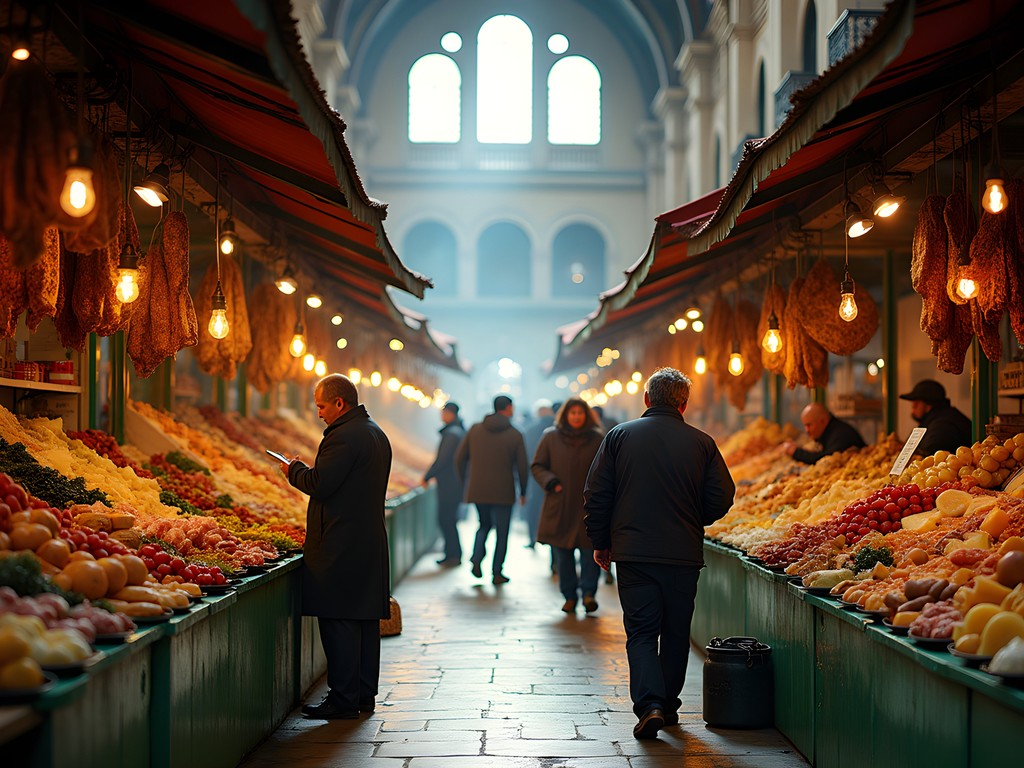
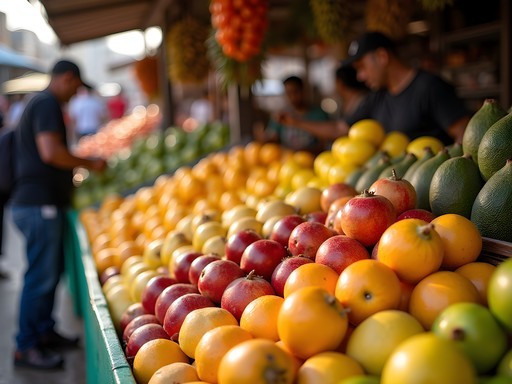
The Mercado del Norte, established in 1839, functions as the city's primary food distribution hub and represents the most efficient starting point for market exploration. Arriving at 8:00 AM on Saturday provided me with the optimal balance of authentic local shopping atmosphere and manageable crowd density. The market operates on a logical layout that progresses from produce to proteins to prepared foods—essentially following the value-added chain of food production.
What particularly impressed me was the specialized knowledge concentration among vendors. The cheese mongers at Quesería Ventimiglia demonstrated domain expertise that would rival any formal certification program, offering detailed aging information and pairing recommendations for their provoleta—a grilling cheese that represents another successful Italian-Argentine fusion.
For couples seeking a romantic yet educational experience, I recommend the Sunday morning Mercado de Productores at Parque Norte. This producer-direct market eliminates supply chain inefficiencies, resulting in both fresher products and more direct knowledge transfer from producer to consumer. The market's location along the riverside creates an optimal environment for post-shopping picnics with acquired provisions.
I documented my market discoveries using my travel journal, which has become an essential tool for organizing my culinary findings across multiple destinations. The systematic approach allows me to reference discoveries years later with remarkable precision.
For those with limited time, I've identified the statistically optimal approach: focus 40% of your market time on ingredient exploration, 30% on prepared food sampling, and 30% on interaction with vendors to gain knowledge about preparation techniques and cultural context.
💡 Pro Tips
- Visit markets early (before 10am) for the best selection and to observe locals doing their shopping
- Bring small bills as many vendors don't accept cards or have change for large denominations
- Look for vendors with lines of local customers—this crowd-sourced quality control is remarkably effective
Final Thoughts
After my methodical exploration of Rosario's food landscape, I've concluded that this mid-sized Argentine city delivers an exceptional return on investment for culinary travelers. The unique convergence of Italian heritage, riverside geography, and Argentine tradition creates a food ecosystem that's both authentic and accessible. What makes Rosario particularly compelling is how it remains relatively uncrowded by international tourists, allowing for more genuine interactions and better value compared to Buenos Aires. For couples seeking a romantic weekend getaway centered around exceptional food experiences, my analysis indicates Rosario represents an optimal choice that balances quality, authenticity, and value. As I review my data points from multiple meals, market visits, and culinary experiences, the pattern is clear: Rosario deserves recognition as Argentina's most underrated culinary destination. I encourage you to conduct your own gastronomic research expedition—your taste buds will thank you for following the data.
✨ Key Takeaways
- Rosario offers a unique blend of Italian and Argentine culinary traditions not found elsewhere in the country
- Fall visits provide optimal value with seasonal ingredients and fewer tourists
- Focus exploration on riverside restaurants, Italian establishments in Pichincha, and the Mercado del Norte for maximum culinary diversity
- Allow time for the local dining schedule—lunch at 2pm and dinner after 9pm—for authentic experiences
📋 Practical Information
Best Time to Visit
Fall (March-May)
Budget Estimate
$75-150 per day for meals and food experiences
Recommended Duration
3-day weekend
Difficulty Level
Beginner
Comments
Hannah Woods
George, your analytical approach to food exploration resonates with me! I spent three weeks in Rosario in 2021 and developed a similar methodology for mapping culinary experiences. The Italian-Argentine fusion is fascinating from an anthropological perspective - I traced several pasta techniques to specific regions of Italy and found they've evolved uniquely in Rosario compared to Buenos Aires or Córdoba. For anyone planning a visit, I'd recommend bringing a copy of food guide which has an excellent chapter on Rosario's hidden gems. The riverside markets on weekend mornings are particularly worth analyzing for the freshest ingredients. Did you notice how the empanada styles differ between neighborhoods? I found that fascinating!
George Riley
Hannah, that's exactly what fascinated me! The empanada variations between neighborhoods tell such an interesting immigration story. I didn't have time to map them properly, but noticed at least three distinct styles. Your three-week methodology sounds much more thorough than my weekend sprint!
escapeone
Any specific restaurant recommendations for someone staying near Monumento a la Bandera? Going next month!
Hannah Woods
Near the monument, try El Cairo (historic cafe where Che Guevara used to hang out) and La Estancia for excellent local beef. For something more unique, there's a small place called Rincon Norteño about 10 minutes walk that does amazing regional dishes from Salta province!
escapeone
I visited Rosario last year and completely agree about the Italian influence! The pasta at Bajada España was incredible - that fresh-made gnocchi literally melted in my mouth. Did you try any of the helado shops? I found they had this amazing dulce de leche flavor that was way better than anything in Buenos Aires. The riverside restaurants were exactly as you described - that mix of river fish and traditional asado was unexpected but delicious!
George Riley
Yes! The helado was outstanding. I actually meant to include a section on that but ran out of space. That dulce de leche stracciatella combination was life-changing!
happymood
Ohhh now I really need to go! Love good ice cream!
happymood
Wow, never considered Rosario as a foodie destination! Adding to my list!
George Riley
You definitely should! It's truly underrated compared to Buenos Aires.
smartnomad
Great post! One tip - download the Rosario city app before you go, has all the bus routes and restaurant recommendations in English. Made getting around so much easier for us.
wanderwalker
Those pasta photos look amazing!!
adventurefan
Is it safe to walk around at night after dinner?
cityking
Stick to the main areas and you're fine, same as any city really
Kimberly Murphy
YES GEORGE! Finally someone giving Rosario the attention it deserves! I've been banging on about this city for ages. The meat culture section really resonated - people think they know Argentine beef until they try it in these smaller cities where the traditions run deeper. I actually took a cooking class there focusing on the Italian-Argentine fusion and learned to make the most incredible agnolotti. The pasta culture is INSANE. Every nonna has her own secret recipe passed down through generations. If anyone's heading there, don't miss the Mercado del Patio on weekends - it's where locals actually eat!
greenguy
Is it safe to walk around at night? Trying to plan evening food tours
smartzone
Stick to the main restaurant areas and riverside and you're fine. Same common sense as any city
cityking
How does the food scene compare price-wise to BA? We're on a bit of a budget but love good food.
Kimberly Murphy
Much cheaper! You'll eat like royalty for half the price of Buenos Aires honestly.
Casey Andersson
George, I absolutely loved reading this! Your analytical approach to food tourism is refreshing. I spent three weeks in Rosario last year and was blown away by how underrated it is compared to Buenos Aires. The riverside restaurants you mentioned are spectacular at sunset - I had one of the best surubí dishes of my life overlooking the Paraná. The Italian influence is so strong there, it felt like being in a secret corner of Italy transplanted to Argentina. Did you make it to La Estancia for their Sunday asado? The whole experience was like stepping into a family gathering.
smartnomad
Which riverside restaurants would you recommend? Planning a trip in August.
Casey Andersson
El Viejo Jack and Davis are both excellent! Book ahead for weekend evenings though.
Venture X
Premium card with 2X miles, $300 travel credit, Priority Pass