


Disclosure: This article contains affiliate links. We may earn a commission from purchases at no extra cost to you, which helps our travel content.
The moment my boots hit Ponce's cobblestone streets, I knew my taste buds were in for something extraordinary. Puerto Rico's southern gem often lives in San Juan's shadow, but as someone who's tracked down healing traditions from the Andes to rural Japan, I can tell you with absolute certainty: Ponce is where Puerto Rico's culinary heart beats strongest. My Mi'kmaq grandmother always said food carries the stories of a people, and here in Ponce, every bite narrates centuries of Taíno, Spanish, and African influences that have melded into something uniquely Ponceño. As an EMT, I've learned that nourishment goes beyond mere sustenance—it's medicine, connection, and cultural preservation all at once. Over this week-long culinary pilgrimage, I discovered how Ponce's food landscape mirrors the resilience of its people, especially in the years following Hurricane Maria. Whether you're planning a romantic getaway or simply seeking authentic flavors, let me guide you through the gastronomic wonders of Puerto Rico's southern capital.

Plaza Las Delicias: The Beating Heart of Ponce's Food Scene
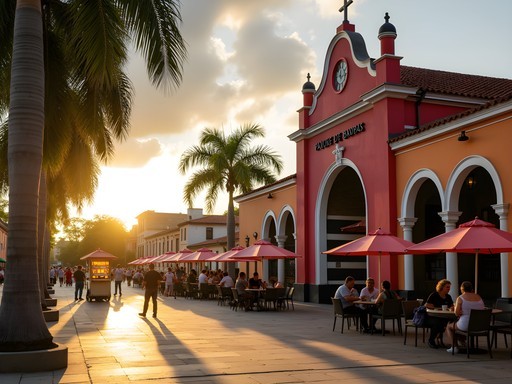
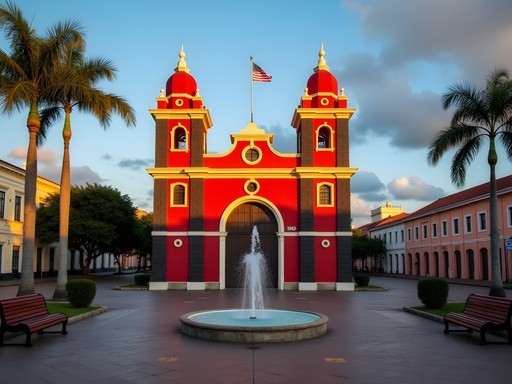
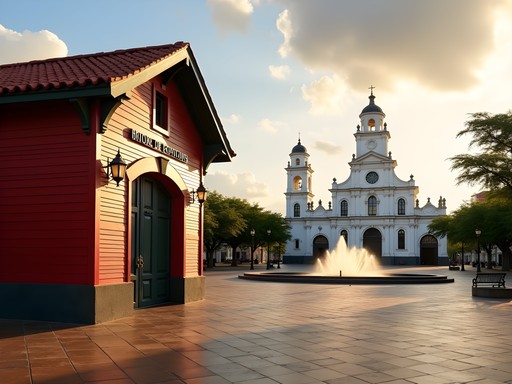
Every great food journey needs a starting point, and in Ponce, all culinary roads lead to Plaza Las Delicias. This central square, flanked by the striking red-and-black Parque de Bombas (the old fire station) and the Cathedral of Our Lady of Guadalupe, pulses with local energy that reminds me of my hometown squares in Halifax—though considerably warmer!
My first morning in Ponce, I arrived at the plaza just as vendors were setting up their carts. The geometric precision of their arrangement wasn't lost on me—there's something almost sacred in how food spaces organize themselves across cultures. An elderly woman named Doña Carmen beckoned me toward her piragua cart, where she crafted shaved ice treats with the steady hands of a trauma surgeon. The coconut and tamarind combination she prepared was both refreshing and grounding—exactly what I needed in the Puerto Rican heat.
Circling the plaza, I discovered several cafés serving traditional Puerto Rican coffee. As someone who's sampled coffee from emergency rooms across North America, I can confidently say Puerto Rican coffee stands in a class of its own. The beans grown in Puerto Rico's central mountains carry complex notes that reflect the island's volcanic soil. At Café Lucero on the plaza's eastern edge, I watched baristas prepare café con leche with a reverence that reminded me of Japanese tea ceremonies I've witnessed.
For capturing those plaza moments, I relied on my trusty travel camera, which handled the dramatic lighting contrasts between bright sunshine and shaded café interiors beautifully. The flip screen made it easy to frame shots of both architectural details and plated dishes without drawing too much attention.

💡 Pro Tips
- Visit Plaza Las Delicias early morning (7-9am) to watch locals start their day with mallorcas and coffee
- Try piraguas from different vendors—each family has their own secret syrup recipes passed down generations
- The plaza is most lively on weekends, but weekday mornings offer a more authentic glimpse into daily Ponceño life
Food Truck Paradise: Ponce's Mobile Feast
If there's one thing my years as an EMT taught me, it's how to find exceptional food trucks—those mobile kitchens that fuel healthcare workers during grueling shifts. Ponce surprised me with its vibrant food truck scene, which has blossomed particularly since Hurricane Maria as a resilient response to economic challenges.
The epicenter of this mobile feast is the waterfront area near La Guancha Boardwalk. Here, against the backdrop of the Caribbean Sea, a rotating collection of food trucks creates a communal dining experience that embodies Puerto Rico's spirit. During my third evening in Ponce, I followed the recommendation of a local paramedic I'd befriended and headed to a truck simply called Mofongo Móvil.
The owner, Miguel, crafted what can only be described as medicinal mofongo—that quintessential Puerto Rican dish of mashed plantains. What distinguished his version was the integration of local herbs that reminded me of those used by Mi'kmaq healers. The mofongo was served in a wooden pilón (mortar) with a garlicky broth that carried notes of culantro and oregano brujo—herbs that my indigenous ancestors would recognize for their healing properties.
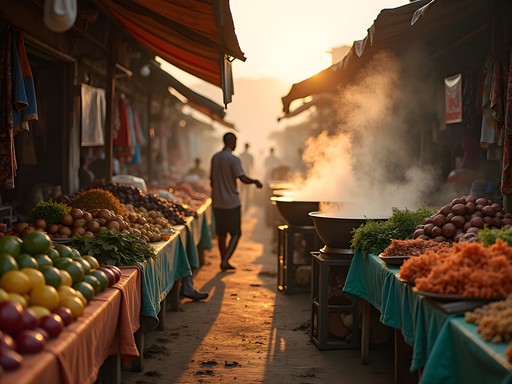
Nearby, another truck specialized in alcapurrias—fritters made from a dough of yautía (taro) and green bananas, stuffed with meat. The geometric precision with which the vendor formed each fritter spoke to the sacred geometry I've observed in food preparation across cultures. The crisp exterior gave way to a savory interior that carried the complexity of generations of recipe refinement.
To navigate between food trucks and other culinary destinations around Ponce, I used my pocket translator to communicate with locals. While many Ponceños speak some English, having real-time translation helped me discover family stories behind recipes and get recommendations for hidden gems that don't appear in guidebooks.

💡 Pro Tips
- Food trucks at La Guancha are busiest from 6-9pm, go slightly earlier to avoid the longest lines
- Ask vendors about their 'especial del día'—often these off-menu items showcase the freshest local ingredients
- Most food trucks accept cash only, so visit an ATM before heading to La Guancha
Market Medicines: Ponce's Mercado de Abastos
As someone with both medical training and indigenous roots, I'm drawn to markets not just as food sources but as pharmacopeia—living repositories of cultural knowledge about nourishment and healing. Ponce's Mercado de Abastos (Public Market) on Calle Victoria embodies this duality perfectly.
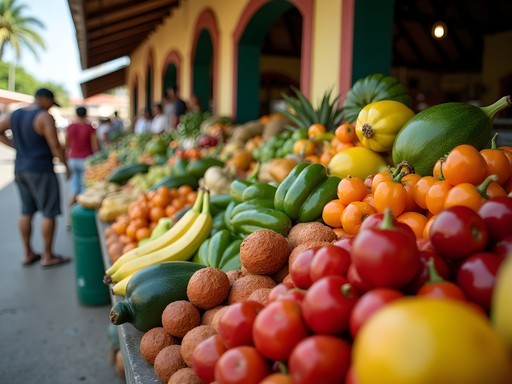
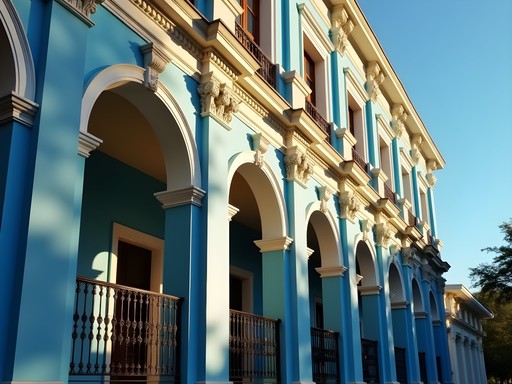
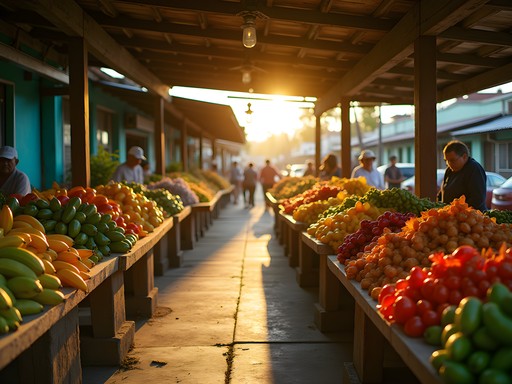
Built in 1863, the market retains its colonial architecture while housing vendors who represent Puerto Rico's agricultural diversity. Arriving early on a Tuesday morning, I found myself in conversation with Tía Lola, an 83-year-old herb vendor whose knowledge of plant medicine rivaled that of any pharmacist I've worked alongside. She showed me recao (culantro), explaining how it serves both as culinary enhancer and digestive aid—knowledge that parallels Mi'kmaq understandings of plants serving multiple purposes.
The market's geometric layout follows patterns I've observed in sacred spaces worldwide—a reminder that throughout human history, places of food exchange have also been places of spiritual significance. The central courtyard functions as both practical gathering space and energetic center, where elders share knowledge with younger generations through the medium of food.
One corner of the market houses specialist butchers preparing traditional cuts like cuajito (pork stomach) and mondongo (tripe)—ingredients essential to the restorative soups that Puerto Ricans, like many cultures worldwide, turn to for healing. When I mentioned my EMT background, a butcher named Rafael shared how his grandmother's mondongo soup recipe had sustained his family through illness and hurricane recovery alike.
The produce section overflows with tropical abundance—mamey sapote, star fruit, and different varieties of bananas than I could count. I filled my reusable produce bags with fruits I couldn't identify, relying on vendors' patient explanations of how to prepare each one. These lightweight mesh bags have accompanied me from New Zealand to Peru, and they're perfect for market shopping while minimizing plastic waste.

💡 Pro Tips
- Visit Mercado de Abastos Tuesday through Saturday mornings for the freshest selection
- Bring small bills and coins as most vendors don't accept cards
- Ask vendors for recipes when purchasing unfamiliar ingredients—they're usually happy to share preparation tips

Sacred Coffee: Ponce's Café Culture and Mountain Bean Traditions
Coffee runs through my veins—both literally after long emergency shifts and metaphorically as someone who tracks cultural traditions through daily rituals. Puerto Rico's coffee heritage deserves far more recognition than it receives, and Ponce serves as an urban gateway to the island's mountain coffee regions.
My exploration began at Café Lucero near Plaza Las Delicias, where barista José explained the revival of Puerto Rico's coffee industry post-Hurricane Maria. The devastation of coffee farms created an unexpected opportunity for small-scale, sustainable production focused on quality over quantity. José prepared my cortadito (espresso with a small amount of steamed milk) using beans from a family farm in the mountains just 30 minutes from Ponce.
The sacred geometry of coffee preparation—the precise temperature, timing, and circular motion of the pour—mirrors rituals I've observed across cultures. There's something profoundly meditative about watching a skilled barista work, their movements economical yet graceful, like the best emergency responders I've worked alongside.
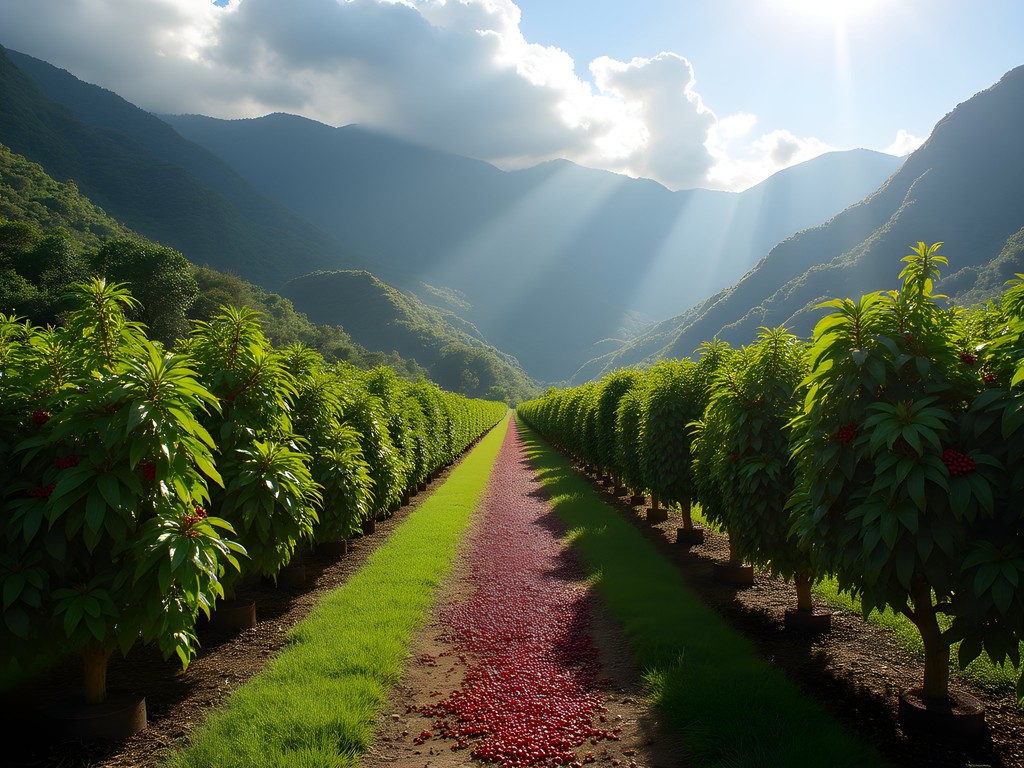
For a deeper dive into coffee culture, I drove my rental car into the mountains north of Ponce to visit Hacienda Pomarrosa, a small coffee plantation offering tours and tastings. The winding mountain roads require careful navigation but reward visitors with breathtaking views and cooler temperatures. Having your own vehicle is essential for exploring these highland coffee regions, as public transportation options are limited.
At Hacienda Pomarrosa, owner Kurt walked me through the entire coffee process—from cherry to cup—explaining how the volcanic soil and mountain altitude create beans with distinctive flavor profiles. The traditional processing methods used here have changed little over generations, maintaining a connection to ancestral knowledge that resonates with my own interest in cultural preservation.
During the tasting, I noticed flavor notes that reminded me of the medicinal teas my Mi'kmaq grandmother prepared—earthy undertones with hints of wild berries and nuts. This connection between coffee and traditional plant medicine isn't coincidental; many cultures recognize coffee's properties beyond mere caffeine, understanding it as a plant with complex relationships to human health.
💡 Pro Tips
- For the freshest coffee experience, visit cafés early in the day when new batches are being brewed
- Call ahead to arrange coffee farm tours, as many smaller operations require reservations
- Purchase beans directly from local cafés rather than supermarkets for the freshest options and to better support local producers
Healing Through Fire: Traditional Cooking Methods and Ponce's Restaurant Scene
My EMT training taught me that healing often requires transformation—a principle equally true in cooking, where fire transforms raw ingredients into nourishment. In Ponce, I discovered restaurants preserving traditional cooking methods that connect modern diners to ancestral wisdom.
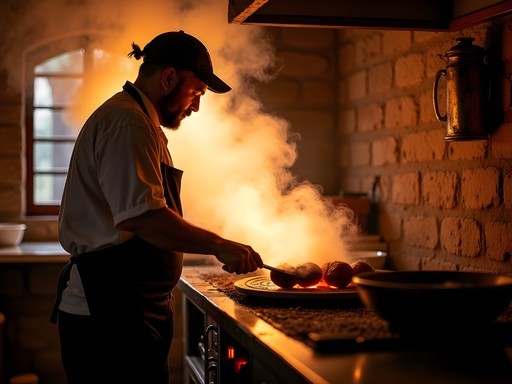
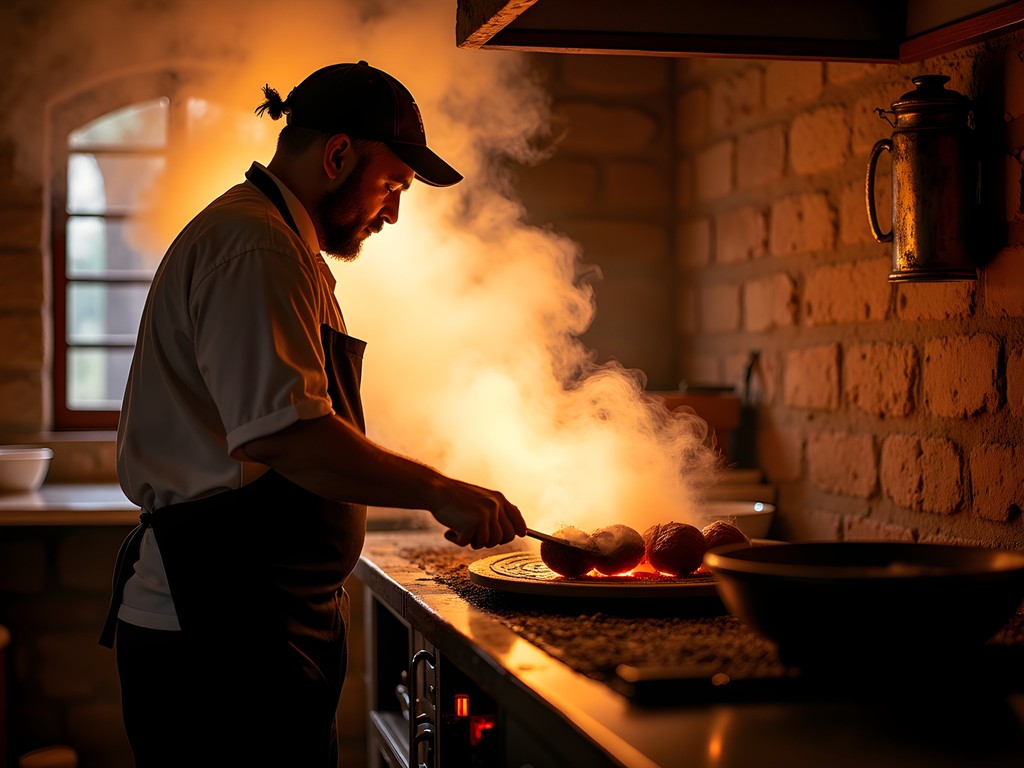
At La Cava, housed in a restored colonial building, chef Ana María Rivera has revived cooking techniques that predate Spanish colonization. Her kitchen features a traditional burén—a flat stone or clay cooking surface similar to those used by Taíno people for centuries. Watching her prepare cassava bread on this surface, I was struck by the parallels to cooking methods I've observed in indigenous communities across North America.
"Fire knows things we've forgotten," Ana María told me as she demonstrated how different woods impart distinct flavors to grilled meats. This understanding of fire as both tool and teacher echoes wisdom my Mi'kmaq elders shared about the transformative power of flame.
For a more contemporary take on Puerto Rican cuisine, I visited Chef Ventura Vivoni's restaurant Porfín, where traditional techniques meet modern presentation. His deconstructed mofongo honors the dish's African roots while introducing elements that reflect Puerto Rico's evolving culinary identity. What impressed me most was his commitment to local sourcing—nearly everything on the plate came from within 30 miles of Ponce, creating a true taste of place.
The geometric precision of plating at these establishments isn't merely aesthetic—it reflects an understanding that how food is arranged affects how we receive its nourishment. This attention to form and composition appears across cultures in sacred food traditions, something I've documented from Japanese temples to Andean communities.
To record these culinary experiences in proper lighting conditions, my portable tripod proved invaluable. Its flexible legs allowed me to set up shots in cramped restaurant corners and uneven surfaces, capturing the artistry of each dish without disrupting other diners. For food travelers, especially couples wanting to document their culinary journey together, a compact but sturdy tripod makes all the difference between blurry memories and crystal-clear food photography.
💡 Pro Tips
- Make reservations at least 2-3 days in advance for fine dining establishments like La Cava and Porfín
- Request chef's choice (a la elección del chef) for the most authentic experience at traditional restaurants
- When dining at upscale restaurants, ask about the provenance of ingredients—many chefs are proud to share their relationships with local producers
Sweet Medicine: Desserts and Healing Traditions in Ponce
In emergency medicine, we sometimes administer glucose for immediate energy—a reminder that sweetness itself can be medicine. Throughout Puerto Rico, and especially in Ponce, desserts transcend mere indulgence to become carriers of cultural memory and healing traditions.
My exploration of Ponce's sweet side began at King's Cream, a local institution since 1964. Their coconut-based ice creams incorporate fruits I recognized from healing traditions across the Caribbean—guanábana (soursop), known for its calming properties, and mamey, valued for its nutritional density. The geometric precision of their serving method—perfectly rounded scoops arranged in specific patterns—speaks to the ritualistic nature of dessert preparation.
At Panadería La Guadalupana near the cathedral, I discovered the connection between religious observance and sweet traditions. Their quesitos (cheese-filled pastries) and mallorcas (sweet spiral buns) are prepared for specific saint days and celebrations, continuing traditions that arrived with Spanish colonizers but have evolved distinctly Puerto Rican characteristics over centuries.
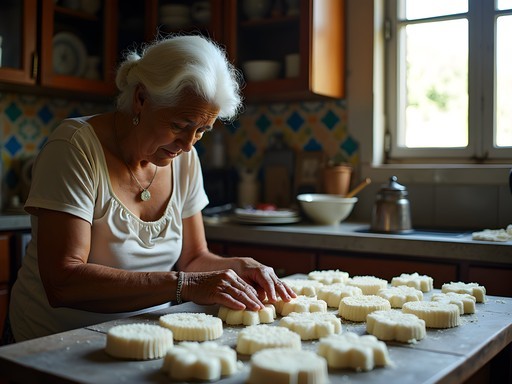
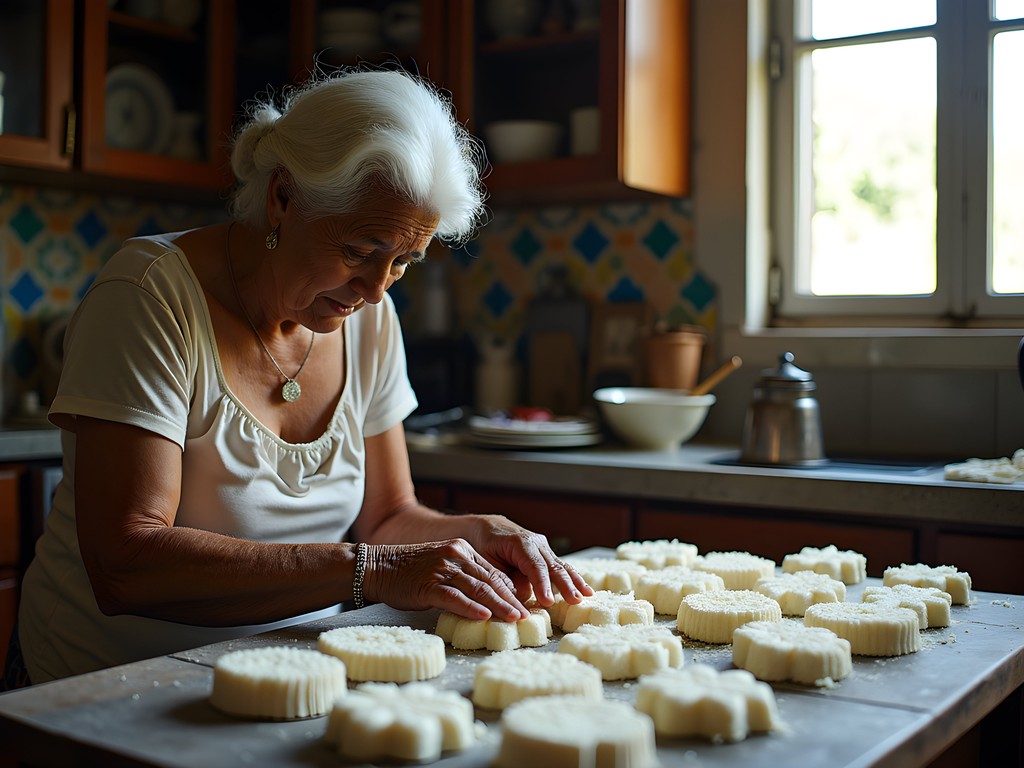
The most profound sweet experience came through meeting Doña Esperanza, an 89-year-old dulcera (candy maker) who creates traditional coconut candies called dulce de coco in her home kitchen. Her hands, gnarled with arthritis but remarkably precise, worked coconut and sugar into perfect shapes that she explained correspond to different healing intentions. Some are formed as stars for spiritual clarity, others as spirals for digestive health—a system of food-as-medicine that resonates deeply with indigenous healing traditions I've studied.
"Sugar isn't the enemy," Doña Esperanza told me as she wrapped candies in bijao leaves. "It's how we use it, when we use it, and the intention we bring." Her wisdom echoes what I've learned about balance in both emergency medicine and traditional healing systems—that context and intention transform the impact of what we consume.
For those wanting to bring Puerto Rican flavors home, I found the spice collection to be an excellent starting point. This collection includes essentials like adobo, sazón, and vanilla that form the foundation of many Puerto Rican dishes, both savory and sweet. The compact packaging makes it travel-friendly while providing authentic ingredients that grocery stores back home often lack.
💡 Pro Tips
- Visit panaderías (bakeries) early morning for the freshest traditional pastries
- Look for coconut candies wrapped in natural leaves rather than plastic for the most traditional preparation
- Many sweet traditions are tied to specific saints' days or festivals—ask locals if any celebrations are happening during your visit
Final Thoughts
As my week in Ponce drew to a close, I found myself sitting at a small café near Plaza Las Delicias, sipping one final cortadito and reflecting on the layers of healing I'd discovered through food. Ponce revealed itself as not just Puerto Rico's southern gastronomic capital but as a living museum of culinary resilience. The geometric precision of traditional preparation methods, the sacred relationship with ingredients, and the intergenerational knowledge transfer I witnessed all speak to food's power beyond mere sustenance. For couples seeking connection through shared experience, Ponce offers intimate cooking classes, romantic dinners in colonial settings, and market adventures that create lasting memories. Whether you're drawn by the siren call of mofongo, the mountain-grown coffee, or the sweet traditions passed down through generations, Ponce's food landscape provides both nourishment and narrative. As my Mi'kmaq grandmother would say, 'When we eat with intention, we consume stories.' In Ponce, those stories taste of resilience, joy, and the unbreakable human spirit.
✨ Key Takeaways
- Ponce's food scene offers deeper insights into Puerto Rican culture than more tourist-oriented destinations
- Traditional cooking methods preserved in Ponce connect diners to pre-colonial and indigenous food wisdom
- The relationship between food and healing is particularly strong in Ponceño culinary traditions
📋 Practical Information
Best Time to Visit
year-round, though January-March offers milder temperatures
Budget Estimate
$75-150 per day per person for accommodations, meals and activities
Recommended Duration
5-7 days
Difficulty Level
Beginner
Comments
travelguy
Love the photos!
Bryce Diaz
Sage, this brought back so many memories! I spent two weeks in Ponce back in 2019 and it completely changed how I think about Puerto Rican cuisine. That café culture you mentioned - there's something almost sacred about how they approach their coffee there. I remember sitting in this tiny café near the cathedral, watching the owner hand-pour each cup like it was a ceremony. The beans come from just up in the mountains and the difference in freshness is unreal. Did you make it to any of the coffee farms for a tour? Hacienda Pomarrosa does an incredible one if anyone's planning a trip.
waveking
ooh coffee farm tour sounds cool! is it easy to get to?
Bryce Diaz
You'll need a car to get up there, but it's only about 30-40 minutes from downtown Ponce. Totally worth it!
travelperson
We visited Ponce last year and absolutely fell in love with the Mercado de Abastos! The vendor who sold us fresh mango and gave us a whole history lesson about the building was the highlight. Also, pro tip - go to the mercado on Saturday morning if you can, it's way more lively than weekdays. The food truck scene has gotten even better since we were there from what I can see in your photos!
wildmate8045
Great post Sage! Quick question - how many days would you recommend spending in Ponce to really experience the food scene? We're planning a PR trip for March and trying to figure out how to split time between San Juan and the south.
Sage Dixon
Hi! I'd say minimum 3 days, but 4-5 is ideal if you really want to explore the food trucks and take a coffee tour up into the mountains. The pace is slower there which is part of the charm!
wildmate8045
Perfect, thanks! That's really helpful
waveking
This looks amazing!! Adding Ponce to my list right now
travelguy
same here, never even heard of it before this
Haley Hamilton
Sage, this brought back so many memories! I spent three days in Ponce back in 2019 and that mercado is absolutely magical. I remember buying fresh guanabana from a vendor who insisted I try like five different varieties before deciding. The mofongo I had at a tiny spot near the market (can't remember the name, but it had blue walls) was hands-down the best I've ever tasted. One tip for anyone going: learn a bit of Spanish if you can. So many of the best spots don't have English menus, and the locals really appreciate the effort. Also, that coffee culture you mentioned - I brought home beans from a small roaster there and I'm STILL trying to find something stateside that compares.
beachzone
omg yes I need to work on my Spanish before I go!
beachzone
This looks amazing!! Adding Ponce to my list 😍
Sage Dixon
You won't regret it! The food scene there is seriously underrated.
beachzone
quick question - are the food trucks open every day or just weekends?
Sage Dixon
Most are there Thursday-Sunday evenings, but the ones near the plaza are pretty much daily. Definitely go on a Friday or Saturday night for the full experience!
moonwanderer
Those coffee photos are making me drool! Adding Ponce to my bucket list ASAP!
greenace
Just booked my tickets to PR after reading this! Can't wait to eat my way through Ponce!
Savannah Walker
Sage, your post brought back so many memories! I spent two weeks in Puerto Rico last summer, and Ponce was the unexpected highlight. There's this tiny family-run place called Café Lucero about three blocks from Plaza Las Delicias where the grandmother makes mallorcas by hand every morning - have you been? The coffee culture there is so rich and meaningful. I remember sitting with a local coffee farmer who explained how the hurricanes had affected their crops but how resilient the community had been. The way they've preserved their coffee traditions despite everything is truly inspiring. Did you get a chance to try the chocolate-dipped frozen bananas from that little cart that parks by the fountain in the evenings?
Sage Dixon
Savannah, I did make it to Café Lucero! Those mallorcas were heavenly - the perfect balance of sweet and buttery. And yes, the resilience of the coffee farmers there is remarkable. I didn't catch the banana cart though - sounds like I need to plan a return trip!
Venture X
Premium card with 2X miles, $300 travel credit, Priority Pass