



Disclosure: This article contains affiliate links. We may earn a commission from purchases at no extra cost to you, which helps our travel content.
The relationship between geology and gastronomy isn't immediately obvious to most travelers, but spend enough time studying earth processes and you'll recognize that food cultures develop in direct response to their geological settings. Newark, Delaware—home to the University of Delaware—presents a fascinating microcosm where the bedrock of traditional American college fare has been steadily transformed by layers of cultural sediment. As someone who's spent decades documenting the interplay between natural formations and cultural expressions, I've found this modest college town harbors a surprisingly diverse culinary landscape worth exploring.

The Geological Strata of Newark's Food Scene
Newark's food landscape can be analyzed much like cross-sections of earth: layers representing different eras and influences. The bedrock consists of classic American college town establishments—pizza joints, burger spots, and sandwich shops that have sustained generations of students. Above this foundation, you'll find more recent deposits: authentic international cuisines, farm-to-table ventures, and specialty food purveyors that reflect broader cultural shifts.
Main Street functions as the primary fault line where these culinary plates converge. During my weekend exploration, I carried my field notes in a compact waterproof notebook (a habit from my geological survey days that's proven invaluable for food documentation as well). The street's linear arrangement makes it ideal for methodical sampling—I recommend walking its full length once before deciding where to eat, as the most intriguing establishments often hide in plain sight.
What fascinates me most is how the proximity to the university creates a continuous cycle of culinary innovation and tradition, not unlike the way geothermal areas maintain both constant features and surprising new expressions.

💡 Pro Tips
- Walk the full length of Main Street before deciding where to eat
- Visit during non-peak hours (2-5pm) for better service and often special 'happy hour' pricing
- Ask locals (not just students) for recommendations—longtime residents know the establishments with staying power
Global Flavors in Unexpected Places
What continually surprises me about small college towns is their capacity to support authentic international cuisine. Newark punches well above its weight class in this regard. During my research visits to the University of Delaware for a comparative study on cultural expressions near thermal features, I've documented remarkable culinary diversity within just a few blocks.
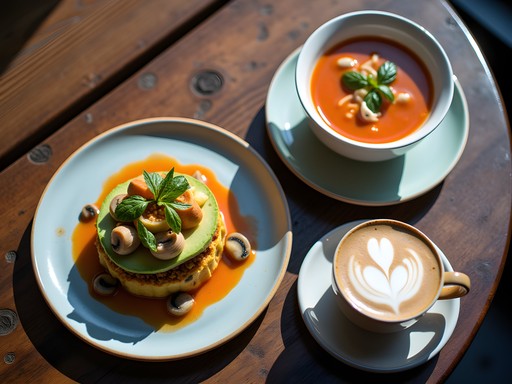
Little Goat Coffee Roasting represents the town's third-wave coffee movement—their single-origin beans and precise brewing methods remind me of the meticulous attention I apply to cataloging mineral deposits. For students pulling all-nighters, I recommend pairing their coffee with a portable charger to keep your devices running as long as you do.
For Thai cuisine that rivals establishments I've visited while researching thermal features in Southeast Asia, Rasa Sayang offers remarkable authenticity. Their tom yum soup generates its own microclimate of aromatic steam that immediately transported me back to field research in Thailand's geothermal regions.
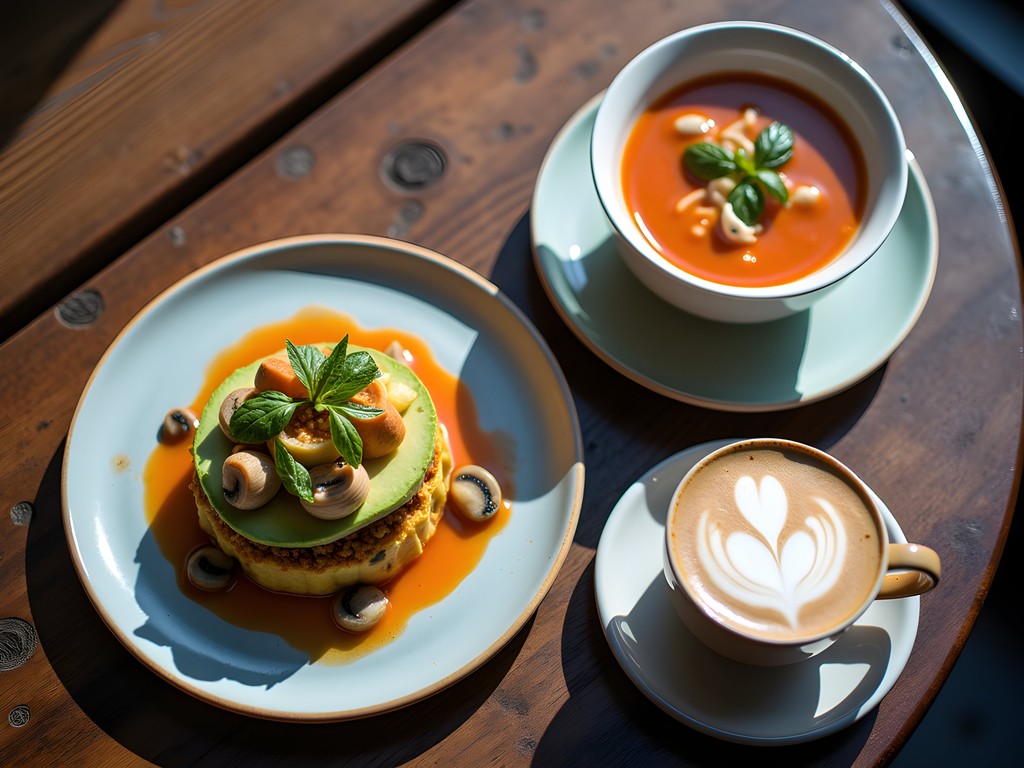
Perhaps most unexpected is the presence of Peruvian cuisine at Pachamama, where the elevation of simple ingredients mirrors what I've documented among Andean communities living near geological wonders. Their causa limeña—a layered potato dish—demonstrates the same careful stratification that fascinates me in sedimentary formations.
💡 Pro Tips
- Visit international restaurants on weeknights when they're less crowded with students
- Ask for the 'traditional preparation' rather than Americanized versions
- Look for restaurants where the staff speaks the native language of the cuisine—often a sign of authenticity
Budget-Friendly Geological Wonders (Disguised as Pizza)
For the budget-conscious student or visiting researcher, Newark's pizza establishments offer fascinating case studies in value-to-cost ratios. As someone who's spent decades measuring the dimensions of geological formations, I can appreciate the impressive circumference-to-price calculations of these establishments.
Peaceful Pizza deserves special recognition not just for their generous proportions but for their unexpected flavor combinations that create what I'd call 'culinary stratigraphy'—layers of complementary ingredients that tell a story much like rock layers reveal earth's history. Their buffalo chicken pizza with its distinct strata of sauce, cheese, and protein reminds me of the colorful mineral deposits in Yellowstone's thermal features.
For late-night field work (or more likely, post-bar explorations), DP Dough's calzones provide portable sustenance in a convenient geological pocket—the folded dough creating a protective outer layer for the molten interior, not unlike the earth's crust containing its semi-liquid mantle. I've found their calzones pair perfectly with field notes recorded in my pocket notebook, which slips easily into a jacket while navigating Newark's nocturnal food landscape.
For the most authentic Newark experience, join the inevitable queue at Grottos Pizza, where the thin-crust pies emerge from the oven with the same regularity as Old Faithful's eruptions, though with considerably more cheese.

💡 Pro Tips
- Order pizza by the slice during lunch hours for maximum variety and minimum commitment
- Many pizza places offer student discounts—always ask even if you're just visiting
- The best value is often found at establishments slightly off Main Street where rent is lower

Seasonal Harvest: Fall's Bounty in a College Town
Fall in Newark brings a fascinating convergence of agricultural and academic calendars. Just as students return to campus, the surrounding Delaware farmlands reach peak harvest—creating ideal conditions for seasonal eating. As someone who's documented the relationship between natural cycles and cultural practices worldwide, I find Newark's autumn food scene particularly compelling.
Newark Natural Foods Co-op serves as an excellent starting point for understanding the region's seasonal offerings. Their locally-sourced produce section reads like a geological timeline of the area's agricultural history, with heirloom varieties representing cultural continuity alongside newer, climate-adapted crops. For students looking to document their culinary adventures, I recommend the food journal I've used to record memorable meals across continents.
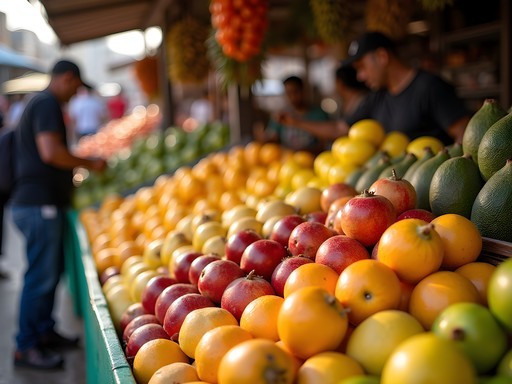
The Newark Farmers Market (Sundays, 9am-2pm) transforms a section of campus into a temporary but vibrant food ecosystem. Here, the geological principle of provenance—tracing materials to their source—becomes deliciously tangible as you meet the very people who grew your food. The apple varieties alone provide a lesson in agricultural biodiversity that rivals the most varied mineral collections.
For those interested in the fermentation processes that transform simple ingredients into complex flavors (not unlike geological metamorphosis), Midnight Oil Brewing Company offers small-batch seasonal brews that incorporate local harvest elements. Their pumpkin porter represents the perfect synthesis of academic calendar and agricultural cycle—available just when students need it most.

💡 Pro Tips
- Visit the farmers market early (before 10am) for the best selection
- Look for 'seconds' at produce stands—these imperfect but delicious options are often half the price
- Ask vendors for cooking suggestions—they know their products better than any cookbook
Cultural Crossroads: Where Tradition Meets Innovation
The most fascinating aspect of Newark's food scene is the continuous dialogue between tradition and innovation—a phenomenon I've observed at cultural sites adjacent to geothermal features worldwide. Here, this dialogue plays out in establishments that honor culinary heritage while embracing contemporary techniques and sensibilities.
Home Grown Café exemplifies this intersection, offering dishes that respect traditional preparation methods while incorporating modern nutritional understanding and sustainability practices. Their seasonal menu functions much like the stratigraphic record—each dish representing a specific moment in the region's agricultural timeline.
For students documenting their culinary explorations (or researchers like myself recording field observations), I recommend carrying a digital voice recorder to capture impressions and notes immediately after meals, when sensory memories are freshest. This practice has enhanced my own research immeasurably.
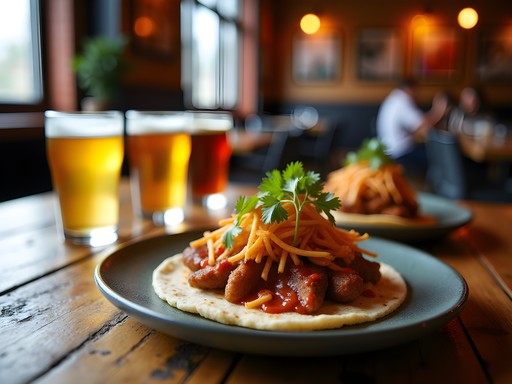
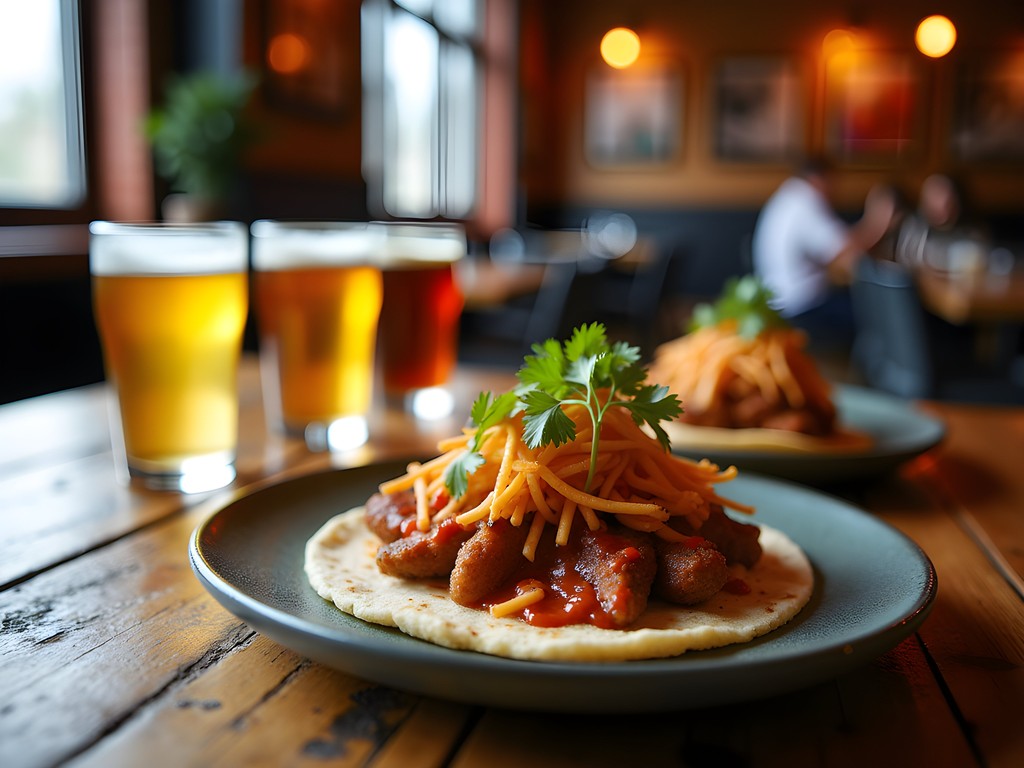
At Grain Craft Bar + Kitchen, the geological principle of cross-cutting relationships is evident in their menu—traditional American comfort foods intersect with global influences, creating something entirely new. Their Korean BBQ tacos represent a perfect example of culinary layers interacting to create unexpected formations.
Even chain establishments in Newark often display regional adaptations worth noting. Chipotle's Newark location, for instance, sources some ingredients from the same local farms that supply independent restaurants—a form of commercial mimicry that parallels adaptive behaviors in natural systems.
💡 Pro Tips
- Look for restaurants that specifically mention local farms on their menus
- Visit fusion establishments during happy hour for reduced-price opportunities to sample innovative combinations
- Ask servers about the history of specific dishes—many have fascinating origin stories
Final Thoughts
Newark's culinary landscape, like the geological formations I've spent my career documenting, reveals its most interesting features to those willing to look beyond surface appearances. The stratification of tradition and innovation, the cross-cultural pollination evident in fusion establishments, and the cyclical nature of seasonal offerings all parallel the earth processes that have fascinated me throughout my academic career. For students spending formative years in this environment, I encourage you to approach Newark's food scene with the same methodical curiosity you might apply to academic subjects—observe patterns, document variations, and sample widely across the available spectrum. The analytical skills you develop cataloging Newark's diverse culinary offerings will serve you well in any field of study. And perhaps most importantly, these explorations create the cultural deposits that will eventually form your own personal history—layers of experience that you'll reference long after graduation, much as I still recall the thermal features that first inspired my career path decades ago. Newark awaits your exploration, fork in hand.
✨ Key Takeaways
- Newark's food scene extends far beyond typical campus dining options
- Budget-friendly international cuisines offer authentic flavors comparable to their countries of origin
- Fall brings particularly rich seasonal offerings due to the convergence of academic and agricultural calendars
- The most interesting establishments often represent cultural crossroads where tradition meets innovation
- Methodical exploration yields the most rewarding culinary discoveries
📋 Practical Information
Best Time to Visit
Fall (September-November)
Budget Estimate
$30-60 per day for food
Recommended Duration
Weekend (2-3 days)
Difficulty Level
Beginner
Comments
Timothy Jenkins
Jack, what a refreshingly original approach to food writing! I've documented many college towns across America for my cultural food series, but never considered the geological metaphor - it works brilliantly for understanding how these microcosms of cuisine develop. Newark's scene reminds me of other college towns like Athens, Georgia or Ann Arbor - these unexpected pockets of culinary diversity in otherwise homogeneous regions. I particularly appreciate your notes on the budget-friendly options that don't sacrifice quality. For visitors, I'd add that Newark's proximity to Pennsylvania Dutch country also influences some of the local bakeries and breakfast spots - the pretzel bread at Newark Deli is a perfect example of this cross-cultural influence. Looking forward to your next geological-gastronomical exploration!
wildninja
As a Newark local, I'm so glad you highlighted our food scene! Most visitors just hit the chain restaurants on Main Street and miss all the good stuff. The Little Italy section is spot on - those family-owned places have been here forever and make everything from scratch. Pro tip for anyone visiting: check out the food trucks that park near the university on Thursdays - incredible international options that rotate weekly. I've been using my food guide to explore more places around town I never knew about!
wanderlustpro
Any good vegetarian spots you'd recommend? Heading there next month!
Jack James
Definitely check out Home Grown Cafe - they have an extensive vegetarian menu and great atmosphere. Also, the Farmers Market (if you're there on a Sunday) has amazing veggie options from local farms!
wanderlustpro
Perfect, thanks! Adding those to my list.
Gregory Boyd
Fascinating analysis of Newark's culinary landscape through a geological lens, Jack. During my cross-USA backpacking trip last year, I spent three days in Newark and was genuinely surprised by the food diversity. The stratification you describe is spot on - there's clearly the fast-casual layer catering to students, but dig deeper and you find those authentic global gems. That Korean-Mexican fusion place (Stone Balloon, I think?) was particularly interesting - a perfect example of culinary cross-pollination in unexpected places. I documented similar patterns in college towns across the Midwest, but none had quite the same density of options in such a compact area. Your section on seasonal harvests was particularly insightful - those apple cider donuts at the farmers market were worth the trip alone!
wildninja
Those apple cider donuts are legendary! They make them fresh at Bing's Bakery too during fall season.
luckyqueen
Just visited Newark last weekend and wish I'd seen this post before! The food scene really is surprisingly diverse for such a small college town. We stumbled upon this Ethiopian place on Main Street that was AMAZING - can't remember the name but it had blue awnings. The injera bread was perfect. Jack, your geological perspective is such a unique lens for looking at food culture. Never would've made those connections!
smartmaster
Was it Addis Ababa? I've heard great things but haven't tried it yet!
luckyqueen
YES! That's the one! Definitely worth trying - the combo platter is enough for two people.
smartmaster
Never thought about food scenes having geological layers! Mind blown 🤯 Definitely checking out those pizza spots next time I visit my cousin at UD!
Frank Garcia
Interesting read. I've been through Newark a few times on my way down the East Coast and never really stopped to explore. The geological metaphor is a bit heavy-handed but I get what you're going for - layers of culture and all that. What struck me most was your point about seasonal eating in a college town. Most students probably don't think about farm-to-table when they're grabbing late night food, but it's cool that those options exist alongside the typical college fare. The budget breakdown would've been helpful though - what's a typical meal cost at these places?
bluemood
Is Main Street walkable or do you need a car to get around?
Megan Martin
Jack, I really appreciate the unique angle connecting geology to food culture. As someone who travels frequently for business, I often find college towns offer some of the best value dining experiences. Newark seems like a hidden gem between Philly and Baltimore. Did you find the restaurants were accommodating for dietary restrictions? I'm always looking for places that can handle gluten-free requests without much fuss.
bluemood
Most places in Newark are pretty good with dietary stuff since it's a college town
backpackhero
How does Newark compare to other college towns like State College or Charlottesville?
Venture X
Premium card with 2X miles, $300 travel credit, Priority Pass