


Disclosure: This article contains affiliate links. We may earn a commission from purchases at no extra cost to you, which helps our travel content.
Milwaukee's relationship with beer isn't just historical—it's architectural, cultural, and evolving in ways that perfectly illustrate urban adaptive reuse. As someone who studies how cities repurpose spaces for cultural expression, I've found Milwaukee's transformation from industrial brewing giant to craft beer innovator fascinating. The city's beer scene operates as a living case study in how industrial heritage can be preserved while fostering new creative economies—something I've observed in electronic music venues from Berlin to Detroit, but with a distinctly Midwestern approach that deserves your attention (and your palate).

The Architectural Heritage Behind Milwaukee's Beer Renaissance
Walking through Milwaukee's brewery districts feels like navigating a timeline of American industrial design. The city's brewing infrastructure—from Pabst's 19th-century brick complexes to Miller's sprawling campus—showcases how manufacturing spaces evolve across generations. What fascinates me as an urban planner is how these massive structures have found second lives.
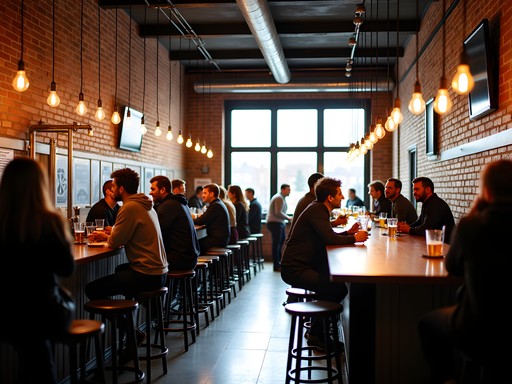
The former Pabst complex, now known as The Brewery District, represents one of America's most successful industrial neighborhood transformations. Where workers once fermented mass-produced lagers, you'll now find mixed-use developments that maintain historical integrity while housing innovative brewing operations. Breweries like MobCraft and Good City have established taprooms in repurposed industrial spaces, creating gathering places that honor Milwaukee's brewing heritage while pushing flavor boundaries.
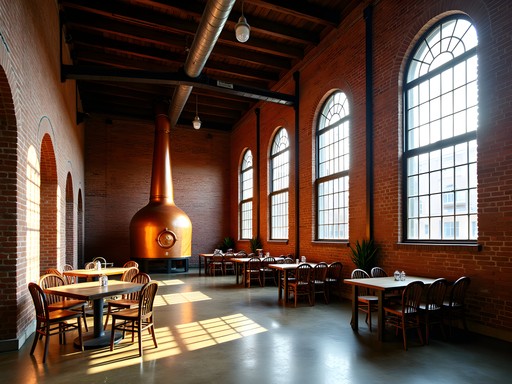
The architectural details tell stories: look for the massive copper kettles preserved as decorative elements, the exposed cream city brick (Milwaukee's distinctive local building material), and the industrial-scale windows that now illuminate contemporary taprooms. These aren't just aesthetic choices—they're deliberate preservation decisions that maintain the city's brewing identity while accommodating modern craft production methods.

💡 Pro Tips
- Visit The Brewery District early in your trip to understand Milwaukee's beer evolution story
- Look for original brewing equipment repurposed as decor in modern taprooms
- Take the Pabst Brewery Tour to see how historic spaces have been adaptively reused
Riverwest and Bay View: Milwaukee's Craft Beer Neighborhoods
Milwaukee's craft beer innovation isn't happening downtown—it's flourishing in neighborhoods that urban planners consider textbook examples of successful post-industrial community development. Riverwest and Bay View exemplify how craft brewing creates economic anchors in transitioning neighborhoods.
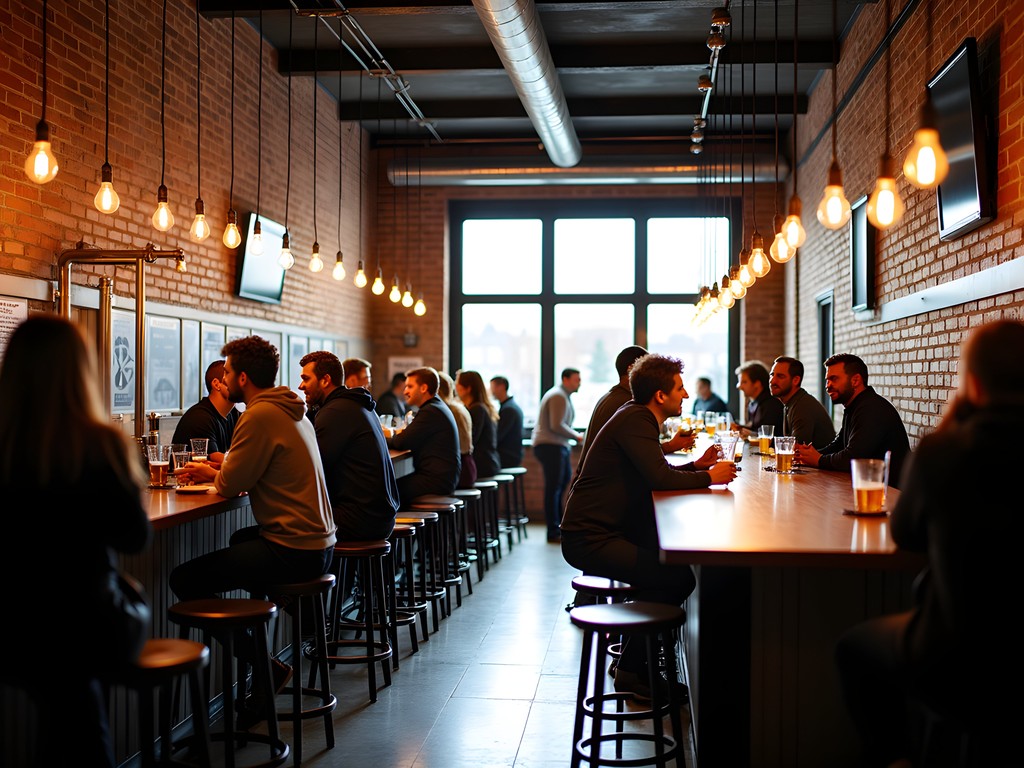
Riverwest, with its mix of industrial spaces, worker cottages, and creative businesses, hosts Company Brewing and Black Husky—operations that function as community hubs as much as beer producers. The spatial arrangement is noteworthy: taprooms occupy former manufacturing facilities but operate at a human scale that invites neighborhood interaction. Last October, I spent an evening at Company Brewing where a local electronic music showcase shared space with beer enthusiasts—the kind of mixed cultural programming that healthy urban neighborhoods thrive on.
Bay View's brewery corridor along Kinnickinnic Avenue demonstrates how craft beer businesses can anchor commercial revitalization without triggering excessive gentrification. Component Brewing, Enlightened Brewing, and Indeed Brewing have established operations in former light industrial spaces, creating an informal brewery trail that's walkable and integrated with existing neighborhood character.
For comfortable exploration between these neighborhoods, I'd recommend a reliable insulated water bottle to stay hydrated between brewery visits. Milwaukee's microclimates can be surprisingly warm even in fall, and proper hydration is essential when sampling multiple breweries.
💡 Pro Tips
- Explore Riverwest and Bay View breweries by bicycle using Milwaukee's Bublr bike share system
- Visit Component Brewing for experimental small-batch releases that rarely distribute outside Milwaukee
- Check brewery social media for pop-up food vendors—many smaller breweries partner with local chefs
The Lakefront Experience: Brewing With Environmental Consciousness
Lakefront Brewery represents Milwaukee's most compelling case study in sustainable urban brewing practices. Situated along the Milwaukee River in a former power plant, Lakefront demonstrates how industrial riverfront property can be reclaimed for both production and public enjoyment.
Their brewery tour remains Milwaukee's most comprehensive (and entertaining) education in craft brewing processes. Unlike corporate brewery tours that keep visitors at a distance, Lakefront's experience brings you directly into production areas, explaining brewing with technical accuracy while maintaining accessibility—a balance I appreciate as someone who values both precision and public engagement.
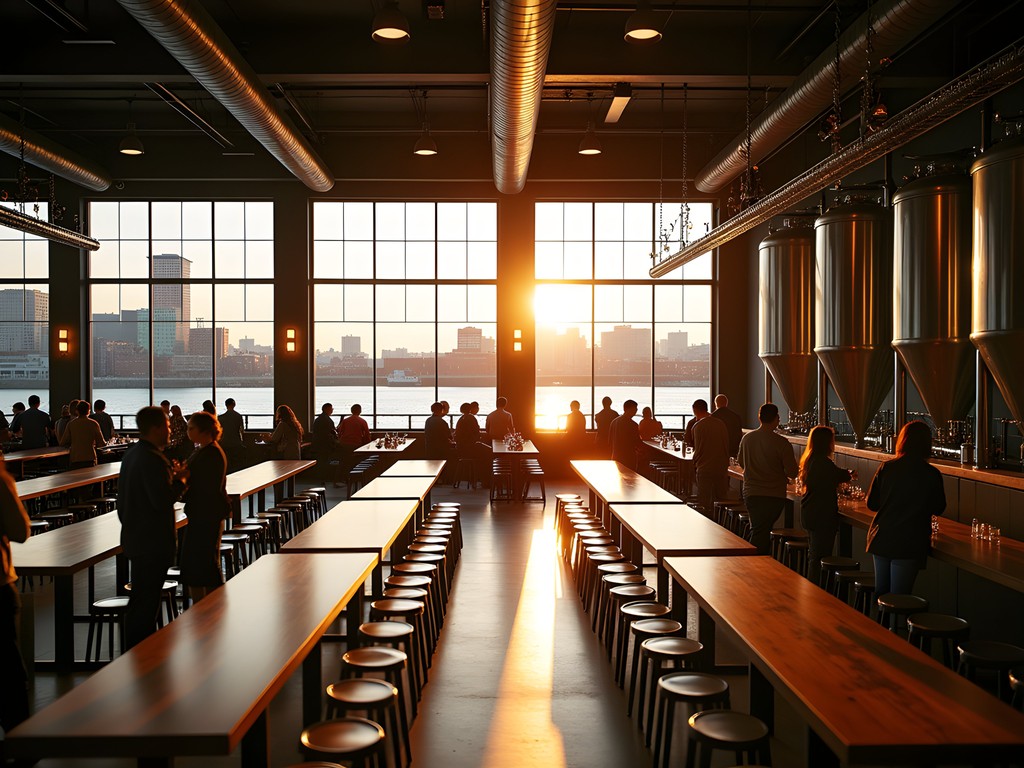
What's particularly notable from an urban planning perspective is how Lakefront has integrated their operation with Milwaukee's river restoration initiatives. Their beer hall features expansive windows overlooking the river, creating a visual connection to this natural resource that was largely ignored during Milwaukee's industrial heyday. The brewery's Friday fish fry has become a civic institution, demonstrating how production facilities can double as cultural gathering spaces.
Lakefront's sustainability initiatives extend to their brewing practices—they produced the first USDA-certified organic beer and utilize local ingredients whenever possible. For serious beer enthusiasts wanting to document tasting notes across multiple brewery visits, I recommend bringing a beer tasting journal, which has simplified flavor wheels perfect for comparing Milwaukee's diverse brewing styles.
💡 Pro Tips
- Book Lakefront Brewery tours in advance—they frequently sell out, especially weekend slots
- Try their Riverwest Stein amber lager for a perfect example of Milwaukee's traditional brewing heritage with craft attention to detail
- Visit during sunset hours when the river views are particularly stunning through the beer hall windows

Hidden Taprooms: Milwaukee's Secret Brewing Spaces
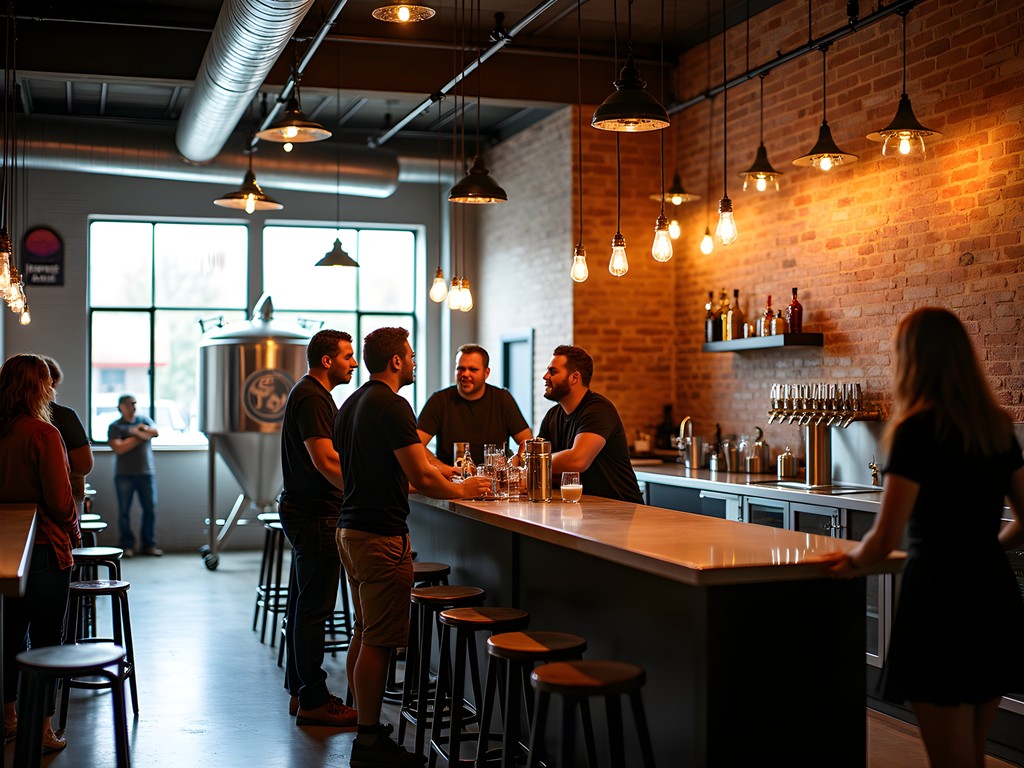
Beyond Milwaukee's established brewing operations lies a network of hidden taprooms that showcase how adaptive reuse can happen at smaller scales. These spaces—often tucked into former storage rooms, garage bays, or retail storefronts—represent brewing entrepreneurship that operates below the radar of typical tourism.
Eagle Park Brewing in the western suburb of Muskego exemplifies this approach. Housed in a former auto service garage, the brewery maintains industrial elements like roll-up doors while creating an intimate taproom experience. Their limited distribution makes on-site visits essential for sampling their rotating IPA variations.
Similarly, Vennture Brew Co. in Washington Heights operates as both a specialty coffee shop and craft brewery—a dual-purpose approach to space utilization that activates their location throughout the day rather than just evening hours. This model of mixed commercial use creates more sustainable neighborhood businesses while offering unique hybrid products like their coffee-infused stouts.
My personal favorite hidden gem is Gathering Place Brewing in Riverwest, whose taproom feels like entering someone's particularly well-appointed garage workshop. Their community-supported brewery model (similar to agricultural CSAs) demonstrates alternative financing approaches for small-scale production.
Navigating between these scattered locations requires planning. I use the beer mapping app to track these smaller operations, many of which have limited hours or pop-up schedules that change seasonally. The app has saved me from arriving at locked doors multiple times.
💡 Pro Tips
- Check social media before visiting smaller taprooms as many operate with limited or seasonal hours
- Don't hesitate to talk with brewers at these smaller operations—they're typically more accessible than at larger venues
- Try 1-2 hidden taprooms rather than rushing between many—the intimate experiences deserve unhurried appreciation
Milwaukee's Beer Festival Culture: Seasonal Celebrations
Milwaukee's beer calendar revolves around seasonal festivals that transform public spaces into temporary celebration zones—a phenomenon I've studied in electronic music events globally but which takes uniquely civic forms in Milwaukee's beer culture.
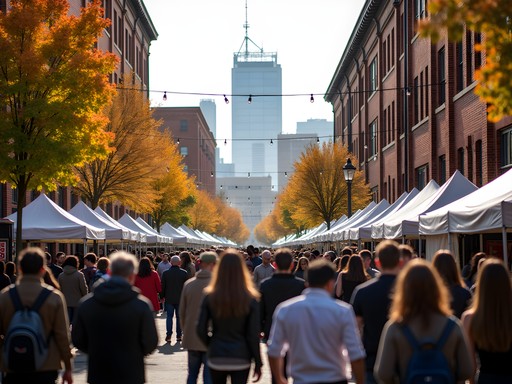
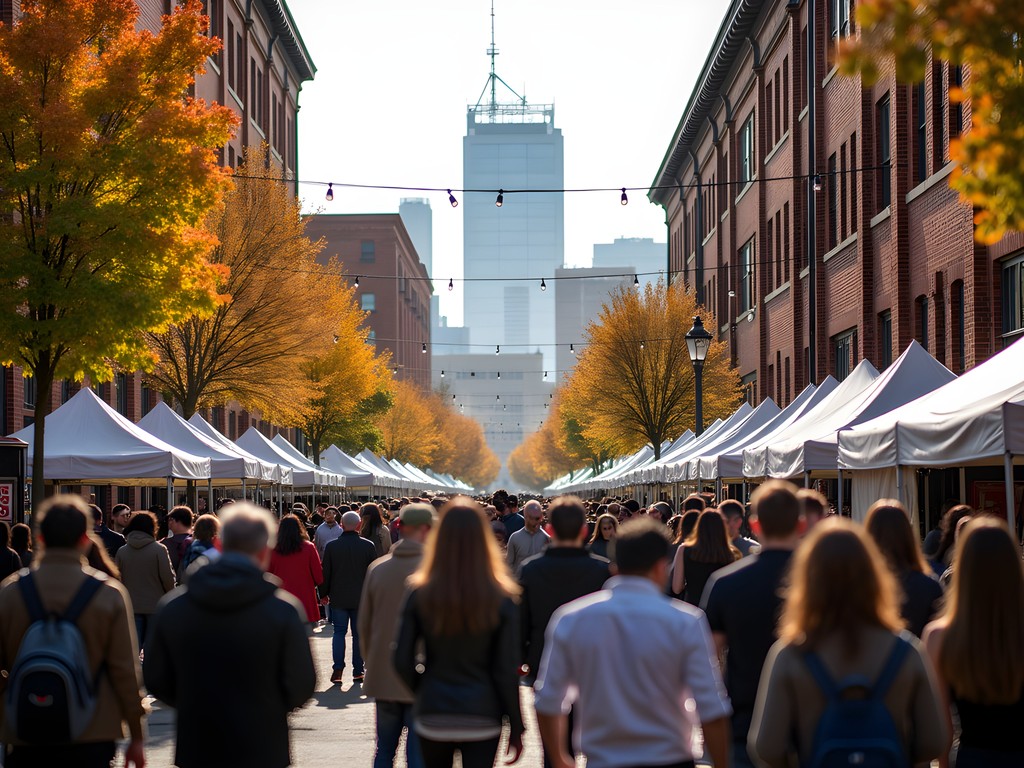
Fall brings Milwaukee's most distinctive beer events, when the city's German heritage merges with craft innovation. Unlike summer festivals that sprawl across parks, autumn beer events often occupy adaptive spaces—former factories, warehouses, or underutilized public buildings temporarily transformed through careful programming.
Milwaukee Beer Week (early November) represents the most comprehensive opportunity to experience the city's brewing diversity, with special releases and collaborative brews available exclusively during this period. The events are distributed throughout the city rather than centralized, encouraging exploration of different neighborhoods and their brewing identities.
For serious beer festivals, I've found a collapsible cooler invaluable for storing special release bottles purchased throughout the day. Milwaukee's breweries often release limited festival editions that aren't available afterward, and proper storage ensures they arrive home safely.
The Beer Garden at South Shore Terrace offers a perfect example of Milwaukee's public space activation through beer culture. This county park installation demonstrates how municipalities can create seasonal gathering spaces that generate revenue while providing accessible recreation—a model other cities should study.
💡 Pro Tips
- Purchase Milwaukee Beer Week passes early as specialty events sell out quickly
- Look for brewery collaboration releases that often showcase experimental techniques
- Use rideshare services between festival locations rather than driving—Milwaukee's DUI enforcement is appropriately strict
Final Thoughts
Milwaukee's craft beer scene represents more than just good drinking—it's a masterclass in adaptive reuse, neighborhood revitalization, and cultural preservation. What impresses me most as an urban planner is how brewing operations have become anchors for neighborhood identity while honoring industrial heritage. The spatial dynamics at play—from massive brewery complexes to hidden garage taprooms—demonstrate the flexibility of urban infrastructure when communities value both preservation and innovation.
As cities nationwide struggle with repurposing industrial spaces, Milwaukee offers a compelling case study in how production, consumption, and cultural expression can coexist within thoughtfully preserved structures. The city has managed to celebrate its brewing heritage without becoming a beer-themed caricature—maintaining authentic production while creating spaces for community gathering.
Whether you're a dedicated beer enthusiast or simply interested in how cities evolve, Milwaukee's brewing landscape deserves your attention. Pack your curiosity alongside your palate, and you'll discover a city that pours its history, architecture, and future into every glass.
✨ Key Takeaways
- Milwaukee's craft breweries excel at adaptive reuse of historic industrial spaces
- Neighborhood breweries like those in Riverwest and Bay View function as community anchors beyond just beer production
- Fall represents the ideal season for experiencing Milwaukee's beer culture through seasonal festivals and special releases
📋 Practical Information
Best Time to Visit
September-November
Budget Estimate
$100-150/day including accommodations, brewery tours, and meals
Recommended Duration
3-day weekend
Difficulty Level
Easy
Comments
Sarah Powell
As someone who's explored brewery scenes solo across the US, Milwaukee surprised me with how approachable it is for independent travelers. The brewery density in Riverwest means you can easily create a self-guided walking tour without needing to coordinate with others or book formal tours. I appreciated how Skylar connected the craft beer movement to neighborhood revitalization—it's not just tourism, it's genuinely reshaping these communities. One thing I'd add: the Milwaukee Public Market is a great starting point if you're new to the city. You can grab lunch, get oriented, and several breweries are within a 15-minute walk. The Milwaukee guidebook I picked up had an excellent craft beer walking map that I referenced constantly.
smartseeker
Are these breweries family-friendly? Traveling with kids this summer and wondering if we can still check out the beer scene.
exploreking
Most of the bigger ones like Lakefront are totally kid-friendly during the day. They usually have root beer and food trucks.
oceanwalker
Just got back from Milwaukee last month and this article is spot on! We stumbled upon one of those hidden taprooms in Bay View (I think it was in a converted house?) and it was the highlight of our trip. The bartender gave us a whole history of the neighborhood. Pro tip: go on a weekday afternoon if you want to actually chat with the brewers. Weekends get packed!
vacationblogger
Thanks for the weekday tip! Adding that to my notes.
greenlover
Love that you highlighted the environmental consciousness at Lakefront! More breweries should follow their lead.
Amit Sullivan
Skylar's point about adaptive reuse really resonates with what I've seen in Wellington's craft beer scene. We've also transformed old industrial spaces into breweries, and there's something magical about drinking beer in a building that once produced something entirely different. When I visited Milwaukee two years ago, I was struck by how they've preserved the architectural character while creating these vibrant community spaces. The Lakefront Brewery tour was particularly memorable—our guide's storytelling about the building's history made the beer taste even better! Has anyone here done the historical brewery district walking tour? I'd love to return and do that next time.
exploreking
How far apart are the Riverwest and Bay View neighborhoods? Can you walk between them or do you need to drive?
Sarah Powell
They're about 3-4 miles apart, so driving or rideshare is your best bet. I'd recommend focusing on one neighborhood per day to really explore the area properly.
vacationblogger
This is awesome! Never thought of Milwaukee as a craft beer destination but now I'm interested.
oceanwalker
Right?? Milwaukee is seriously underrated for beer tourism!
dreammaster
Great photos!
Frank Garcia
Really interesting take on the adaptive reuse angle. I spent a week in Milwaukee last autumn doing brewery research and the way they've transformed these old industrial spaces is genuinely impressive. The contrast with European beer cities is fascinating—places like Munich or Prague lean heavily on tradition, but Milwaukee's managed to honour its brewing heritage while creating something entirely contemporary. Bay View especially reminded me of Belfast's Cathedral Quarter in terms of neighbourhood transformation. One tip: the Milwaukee Ale House downtown gets overlooked but the waterfront location is brilliant for sunset pints.
dreammaster
Good call on Milwaukee Ale House!
travellover
Love this! Never thought of Milwaukee as a beer destination
Venture X
Premium card with 2X miles, $300 travel credit, Priority Pass