
Disclosure: This article contains affiliate links. We may earn a commission from purchases at no extra cost to you, which helps our travel content.
The azure waters of the Gulf of Guinea lapped gently against my borrowed fishing boat as I approached Malabo's harbor. After three decades studying the Great Lakes ecosystem, I've developed a sixth sense for coastal cities with untold culinary treasures. Equatorial Guinea's capital—a place where Spanish colonial history collides with West African traditions and seafood practically leaps from ocean to plate—had been calling to me like a siren song across the Atlantic. What I discovered over one remarkable weekend was a gastronomic revelation that few travelers have documented, a culinary current I felt compelled to navigate and share with my 'Floating World' listeners.

Navigating Malabo's Mercado Central
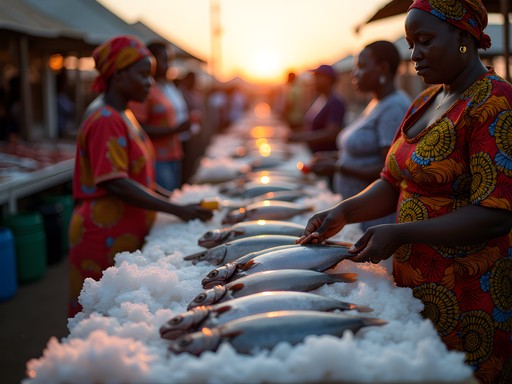
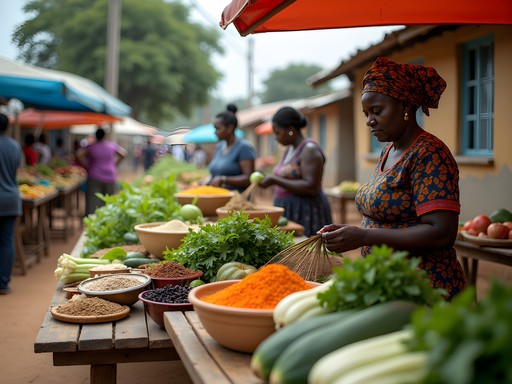
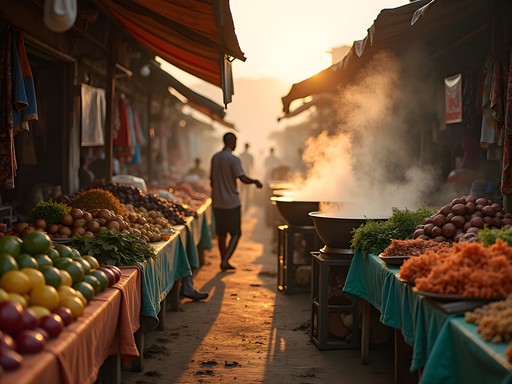
Every meaningful culinary expedition begins at the source, and in Malabo, all gastronomic roads lead to the Mercado Central. Unlike the tourist-friendly markets I've documented across Europe, this bustling marketplace remains delightfully authentic—a working hub where locals outumber visitors twenty to one.
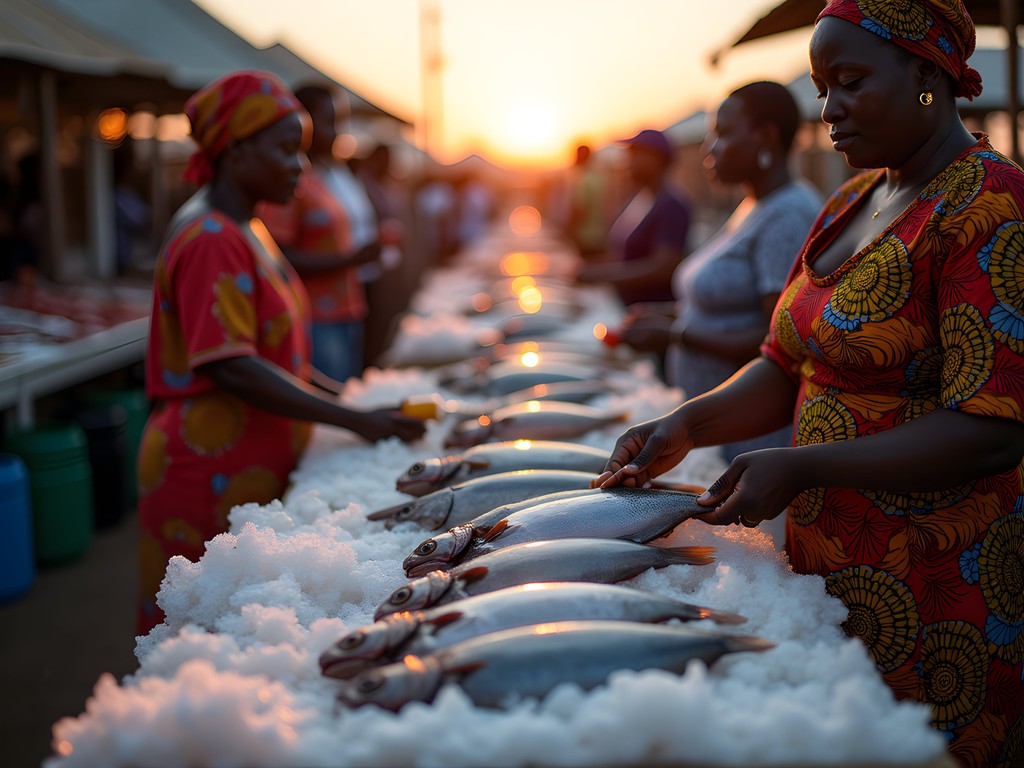
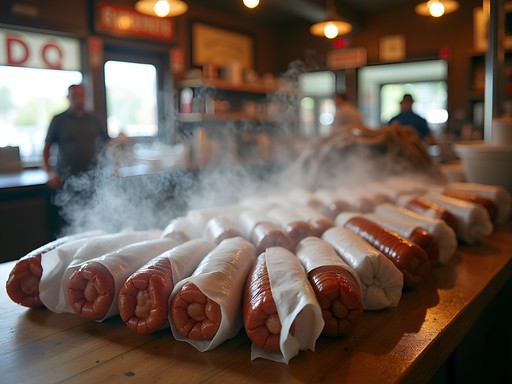
I arrived at dawn, when fishermen were still unloading their overnight catches. Barracuda, red snapper, and enormous African threadfin lay glistening on beds of crushed ice, their scales catching the early morning light like aquatic jewels. The vendors, predominantly women dressed in vibrant wax-print fabrics, called out in rapid Spanish and Fang as I navigated the narrow pathways.
'You must try our malanga,' insisted a woman named Esperanza, holding up a starchy tuber I recognized from my travels in the Caribbean. 'And this—ñame—makes the best fufu.' She gestured toward mountain-like piles of yams that would later be pounded into the starchy accompaniment that anchors many Equatoguinean meals.
When documenting market sounds for my podcast, I've learned that my trusty portable recorder captures the authentic ambiance without being obtrusive. The soundscape of Malabo's market—vendors calling, fish being scaled, the rhythmic chopping of cassava leaves—tells as much of a culinary story as the ingredients themselves.
💡 Pro Tips
- Visit the market between 6-8am to see the freshest seafood being unloaded
- Bring small Euro notes or Central African CFA francs—vendors rarely have change
- Ask permission before photographing vendors or their goods
Seafood & Spanish Colonial Echoes
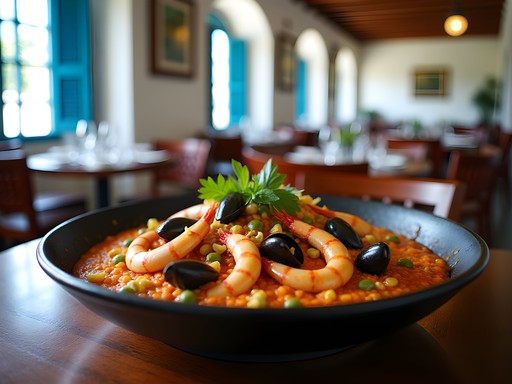
Malabo's position as an island capital creates a perfect confluence of maritime bounty and colonial culinary influence. At Restaurante El Colmado, housed in a whitewashed Spanish colonial building with peeling blue shutters, I found myself transported to Madrid—albeit a Madrid perfumed with tropical blossoms and equatorial humidity.
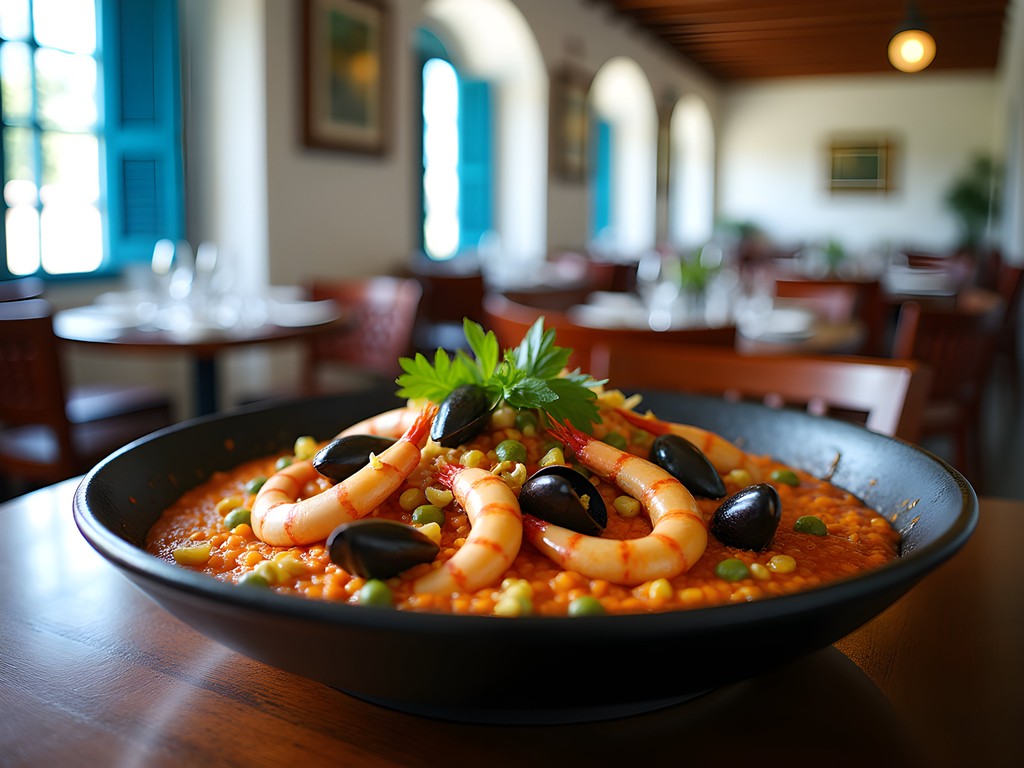
Chef Antonio, a third-generation Equatoguinean with Spanish grandparents, prepared what he called 'cocina de fusión'—fusion cuisine that predates the trendy term by centuries. His paella negra incorporated local cuttlefish ink so intensely black it seemed to absorb light, while the rice maintained a distinct bite that would impress even Valencia's most discerning paella purists.
'We don't call this fusion,' Antonio explained, sliding a plate of gambas al ajillo (garlic shrimp) before me, the prawns nearly twice the size I'd seen in Spain. 'This is simply our food now.'
The colonial architecture provides natural air conditioning in Malabo's perpetual heat, but I was grateful for my cooling towel between courses. Simply soaking it in water kept me comfortable during my culinary marathon—a practical necessity when sampling rich dishes in equatorial heat.
The meal's highlight arrived in the form of calulu, a stew Antonio's grandmother adapted from Portuguese Angola, featuring smoked fish, palm oil, and okra in a harmony of flavors that spoke to centuries of cultural exchange along Africa's Atlantic coast.
💡 Pro Tips
- Reserve El Colmado a day in advance—their eight tables fill quickly
- Request a table on the colonial-era balcony for harbor views
- Order the house-made sangria infused with tropical fruits
Bush Meat & Traditional Fare
My marine biology background has always drawn me to coastal cuisines, but understanding a culture's food requires venturing inland—metaphorically if not literally. At Restaurante La Mama, tucked away on a residential street where chickens roamed freely, I encountered Equatorial Guinea's terrestrial flavors.
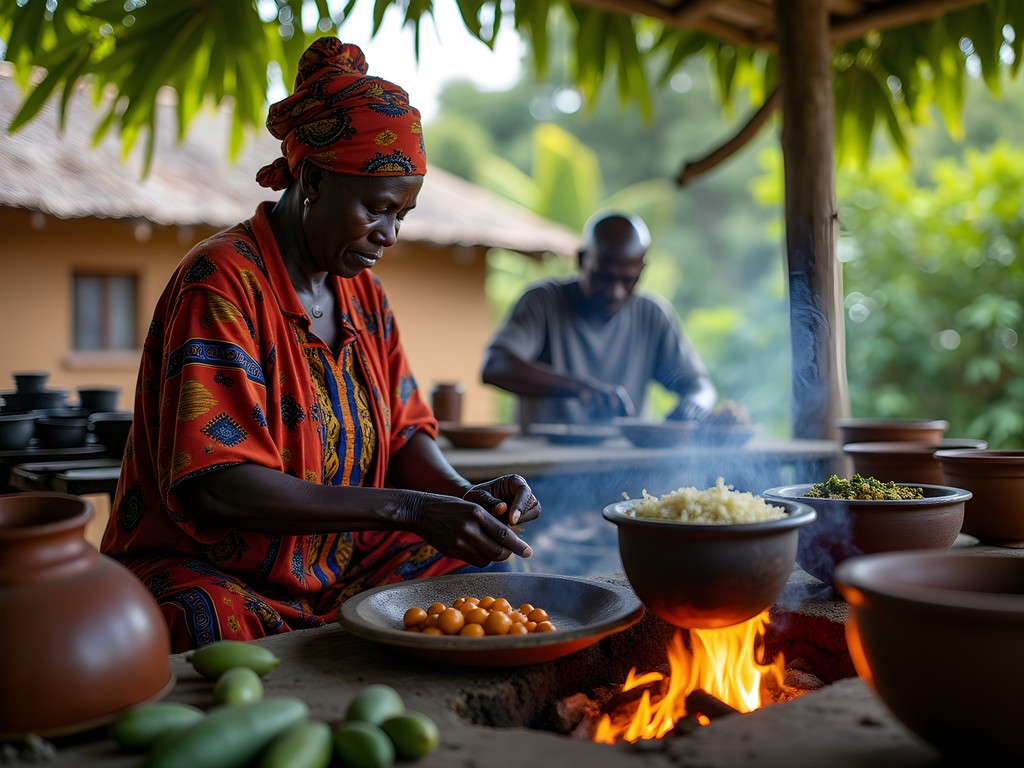
The restaurant itself defies conventional definitions—more a family compound where matriarch Mama Teresa prepares whatever the day provides. Seating consists of plastic chairs under a mango tree, and the menu exists only in Mama's head. When I arrived, she assessed me with a practiced eye and nodded, as if determining what my palate could handle.
'American?' she asked. When I nodded, she disappeared into her kitchen, returning with a wooden bowl of sopa de cacahuete—peanut soup with chicken that provided immediate comfort despite the tropical heat.
What followed was a culinary education: pepesoup (spicy meat stew), bambucha (fermented cassava dough), and various bush meats including antelope and porcupine. While my conservation ethics generally steer me toward sustainable seafood, I recognize the cultural importance of traditional hunting in many societies I visit.
For recording my culinary observations discreetly, my smart pen has proven invaluable. It allows me to jot notes in my waterproof notebook while simultaneously recording audio—perfect for capturing Mama Teresa's rapid-fire cooking instructions that I later translated for my podcast listeners.
The meal concluded with akwadu—plantains mashed with palm oil, coconut, and sugar—a dessert so simple yet profound I immediately requested the recipe for my floating kitchen.
💡 Pro Tips
- Ask locals for directions—La Mama has no signage or official address
- Bring a small gift when visiting family restaurants—I brought Wisconsin maple syrup
- Be prepared to eat what's served; there are no menu choices

Modern Malabo: Cacao, Coffee & Craft Cocktails
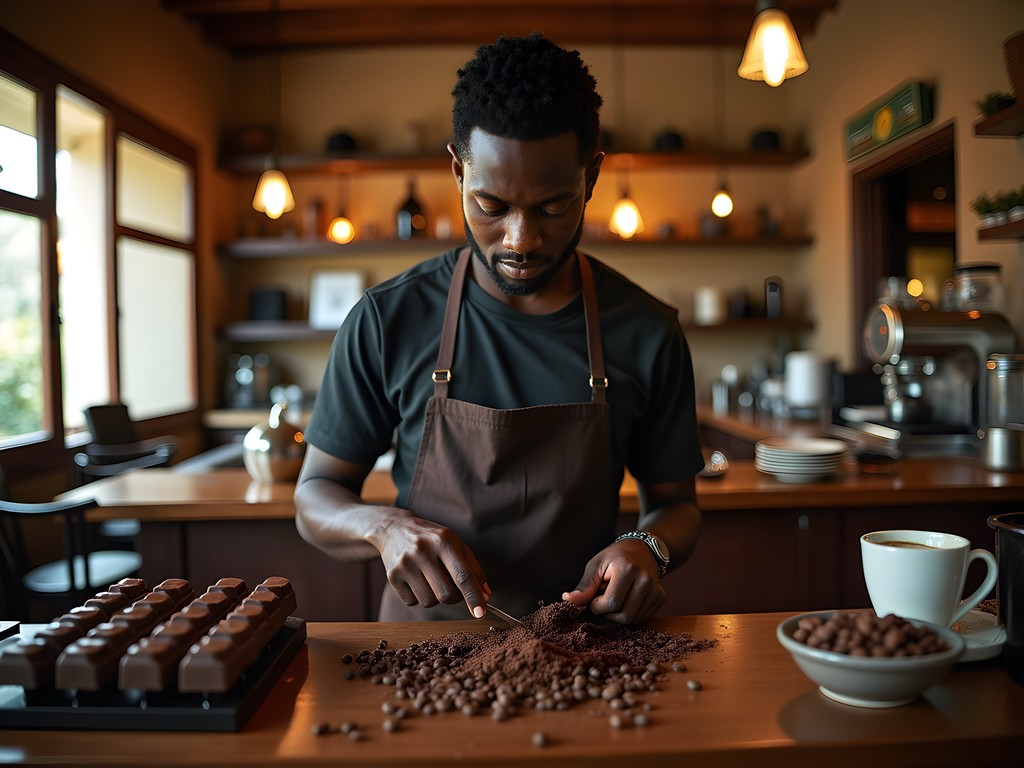
Not all of Malabo's culinary landscape is traditional. The oil boom of recent decades has created a small but significant cosmopolitan scene where Equatoguinean ingredients meet international techniques. At Café Malabo, situated in a renovated colonial building near the presidential palace, I discovered the country's emerging coffee and chocolate culture.
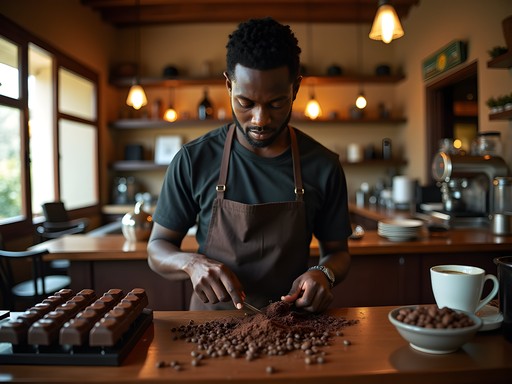
'We were once one of the world's largest cacao producers,' explained barista and chocolatier David Nvono, as he prepared my café con chocolate—espresso infused with house-made chocolate from beans grown in the country's Monte Alén region. 'Now we're reclaiming that heritage, but processing it here rather than exporting raw materials.'
The café's signature creation—bioko bonbons named after the island—features chocolate shells filled with coffee-infused ganache and hints of cayenne pepper. The complexity rivals Belgian creations I've sampled across Europe, but with distinctly African flavor notes.
Later that evening, at the rooftop bar of Hotel Sofitel Malabo, I watched the sunset paint the Gulf of Guinea while sampling cocktails incorporating local ingredients. The 'Ceiba Sunset'—named after Equatorial Guinea's national tree—blended local rum with bitter kola nut tincture and hibiscus syrup.
For travelers seeking to bring home flavors of their journeys, I recommend a quality vacuum insulated container. Mine has transported everything from Scandinavian aquavit to, now, Equatoguinean chocolate-coffee concentrate, maintaining flavors perfectly despite temperature fluctuations during travel.
💡 Pro Tips
- Visit Café Malabo on weekday mornings to catch David's chocolate-making demonstrations
- Purchase single-origin chocolate bars as gifts—they're vacuum-sealed for travel
- Try the 'Ceiba Sunset' at Sofitel's rooftop bar during actual sunset (6:30-7:00pm year-round)
Sourcing Like a Local: Markets & Home Cooking
My most authentic culinary experiences invariably come from temporary kitchens I establish while traveling. In Malabo, I was fortunate to rent an apartment with a small cooking space, allowing me to play with ingredients from the markets and create my own interpretations of local flavors.
The fish market near the port offers the day's catch around 4pm, when boats return from shorter daytime expeditions. Here I purchased red snapper so fresh its eyes were crystalline, along with tiny, intensely flavored prawns that locals call gambas salvajes—wild shrimp.
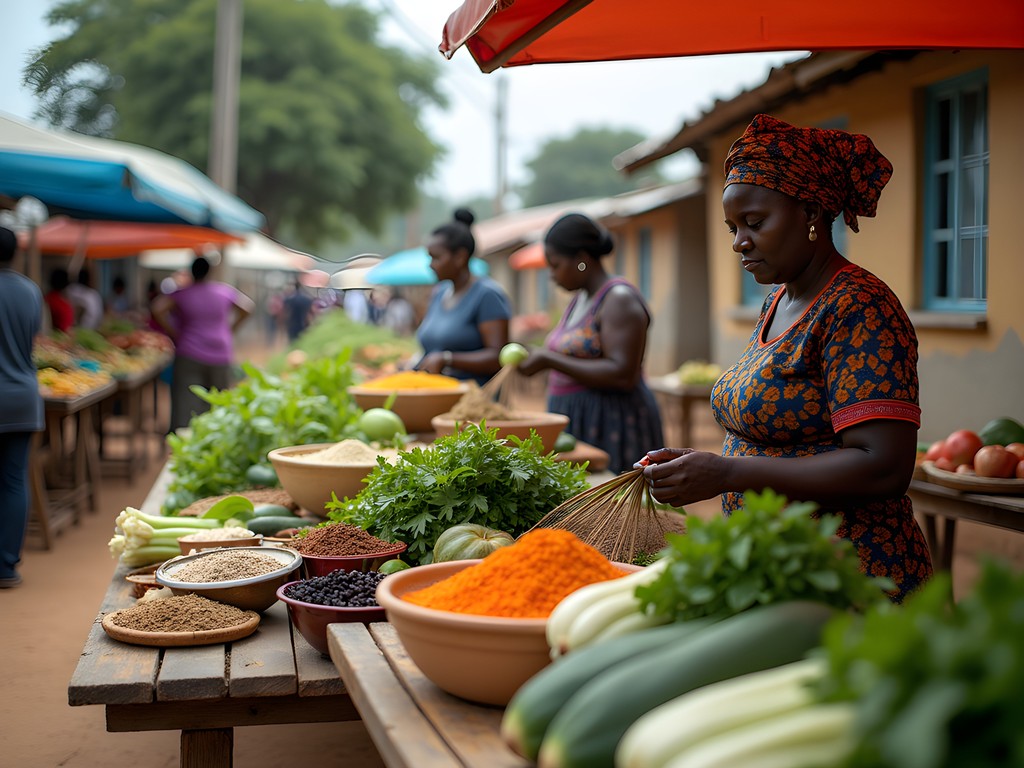
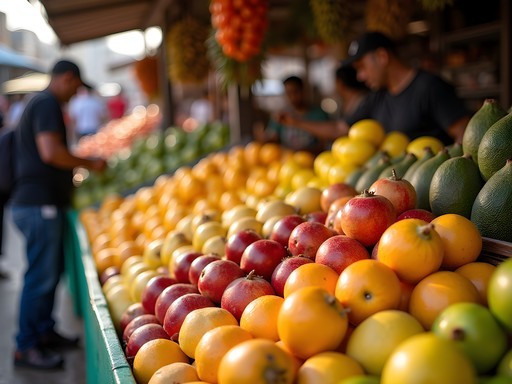
For produce, I ventured to the smaller neighborhood markets where prices are lower and selection more diverse than the central market. At one such market in the Caracolas district, I found bundles of bitter leaf, cassava greens, and tiny red peppers that local cooks use with surgical precision—a single pepper flavoring an entire pot.
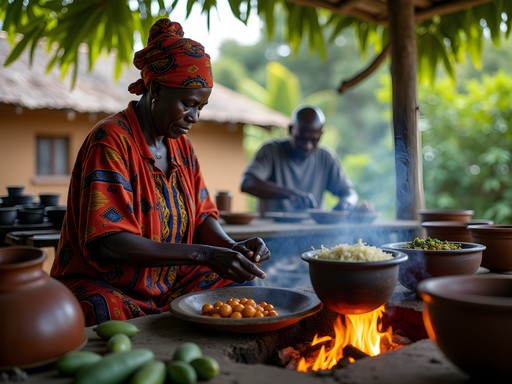
'You must cook the greens with palm oil,' insisted a grandmother who took pity on my obvious foreignness, demonstrating the proper technique of washing bitter leaves multiple times to reduce their astringency. She sold me a bottle of homemade palm oil that glowed a deep orange-red, putting commercial versions to shame.
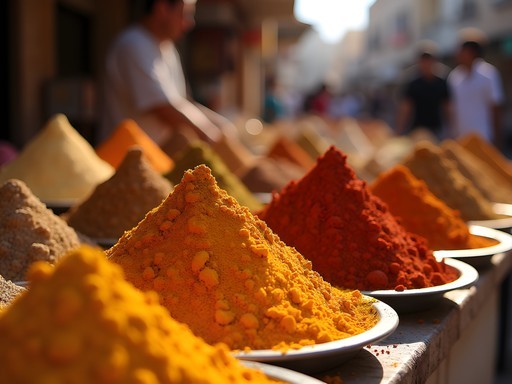
For travelers who enjoy cooking while abroad, I've found my travel spice kit indispensable. These magnetic tins allow me to purchase small amounts of local spices—in Malabo's case, grains of paradise, alligator pepper, and dried crayfish powder—and transport them safely for future culinary experiments aboard my houseboat.
My makeshift Malabo kitchen produced a hybrid creation: red snapper steamed in banana leaves with local bitter greens and a sauce incorporating elements of Spanish sofrito with West African pepper complexity. Not traditional by any measure, but a personal souvenir more meaningful than any trinket.
💡 Pro Tips
- Visit neighborhood markets with small denominations of CFA francs—prices are better than in tourist areas
- Look for palm oil sold in repurposed whiskey bottles—it's fresher than commercial versions
- Ask permission before taking cooking advice from locals; then listen carefully—their techniques are refined over generations
Final Thoughts
As my borrowed fishing boat pulled away from Malabo's harbor three days later, the city's flavors lingered—not just on my palate, but in my recorded notes, photographs, and the collection of spices nestled in my travel kit. Equatorial Guinea remains one of Africa's least-visited nations, its cuisine largely undocumented in the culinary travel sphere. Yet within this obscurity lies the magic: dishes unaltered for international palates, cooking techniques preserved through generations, and flavors that tell the complex story of colonial influence, indigenous traditions, and the eternal bounty of the Gulf of Guinea.
For the culinary explorer willing to venture beyond established foodie destinations, Malabo offers a rare authenticity. The Spanish colonial echoes blend seamlessly with West African traditions, creating a cuisine that defies simple categorization—much like the waters I've studied throughout my career, where currents converge to create zones of extraordinary biodiversity.
As I navigate my floating home back toward European waters, I carry Malabo's culinary lessons with me: the patience required for properly prepared bitter leaf, the precision of intensely flavored peppers, and the generous spirit of cooks like Mama Teresa who preserve culinary heritage not in written recipes, but in the practiced movements of hands that have prepared the same dishes for decades. This is the true souvenir of thoughtful culinary travel—not just tasting a place, but learning to recreate its essence wherever the currents may take you.
✨ Key Takeaways
- Malabo's cuisine represents a unique fusion of Spanish colonial influence and West African traditions
- Morning fish markets and neighborhood produce vendors offer the most authentic ingredients and cultural interactions
- Family-run restaurants without menus often provide the most genuine culinary experiences
- The emerging craft chocolate and coffee scene showcases Equatorial Guinea reclaiming its agricultural heritage
📋 Practical Information
Best Time to Visit
year-round (temperatures remain consistent at 24-30°C/75-86°F)
Budget Estimate
$50-100 USD per day excluding accommodations
Recommended Duration
3-4 days
Difficulty Level
Advanced (Limited Tourism Infrastructure, Spanish/french Language Helpful)
Comments
sunsetlegend
The photos are gorgeous! Love the market shots
Hunter Thompson
Absolutely brilliant post Michael! I was in Malabo last year and totally agree about the Mercado Central - it's mental in the best way. The mix of Spanish and African influences in the food is unlike anywhere else I've been. Did you make it to any of the beach restaurants on the north side? They do this incredible pepper soup with fresh crab that I'm still dreaming about. Fair warning to anyone planning a trip - bring CASH. ATMs are sketchy and cards barely work anywhere. I used my travel wallet to keep everything secure. Equatorial Guinea is still proper off the beaten path which makes it so special!
vacationperson
The bush meat section is interesting but I'd be careful with that. We got pretty sick in West Africa trying local game meat that wasn't cooked properly. The seafood sounds amazing though! Did you try the grilled barracuda? That's usually safe and delicious in coastal cities. Also curious about prices - is Malabo expensive? I've heard oil money makes some African capitals really pricey.
wildqueen3112
Yeah I heard its one of the most expensive cities in Africa
oceanexplorer
How hard is it to get a visa for Equatorial Guinea? And is it safe to travel solo there?
Hunter Thompson
Not gonna lie mate, the visa process is a proper pain. Took me 6 weeks and loads of paperwork through the embassy in London. But honestly worth it! Malabo felt safe enough, just keep your wits about you like anywhere. The locals were brilliant once you get chatting. Spanish helps loads if you speak any!
wildqueen3112
Wow never even heard of this place before!
sunsetlegend
Same!! Adding to my bucket list tho
FirstTimeAfrica
Going there next month! Any language tips? Is English widely spoken or should I brush up on my Spanish?
Savannah Torres
Definitely brush up on Spanish! English isn't widely spoken outside hotels and tourist spots. Even basic Spanish phrases will make your experience much better, especially at the markets where all the best food is!
nomadclimber
Great post! How safe did you feel wandering around Mercado Central? Any tips for a solo traveler? I'm planning a trip focusing on Central African cuisine and Malabo just made my list!
springfan
Not the author but I've been to similar markets in West Africa. Bring a local guide if possible - worth every penny for the cultural insights and they'll help you find the best food stalls!
nomadclimber
Thanks for the tip! I'll definitely look into hiring a guide. Did you use any particular company or just find someone when you arrived?
springfan
I just asked at my hotel and they connected me with someone reliable. Make sure to bring a good travel phrasebook since English isn't widely spoken outside tourist areas.
Marco Flores
Michael, your description of Mercado Central took me back to my brief visit to Malabo last year! The contrast between Spanish colonial influences and traditional Fang cuisine is what makes the food scene so unique. I still dream about that pepper soup with fresh-caught grouper. Did you try the palm wine at any of the local spots? I found this tiny place near the port where fishermen gather at sunset - the stories they shared over palm wine were as rich as the food itself. Your section on bush meat was eye-opening - I was too hesitant to try it during my visit, but your perspective makes me think I missed out on understanding an important cultural aspect.
nomadclimber
That palm wine spot sounds amazing! Any chance you remember the name? Heading there in October.
Marco Flores
It was just called 'Marina Bar' - very simple place, nothing fancy, but totally authentic. Look for the blue door near the fish market!
springfan
Wow, never seen a blog about Equatorial Guinea before! Definitely on my bucket list now.
Marco Flores
Same! It's refreshing to read about places beyond the usual travel circuit. Malabo seems fascinating!
springfan
Right? I'm googling flights already lol
MarineScientist
As someone who's studied marine ecosystems for years, I really appreciated your insights on the local fishing practices. I was in Malabo for a research conference last year and was blown away by the sustainability practices of some of the local fishermen. The barracuda dish you mentioned is indeed spectacular - I had it three times during my week there! Did you notice how they use every part of the fish? The fish head soups at the market stalls are particularly nutritious. Great to see another scientist appreciating the culinary side of research destinations!
Venture X
Premium card with 2X miles, $300 travel credit, Priority Pass