

Disclosure: This article contains affiliate links. We may earn a commission from purchases at no extra cost to you, which helps our travel content.
The first time I visited Kansas City with my parents as a teenager, I was struck by how the city's barbecue tradition resembled the geological formations I'd come to love studying—layers upon layers of history, technique, and flavor, each one telling a story about time, place, and the people who shaped it. Now, returning as an adult with a methodical eye for both risk assessment and culinary adventure, I've mapped out what I believe is the definitive weekend barbecue exploration of Kansas City. This isn't just about finding good food; it's about understanding how Kansas City's barbecue scene represents an intersection of cultural preservation, innovation, and community—much like the plateaus and innovation districts I typically document. Whether you're a barbecue aficionado or simply curious about one of America's most distinctive culinary traditions, consider this your analytical yet warmhearted guide to navigating the smoke-filled landscape of Kansas City's legendary BBQ scene.

Understanding Kansas City BBQ: A Methodical Approach
Before diving into specific restaurants, it's essential to understand what makes Kansas City barbecue distinct—a framework I find helps appreciate the nuances of what you're experiencing, much like understanding a region's geological composition before hiking its trails.
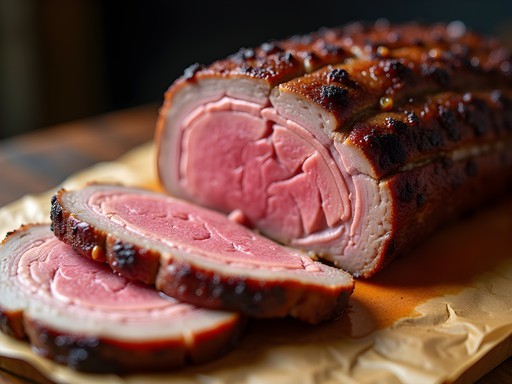
Kansas City barbecue is characterized by several key elements that set it apart from other regional styles. First, there's the diversity of meats—unlike Texas (beef-focused) or Carolina (pork-centric), KC embraces it all: beef brisket, pork ribs, chicken, sausage, and even fish. Second is the slow-smoking process over various woods, primarily hickory and oak, creating that distinctive pink smoke ring. Third, and perhaps most famously, is the sauce—thick, tomato-based, and balanced between sweet, tangy, and spicy notes.
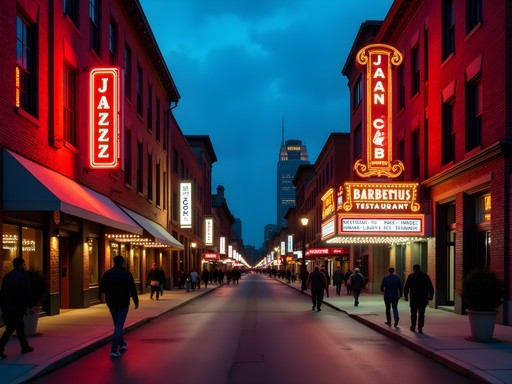
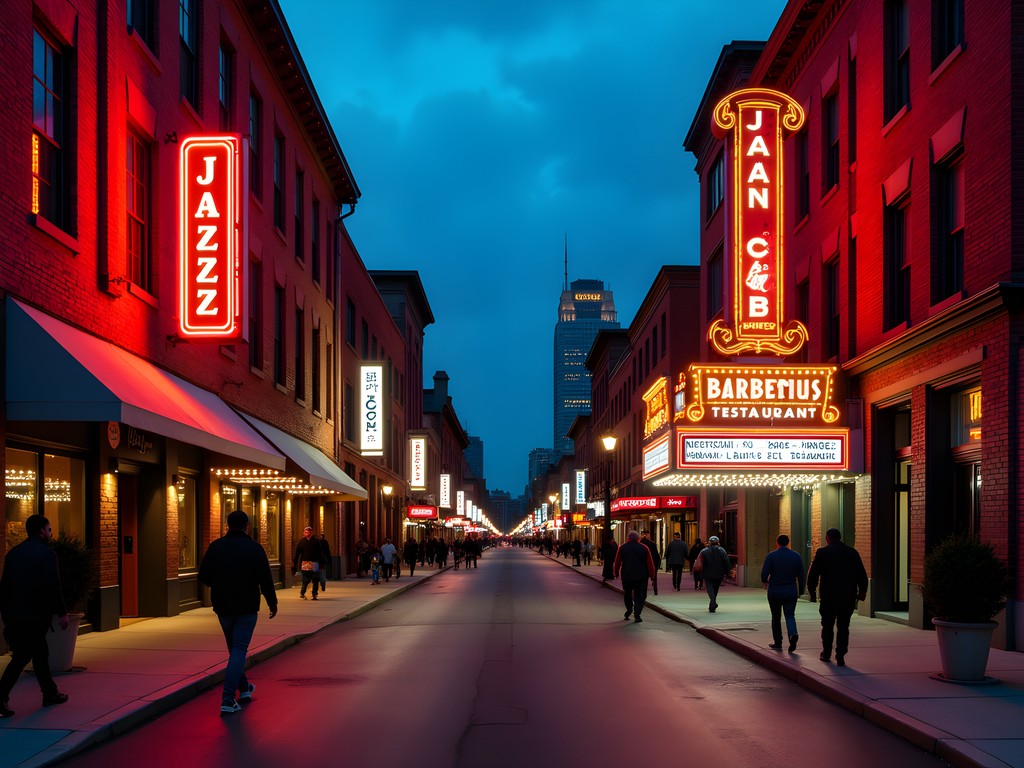
What fascinates me most is how Kansas City's barbecue tradition reflects its history as a stockyard hub and cultural crossroads. African American pitmasters fleeing Jim Crow laws brought their expertise here in the early 20th century, creating a barbecue scene in the Jazz District that would eventually define the city's culinary identity. Henry Perry, often called the 'Father of Kansas City Barbecue,' began selling slow-smoked meats wrapped in newspaper for 25 cents in 1908, laying the foundation for what would become an iconic American food tradition.
This history is preserved not just in recipes but in techniques passed through generations—a cultural preservation effort as significant as any historical landmark.

💡 Pro Tips
- Look for the smoke ring—that pink layer just beneath the exterior bark—as a sign of proper smoking technique
- Don't be afraid to try different sauce styles—some KC spots offer sweet, spicy, and tangy variations
- Understand that barbecue takes time—the best spots often sell out of popular items, so plan accordingly
The BBQ Institutions: Foundations of KC's Smoke-Filled Legacy
When planning a methodical exploration of Kansas City's barbecue scene, one must begin with the establishments that have defined the tradition—the bedrock, if you will, upon which the city's smoky reputation stands.
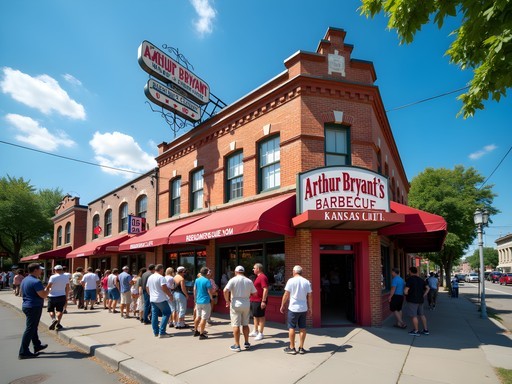
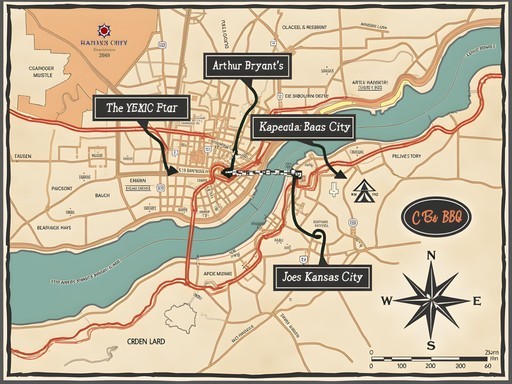
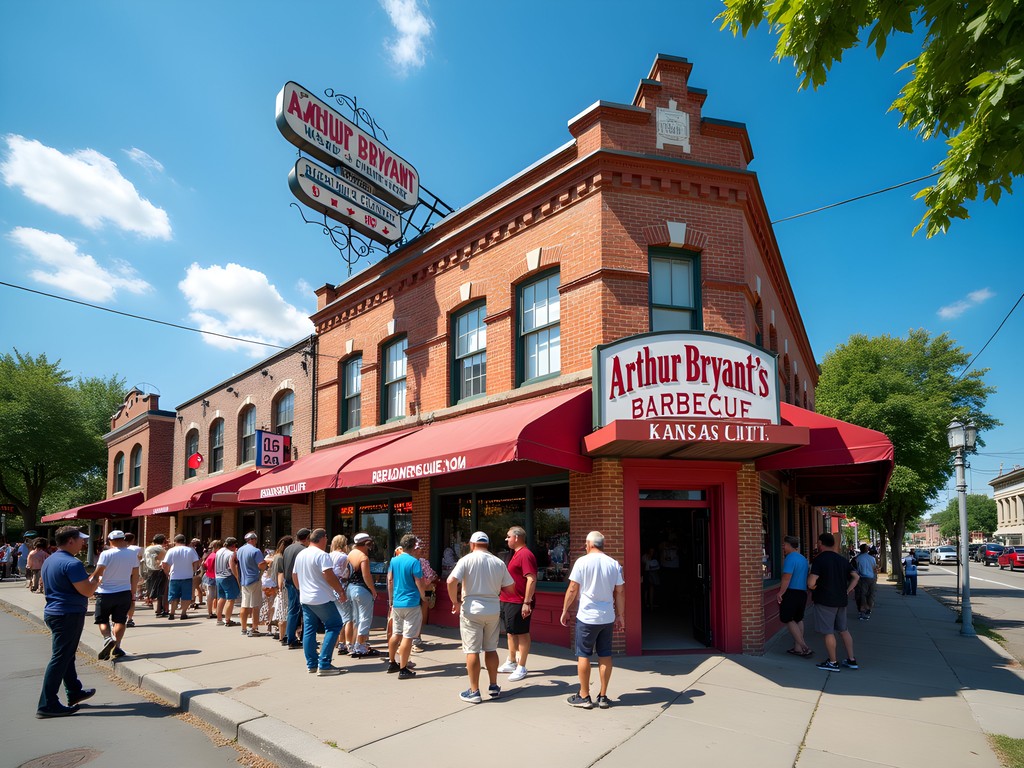
Arthur Bryant's remains perhaps the most historically significant stop on any BBQ tour. Walking into this no-frills institution in the 18th & Vine District feels like stepping back in time—formica tables, cafeteria-style service, and walls adorned with photos of famous visitors from presidents to celebrities. Their signature sandwich—thinly sliced brisket piled high on white bread with their original vinegar-based sauce—offers a direct connection to Henry Perry's original recipes through Arthur Bryant, who worked for Perry before establishing his own restaurant in the 1940s.
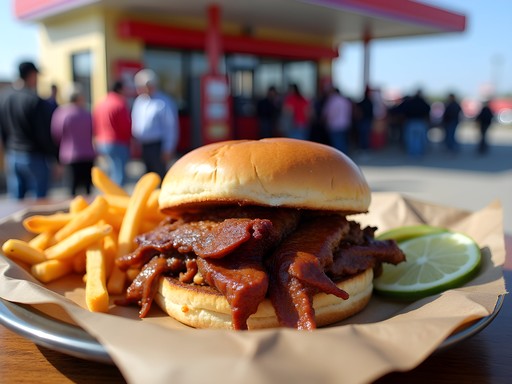
Equally important is Joe's Kansas City Bar-B-Que (formerly Oklahoma Joe's), operating out of a gas station in Kansas City, Kansas. The contradiction of world-class barbecue served in a functioning gas station perfectly encapsulates what I love about American food culture—innovation and excellence can emerge anywhere. Their Z-Man sandwich (brisket, smoked provolone, and onion rings on a kaiser roll) represents the creative evolution of tradition.
Gates Bar-B-Q offers another essential perspective with their distinctive greeting ('Hi, may I help you?') shouted the moment you enter, and a sauce that leans more toward spicy than sweet. The efficiency of their operation—a systematic approach to high-volume service—reminds me of the careful processes we implement in risk management, where precision matters.
Before setting out on your BBQ journey, I'd recommend documenting your experiences with a dedicated food journal to track your impressions of each establishment's unique approach to smoke, sauce, and technique—creating your own geological record of flavors that you can reference for future visits.
💡 Pro Tips
- Visit Arthur Bryant's original location for the most authentic experience
- At Joe's Kansas City, go early or be prepared to wait—lines regularly stretch out the door
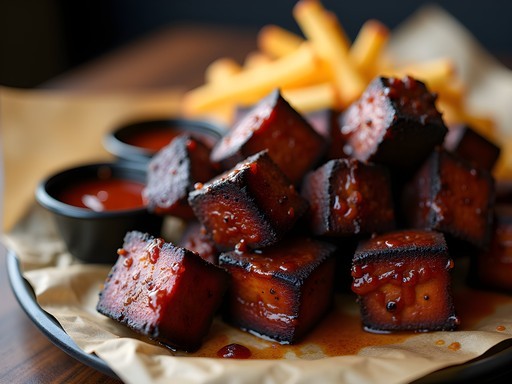
- Order 'burnt ends' whenever available—these flavorful, caramelized brisket tips are a KC specialty and often sell out early
Hidden Gems: Beyond the BBQ Tourist Trail
While the established institutions provide essential context for understanding Kansas City barbecue, my analytical nature compels me to seek out the less-documented layers of this culinary landscape—the hidden gems that locals treasure but tourists often miss.
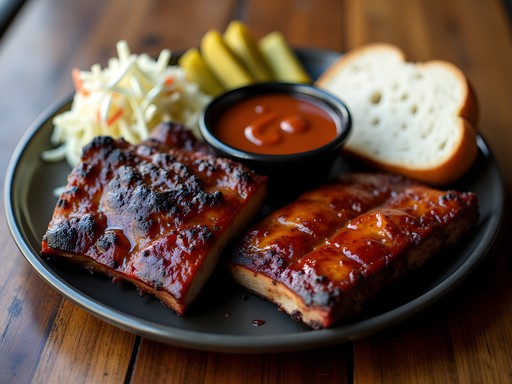
LC's Bar-B-Q operates from an unassuming building on Blue Parkway, where owner L.C. Richardson has been smoking meat since 1986. The tiny interior with its worn booths belies the magnificence of what emerges from their smokers. Their burnt ends—twice-smoked cubes of brisket point—achieve a perfect balance of bark (the caramelized exterior) and tender interior that exemplifies the scientific precision behind great barbecue. The sauce, served warm, has a complexity that reveals new flavor notes with each bite.
Harp Barbecue, operating as a weekend-only popup at Crane Brewing in Raytown, represents the new geological layer forming atop Kansas City's barbecue bedrock. Pitmaster Tyler Harp applies central Texas techniques to Kansas City traditions, creating brisket with a peppery bark that would impress even the most discerning Austin aficionado. What fascinates me is how this represents cultural evolution in real-time—traditions not fossilized but actively adapting.
Jones Bar-B-Q in Kansas City, Kansas, where sisters Mary and Deborah Jones continue their father's legacy, offers another perspective on preservation and adaptation. Featured on Netflix's 'Queer Eye,' they've maintained their father's techniques while finding new audiences. Their ribs exhibit that perfect balance between adherence to the meat and gentle pull-away that barbecue aficionados seek.
For those serious about documenting their barbecue journey, I've found my digital thermometer invaluable for understanding the relationship between temperature, time, and texture that defines great barbecue. When restaurant owners see my interest in the technical aspects of their craft, they often share insights about their smoking processes that casual diners miss.

💡 Pro Tips
- Visit LC's early in the day for the best selection—they often sell out of burnt ends by mid-afternoon
- At Harp Barbecue, arrive at least 30 minutes before opening (11am on Saturdays) to secure a spot in line
- Jones Bar-B-Q sells their sauce by the bottle—it makes an excellent souvenir that captures their distinctive flavor profile

The Science of Sides: Completing Your BBQ Experience
In my methodical exploration of landscapes—whether geological formations or culinary traditions—I've learned that context matters enormously. Just as a plateau is best understood in relation to its surrounding terrain, Kansas City barbecue is incomplete without considering its traditional accompaniments.
Sides in Kansas City barbecue aren't mere afterthoughts but essential components that balance and complement the rich, smoky meats. The most ubiquitous is baked beans, often infused with burnt ends or brisket trimmings, creating a sweet-savory fusion that tells the story of resourcefulness—using every part of the meat in service of flavor. At Slap's BBQ in Kansas City, Kansas, their beans achieve an almost geological layering of flavors, with molasses depth supporting notes of smoke, pepper, and meat.
Cole slaw provides crucial acidic contrast, cutting through the richness of the meat. The best versions, like those at Q39, balance sweetness, acidity, and creaminess with precision that would impress any quality control specialist. Their apple slaw introduces unexpected crispness and fruity notes that elevate the entire meal.
Potato salad varies dramatically across establishments—from mustard-forward versions at Gates to creamier interpretations at Jack Stack. This diversity reflects the various cultural influences that have shaped Kansas City's culinary identity.
Perhaps most distinctive to Kansas City are cheesy corn and potato bakes—decadent, dairy-rich sides that seem designed specifically to counter the acidic tang of the sauce. At Jack Stack Barbecue, their cheesy corn bake achieves an almost transcendent quality, the sweetness of the corn playing against smoky notes in the cheese.
For home cooks inspired by these sides, I've found the enameled cast iron dutch oven indispensable for recreating Kansas City-style baked beans. The even heat distribution creates that perfect slow-cooked texture where the beans maintain their integrity while absorbing the complex flavors around them.

💡 Pro Tips
- Don't skip the sides—they're designed to balance and complement the rich meats
- Ask for sauce on the side to better appreciate both the meat's natural flavor and the sauce's complexity
- Try cheesy corn at multiple establishments to understand its range of interpretations—from simple to complex
Creating Your Strategic BBQ Crawl Itinerary
Approaching a Kansas City barbecue tour requires the same methodical planning I apply to exploring geological formations or innovation districts. Without structure, you risk both physical discomfort (from overconsumption) and missed opportunities. Here's my analytical approach to creating the perfect weekend BBQ itinerary:
Friday Evening: Historical Foundation
Begin your journey at Arthur Bryant's for dinner, arriving around 6:30 pm when the initial dinner rush has subsided. Order their mixed plate to sample multiple meats but focus particularly on the sliced brisket sandwich with original sauce. This establishes your historical baseline—the original flavor profile against which other experiences can be measured.
Saturday Morning: New School Innovation
Arrive at Joe's Kansas City (original gas station location) by 10:45 am—yes, before their 11:00 opening. Lines form early, especially on weekends. Order the Z-Man sandwich and ribs to understand how traditional techniques meet creative innovation. Their pulled pork also deserves attention for its textural perfection.
Saturday Afternoon: Hidden Gem Exploration
After a necessary digestive break (perhaps exploring the Nelson-Atkins Museum of Art), head to LC's Bar-B-Q around 3:00 pm for burnt ends and ribs. This off-peak timing helps avoid crowds while ensuring they haven't sold out of specialties.
Sunday Brunch: Elevated Experience
Complete your tour at Q39, representing Kansas City's modern barbecue movement, where classically trained chef Rob Magee applies competition barbecue techniques in a refined restaurant setting. Their brisket breakfast and burnt end burger offer morning-appropriate ways to experience their smoke mastery.
For documenting this culinary expedition properly, I rely on my compact camera rather than just smartphone photos. Its superior low-light performance captures the rich textures and colors of barbecue in often dimly-lit restaurant environments, creating a visual record as detailed as my tasting notes.
This structured approach ensures you experience the full spectrum of Kansas City barbecue—from historic institutions to modern interpretations—while maintaining both your appetite and appreciation for the nuances between establishments.

💡 Pro Tips
- Plan no more than two major barbecue stops per day to avoid palate fatigue
- Incorporate non-BBQ activities between meals to build appetite and appreciate Kansas City's other attractions
- Consider sharing plates with companions to sample more varieties without overindulging
Beyond Barbecue: Complementary Kansas City Experiences
While barbecue rightfully dominates Kansas City's culinary reputation, I've found that contextualizing this tradition within the broader cultural landscape enhances appreciation—much like understanding how a plateau fits within its larger geological context.
The American Jazz Museum in the historic 18th & Vine District offers essential context for Kansas City barbecue's development. This neighborhood, once the heart of African American cultural life in segregated Kansas City, saw the parallel evolution of jazz and barbecue traditions. The museum's exhibits on Count Basie, Charlie Parker, and other KC jazz legends help visitors understand how these two art forms—one musical, one culinary—emerged from the same cultural soil. After exploring the museum, Arthur Bryant's is just blocks away, creating a perfect cultural-culinary pairing.
The Nelson-Atkins Museum of Art provides an excellent digestive interlude between barbecue stops. Its sprawling sculpture garden, featuring oversized shuttlecocks by Claes Oldenburg, offers fresh air and gentle walking to stimulate appetite. Inside, the museum's collection spans global cultures and time periods, providing perspective on how traditions evolve and intersect—much like barbecue itself.
For those interested in the science behind barbecue, the Science City at Union Station offers interactive exhibits on combustion, smoke, and food chemistry that appeal to my analytical side. While not explicitly about barbecue, these exhibits enhance understanding of the thermodynamics and chemical reactions that transform tough cuts into tender delicacies.
The City Market on weekend mornings showcases the agricultural bounty that supports Kansas City's food scene. Local farmers, many of whom supply restaurants with produce for those essential side dishes, offer seasonal vegetables that provide insight into the region's agricultural traditions.
For documenting these experiences alongside your barbecue journey, I recommend the travel journal which provides ample space for both tasting notes and reflections on how these cultural experiences enhance your understanding of Kansas City's barbecue tradition.
💡 Pro Tips
- Visit the American Jazz Museum and Arthur Bryant's on the same day to understand their historical connection
- Schedule the Nelson-Atkins Museum between barbecue stops for a digestive art break
- Explore the River Market neighborhood early Saturday for local produce and context about Kansas City's agricultural connections
Final Thoughts
Kansas City's barbecue landscape, like the geological formations I typically document, reveals its story through careful observation and systematic exploration. Each restaurant represents a layer in the city's culinary stratigraphy—from the foundational techniques of Arthur Bryant's to the innovative approaches at places like Q39 and Harp Barbecue. What makes this tradition particularly fascinating is how it continues to evolve while honoring its origins, much like how innovation districts build upon existing infrastructure while creating something new.
As you embark on your own Kansas City barbecue expedition, I encourage you to approach it with both analytical curiosity and heartfelt appreciation—noting the technical differences between smoking methods while also embracing the emotional connections these foods create. Document your journey, compare your experiences, and most importantly, engage with the people behind the pits who maintain this living tradition. In doing so, you'll gain not just memorable meals but a deeper understanding of how culinary traditions reflect and shape the communities that create them.
✨ Key Takeaways
- Kansas City barbecue is defined by diversity of meats, slow-smoking processes, and distinctive sauces that balance sweet, tangy and spicy notes
- Plan a strategic crawl that includes both historic institutions and innovative newcomers to understand the evolution of KC barbecue
- Don't overlook sides and complementary cultural experiences that provide context for barbecue traditions
- Document your barbecue journey methodically to compare and appreciate the nuances between establishments
📋 Practical Information
Best Time to Visit
Late spring through early fall (May-September)
Budget Estimate
$150-250 for a weekend BBQ crawl for two people
Recommended Duration
2-3 days
Difficulty Level
Beginner


Comments
Kimberly Murphy
Brilliant guide, Sakura! I visited KC last year and completely fell in love with the BBQ culture. Your section on the hidden gems is fantastic - LC's Bar-B-Q was an absolute revelation. The casual atmosphere and those ribs! Also appreciated your scientific approach to describing the flavors. One tip for visitors: go hungry and pace yourself. I made the mistake of going all-in at my first stop and regretted it by stop three. The sides really are crucial to the experience too!
wanderlustguy
Good tip about pacing! Definitely gonna remember that
nomadchamp
Love your photos! That burnt ends shot 🔥
backpackbackpacker
Planning a trip there in August! Which place would you recommend if I can only hit 2-3 spots? Budget is kinda tight but want the authentic experience. Also is it easy to get around without a car?
Kimberly Murphy
Joe's Kansas City and Arthur Bryant's are must-visits! They're both affordable and legendary. Public transport is doable but a bit tricky between spots - I'd suggest rideshare between restaurants. Worth every penny though!
backpackbackpacker
Perfect, thanks so much!
wanderlustguy
This is making me SO hungry right now!
moonwalker
Visited KC last fall and honestly Joe's Kansas City was worth the hype. The Z-Man sandwich is ridiculous. But I gotta say, the burnt ends at Q39 might've been even better? Also your geology comparison is spot on lol, never thought about BBQ that way but it makes sense with all the layers of flavor.
nomadchamp
Q39 is SO good! Their brisket too.
moonwalker
Right?? I still dream about that brisket sometimes haha
smartguy
I've lived in KC for 15 years and your post still taught me things about our BBQ scene! That section on the science of sides was spot on - people underestimate how important the right sides are to balance a good BBQ meal. My personal hack is mixing the baked beans with a bit of the spicy sauce for an upgraded experience. Also appreciate you highlighting Harp BBQ - it's newer but absolutely deserves to be mentioned alongside the classics. Great post!
hikingrider
That beans + spicy sauce trick sounds amazing! Definitely trying that next time.
Douglas Bradley
Sakura, your methodical approach to analyzing KC barbecue is refreshing! I've been documenting regional American BBQ styles for my blog, and your geological metaphor perfectly captures the layered complexity of Kansas City's smoking techniques. I particularly appreciated your breakdown of the sauce variations - from the molasses-heavy classics to the newer artisanal blends. One aspect that elevates KC BBQ is their attention to wood selection. I found that restaurants using Missouri hickory produced distinctly different flavor profiles than those using oak blends. I always recommend visitors bring a BBQ journal to track their tastings across different joints - it's fascinating to compare notes afterward. Your hidden gems section has given me several new spots for my return visit next month!
traveltime
Going to KC next month for a conference and definitely want to try some of these spots! Which ones would you recommend for someone with only one free evening? And are any of these places walkable from the downtown convention center area?
smartguy
Not the author but I'd recommend Q39 if you're near downtown - it's a bit more upscale but incredible food. For the classic experience, take a quick Uber to Joe's Kansas City (the original gas station location). Worth the trip! Just be prepared for lines at either spot.
Sakura Rodriguez
Great suggestion from smartguy! If you're limited on time, Q39 is indeed closer to downtown. I'd also add that if you want to maximize your experience, consider trying their burnt ends appetizer and then a different main - that way you get to sample more of the BBQ spectrum. And don't skip the sides! The apple slaw provides the perfect acidic balance to the rich meat.
hikingrider
Arthur Bryant's FTW! Their sauce is legendary!
wanderclimber
OMG Sakura!! Your geological approach to BBQ is so unique and spot-on! I did a KC BBQ tour last summer and it really is all about the layers - the smoke ring, the bark, the sauce! Joe's Kansas City was life-changing (that Z-Man sandwich!!) but I also stumbled upon LC's which wasn't as famous but blew my mind. Did you try their burnt ends? The way you described the 'hidden gems' section validated my experience that sometimes the best spots aren't the most Instagrammed!
Douglas Bradley
LC's is definitely one of those authentic treasures! Their burnt ends are the epitome of what makes KC BBQ special - that perfect balance of smoke, char, and tenderness. I've documented several regional BBQ styles across America, and KC's approach to burnt ends remains unmatched.
wanderclimber
Exactly! I still dream about those burnt ends! Have you tried Q39? That was next on my list but we ran out of time (and stomach space 😅)
Venture X
Premium card with 2X miles, $300 travel credit, Priority Pass