
Disclosure: This article contains affiliate links. We may earn a commission from purchases at no extra cost to you, which helps our travel content.
The Great Hungarian Plain stretches eastward like a vast ocean of agricultural abundance, with Debrecen rising from its fertile soil as Hungary's second-largest city. Yet beyond its impressive Reformed Great Church and vibrant cultural scene lies a culinary landscape as rich and complex as the waterways that have shaped this region for millennia. As someone who has spent decades studying how rivers influence human settlement and sustenance, I found myself drawn to Debrecen's distinctive gastronomy—a hearty, soulful cuisine born from the convergence of Hungarian traditions, Ottoman influences, and the bounty of the surrounding plains.

The Soul of Debrecen: Pork, Paprika, and Patience
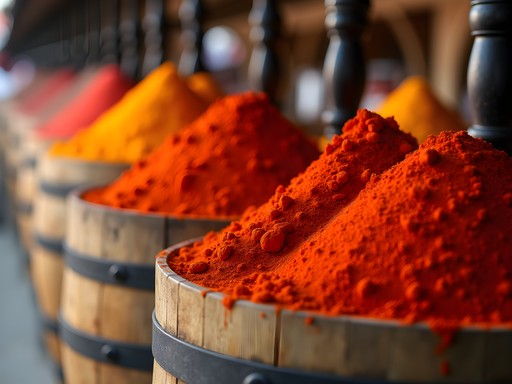
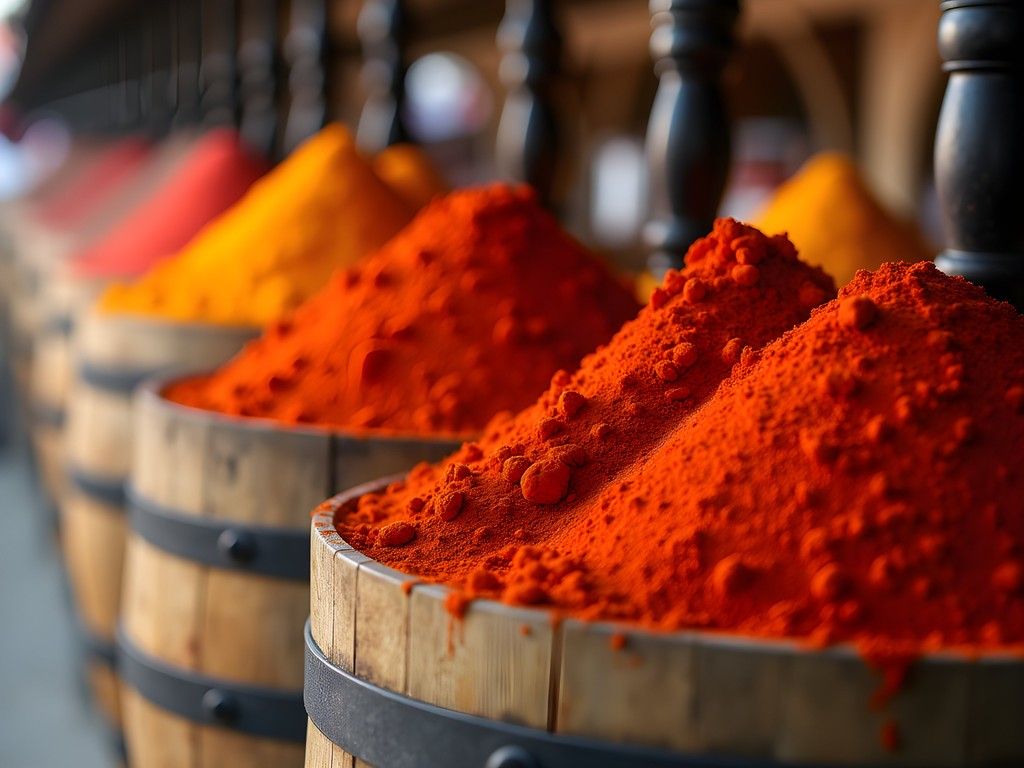
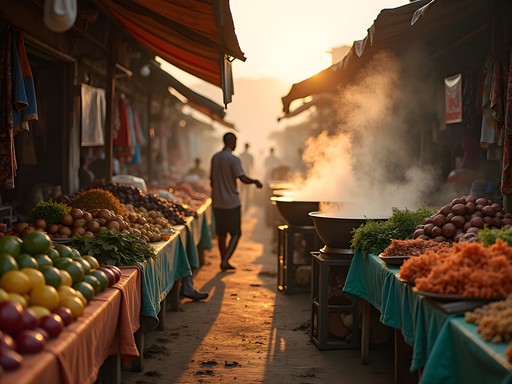
My culinary exploration began at the bustling Debrecen Market Hall, where the morning light filtered through large windows illuminating stalls laden with crimson paprika, plump sausages, and the distinctive curved shape of mangalica pork—a woolly heritage breed that has experienced a remarkable renaissance in Hungarian cuisine.
At the heart of Debrecen's food identity is its namesake dish: Debreceni Páros Kolbász, a horseshoe-shaped sausage pair that combines coarsely ground pork with generous amounts of paprika and garlic. Unlike its cousins from other regions, the Debrecen version employs a distinctive smoking technique that imparts a robust flavor profile I found reminiscent of the hickory-smoked traditions along the Mississippi River communities back home.
For the most authentic experience, I followed a local's advice to Régi Vigadó, a traditional csárda (inn) where the chef still prepares these sausages by hand. The restaurant's wood-beamed ceiling and folk art decor provided the perfect setting for sampling this regional specialty served with mustard, fresh bread, and pickled vegetables. To fully appreciate the nuances of Hungarian flavors, I paired my meal with a glass of Bull's Blood wine, the legendary red blend that has warmed Hungarian souls for centuries.
💡 Pro Tips
- Visit the Debrecen Market Hall early on Saturday mornings when local farmers bring their freshest produce
- Ask for 'enyhén csípős' (mildly spicy) if you prefer less heat in your paprika dishes
- Most traditional restaurants offer half-portions (fél adag) if you want to sample multiple dishes
The Great Plain's Liquid Gold: From Pálinka to Craft Beer
No exploration of Debrecen's gastronomy would be complete without acknowledging the role of its traditional spirits and emerging craft beverage scene. Hungary's relationship with fruit brandies dates back centuries, and the eastern regions surrounding Debrecen produce some of the country's finest examples.
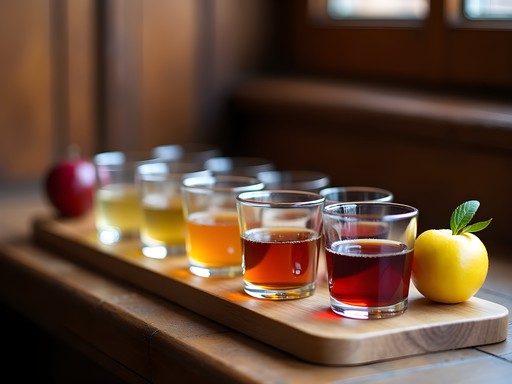
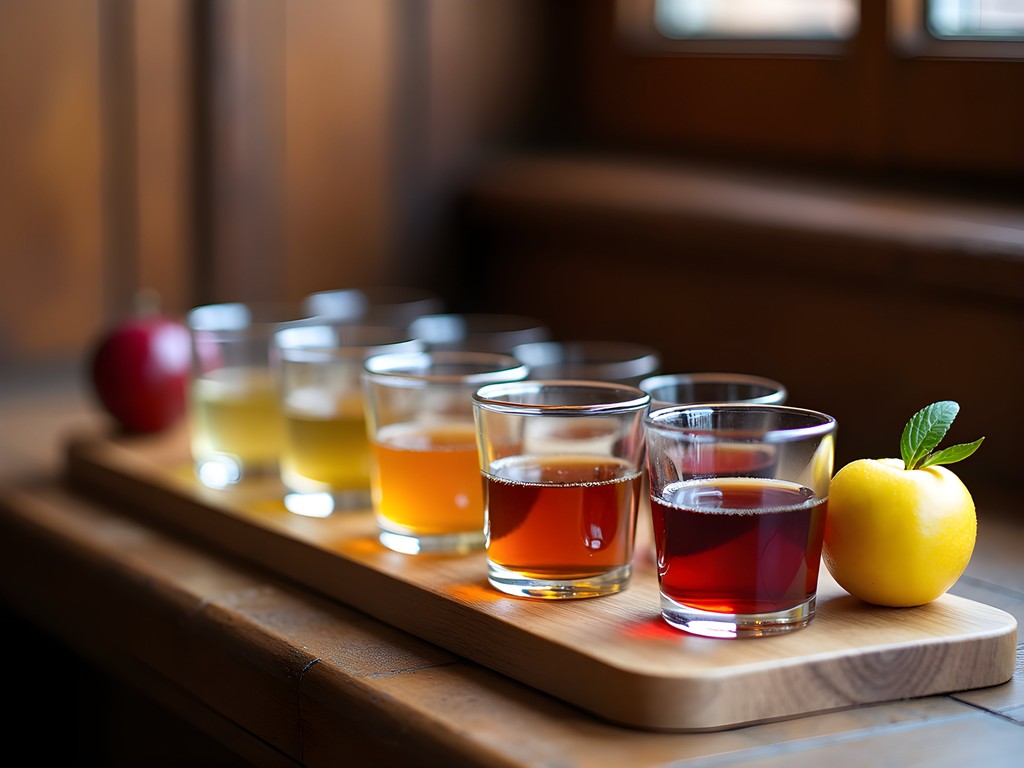
At Pálinka Museum, housed in a beautifully restored 19th-century building near the city center, I participated in a guided tasting that revealed the remarkable complexity of these fruit distillates. The apricot (barack) pálinka from nearby Újfehértó demonstrated why this region's fruit brandies have earned protected designation status within the European Union. The distillation process, explained our guide, represents an ingenious way historical communities preserved fruit harvests long before modern refrigeration—a pattern of preservation I've observed in river communities worldwide.
For those preferring beer over spirits, Debrecen's craft brewing renaissance offers delightful surprises. Brew Brothers, a local microbrewery founded by two engineering graduates, produces innovative beers that blend Hungarian agricultural traditions with modern brewing techniques. Their wheat beer infused with local acacia honey captured the essence of the Great Plain's botanical diversity in liquid form.
To continue my exploration at home, I purchased a handcrafted pálinka set featuring the region's distinctive folk motifs—a beautiful vessel for serving these remarkable spirits to friends curious about Eastern European culinary traditions.
💡 Pro Tips
- Always sip pálinka slowly at room temperature to appreciate its complex flavors
- Look for the 'Hungarikum' label which designates products of significant cultural heritage
- Visit breweries on weekdays for more personalized attention from brewmasters
From Cauldron to Table: The Art of Puszta Cooking
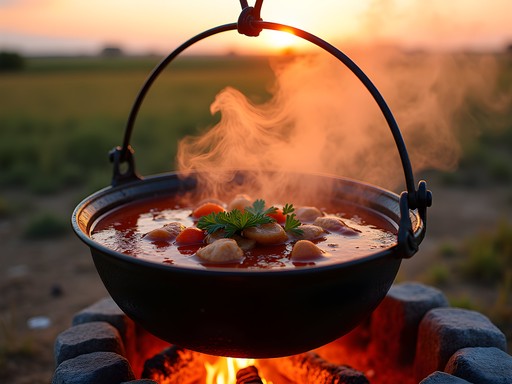
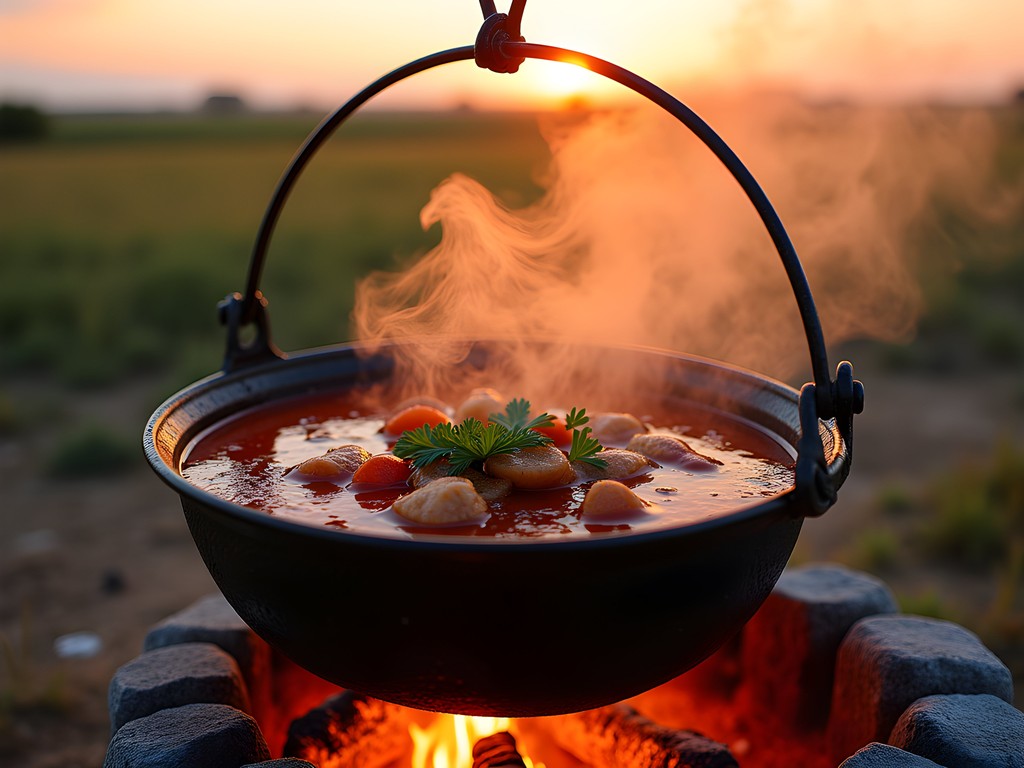
The vast Hungarian Plain (puszta) surrounding Debrecen has fostered a distinctive cooking tradition centered around the bogrács—a hanging cauldron suspended over open flame that produces dishes of remarkable depth and character. This cooking method, born of necessity among herdsmen tending livestock on the open plains, has evolved into a celebrated culinary art form that connects modern Hungarians with their nomadic Magyar heritage.
At Hortobágyi Csárda, located in the nearby Hortobágy National Park, I witnessed the preparation of authentic gulyás (goulash)—not the thick stew many Westerners imagine, but a rich soup featuring tender beef, vegetables, and hand-pinched noodles called csipetke. The chef, a third-generation guardian of these traditions, explained how the slow cooking process over open flame imparts a subtle smokiness impossible to replicate on modern stovetimes.
Equally impressive was the restaurant's slambuc, a shepherd's dish combining potatoes, bacon, onions, and pasta in layers within the cauldron. The resulting creation—crispy in some spots, tender in others—exemplified how humble ingredients can achieve culinary greatness through thoughtful technique.
For those wishing to attempt these dishes at home, I recommend investing in a proper Hungarian cooking pot. While it won't replicate the open-flame experience entirely, it provides the proper vessel shape critical to authentic flavor development.
💡 Pro Tips
- True Hungarian goulash should be soup-like rather than thick like a stew
- Look for restaurants displaying the 'Hagyományok-Ízek-Régiók' (Traditions-Flavors-Regions) certification
- The best slambuc has a golden-brown crust on the bottom, so don't rush the cooking process

Sweet Finales: Debrecen's Pastry Traditions
The sweet conclusion to any culinary journey through Debrecen must include its remarkable pastry traditions, which reflect both the Ottoman influence of centuries past and the innovative spirit of Hungarian confectioners. My engineering mind has always appreciated the architectural precision required for these creations—each a testament to the mathematical precision underlying culinary arts.
At Debrecen's historic Gara Confectionery, established in 1931 and lovingly restored to its pre-war elegance, I sampled their signature Debreceni mézeskalács (Debrecen gingerbread)—an intricately decorated honey cookie that serves both as delicious treat and cultural artifact. Unlike the gingerbread familiar to Western palates, the Hungarian version employs a distinctive blend of honey and rose water that creates a floral complexity entirely its own.
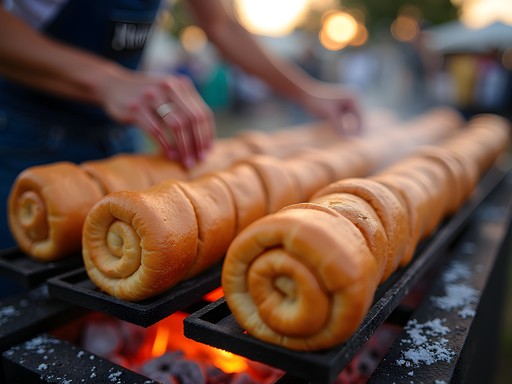
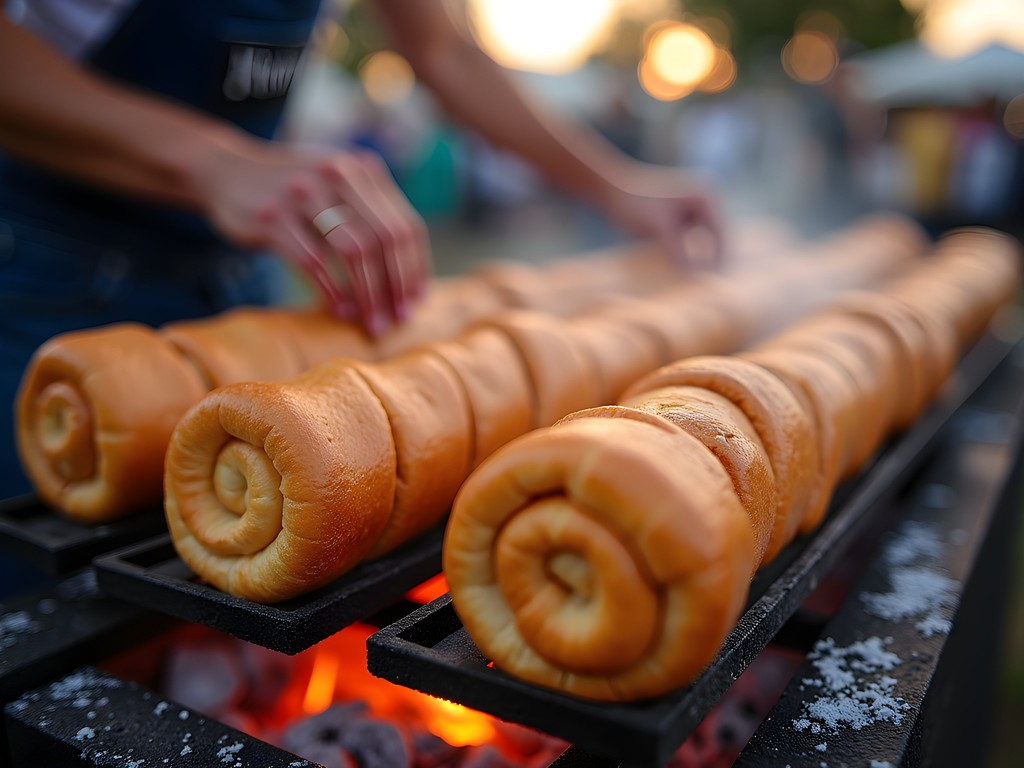
Perhaps the most theatrical of Debrecen's sweet offerings is kürtőskalács (chimney cake), a spiral-shaped pastry roasted over charcoal and rolled in various toppings. At the autumn festival in the Main Square, I watched mesmerized as artisans wrapped dough around wooden cylinders before roasting them to golden perfection. The process reminded me of how riverside communities worldwide have developed cooking techniques that maximize limited resources—in this case creating an impressive dessert from simple ingredients.
To recreate these flavors at home, I purchased a jar of Hungarian acacia honey from a local producer. This light, delicate honey forms the foundation of many traditional pastries and captures the essence of the Great Hungarian Plain's botanical diversity.
💡 Pro Tips
- Visit pastry shops during the afternoon coffee hour (around 3-4 pm) when fresh batches emerge from the ovens
- True kürtőskalács should be crispy outside and soft inside—avoid pre-made versions
- Ask for mézes (honey) rather than cukros (sugar) versions of pastries for more authentic flavor
Beyond the Tourist Trail: Home Cooking and Harvest Traditions
My most profound culinary experiences in Debrecen came not from restaurants but from connections with local families who shared their home cooking traditions. Through a cooking class arranged by the Debrecen Tourism Office, I spent an afternoon with Erzsébet, a grandmother whose family has farmed the surrounding plains for generations.
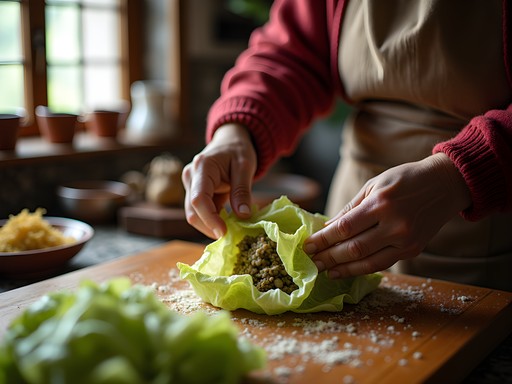
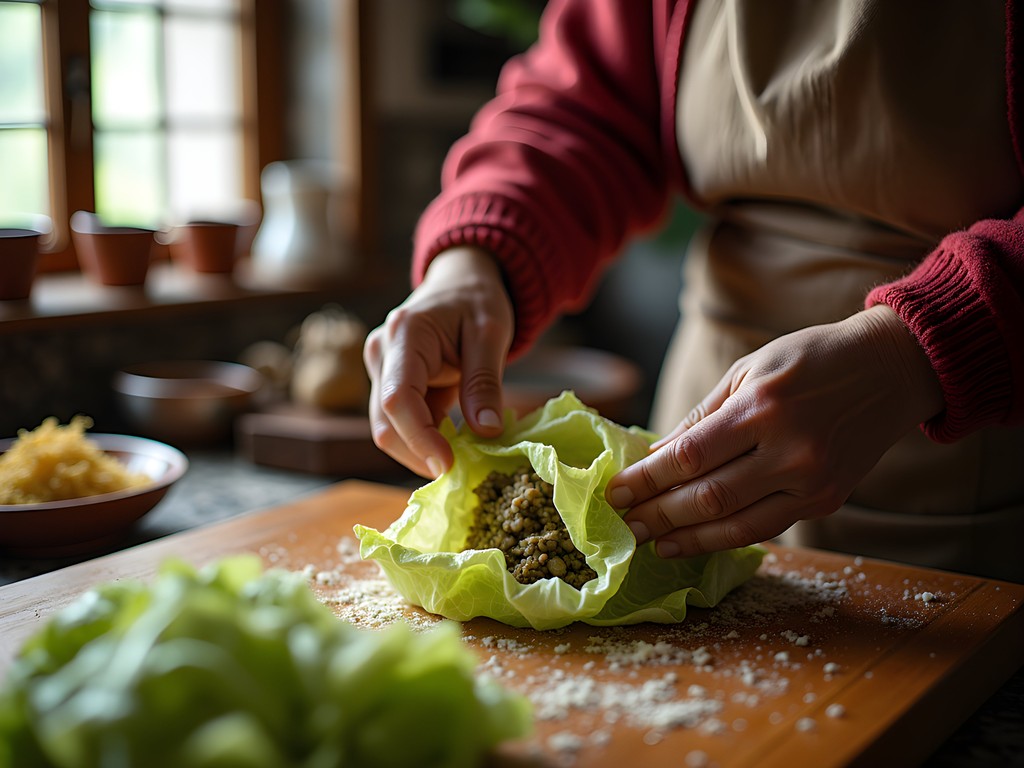
In her modest kitchen, Erzsébet demonstrated the preparation of töltött káposzta (stuffed cabbage), a dish that showcases the region's preservation techniques developed long before refrigeration. The fermented cabbage leaves wrapped around a filling of pork, rice, and paprika represented the ingenious ways communities conserved harvests to survive harsh continental winters.
Particularly fascinating was her preparation of lecsó, a pepper and tomato stew that serves as both standalone dish and foundational sauce for countless other recipes. As we chopped vegetables harvested that morning from her garden, Erzsébet explained how the rhythm of seasonal eating still governs food traditions in Eastern Hungary despite modern conveniences.
To capture these authentic flavors, I now use a ceramic paprika grinder that allows me to freshly grind dried peppers rather than relying on pre-ground varieties that quickly lose their vibrancy. The difference in flavor is remarkable—as significant as freshly ground pepper compared to pre-ground alternatives.
💡 Pro Tips
- Look for cooking class opportunities through local tourism offices or accommodation hosts
- Visit during September for harvest festivals where families prepare traditional dishes outdoors
- Ask locals where they shop—many prefer specific vendors for particular ingredients
Final Thoughts
As my weekend in Debrecen drew to a close, I found myself reflecting on the remarkable parallels between this Eastern Hungarian city and the river communities I've studied throughout my career. Like the Mississippi Basin or Mekong Delta, Debrecen's cuisine tells a story of people intimately connected to their landscape—adapting, preserving, and celebrating the bounty of their surroundings through thoughtful culinary practices.
What makes Debrecen particularly special is how accessible these traditions remain. Unlike destinations where tourism has sanitized or commercialized local food culture, here authentic experiences await those willing to venture beyond the main square. Whether you're sampling a perfectly prepared gulyás in a centuries-old csárda or learning the art of strudel-making from a local grandmother, Debrecen offers couples a genuine connection to Hungarian heritage through its food.
As climate patterns shift and agricultural traditions evolve in response, these culinary knowledge systems become increasingly precious. I encourage you to visit Debrecen not merely as consumers of its delicious offerings but as witnesses to living traditions that deserve documentation and celebration. Bring your curiosity, your appetite, and most importantly, your willingness to slow down and savor both the flavors and stories this remarkable city has to offer.
✨ Key Takeaways
- Debrecen's cuisine represents a unique fusion of Hungarian traditions, Ottoman influences, and agricultural abundance from the Great Plain
- The most authentic culinary experiences come from connecting with locals through cooking classes and family-run establishments
- Fall harvest season offers the richest food experiences with seasonal ingredients at their peak freshness
📋 Practical Information
Best Time to Visit
September-October (fall harvest season)
Budget Estimate
$75-150 per day per couple for meals and culinary experiences
Recommended Duration
2-3 days minimum
Difficulty Level
Easy



Comments
springking
Just booked my tickets to Hungary for May! Your article convinced me to add Debrecen to the itinerary. Can't wait to try that bogrács cooking!
sunsethero
That pálinka sounds interesting! Is it really as strong as you say? Any particular flavor you'd recommend for a first-timer?
springking
Not the author but I've tried it - yes, it's STRONG! Plum is traditional but I liked the apricot version best. Sip slowly!
SamuelBryant
Haha @springking is right - it's definitely potent! Around 40-50% alcohol. Apricot (barack) is more approachable for beginners. The locals will tell you good pálinka doesn't give you a hangover, but don't test that theory too aggressively!
backpackguide
Planning to visit Hungary this summer and definitely want to explore beyond Budapest. How many days would you recommend for Debrecen? And is it easy to get around without speaking Hungarian?
SamuelBryant
I'd recommend 2-3 days for Debrecen itself, plus another day if you want to explore Hortobágy National Park nearby. Getting around is fairly easy - most younger people and those in tourism/hospitality speak at least basic English. I found the Hungarian phrasebook really useful for restaurant situations though!
Douglas Bradley
Fantastic deep dive into Eastern Hungarian cuisine, Samuel! I spent three weeks in the region last summer and can confirm the food scene in Debrecen is criminally underrated. The pörkölt I had at a small family restaurant near the Great Reformed Church was possibly the best I've ever tasted - the paprika they use has this incredible depth that's missing from what we get in North America. Did you get a chance to try the Debreceni páros kolbász from any of the local butchers? I found the regional variations in sausage-making techniques across Hungary absolutely fascinating from an anthropological perspective.
SamuelBryant
Thanks Douglas! Yes, I tried the páros kolbász at the market hall - incredible stuff! You're right about the paprika quality. I actually brought some back with me from a spice vendor who's been in business for generations.
springking
Any recommendations for vegetarians in Debrecen? Or is it all meat-focused?
Douglas Bradley
@springking Surprisingly, I found several places with excellent vegetarian options! Try the lecsó (pepper stew) without the traditional sausage, and túrós csusza (cottage cheese pasta). There's also a newer place called Veganeeta that does plant-based versions of Hungarian classics.
starphotographer
Those pastries look absolutely divine! Adding Debrecen to my must-visit list!
SamuelBryant
Thanks! The rétes (strudel) varieties alone are worth the trip!
TravelingChef
Those photos of the pörkölt have me drooling! The paprika color is incredible.
HungaryFan22
Going to Debrecen in March! Any specific restaurants you'd recommend for a first-timer? Also curious about the craft beer scene you mentioned!
Samuel Bryant
For traditional food, definitely try Déryné or Régi Posta Étterem - both have excellent authentic dishes. For craft beer, head to Roncsbár - they have a great selection of local brews. Enjoy your trip!
Oliver Duncan
What a fantastic deep dive into Debrecen's food scene, Samuel! I was there in early 2025 and completely agree about the soulfulness of the cuisine. The way they cook over open fire in those bogrács cauldrons is pure magic - watching the gulyás slowly transform over hours was mesmerizing. One spot I'd add to your list is this tiny family-run place called Tündérkonyha on the outskirts of town - the grandmother makes these incredible túrós csusza (cottage cheese noodles with crispy bacon) that had me coming back three times in one week. Also, for anyone planning a trip, I found this phrasebook super helpful for navigating menus - the food vocabulary section was a lifesaver!
springway
Túrós csusza is the BEST! My Hungarian friend makes it and I'm obsessed.
Oliver Duncan
@springway Right?? Such simple ingredients but somehow so perfect together. I've tried making it at home but can't get the cheese quite right!
springway
Those pastries look incredible! Adding Debrecen to my list!
nomadbackpacker
This post brought back so many memories! I spent two weeks in Eastern Hungary last summer and Debrecen was definitely the culinary highlight. The pálinka was dangerously good - I brought home a bottle of plum pálinka from a small producer outside the city. And that Debreceni sausage... still dream about it! Did you try the Flódni cake? It's this amazing layered pastry with poppy seeds, apple, and walnuts that I became obsessed with. The locals I stayed with made it for a special occasion and I've been trying to recreate it ever since!
Samuel Bryant
Thanks for reading! Yes, I did try Flódni - absolutely incredible layers of flavor. I actually have a small section about it in the pastry traditions part! That homemade plum pálinka sounds amazing - the small producers really do make the best stuff.
nomadbackpacker
Oops, must have missed that section! I was too excited remembering my own trip. You're right about the small producers - the commercial stuff doesn't compare!
Venture X
Premium card with 2X miles, $300 travel credit, Priority Pass