
Disclosure: This article contains affiliate links. We may earn a commission from purchases at no extra cost to you, which helps our travel content.
There's something magical about discovering culinary excellence where conventional wisdom says it shouldn't exist. Columbus, Nebraska—a modest community of roughly 24,000 souls nestled along the Platte River—isn't where most food enthusiasts would expect to find a gastronomic revolution. Yet here, amid the endless cornfields and big skies of America's heartland, I discovered a vibrant farm-to-table movement and craft beer scene that rivals those in cities ten times its size. My weekend exploration revealed that Columbus isn't just preserving traditional Midwestern cuisine; it's reinventing it with remarkable creativity and authenticity.

From Field to Fork: Columbus' Agricultural Renaissance
The phrase 'farm-to-table' might seem redundant in Nebraska, where agriculture forms the backbone of both economy and identity. Yet Columbus has elevated this concept beyond mere proximity to create genuine culinary artistry.
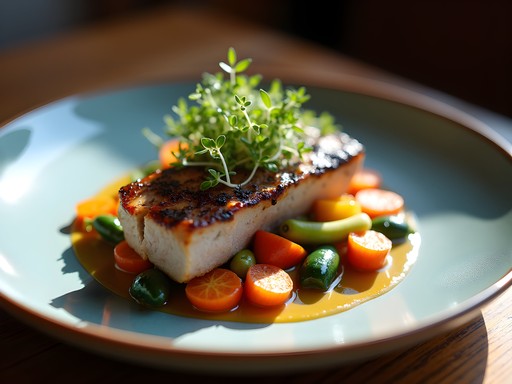
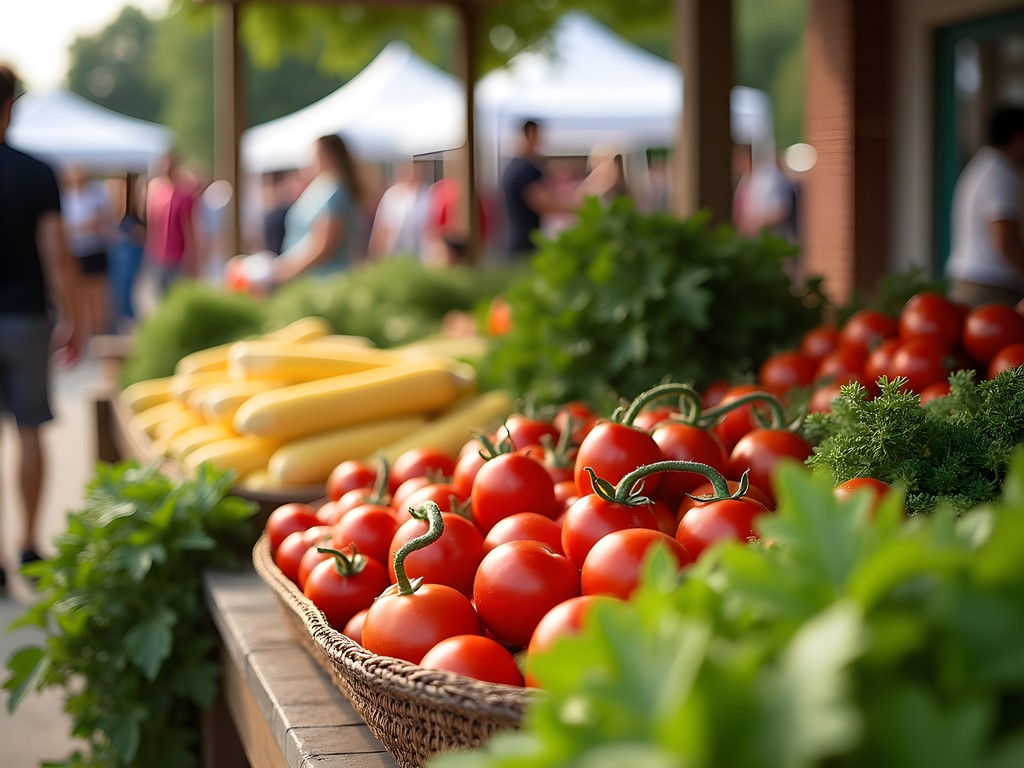
At Barley & Vine, Chef Marcus Wilkinson crafts seasonal menus that celebrate local bounty with sophisticated execution. During my visit, I savored his heirloom tomato galette featuring tomatoes harvested that morning from Platte River Valley Family Farm, just seven miles away. The pastry—made with locally milled heritage wheat—provided the perfect canvas for the tomatoes' vibrant acidity.
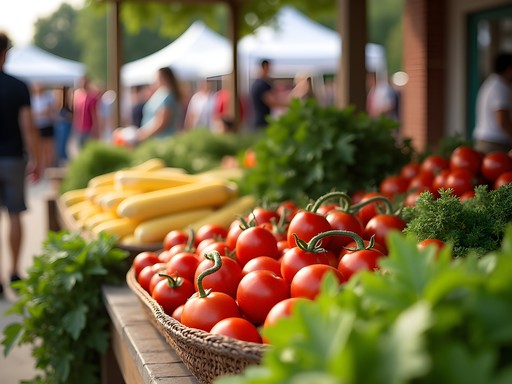
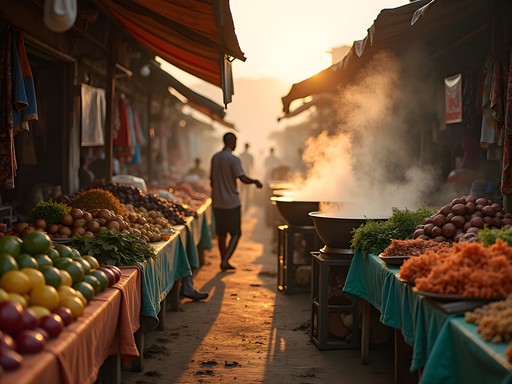
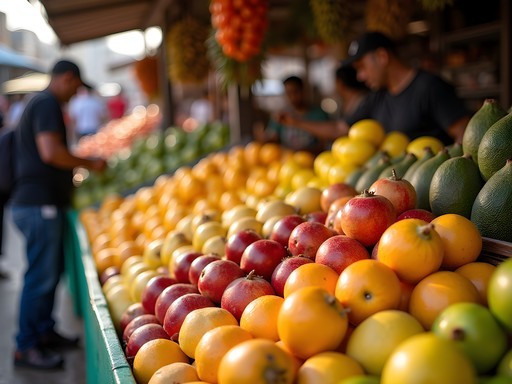
Perhaps most impressive is how Columbus farmers and chefs have formed a collaborative ecosystem rather than mere transactional relationships. At Saturday's Downtown Farmers Market, I watched restaurateurs and farmers engaged in animated conversations about upcoming crops and menu possibilities—a level of connection often missing in larger cities.
'Our challenge isn't finding quality ingredients,' explained Sara Johansen, owner of Harvest Table Café. 'It's deciding which of our amazing local producers to feature each week.' This abundance was evident in my breakfast of buckwheat pancakes topped with Bellwood Hollow maple syrup, which arrived with a handwritten note naming the family who tapped the trees.
💡 Pro Tips
- The Downtown Farmers Market runs Saturday mornings from May through September—arrive before 9 AM for the best selection
- Many restaurants offer 'meet the farmer' dinners during summer months—book these special events at least two weeks in advance
- Ask for the 'local tasting flight' at Barley & Vine for a curated sampling of seasonal Nebraska specialties
Craft Beer: Nebraska's Liquid Agriculture
If you still harbor notions of Nebraska as exclusively Budweiser territory, prepare for delightful recalibration. Columbus has embraced craft brewing with characteristic heartland dedication—treating beer as the natural extension of agricultural excellence it truly is.
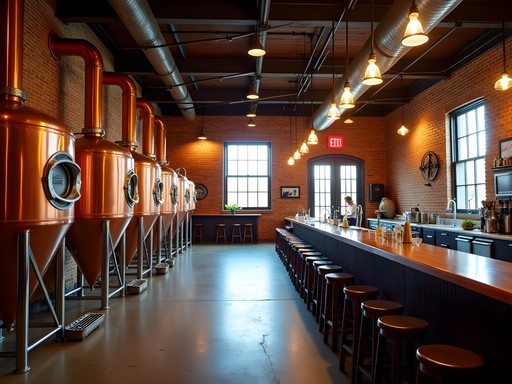
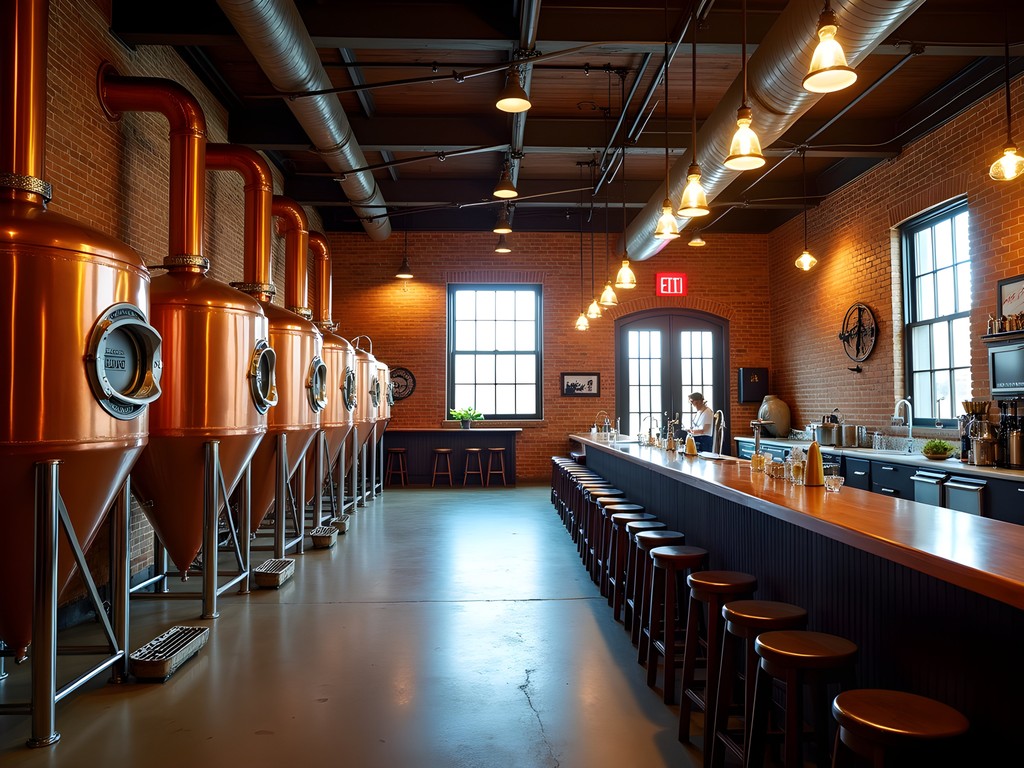
Gilded Pheasant Brewing Company anchors this movement from its restored 1900s brick building downtown. Brewer Anton Stephens approaches his craft with agricultural reverence, sourcing over 80% of his grains from Nebraska farms and even cultivating heritage varieties specifically for brewing. His Platte River Pale Ale—with notes of citrus and pine balanced against caramel malt sweetness—perfectly captures the region's terroir.
During my tasting flight, I used my trusty beer journal to note the surprising complexity in each offering. The journal's flavor wheel proved particularly helpful in identifying the subtle notes of dried cherry and tobacco in their exceptional Homesteader Porter.
For those seeking to elevate their tasting experience, I recommend bringing along a flavor identification kit. This collection of essential beer aroma compounds dramatically improved my ability to identify subtle flavor notes during my Nebraska brewery tour.
Most impressive was the brewery's commitment to water conservation—a value deeply ingrained in Nebraska's agricultural community. Their sophisticated water recycling system reduces water usage by nearly 30% compared to standard brewing operations.
💡 Pro Tips
- Visit Gilded Pheasant on Thursday evenings for their 'experimental tap' featuring limited-edition brews not available elsewhere
- The brewery offers grain-to-glass tours every Saturday at 2 PM—reservation required
- Ask for the brewer's pairing recommendations—they've developed thoughtful food pairings for each of their signature beers
Prairie Plates: Reimagining Midwestern Cuisine
What constitutes 'Midwestern cuisine' is undergoing thoughtful reconsideration in Columbus. Rather than rejecting traditional dishes, local chefs are elevating them through technique and ingredient quality while honoring their cultural significance.
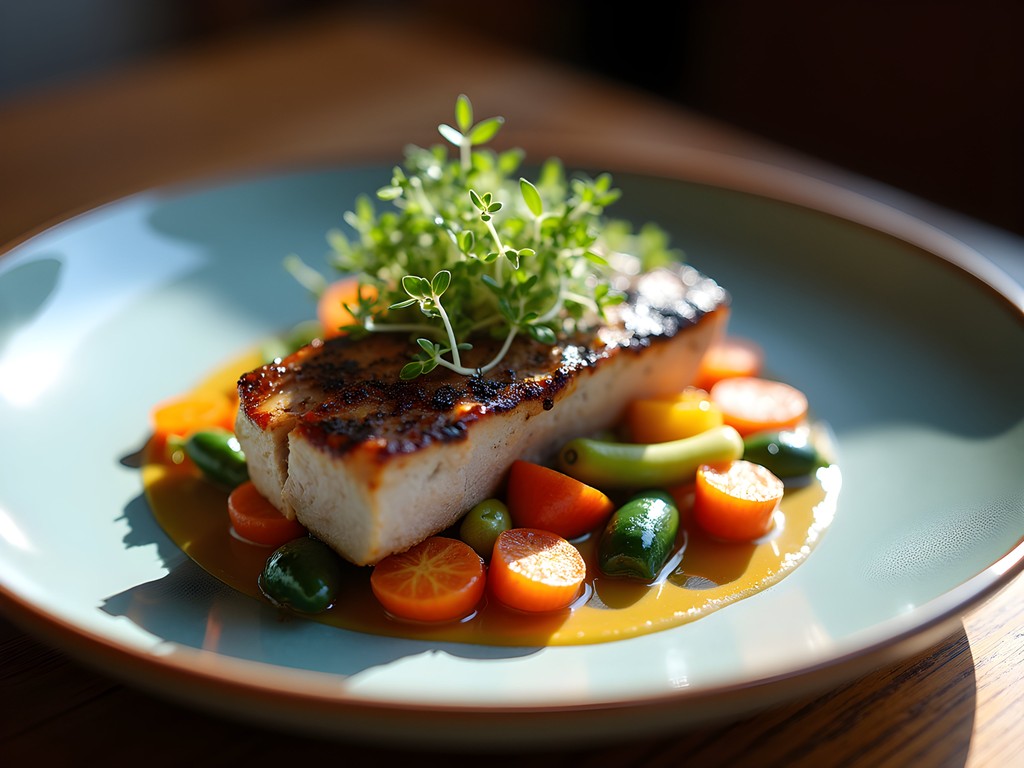
Nowhere is this more evident than at Homestead, where Chef Rebecca Larson transforms familiar comfort foods into sophisticated dining experiences. Her pork tenderloin sandwich—a Midwestern staple often reduced to diner fare—becomes transcendent through her 24-hour brine and house-made sourdough bread. The accompanying fermented slaw adds bright acidity that perfectly balances the rich pork.
For photographing these culinary creations, I relied on my portable lighting kit. The soft, adjustable light proved invaluable in capturing food details in dimly-lit restaurants without disturbing other diners.
Columbus' culinary identity also embraces its diverse cultural influences. At Sabor Latino, I discovered perhaps the most authentic Mexican cuisine I've encountered since leaving El Paso. Owner Maria Gonzalez sources rare chile varieties through a cooperative partnership with farmers in both Nebraska and Chihuahua, Mexico, creating dishes with remarkable regional specificity.
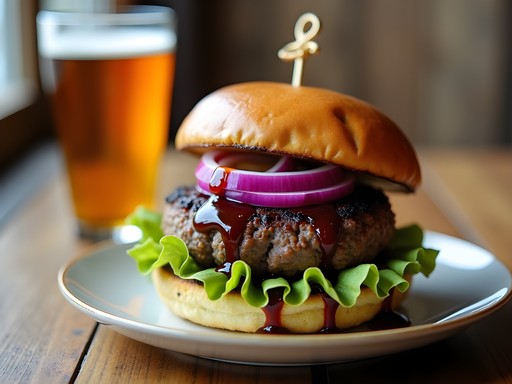
Even casual establishments demonstrate extraordinary attention to detail. The cheeseburger at Husker Bar & Grill features beef from cattle raised on a single farm, ground fresh daily, topped with house-made pickles and a brioche bun from Columbus' century-old German bakery, Glur's.
💡 Pro Tips
- Make dinner reservations at Homestead at least a week in advance—their 24-seat dining room fills quickly
- Visit Sabor Latino on Tuesdays for their regional Mexican specials not found on the regular menu
- Ask about off-menu items at most Columbus restaurants—many chefs prepare special dishes based on what arrived fresh that morning

Unexpected Pairings: Where Agriculture Meets Astronomy
Columbus offered an unexpected opportunity to combine my passions for culinary exploration and astrophotography. Just fifteen miles outside town lies Broken Kettle Observatory, a community-funded facility that hosts monthly 'Stars & Spirits' events pairing local craft beverages with guided stargazing.
On Saturday night, I joined two dozen locals and visitors on the observatory's viewing platform, where Gilded Pheasant's special 'Cosmic Stout'—brewed with coffee and vanilla for nighttime sipping—complemented our exploration of Saturn's rings and Jupiter's moons.
For astrophotography sessions like this, I always pack my red light headlamp. The red light mode preserves night vision while providing enough illumination to adjust camera settings.
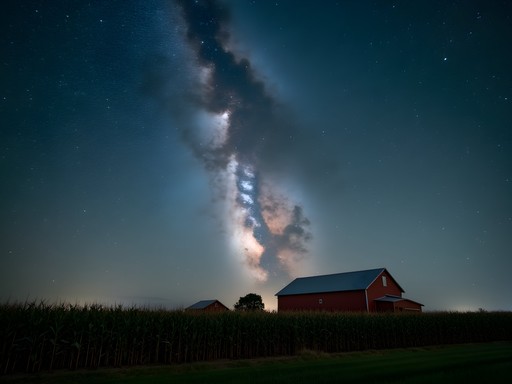
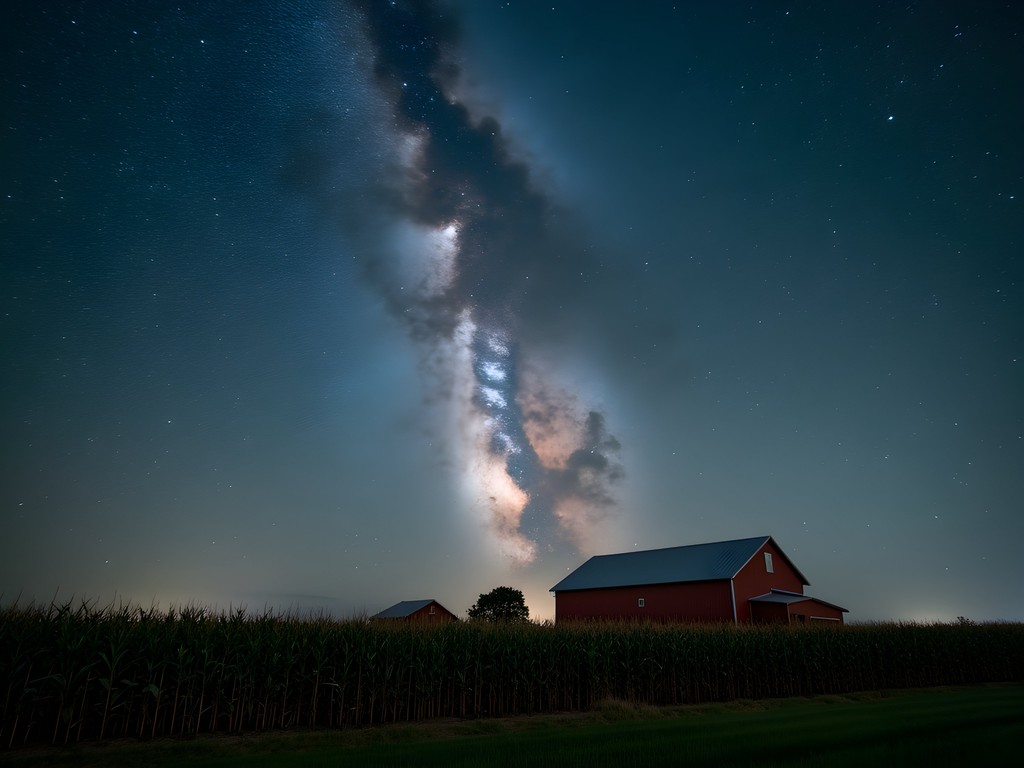
The agricultural plains surrounding Columbus offer something increasingly rare: genuinely dark skies within a short drive of comfortable accommodations and excellent dining. As I captured long-exposure images of the Milky Way arching over cornfields, I reflected on how this landscape connects earth and sky in ways similar to the ancient churches I typically photograph.
To steady my camera during these long exposures, I relied on my weighted camera bag. When traditional tripods aren't practical or allowed, this adaptable support creates stable platforms on nearly any surface.
The evening concluded with a thoughtful pairing: house-made nocino (green walnut liqueur) from local Monastery Orchards served alongside views of distant nebulae—both requiring patience, tradition, and time to fully appreciate.
💡 Pro Tips
- Reserve 'Stars & Spirits' tickets at least three weeks in advance through the observatory's website
- Bring layers even in summer—Nebraska evenings cool rapidly after sunset
- For the best astrophotography conditions, schedule your visit during the new moon phase
Final Thoughts
Columbus, Nebraska represents what I find most compelling about American culinary evolution—innovation emerging not despite tradition but because of it. Here, agricultural heritage provides both the literal and figurative soil from which new ideas grow. The town exemplifies how rural communities can preserve their authentic character while embracing contemporary food values.
What makes Columbus particularly special is the seamless integration of food culture into community life. Unlike tourist-focused culinary destinations, Columbus' food scene exists primarily for locals, creating a refreshing authenticity. Chefs know their regular customers by name, and farmers deliver produce themselves rather than through distributors.
As I packed my camera gear and tasting notes for the journey home, I reflected on how places like Columbus challenge our preconceptions about where culinary excellence can flourish. Perhaps the most valuable souvenirs I carried home were revised expectations and a reminder that sometimes the most remarkable discoveries happen where you least expect them. For travelers willing to venture beyond established foodie destinations, Columbus offers a genuine taste of America's evolving heartland—one thoughtful plate and carefully crafted pint at a time.
✨ Key Takeaways
- Columbus exemplifies how agricultural heritage can drive culinary innovation rather than hinder it
- The intimate connection between farmers and chefs creates a dining experience with unmatched transparency and authenticity
- Even small communities can support sophisticated food cultures when built on genuine agricultural foundations
📋 Practical Information
Best Time to Visit
May through September
Budget Estimate
$75-150 per day
Recommended Duration
2-3 days
Difficulty Level
Easy
Comments
freebackpacker
Beautiful photos! Really captured the vibe. Makes me want to plan a whole Heartland food tour.
greenlover
Pro tip: if you go in late summer/early fall, the farmers market on Saturday mornings is incredible. We bought so much stuff we had to reorganize our whole car. Also the farm stands along Highway 81 are worth stopping at—fresh corn and tomatoes that actually taste like something.
summerzone
This is EXACTLY what I love about road tripping!! The unexpected gems in small towns. We found an incredible farm dinner in South Dakota last year and it was better than restaurants in Chicago. Love that you're covering these places Claire!!!
Jean Wells
What strikes me about this piece is the parallel to what I've observed in rural Japan—young people returning to agricultural regions with cosmopolitan experience and creating hybrid food cultures. The key difference is scale and speed. American farm-to-table seems more entrepreneurial, less bound by tradition. I'm curious about the economic sustainability though. Are these restaurants surviving on local patronage or do they depend heavily on travelers like us? The craft beer angle is smart—it's a proven economic model that can support the restaurant ecosystem.
freebackpacker
Really interesting comparison! I think the breweries definitely help. Beer tourism is huge in the Midwest now, brings people to towns they'd never visit otherwise.
springbackpacker
which brewery should we hit first?
greenlover
Not the author but I was there in August. Start with the one that does the sour beers with local fruit. They had a plum sour that was unreal. Then the bigger production brewery for dinner—their food menu is legit.
springbackpacker
perfect thanks!
wildlover
OMG the astronomy pairing section!! That's so unique! Never heard of a restaurant doing that before. Are the observatory nights regular or seasonal?? Adding this to my road trip list immediately!!!
Sage Dixon
Claire, this takes me back! I drove through the Heartland last summer chasing storm photography, and stumbled into a similar scene in Iowa. There's this incredible movement happening in small agricultural towns—chefs who grew up on farms, went to culinary school, then came back home with new eyes. The ingredient quality is insane because literally everything is within 20 miles. Did you get to try any of the heritage grain varieties they're reviving? I had this rye bread in Iowa that changed my understanding of what grain could taste like.
summerzone
YES!! The grain thing is real! We did a farm tour in Kansas and the farmer was growing like 8 different wheat varieties. Mind blown.
happychamp
Never thought Nebraska would be on my food list!
summerlegend
Best time of year to visit for food experiences? Is harvest season (fall) better or summer?
luckylife
As someone who grew up there - definitely September/October! The harvest dinners are magical and the weather is perfect. Summer is great too but harvest season is when everything comes together.
Sarah Powell
Claire, your timing is perfect! I've been researching America's overlooked culinary destinations for my next series. Columbus exemplifies what's happening in so many small agricultural communities - this beautiful blend of tradition and innovation. What struck me most during my visit was how the restaurants weren't just serving good food, but telling a story about the place and its people. The craft beer scene especially shows how these communities are reinventing themselves while honoring their agricultural roots. Did you get to meet any of the farmers supplying these restaurants? Their perspectives added so much depth to my understanding of the region.
Claire Powell
I did! Spent a morning with the Hendersons at their regenerative farm - three generations working together. The youngest generation (mid-30s) had moved back from Chicago specifically to transform their family farm into something sustainable. They're now the main supplier for three restaurants in town. These stories of return migration are becoming common and really changing rural dynamics.
Venture X
Premium card with 2X miles, $300 travel credit, Priority Pass